
Mastering Ultralight Backpacking: Tips for Smart Adventure

Embark on your backpacking adventure wisely! Unearth essential tips to pack light and smart for a hassle-free escapade.
Factual data: Lightening your load while backpacking is important for a more enjoyable experience. Here are some essential tips to help you lighten your load:
- Choose a lightweight backpack that fits well and has features like ventilation.
- Consider using an ultralight shelter such as a hammock, tarp, or ultralight tent.
- Opt for a down sleeping bag, which is warm, compressible, and lightweight.
- Use a lightweight sleeping pad, such as an Ultralight Sleeping Pad, to save weight.
- Pack only the essential items and rethink what you consider essential.
- Prioritize multi-use gear to reduce the number of items you need to carry.
- Plan your food carefully, choosing lightweight and calorie-dense options.
- Lay out all your gear and cut down on unnecessary items.
- Organize your pack properly, keeping heavy items centered and close to your back.
- Weigh your gear to identify the heaviest items and find lighter alternatives.
- Use a pack organization tool like Lighterpack to help you organize your gear.
- Choose lightweight clothing that is breathable and layer properly.
- Use appropriate shoes for the terrain and consider lighter options like hiking shoes.
- Be meticulous about food planning and choose calorie-dense options.
- Plan your hike around water sources to avoid carrying unnecessary water weight.
- Use a lightweight water filter instead of carrying extra water.
- Choose lightweight, functional tools and avoid carrying anything unnecessary.
- Use a smaller, lighter flashlight that meets your needs.
- Use Ziploc bags instead of heavy, waterproof cases to protect your gear.
- Share the weight of shared items like tents with your hiking partners.
Remember, packing light is the key to a smart and hassle-free backpacking experience. By following these essential tips, you can ensure that your adventure is more enjoyable and stress-free.
Choosing the Right Backpack
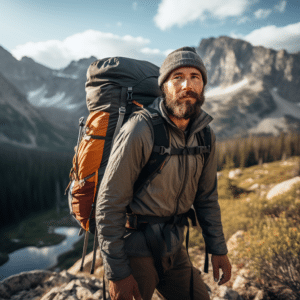
Selecting the right backpack is crucial for a comfortable and lightweight backpacking experience. When it comes to backpacks, the keywords are lightweight and ventilation. These features will help you carry your essentials without straining your back and keep your back cool during long hikes.
Consider opting for a backpack made from lightweight materials like nylon or Dyneema. These materials are not only durable but also contribute to reducing the overall weight of your pack. Look for backpacks that have adjustable straps and multiple compartments for better weight distribution and organization.
Ventilation is another key factor to consider. Look for backpacks that have a well-ventilated back panel, allowing air to circulate and prevent excessive sweating. This feature is particularly important during warmer months or when hiking in humid environments.
| Key Features of a Lightweight Backpack | Benefits |
|---|---|
| Lightweight materials like nylon or Dyneema | Reduces overall pack weight |
| Adjustable straps and multiple compartments | Improves weight distribution and organization |
| Well-ventilated back panel | Prevents excessive sweating |
Remember, the backpack is the foundation of your backpacking gear, so investing in a high-quality, lightweight backpack with proper ventilation will go a long way in enhancing your overall backpacking experience.
Ultralight Shelter Options
Consider embracing ultralight shelter options like hammocks, tarps, or ultralight tents to reduce the weight of your gear. These lightweight alternatives offer practical and convenient solutions for backpackers seeking to minimize the burden on their backs.
When it comes to hammocks, they provide a comfortable and versatile sleeping arrangement without the need to carry a heavy tent. Paired with a bug net and a rain fly, hammocks can be a great ultralight shelter option, especially in areas with trees or other suitable anchor points.
If hammocks aren’t your preference, tarps are another lightweight option worth considering. They offer protection from the elements while minimizing weight, making them an excellent choice for minimalist backpackers. Tarps can be set up in various configurations, providing shelter from rain, wind, and sun.
Alternatively, ultralight tents are purpose-built to be lightweight and compact. These tents utilize innovative materials and designs to reduce weight without sacrificing durability and weather resistance. They often come with features like high-quality zippers, mesh panels for ventilation, and a vestibule for gear storage.
| Ultralight Shelter Options | Weight | Key Features |
|---|---|---|
| Hammocks | Varies, typically less than 2 pounds | Comfortable, versatile, no need for a tent |
| Tarps | Varies, typically less than 1 pound | Minimalist, customizable shelter |
| Ultralight Tents | Varies, typically 2-4 pounds | Compact, durable, weather-resistant |
Optimal Sleeping Gear
Ensure a comfortable night’s sleep with a warm, compressible, and lightweight down sleeping bag paired with an ultralight sleeping pad. A down sleeping bag provides excellent insulation, keeping you warm in cold temperatures while also being highly compressible, allowing it to take up minimal space in your backpack. Look for a down sleeping bag with a high fill power, indicating the quality and loftiness of the down insulation.
To further enhance your sleeping comfort, invest in an ultralight sleeping pad. These pads are designed to be lightweight and compact, making them easy to carry without compromising on cushioning and support. Look for a pad with a high R-value, which measures its insulating properties. This will ensure you stay warm and comfortable throughout the night.
When packing your sleeping gear, consider using a compression stuff sack to reduce the size of your sleeping bag even further. This will help save space in your backpack and make it easier to organize your gear. Additionally, remember to store your sleeping pad in a protective cover to prevent any damage during your backpacking adventures.
| Sleeping Gear Checklist |
|---|
| ☑ Warm, compressible down sleeping bag |
| ☑ Ultralight sleeping pad |
| ☑ Compression stuff sack |
| ☑ Protective cover for sleeping pad |
Packing Essentials Only
Streamline your gear by packing only the essentials and reconsidering what you truly need on your backpacking trip. Carrying unnecessary items can add unnecessary weight and hinder your overall experience. To ensure a lighter load and a more enjoyable journey, follow these tips:
1. Make a checklist: Before you start packing, create a checklist of essential items that you will need for your trip. This will help you stay organized and avoid packing items that are not essential.
2. Prioritize multi-use items: Look for gear and equipment that can serve multiple purposes. For example, choose a lightweight cooking pot that can also double as a bowl or a mug.
| Multi-Use Gear | Function |
|---|---|
| Hiking pants with zip-off legs | Converts from pants to shorts |
| Bandana | Can be used as a neck covering, headband, or towel |
| Multi-tool | Includes various tools like a knife, screwdriver, and bottle opener |
3. Pack smart when it comes to clothing: Choose lightweight, quick-drying fabrics that are suitable for the weather conditions you will encounter. Opt for versatile clothing pieces that can be layered for warmth.
- Pack clothing items that can be mixed and matched to create different outfits.
- Consider packing lightweight, moisture-wicking socks and underwear that can be easily washed and dried while on your trip.
4. Think about comfort and safety: While it’s important to pack light, don’t compromise on essential items that will ensure your comfort and safety during your backpacking adventure. This includes items such as a first aid kit, navigation tools, and a reliable headlamp.
“When it comes to packing for a backpacking trip, less is definitely more. Eliminate unnecessary items and focus on the essentials that will enhance your experience on the trail.”
By packing only the essentials, you’ll not only reduce the weight of your backpack but also free up space for other important items. Remember, a lighter load means more enjoyment and less strain on your body. So, take the time to evaluate your gear, consider each item’s necessity, and make informed choices that will contribute to a more hassle-free and memorable backpacking experience.
Multi-Use Gear
Minimize the number of items in your pack by prioritizing multi-use gear that serves multiple functions. Investing in gear that can be used in versatile ways not only reduces the overall weight but also saves space in your backpack. Here are some examples of multi-use gear that can help you lighten your load:
- A multi-tool: Instead of carrying separate tools for various tasks, a multi-tool combines multiple functions like a knife, pliers, screwdriver, and more.
- A bandana: This simple piece of fabric can serve as a towel, sun protection, a bandage, a pot holder, and a sweatband.
- Zip-off pants: These pants can be converted into shorts, eliminating the need to pack both long pants and shorts.
- A buff: This versatile accessory can be used as a headband, neck gaiter, face mask, or even a hat.
- A lightweight cooking pot: Look for a pot that can be used not just for cooking but also as a bowl or a mug.
By incorporating multi-use gear into your backpacking setup, you can significantly reduce the number of individual items you need to carry, making your overall load lighter and more manageable.
Testimonials:
“Using a multi-tool on my backpacking trips has been a game-changer. I no longer have to carry multiple tools, and the weight savings are noticeable. It’s one of the best investments I’ve made!” – John M.
“I always pack a bandana when I go backpacking. It’s incredibly versatile and has come in handy in so many unexpected situations. Plus, it weighs next to nothing!” – Sarah L.
Table: Comparison of Multi-Use Gear
| Gear | Functions | Weight |
|---|---|---|
| Multi-tool | Knife, pliers, screwdriver | 8 oz |
| Bandana | Towel, sun protection, bandage | 1 oz |
| Zip-off pants | Long pants, shorts | 12 oz |
| Buff | Headband, neck gaiter, face mask | 0.5 oz |
| Cooking pot | Cooking, bowl, mug | 10 oz |
Food Planning
Plan your food carefully, opting for lightweight and calorie-dense options to keep your pack weight down. When backpacking, every ounce matters, so it’s important to choose foods that provide maximum energy and nutrition while minimizing weight and bulk.
Start by considering lightweight options such as dehydrated meals, which are not only lightweight but also require minimal preparation and cleanup. These meals are available in a variety of flavors and can be easily rehydrated with hot water. Another option is to pack dry goods like instant oats, rice, and pasta, which are lightweight and can be supplemented with lightweight protein sources like jerky or nuts.
In addition to being lightweight, it’s crucial to choose calorie-dense foods that will provide sustained energy. Nut butter, trail mix, and energy bars are all great options as they are packed with healthy fats, protein, and carbs. These foods will keep you fueled throughout your hiking adventures without adding unnecessary weight to your pack.
Sample Lightweight and Calorie-Dense Backpacking Meal Plan:
| Meal | Food Items | Total Weight (oz) | Calories |
|---|---|---|---|
| Breakfast | Instant Oats (1 packet), Dehydrated Fruit (1/4 cup), Nut Butter (1 packet) | 4 | 500 |
| Lunch | Tortilla Wraps (2), Tuna Pouch (1), Cheese (1 oz), Trail Mix (1/4 cup) | 8 | 700 |
| Dinner | Dehydrated Pasta (1 serving), Dehydrated Vegetables (1/4 cup), Olive Oil (1 tbsp) | 6 | 600 |
| Snacks | Energy Bars (2), Jerky (2 oz), Dried Fruit (1/2 cup) | 10 | 800 |
Remember to pack your meals in lightweight, resealable bags to save weight and minimize waste. Also, take into consideration any specific dietary restrictions or allergies when planning your backpacking meals. Enjoy your lightweight and calorie-dense meals to keep you energized and ready for your backpacking adventure!
Gear Evaluation
Lay out all your gear and identify and eliminate any unnecessary items that are weighing you down. When reviewing your gear, ask yourself if each item serves a specific purpose and if it is essential for your backpacking trip. Consider the weight, value, and versatility of each item to determine if it deserves a spot in your pack.
A helpful approach is to categorize your gear into three groups: essentials, optional items, and unnecessary items. Essentials are items that are crucial for your safety and well-being, such as your shelter, sleeping bag, and food. Optional items are those that may enhance your comfort or convenience, but are not absolutely necessary, like camp chairs or extra clothing. Unnecessary items are those that serve no practical purpose or can be replaced with lighter alternatives.
Once you have identified unnecessary items, remove them from your gear list. This will help lighten your load and create more space in your backpack. Remember, the less weight you carry, the more enjoyable and comfortable your backpacking experience will be.
| Category | Examples |
|---|---|
| Essentials | Shelter, sleeping bag, food |
| Optional Items | Camp chair, extra clothing |
| Unnecessary Items | Duplicate gear, heavy gadgets |
Pack Organization
Maintain an organized and balanced pack by strategically placing heavier items closer to your back. This helps to distribute weight evenly and prevents excessive strain on your body during long hikes. Consider using a pack with multiple compartments and compression straps to keep your gear organized and secure.
Utilize Packing Cubes
Invest in packing cubes to keep your items compact and organized within your backpack. These lightweight fabric containers help separate your clothing, gear, and accessories, making it easier to locate specific items without having to rummage through your entire pack. Opt for compression packing cubes to save space and reduce bulk.
“Packing cubes are a game changer! They keep my clothes and gear neatly organized, and I can easily find what I need without unpacking everything.” – John, experienced backpacker
Create a Packing Checklist
Before each trip, create a thorough packing checklist to ensure you don’t forget any essentials and avoid unnecessary items. Start by listing the most important items, such as your tent, sleeping bag, and cooking gear. Then, move on to clothing, toiletries, and any additional gear specific to your trip. Having a checklist helps you stay organized, prevents overpacking, and ensures you have everything you need for a successful backpacking adventure.
| Essential Items | Optional Items |
|---|---|
|
|
Consider your pack’s weight distribution
When organizing your pack, keep in mind that the heaviest items should be placed close to your back, centered between your shoulder blades. This helps maintain balance and stability while minimizing strain on your body. Bulky and lighter items can be placed towards the outside of the pack. Experiment with different placements to find the most comfortable configuration for your body and gear.
Identifying Heavy Gear
Weigh your gear to pinpoint the heaviest items and seek out lighter alternatives to reduce pack weight. Carrying unnecessary weight can quickly become exhausting and hinder your enjoyment during backpacking trips. By evaluating the weight of each item and considering lighter alternatives, you can significantly lighten your load and make your journey more comfortable.
Start by laying out all your gear and using a reliable scale to weigh each item individually. Take note of the heaviest items, such as a bulky tent or a large cookware set. These items are prime targets for finding lighter alternatives that won’t compromise functionality.
Identifying Heaviest Items
| Item | Weight (ounces) |
|---|---|
| Tent | 60 |
| Cookware set | 32 |
| Sleeping bag | 48 |
Once you have identified the heaviest items, research lighter alternatives that offer similar functionality. For example, consider switching to a lightweight tent that utilizes innovative materials or a minimalist cookware set that includes only the essentials.
By making strategic choices to reduce the weight of these specific items, you can significantly decrease the overall weight of your backpack without sacrificing necessary gear. Remember, every ounce counts when you’re on the trail.
Take the time to research and test lightweight alternatives before embarking on your backpacking adventure. By doing so, you’ll ensure you have the lightest and most efficient gear to carry with you, allowing you to experience the beauty of nature without unnecessary burdens.
Pack Organization Tools
Utilize pack organization tools such as Lighterpack to streamline the organization of your backpacking gear. These tools provide a convenient way to create a detailed inventory of your items, categorize them, and calculate the total weight of your pack. Lighterpack, in particular, offers features like adding notes, attachments, and tracking the weight of individual items. By utilizing these tools, you can ensure that you have everything you need while keeping your pack weight to a minimum.
When using a pack organization tool like Lighterpack, start by creating a comprehensive list of all the items you plan to take on your backpacking trip. Categorize them into groups such as clothing, shelter, sleep system, cooking equipment, and miscellaneous items. Assign each item a weight and attach any necessary notes or attachments that will help you remember their purpose or specific usage.
Once you have entered all your gear into the pack organization tool, take advantage of the weight tracking feature to see the total weight of your pack. This will give you a clear understanding of how much weight you are carrying and allow you to make informed decisions about what items are essential and what can be left behind. By identifying any unnecessarily heavy items, you can explore lighter alternatives or consider leaving them out altogether.
In addition to helping you organize and track the weight of your gear, pack organization tools like Lighterpack can also be a valuable resource for future trips. You can save your gear list as a template, making it easy to replicate for different trips or modify as needed. The ability to have a detailed inventory of your gear can also be helpful for insurance purposes or when sharing your packing list with fellow backpacking enthusiasts.
| Benefits of Pack Organization Tools | Examples |
|---|---|
| Efficiently organize gear | Lighterpack |
| Calculate total pack weight | Lighterpack |
| Easily identify heavy items | Lighterpack |
| Create and save gear templates | Lighterpack |
Lightweight Clothing
Stay comfortable on the trail by opting for lightweight, breathable clothing and mastering the art of layering. When choosing your hiking attire, prioritize garments made from lightweight materials that wick away moisture and allow for proper air circulation. Look for clothing specifically designed for outdoor activities, such as hiking shirts and pants made from synthetic fabrics or merino wool. These materials are known for their moisture-wicking properties, quick-drying capabilities, and odor resistance.
The key to staying comfortable in changing weather conditions is mastering the art of layering. Start with a base layer made from moisture-wicking fabric to keep your skin dry and regulate your body temperature. Over this, add a mid-layer made of insulating material like fleece or down to trap warmth. Finally, top it off with a lightweight, breathable outer shell to protect yourself from wind and rain while allowing excess heat to escape. This layering system allows for easy adjustments throughout the day as temperatures fluctuate.
Remember to pack spare socks and underwear made from moisture-wicking materials to keep your feet and other sensitive areas dry and comfortable. Avoid cotton as it retains moisture and can lead to chafing and discomfort. Instead, opt for synthetic or wool-blend socks and underwear that offer better moisture management and prevent blisters and irritation.
| Essential Clothing Items | Tips |
|---|---|
| Base Layer | Invest in high-quality base layers made from moisture-wicking materials to keep your skin dry and regulate body temperature. |
| Mid-Layer | Choose an insulating mid-layer, such as a fleece or down jacket, to trap warmth in colder conditions. |
| Outer Shell | Opt for a lightweight, breathable outer shell jacket to protect yourself from wind and rain while allowing excess heat to escape. |
| Socks and Underwear | Pack spare socks and underwear made from moisture-wicking materials to keep your feet and other sensitive areas dry and comfortable. |
Remember, the key to a comfortable backpacking experience lies in lightweight clothing and effective layering. Prioritize garments designed for outdoor activities, and always opt for lightweight materials that offer breathability and moisture-wicking properties. By following these tips and choosing the right clothing, you’ll stay comfortable, dry, and ready for any adventure that comes your way.
Footwear Selection
Ensure a comfortable and light-footed journey by selecting the right footwear for the specific terrain, such as lightweight hiking shoes. When it comes to backpacking, the shoes you choose can make a significant difference in your overall experience. It’s important to find footwear that offers the right balance of support, traction, and weight.
Lightweight hiking shoes are a popular choice for backpackers due to their versatility and comfort. These shoes are designed to provide adequate support for long hikes while being lighter than traditional hiking boots. They are ideal for hiking on moderate terrains where ankle support is not a major concern.
When selecting hiking shoes, consider the type of terrain you will encounter during your backpacking trip. If you’ll be traversing rocky or uneven surfaces, choose shoes with a durable outsole and plenty of traction. Look for shoes that offer a good grip on both wet and dry surfaces to prevent slips and falls.
| Terrain | Footwear Recommendation |
|---|---|
| Rocky or uneven | Hiking shoes with a durable outsole and excellent traction |
| Wet or slippery | Hiking shoes with a good grip on wet and dry surfaces |
| Smooth or well-maintained trails | Lightweight hiking shoes with adequate cushioning and breathability |
In addition to the terrain, consider the weight of your footwear. Lighter shoes can help reduce fatigue during long hikes and allow you to move more efficiently. However, it’s important to strike a balance between weight and durability. Ensure that the shoes you choose are durable enough to withstand the demands of backpacking while still being lightweight.
Remember, the right footwear can make a world of difference when backpacking. By choosing lightweight hiking shoes that are suitable for the terrain, you can enjoy a comfortable and light-footed journey.
Strategic Food Planning
Maximize your energy intake while minimizing pack weight through strategic food planning and calorie-dense options. When backpacking, it is crucial to carefully consider your food choices to ensure you have enough energy for your adventure without adding unnecessary weight to your pack.
One effective strategy is to choose lightweight, high-calorie foods that provide essential nutrients. Opt for dehydrated meals, energy bars, nuts, and dried fruits, as they have a high caloric density and are easy to pack. Additionally, consider repackaging bulk items into smaller, lightweight containers to save space and weight while maintaining freshness.
Another important factor to consider is meal preparation. Plan ahead and portion your meals into individual bags or containers for each day, ensuring you have a balanced mix of proteins, carbohydrates, and fats. This not only saves space but also makes cooking more efficient and eliminates the need to carry excess food.
| Calorie-Dense Food Options | Calories per 100g |
|---|---|
| Almonds | 579 |
| Peanut Butter | 589 |
| Oats | 389 |
| Salmon Jerky | 390 |
Remember to balance your calorie-dense options with fresh fruits and vegetables to provide essential vitamins and minerals. Pack lightweight, durable containers to protect delicate produce and prevent spoilage.
By strategically planning your meals and selecting calorie-dense options, you can ensure you have the energy you need for your backpacking adventure while keeping your pack weight to a minimum. Happy hiking!
Water Considerations
Plan your hike around accessible water sources and lighten your load by utilizing lightweight water filters instead of carrying extra water. Choosing the right water filtration system is crucial for ensuring a safe and reliable water supply while backpacking. Lightweight water filters, such as the Sawyer Mini Water Filter, are an excellent choice as they remove bacteria, protozoa, and microplastics from freshwater sources.
When planning your route, research the availability of water sources along the trail. Identifying reliable water sources will help you determine how much water you need to carry at any given time. This knowledge allows you to minimize the amount of water weight you carry in your backpack, freeing up space for other essential gear.
With a lightweight water filter, you can safely collect water from streams, lakes, and even questionable sources. These filters are designed to be compact and packable, making them an ideal choice for backpackers looking to reduce their load. Remember to always follow the manufacturer’s instructions when using a water filter to ensure its effectiveness and longevity.
By incorporating lightweight water filters into your backpacking gear, you can confidently embark on your journey knowing that you have a reliable source of clean water without the added weight. So, plan ahead, prioritize water sources, and choose a lightweight water filter to keep yourself hydrated and your backpack light.
| Benefits of Lightweight Water Filters | Examples |
|---|---|
| Removes bacteria, protozoa, and microplastics | Sawyer Mini Water Filter |
| Compact and packable | Katadyn BeFree Water Filtration System |
| Reliable and safe water supply | MSR TrailShot Pocket-Sized Water Filter |
Choosing Functional Tools
Opt for lightweight, functional tools that serve your needs, and eliminate any unnecessary items from your pack. When it comes to tools, the key is to strike a balance between functionality and weight. Consider the specific tasks you’ll be performing during your backpacking trip and choose tools that are designed for those purposes.
One essential tool for all backpackers is a multi-tool, such as the Leatherman Wave Plus. This versatile tool combines several functions in one, including pliers, knives, screwdrivers, and more. It’s compact and lightweight, making it a must-have for any backpacker. You can find similar multi-tools from other reputable brands like Gerber and Victorinox.
You’ll also want to consider a lightweight, high-quality headlamp for lighting your way at night. The Petzl Actik Core is a popular choice among backpackers. It offers multiple brightness settings and a rechargeable battery, eliminating the need to carry extra batteries. The Black Diamond Spot is another excellent option, known for its long battery life and customizable lighting modes.
Lastly, don’t forget about a reliable water filter to ensure you have access to clean drinking water during your backpacking adventure. The Sawyer Squeeze Water Filter is a smart choice, as it is compact, lightweight, and can filter up to 100,000 gallons of water. It’s easy to use and maintain, making it a convenient tool to have in your pack.
| Tool | Features | Weight |
|---|---|---|
| Leatherman Wave Plus | Pliers, knives, screwdrivers, and more | 8.5 oz |
| Petzl Actik Core | Multiple brightness settings, rechargeable battery | 2.6 oz |
| Black Diamond Spot | Customizable lighting modes, long battery life | 3.1 oz |
| Sawyer Squeeze Water Filter | Filters up to 100,000 gallons of water | 3 oz |
Conclusion
By implementing these essential backpacking tips, you’ll be able to lighten your load, pack smart, and embark on a hassle-free adventure. Choosing the right backpack is crucial, so opt for a lightweight, well-fitting option with ventilation features to keep you comfortable on the trail. Consider using an ultralight shelter like a hammock, tarp, or ultralight tent to further reduce weight without sacrificing protection from the elements.
Your sleeping gear should also be optimized for weight and warmth. A down sleeping bag and a lightweight sleeping pad will provide the necessary insulation and comfort while minimizing bulk. When packing, only take the essential items and reevaluate what you truly need. Prioritize multi-use gear to reduce the number of items in your pack, and plan your food carefully by opting for lightweight and calorie-dense options.
When evaluating your gear, eliminate unnecessary items and organize your pack properly. Keep heavy items centered and close to your back for better weight distribution. Weigh your gear to identify the heaviest items and explore lighter alternatives. Utilize pack organization tools like Lighterpack to efficiently arrange your gear. Choose lightweight, breathable clothing and appropriate footwear for the terrain, such as hiking shoes.
Don’t forget water considerations – plan your hikes around water sources to avoid carrying unnecessary weight. Use a lightweight water filter instead of carrying extra water. Lastly, choose functional tools that serve multiple purposes, and avoid carrying anything unnecessary. Consider using a smaller, lighter flashlight and protect your gear with Ziploc bags instead of heavy, waterproof cases. Share the weight of shared items like tents with your hiking partners to further lighten the load.
FAQ
Why is it important to lighten your load while backpacking?
Lightening your load while backpacking is important for a more enjoyable experience. By reducing the weight of your pack, you’ll have more energy, less strain on your body, and greater mobility on the trail.
What are some tips for choosing the right backpack?
When choosing a backpack, it’s important to select a lightweight option that fits well and has features like ventilation to maximize comfort and reduce strain on your back.
What are some ultralight shelter options?
Ultralight shelter options include hammocks, tarps, and ultralight tents. These alternatives are lighter in weight compared to traditional tents while still providing adequate protection from the elements.
What are the optimal sleeping gear choices for backpacking?
Opt for a down sleeping bag, which is warm, compressible, and lightweight. Additionally, use a lightweight sleeping pad, such as an Ultralight Sleeping Pad, to save weight without compromising comfort.
How can I pack lighter by considering essential items?
To pack lighter, prioritize essential items and rethink what you consider essential. Eliminate unnecessary items and only pack what you truly need for your backpacking trip.
How can multi-use gear help me lighten my load?
Prioritizing multi-use gear reduces the number of items you need to carry. Look for gear that serves multiple purposes, eliminating the need to bring additional items.
How can I plan my food to save weight while backpacking?
Plan your food carefully by choosing lightweight and calorie-dense options. This allows you to maintain energy levels without adding unnecessary weight to your pack.
How can I evaluate my gear to identify unnecessary items?
Lay out all your gear and evaluate each item. Cut down on anything unnecessary and consider lighter alternatives for items that are essential.
How should I organize my backpack to distribute weight properly?
Organize your pack properly by keeping heavy items centered and close to your back. This ensures better weight distribution and improves your balance while hiking.
How can I identify the heaviest items in my pack to find lighter alternatives?
Weigh your gear to identify the heaviest items. Once identified, research and find lighter alternatives to replace those items, further reducing the weight of your pack.
Are there any tools to help with pack organization?
Yes, you can use pack organization tools like Lighterpack to help you efficiently organize your gear. These tools provide a comprehensive way to track and plan your pack contents.
What are some tips for choosing lightweight clothing for backpacking?
When choosing clothing for backpacking, opt for lightweight options that are breathable and layer properly. This helps regulate your body temperature and saves space in your pack.
What kind of footwear is best for backpacking?
Choose appropriate shoes for the terrain you’ll be backpacking in. Consider lighter options like hiking shoes, which provide comfort and support while reducing weight compared to traditional hiking boots.
How can I plan my food strategically for backpacking?
When planning food for your backpacking trip, choose calorie-dense options to maximize energy while minimizing weight. This ensures you have enough fuel for your adventure without carrying excess weight.
How can I minimize carrying unnecessary water weight while backpacking?
Plan your hike around water sources to avoid carrying unnecessary water weight. Additionally, use a lightweight water filter instead of carrying extra water to reduce your pack load.
What kind of tools should I carry while backpacking?
Choose lightweight, functional tools that are necessary for your trip. Avoid carrying anything unnecessary that will only add to the weight of your pack.
What kind of flashlight should I bring for backpacking?
Choose a smaller, lighter flashlight that meets your needs. Consider factors like brightness, battery life, and weight to make the best choice for your backpacking trip.
How can I protect my gear without adding extra weight?
Instead of heavy, waterproof cases, use Ziploc bags to protect your gear. They are lightweight and provide sufficient protection against moisture.
How can I share the weight of shared items like tents?
When backpacking with others, distribute the weight of shared items like tents among the group. This lightens the load for each individual and maximizes efficiency.


Leave a Reply
Want to join the discussion?Feel free to contribute!