
Exploring the Richness of Mediterranean Seafood
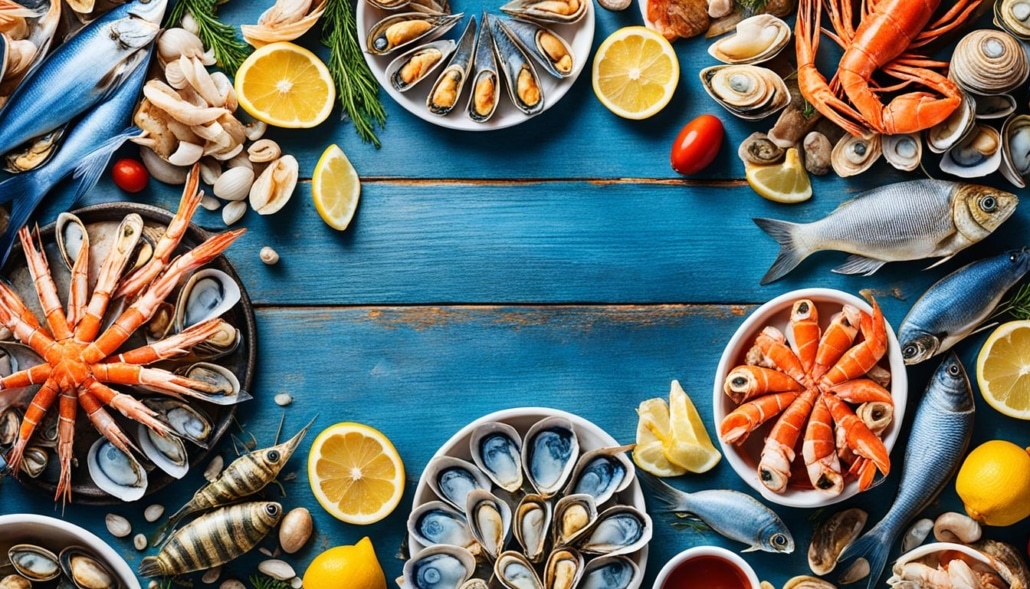
Picture this: it’s a warm, sunny day on the picturesque coast of the Mediterranean Sea. The sound of waves crashing against the shore fills the air as you stroll along the bustling waterfront. As you walk, you catch a whiff of the salty sea breeze mingled with the tantalizing aroma of freshly cooked seafood.
The coastal towns and villages that dot the Mediterranean coastline are renowned for their exceptional Mediterranean seafood. From succulent fish to delectable shellfish, the bounties of the sea take center stage in the local cuisine, offering a feast for the senses.
Local fishermen bring in their daily hauls, ensuring the seafood is incredibly fresh and of the highest quality. The coastal dishes prepared here are a celebration of the sea’s abundance, showcasing the natural flavors and textures of the seafood.
Whether it’s anchovies, sardines, mackerel, prawns, clams, or mussels, each catch tells a story of the sea’s richness and the dedication of those who harvest it. The seafood is then lovingly prepared using traditional techniques such as grilling and baking, which enhance the natural flavors and create an unforgettable culinary experience.
Ancient culinary traditions are passed down through generations, and key ingredients like olive oil, garlic, lemon, and an array of fresh herbs such as oregano and thyme become the backbone of Mediterranean seafood cuisine, adding depth and flavor to every dish.
As we explore the Mediterranean Coast, each country unveils its unique culinary treasures, blending regional flavors with a rich tapestry of cultural influences. The Mediterranean diet, known for its emphasis on seafood, offers numerous health benefits, including heart health and antioxidant properties.
So, whether you’re strolling along the cobblestone streets of a quaint fishing village or dining in a bustling seaside eatery, let the richness of Mediterranean seafood whisk you away on a culinary journey you won’t soon forget.
The Rich History and Influencing Factors of Mediterranean Cuisine
The history of Mediterranean cuisine is a fascinating journey woven with cultural exchange, trade routes, and deeply rooted culinary traditions. From the ancient civilizations to the present day, Mediterranean cuisine has evolved into a vibrant tapestry of flavors and ingredients that captivate gastronomes around the world.
The origins of Mediterranean cuisine can be traced back to the influential Phoenician traders who navigated the Mediterranean Sea, establishing trade routes and spreading culinary influences. These traders introduced a wealth of ingredients, including spices, fruits, and grains, which forever altered the gastronomic landscape of the region.
As civilizations rose and fell, each leaving its indelible mark, Mediterranean cuisine became a global melting pot of culinary treasures. The gastronomic fusion of Greek, Roman, Arab, North African, Turkish, and Spanish cuisines shaped the diverse flavors and cooking techniques that are synonymous with Mediterranean cuisine.
A defining feature of Mediterranean cuisine is the abundant use of aromatic herbs, such as oregano, thyme, rosemary, and basil. These herbs infuse dishes with depth and complexity, elevating the flavors to new heights.
The Mediterranean diet, renowned for its health benefits, puts an emphasis on whole foods like fresh fruits, vegetables, legumes, nuts, olive oil, and fish. This wholesome approach to eating not only delights the taste buds but also offers numerous advantages for overall well-being, including cardiovascular health and disease prevention.
The geographical and climatic conditions of the Mediterranean region also play a significant role in shaping its cuisine. The coastlines, abundant with seafood, provide a wealth of ingredients that contribute to iconic dishes. Vineyards scattered throughout the region produce flavorful wines that complement and enhance Mediterranean cuisine.
Experience the rich history and diversity of Mediterranean cuisine as it takes you on a culinary journey like no other.
The Influence of Trade Routes
The Mediterranean Sea has functioned as a hub of trade and cultural exchange for centuries. The intermingling of merchants from different regions brought an exchange of ingredients, spices, and cooking techniques, enriching the culinary traditions of the Mediterranean.
The Culinary Traditions of the Mediterranean
Each country along the Mediterranean Coast boasts its unique culinary traditions, deeply rooted in history and local customs. From Spain’s paella to Italy’s pasta, Greece’s moussaka to Morocco’s tagines, the culinary landscape offers a delightful tapestry of flavors and textures.
Key Ingredients in Mediterranean Cuisine
Mediterranean cuisine thrives on the use of key ingredients that define its character. Olive oil, garlic, lemon, fresh herbs, and a medley of vibrant vegetables create a harmonious symphony of tastes and aromas. These ingredients, combined with the freshest seafood and quality meats, are the cornerstone of Mediterranean cooking.
| Cultural Influences | Ancient Civilizations | Aromatic Herbs |
|---|---|---|
| Greek | Roman | Oregano |
| Roman | Greek | Thyme |
| Arab | Arab | Rosemary |
| North African | North African | Basil |
| Turkish | Turkish | |
| Spanish | Spanish |
A Guide to Popular Mediterranean Recipes
Mediterranean cuisine offers a wide variety of recipes that showcase the vibrant flavors and fresh ingredients of the region. Whether you’re a fan of soups, starters, mains, or desserts, there’s something delicious for everyone.
Starting with soups, Mediterranean cooking incorporates fresh vegetables, herbs, and spices to create comforting and flavorful dishes. Favorites include Italian minestrone, a hearty soup packed with vegetables and beans, and Greek Avgolemono, a tangy lemon and chicken soup that will warm your soul.
When it comes to starters, the Mediterranean has an impressive array of options. Spanish gazpacho, a refreshing chilled tomato soup, and Lebanese hummus, a creamy and savory chickpea dip, are just two examples of the distinct flavors you can find in Mediterranean cuisine.
For mains, seafood takes center stage in many Mediterranean recipes. From Italian seafood pasta bursting with flavors of the sea, to the iconic Spanish paella filled with fragrant rice, succulent shrimp, and tender mussels, these dishes showcase the bounties of the sea. If you’re a meat lover, Greek souvlaki, featuring marinated and grilled meat skewers, or Moroccan tagine with its aromatic blend of spices, will satisfy your cravings.
No Mediterranean meal is complete without vibrant and crisp side dishes. Greek salad, with its combination of juicy tomatoes, cucumbers, olives, and feta cheese, perfectly complements any main course. The tangy dressing made with olive oil and lemon adds a refreshing twist.
To end your Mediterranean feast on a sweet note, indulge in classic desserts like baklava, a rich and flaky pastry filled with nuts and honey, or Italian gelato, a creamy and smooth frozen treat. These desserts are the perfect finale to a memorable meal.
FAQ
What types of seafood are commonly used in Mediterranean cuisine?
What are the key ingredients in Mediterranean seafood dishes?
What are some of the unique seafood specialties found along the Mediterranean Coast?
What are the health benefits of the Mediterranean diet rich in seafood?
How did the history and cultural influences shape Mediterranean cuisine?
What are the defining characteristics of Mediterranean cuisine?
What are some popular Mediterranean recipes?
Source Links
- https://goairmart.com/articles/exploring-the-richness-of-mediterranean-food-in-bellevue-business-district-a-culinary-sojourn/
- https://foodieexplore.com/2024/01/19/unveiling-the-culinary-wonders-seafood-delicacies-of-the-mediterranean-coast/
- https://www.fattycrab.com/mediterranean-cuisine-exploring-the-flavors-and-recipes-of-the-mediterranean/


Leave a Reply
Want to join the discussion?Feel free to contribute!