
Eco-Friendly Safari Experiences in Africa

Africa is known for its breathtaking wildlife and natural landscapes. In recent years, there has been a growing movement towards eco-friendly tourism and sustainable safaris in the region. Travelers are now seeking experiences that not only allow them to witness the beauty of African wildlife but also contribute to the preservation of this fragile ecosystem.
Eco-tourism has become a popular choice for those who want to minimize their impact on the environment while still enjoying all that Africa has to offer. Sustainable lodges and safari operators are leading the way by implementing practices that prioritize conservation, minimize waste, and support local communities.
Key Takeaways:
- Eco-tourism in Africa focuses on sustainable practices and conservation efforts.
- Sustainable lodges prioritize energy efficiency, waste reduction, and community development.
- Phinda Private Game Reserve, Bisate Lodge, and Mombo Camp are notable examples of eco-friendly safari experiences.
- These lodges implement measures such as using renewable energy sources, water filtration systems, and reducing the use of plastic.
- Eco-friendly safaris allow travelers to enjoy luxurious experiences while making a positive impact on the environment and local communities.
By choosing eco-friendly safari experiences, travelers can embark on unforgettable adventures while actively contributing to the preservation of African wildlife for future generations.
Phinda Private Game Reserve, South Africa
Phinda Private Game Reserve in South Africa offers a luxurious and sustainable getaway amidst the breathtaking beauty of the African wilderness. With a strong commitment to eco-friendly practices, this sustainable lodge ensures a memorable experience while minimizing its environmental footprint.
At Phinda Private Game Reserve, sustainability is paramount. The lodge takes pride in its energy-efficient initiatives, employing state-of-the-art technologies to reduce energy waste. Energy-efficient air conditioners, LED lights, and timers on pumps and water heaters are just some of the measures implemented to ensure a greener stay for guests.
One notable aspect of Phinda’s eco-consciousness is its dedication to being plastic-free. Plastic water bottles have been replaced with reusable glass bottles, significantly reducing the lodge’s plastic consumption and waste. This commitment aligns with the larger goal of protecting Africa’s remarkable ecosystems and wildlife.
Phinda’s dedication to environmental conservation extends beyond its sustainable practices. The lodge actively supports pangolin conservation through the Pangolin Conservation Experience, offering guests the opportunity to accompany a research team in locating and studying these rare and endangered creatures. It’s a unique eco-adventure that educates and fuels the efforts for the preservation of these fascinating mammals.
A stay at Phinda Private Game Reserve not only offers unrivaled luxury but also the chance to immerse oneself in the wonders of nature while contributing to a sustainable future. With a commitment to sustainability, energy efficiency, and plastic-free practices, this remarkable lodge sets the standard for responsible tourism in Africa.
Bisate Lodge, Rwanda
Bisate Lodge in Rwanda is renowned for its commitment to innovative and sustainable practices, striving to minimize its environmental impact while offering a luxurious experience. The lodge has implemented several eco-friendly initiatives, including a water filtration system that eliminates the need for bottled water. This not only reduces plastic waste but also promotes sustainable alternatives.
Bisate Lodge embraces sustainable alternatives in various aspects of its operations. For instance, they utilize bee-wax wraps instead of single-use plastics for food preservation, and guests are provided with bamboo fiber eco-coffee cups for their beverages. These sustainable options not only benefit the environment but also contribute to creating a more enjoyable and eco-conscious experience for guests.
One of the notable initiatives at Bisate Lodge is its reforestation program. The lodge recognizes the importance of protecting and restoring the local ecosystem and has actively engaged in planting trees and promoting reforestation efforts. As a result, the surrounding area has witnessed an increased abundance of flora and fauna, contributing to the overall biodiversity conservation.
Bisate Lodge also aims to minimize its carbon footprint by reducing food transportation. To achieve this, the lodge has established an on-site garden where they grow fresh produce. Moreover, they donate organic waste to the local community for composting, fostering a sustainable and circular approach.
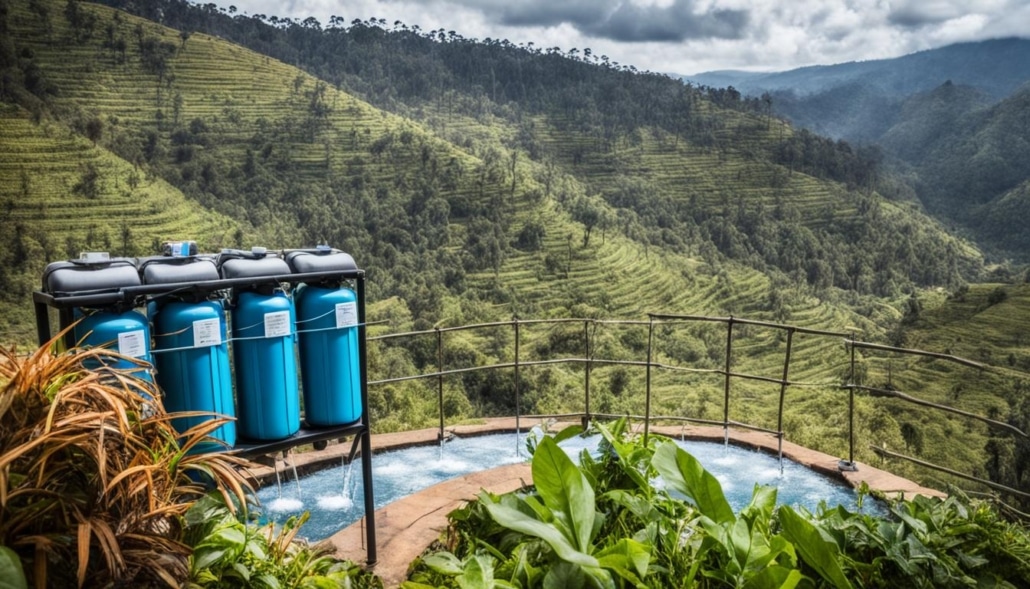
Bisate Lodge Sustainable Initiatives Overview:
| Initiative | Description |
|---|---|
| Water Filtration System | Eliminates the use of bottled water. |
| Sustainable Alternatives | Bee-wax wraps and bamboo fiber eco-coffee cups. |
| Reforestation Program | Promotes the restoration of the local ecosystem. |
| On-site Garden | Reduces food transportation by growing fresh produce. |
| Organic Waste Donation | Contributes to composting in the local community. |
Mombo Camp, Okavango Delta, Botswana
Mombo Camp, located in the pristine Okavango Delta of Botswana, is a shining example of an eco-conscious lodge that is deeply committed to protecting and preserving the natural environment. With its sustainable practices and eco-friendly initiatives, Mombo Camp offers an unforgettable safari experience that blends luxury and environmental responsibility.
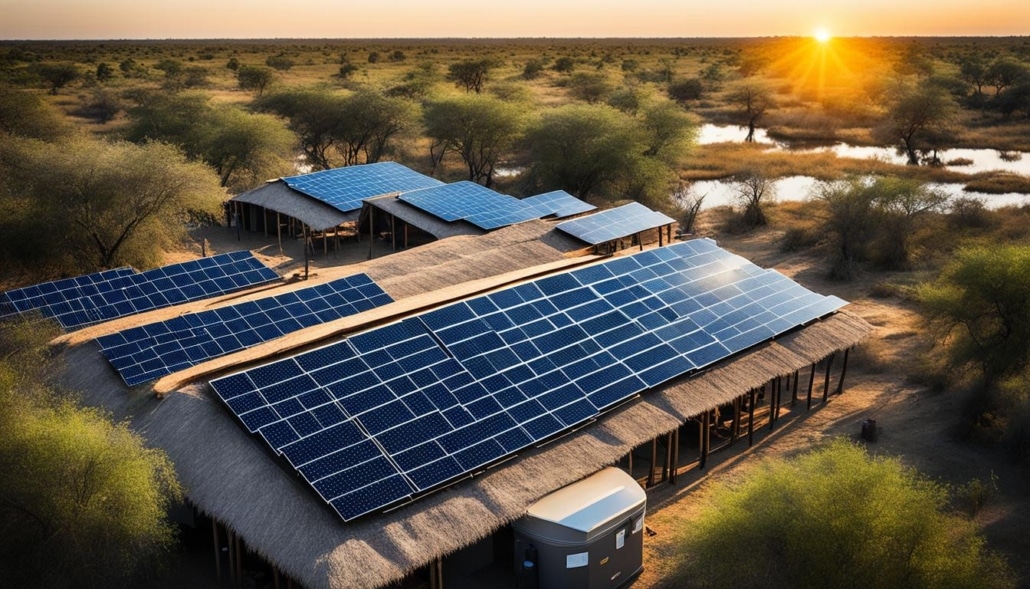
One of the standout features of Mombo Camp is its complete reliance on solar power. The camp utilizes solar panels and inverters to generate electricity and provide hot water, significantly reducing its carbon footprint and minimizing reliance on non-renewable energy sources. This solar-powered approach allows guests to enjoy a luxurious stay while knowing that their experience is not contributing to harmful environmental impacts.
Another key aspect of Mombo Camp’s eco-conscious practices is its commitment to water treatment. The camp treats wastewater in an above-ground sewage plant before safely releasing it back into the environment. This proactive approach ensures that the delicate ecosystem of the Okavango Delta remains undisturbed, while also promoting sustainability in the local area.
Mombo Camp also takes significant steps to minimize the use of bottled water by implementing a reverse osmosis filtration system. This innovative system produces high-quality drinking water, reducing the need for single-use plastic bottles and further supporting the camp’s eco-friendly ethos. Guests can stay hydrated and enjoy the surrounding natural beauty without contributing to plastic waste.
“At Mombo Camp, we believe in creating an environment where luxury and sustainability can coexist harmoniously. By harnessing the power of solar energy and implementing responsible water treatment methods, we strive to protect the pristine wilderness of the Okavango Delta for generations to come.” – Peter Smith, General Manager of Mombo Camp
During the construction of the lodge, stringent measures were taken to ensure the preservation of existing trees and flora. This commitment to environmental stewardship extends to every aspect of the camp, ensuring that guests can enjoy a truly immersive and eco-conscious safari experience.
Summary of Eco-Conscious Practices at Mombo Camp:
| Sustainable Practices | Benefits |
|---|---|
| Solar power | – Reduces carbon footprint – Reliance on renewable energy |
| Water treatment | – Preserves the delicate ecosystem – Minimizes environmental impact |
| Reduce bottle water usage | – Minimizes plastic waste – Promotes sustainability |
| Preservation of existing trees and flora | – Maintains the natural beauty of the surroundings – Supports biodiversity |
Conclusion
Eco-friendly safari experiences in Africa offer a unique opportunity for responsible wildlife exploration and eco-friendly adventures. These sustainable African safaris prioritize energy efficiency, waste reduction, and contribute to conservation and community development.
By choosing an eco-friendly safari, travelers can enjoy luxurious and unforgettable experiences while making a positive impact on the environment and local communities. Lodges like Phinda Private Game Reserve in South Africa, Bisate Lodge in Rwanda, and Mombo Camp in Botswana are leading the way in sustainable tourism practices.
These lodges implement innovative technologies such as renewable energy sources, water filtration systems, and eco-conscious waste management. They also prioritize conservation efforts, supporting initiatives to protect endangered species and restore natural habitats.
Embark on a sustainable African safari and immerse yourself in the beauty of the continent’s wildlife while ensuring a better future for nature and local communities. Explore responsibly, support eco-friendly practices, and create unforgettable memories while making a difference.
FAQ
What is eco-tourism?
Eco-tourism refers to responsible travel to natural areas that conserves the environment, sustains the well-being of local communities, and promotes the understanding and appreciation of wildlife and cultural heritage.
What are sustainable safaris?
Sustainable safaris are safari experiences that prioritize environmentally friendly practices, such as reducing energy waste, using renewable energy sources, minimizing plastic usage, and supporting conservation efforts and community development.
What is African wildlife?
African wildlife refers to the diverse range of animal species that are native to Africa, including iconic creatures such as elephants, lions, rhinos, giraffes, zebras, and many others.
What is Phinda Private Game Reserve in South Africa known for?
Phinda Private Game Reserve in South Africa is known for its luxurious and sustainable eco-friendly practices. The reserve focuses on energy efficiency, reduction of waste, and conservation efforts, such as the Pangolin Conservation Experience.
What is Bisate Lodge in Rwanda known for?
Bisate Lodge in Rwanda is known for its innovative and sustainable practices, including a water filtration system, sustainable alternatives for packaging, and a reforestation program aimed at increasing flora and fauna in the surrounding area.
What is Mombo Camp in Botswana known for?
Mombo Camp in the Okavango Delta, Botswana, is known for being an eco-conscious lodge that relies on solar power, practices water treatment, and reduces bottled water usage through reverse osmosis filtration.
What are the benefits of choosing an eco-friendly safari?
By choosing an eco-friendly safari, travelers can enjoy luxurious and unforgettable experiences while also making a positive impact on the environment and supporting local communities through sustainable practices and conservation efforts.
Source Links
- https://www.nationalgeographic.co.uk/travel/2022/07/six-of-the-best-new-eco-safari-trips-from-namibia-to-zambia
- https://www.forbes.com/sites/sandramacgregor/2020/02/20/a-sustainable-safari-discover-africas-10-top-eco-friendly-lodges/
- https://www.go2africa.com/african-travel-blog/sustainable-travel-our-best-eco-friendly-lodges-in-east-africa


Leave a Reply
Want to join the discussion?Feel free to contribute!