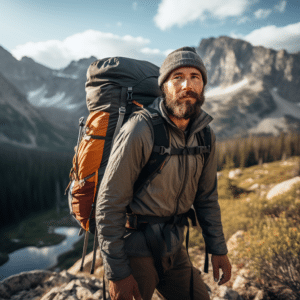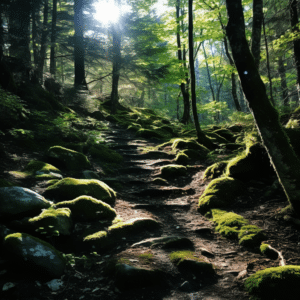
Camping is a popular way to disconnect from technology and connect with nature. To truly immerse yourself in the wonders of the great outdoors, it’s important to be mindful of your surroundings and minimize your impact on the environment. Leave behind only footprints and take the time to explore the natural features and hiking trails in the area. By leaving technology behind, you can fully embrace the beauty of the natural world.

Enhance your camping experience by foraging for wild edibles, adding a unique touch to your campfire meals. Choosing the right camping style that suits your needs and budget is essential for a comfortable adventure. Don’t forget the essential camping gear like a sturdy tent, cozy sleeping bag, and reliable camping stove.

Additional camping essentials include a cooler to keep your food fresh, a tarp for shelter, a trekking backpack for convenience, an air mattress for a good night’s sleep, camping furniture for relaxation, a camping shower for refreshing moments, a hammock for ultimate relaxation, and a camping lantern for illumination.

Make the most of your camping trip with useful tips and hacks. Test your tent before setting off, check for fire restrictions, and stay prepared with your own kindling. Even on rainy days, engage in activities that will keep you entertained. Remember to embrace eco-friendly camping practices by using reusable packaging and leaving no trace behind.

Don’t forget the importance of a multitool—this versatile tool will come in handy in countless situations. And above all, stay unplugged from technology and fully immerse yourself in the beauty of nature.

Camping essentials can truly enhance your camping experience and provide you with a deeper connection to nature. So pack your bags, leave the screens behind, and embark on an unforgettable adventure in the great outdoors!

The Benefits of Camping
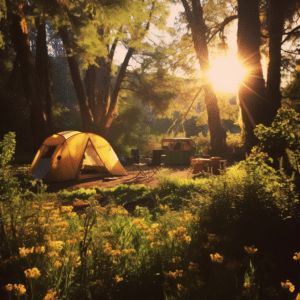
Mindful camping

Camping offers a multitude of benefits, from disconnecting from technology to experiencing thrilling outdoor adventures. It allows you to immerse yourself in nature and escape the hustle and bustle of everyday life. When you camp, you have the opportunity to unplug from screens and connect with the world around you. This break from technology can help reduce stress levels and promote a sense of calm and relaxation.

One of the greatest benefits of camping is the chance to explore the great outdoors. Whether you’re hiking through the wilderness, fishing in a serene lake, or stargazing under a canopy of stars, the adventures are endless. Camping allows you to experience nature in all its glory, immersing yourself in its beauty and tranquility.

Not only does camping provide a chance to disconnect and explore, but it also encourages physical activity. Setting up camp, hiking, swimming, and engaging in various outdoor activities all contribute to a healthier, more active lifestyle. Additionally, spending time in nature has been shown to improve mental well-being, reduce stress, and increase happiness.

As you plan your next camping trip, keep in mind the many benefits that await you. Disconnect from technology, embrace the adventure, and let nature work its magic. Camping is not just a vacation; it’s an opportunity to create memories, find peace, and reconnect with the world around you.

Mindfulness in Nature

When camping, it is crucial to practice mindfulness and strive to minimize your impact on the natural environment. Camping offers a unique opportunity to connect with nature and immerse oneself in the beauty of the outdoors. By being mindful of our surroundings, we can truly appreciate the wonders of the natural world and ensure its preservation for future generations.

One way to practice mindfulness in nature is by following the principles of “Leave No Trace.” This means leaving our campsite in the same condition, or better, than we found it. It involves packing out all trash and disposing of it properly, using designated fire rings or stoves for cooking, and refraining from damaging or removing any natural elements. By adopting these practices, we can minimize our impact on the environment and maintain the integrity of the camping area.

H3: Leave No Trace Principles

Principle Description
Plan Ahead and Prepare Research the camping area, familiarize yourself with regulations, and ensure you have the necessary supplies.
Travel and Camp on Durable Surfaces Stick to established trails and designated camping sites to avoid damaging fragile ecosystems.
Dispose of Waste Properly Pack out all trash and dispose of it in designated receptacles. Use biodegradable soap when washing dishes.
Leave What You Find Avoid removing or disturbing natural elements, such as rocks, plants, or wildlife.
Minimize Campfire Impacts Adhere to fire restrictions, use established fire rings, and ensure fires are fully extinguished before leaving.
Respect Wildlife Observe wildlife from a distance and do not feed or approach them. Avoid loud noises that may disrupt their natural behavior.
Be Considerate of Other Visitors Keep noise levels down, respect others’ privacy, and be mindful of shared spaces.

In addition to practicing Leave No Trace principles, mindfulness in nature can also mean taking the time to truly appreciate the beauty and serenity around us. It involves engaging our senses and immersing ourselves in the sights, sounds, smells, and textures of the natural world. Whether it’s watching a sunrise, listening to the rustling leaves, smelling the scent of pine trees, or feeling the cool breeze on our skin, these moments of connection with nature can bring a sense of peace and rejuvenation.

By practicing mindfulness in nature, we can deepen our connection with the natural world and foster a sense of stewardship for the environment. Through our actions and respect for the land, we contribute to the preservation and conservation of our precious outdoor spaces, ensuring that they remain pristine and accessible for future generations to enjoy.

Exploring Natural Features: Immerse Yourself in the Beauty of Nature

Exploring the natural features and hiking trails in your camping area allows you to immerse yourself fully in the beauty of nature. As you venture out into the wilderness, you will discover breathtaking landscapes, hidden waterfalls, and diverse flora and fauna. Whether you’re drawn to majestic mountains, serene lakes, or lush forests, there is something for everyone to explore and appreciate.

Take the time to research the natural features in your camping area before your trip. Look for maps or guidebooks that provide information about the various trails and points of interest. This will help you plan your hiking routes and ensure that you don’t miss out on any must-see spots. From scenic viewpoints to secluded swimming holes, each natural feature offers a unique and awe-inspiring experience.

While exploring, remember to tread lightly and follow Leave No Trace principles. Stay on designated trails and avoid trampling fragile vegetation. Be respectful of wildlife and observe them from a safe distance. By being mindful of your impact on the environment, you can help preserve these natural features for future generations to enjoy.

Table: Must-Visit Natural Features in [Camping Area]

Natural Feature Description Recommended Activity
Mountain Peak A stunning summit with panoramic views of the surrounding landscape. Hiking to the summit for a sunrise or sunset experience.
Waterfall A cascading waterfall, creating a tranquil and picturesque setting. Enjoying a picnic near the waterfall and capturing beautiful photos.
Wildflower Meadow An open meadow filled with vibrant wildflowers of all colors. Taking a leisurely stroll through the meadow and identifying different flower species.
Forest Trail A dense forest with towering trees and a peaceful ambiance. Embarking on a nature hike, observing the unique flora and fauna.

So, the next time you go camping, make sure to set aside time for exploring the natural features that surround you. Dedicate a day to hiking, pack a picnic lunch, and let yourself be captivated by the beauty of nature. Remember, it’s not just about camping; it’s about immersing yourself in the wonders of the great outdoors and connecting with nature on a deeper level.

Disconnecting from Technology

To truly connect with nature while camping, it is recommended to leave technology behind and embrace the simplicity of the outdoors. Camping provides an opportunity to escape from the constant distractions of screens and notifications, allowing you to fully immerse yourself in the natural world.

Without the constant buzzing of phones and the temptation to constantly check social media, you can focus on the beauty and tranquility of your surroundings. Take the time to appreciate the sound of birds chirping, the feel of the sun on your skin, and the scent of the forest. Disconnecting from technology allows you to be fully present and engage with nature in a meaningful way.

Leaving your devices behind also enables you to truly experience the adventure and exploration that camping offers. Without relying on GPS or digital guides, you can navigate using traditional methods like maps and compasses. This not only enhances your camping skills but also allows you to be more in tune with your surroundings and develop a deeper connection with nature.

By disconnecting from technology, you open yourself up to a world of possibilities. You can spend your days hiking through scenic trails, observing wildlife in their natural habitat, and marveling at the starry night sky. This break from technology not only rejuvenates the mind and soul but also allows you to appreciate the simple joys and wonders of the natural world.

Disconnecting from Technology: Benefits

  • Reduced stress levels: Spending time away from screens and social media can help lower stress levels and promote relaxation.
  • Improved sleep: Without the blue light emitted by electronic devices, your sleep quality is likely to improve, leading to a more restful camping experience.
  • Enhanced physical activity: Disconnecting from technology encourages you to engage in physical activities like hiking, biking, or swimming, which can have numerous health benefits.
  • Increased mindfulness: By fully immersing yourself in the present moment and your natural surroundings, you can cultivate a sense of mindfulness and appreciation for the beauty of nature.

So, when you embark on your next camping adventure, make a conscious effort to leave technology behind. Embrace the simplicity of the outdoors, connect with nature, and create lasting memories that can only be made when you disconnect from the digital world.

Foraging for Wild Edibles

Foraging for wild edibles can be an exciting and rewarding way to connect with nature while camping. It allows you to explore the natural environment and discover unique flavors that cannot be found in grocery stores. Before you start foraging, it is important to do your research and ensure that you can correctly identify edible plants and mushrooms.

When foraging, it is essential to respect the environment and only pick what you need. Be mindful of the plant’s growth patterns and the impact of your harvesting. Avoid picking endangered or protected species. Remember to use sustainable harvesting practices, such as taking only a portion of a plant or mushroom and leaving the rest to regenerate.

Wild Edible Location Season
Wild berries (strawberries, blueberries, raspberries) Forests, meadows Summer
Fiddlehead ferns Wet areas, near streams Spring
Wild mushrooms (morels, chanterelles) Forests Spring, fall
Edible flowers (violets, dandelions) Grassy areas Spring, summer

Before consuming any wild edible, be absolutely certain of its identity. Use field guides, online resources, or consult with a knowledgeable expert to assist with identification. Start by foraging common and easily identifiable edibles, such as wild berries or edible flowers. As you gain experience and confidence, you can venture into more advanced foraging.

Remember, foraging for wild edibles should always be done responsibly and sustainably. By connecting with nature in this way, you not only nourish your body with fresh and natural ingredients, but you also deepen your appreciation for the environment and the food it provides.

Choosing the Right Camping Style

When planning a camping trip, it is important to consider your camping style to ensure the best experience possible. Camping offers various styles, each with its own pros and cons. Understanding your preferences and needs can help you choose the right camping style that aligns with your desires for the trip.

One popular camping style is tent camping. This classic style allows you to fully immerse yourself in nature by setting up a tent and sleeping under the stars. With tent camping, you have the flexibility to choose different camping locations, from secluded wilderness areas to organized campgrounds with amenities. It offers a sense of adventure and connection with nature that many outdoor enthusiasts seek.

If you prefer a more comfortable and convenient camping experience, RV camping might be the right choice for you. RV camping provides the luxury of having a home on wheels, complete with a bed, kitchen, and bathroom facilities. It allows you to explore different destinations while enjoying the comforts of home. RV camping is ideal for families and individuals who appreciate modern conveniences and prefer a more relaxed camping experience.

Camping Style Pros Cons
Tent Camping Offers a sense of adventure and connection with nature
Flexible camping locations
Cost-effective
Requires more effort to set up and pack up
Exposed to the elements
RV Camping Comfort and convenience of a home on wheels
More amenities available
Easy to travel between destinations
Might be more expensive than tent camping
Limited access to remote or secluded areas
Glamping Luxurious accommodations in a natural setting
Comfort and style
Access to unique camping options
Can be more expensive than other camping styles
Less rustic and immersive experience

Having the right camping gear is essential for a comfortable and enjoyable camping experience. When heading into the great outdoors, it is important to be prepared with the necessary equipment to ensure you have everything you need. Here are some of the essential camping gear items that will enhance your camping experience and allow you to fully embrace the beauty of the outdoors.

Here is an example of a table showcasing some essential camping gear:
Item Description
Tent A durable and waterproof shelter for sleeping and protection from the elements.
Sleeping bag A warm and comfortable bag for sleeping outdoors.
Camping stove A portable cooking device for preparing meals in the great outdoors.
Cooler A container for keeping food and beverages cool.
Trekking backpack A backpack designed for carrying gear on hiking trips.
Air mattress An inflatable mattress for added comfort while sleeping.
Camping furniture Chairs and tables for creating a comfortable campsite.
Camping shower A portable shower for staying fresh during your camping trip.
Hammock A lightweight and portable bed for relaxing outdoors.
Camping lantern A source of light for illuminating your campsite at night.

Additional Camping Essentials

In addition to the basic camping gear, there are several other essentials that can enhance your camping experience. These camping essentials can make your trip more comfortable, convenient, and enjoyable, allowing you to fully connect with nature.

Cooler

A cooler is an essential item for keeping your food and beverages fresh during your camping trip. It is important to choose a cooler that is durable and has good insulation to ensure that your food stays cold. Consider investing in a cooler with multiple compartments to separate different types of food and drinks.

Tarp

A tarp is a versatile camping essential that can be used for various purposes. It can provide additional protection for your tent by placing it underneath as a groundsheet, keeping the bottom of your tent dry. A tarp can also be used as a shelter to create extra shade or protect against rain. Make sure to choose a tarp that is waterproof and lightweight for easy transportation.

Trekking Backpack

A trekking backpack is essential for carrying all your camping gear and supplies during hikes and walks. Look for a backpack with adjustable straps and multiple compartments to distribute the weight evenly and keep your belongings organized. Ensure that the backpack is comfortable to wear and has a good capacity to accommodate all your essentials.

Air Mattress

An air mattress can provide an extra level of comfort during your camping trip. It is portable, easy to inflate, and offers cushioning and insulation from the ground. Choose an air mattress that is durable, puncture-resistant, and has a good insulation rating for a restful night’s sleep in the great outdoors.

Camping Furniture

Camping furniture, such as portable chairs and tables, can greatly enhance your camping experience. Having a comfortable place to sit and relax, as well as a surface for preparing and enjoying meals, can make your camping trip more enjoyable. Look for lightweight, foldable, and durable camping furniture that is easy to transport and set up.

Camping Shower

A camping shower can provide the luxury of cleanliness while camping. It allows you to freshen up and maintain personal hygiene, even when there are no shower facilities available. Consider a portable camping shower that is easy to set up and use, with features like adjustable water flow and temperature control.

Hammock

A hammock is a great addition to your camping gear, providing a comfortable and relaxing spot to lounge and unwind. It is lightweight, easy to set up between trees, and offers a unique way to experience the outdoors. Look for a hammock that is made of durable materials and has a good weight capacity to ensure your safety and comfort.

Camping Lantern

A camping lantern is essential for providing light during your camping trip. It can illuminate your campsite and help you navigate in the dark. Look for a lantern that is compact, lightweight, and has adjustable brightness settings. Consider a lantern that is battery-powered or rechargeable for convenience and sustainability.

Item Description
Cooler Keeps food and beverages fresh
Tarp Provides extra protection and shelter
Trekking Backpack Carries camping gear and supplies
Air Mattress Offers comfort and insulation from the ground
Camping Furniture Provides a comfortable place to sit and eat
Camping Shower Allows for personal hygiene while camping
Hammock Offers a relaxing spot to lounge
Camping Lantern Provides light during camping

These additional camping essentials can greatly enhance your camping experience, providing comfort, convenience, and utility. Remember to choose quality products that are suitable for your needs and preferences. With the right gear, you can fully immerse yourself in nature and create lasting memories on your camping adventure.

Camping Tips and Hacks

Make the most out of your camping experience with these helpful tips and hacks. When it comes to connecting with nature and enjoying the great outdoors, preparation is key. Here are some camping tips and hacks that will ensure a smooth and enjoyable camping trip:

  1. Test your tent: Before heading out on your camping adventure, make sure to set up your tent and check for any tears, broken zippers, or missing poles. This will ensure that your shelter is in good condition and ready to provide a comfortable night’s sleep.
  2. Check fire restrictions: It’s important to be aware of any fire restrictions in the area where you’ll be camping. Make sure to follow the local regulations and practice fire safety to prevent any accidental wildfires.
  3. Bring your own kindling: To make starting a campfire easier, bring your own kindling. This can include newspaper, dry twigs, or even store-bought fire starters. Having your own kindling on hand will save you time and effort when it comes to starting a cozy campfire.

By following these camping tips and hacks, you’ll be well-prepared to have an amazing camping experience. Remember to always respect the environment, leave no trace, and fully embrace the beauty of nature.

Testing Your Tent

One of the crucial camping tips is to test your tent before your actual camping trip. It is important to ensure that your tent is in good condition and free from any defects or damage that could compromise its performance. Setting up your tent and inspecting it beforehand can save you from any unpleasant surprises while you are out in the wilderness.

To test your tent, start by familiarizing yourself with its assembly instructions. This will not only make the setup process easier but also help you identify any missing components. Once you have gathered all the necessary parts, find a suitable area where you can pitch your tent. It’s a good idea to choose an environment similar to the one you’ll be camping in, such as a backyard or local park.

As you pitch your tent, pay close attention to the stability of the structure. Ensure that all the poles or support systems are secure and properly connected. Check for any signs of wear and tear, such as tears or holes in the fabric, loose zippers, or damaged seams. These issues can compromise the waterproofing and overall durability of the tent. It’s also a good idea to test the tent’s ability to withstand wind and rain by simulating different weather conditions.

Testing Your Tent Checklist:
Check for missing components
Inspect the stability of the structure
Look for signs of wear and tear
Test the tent’s ability to withstand wind and rain

By testing your tent before your camping trip, you can identify any issues and make necessary repairs or replacements in advance. This will ensure that your tent provides a safe and comfortable shelter during your outdoor adventure. Remember, a well-maintained and properly tested tent is key to a successful camping experience.

Fire Safety and Restrictions

When camping, it is essential to be aware of fire restrictions in the area and practice proper fire safety measures. These precautions not only protect the natural environment but also ensure the safety of yourself and fellow campers.

Before starting a campfire, check if the area has any specific fire restrictions in place. This information can usually be found at the campsite office or on their website. Some areas may have a complete fire ban due to dry conditions or high fire danger. If restrictions are in place, it is crucial to respect them and find alternative ways to stay warm and cook meals.

If campfires are allowed, it is important to choose a suitable spot for your fire. Look for a designated fire pit or a clear area away from any flammable materials such as dry grass or overhanging branches. Clear away any debris and create a fire ring with rocks to contain the fire.

When building and tending to your fire, always keep safety in mind. Use local firewood, as transporting firewood from other regions can introduce invasive pests. Start with small sticks as kindling and gradually add larger pieces of wood. Keep a bucket of water or a fire extinguisher nearby in case of emergencies. Never leave the fire unattended and always fully extinguish it before leaving the campsite or going to sleep.

By being aware of fire restrictions, following fire safety guidelines, and respecting the natural environment, you can enjoy a safe and responsible camping experience. Remember, the beauty of nature is best enjoyed when we take care of it.

Rainy Day Activities

Don’t let rainy weather dampen your camping experience – be prepared with these fun rainy day activities. While it may be tempting to stay inside your tent during a downpour, there are plenty of ways to keep the excitement alive even when the weather doesn’t cooperate.

Indoor Games and Activities

Bring along a deck of cards or a board game to enjoy with your camping companions. Not only will this keep you entertained, but it also provides an opportunity for some friendly competition. If you have enough space in your tent or camping shelter, you can even set up a small area for indoor yoga or exercise routines to keep your body moving.

If you are camping with children, rainy days can be the perfect time for arts and crafts projects. Pack some coloring books, markers, and paper for them to unleash their creativity. You can also gather materials from nature, such as leaves or pinecones, and create beautiful nature-inspired crafts.

Indoor Games and Activities Materials Needed
Board games Various board games of your choice
Card games A deck of cards
Arts and crafts Coloring books, markers, paper, and natural materials

Explore the Surrounding Area

Put on your rain gear and venture out into the rainy world around you. Rain can create unique and beautiful scenes in nature that are worth exploring. Take a walk along a nearby trail and observe how the rain transforms the landscape. Look for waterfalls or streams that may have formed due to the rainfall.

Don’t forget to bring a camera or a phone equipped with a waterproof case to capture the beauty of the rainy scenery. The rain can add a mystical touch to your photographs, creating memories that will last a lifetime.

Cosy Up with a Good Book

Use the rainy day as an opportunity to dive into a good book. Pack some books from your favorite genre or bring an e-reader with a waterproof case to enjoy reading no matter the weather. Find a comfortable spot inside your tent or camping shelter, grab a warm blanket, and lose yourself in a captivating story.

Remember to keep an eye on the weather conditions and ensure that you are staying safe and dry during your camping adventure. With these rainy day activities, you can turn a gloomy day into a memorable experience filled with fun and relaxation.

Outdoor Rainy Day Activities Materials Needed
Walking or hiking Rain gear, waterproof shoes
Photography Camera or phone with waterproof case

Eco-Friendly Camping

Practice eco-friendly camping by incorporating these simple tips and using reusable packaging. When camping, it’s important to minimize your impact on the environment and leave the campsite as pristine as you found it. Here are some eco-friendly camping tips to consider:

  1. Use reusable packaging: Instead of single-use plastic bags and disposable containers, opt for reusable storage options like silicone bags, stainless steel containers, and beeswax wraps. Not only will this reduce waste, but it will also help keep your food fresh.
  2. Bring your own kindling: Instead of purchasing firewood at the campsite, bring your own kindling or gather fallen branches and twigs to start your campfire. This helps prevent the spread of invasive species and protects the natural ecosystem.
  3. Include rainy day activities: In case of inclement weather, plan ahead and pack activities that don’t rely on technology. Bring books, board games, or portable crafts to keep everyone entertained and connected to nature, even indoors.
  4. Follow “leave no trace” principles: Embrace the leave no trace philosophy by packing out your trash, avoiding unnecessary noise, and respecting wildlife and vegetation. Leave the campsite as you found it, so that future campers can enjoy nature’s beauty.

Eco-Friendly Camping Checklist

Essentials Extras
Camp stove Solar-powered chargers
Reusable water bottles Biodegradable soap
Reusable cutlery and plates Portable solar shower
Sustainable toiletries Compostable trash bags
Biodegradable toilet paper Recycled camping furniture
Reusable food storage bags/containers Environmentally-friendly fire starters

Remember, eco-friendly camping is about preserving the beauty of nature for everyone to enjoy. By practicing these simple tips, you can minimize your ecological footprint and leave the campsite better than you found it.

By incorporating these eco-friendly camping tips into your outdoor adventures, you can enjoy the beauty of nature while also protecting and preserving the environment for future generations. Happy camping!

The Importance of a Multitool
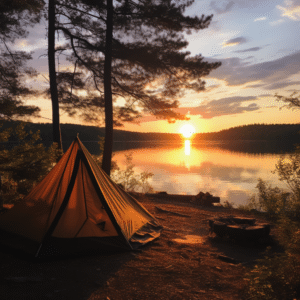
Mindful camping

A multitool is a versatile and handy tool that should be included in your camping essentials. It is a compact and lightweight device that combines multiple functions, eliminating the need to carry individual tools. A multitool typically includes various tools such as pliers, screwdrivers, knives, saws, can openers, and more, making it incredibly useful for a wide range of tasks while camping.

One of the key advantages of a multitool is its space-saving design. Instead of packing multiple tools, a multitool can be easily stored in a pocket or attached to your belt, ensuring that you have all the necessary tools at hand whenever you need them. Whether you need to repair camping equipment, cut through ropes or branches, or open cans, a multitool provides the convenience of having everything in one compact device.

Benefits of a Multitool
Compact and lightweight
Combines multiple tools in one
Saves space in your camping gear
Useful for various tasks and emergencies
Durable construction and easy accessibility

In summary, a multitool is an essential item to bring on your camping trips. It provides the convenience of multiple tools in one compact device, saving space in your camping gear and ensuring you have the necessary tools for various tasks and emergencies. Its versatility and reliability make it a valuable addition to your camping essentials.

Conclusion

By equipping yourself with the right camping essentials, you can truly embrace the beauty of nature and create lasting memories while camping. Camping is a popular way to disconnect from technology and connect with nature. To fully immerse yourself in the natural world, it is important to be mindful of your surroundings and minimize your impact on the environment. Leave behind only footprints and take the time to explore the natural features and hiking trails in the area.

Don’t forget to leave technology behind and focus on the simplicity and tranquility of nature. Foraging for wild edibles can add a touch of adventure to your camping experience and introduce unique flavors to your campfire meals. Choosing the right camping style that suits your needs and budget will ensure a comfortable and enjoyable trip.

FAQ

What are some camping essentials?

Some camping essentials include a tent, sleeping bag, camping stove, cooler, tarp, trekking backpack, air mattress, camping furniture, camping shower, hammock, and camping lantern.

How can I connect with nature while camping?

To connect with nature while camping, be mindful of your surroundings, explore natural features and hiking trails, leave technology behind, and forage for wild edibles.

What camping style should I choose?

You should choose a camping style that fits your needs and budget. There are various options such as tent camping, RV camping, or cabin camping.

What should I consider for fire safety while camping?

It is important to check for fire restrictions and practice fire safety while camping. Follow any guidelines or restrictions set by the campground or local authorities.

What are some eco-friendly camping practices?

Some eco-friendly camping practices include using reusable packaging, minimizing waste, and leaving no trace behind by cleaning up after your campsite.

Why is testing your tent important?

Testing your tent before your camping trip ensures that it is in good condition and functions properly, preventing any unpleasant surprises during your camping experience.
Source Links

In the fast-paced world of business, finding ways to combine work and travel can enhance productivity and create a more fulfilling professional life.Work-travel balance,  By embracing the opportunities offered by business travel, individuals can not only expand their professional network but also explore new destinations and cultures.

Planning for Affordable Travel

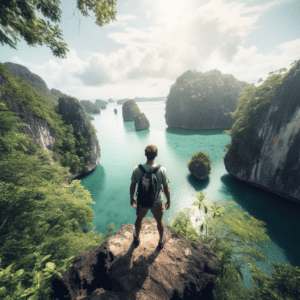
Work-travel balance

One way to make travel more affordable is to take advantage of airline deals and glitches, booking flights when they are cheap. By keeping an eye on airline websites and subscribing to their newsletters, you can stay updated on the latest deals and promotions. Often, airlines offer discounted fares for specific routes or limited periods, allowing travelers to save money on their business trips.

Additionally, consider using online tools that aggregate flight prices across various airlines. These tools compare prices and find the most affordable options, saving you time and effort. By booking your flights in advance and being flexible with your travel dates, you can increase the chances of finding cheaper fares.

Another way to save on business travel expenses is by opting for budget airlines. These airlines often offer lower prices compared to major carriers, allowing you to stretch your travel budget further. However, it’s important to carefully read the terms and conditions and consider any additional fees that may apply, such as baggage fees or seat selection charges.

Airline Affordable Destinations
XYZ Airlines New York, Los Angeles, Chicago
ABC Airlines San Francisco, Miami, Seattle

Lastly, being flexible with your destination can also help you find affordable flights. Consider exploring alternative airports near your desired location as they may offer more competitive pricing. Work-travel balance, considering layovers or connecting flights can often result in lower fares. However, be mindful of the duration and suitability of layovers to ensure they align with your schedule.

Maximizing Vacation Days

It’s also important to make the most of vacation days by rationing and saving them for longer trips or using them strategically to create long weekends. By planning ahead and strategically scheduling time off, you can maximize your time away from work and indulge in longer trips or enjoy extended weekends exploring new destinations.

Work-travel balance, One effective strategy is to identify public holidays or long weekends throughout the year and plan your vacations around these dates. Work-travel balance, you can extend your time off and enjoy a longer getaway. For example, if there is a public holiday on a Monday, you can take the preceding Friday off, giving you four consecutive days to relax and explore.

Another approach is to save up your vacation days for a longer trip. By combining multiple days, such as a week or two, you can embark on a more extensive adventure and fully immerse yourself in a new culture or destination. Research shows that longer vacations have numerous benefits, including reduced stress levels and increased productivity upon returning to work.

Table: Examples of Vacation Day Rationing

Month Public Holiday Vacation Days Used Number of Days Off
May Memorial Day 1 4
July Independence Day 2 5
September Labor Day 1 4

By being strategic with your vacation days and planning ahead, you can maximize your time off and ensure that every trip is a memorable and rewarding experience. So start planning your next adventure and make the most of your well-deserved breaks!

Working Remotely during Domestic Trips

Working remotely during domestic trips can be a game-changer for those who want to explore new destinations without taking additional time off from work. With the advancement in technology, it has become easier than ever to stay connected and productive while on the road. By leveraging the power of remote work, professionals can strike a balance between their professional commitments and their desire to travel.

One of the key advantages of working remotely during domestic trips is the flexibility it provides. Whether you’re attending a conference in a bustling city or visiting family in a quaint town, you can set up your mobile office and get things done on your own terms. This way, you not only make the most of your time away from the office but also have the opportunity to immerse yourself in the local culture and experience the beauty of the destination you are in.

To ensure a seamless workflow, it’s important to have the right tools and technology at your disposal. This can include a reliable laptop or tablet, a stable internet connection, and communication tools like video conferencing software or messaging apps. By staying organized and prioritizing tasks, you can effectively manage your workload and stay productive while enjoying the perks of being on the go.

Benefits of Working Remotely during Domestic Trips
Flexibility to explore new destinations
Immersing in the local culture
Seamless workflow with the right tools
Increased productivity while traveling

With the ability to work remotely, professionals no longer have to choose between their careers and their love for travel. By taking advantage of domestic trips, individuals can satisfy their wanderlust while staying dedicated to their work commitments. It’s a win-win situation that allows for personal growth, new experiences, and increased job satisfaction.

Embracing Spontaneity and Solo Travel

Embracing spontaneity, being open to traveling alone, and joining travel forums and social media groups can help connect with like-minded travelers and find new destinations. Traveling alone enables you to fully immerse yourself in the experience, allowing you to cater to your own interests and preferences. It gives you the freedom to explore at your own pace, without being tied to anyone else’s schedule.

When traveling solo, it’s important to stay safe and well-prepared. Research your destination beforehand, make sure you have all the necessary documents, and inform someone back home about your travel plans. Additionally, connecting with other travelers through travel forums and social media can provide valuable insights and recommendations, helping you discover hidden gems and off-the-beaten-path destinations that you might not have considered otherwise.

For those seeking even more adventure, embracing spontaneity can lead to incredible experiences. Leave some room in your itinerary for unexpected detours and last-minute decisions. By being open to new possibilities, you may stumble upon breathtaking landscapes, unique cultural events, or chance encounters with fascinating locals that you will cherish forever.

Connecting with Like-minded Travelers

To enhance your solo travel experience, consider joining travel forums and social media groups. These platforms provide opportunities to connect with like-minded travelers who share your passion for exploration and discovery. By engaging with others who have similar interests, you can gain valuable insights, exchange travel tips, and even find potential travel companions for future adventures.

Benefits of Connecting with Like-minded Travelers
1. Sharing experiences and stories
2. Getting insider tips and recommendations
3. Finding potential travel companions
4. Expanding your knowledge about different cultures
5. Discovering hidden gems and off-the-beaten-path destinations

Remember, solo travel doesn’t mean you have to be alone all the time. Work-travel balance, It opens doors to new connections and friendships from all around the world. So embrace the freedom, be open to new experiences, and embark on your solo adventure with confidence. You never know what amazing memories and lifelong friendships await you.

Challenges of the Digital Nomad Lifestyle

The digital nomad lifestyle allows remote work and travel, but it also brings isolation and travel disruptions. A digital nomad can work from wherever, but it might also mean spending a lot of time alone.

Digital nomads struggle with isolation, especially in strange places. Without social connection and a support system, loneliness and burnout can result. Be proactive in finding ways to interact, whether through co-working spaces, networking events, or local groups.

Digital nomads often endure unpredictable travel disruptions. Flight delays and cancellations and unexpected lodging modifications might disturb your work and travel schedule. Flexible deadlines, alternative workspaces, and travel insurance are vital to avoid losses in these scenarios.

Quotes:

“I’ve learned that as a digital nomad, you have to be adaptable and resilient. Embracing the challenges that come with the lifestyle is part of the journey.” – Sarah, a seasoned digital nomad.

Table:

Challenges Strategies
Isolation Join co-working spaces, attend networking events, connect with local communities
Travel Disruptions Have backup plans, flexible deadlines, and travel insurance

List:

  • Seek opportunities to connect with other digital nomads and locals
  • Stay flexible and adapt to unexpected changes in travel plans
  • Take breaks and practice self-care to avoid burnout
  • Build a support system of fellow digital nomads through online communities

While overcoming the challenges of the digital nomad lifestyle may require some effort and adjustment, it is possible to thrive and enjoy the freedom and flexibility it offers. By taking proactive steps to combat isolation, being prepared for travel disruptions, and prioritizing self-care, digital nomads can create a fulfilling and successful professional life on the road.

Finding Balance as a Digital Nomad

By finding a balance, embracing technology, and planning for downtime, digital nomads can make the most of their experiences. Balancing work and travel can be a rewarding but challenging endeavor. As a digital nomad, it’s essential to prioritize self-care and well-being while staying productive on the road. Here are some strategies to help maintain balance in the nomadic lifestyle.

Embrace Technology for Efficiency

Technology plays a crucial role in the life of a digital nomad. Utilize travel apps and online tools to streamline your work and travel arrangements. Expense trackers can help you stay organized and budget your finances effectively. Communication tools like video conferencing platforms and messaging apps enable you to stay connected with both clients and loved ones back home. By fully embracing technology, you can enhance your productivity while minimizing stress.

Plan for Downtime

While the digital nomad lifestyle offers incredible flexibility and freedom, it’s important to plan for downtime. Allowing yourself time to relax and recharge is vital for your mental and physical well-being. Schedule regular breaks in your itinerary to explore local attractions, indulge in leisure activities, or simply unwind. By intentionally planning for downtime, you can avoid burnout and make the most of your travel experiences.

Connect with Like-minded Nomads

Traveling as a digital nomad can sometimes be a solitary experience. However, by connecting with like-minded nomads through travel forums, social media, and co-working spaces, you can combat loneliness and build a support network. These connections can provide not only companionship but also valuable insights and recommendations for exciting new destinations.Work-travel balance, By fostering relationships with other digital nomads, you can enhance your travel experiences and create lasting friendships.

By finding a balance, utilizing technology, and prioritizing downtime, digital nomads can truly maximize their experiences on the road. Embrace the freedom and adventure of the digital nomad lifestyle while ensuring your well-being and productivity remain in harmony.

Prioritizing Travel in a Busy Work Schedule

Finally, prioritizing travel and being proactive about finding opportunities to travel can help make it a reality, even with a busy work schedule. Balancing work and wanderlust may seem challenging, but with the right approach, you can incorporate travel into your professional life.

One way to make travel more affordable is to take advantage of airline deals and glitches. By keeping an eye out for discounted fares and booking flights when they are cheap, you can save money on your business trips. Planning ahead and being flexible with your travel dates can also help you find the best deals.

Maximizing your vacation days is another important aspect of prioritizing travel. Rationing and saving your vacation days for longer trips gives you the opportunity to explore new destinations and immerse yourself in different cultures. Alternatively, strategically using your vacation days to create long weekends allows for quick getaways and mini-adventures.

Working remotely during domestic trips is a great way to travel without taking additional time off. With the availability of technology and remote work options, you can stay productive while exploring new places. This allows you to make the most of your business trips and experience the benefits of travel.

Key Points: Strategies for Prioritizing Travel
1. Take advantage of airline deals and glitches to make travel more affordable.
2. Maximize vacation days by saving them for longer trips or using them strategically for long weekends.
3. Work remotely during domestic trips to combine work and travel without taking additional time off.

Embracing Spontaneity and Solo Travel

In addition, embracing spontaneity and being open to traveling alone can lead to incredible experiences. Sometimes, the best adventures happen when we step out of our comfort zones and explore without a rigid plan. Connecting with like-minded travelers through travel forums and social media groups can also help you discover new destinations and make lifelong friends along the way.

While the digital nomad lifestyle offers the freedom to work remotely and travel, it does come with challenges. Isolation and unpredictable travel disruptions can sometimes be daunting. However, by finding a balance between work and personal time, embracing technology for communication and organization, and planning for downtime, digital nomads can overcome these obstacles and make the most of their experiences.

Prioritizing travel is not only about fulfilling your wanderlust but also about expanding your horizons, gaining new perspectives, and creating memories that will last a lifetime. By being proactive and seeking out opportunities to travel, you can find a balance that allows you to thrive both personally and professionally.

“Traveling – it leaves you speechless, then turns you into a storyteller.” – Ibn Battuta

Tips for Making Business Trips Productive

Making business trips more productive requires effective time management and planning. Here are some tips to maximize your productivity during your trips:

  1. Plan Ahead: Work-travel balance, create a detailed itinerary with all the tasks and meetings you need to accomplish. Prioritize your tasks based on their importance and deadlines.
  2. Optimize Travel Time: Use your travel time wisely by preparing in advance. Bring essential documents, presentations, and any other materials you may need during your journey. This way, you can make use of the time on the plane or train to review and work on important tasks.
  3. Minimize Distractions: When you arrive at your destination, find a quiet and comfortable workspace where you can focus on your work. Limit distractions by turning off notifications on your mobile device and avoiding non-essential meetings or social activities.
  4. Take Breaks: It’s important to take regular breaks to maintain focus and prevent burnout. Work-travel balance, Schedule short breaks throughout the day to stretch, relax, and recharge. Consider exploring the local area during your breaks to take in some fresh air and clear your mind.

Remember, productivity is not just about doing more tasks; it’s also about achieving meaningful results. Focus on accomplishing your goals efficiently, rather than simply completing a high volume of work.

The Importance of Time Management

Effective time management is crucial for a successful business trip. By prioritizing tasks, optimizing travel time, minimizing distractions, and taking regular breaks, you can make the most of your trip and achieve your objectives.Work-travel balance,  With proper planning and organization, you can balance work and travel, ensuring a productive and fulfilling experience.

Maintaining Work-Life Balance on the Road

Maintaining work-life balance while on the road is crucial for a successful business travel experience. Balancing professional responsibilities with personal well-being is essential to prevent burnout and ensure productivity.

Here are some tips to help achieve work-life balance during business travel:

  1. Set boundaries: Define clear boundaries between work and personal time. Create a schedule that allows for dedicated periods of focused work as well as time for relaxation and self-care.
  2. Make time for self-care: Incorporate self-care activities into your travel routine. Whether it’s taking a walk, practicing mindfulness, or enjoying a hobby, prioritizing self-care can help recharge and maintain mental well-being.
  3. Utilize technology wisely: Take advantage of technology to stay connected and efficient, but also be mindful of its impact on work-life balance. Set limits on checking emails and messages, and resist the temptation to work during non-working hours.
  4. Delegate and outsource: If possible, delegate tasks or outsource work to lighten your workload. This allows you to focus on the most important and high-priority tasks, reducing stress and freeing up time for personal activities.

In summary, maintaining work-life balance during business travel is essential for overall well-being and productivity. By setting boundaries, prioritizing self-care, utilizing technology wisely, and delegating tasks, you can create a harmonious balance between work and personal life on the road.

Benefits of Work-Life Balance on Business Travel
“Prioritizing work-life balance while on business trips leads to increased productivity, reduced stress levels, and improved overall well-being. It allows professionals to recharge and maintain a positive mindset, enabling them to make the most out of their travel experiences.”

The Benefits of Networking during Business Travel

Networking during business travel offers numerous benefits, from expanding professional relationships to discovering new opportunities. Meeting and connecting with like-minded professionals from different regions can provide valuable insights and perspectives, fostering a broader understanding of industry practices and innovative ideas. These connections can lead to collaborations, partnerships, and potential career advancements.

When attending conferences, seminars, or industry events while on a business trip, networking becomes even more crucial. Engaging in conversations with fellow attendees and industry experts can open doors to new partnerships, valuable mentorships, and potential clients. Building a strong professional network can also lead to future referrals and recommendations, enhancing your professional reputation.

Additionally, networking during business travel allows you to stay up-to-date with the latest industry trends and developments. Work-travel balance, By engaging in conversations and discussions with professionals from different backgrounds, you gain access to a wealth of knowledge and expertise. These interactions can spark new ideas and perspectives, helping you stay competitive in your field.

To make the most out of networking during business travel, it’s essential to be proactive and prepared. Have a clear elevator pitch and business cards ready to share your contact information. Work-travel balance, actively listen, and show genuine interest in others. Follow up with your new connections after the trip to strengthen the professional relationship.

Benefits of Networking during Business Travel
Expansion of professional relationships
Discovery of new opportunities
Access to industry insights and perspectives
Potential collaborations and partnerships
Career advancement opportunities

Overcoming Travel Burnout

Work-travel balance, Travel burnout is a real concern for frequent travelers, especially those who have to balance work and wanderlust. The constant movement, long flights, and unfamiliar environments can take a toll on physical and mental well-being. However, with the right strategies and a focus on self-care, it is possible to avoid or overcome travel burnout.

One effective way to combat travel burnout is by prioritizing self-care. This means taking time to recharge and rejuvenate, both physically and mentally. It could be as simple as getting enough sleep, eating healthy meals, and exercising regularly. Travelers should also make time for activities they enjoy, such as reading, taking walks, or practicing mindfulness. By taking care of oneself, travelers can replenish their energy and prevent burnout.

Strategies to Overcome Travel Burnout
1. Prioritize self-care: Focus on getting enough sleep, eating well, and exercising regularly. Take time for activities you enjoy.
2. Listen to your body: Recognize when you need a break and take regular rest periods. Establish a routine that includes downtime.
3. Seek support: Connect with fellow travelers or join travel communities to share experiences and tips for overcoming burnout.
4. Set realistic expectations: Understand that you don’t have to see and do everything. Allow yourself to slow down and focus on meaningful experiences.

Travel burnout is a common concern for those who lead a nomadic lifestyle or frequently travel for work. However, by prioritizing self-care, incorporating rest into travel plans, seeking support, and setting realistic expectations, it is possible to overcome burnout and continue enjoying the wonders of travel.

Technology and Tools for Efficient Business Travel

Leveraging technology and utilizing the right tools can significantly enhance the efficiency of business travel. With the help of advanced travel apps, expense trackers, and communication tools, professionals can streamline their travel experience, save time, and stay organized.

One essential tool for efficient business travel is a travel app that consolidates all travel-related information in one place. These apps allow users to manage their flight itineraries, hotel reservations, and car rentals, as well as access important travel documents.

Travel Tool Description
Communication Tools Efficient communication tools such as Slack or Microsoft Teams enable seamless collaboration and communication with team members and clients, regardless of location. These tools allow for instant messaging, file sharing, and video conferencing, eliminating the need for lengthy email chains or physical meetings.
Travel Planner Apps Travel planner apps like TripIt or Google Trips help organize travel details, including flight itineraries, hotel bookings, and transportation arrangements. These apps provide a centralized platform to store and access all travel-related information, making it easy to stay organized and navigate through different locations.
Virtual Meeting Platforms Virtual meeting platforms like Zoom or Webex enable professionals to conduct meetings, presentations, and webinars remotely. These platforms offer features such as screen sharing, recording capabilities, and interactive chat, allowing for efficient and effective communication with remote colleagues or clients.

“Efficient communication tools and travel planner apps help streamline the logistics of business travel, while virtual meeting platforms facilitate seamless collaboration from anywhere.”

Furthermore, communication tools play a crucial role in maintaining effective teamwork and client relationships during business travel. Platforms like Slack or Microsoft Teams enable seamless collaboration and communication with team members and clients, regardless of location. Work-travel balance, Instant messaging, file sharing, and video conferencing features eliminate the need for lengthy email chains or physical meetings, ensuring that professionals can stay connected and productive on the go.

Sustainable Business Travel Practices

Work-travel balance

Embracing sustainable practices in business travel is essential for minimizing the negative impact on the environment and supporting local communities. By adopting eco-friendly strategies, businesses can contribute to a greener future while also enhancing their corporate social responsibility.

Here are some key sustainable business travel practices to consider:

  1. Choose eco-conscious accommodations: Opt for hotels and accommodations that prioritize sustainability, such as those with green certifications or eco-friendly practices like energy conservation and waste reduction.
  2. Reduce carbon footprint: Offset carbon emissions by choosing direct flights whenever possible, using public transportation or shared transportation services at the destination, and minimizing unnecessary travel.
  3. Support local communities: Engage with local businesses, restaurants, and artisans to support the local economy. This not only contributes to the community’s well-being but also offers an opportunity to experience authentic local culture.
  4. Respect cultural norms: Research and adhere to cultural customs, traditions, and etiquette to ensure respectful and responsible travel. This includes being mindful of local sensitivities and protecting cultural heritage.

Work-travel balance, businesses can promote sustainability by encouraging employees to adopt eco-friendly practices during their business trips. This could include using refillable water bottles instead of single-use plastic bottles, minimizing paper usage, and choosing sustainable transportation options like biking or walking when feasible.

Table:

Sustainable Business Travel Practices
Choose eco-conscious accommodations
Reduce carbon footprint
Support local communities
Respect cultural norms

By incorporating these sustainable practices into their business travel routines, companies can have a positive impact on the environment, support local communities, and set an example for others in their industry. Together, we can create a more sustainable and responsible approach to business travel.

Conclusion

Taking advantage of airline discounts and problems to book flights at the opportune moment can save travel costs. Work-travel balance, Vacation days should be rationed and saved for longer vacations or used to build long weekends.

Consider working remotely during domestic trips to travel without taking time off.Work-travel balance,  Using travel forums and social media to meet like-minded travelers may make solo travel amazing.

The digital nomad lifestyle allows remote work and travel, but it has its drawbacks. Travel may be lonely and unpredictable. Digital nomads can maximize their experiences by balancing work technology and downtime preparation.

Despite a busy work schedule, prioritizing and seeking trip opportunities is essential. Traveling and actively seeking chances can lead to a fulfilling professional life that involves new experiences and professional partnerships. Embracing business travel creates doors for personal growth, networking, and globe exploration. Work and wanderlust can be balanced with careful planning and adaptability for a rewarding career.

FAQ

How can I make business travel more affordable?

You can make business travel more affordable by taking advantage of airline deals and glitches, and booking flights when they are cheap.

How can I maximize my vacation days?

You can maximize your vacation days by rationing and saving them for longer trips or strategically using them to create long weekends.

Is it possible to travel without taking time off from work?

Yes, you can travel without taking time off from work by working remotely during domestic trips.

Is it okay to travel alone?

Yes, traveling alone can be a great way to embrace spontaneity and discover new destinations. Joining travel forums and social media groups can help you connect with like-minded travelers.

What challenges come with the digital nomad lifestyle?

The challenges of the digital nomad lifestyle include isolation and unpredictable travel disruptions.

How can I find balance as a digital nomad?

You can find balance as a digital nomad by embracing technology for work, planning for downtime, and prioritizing self-care.

How can I prioritize travel in my busy work schedule?

You can prioritize travel in your busy work schedule by being proactive about finding opportunities to travel and making it a priority in your life.

Source Links

Are you eager to travel the world without breaking the bank? Discover the secrets of budget travel with these smart and frugal hacks. Budget travel doesn’t require a lot of money, and there are hacks and strategies to make it affordable.

One way to save money on flights is by using travel apps and websites like Google Flights, Skyscanner, and Momondo to find the best deals. Signing up for newsletters from SecretFlying, KiwiDeals, and Scott’s Cheap Flights can also help you find “oops fares” and discounted flights. Collecting airline points through browser plug-ins and using travel credit cards with rewards can also contribute to saving money on travel expenses.

When it comes to accommodations, options like Airbnb, Booking.com, Couchsurfing, and skill exchange websites like Workaway and HelpX offer affordable or even free places to stay. It’s important to choose accommodations based on their proximity to the sites you want to visit to reduce transportation costs.

Other budget travel hacks include being flexible on travel dates, taking advantage of off-season rates, and traveling to cheaper destinations. Making use of city tourist cards, utilizing student and discount cards, and taking advantage of free walking tours are additional ways to save money while exploring your destination. It’s also possible to work overseas, teach English, or do volunteer work in exchange for accommodation and meals.

By being resourceful and strategic, it is possible to travel smart and frugally, allowing you to experience the world without breaking the bank.

Strategies for Saving on Flights

Budget travel

Save big on your travel expenses by following these strategies for finding the best deals on flights. One effective method is to use travel apps and websites like Google Flights, Skyscanner, and Momondo. These platforms aggregate flight information from various airlines, allowing you to compare prices and choose the most affordable options. Additionally, they often offer features like fare alerts and flexible date searches, which can help you find the cheapest flights based on your preferences.

Another valuable tip is to sign up for flight deal newsletters, such as SecretFlying, KiwiDeals, and Scott’s Cheap Flights. These newsletters curate the best flight deals, including “oops fares” and limited-time offers. By staying informed through these newsletters, you can snag heavily discounted flights and save a significant amount of money on your travel expenses.

When it comes to maximizing savings, don’t overlook the power of airline points and travel credit cards. Many airlines offer loyalty programs that allow you to earn points for every flight. You can then redeem these points for free or discounted flights, helping you cut down on travel costs. Additionally, travel credit cards with rewards programs can provide various perks such as airline miles, hotel discounts, and airport lounge access, allowing you to save even more money while traveling.

Travel App/Website Main Benefits
Google Flights Comprehensive flight search, flexible date options, fare alerts
Skyscanner Comparative flight search, price alerts, monthly view of cheapest fares
Momondo Best fares from over 1,000 airlines, flight price history chart

Summary

By utilizing travel apps and websites, signing up for flight deal newsletters, and taking advantage of airline points and travel credit cards, you can save a substantial amount of money on flights. Remember to compare prices, stay informed about deals, and explore loyalty programs to make the most out of your budget travel experience. With these strategies in your toolkit, you’ll be able to find affordable flights and have more funds for your adventures.

Utilize Travel Apps and Websites

Make the most of your travel budget by harnessing the power of travel apps and websites to find the cheapest flights. Budget travel doesn’t require a lot of money, and there are hacks and strategies to make it affordable. One way to save money on flights is by using popular travel apps and websites like Google Flights, Skyscanner, and Momondo. These platforms provide comprehensive search results and allow you to compare prices from different airlines.

When using these travel apps and websites, it is important to be flexible with your travel dates. By adjusting your departure and return dates, you can often find significantly lower fares. Additionally, many of these platforms offer features that help you track flight prices and send you notifications when prices drop. By monitoring fares over time, you can snag the best deals and make the most of your travel budget.

To further maximize your savings, consider signing up for newsletters from popular flight deal websites like SecretFlying, KiwiDeals, and Scott’s Cheap Flights. These newsletters provide information on discounted fares and “oops fares” that are often not widely advertised. By staying informed about these deals, you can take advantage of incredible savings on your flights.

Table: Comparison of Travel Apps and Websites

App/Website Features Benefits
Google Flights Comprehensive flight search, flexible date options, fare tracking Powerful search engine, user-friendly interface, email price tracking
Skyscanner Price comparison, flexible date options, fare alerts Extensive search options, user reviews, free mobile app
Momondo Multi-city search, fare comparison, flight insights Wide range of search results, intuitive interface, interactive map view

By utilizing these travel apps and websites, you can find the best deals and save a significant amount of money on your flights. Remember to also explore other ways to save on accommodations, attractions, and transportation to fully optimize your budget travel experience.

Sign Up for Flight Deal Newsletters

Stay informed about the latest flight deals by subscribing to newsletters from SecretFlying, KiwiDeals, and Scott’s Cheap Flights. These newsletters are excellent resources for finding “oops fares” and heavily discounted flights, allowing you to travel affordably. By receiving regular updates directly to your inbox, you’ll never miss out on a great deal.

SecretFlying

SecretFlying is a popular website that specializes in finding and sharing flight deals from various airlines. They scour the internet for mistake fares, promotional offers, and heavily discounted tickets, making it easy for budget travelers to find affordable flights to their dream destinations. By subscribing to their newsletter, you’ll receive regular updates on the latest flight deals, allowing you to plan your trips accordingly.

KiwiDeals

KiwiDeals is another fantastic resource for finding budget-friendly flights. Their newsletter provides subscribers with exclusive access to discounted fares, vacation packages, and last-minute deals. Whether you’re planning a solo adventure or a family vacation, KiwiDeals can help you save money on airfare, ensuring that your travel plans fit within your budget.

Scott’s Cheap Flights

Scott’s Cheap Flights is a popular newsletter service that sends out alerts for discounted flights from all around the world. Their team of experts monitors flight prices from various airlines, identifying the best deals and error fares. By signing up for Scott’s Cheap Flights, you’ll receive notifications about incredible flight deals that can save you hundreds or even thousands of dollars on your travels.

Flight Newsletter Features
SecretFlying Finds and shares flight deals from various airlines
KiwiDeals Provides exclusive access to discounted fares and vacation packages
Scott’s Cheap Flights Alerts for discounted flights from around the world

By signing up for flight deal newsletters like SecretFlying, KiwiDeals, and Scott’s Cheap Flights, you’ll have access to a wealth of information on affordable flights, helping you save money and make your travel dreams a reality.

Collect Airline Points and Use Travel Credit Cards

Maximize your savings by collecting airline points and utilizing travel credit cards that offer rewards for your spending. These strategies can help make your budget travel dreams a reality, allowing you to save money on flights, accommodations, and other travel expenses.

When it comes to airline points, there are several ways to accumulate them. Many airlines offer loyalty programs that allow you to earn points every time you fly with them. Additionally, you can earn points by signing up for credit cards affiliated with specific airlines or through browser plug-ins that track your online purchases and award points accordingly.

Travel credit cards are another valuable tool for budget travelers. These cards often come with sign-up bonuses, which can provide a significant boost to your airline points balance. They also offer rewards for everyday spending, allowing you to earn points that can be redeemed for flights, hotel stays, and more. Before choosing a travel credit card, be sure to compare the benefits, annual fees, and restrictions to find one that suits your needs and travel goals.

Table: Comparison of Popular Travel Credit Cards

Travel Credit Card Annual Fee Rewards
Airline Rewards Card $95 Earn 2x points per dollar spent on airline purchases
Hotel Rewards Card $75 Earn 3x points per dollar spent on hotel stays
General Travel Rewards Card $0 introductory annual fee for the first year, then $95 Earn 1.5x points per dollar spent on all purchases

By strategically collecting airline points and utilizing travel credit cards, you can significantly reduce your travel expenses and make your budget stretch further. Whether it’s earning points through frequent flyer programs, signing up for credit cards with lucrative rewards, or a combination of both, these strategies can help you save money and unlock incredible travel opportunities.

Affordable Accommodation Options

Find budget-friendly places to stay during your travels with these affordable accommodation options. Whether you’re traveling solo or with a group, there are plenty of choices that won’t break the bank.

Airbnb

One of the most popular options for budget travelers is Airbnb. With a wide range of listings available, you can find accommodations that suit your budget and preferences. From private rooms to entire apartments or houses, Airbnb offers a more personalized and cost-effective alternative to traditional hotels. Plus, many hosts offer discounts for longer stays, helping you save even more.

Booking.com

If you prefer the convenience and amenities of hotels, Booking.com is a great platform to find affordable options. With a vast selection of properties worldwide, you can easily compare prices, read reviews, and find the best deals. The website also offers filters and sorting options, allowing you to narrow down your search based on budget, location, and specific requirements.

Couchsurfing, Workaway, and HelpX

For the adventurous and budget-conscious traveler, Couchsurfing, Workaway, and HelpX provide unique opportunities to stay with locals or volunteer in exchange for accommodation. Couchsurfing allows you to connect with hosts who are willing to share their homes for free, while Workaway and HelpX offer the chance to work or volunteer in various locations worldwide in exchange for lodging and sometimes meals. These options not only provide cost-free accommodations but also give you the chance to immerse yourself in the local culture and make meaningful connections.

Accommodation Option Key Features
Airbnb Private rooms or entire properties available
Booking.com Wide selection of hotels, filters to narrow down options
Couchsurfing Free accommodation with locals
Workaway Volunteer in exchange for lodging
HelpX Work opportunities with accommodation provided

Remember to consider the proximity of your chosen accommodation to the attractions and sites you plan to visit. This will help minimize transportation costs and make your trip more affordable. With these affordable accommodation options, you can save money without compromising on comfort and convenience. So, start planning your budget-friendly adventure today!

Consider Proximity to Attractions

Save on transportation expenses by selecting accommodations close to the sites you plan to explore. When choosing where to stay, it’s essential to consider the proximity of your accommodation to the attractions you want to visit. By staying in a centrally located area, you can minimize the need for costly transportation options such as taxis or public transit.

Not only will you save money, but you’ll also have the convenience of being able to walk to many of the popular tourist spots. Imagine stepping out of your accommodation and being just a short stroll away from iconic landmarks, vibrant markets, and charming neighborhoods. This proximity allows you to maximize your time and immerse yourself in the local culture without worrying about transportation logistics.

Additionally, staying near attractions often means having a variety of dining options nearby. This can be particularly advantageous for budget travelers as it gives you the opportunity to sample local street food or find affordable eateries within walking distance. By choosing accommodations close to attractions, you can save money on both transportation and dining, making your travel experience more affordable and enjoyable.

Benefits of Choosing Accommodations Near Attractions
You save on transportation costs
You have more time to explore and less time spent on commuting
You can easily access a variety of dining options

Be Flexible with Travel Dates

Embrace flexibility and unlock cost-saving opportunities by adjusting your travel dates. Traveling during off-peak seasons, weekdays, or even midweek can significantly lower flight and accommodation costs. By avoiding peak travel times, you can take advantage of discounted rates and special offers.

For example, a study by Skyscanner found that flying on a Tuesday or Wednesday is often cheaper than flying on a Friday or Sunday. Additionally, traveling during shoulder seasons, which are the periods between peak and off-peak seasons, can offer a balance between good weather and affordability.

When considering flexible travel dates, it’s useful to utilize Google Flights’ “Flexible Dates” feature, which allows you to compare prices for different departure and return dates within a specific period. This feature provides you with an overview of the cheapest days to fly, making it easier to plan your trip on a budget.

Benefits of Being Flexible with Travel Dates
1. Access to lower airfare rates
2. Increased chances of finding discounted accommodation
3. Less crowded tourist attractions
4. Opportunity to explore new destinations during their off-peak season

By being flexible with your travel dates, you open the door to a world of possibilities. Not only can you save money on flights and accommodation, but you may also have the chance to experience destinations in a more authentic and less touristy way. So, pack your bags and embark on your next adventure knowing that flexibility is the key to affordable travel.

Discover Cheaper Destinations

Find incredible affordability by considering lesser-known, yet equally captivating, destinations for your next adventure. While popular tourist destinations often come with a hefty price tag, there are plenty of hidden gems around the world that offer unique experiences at a fraction of the cost. By exploring these cheaper destinations, you can stretch your budget further and make the most of your travel savings.

One way to discover affordable destinations is to look beyond the well-trodden tourist paths. Instead of flocking to crowded cities and famous landmarks, consider exploring lesser-known towns and regions that offer a more authentic experience. These destinations often have lower living costs, which translates to more affordable accommodation, dining, and activities for travelers. Plus, you’ll have the opportunity to discover hidden treasures and meet friendly locals who are eager to share their culture.

Another way to find cheaper destinations is to consider regions with favorable exchange rates. Opting for countries where your currency stretches further can make a significant difference in your travel budget. Look out for destinations where the cost of living is lower, such as Southeast Asia, Eastern Europe, and parts of South America. These regions offer a wealth of natural beauty, cultural experiences, and delicious cuisine at a fraction of the cost compared to more expensive destinations.

Top Affordable Destinations:

Destination Average Daily Cost (USD)
Bali, Indonesia $30
Krakow, Poland $40
Hanoi, Vietnam $25
La Paz, Bolivia $30
Chiang Mai, Thailand $25

When planning your budget travel, don’t overlook the charm and affordability of these lesser-known destinations. By venturing off the beaten path and immersing yourself in different cultures, you’ll create unforgettable memories while keeping your wallet happy. Remember, the world is full of hidden treasures waiting to be discovered, and by embracing the spirit of adventure, you can unlock these affordable gems and embark on a budget-friendly journey of a lifetime.

Make Use of City Tourist Cards and Discount Cards.

Unlock exclusive discounts and perks with city tourist cards and discount cards to enhance your budget travel experience. These cards are a fantastic way to save money on attractions, transportation, and dining while exploring your destination. With various options available, you can choose the card that best suits your travel needs and preferences.

Benefits of City Tourist Cards:

  • Free or discounted entry to popular attractions and museums
  • Unlimited use of public transportation
  • Special discounts at partner restaurants, cafes, and shops
  • Complimentary city tours and guided walks
  • Convenient skip-the-line access to popular tourist spots

City tourist cards are an excellent way to maximize your sightseeing opportunities while minimizing costs. Whether you plan to visit historical landmarks, art galleries, or iconic landmarks, these cards provide a great value for money.

Discount Cards for Students and Travelers:

If you are a student or a frequent traveler, consider obtaining discount cards that offer exclusive deals and discounts. These cards are often available for a nominal fee and provide access to special rates at hotels, restaurants, and entertainment venues. Additionally, some cards offer discounted transportation options such as reduced fares on trains, buses, or ferries.

By taking advantage of city tourist cards and discount cards, you can stretch your travel budget even further, allowing you to explore more and experience the best of your chosen destination. Make sure to research and compare different card options to find the one that offers the most savings for your specific travel plans.

City Tourist Card Benefits Price
CityPass Free entry to top attractions, unlimited public transportation $50
Explorer Pass Choose from a selection of attractions, skip-the-line access $60
Student Discount Card Discounts on accommodations, food, and transportation $20
Traveler’s Discount Card Reduced fares on trains, buses, and ferries $25

Take Advantage of Free Walking Tours

Immerse yourself in local culture and history with free walking tours that won’t dent your budget. These guided tours are a great way to explore a new city while learning about its rich heritage and landmarks. Free walking tours are typically led by knowledgeable and passionate locals who are eager to share insights and stories about their city. Plus, you’ll have the opportunity to meet fellow travelers and exchange tips and recommendations along the way.

When participating in a free walking tour, you can expect to visit popular attractions and hidden gems that might otherwise go unnoticed. From historic sites to vibrant neighborhoods, these tours provide a comprehensive overview and a deeper understanding of the destination you’re visiting. Whether you’re interested in art, architecture, or local cuisine, there’s likely a free walking tour that caters to your interests.

Benefits of Free Walking Tours:

  • Affordability: As the name suggests, free walking tours do not require a fee upfront. However, it is customary to tip your guide at the end to show appreciation for their time and knowledge. The amount is at your discretion, making it a budget-friendly option for travelers.
  • Flexibility: Free walking tours are usually available multiple times a day, allowing you to choose a time that suits your schedule. This flexibility ensures that you can explore at your own pace without feeling rushed.
  • In-depth Insights: Local guides provide a wealth of information about the city’s history, culture, and traditions, offering a more immersive experience compared to self-guided tours. You’ll gain a deeper appreciation for the destination and its people.
  • Connect with Locals and Fellow Travelers: Walking tours provide an opportunity to meet like-minded individuals from around the world. You can forge new friendships, share travel stories, and perhaps even discover hidden local gems from your tour companions.

So, the next time you’re planning a trip and looking to make the most of your budget, be sure to include free walking tours on your itinerary. Not only will you save money, but you’ll also gain a unique and enriching travel experience that will leave a lasting impression.

Explore Work and Volunteer Opportunities

Combine your passion for travel with meaningful experiences by exploring work and volunteer opportunities abroad. Not only can you save money on accommodation and meals, but you also have the chance to immerse yourself in the local culture and make a positive impact.

One option is to work overseas, which allows you to earn an income while experiencing a new country. There are various job opportunities available, such as working in hospitality, teaching English, or assisting in eco-friendly projects. Websites like Workaway and HelpX connect travelers with hosts who offer accommodation and meals in exchange for a few hours of work per day.

If you have a knack for teaching, volunteering as an English teacher is a great way to travel affordably. Many countries, particularly in Southeast Asia, are in high demand for English teachers. Organizations like TEFL (Teaching English as a Foreign Language) provide certification courses that can help you secure teaching positions abroad.

Work and Volunteer Opportunities Abroad

Budget travel

Opportunity Description
Workaway Connects travelers with hosts offering work in exchange for accommodation and meals.
HelpX Similar to Workaway, it provides opportunities for work and cultural exchange.
TEFL Offers certification courses for teaching English as a foreign language, opening doors to teaching positions abroad.

Volunteer work is another option for budget travelers. Many organizations around the world rely on the support of volunteers to carry out their missions. From wildlife conservation and community development to healthcare and education, there are numerous opportunities to contribute positively while exploring new destinations.

By taking advantage of work and volunteer opportunities abroad, you can not only stretch your budget but also create unforgettable experiences and make a difference in the communities you visit. So pack your bags, embark on a journey of exploration and growth, and embrace the rewards of combining travel with meaningful work.

Conclusion

By implementing these budget travel hacks, you can embark on amazing adventures without straining your wallet. Budget travel doesn’t require a lot of money, and there are strategies and tips to make it affordable. When it comes to flights, using travel apps and websites like Google Flights, Skyscanner, and Momondo can help you find the best deals and save on airfare expenses.

Signing up for newsletters from SecretFlying, KiwiDeals, and Scott’s Cheap Flights is another effective way to stay informed about discounted fares and “oops fares.” Collecting airline points through browser plug-ins and utilizing travel credit cards with rewards can contribute to significant savings on your travel expenses.

When it comes to accommodations, options like Airbnb, Booking.com, Couchsurfing, and skill exchange websites like Workaway and HelpX offer affordable or even free places to stay. It’s also important to consider the proximity of your accommodations to the sites you want to visit, as this can help reduce transportation costs.

Other budget travel hacks include being flexible with your travel dates, taking advantage of off-season rates, and exploring cheaper destinations. Making use of city tourist cards, utilizing student and discount cards, and participating in free walking tours are additional ways to maximize your savings while exploring your destination. Lastly, consider exploring work and volunteer opportunities abroad, such as teaching English or doing volunteer work, as these can provide accommodations and meals in exchange for your services.

By being resourceful and strategic with your travel choices, you can travel smart and frugally, allowing you to experience the world without breaking the bank. So go ahead, plan your budget-friendly adventure and create unforgettable memories!

FAQ

What are some strategies for saving on flights?

To save on flights, you can use travel apps and websites like Google Flights, Skyscanner, and Momondo to find the best deals. Signing up for newsletters from SecretFlying, KiwiDeals, and Scott’s Cheap Flights can also help you find discounted flights. Collecting airline points through browser plug-ins and using travel credit cards with rewards can contribute to saving money on flights.

What are some affordable accommodation options?

Affordable accommodation options include Airbnb, Booking.com, Couchsurfing, and skill exchange websites like Workaway and HelpX. These platforms offer affordable or even free places to stay.

How can I save money on attractions and transportation?

You can save money on attractions and transportation by making use of city tourist cards and discount cards. Additionally, taking advantage of free walking tours offered in many cities can help you explore your destination without spending a lot of money.

Are there any opportunities to work or volunteer while traveling?

Yes, it is possible to work overseas, teach English, or do volunteer work in exchange for accommodation and meals. This can be a great way to save money on travel expenses while experiencing different cultures.

Source Links

Embark on your backpacking adventure wisely! Unearth essential tips to pack light and smart for a hassle-free escapade.

Factual data: Lightening your load while backpacking is important for a more enjoyable experience. Here are some essential tips to help you lighten your load:

  1. Choose a lightweight backpack that fits well and has features like ventilation.
  2. Consider using an ultralight shelter such as a hammock, tarp, or ultralight tent.
  3. Opt for a down sleeping bag, which is warm, compressible, and lightweight.
  4. Use a lightweight sleeping pad, such as an Ultralight Sleeping Pad, to save weight.
  5. Pack only the essential items and rethink what you consider essential.
  6. Prioritize multi-use gear to reduce the number of items you need to carry.
  7. Plan your food carefully, choosing lightweight and calorie-dense options.
  8. Lay out all your gear and cut down on unnecessary items.
  9. Organize your pack properly, keeping heavy items centered and close to your back.
  10. Weigh your gear to identify the heaviest items and find lighter alternatives.
  11. Use a pack organization tool like Lighterpack to help you organize your gear.
  12. Choose lightweight clothing that is breathable and layer properly.
  13. Use appropriate shoes for the terrain and consider lighter options like hiking shoes.
  14. Be meticulous about food planning and choose calorie-dense options.
  15. Plan your hike around water sources to avoid carrying unnecessary water weight.
  16. Use a lightweight water filter instead of carrying extra water.
  17. Choose lightweight, functional tools and avoid carrying anything unnecessary.
  18. Use a smaller, lighter flashlight that meets your needs.
  19. Use Ziploc bags instead of heavy, waterproof cases to protect your gear.
  20. Share the weight of shared items like tents with your hiking partners.

Remember, packing light is the key to a smart and hassle-free backpacking experience. By following these essential tips, you can ensure that your adventure is more enjoyable and stress-free.

Choosing the Right Backpack

Ultralight Backpacking Tips

Selecting the right backpack is crucial for a comfortable and lightweight backpacking experience. When it comes to backpacks, the keywords are lightweight and ventilation. These features will help you carry your essentials without straining your back and keep your back cool during long hikes.

Consider opting for a backpack made from lightweight materials like nylon or Dyneema. These materials are not only durable but also contribute to reducing the overall weight of your pack. Look for backpacks that have adjustable straps and multiple compartments for better weight distribution and organization.

Ventilation is another key factor to consider. Look for backpacks that have a well-ventilated back panel, allowing air to circulate and prevent excessive sweating. This feature is particularly important during warmer months or when hiking in humid environments.

Key Features of a Lightweight Backpack Benefits
Lightweight materials like nylon or Dyneema Reduces overall pack weight
Adjustable straps and multiple compartments Improves weight distribution and organization
Well-ventilated back panel Prevents excessive sweating

Remember, the backpack is the foundation of your backpacking gear, so investing in a high-quality, lightweight backpack with proper ventilation will go a long way in enhancing your overall backpacking experience.

Ultralight Shelter Options

Consider embracing ultralight shelter options like hammocks, tarps, or ultralight tents to reduce the weight of your gear. These lightweight alternatives offer practical and convenient solutions for backpackers seeking to minimize the burden on their backs.

When it comes to hammocks, they provide a comfortable and versatile sleeping arrangement without the need to carry a heavy tent. Paired with a bug net and a rain fly, hammocks can be a great ultralight shelter option, especially in areas with trees or other suitable anchor points.

If hammocks aren’t your preference, tarps are another lightweight option worth considering. They offer protection from the elements while minimizing weight, making them an excellent choice for minimalist backpackers. Tarps can be set up in various configurations, providing shelter from rain, wind, and sun.

Alternatively, ultralight tents are purpose-built to be lightweight and compact. These tents utilize innovative materials and designs to reduce weight without sacrificing durability and weather resistance. They often come with features like high-quality zippers, mesh panels for ventilation, and a vestibule for gear storage.

Ultralight Shelter Options Weight Key Features
Hammocks Varies, typically less than 2 pounds Comfortable, versatile, no need for a tent
Tarps Varies, typically less than 1 pound Minimalist, customizable shelter
Ultralight Tents Varies, typically 2-4 pounds Compact, durable, weather-resistant

Optimal Sleeping Gear

Ensure a comfortable night’s sleep with a warm, compressible, and lightweight down sleeping bag paired with an ultralight sleeping pad. A down sleeping bag provides excellent insulation, keeping you warm in cold temperatures while also being highly compressible, allowing it to take up minimal space in your backpack. Look for a down sleeping bag with a high fill power, indicating the quality and loftiness of the down insulation.

To further enhance your sleeping comfort, invest in an ultralight sleeping pad. These pads are designed to be lightweight and compact, making them easy to carry without compromising on cushioning and support. Look for a pad with a high R-value, which measures its insulating properties. This will ensure you stay warm and comfortable throughout the night.

When packing your sleeping gear, consider using a compression stuff sack to reduce the size of your sleeping bag even further. This will help save space in your backpack and make it easier to organize your gear. Additionally, remember to store your sleeping pad in a protective cover to prevent any damage during your backpacking adventures.

Sleeping Gear Checklist
☑ Warm, compressible down sleeping bag
☑ Ultralight sleeping pad
☑ Compression stuff sack
☑ Protective cover for sleeping pad

Packing Essentials Only

Streamline your gear by packing only the essentials and reconsidering what you truly need on your backpacking trip. Carrying unnecessary items can add unnecessary weight and hinder your overall experience. To ensure a lighter load and a more enjoyable journey, follow these tips:

1. Make a checklist: Before you start packing, create a checklist of essential items that you will need for your trip. This will help you stay organized and avoid packing items that are not essential.

2. Prioritize multi-use items: Look for gear and equipment that can serve multiple purposes. For example, choose a lightweight cooking pot that can also double as a bowl or a mug.

Multi-Use Gear Function
Hiking pants with zip-off legs Converts from pants to shorts
Bandana Can be used as a neck covering, headband, or towel
Multi-tool Includes various tools like a knife, screwdriver, and bottle opener

3. Pack smart when it comes to clothing: Choose lightweight, quick-drying fabrics that are suitable for the weather conditions you will encounter. Opt for versatile clothing pieces that can be layered for warmth.

  • Pack clothing items that can be mixed and matched to create different outfits.
  • Consider packing lightweight, moisture-wicking socks and underwear that can be easily washed and dried while on your trip.

4. Think about comfort and safety: While it’s important to pack light, don’t compromise on essential items that will ensure your comfort and safety during your backpacking adventure. This includes items such as a first aid kit, navigation tools, and a reliable headlamp.

“When it comes to packing for a backpacking trip, less is definitely more. Eliminate unnecessary items and focus on the essentials that will enhance your experience on the trail.”

By packing only the essentials, you’ll not only reduce the weight of your backpack but also free up space for other important items. Remember, a lighter load means more enjoyment and less strain on your body. So, take the time to evaluate your gear, consider each item’s necessity, and make informed choices that will contribute to a more hassle-free and memorable backpacking experience.

Multi-Use Gear

Minimize the number of items in your pack by prioritizing multi-use gear that serves multiple functions. Investing in gear that can be used in versatile ways not only reduces the overall weight but also saves space in your backpack. Here are some examples of multi-use gear that can help you lighten your load:

  1. A multi-tool: Instead of carrying separate tools for various tasks, a multi-tool combines multiple functions like a knife, pliers, screwdriver, and more.
  2. A bandana: This simple piece of fabric can serve as a towel, sun protection, a bandage, a pot holder, and a sweatband.
  3. Zip-off pants: These pants can be converted into shorts, eliminating the need to pack both long pants and shorts.
  4. A buff: This versatile accessory can be used as a headband, neck gaiter, face mask, or even a hat.
  5. A lightweight cooking pot: Look for a pot that can be used not just for cooking but also as a bowl or a mug.

By incorporating multi-use gear into your backpacking setup, you can significantly reduce the number of individual items you need to carry, making your overall load lighter and more manageable.

Testimonials:

“Using a multi-tool on my backpacking trips has been a game-changer. I no longer have to carry multiple tools, and the weight savings are noticeable. It’s one of the best investments I’ve made!” – John M.

“I always pack a bandana when I go backpacking. It’s incredibly versatile and has come in handy in so many unexpected situations. Plus, it weighs next to nothing!” – Sarah L.

Table: Comparison of Multi-Use Gear

Gear Functions Weight
Multi-tool Knife, pliers, screwdriver 8 oz
Bandana Towel, sun protection, bandage 1 oz
Zip-off pants Long pants, shorts 12 oz
Buff Headband, neck gaiter, face mask 0.5 oz
Cooking pot Cooking, bowl, mug 10 oz

Food Planning

Plan your food carefully, opting for lightweight and calorie-dense options to keep your pack weight down. When backpacking, every ounce matters, so it’s important to choose foods that provide maximum energy and nutrition while minimizing weight and bulk.

Start by considering lightweight options such as dehydrated meals, which are not only lightweight but also require minimal preparation and cleanup. These meals are available in a variety of flavors and can be easily rehydrated with hot water. Another option is to pack dry goods like instant oats, rice, and pasta, which are lightweight and can be supplemented with lightweight protein sources like jerky or nuts.

In addition to being lightweight, it’s crucial to choose calorie-dense foods that will provide sustained energy. Nut butter, trail mix, and energy bars are all great options as they are packed with healthy fats, protein, and carbs. These foods will keep you fueled throughout your hiking adventures without adding unnecessary weight to your pack.

Sample Lightweight and Calorie-Dense Backpacking Meal Plan:

Meal Food Items Total Weight (oz) Calories
Breakfast Instant Oats (1 packet), Dehydrated Fruit (1/4 cup), Nut Butter (1 packet) 4 500
Lunch Tortilla Wraps (2), Tuna Pouch (1), Cheese (1 oz), Trail Mix (1/4 cup) 8 700
Dinner Dehydrated Pasta (1 serving), Dehydrated Vegetables (1/4 cup), Olive Oil (1 tbsp) 6 600
Snacks Energy Bars (2), Jerky (2 oz), Dried Fruit (1/2 cup) 10 800

Remember to pack your meals in lightweight, resealable bags to save weight and minimize waste. Also, take into consideration any specific dietary restrictions or allergies when planning your backpacking meals. Enjoy your lightweight and calorie-dense meals to keep you energized and ready for your backpacking adventure!

Gear Evaluation

Lay out all your gear and identify and eliminate any unnecessary items that are weighing you down. When reviewing your gear, ask yourself if each item serves a specific purpose and if it is essential for your backpacking trip. Consider the weight, value, and versatility of each item to determine if it deserves a spot in your pack.

A helpful approach is to categorize your gear into three groups: essentials, optional items, and unnecessary items. Essentials are items that are crucial for your safety and well-being, such as your shelter, sleeping bag, and food. Optional items are those that may enhance your comfort or convenience, but are not absolutely necessary, like camp chairs or extra clothing. Unnecessary items are those that serve no practical purpose or can be replaced with lighter alternatives.

Once you have identified unnecessary items, remove them from your gear list. This will help lighten your load and create more space in your backpack. Remember, the less weight you carry, the more enjoyable and comfortable your backpacking experience will be.

Category Examples
Essentials Shelter, sleeping bag, food
Optional Items Camp chair, extra clothing
Unnecessary Items Duplicate gear, heavy gadgets

Pack Organization

Maintain an organized and balanced pack by strategically placing heavier items closer to your back. This helps to distribute weight evenly and prevents excessive strain on your body during long hikes. Consider using a pack with multiple compartments and compression straps to keep your gear organized and secure.

Utilize Packing Cubes

Invest in packing cubes to keep your items compact and organized within your backpack. These lightweight fabric containers help separate your clothing, gear, and accessories, making it easier to locate specific items without having to rummage through your entire pack. Opt for compression packing cubes to save space and reduce bulk.

“Packing cubes are a game changer! They keep my clothes and gear neatly organized, and I can easily find what I need without unpacking everything.” – John, experienced backpacker

Create a Packing Checklist

Before each trip, create a thorough packing checklist to ensure you don’t forget any essentials and avoid unnecessary items. Start by listing the most important items, such as your tent, sleeping bag, and cooking gear. Then, move on to clothing, toiletries, and any additional gear specific to your trip. Having a checklist helps you stay organized, prevents overpacking, and ensures you have everything you need for a successful backpacking adventure.

Essential Items Optional Items
  • Tent
  • Sleeping bag
  • Sleeping pad
  • Cooking stove
  • Water filter
  • Headlamp/flashlight
  • Map and compass
  • First aid kit
  • Food and snacks
  • Water bottles/bladder
  • Extra clothing layers
  • Camp chair
  • Hammock
  • Fishing gear
  • Camera equipment
  • Binoculars
  • Portable power bank
  • Journal and pen
  • Camp games
  • Extra luxury items

Consider your pack’s weight distribution

When organizing your pack, keep in mind that the heaviest items should be placed close to your back, centered between your shoulder blades. This helps maintain balance and stability while minimizing strain on your body. Bulky and lighter items can be placed towards the outside of the pack. Experiment with different placements to find the most comfortable configuration for your body and gear.

Identifying Heavy Gear

Weigh your gear to pinpoint the heaviest items and seek out lighter alternatives to reduce pack weight. Carrying unnecessary weight can quickly become exhausting and hinder your enjoyment during backpacking trips. By evaluating the weight of each item and considering lighter alternatives, you can significantly lighten your load and make your journey more comfortable.

Start by laying out all your gear and using a reliable scale to weigh each item individually. Take note of the heaviest items, such as a bulky tent or a large cookware set. These items are prime targets for finding lighter alternatives that won’t compromise functionality.

Identifying Heaviest Items

Item Weight (ounces)
Tent 60
Cookware set 32
Sleeping bag 48

Once you have identified the heaviest items, research lighter alternatives that offer similar functionality. For example, consider switching to a lightweight tent that utilizes innovative materials or a minimalist cookware set that includes only the essentials.

By making strategic choices to reduce the weight of these specific items, you can significantly decrease the overall weight of your backpack without sacrificing necessary gear. Remember, every ounce counts when you’re on the trail.

Take the time to research and test lightweight alternatives before embarking on your backpacking adventure. By doing so, you’ll ensure you have the lightest and most efficient gear to carry with you, allowing you to experience the beauty of nature without unnecessary burdens.

Pack Organization Tools

Utilize pack organization tools such as Lighterpack to streamline the organization of your backpacking gear. These tools provide a convenient way to create a detailed inventory of your items, categorize them, and calculate the total weight of your pack. Lighterpack, in particular, offers features like adding notes, attachments, and tracking the weight of individual items. By utilizing these tools, you can ensure that you have everything you need while keeping your pack weight to a minimum.

When using a pack organization tool like Lighterpack, start by creating a comprehensive list of all the items you plan to take on your backpacking trip. Categorize them into groups such as clothing, shelter, sleep system, cooking equipment, and miscellaneous items. Assign each item a weight and attach any necessary notes or attachments that will help you remember their purpose or specific usage.

Once you have entered all your gear into the pack organization tool, take advantage of the weight tracking feature to see the total weight of your pack. This will give you a clear understanding of how much weight you are carrying and allow you to make informed decisions about what items are essential and what can be left behind. By identifying any unnecessarily heavy items, you can explore lighter alternatives or consider leaving them out altogether.

In addition to helping you organize and track the weight of your gear, pack organization tools like Lighterpack can also be a valuable resource for future trips. You can save your gear list as a template, making it easy to replicate for different trips or modify as needed. The ability to have a detailed inventory of your gear can also be helpful for insurance purposes or when sharing your packing list with fellow backpacking enthusiasts.

Benefits of Pack Organization Tools Examples
Efficiently organize gear Lighterpack
Calculate total pack weight Lighterpack
Easily identify heavy items Lighterpack
Create and save gear templates Lighterpack

Lightweight Clothing

Stay comfortable on the trail by opting for lightweight, breathable clothing and mastering the art of layering. When choosing your hiking attire, prioritize garments made from lightweight materials that wick away moisture and allow for proper air circulation. Look for clothing specifically designed for outdoor activities, such as hiking shirts and pants made from synthetic fabrics or merino wool. These materials are known for their moisture-wicking properties, quick-drying capabilities, and odor resistance.

The key to staying comfortable in changing weather conditions is mastering the art of layering. Start with a base layer made from moisture-wicking fabric to keep your skin dry and regulate your body temperature. Over this, add a mid-layer made of insulating material like fleece or down to trap warmth. Finally, top it off with a lightweight, breathable outer shell to protect yourself from wind and rain while allowing excess heat to escape. This layering system allows for easy adjustments throughout the day as temperatures fluctuate.

Remember to pack spare socks and underwear made from moisture-wicking materials to keep your feet and other sensitive areas dry and comfortable. Avoid cotton as it retains moisture and can lead to chafing and discomfort. Instead, opt for synthetic or wool-blend socks and underwear that offer better moisture management and prevent blisters and irritation.

Essential Clothing Items Tips
Base Layer Invest in high-quality base layers made from moisture-wicking materials to keep your skin dry and regulate body temperature.
Mid-Layer Choose an insulating mid-layer, such as a fleece or down jacket, to trap warmth in colder conditions.
Outer Shell Opt for a lightweight, breathable outer shell jacket to protect yourself from wind and rain while allowing excess heat to escape.
Socks and Underwear Pack spare socks and underwear made from moisture-wicking materials to keep your feet and other sensitive areas dry and comfortable.

Remember, the key to a comfortable backpacking experience lies in lightweight clothing and effective layering. Prioritize garments designed for outdoor activities, and always opt for lightweight materials that offer breathability and moisture-wicking properties. By following these tips and choosing the right clothing, you’ll stay comfortable, dry, and ready for any adventure that comes your way.

Footwear Selection

Ensure a comfortable and light-footed journey by selecting the right footwear for the specific terrain, such as lightweight hiking shoes. When it comes to backpacking, the shoes you choose can make a significant difference in your overall experience. It’s important to find footwear that offers the right balance of support, traction, and weight.

Lightweight hiking shoes are a popular choice for backpackers due to their versatility and comfort. These shoes are designed to provide adequate support for long hikes while being lighter than traditional hiking boots. They are ideal for hiking on moderate terrains where ankle support is not a major concern.

When selecting hiking shoes, consider the type of terrain you will encounter during your backpacking trip. If you’ll be traversing rocky or uneven surfaces, choose shoes with a durable outsole and plenty of traction. Look for shoes that offer a good grip on both wet and dry surfaces to prevent slips and falls.

Terrain Footwear Recommendation
Rocky or uneven Hiking shoes with a durable outsole and excellent traction
Wet or slippery Hiking shoes with a good grip on wet and dry surfaces
Smooth or well-maintained trails Lightweight hiking shoes with adequate cushioning and breathability

In addition to the terrain, consider the weight of your footwear. Lighter shoes can help reduce fatigue during long hikes and allow you to move more efficiently. However, it’s important to strike a balance between weight and durability. Ensure that the shoes you choose are durable enough to withstand the demands of backpacking while still being lightweight.

Remember, the right footwear can make a world of difference when backpacking. By choosing lightweight hiking shoes that are suitable for the terrain, you can enjoy a comfortable and light-footed journey.

Strategic Food Planning

Maximize your energy intake while minimizing pack weight through strategic food planning and calorie-dense options. When backpacking, it is crucial to carefully consider your food choices to ensure you have enough energy for your adventure without adding unnecessary weight to your pack.

One effective strategy is to choose lightweight, high-calorie foods that provide essential nutrients. Opt for dehydrated meals, energy bars, nuts, and dried fruits, as they have a high caloric density and are easy to pack. Additionally, consider repackaging bulk items into smaller, lightweight containers to save space and weight while maintaining freshness.

Another important factor to consider is meal preparation. Plan ahead and portion your meals into individual bags or containers for each day, ensuring you have a balanced mix of proteins, carbohydrates, and fats. This not only saves space but also makes cooking more efficient and eliminates the need to carry excess food.

Calorie-Dense Food Options Calories per 100g
Almonds 579
Peanut Butter 589
Oats 389
Salmon Jerky 390

Remember to balance your calorie-dense options with fresh fruits and vegetables to provide essential vitamins and minerals. Pack lightweight, durable containers to protect delicate produce and prevent spoilage.

By strategically planning your meals and selecting calorie-dense options, you can ensure you have the energy you need for your backpacking adventure while keeping your pack weight to a minimum. Happy hiking!

Water Considerations

Plan your hike around accessible water sources and lighten your load by utilizing lightweight water filters instead of carrying extra water. Choosing the right water filtration system is crucial for ensuring a safe and reliable water supply while backpacking. Lightweight water filters, such as the Sawyer Mini Water Filter, are an excellent choice as they remove bacteria, protozoa, and microplastics from freshwater sources.

When planning your route, research the availability of water sources along the trail. Identifying reliable water sources will help you determine how much water you need to carry at any given time. This knowledge allows you to minimize the amount of water weight you carry in your backpack, freeing up space for other essential gear.

With a lightweight water filter, you can safely collect water from streams, lakes, and even questionable sources. These filters are designed to be compact and packable, making them an ideal choice for backpackers looking to reduce their load. Remember to always follow the manufacturer’s instructions when using a water filter to ensure its effectiveness and longevity.

By incorporating lightweight water filters into your backpacking gear, you can confidently embark on your journey knowing that you have a reliable source of clean water without the added weight. So, plan ahead, prioritize water sources, and choose a lightweight water filter to keep yourself hydrated and your backpack light.

Benefits of Lightweight Water Filters Examples
Removes bacteria, protozoa, and microplastics Sawyer Mini Water Filter
Compact and packable Katadyn BeFree Water Filtration System
Reliable and safe water supply MSR TrailShot Pocket-Sized Water Filter

Choosing Functional Tools

Ultralight Backpacking Tips

Opt for lightweight, functional tools that serve your needs, and eliminate any unnecessary items from your pack. When it comes to tools, the key is to strike a balance between functionality and weight. Consider the specific tasks you’ll be performing during your backpacking trip and choose tools that are designed for those purposes.

One essential tool for all backpackers is a multi-tool, such as the Leatherman Wave Plus. This versatile tool combines several functions in one, including pliers, knives, screwdrivers, and more. It’s compact and lightweight, making it a must-have for any backpacker. You can find similar multi-tools from other reputable brands like Gerber and Victorinox.

You’ll also want to consider a lightweight, high-quality headlamp for lighting your way at night. The Petzl Actik Core is a popular choice among backpackers. It offers multiple brightness settings and a rechargeable battery, eliminating the need to carry extra batteries. The Black Diamond Spot is another excellent option, known for its long battery life and customizable lighting modes.

Lastly, don’t forget about a reliable water filter to ensure you have access to clean drinking water during your backpacking adventure. The Sawyer Squeeze Water Filter is a smart choice, as it is compact, lightweight, and can filter up to 100,000 gallons of water. It’s easy to use and maintain, making it a convenient tool to have in your pack.

Tool Features Weight
Leatherman Wave Plus Pliers, knives, screwdrivers, and more 8.5 oz
Petzl Actik Core Multiple brightness settings, rechargeable battery 2.6 oz
Black Diamond Spot Customizable lighting modes, long battery life 3.1 oz
Sawyer Squeeze Water Filter Filters up to 100,000 gallons of water 3 oz

Conclusion

By implementing these essential backpacking tips, you’ll be able to lighten your load, pack smart, and embark on a hassle-free adventure. Choosing the right backpack is crucial, so opt for a lightweight, well-fitting option with ventilation features to keep you comfortable on the trail. Consider using an ultralight shelter like a hammock, tarp, or ultralight tent to further reduce weight without sacrificing protection from the elements.

Your sleeping gear should also be optimized for weight and warmth. A down sleeping bag and a lightweight sleeping pad will provide the necessary insulation and comfort while minimizing bulk. When packing, only take the essential items and reevaluate what you truly need. Prioritize multi-use gear to reduce the number of items in your pack, and plan your food carefully by opting for lightweight and calorie-dense options.

When evaluating your gear, eliminate unnecessary items and organize your pack properly. Keep heavy items centered and close to your back for better weight distribution. Weigh your gear to identify the heaviest items and explore lighter alternatives. Utilize pack organization tools like Lighterpack to efficiently arrange your gear. Choose lightweight, breathable clothing and appropriate footwear for the terrain, such as hiking shoes.

Don’t forget water considerations – plan your hikes around water sources to avoid carrying unnecessary weight. Use a lightweight water filter instead of carrying extra water. Lastly, choose functional tools that serve multiple purposes, and avoid carrying anything unnecessary. Consider using a smaller, lighter flashlight and protect your gear with Ziploc bags instead of heavy, waterproof cases. Share the weight of shared items like tents with your hiking partners to further lighten the load.

FAQ

Why is it important to lighten your load while backpacking?

Lightening your load while backpacking is important for a more enjoyable experience. By reducing the weight of your pack, you’ll have more energy, less strain on your body, and greater mobility on the trail.

What are some tips for choosing the right backpack?

When choosing a backpack, it’s important to select a lightweight option that fits well and has features like ventilation to maximize comfort and reduce strain on your back.

What are some ultralight shelter options?

Ultralight shelter options include hammocks, tarps, and ultralight tents. These alternatives are lighter in weight compared to traditional tents while still providing adequate protection from the elements.

What are the optimal sleeping gear choices for backpacking?

Opt for a down sleeping bag, which is warm, compressible, and lightweight. Additionally, use a lightweight sleeping pad, such as an Ultralight Sleeping Pad, to save weight without compromising comfort.

How can I pack lighter by considering essential items?

To pack lighter, prioritize essential items and rethink what you consider essential. Eliminate unnecessary items and only pack what you truly need for your backpacking trip.

How can multi-use gear help me lighten my load?

Prioritizing multi-use gear reduces the number of items you need to carry. Look for gear that serves multiple purposes, eliminating the need to bring additional items.

How can I plan my food to save weight while backpacking?

Plan your food carefully by choosing lightweight and calorie-dense options. This allows you to maintain energy levels without adding unnecessary weight to your pack.

How can I evaluate my gear to identify unnecessary items?

Lay out all your gear and evaluate each item. Cut down on anything unnecessary and consider lighter alternatives for items that are essential.

How should I organize my backpack to distribute weight properly?

Organize your pack properly by keeping heavy items centered and close to your back. This ensures better weight distribution and improves your balance while hiking.

How can I identify the heaviest items in my pack to find lighter alternatives?

Weigh your gear to identify the heaviest items. Once identified, research and find lighter alternatives to replace those items, further reducing the weight of your pack.

Are there any tools to help with pack organization?

Yes, you can use pack organization tools like Lighterpack to help you efficiently organize your gear. These tools provide a comprehensive way to track and plan your pack contents.

What are some tips for choosing lightweight clothing for backpacking?

When choosing clothing for backpacking, opt for lightweight options that are breathable and layer properly. This helps regulate your body temperature and saves space in your pack.

What kind of footwear is best for backpacking?

Choose appropriate shoes for the terrain you’ll be backpacking in. Consider lighter options like hiking shoes, which provide comfort and support while reducing weight compared to traditional hiking boots.

How can I plan my food strategically for backpacking?

When planning food for your backpacking trip, choose calorie-dense options to maximize energy while minimizing weight. This ensures you have enough fuel for your adventure without carrying excess weight.

How can I minimize carrying unnecessary water weight while backpacking?

Plan your hike around water sources to avoid carrying unnecessary water weight. Additionally, use a lightweight water filter instead of carrying extra water to reduce your pack load.

What kind of tools should I carry while backpacking?

Choose lightweight, functional tools that are necessary for your trip. Avoid carrying anything unnecessary that will only add to the weight of your pack.

What kind of flashlight should I bring for backpacking?

Choose a smaller, lighter flashlight that meets your needs. Consider factors like brightness, battery life, and weight to make the best choice for your backpacking trip.

How can I protect my gear without adding extra weight?

Instead of heavy, waterproof cases, use Ziploc bags to protect your gear. They are lightweight and provide sufficient protection against moisture.

How can I share the weight of shared items like tents?

When backpacking with others, distribute the weight of shared items like tents among the group. This lightens the load for each individual and maximizes efficiency.

Source Links

Solo travel is a transformative journey that allows individuals to embrace solitude, explore new horizons, and unlock their adventurous spirit. For introverts, this idea holds a special appeal. It offers the freedom to embark on a personal odyssey, to immerse oneself in breathtaking moments, and to escape from the demands of everyday life.

But solo travel as an introvert goes beyond solitude. It presents unique advantages that cater to the introverted nature, providing opportunities for personal growth, self-reflection, and recharging.

To find a balance between solitude and meaningful connections, introverted solo travelers should honor their need for alone time and explore at their own pace. They can seek out activities that align with their interests, join small group tours or workshops, and engage in cultural experiences that foster intimate interactions.

Choosing accommodations that promote a sense of community, like hostels or guesthouses, can also help forge connections with like-minded individuals and create lasting memories. Setting boundaries and prioritizing self-care is crucial for introverted solo travelers. It’s okay to honor the need for solitude by retreating to peaceful spots and engaging in activities that nourish the soul, such as journaling or practicing mindfulness.

Meaningful connections can be fostered through shared experiences, like attending local events or volunteering for a cause. These connections, rooted in authenticity, can bring a sense of belonging and enhance the overall solo travel experience

The Advantages of Solo Travel for Introverts

Solo travel for introverts

For introverts, solo travel is more than just a chance to explore the world – it’s an opportunity to find solace in solitude, to be fully present in breathtaking moments, and to escape the demands of everyday life. It offers a unique way to recharge and reflect, away from the stimuli and social interactions that can often drain introverts.

One of the key advantages of solo travel for introverts is the freedom to be alone with their thoughts and emotions. This allows them to fully immerse themselves in the travel experience, connecting with the surroundings on a deeper level. From watching a sunset over a pristine beach to hiking through a serene forest, introverts can appreciate these moments of beauty and tranquility without the distractions of others.

The Advantages of Solo Travel for Introverts
Opportunity to find solace in solitude
Freedom to be fully present in breathtaking moments
Escape from the demands of everyday life
Ability to set their own pace and prioritize alone time
Opportunity to selectively engage in meaningful connections

Finding Balance as an Introverted Solo Traveler

To make the most of their solo travel experience, introverted travelers should navigate at their own pace, respecting their need for alone time while also seeking opportunities for connection. Embracing solitude is essential for introverts to recharge and reflect, but it’s equally important to engage in meaningful interactions and create lasting memories.

  • Choose accommodations wisely: Opt for places that offer a sense of community, like hostels or guesthouses, where you can meet fellow travelers in a relaxed setting.
  • Join small group activities: Participate in workshops, day tours, or classes that align with your interests. These provide an opportunity to connect with like-minded individuals while still maintaining a sense of personal space.
  • Foster cultural experiences: Engage in activities that allow you to immerse yourself in the local culture. Attend festivals, visit local markets, or volunteer for a cause to forge connections with the community.

Setting boundaries and prioritizing self-care are crucial for introverted solo travelers. It’s important to honor your need for solitude by retreating to peaceful spots and engaging in activities that nourish your soul. Journaling, practicing mindfulness, or simply enjoying a scenic hike can provide the alone time necessary for introspection.

Meaningful connections can be fostered through shared experiences. Engage in conversations with locals and fellow travelers, attend local events or social gatherings, and be open to spontaneous encounters. Don’t be afraid to step out of your comfort zone and embrace the unknown.

Quote

“Solo travel allows introverts to find a perfect balance between self-reflection and meaningful connections. It’s a beautiful opportunity to explore the world at your own pace while rediscovering yourself in quiet moments.” – Karen, Solo Traveler

In Iceland, a destination that offers breathtaking landscapes and unique experiences, even introverted solo travelers can have unforgettable adventures. To make the most of a budget, consider booking affordable accommodations in hostels and prepare your meals instead of dining out. Booking tickets in advance for popular attractions and joining day tours provide opportunities to explore stunning landscapes while connecting with fellow travelers.

Activity Cost
Hiking in Vatnajökull National Park $0 (Free)
Exploring the Golden Circle $40
Soaking in the Blue Lagoon $90
Visiting the Jökulsárlón Glacier Lagoon $20

Overcoming loneliness while traveling alone is a common challenge for introverted solo travelers. It’s important to accept that it may happen and embrace it as part of the solo travel experience. To combat feelings of loneliness, consider:

  • Meeting new people: Engage in conversations with locals and fellow travelers. Share stories, ask for recommendations, and make connections.
  • Joining day tours: Participate in organized tours to explore popular attractions while having the chance to meet other travelers.
  • Following a routine: Establish a daily routine that includes activities you enjoy. Whether it’s reading a book in a cozy café or indulging in a spa treatment, having a structured schedule can provide stability and comfort.
  • Taking time to relax and recharge: Allow yourself moments of solitude to recharge your energy. Find a peaceful spot, enjoy nature, or pamper yourself with self-care activities.

Solo travel offers a unique opportunity for introverts to embrace solitude while also nurturing connections with others. By finding balance, introverted solo travelers can create a meaningful and fulfilling travel experience that allows them to grow and explore the world on their own terms.

Seeking Meaningful Connections as an Introverted Solo Traveler

Introverted solo travelers can forge meaningful connections by seeking out activities aligned with their interests, joining small group tours or workshops, and engaging in cultural experiences that foster intimate interactions. Exploring one’s passions while traveling alone not only allows for personal growth but also creates opportunities to connect with like-minded individuals who share similar interests.

Participating in small group tours or workshops provides an ideal setting for introverts to interact with others in a more intimate and comfortable environment. These experiences often encourage meaningful conversations and allow for deeper connections to be formed. Whether it’s a photography tour, a cooking class, or a hiking excursion, these activities create shared experiences that can lead to lasting friendships.

Engaging in Cultural Experiences

Embracing cultural experiences is another powerful way for introverted solo travelers to connect with others while traveling. By immersing themselves in the local culture, they can gain a deeper understanding of the destination and engage in meaningful interactions with locals and fellow travelers alike. This can be done through activities such as attending traditional performances, exploring local markets, or participating in cultural festivals.

In addition, choosing accommodations with a sense of community, such as hostels or guesthouses, can provide opportunities for introverted solo travelers to meet like-minded individuals. These communal spaces often have shared common areas or organized social events where guests can connect and share their travel experiences.

Seeking Meaningful Connections Tips Benefits
Join small group tours or workshops Opportunity for meaningful conversations and deeper connections
Engage in cultural experiences Connect with locals and gain a deeper understanding of the destination
Choose accommodations with a sense of community Meet like-minded individuals and share travel experiences

In summary, introverted solo travelers can navigate their journey by actively seeking meaningful connections. By participating in activities aligned with their interests, joining small group tours or workshops, and engaging in cultural experiences, they can create opportunities for intimate interactions and forge connections that enhance their solo travel experience.

Setting Boundaries and Prioritizing Self-Care

Setting boundaries and prioritizing self-care is crucial for introverted solo travelers to navigate their journey with ease and ensure a fulfilling experience. By establishing clear boundaries, introverts can create a safe and comfortable space for themselves while exploring new destinations. This allows them to recharge their energy and fully enjoy their solo travel adventure.

One effective way to set boundaries is by creating a daily routine that aligns with personal needs and preferences. This routine can include dedicated alone time for reflection, relaxation, and engaging in activities that bring joy and fulfillment. It’s important to remember that self-care is not selfish but rather a necessary practice for maintaining mental and emotional well-being.

Setting Boundaries and Prioritizing Self-Care Benefits
Establishing a daily routine Provides stability and comfort
Dedicating alone time Allows for reflection and relaxation
Engaging in activities that bring joy Nourishes the soul and enhances the travel experience

It’s also important for introverted solo travelers to be mindful of their energy levels and listen to their intuition. If a social gathering or event feels overwhelming, it’s okay to politely decline or leave early. Prioritizing self-care means honoring one’s own needs and not feeling pressured to conform to societal expectations.

Self-care can take many forms, including practicing mindfulness, journaling, indulging in favorite hobbies, or simply spending time in nature. By engaging in activities that bring joy and peace, introverted solo travelers can recharge their energy and maintain a positive mindset throughout their journey.

Embracing the Unknown and Navigating Challenges

Embracing the unknown and trusting oneself to navigate challenges is essential for introverted solo travelers to grow personally and experience incredible adventures. The thrill of venturing into uncharted territories, both geographically and emotionally, can be daunting yet immensely rewarding. It is during these moments of uncertainty that one discovers their inner strength and resilience.

As introverts, we thrive in quiet and familiar settings, but stepping into the unknown allows us to break free from our comfort zones and expand our horizons. The key is to prepare meticulously while still leaving room for spontaneity. Researching your destination, understanding local customs, and planning your itinerary in advance can help alleviate anxiety and ensure a smoother travel experience.

However, it is important not to let the fear of the unknown overshadow the joy of exploration. Traveling solo allows introverts to embrace solitude, engage in self-reflection, and fully immerse themselves in the present moment. With each challenge encountered along the way, we gain valuable insights about ourselves and the world around us.

Top Tips for Embracing the Unknown and Navigating Challenges
1. Trust your intuition and listen to your gut feelings.
2. Stay organized and prepared with a detailed travel plan.
3. Slow down and savor the journey rather than rushing from one destination to another.
4. Be open to unexpected opportunities and embrace spontaneity.
5. Seek support and guidance from fellow travelers, locals, and online communities.

“The biggest adventure you can take is to live the life of your dreams.” – Oprah Winfrey

By approaching solo travel with a positive mindset, introverts can transform uncertainties into opportunities for personal growth and self-discovery. It is through embracing the unknown and navigating challenges that we create memories and experiences that last a lifetime.

Overcoming Loneliness While Traveling Alone

Introverted solo travelers can overcome loneliness and build significant connections with these tips. Traveling alone appeals to introverts. Exploration, reflection, and recharge are possible. Introverts can completely experience stunning moments and escape from daily life when traveling alone.

Introverted solo travelers should respect their need for alone time and explore at their own speed to balance solitude and meaningful relationships. They can join small group tours or workshops, find things they like, and have close cultural encounters. Hostels and guesthouses can also assist build community.

Boundaries and self-care are essential. Retreat to tranquil places and practice soul-nourishing activities like journaling or mindfulness to honor the need for isolation. Sharing experiences like volunteering or attending local events can build meaningful relationships.

Strategies for Overcoming Loneliness While Traveling Alone Benefits
Meet new people through group activities and tours Opportunity to connect with like-minded individuals
Attend local events and engage in cultural experiences Chance to interact with locals and gain a deeper understanding of the destination
Follow a routine to establish stability and comfort Provides a sense of familiarity and helps in creating a sense of belonging
Take time to relax and recharge Allows introverted solo travelers to connect with themselves and rejuvenate

Quote:

“Traveling alone can be a transformative experience for introverts. It offers a chance to embrace solitude, explore new destinations at your own pace, and make meaningful connections on your own terms.” – Traveler’s Insight Magazine

Embracing the unknown and trusting oneself to navigate challenges is essential. Introverted solo travelers should acknowledge and address concerns like unfamiliarity, language barriers, and safety by conducting thorough research, preparing beforehand, and relying on intuition. Stepping out of the comfort zone can lead to personal growth and incredible experiences.

In Iceland, even on a budget, solo travelers can find unforgettable experiences. Booking affordable accommodations in hostels and preparing meals instead of dining out can help save money. Booking tickets in advance for popular attractions and joining day tours provide opportunities to explore stunning landscapes and connect with others.

To overcome loneliness while traveling alone, it’s important to accept that it may happen and embrace it as part of the solo travel experience. Meeting new people, joining day tours, attending classes, following a routine, and taking time to relax and recharge are effective strategies. Being kind to oneself, practicing self-compassion, and indulging in activities for personal enjoyment are also essential for experiencing a fulfilling solo trip.

Unforgettable Solo Travel Experiences in Iceland

With gorgeous scenery, cheap hostels, and opportunity to meet other adventurers, Iceland offers solitary travelers memorable experiences. With its waterfalls, glaciers, and geothermal hot springs, the country’s natural splendor is magnificent. Iceland has something for everyone, from introverted solitary travelers to socializers.

Hostels are a great way to see Iceland on a budget. Hostels are affordable and allow guests to make friends. Many Icelandic hostels feature communal areas where you can interact, share travel stories, and arrange excursions. This fosters community and lets you meet other travelers.

Solo travelers must see Iceland’s natural beauties. Adventure and exploration abound on the Golden Circle road, black sand beaches, and glacier lagoons. Discover the country’s hidden jewels with day trips or vehicle rentals. You’ll see the country’s stunning scenery and meet other wanderlust travelers.

Activities Cost
Hiking in the Highlands Affordable
Exploring the Blue Lagoon Moderate
Visiting Glacier Caves Expensive

For those who prefer a more immersive experience, consider participating in workshops or classes that allow you to learn about Icelandic culture and traditions. Whether it’s trying your hand at traditional Icelandic cooking, learning how to knit an authentic Icelandic sweater, or attending a photography workshop to capture the country’s stunning landscapes, these activities can provide a unique way to connect with the local culture and fellow travelers.

Iceland has long been a dream destination for many solo travelers, and for good reason. Its untouched natural beauty, affordable accommodations, and opportunities for connection make it an ideal choice. So, whether you’re seeking solitude in nature or looking to make lasting friendships on your solo adventure, Iceland is waiting to welcome you with open arms.

Accepting and Embracing Solitude

Introverted solitary travelers must embrace solitude to really enjoy solo travel. It allows one to disconnect from the world and connect with oneself. Solitude helps introverts rejuvenate and find serenity in the world’s tumult.

Introverted lone travelers can nourish their souls in solitude. These peaceful periods can be revitalizing, whether it’s meditating in nature, reading a book, or taking a leisurely stroll without interruptions. Henry David Thoreau stated, “I never found a companion that was so companionable as solitude.”

It’s vital to remember that solitude doesn’t entail social isolation. Even introverted lone travelers can find significant friendships and enjoy their passions. They might meet like-minded people and have great experiences on small group excursions or courses. Participating in local events, volunteering, or cultural activities allows for intimate relationships while preserving isolation.


Key Strategies for Embracing Solitude:
1. Find peaceful spots for reflection and recharge.
2. Engage in activities that nourish the soul, such as journaling or practicing mindfulness.
3. Seek out meaningful connections through shared experiences.
4. Join small group tours or workshops aligned with personal interests.

“Solitude is not the absence of company, but the moment when our soul is free to speak to us and help us decide what to do with our life.”

As introverted solo travelers embrace solitude, they open themselves up to self-discovery, creativity, and personal growth. It’s a time to pause, reflect, and truly appreciate the beauty of the world around them. By accepting and embracing solitude, introverted solo travelers can create a travel experience that is uniquely their own.

Strategies for Meeting New People and Making Connections

Meet new people and make relationships to enhance introverts’ solitary travel experience. There are effective ways to do this. Introverts may find socializing intimidating, yet solo travel allows for focused and meaningful encounters at one’s own pace.

Small group excursions or workshops on personal interests are a good way to meet like-minded people. These customized experiences let travelers with similar interests bond. Group activities like photography workshops, culinary classes, and hiking trips foster natural bonds.

Cultural encounters can also build relationships. Events like festivals and art exhibitions can give visitors a true taste of the local culture. One can meet locals and fellow visitors while making a difference by volunteering for a cause they care about.

Choosing community-oriented accommodations can also boost connectedness. Hostels and guesthouses provide communal areas where travelers can chat and make acquaintances. These affordable motels provide a social environment for single travelers to meet others.

Strategies for Meeting New People and Making Connections Benefits
Join small group tours or workshops Opportunity to bond with like-minded individuals
Engage in cultural experiences Immersive and authentic glimpse into the destination’s culture
Volunteer for a cause Opportunity to meet locals and fellow travelers while making a positive impact
Choose accommodations with a sense of community Budget-friendly option and creates a social environment

Meeting new people and making connections during solo travel requires stepping out of one’s comfort zone, but the rewards can be immeasurable. These strategies provide a framework for introverted solo travelers to navigate the social aspect of their journey while honoring their need for solitude and introspection.

Following a Routine for Stability and Comfort

Introverted solitary travelers can feel secure in new places by sticking to a routine. A familiar daily regimen gives control and reduces anxiety when exploring new places. Introverted solitary travellers might feel safe and enjoy their trip by incorporating familiarity into their routine.

Solo travelers might establish regularity by eating at set times. Finding local cafés or eateries that fit one’s diet and budget ensures that a satisfying meal is always available. Preparing meals can also assist introverted solitary travelers avoid the stress of obtaining food in strange locales.

Along with lunch times, a daily schedule can provide consistency. This can include visiting a new attraction in the morning, strolling in the afternoon, and relaxing or reflecting in the evenings. Introverted solitary travelers can balance exploration and isolation by scheduling activities.

Benefits of Establishing a Travel Routine
1. Sense of stability and comfort in unfamiliar surroundings.
2. Reduced anxiety and increased control over the travel experience.
3. Enables introverted solo travelers to prioritize their well-being and recharge.
4. Enhances the enjoyment and fulfillment of the solo travel adventure.

While it’s important to follow a routine, it’s equally essential for introverted solo travelers to remain flexible and open to new opportunities. Travel plans may change unexpectedly, and being adaptable allows for spontaneous adventures and unexpected encounters. By striking a balance between routine and flexibility, introverted solo travelers can create a travel experience that offers stability, comfort, and the freedom to embrace the unknown.

Practicing Self-Compassion and Self-Indulgence

Introverted solitary travelers need self-compassion and personal satisfaction to have a meaningful vacation. Self-care and self-compassion are essential along the process. Introverted solitary travelers can create a soul-nourishing trip by understanding and honoring their needs.

Self-compassion can be practiced by finding quiet and serene places. Introverted lone travelers can find peace by sitting by a lake, walking through a park, or locating a calm cafe. These quiet periods allow tourists to ponder, rest, and rejuvenate, recharging and appreciating their environment.

Fun and fulfilling hobbies are also important. This could be as easy as enjoying local food, a spa day, or a pastime or artistic pursuit. Introverted lone travelers can make memories and feel pleased by allowing themselves to enjoy these events.

Practicing Self-Compassion in Quotes

Solo travel for introverts

“Self-compassion is the act of being kind to ourselves, especially in moments of struggle or vulnerability. It’s about giving ourselves the same care and understanding that we would offer to a close friend.” – Dr. Kristin Neff

Remember, solo travel is a personal journey, and each individual has unique needs and preferences. By embracing self-compassion and self-indulgence, introverted solo travelers can create an experience that is tailored to their own desires and well-being. So go ahead, embark on that solo adventure, and enjoy the freedom to explore, reflect, and recharge.

Key Tips for Practicing Self-Compassion and Self-Indulgence
1. Find moments of solitude to reflect and recharge.
2. Indulge in activities that bring personal joy and fulfillment.
3. Be kind to yourself and prioritize self-care throughout the journey.
4. Create lasting memories by treating yourself to local delicacies and indulgent experiences.

Conclusion

Introverts can enjoy isolation, explore amazing places, and discover themselves through solo travel. It lets them explore, think, and recover at their own pace. Solo travel has benefits for introverts beyond solitude.

Introverted solitary travelers can customize their trip by balancing seclusion and meaningful connections. They can enjoy cultural and intimate events while respecting their demand for alone time. Choosing community-oriented hotels can help you meet like-minded visitors.

Introverted solitary travelers must set boundaries and prioritize self-care to stay healthy. Soloing in calm places and doing soul-nourishing activities enables for reflection and rejuvenation. Sharing experiences, attending local activities, and volunteering can also build important relationships.

Solo travelers must embrace uncertainty and overcome obstacles. Introverted solo travelers can boldly embark on amazing journeys by researching, preparing, and trusting their intuition. Solo travelers can have remarkable experiences in Iceland’s stunning scenery and affordable accommodations. Several methods can help solo travelers overcome loneliness. Meeting new people, going on day tours, sticking to a routine, and relaxing can boost happiness. Solo travelers should also practice self-compassion, be kind to themselves, and enjoy themselves.

FAQ

What are the advantages of solo travel for introverts?

Solo travel offers introverts the opportunity to embrace solitude, fully immerse themselves in the travel experience, and recharge in their own time and pace.

How can introverted solo travelers find a balance between solitude and meaningful connections?

Introverted solo travelers can respect their need for alone time, explore at their own pace, seek out activities aligned with their interests, and engage in cultural experiences that foster intimate interactions.

What are some strategies for introverted solo travelers to overcome loneliness while traveling alone?

Introverted solo travelers can meet new people, join day tours or classes, follow a routine, take time to relax and recharge, and practice self-compassion and self-indulgence.

How can introverted solo travelers navigate challenges and embrace the unknown?

Introverted solo travelers should conduct thorough research, prepare beforehand, and rely on their intuition. Stepping out of the comfort zone can lead to personal growth and incredible experiences.

What are some tips for introverted solo travelers to have unforgettable experiences in Iceland on a budget?

Introverted solo travelers can book affordable accommodations in hostels, prepare meals instead of dining out, book tickets in advance for popular attractions, and join day tours to explore stunning landscapes and connect with others.

Source Links

Are you ready to embark on the ultimate road trip adventure? Planning the perfect road trip requires careful consideration and preparation. From mapping out your route to ensuring car safety, there are several key steps to take before hitting the open road. In this article, we will guide you through the process of planning a road trip that is sure to be unforgettable. So, buckle up and get ready to explore the wonders of the open road!

Planning Tools for Road Trips

Road trip planning

Thanks to modern technology, planning a road trip has become easier than ever with the help of online tools and apps. When it comes to mapping out your route and finding interesting stops along the way, there are a couple of planning tools that are particularly helpful: Google Maps and the Roadtrippers website and app.

Google Maps is a widely used navigation tool that allows you to plan your road trip route with ease. Simply enter your starting point and destination, and the app will provide you with detailed turn-by-turn directions, estimated travel times, and real-time traffic updates. You can also customize your route to include scenic drives, avoid toll roads, and even discover local attractions and restaurants along your journey.

Roadtrippers, on the other hand, is a dedicated road trip planning website and app that offers a range of features to enhance your journey. It allows you to add multiple waypoints to your route, create custom itineraries, and discover hidden gems and points of interest near your chosen route. With Roadtrippers, you can easily find unique attractions, local restaurants, quirky roadside stops, and even book accommodations along the way.

Planning Tools Description
Google Maps A widely used navigation tool that provides turn-by-turn directions, real-time traffic updates, and customizable routes.
Roadtrippers A dedicated road trip planning website and app that allows you to customize your route, discover points of interest, and book accommodations.

When embarking on a road trip, it’s essential to take advantage of these planning tools to ensure a smooth and enjoyable journey. Whether you’re looking for the quickest route, the most scenic drives, or the best local attractions, Google Maps and Roadtrippers are invaluable resources that will help you make the most of your road trip adventure.

Ensuring Car Safety for Road Trips

Before hitting the road, it’s essential to ensure that your car is in top condition to prevent any unexpected breakdowns or issues. Taking a few precautionary measures can go a long way in ensuring a smooth and safe road trip.

Start by scheduling a visit to a trusted mechanic who can perform a thorough inspection of your vehicle. They will check the brakes, tires, fluid levels, and other essential components to make sure everything is working properly. This not only reduces the risk of a breakdown but also helps improve fuel efficiency.

In addition to a mechanic’s inspection, it’s wise to pack a roadside emergency kit. This kit should include essentials like a spare tire, jack, jumper cables, flashlight, first aid supplies, and a basic toolkit. Being prepared for unexpected situations can give you peace of mind as you hit the open road.

Items to Include in a Roadside Emergency Kit:
1. Spare tire, jack, and lug wrench
2. Jumper cables
3. Flashlight and extra batteries
4. First aid kit
5. Basic toolkit (screwdrivers, pliers, etc.)
6. Reflective triangles and roadside flares
7. Tire pressure gauge
8. Duct tape and zip ties
9. Bottled water and non-perishable snacks

By investing time and effort into car safety before embarking on your road trip, you can enjoy a worry-free journey and focus on creating unforgettable memories along the way.

Planning the Road Trip Route.

Choosing the right road trip route is crucial for a memorable journey, and it’s important to strike a balance between covering enough ground and allowing time for exploration. When planning your route, consider the specific destinations you want to visit and the time you have available. It’s tempting to pack in as many attractions as possible, but remember that rushing from one place to another can be tiring and take away from the overall enjoyment of the trip.

Start by mapping out the main points of interest along your route, ensuring that they align with your interests and preferences. Whether it’s picturesque landscapes, historical landmarks, or vibrant cities, make sure to include attractions that truly pique your curiosity. This will help you stay motivated and engaged throughout the journey.

Points of Interest Distance from Starting Point
Grand Canyon National Park 200 miles
San Francisco 400 miles
Yellowstone National Park 600 miles

Don’t forget to consider side trips and alternate routes that might enhance your experience. These unexpected detours can bring you to hidden gems and off-the-beaten-path destinations that you might have otherwise missed. However, make sure to factor in extra time and mileage when planning for side trips, as they can add up quickly.

Sample Road Trip Route

  1. Start: Los Angeles, California
  2. Stop: Las Vegas, Nevada – 270 miles
  3. Side Trip: Grand Canyon National Park, Arizona – 200 miles
  4. Stop: Albuquerque, New Mexico – 440 miles
  5. Stop: Denver, Colorado – 450 miles
  6. Side Trip: Mount Rushmore, South Dakota – 370 miles
  7. Stop: Yellowstone National Park, Wyoming – 430 miles
  8. End: Seattle, Washington – 540 miles

Remember, the key to planning the perfect road trip route is to find the right balance between covering the desired destinations and allowing flexibility for unexpected adventures along the way. By taking the time to plan and consider these factors, you’ll be on your way to a road trip filled with unforgettable memories.

Making Scenic Stops Along the Way

While the destination is important, the journey itself is often filled with hidden gems and breathtaking views that can only be discovered through stops along the way. Road trips are the perfect opportunity to explore stunning landscapes, charming towns, and iconic landmarks that may not be found on traditional tourist itineraries. By taking the time to pause and appreciate the beauty around you, you can truly make the most of your road trip experience.

One of the best ways to ensure you don’t miss out on scenic stops is to plan your route accordingly. Research the areas you’ll be passing through and identify any must-see attractions or natural wonders. Consider using online resources or travel apps to discover lesser-known viewpoints or off-the-beaten-path trails that offer stunning vistas.

Scenic Stops Tips:
1. Research and plan scenic stops in advance to ensure you don’t miss out on any breathtaking views or attractions.
2. Stay flexible and allow yourself the freedom to make spontaneous stops along the way.
3. Use travel apps and online resources to discover lesser-known viewpoints and hidden gems.
4. Keep your camera ready to capture the beauty around you and create lasting memories.

Remember, road trips are not just about reaching your destination; they are an opportunity to immerse yourself in the awe-inspiring landscapes and unique experiences that exist between point A and point B. By making scenic stops along the way, you’ll create unforgettable memories and truly appreciate the beauty of the journey.

Exploring Unexpected Attractions

One of the joys of a road trip is the freedom to deviate from the planned route and discover hidden treasures along the way. While planning your road trip, it’s essential to leave room for unexpected attractions that can make your journey even more memorable. Whether it’s stumbling upon a charming roadside cafe, a breathtaking natural wonder, or a quirky roadside attraction, these unplanned stops can often become the highlight of your trip.

“The road less traveled is often the one that leads to the most extraordinary experiences.”

When you come across an unexpected attraction, don’t hesitate to take a detour and explore. These unexpected gems can offer unique insights into the local culture, history, and natural beauty of the area. They give you a chance to connect with the local community, meet interesting people, and create lasting memories. So, be open to wandering off the beaten path, as these unexpected diversions can add a sense of adventure and spontaneity to your road trip.

Uncovering Hidden Gems

While planning your route, consider researching lesser-known attractions and landmarks that are off the main tourist path. Online travel forums, local guidebooks, and recommendations from fellow travelers can be great resources to discover these hidden gems. These unexpected attractions can range from scenic viewpoints and historical landmarks to charming small towns and cultural festivals.

As you embark on your road trip, keep a lookout for signs, billboards, or recommendations from locals. Don’t be afraid to ask for suggestions from people you meet along the way. You never know what fascinating places or experiences you might stumble upon by being open to the unexpected.

Remember, road trips are as much about the journey as they are about the destination. So, embrace the adventure, embrace the surprises, and allow the unexpected attractions to add their own special magic to your road trip experience.

Table: Recommended Resources for Unplanned Stops and Hidden Gems

Resource Description
Online Travel Forums Platforms like TripAdvisor and Lonely Planet’s Thorn Tree forum provide recommendations and insights from fellow travelers.
Local Guidebooks Guidebooks specific to the region you’re traveling through often highlight off-the-beaten-path attractions and local favorites.
Word of Mouth Don’t underestimate the power of recommendations from locals or other travelers you meet on your road trip.
Spontaneous Exploration Allow yourself to be open to unexpected detours and let curiosity guide you to hidden gems along the way.

“Sometimes the most scenic roads in life are the detours you didn’t mean to take.”

Choosing Accommodations for Road Trips

When planning a road trip, finding the right accommodations can greatly enhance the overall experience and provide a much-needed rest before continuing the journey. Whether you prefer the comfort and amenities of a hotel or the unique charm of an Airbnb, there are options to suit every traveler’s preferences and budget.

Hotels

Hotels are a popular choice for road trippers due to their convenience and wide range of amenities. From budget-friendly options to luxury resorts, hotels offer comfortable rooms, onsite facilities such as pools and fitness centers, and the convenience of room service. Booking through reputable websites like Expedia or Booking.com allows you to compare prices, read reviews, and find the best deals.

Airbnb

If you’re seeking a more personalized experience, Airbnb offers a variety of accommodations that allow you to immerse yourself in the local culture. Choose from cozy apartments, unique cabins, or even entire homes, and enjoy the privacy and flexibility to create your own schedule. Airbnb also provides an opportunity to connect with local hosts who can offer valuable insights and recommendations for your road trip destination.

Choosing the Right Accommodation

Before making a decision, consider factors such as location, price, and the amenities you desire. If you prefer to be in the heart of the action, look for accommodations in city centers or near popular attractions. On the other hand, if you prefer a quieter experience, consider staying in more rural areas or near national parks for breathtaking scenery. Don’t forget to check for any additional fees or restrictions, such as pet policies or parking arrangements.

Accommodation Type Pros Cons
Hotels – Convenience and amenities
– Room service
– Onsite facilities
– Can be more expensive
– Less personalized experience
Airbnb – Unique and personalized accommodations
– Local insights and recommendations
– Privacy and flexibility
– Limited onsite facilities
– May require additional communication with host

Remember, whether you choose a hotel or an Airbnb, it’s important to book your accommodations in advance, especially during peak travel seasons. Take the time to read reviews, compare prices, and consider the location and amenities that will best suit your needs. By choosing the right accommodations, you’ll be able to relax and recharge, ensuring that your road trip is not only memorable but also comfortable.

Packing Essentials for Road Trips

Packing efficiently for a road trip is essential to ensure you have everything you need while maximizing the limited space available in your vehicle. Start by making a checklist of all the essential items you’ll need during your journey. This will help you stay organized and avoid forgetting anything important.

Here are some of the packing essentials for a road trip:

  • Clothing: Pack enough clothes for the duration of your trip, including comfortable outfits for driving and exploring, as well as any special attire you may need for specific activities or events along the way.
  • Toiletries: Remember to pack travel-sized toiletries such as toothpaste, shampoo, conditioner, and body wash. Don’t forget items like a toothbrush, razor, and any necessary medication.
  • Snacks and Drinks: Stock up on non-perishable snacks and drinks to keep you energized during your journey. Granola bars, trail mix, and bottled water are great options.
  • Entertainment: Keep yourself and your fellow travelers entertained during long stretches on the road. Consider packing books, magazines, portable games, or a tablet loaded with movies and TV shows.

It’s also important to pack any necessary chargers and cables for your electronic devices. Don’t forget essentials like a first aid kit, sunscreen, bug repellent, and a flashlight. Additionally, bring a reusable water bottle to stay hydrated and reduce waste.

Essential Items Quantity
Clothing Enough for the trip duration
Toiletries Travel-sized products
Snacks and Drinks Non-perishable items
Entertainment Books, games, tablet, etc.

Packing efficiently for a road trip is essential to ensure you have everything you need while maximizing the limited space available in your vehicle.

Remember, the key to successful packing is to strike a balance between bringing what you need and keeping your luggage compact. Be mindful of the weight distribution in your vehicle to ensure a safe and comfortable journey. With thorough planning and strategic packing, you’ll be well-prepared to embark on an exciting and memorable road trip!

Staying Safe on the Road

Safety should always be a top priority during a road trip, and taking necessary precautions can help ensure a smooth and incident-free journey. Before hitting the road, it’s essential to ensure that your vehicle is in optimal condition. Start by scheduling a thorough inspection with a trusted mechanic to check the tires, brakes, fluids, and other vital components. This preventive measure can help identify any potential issues and prevent breakdowns or accidents along the way.

Additionally, it’s crucial to pack a well-stocked roadside emergency kit. The kit should include essentials like a spare tire, jumper cables, flashlight, first aid supplies, and basic tools. Familiarize yourself with how to use these items before your trip to ensure you’re prepared for unforeseen circumstances.

Table: Essential Items for a Roadside Emergency Kit

Item Quantity
Spare tire 1
Jumper cables 1
Flashlight 1
First aid kit 1
Basic tools (screwdriver, wrench) 1 set

During the road trip, it’s important to prioritize safe driving practices. Obey traffic rules, including speed limits and road signs. Avoid distractions by refraining from using your mobile phone while driving. Utilize a reliable navigation system, whether it’s your car’s built-in GPS or a smartphone app like Google Maps, to stay on course and avoid getting lost. Remain alert and well-rested, taking regular breaks to combat fatigue.

Lastly, stay aware of potential hazards on the road. Be cautious of changing weather conditions and adjust your driving accordingly. Keep an eye out for wildlife crossings, construction zones, and other potential roadblocks. By being proactive and mindful of your surroundings, you can ensure a safe and enjoyable road trip experience.

Enjoying the Culinary Delights of the Journey

One of the most enjoyable aspects of a road trip is discovering new flavors and culinary delights that each destination has to offer. From the local diners serving up hearty breakfasts to the hidden gems with mouthwatering street food, every stop along the way presents an opportunity to indulge in delicious cuisine. To make the most of your culinary adventure, here are a few tips to keep in mind.

1. Research Local Specialties

Prior to embarking on your road trip, take some time to research the local specialties of each destination you plan to visit. Whether it’s a regional dish, a famous local restaurant, or a must-try delicacy, knowing what to look out for will enhance your gastronomic experience. Create a list of these culinary highlights, and make it a point to include them in your itinerary.

2. Explore Farmers Markets

For fresh produce, artisanal goods, and unique food finds, make a stop at local farmers markets along your route. Not only will you discover a wide variety of locally sourced ingredients, but you’ll also have the chance to interact with farmers and food producers. Stock up on fresh fruits, cheeses, homemade preserves, and other delectable treats to enjoy during your journey or as a souvenir to bring home.

3. Sample Street Food

When it comes to experiencing the authentic flavors of a destination, don’t overlook the street food scene. From bustling food carts to vibrant night markets, street food vendors offer a taste of the local culture and culinary traditions. Indulge in popular street snacks, such as tacos, kebabs, dumplings, or samosas, and savor the flavors that locals love.

Tip Experience
1 Try the infamous beignets in New Orleans.
2 Indulge in fresh seafood along the coast.
3 Discover the unique flavors of local craft breweries.

As you embark on your road trip, remember that culinary experiences have the power to create lasting memories. So, be open to trying new dishes, seek out local food recommendations from residents, and don’t be afraid to venture off the beaten path to find hidden culinary gems. Enjoy the journey, and bon appétit!

Capturing Memories: Photography Tips

Photographs are a wonderful way to document the beautiful moments and breathtaking scenery encountered during a road trip. Whether you’re a seasoned photographer or just a casual shutterbug, here are some photography tips to help you capture the essence of your journey.

1. Pack the Right Gear

Before hitting the road, make sure you have the necessary photography equipment. A versatile DSLR camera with a wide-angle lens is ideal for capturing expansive landscapes, while a compact camera or smartphone can be great for quick snapshots along the way. Don’t forget to bring extra batteries, memory cards, and a sturdy tripod for those stunning sunset shots.

2. Composition is Key

When framing your shots, think about composition. The rule of thirds can be a helpful guide, where you divide your frame into nine equal parts and place key elements along the intersecting lines. Experiment with different perspectives, such as shooting from low angles or using leading lines to draw the viewer’s eye into the scene. Don’t be afraid to get creative and capture unique angles that showcase the beauty of your surroundings.

3. Play with Light

Lighting is crucial in photography, and road trips offer a variety of lighting conditions to experiment with. Take advantage of the soft, warm light during the golden hour, which occurs shortly after sunrise or before sunset, to capture stunning landscapes. When shooting during midday, try using shadows to add depth and create interesting patterns. Remember to avoid shooting directly into the sun to prevent overexposure.

Photography Tips Key Takeaways
Choose the right gear A versatile camera and essential accessories are a must
Experiment with composition Use the rule of thirds and try different perspectives
Play with lighting Utilize the golden hour and shadows for captivating shots

“Photography is a way of feeling, of touching, of loving. What you have caught on film is captured forever… It remembers little things, long after you have forgotten everything.” – Aaron Siskind

Remember, photography is not just about capturing a moment but also about evoking emotions and telling a story. Take your time to explore the surroundings, observe the details, and wait for the perfect moment to click the shutter. Don’t rush through your road trip, but rather immerse yourself in the journey and let your photographs reflect the beauty and memories you create along the way.

Road Trip Activities for Kids

Long hours in the car can be challenging for children, but with the right activities, a road trip can be a fun-filled adventure for the whole family. Keeping kids entertained and engaged during the journey is key to ensuring a smooth and enjoyable road trip experience. Here are some road trip activities for kids that will help keep boredom at bay and create lasting memories:

1. Interactive Games

Turn the car into a playground with interactive games that will keep kids entertained for hours. Classic games like “I Spy” or “20 Questions” are perfect for engaging young minds and encouraging observation skills. For older kids, try trivia games or scavenger hunts where they can spot specific landmarks or objects along the road.

2. Audio Books and Podcasts

Make the journey educational and entertaining by introducing audio books or podcasts. Choose age-appropriate stories or educational podcasts that align with your child’s interests. This not only keeps them engaged but also enhances their listening and comprehension skills.

3. Portable Crafts and Activity Kits

Bring along portable craft kits that include coloring books, crayons, stickers, and other small activities that can be easily done in the car. These creative outlets offer a hands-on experience and allow kids to express their creativity while on the move.

4. Sing-Along and Karaoke

Turn up the music and encourage a sing-along or karaoke session in the car. Create a playlist of your child’s favorite songs or bring along a portable karaoke machine.

Pack a variety of options to cater to different interests and age groups. Rotate activities throughout the trip to keep things fresh and exciting. By planning ahead and providing engaging activities, you can make your road trip an adventure that the whole family will cherish.

Budgeting for a Road Trip

Planning and sticking to a budget is essential to ensure that your road trip remains within your financial means without compromising on the overall experience. By carefully considering your expenses and making strategic choices, you can have an amazing adventure without breaking the bank.

1. Calculate Your Expenses

Start by calculating your estimated expenses for the road trip. Consider factors such as fuel costs, accommodations, meals, attractions, and any additional activities you plan to indulge in along the way. It’s helpful to research average prices in the areas you’ll be visiting to get a realistic estimate of your costs.

Creating a simple spreadsheet can assist in keeping track of your expenses. Include columns for different categories, like transportation, accommodation, food, and activities. Update the spreadsheet regularly, making note of any changes or unplanned expenses as they arise.

2. Prioritize Your Expenses

Once you have a clear idea of your overall expenses, prioritize them based on your preferences and available budget. Determine which aspects of the road trip are most important to you and allocate a larger portion of your budget to those areas.

For example, if experiencing local cuisine is a priority, you may choose to spend more on meals and cut back on other expenses. Alternatively, if you’re more interested in exploring natural attractions, you might allocate more funds for park entrance fees and outdoor activities. By prioritizing your expenses, you can ensure that you get the most out of your road trip while staying within your budget.

3. Look for Cost-Saving Opportunities

There are several ways to save money while on a road trip. Consider packing snacks and drinks from home to avoid pricey convenience store purchases. Opt for affordable accommodations, such as budget hotels or campsites, instead of luxury resorts. Take advantage of free attractions, like parks and scenic viewpoints, to enjoy beautiful sights without spending a dime.

Additionally, plan your meals strategically to avoid unnecessary expenses. Look for restaurants and cafes that offer lunch specials or happy hour deals. Packing a cooler with perishable items and picnic supplies can also be a cost-effective way to enjoy meals on the go.

Expense Category Budget Allocation
Transportation (fuel, tolls) $200
Accommodation $400
Meals $300
Activities/Attractions $200
Incidentals (souvenirs, emergencies) $100
Total Budget $1,200

Remember, it’s essential to have some flexibility in your budget to account for unexpected expenses or opportunities that may arise during your road trip. By diligently planning and sticking to a budget, you’ll be able to embark on a memorable journey without any financial stress.

Embracing Flexibility and Adventure

While planning is important, it’s equally vital to leave room for spontaneity and unexpected adventures that make a road trip truly unforgettable. The beauty of a road trip lies in the freedom to explore new destinations and stumble upon hidden gems along the way. So, embrace flexibility and be open to detours that take you off the beaten path.

Discovering Hidden Treasures

One of the most exciting aspects of a road trip is stumbling upon unexpected attractions that you may not have found in any guidebook. Whether it’s a charming café in a small town or a breathtaking viewpoint overlooking a stunning landscape, be willing to deviate from your planned route and embrace the adventure waiting to unfold.

“The road less traveled often leads to the most extraordinary experiences.”

Immersing in Local Culture

A road trip offers a unique opportunity to immerse yourself in the local culture of the places you visit. Take the time to interact with locals, try regional cuisines, and visit local markets. By embracing flexibility, you can participate in local festivals, stumble upon local artisans, or discover hidden trails recommended by friendly locals.

Capturing Unforgettable Memories

A car trip’s best moments typically happen unexpectedly. Stop at stunning lookouts, snap pictures, and document your vacation. These memories will remind you how wonderful and freeing car journeys are.

Tips for Embracing Flexibility on Road Trips
• Allow yourself to stop and enjoy odd sights along the way
• Natives discussing the area
• Visit local farmer’s markets
• PPhotograph significant occurrences

Tips for a Greener Road Trip

Road trip planning

As we enjoy the beauty of the open road, it’s essential to be mindful of our impact on the environment and make conscious choices for a greener road trip. By adopting a few eco-friendly practices, we can minimize our carbon footprint and contribute to a more sustainable travel experience.

1. Choose Fuel-Efficient Vehicles

When planning your road trip, consider renting or using a fuel-efficient vehicle. Opting for hybrid or electric cars can significantly reduce CO2 emissions and decrease fuel consumption. Research and select vehicles with high fuel efficiency ratings, which will save you money on gas while also being better for the environment.

2. Reduce Waste

Minimize waste by packing reusable items such as water bottles, coffee mugs, and shopping bags. Avoid single-use plastics and opt for eco-friendly alternatives like bamboo utensils and cloth napkins. Utilize recycling and composting facilities along your route, and dispose of waste responsibly.

3. Support Local Eco-Friendly Initiatives

Make a positive impact by supporting local businesses and initiatives that prioritize sustainability. Look for eco-certified accommodations, restaurants, and attractions that implement green practices. By choosing to spend your money with environmentally conscious establishments, you can encourage others to follow suit and create a more sustainable travel industry.

Tip Description
4. Reduce Speed Driving at a moderate speed can significantly improve fuel efficiency and reduce emissions. Stick to the speed limit and avoid unnecessary acceleration, allowing for a smoother and greener journey.
5. Offset Carbon Emissions Consider offsetting your carbon emissions by investing in verified carbon offset projects. These initiatives help to neutralize the environmental impact of your road trip by supporting renewable energy, reforestation, and other sustainable projects.
6. Embrace Sustainable Eating Support local farmers and reduce the carbon footprint of your meals by choosing restaurants that prioritize locally sourced, organic, and sustainable ingredients. Explore farmers markets and try regional, plant-based dishes that showcase the flavors of the area you’re traveling through.

By implementing these greener road trip practices, we can enjoy the adventure of the open road while taking care of the planet. Let’s make a conscious effort to preserve the beauty of our surroundings for future generations to enjoy.

Conclusion

Road trips are fun, allow you to see new places, make memories, and enjoy the open road. A few important actions are needed for a successful voyage. Plan early and use Google Maps and the Roadtrippers website and app. These resources might help you plan your road trip and find fascinating stops. These tools can optimize your itinerary and maximize your road trip.

Unintended events require a roadside emergency kit. Include side trips and estimate daily mileage when planning a road trip. Stop periodically to rest and observe the scenery. Take breaks and see unexpected places. Off the beaten path experiences are sometimes finest.

Traveling by road requires cautious hotel selection. Your vacation may be improved by finding the right hotels or Airbnb along your route. Resting in comfortable accommodations can revitalize you for additional travel.

Follow these steps and hit the road to make memories, savor local cuisine, take great photos, entertain kids, and travel responsibly. Plan your road trip, pack your bags, and get ready for a fun vacation.

FAQ

When should I start planning my road trip?

It’s important to start planning early to ensure everything goes smoothly. Aim to start planning at least a few weeks in advance.

What planning tools can I use for my road trip?

There are several helpful planning tools available such as Google Maps and the Roadtrippers website and app. These tools can help you map out your route and find interesting stops along the way.

How can I ensure the safety of my car for the road trip?

It’s crucial to get your car checked by a trusted mechanic before the trip. Additionally, make sure to pack a roadside emergency kit in case of any unforeseen situations.

How should I plan the route for my road trip?

When designing the route, include side visits and estimate daily mileage. Plan regular stops to keep attentive and enjoy the travel.

Should I make detours and explore unexpected attractions?

Absolutely! Don’t be afraid to make detours and explore unexpected attractions that you come across during your road trip. Some of the best experiences can be found off the beaten path.

How should I choose accommodations for my road trip?

Choose accommodations wisely for a comfortable road trip experience. Consider breaking up the journey with hotel stays or Airbnb stays to add a touch of comfort and relaxation.

Source Links

Want to travel back in time? Visit historic sights to travel back. Historic sites illuminate past societies. The Pyramids of Giza, Machu Picchu, Prague Castle, and Carcassonne demonstrate human creativity, determination, and culture.

Historical experiences show historical occurrences. These places promote study and culture. Walking in our ancestors’ footsteps teaches us about history and the world.

Visits to historic sites require advance planning. Trip success depends on planning, timing, and organization. Doing the task will help you develop, learn, and appreciate the past.

Why Visit Historic Sites?

Historic sites

Learn why visiting historic sites should be your top travel priority. Historic sites allow visitors to experience human history firsthand. These locations let you explore ancient civilizations and medieval wonders, immersing you in the myths and mythology that molded our planet.

Visit historic sites for their educational and cultural significance. These places reveal our predecessors’ successes, challenges, and innovations. You’ll learn more about the world and its cultures by visiting Egypt’s pyramids or Prague’s medieval streets.

You can also connect with history emotionally by visiting historic landmarks. Imagine visiting the Great Wall of China or marching through the Colosseum like gladiators. These events produce lasting memories and link the past and present. It’s incomprehensible to stand in front of these architectural marvels and imagine the lives of people who came before us.

Why Visit Historic Sites?

“The past is not dead, it is living in us, and will be alive in the future which we are now helping to make.” – William Morris

Many historic sites provide immersive experiences that bring history to life. Visit living history museums to see costumed actors perform historical scenarios or take classes in traditional crafts. Interactive experiences bring history to life.

With so many compelling reasons to visit historic sites, it’s little wonder they draw tourists worldwide. Whether you’re a history buff or just interested about the world’s legacy, visiting these sites will broaden your horizons and make you appreciate our common history more.

Planning Your Historical Adventure

Before embarking on your historical adventure, make sure you’re well-prepared with these essential planning tips. Whether you’re a history enthusiast or simply seeking a unique travel experience, exploring historic sites can offer a journey through time like no other. From ancient wonders to medieval castles, these sites hold the stories of civilizations past and provide a window into our collective human heritage.

Choosing the Right Destinations

Find venues that suit your tastes by researching. Consider your favorite architecture types, landmarks, and era or culture to learn more about. Make a list of your top choices and rank them by accessibility and feasibility.

Timing is Everything

Timing is crucial while planning any historical trip. Consider the optimum season to visit your destinations. Tourists may enjoy some areas more than others when they’re less crowded. Consider the weather. Extreme heat or rain might alter your mood. Find out when your desired sites are open. Limited access or viewing times may apply.

Organizing Logistics

Once you have your destinations and timing sorted, it’s time to tackle the logistics. Determine the length of your trip and create a detailed itinerary. Consider transportation options, including flights, train journeys, or car rentals, depending on the distances between different sites. Look into accommodations near your chosen sites, whether it’s a charming hotel in the heart of an ancient city or a cozy bed and breakfast nestled in the countryside. Additionally, check if any entry fees or permits are required for visiting specific sites and plan accordingly.

By taking the time to plan and prepare, you can ensure a smooth and unforgettable historical adventure. Immerse yourself in the rich tapestry of human history, and let these incredible sites inspire you with their stories of the past. Whether it’s marveling at the Pyramids of Giza or stepping into the grandeur of Prague Castle, each historic site offers a unique and captivating experience. So pack your bags, grab your camera, and get ready to embark on a journey through time.

Iconic Historical Sites Around the World

Explore the awe-inspiring beauty and historical significance of these iconic sites from different corners of the globe. From the ancient Pyramids of Giza in Egypt to the mystical ruins of Machu Picchu in Peru, these historic landmarks offer a captivating glimpse into the civilizations that once thrived.

Historic Site Location Highlights
Pyramids of Giza Egypt The Great Pyramid of Khufu, Sphinx, ancient burial chambers
Machu Picchu Peru Inca citadel nestled in the Andes, stunning panoramic views
Prague Castle Czech Republic Historical seat of Czech rulers, Gothic architecture, St. Vitus Cathedral
Carcassonne France Fortified medieval city, UNESCO World Heritage Site
Angkor Cambodia Angkor Wat, Bayon Temple, intricate carvings
Great Wall of China China Legendary ancient fortification, breathtaking landscapes

These iconic sites not only showcase remarkable architecture but also hold immense historical and cultural significance. They serve as testaments to the ingenuity and achievements of past civilizations, leaving visitors in awe of their grandeur and the stories they tell.

When exploring these historic sites, guided tours provide a wealth of information and insights. Expert guides transport you back in time, sharing intriguing narratives and explaining the historical context behind each monument. Additionally, hands-on workshops and living history museums allow visitors to immerse themselves in the daily lives of past cultures, gaining a deeper understanding of their traditions and customs.

As you journey through time and encounter these iconic sites, take a moment to appreciate the rich tapestry of human history they represent. From lost civilizations to ancient empires, each site offers a window into the past, allowing us to connect with our collective heritage and broaden our perspectives.

Immersive Historical Experiences

Visitors experience a particular era’s sights, sounds, and smells in living history museums.

These museums are living time capsules that show visitors how people lived, worked, and dressed in different eras. Imagine exploring a medieval market, learning blacksmithing, or watching a theatrical reenactment of a major historical event.

The immersion continues. Exhibits that engage all senses take viewers on an incredible experience. These exhibits take visitors to different periods and locations with expertly curated displays and interactive installations. Smell Silk Road spices, touch old antiques, and hear lost voices. These experiences transcend words and photos, producing lasting memories and a deep connection to the past.

Guided tours and hands-on workshops

Guided tours are a great way to appreciate a historic site. Curated tours by knowledgeable guides reveal compelling stories, historical context, and hidden facts. They enhance the site’s value and tell its stories. A guided tour adds depth to your experience of Pompeii, Versailles, or Machu Picchu.

Workshops teach ancient crafts and skills in a hands-on manner. Workshops in pottery making and traditional cooking let visitors experience history in action. Enjoy hand-sculpting clay or calligraphy. Whatever manner you choose to learn about history, these interactive activities are unique and enlightening. They let you walk in others’ shoes and learn about their problems and successes.

Table: Historic Sites with Immersive Experiences

Historic Site Location Immersive Experience
Colonial Williamsburg Virginia, United States Living history museum, guided tours, hands-on workshops
Pompeii Naples, Italy Archaeological site, guided tours
Chichen Itza Yucatan Peninsula, Mexico Historical reenactments, multi-sensory exhibits
Stonehenge Wiltshire, England Audio guide tour, special sunrise and sunset access
The Acropolis Athens, Greece Guided tours, archaeological museum

Uncovering Hidden Stories

Venture off the beaten path and discover the untold stories and hidden gems within these historic sites. As you explore these hallowed grounds, you’ll uncover narratives that have been overshadowed by more prominent events but are nonetheless fascinating and important. These hidden stories provide a deeper understanding of the past and offer a fresh perspective on the historical significance of these sites.

Walking through the corridors of history, you may stumble upon forgotten tales of resilience, bravery, and triumph. These untold stories add layers of complexity to the narrative, revealing the human experiences that shaped the course of history.

“History is more than names and dates; it’s the untold stories that truly breathe life into our understanding of the past.” – Sarah Wilson, Historian

Uncovering these hidden stories is a testament to the value of exploration. It encourages us to not just skim the surface of history but to dig deeper and seek out the lesser-known narratives that often go unnoticed.

Historic Site Untold Story
Pyramids of Giza The laborers who built the pyramids and the engineering marvels behind their construction.
Machu Picchu The ancient Inca civilization’s sophisticated agricultural practices and the spiritual significance of the citadel.
Prague Castle The hidden chambers and secret passages that reveal the castle’s rich history and political intrigues.
Carcassonne The stories of the diverse communities that inhabited this medieval fortress throughout the centuries.
Angkor The mystical tales behind the temples, their symbolism, and the rise and fall of the Khmer Empire.
Great Wall of China The legends surrounding the wall’s construction, the lives of the soldiers stationed there, and the strategic importance of this monumental defense system.

Architectural Marvels

Marvel at the stunning architectural wonders that have withstood the test of time within these historic sites. These landmarks are not only a testament to the brilliance of human craftsmanship but also offer a glimpse into the rich and diverse architectural history of our world.

Pyramids of Giza

The Pyramids of Giza, one of the Seven Wonders of the Ancient World, stand tall and proud in the Egyptian desert. These massive structures, built over 4,500 years ago, showcase the ingenuity of the ancient Egyptians. The precise alignment and intricate construction techniques used to create these colossal tombs continue to captivate and awe visitors from around the globe.

Prague Castle

Perched on a hill overlooking the picturesque city of Prague, Prague Castle is a magnificent example of Gothic and Renaissance architecture. This sprawling complex, dating back to the 9th century, is the largest ancient castle in the world.

Great Wall of China

Stretching over 13,000 miles across rugged terrain, the Great Wall of China is an architectural triumph that has fascinated travelers for centuries. This remarkable feat of engineering, built to protect China from invasions, combines walls, watchtowers, and fortresses.

Historic Site Architectural Style Period
Pyramids of Giza Ancient Egyptian 26th century BC
Prague Castle Gothic, Renaissance 9th century AD
Great Wall of China Fortifications 7th century BC – 17th century AD

Time Travel Photography: Capturing the Magic of Historic Sites

Learn time travel photography to capture these historic sites’ beauty. Explore these amazing places and use your camera to freeze moments and preserve the past. Photography is a unique way to preserve and share your experiences at these sites, whether you’re interested in the beautiful architecture, hidden history, or cultural diversity.

Each historic snapshot should be organized and creative. Study the nuances, light, shadows, and unexpected angles that show these sites’ beauty. If you want to capture the timeless grandeur of old ruins or the dazzling hues of restored monuments, use different camera settings.

Photography is about conveying emotions and presenting a story, not only capturing physical features. Find hidden gems that the average observer may miss. Unnoticed stories and nuances can give your photographs depth and authenticity, creating a visual narrative that transports viewers back in time.

The Art of Time Travel Photography: Tips and Techniques

  • Research and plan your shots: Before visiting a historic site, research its history and significance. This knowledge will inform your compositions and enable you to capture the essence of the place.
  • Timing is key: Take advantage of different lighting conditions throughout the day. Golden hours, early morning, and late afternoon often provide the most captivating and atmospheric light.
  • Experiment with perspectives: Don’t be afraid to change your vantage point and explore unconventional angles. This can result in striking and unique compositions that set your photographs apart.
  • Focus on details: While wide-angle shots capture the grandeur of a site, don’t forget to zoom in and capture the intricate details that make it truly special.
  • Tell a story: Look for moments that encapsulate the spirit of a place. A lone figure walking through a courtyard, a weathered door that has stood the test of time, or a mural that tells a forgotten tale can all add depth and context to your photographs.

Table:

Location Historic Site Photography Tip
Egypt Pyramids of Giza Capture the mesmerizing silhouette of the pyramids against the backdrop of a colorful sunset.
Peru Machu Picchu Explore the different levels of the site to capture unique perspectives and showcase its architectural brilliance.
Czech Republic Prague Castle Photograph the castle’s stunning architecture illuminated at night for a magical atmosphere.
France Carcassonne Capture the medieval charm of Carcassonne’s fortified walls and narrow cobblestone streets.
Cambodia Angkor Photograph the iconic Angkor Wat temple at sunrise to capture the ethereal beauty of the site.
China Great Wall of China Take wide-angle shots to showcase the vastness and majesty of this ancient architectural marvel.

Remember, photography is a personal and creative expression. Ultimately, the goal is to capture the magic and essence of these historic sites, allowing your photographs to transport viewers through time and immerse them in the rich tapestry of human history.

Preserving History for Future Generations

Learn about the vital role of preservation and conservation in ensuring the legacy of these historic sites lives on for generations to come. Historic sites are not merely relics of the past; they are tangible connections to our shared human heritage. These sites stand as witnesses to the events, cultures, and individuals that have shaped the world we live in today. It is through preservation and conservation efforts that we can safeguard these invaluable pieces of history for future generations to experience and learn from.

The preservation of historic sites involves the careful maintenance and restoration of physical structures, ensuring their structural integrity and aesthetic appeal are preserved. This process requires a deep understanding of architectural techniques, materials, and historical context.

Preservation Conservation
Restoration of physical structures Protection of natural environment
Maintaining structural integrity Preserving landscapes and ecosystems
Ensuring aesthetic appeal Safeguarding cultural traditions

Preservation and conservation efforts are not without their challenges. Time, weather, natural disasters, and human activities can all pose threats to the well-being of historic sites. However, through initiatives driven by governments, organizations, and local communities, we can mitigate these risks and ensure the long-term sustainability of these invaluable cultural landmarks. By doing so, we not only preserve the physical remnants of the past but also honor the stories, traditions, and knowledge embedded within these sites.

Tales of the Past

Embark on a journey of storytelling as we uncover the enchanting tales and myths interwoven into the fabric of these historic sites. From the majestic Pyramids of Giza in Egypt to the mystical Machu Picchu in Peru, these sites hold stories that have captivated imaginations for centuries. Let’s delve into the rich tapestry of history and explore the legends and myths that have shaped our understanding of these iconic landmarks.

Machu Picchu: The Lost City of the Incas

High up in the Andes Mountains, nestled amidst mist-covered peaks, lies the legendary city of Machu Picchu. Built by the ancient Inca civilization and abandoned for centuries, this architectural marvel remains a testament to their ingenuity and skill. According to local legends, Machu Picchu was a spiritual sanctuary and a place of great significance. Whatever the truth may be, the mystique surrounding Machu Picchu continues to captivate visitors from around the world.

“Machu Picchu is a place where the past comes alive. As you explore the intricate stone structures and walk the same paths as the Incas once did, you can’t help but feel a sense of awe and wonder. It’s an experience that transports you to another time.”

The Pyramids of Giza: Guardians of Ancient Egypt

The Pyramids of Giza stand as magnificent sentinels on the outskirts of Cairo, Egypt. These colossal structures were constructed as tombs for the pharaohs of ancient Egypt, serving as gateways to the afterlife. Beyond their architectural grandeur, the pyramids hold tales of power, divine rulership, and the complex belief systems of the ancient Egyptians. Theories and mysteries surround their construction, with some even suggesting extraterrestrial involvement.

Angkor Wat: A Temple of Serenity

In the heart of Cambodia lies Angkor Wat, the largest religious monument on Earth. This sprawling temple complex was built in the 12th century and dedicated to the Hindu god Vishnu. Over time, it transitioned into a Buddhist site, reflecting the cultural shifts that shaped the region. Angkor Wat’s stunning architecture, intricate carvings, and serene atmosphere transport visitors to a bygone era of spiritual devotion. It captures the imagination with its tales of kings, gods, and the eternal quest for enlightenment.

Uncovering the Legends

These are just a few examples of the fascinating stories waiting to be discovered at historic sites around the world. Every stone, every carving, carries a fragment of the past that connects us to our ancestors and reminds us of our collective human journey.

Historic Site Legend
Machu Picchu The lost city of the Incas
Pyramids of Giza Guardians of ancient Egypt
Angkor Wat A temple of serenity

Connecting with the Past

Discover the remarkable ways visiting historic sites connects us to the past personally. These places allow visitors to walk in the footsteps of centuries or millennia-old people. Engaging with history’s physical vestiges helps us understand the people, cultures, and events that made our world.

Exploring historic sites is like seeing history come alive. Walking amid old ruins or standing in the shadow of towering structures immerses us in their legends. Knowing we are in the same places as key events gives us a strong sense of history. We practically feel the echoes of the folks who lived here.

Being in history’s presence is powerfully emotional. These interactions can stir strong emotions and give perspective, from the stunning beauty of complex architectural details to the reverence of standing in front of a venerated artifact. These personal connections help us understand human complexity and the heritage of our ancestors.

Visit historic locations to discover yourself, not just learn about them. Individual interests, experiences, and viewpoints determine each person’s connection to the past. Historic sites enable us to question, learn, and question our beliefs. We are reminded that history is alive and shapes our present and future, not just a book.

A Window into Different Civilizations

Open a window into the fascinating world of different civilizations as you explore these historic sites. From ancient wonders to medieval treasures, these sites offer a glimpse into the cultural diversity that has shaped human history. Step back in time and witness the architectural marvels, customs, and beliefs of civilizations that once thrived.

Immerse yourself in the ancient world as you visit the Pyramids of Giza, marveling at the engineering genius of the Egyptians. Explore the mystical ruins of Machu Picchu, a testament to the Inca civilization’s advanced knowledge of architecture and astronomy. Wander through the sprawling grounds of Prague Castle, a symbol of the rich history and grandeur of European medieval times.

Historic Sites Civilizations
Pyramids of Giza Ancient Egyptians
Machu Picchu Inca civilization
Prague Castle Medieval Europe

Discover the spiritual realm as you wander through the mesmerizing temples of Angkor in Cambodia, a testament to the power and artistic genius of the Khmer Empire. Experience the grandeur of the Great Wall of China, a symbol of the strength and determination of the Chinese civilization. Journey through time and behold the fortified city of Carcassonne, a stunning example of medieval military architecture.

Traveling to these historic sites allows us to witness the extraordinary accomplishments and creativity of civilizations throughout time. It is a humbling experience that broadens our horizons and deepens our understanding of the world we inhabit.

Cultural Diversity at Historic Sites

Each site tells a story about a particular culture’s beliefs, traditions, and lifestyle. Each civilization has left behind something to learn about and enjoy, from ancient Egyptian carvings to Inca traditions. These ancient sites help us realize how diverse and powerful human civilizations are.

  • Marveled at the grandeur of the Pyramids of Giza.
  • Explored the mystical ruins of Machu Picchu.
  • Embarked on a journey through medieval Europe at Prague Castle.
  • Immersed in the spiritual realms of Angkor’s temples.
  • Walked along the Great Wall of China.
  • Stepped into the fortified city of Carcassonne.

These historic sites remind us that various civilizations shaped our globe. By studying their history and culture, we can better grasp how these cultures shaped our planet and humanity. Pack your bags and travel across time now.

The Role of Education in Historic Preservation

Find out how schooling and preserving history affect the lives of future generations. Education helps us remember things and keeps historic places in good shape.

Including trips to historical places in school lessons is one way to keep history alive. These sites can be used in the classroom to help students understand and respect history. Education helps to protect ancient sites. After learning about conservation and preservation, students take a stand for cultural heritage things.

Education plays a crucial role in historic preservation by:
Integrating historical sites into curricula
Engaging students with history firsthand
Developing a sense of responsibility and stewardship

They actively seek out unknown stories, hidden jewels, and neglected architecture. This enriches their experience and gives them courage to share their stories.

Education as a Bridge to the Future

Schools want to pass on history. Thinking on past successes and disappointments and their lessons may help students overcome difficulties and improve the future. Historic sites showcase diverse cultures and accomplishments, helping people understand, care for, and respect each other.

History is passed on by using historical sites to teach responsibility, draw connections, and remember lessons. We preserve historic sites’ tales and meanings via education.

Sustainable Tourism and Historic Sites

Find out how responsible tourism can help keep these historic places safe.

Preservation of damaged historic sites is crucial. Tourists can preserve these riches for generations by protecting the environment. Kindness to people and the environment protects fragile ecosystems and old site assets.

Low carbon emissions attract more visitors to historic sites. Biking and using the bus reduce greenhouse gas emissions. These actions reduce harm and protect the area.

BENEFITS OF SUSTAINABLE TOURISM AT HISTORIC SITES
Environmental Conservation: By adopting sustainable practices, travelers can help protect the natural environment surrounding historic sites, preserving delicate ecosystems and biodiversity.
Social and Cultural Preservation: Responsible travel contributes to the preservation of local traditions, customs, and cultural heritage associated with historic sites, ensuring their continuity and celebration.
Economic Development: Sustainable tourism can drive local economies by generating employment opportunities and supporting local businesses, encouraging the sustainable development of communities.

Travelers can help preserve these sites by respecting them.

Responsible travel and sustainable tourism help preserve historic places and improve the travel experience. Together, we can preserve these treasures and allow future generations to travel through time.

Reflecting on the Journey

Historic sites

Enjoy time travel! You view the world and your origins differently. Folktales, stories, and historic treasures were uncovered. They moved and amazed you.

You saw spectacular architecture at Angkor, Giza, Machu Picchu, and Prague Castle. These places demonstrate human creativity and resourcefulness.

Conclusion

Living history museums recreate the past with reenactments, hands-on learning, and multisensory displays. Because these are true stories, you feel connected to history. You understand our predecessors’ struggles and triumphs.

As you remember your trip, think about how important it is to keep these places safe for future generations. The above stories, buildings, and events are all part of our past. Future generations will be able to learn from the past if these important items are kept safe. Your trips through time have helped you learn more about the past.

FAQ

What are the benefits of visiting historic sites?

Visit historic sites to learn about history and culture and witness key events.

How do I plan a historical adventure?

When organizing a historical excursion, you need consider where to go, when, and how to get there.

What are some iconic historical sites around the world?

Some iconic historical sites include the Pyramids of Giza, Machu Picchu, Prague Castle, Carcassonne, Angkor, and the Great Wall of China.

What immersive historical experiences are available?

Immersive historical experiences include living history museums, multi-sensory exhibits, guided tours, hands-on workshops, historical reenactments, and restored monuments.

Are there any hidden stories within historic sites?

Yes, historic sites often have untold stories and hidden gems that add depth and intrigue to the overall historical experience.

What architectural marvels can be found at historic sites?

Historic sites showcase diverse architectural styles, techniques, and periods, highlighting the mastery of human craftsmanship throughout history.

How can I capture the essence of historic sites through photography?

Time travel photography can capture the beauty and essence of historic sites. Tips and techniques include finding unique perspectives and using lighting to create a sense of atmosphere.

Why is it important to preserve historic sites?

Preserving historic sites is crucial for future generations to appreciate and learn from our collective past. Conservation efforts and heritage initiatives play a vital role in safeguarding these valuable pieces of history.

Are there any stories or legends associated with historic sites?

Historic sites contain intriguing tales, traditions, and myths. These enhance culture and resurrect the past.

How can visiting historic sites help forge personal connections with the past?

Visiting historic sites can evoke emotional and personal connections, allowing individuals to develop a deeper understanding.

What can historic sites teach us about different civilizations?

Historic sites offer a window into different civilizations, showcasing the cultural diversity and the contributions of various societies throughout time.

How can education contribute to historic preservation?

Including historic locations in school curriculum gives teachers powerful teaching tools and immersive learning environments to help pupils respect history.

What is sustainable tourism in relation to historic sites?

Sustainable tourism involves responsible travel, community involvement, and cultural preservation to preserve historic sites.

How can reflecting on a journey through historic sites be impactful?

Thinking back on a trip to historic sites might transform you, offer you a fresh perspective, and inspire you to study history.

Source Links

Whether you’re a seasoned explorer or a beginner, we’re here to help you make the most of your outdoor adventures. With comprehensive guides and expert tips, Hiking Heavens offers a gateway to thrilling hiking experiences and breathtaking scenic views. Our platform provides information on hidden trails and secret spots, allowing you to uncover unique and secluded hiking destinations. We also offer advice on selecting the right gear for your hike, ensuring you have the necessary equipment for a safe and enjoyable journey.

Hiking safely and responsibly, we celebrate the beauty of nature and the wonders it has to offer. From the tranquil forests to the majestic mountains, our platform embraces the scenic views that hiking provides. Hiking safely and responsibly, As you embark on your hiking adventure, you’ll also have the opportunity to draw inspiration from fellow hikers, learning from their stories and experiences.

Essential Tips for Hiking Safely and Responsibly


Hiking safely and responsibly

Before you hit the trails, it’s important to know how to hike safely and responsibly to ensure an enjoyable experience for yourself and the environment. Hiking Heavens offers valuable tips and guidelines to help you stay safe and protect the natural beauty around you.

Prepare Adequately for Your Hike

  • Research your chosen trail: Familiarize yourself with the terrain, difficulty level, and any potential hazards.
  • Pack essential gear: Ensure you have appropriate clothing, footwear, and equipment for the hike, including a first aid kit and plenty of water.
  • Check the weather forecast: Be aware of any potential weather changes that could affect your hike.

Stay on the Designated Trails

“Take only memories, leave only footprints.”

Respecting the environment is crucial for preserving the beauty of hiking trails. Stick to the marked paths to avoid damaging delicate ecosystems and disrupting wildlife habitats. By staying on the designated trails, you also reduce the risk of getting lost.

Practice Leave No Trace Principles

Minimize your impact on the environment by following the Leave No Trace principles:

  1. Dispose of waste properly: Pack out all trash, including food scraps and biodegradable items.
  2. Respect wildlife: Observe animals from a distance, and never feed or disturb them.
  3. Leave nature as you found it: Avoid picking flowers, damaging trees, or altering the landscape.
Safety Precautions Responsible Hiking
Inform someone of your hiking plans, including your expected return time. Respect other hikers by keeping noise levels down and yielding the right of way when necessary.
Carry a map, compass, or GPS device to help with navigation. Follow any specific rules or regulations of the hiking trail or park.
Stay hydrated and take regular breaks to avoid exhaustion. Educate yourself about the flora and fauna in the area to appreciate and protect them.

By adhering to these essential tips for hiking safely and responsibly, you can fully enjoy the wonders of nature while minimizing your impact on the environment. Remember, responsible hiking ensures the preservation of hiking trails for future generations to enjoy.

Uncover Hidden Trails and Secret Spots

Looking for a new adventure? Discover hidden trails and secret spots that will take your hiking experience to the next level. Hiking Heavens is your guide to uncovering these lesser-known gems, offering a unique and secluded hiking experience that will leave you in awe of nature’s beauty.

As you venture off the beaten path, you’ll find yourself immersed in untouched landscapes and breathtaking scenery. The beauty of these hidden trails lies in their unspoiled nature, providing a sense of tranquility and serenity that is hard to find in crowded tourist destinations.

Whether you’re seeking a challenging hike or a leisurely stroll, Hiking Heavens has curated a collection of secret spots that cater to all skill levels. From mystical forests to rugged mountain peaks, each hidden trail offers a chance to escape the hustle and bustle of everyday life and reconnect with the natural world.

Hiking safely and responsibly, But exploring these hidden treasures requires careful planning and navigation. Hiking Heavens provides you with expert tips on how to navigate these trails, ensuring you stay on the right path and make the most of your adventure. Additionally, their comprehensive guides offer insights into the best times to visit, safety precautions to take, and the unique features that make each hidden trail a must-see.

Discover the beauty of nature’s secrets

  • Uncover hidden trails in mystical forests
  • Embark on a journey to lesser-known mountain peaks
  • Find secluded spots with breathtaking views

“The secret of the mountain is that the mountains simply exist, as I do myself: the mountains exist simply, which I do not. The mountains have no “meaning,” they are meaning; the mountains are.” – Peter Matthiessen

So lace up your hiking boots and embark on a journey to uncover hidden trails and secret spots that will leave you with unforgettable memories. Let Hiking Heavens be your guide as you explore the wonders of nature’s best-kept secrets.

Trail Name Location Difficulty
Mystic Forest Trail Oregon, United States Intermediate
Hidden Peak Hike Swiss Alps, Switzerland Advanced
Serenity Viewpoint British Columbia, Canada Easy
Enchanted Valley Olympic National Park, Washington, United States Difficult

As you embark on your journey to uncover hidden trails and secret spots, remember to respect nature and leave no trace. These hidden treasures are a gift that should be cherished and preserved for generations to come.

Gear Advice: Choose the Right Equipment for Your Hike

Having the right gear is essential for a successful and comfortable hike. Learn how to choose the best equipment for your outdoor adventures. When it comes to hiking, investing in quality gear is paramount. The right equipment can make all the difference in ensuring a safe and enjoyable experience. From clothing to backpacks and camping gear, each item plays a crucial role in enhancing your hike. Here are some tips to help you choose the right gear for your next adventure:

  1. Research and assess your needs: Before making any purchases, consider the terrain, weather conditions, and duration of your hike. This will help you determine the specific gear required, such as waterproof jackets for rainy environments or lightweight tents for long-distance treks.
  2. Invest in durable footwear: Your feet are your most valuable asset on a hike, so invest in a pair of sturdy and comfortable hiking boots or shoes. Look for footwear with good ankle support, a grippy sole, and waterproof capabilities to keep your feet dry and protected.
  3. Choose a suitable backpack: A well-fitting backpack is essential for carrying all your gear on the trail. Opt for a backpack with adjustable straps, multiple compartments, and a supportive frame to distribute weight evenly. Consider the size of the pack based on the length of your hike and the amount of gear you’ll be carrying.
Essential Gear for Hiking Key Features
Hiking Boots Ankle support, grip, and waterproofing
Backpack Adjustable straps, supportive frame, multiple compartments
Waterproof Jacket Waterproof and breathable materials, hood, adjustable cuffs
Sleeping Bag Lightweight, appropriate temperature rating, compressible
Tent Lightweight, easy to set up, durable

Embark on Off-Track Hiking Adventures

Hiking safely and responsibly, Ready to go off the beaten path? Discover the excitement of off-track hiking and learn how to navigate through uncharted territory. Off-track hiking, also known as bushwhacking or cross-country hiking, takes you away from the well-worn trails and allows you to forge your own path through nature’s wonders. It’s a chance to immerse yourself in the untouched beauty of the wilderness, away from the crowds and distractions.

When embarking on an off-track hiking adventure, it’s important to be well-prepared and equipped with the right knowledge and gear. Navigating through unmarked terrain requires a keen sense of direction and the ability to read the natural landscape. Topographic maps, compasses, and GPS devices can be valuable tools in helping you stay on course and find your way back.

As you venture into unexplored areas, it’s crucial to respect the environment and leave no trace of your presence. Stay on durable surfaces to minimize impact and be mindful of fragile ecosystems. Avoid shortcuts that can cause erosion and damage to the natural habitat. Remember, the aim is to preserve the beauty and integrity of the wilderness for future generations to enjoy.

Essential Tips for Off-Track Hiking:

  • Study maps and plan your route in advance
  • Pack essential gear including a compass, topographic maps, GPS device, and a first aid kit
  • Wear appropriate clothing and footwear for rugged terrain
  • Carry enough food, water, and emergency supplies for unforeseen circumstances
  • Inform someone about your plans and expected return time
  • Stay aware of your surroundings and changing weather conditions

Off-track hiking offers a unique sense of adventure and exploration. Hiking safely and responsibly, It allows you to connect with nature in a more intimate and personal way, uncovering hidden treasures and experiencing the raw beauty of the wilderness. So, lace up your boots, grab your map, and set off on an off-track hiking adventure that will leave you with unforgettable memories and a deeper appreciation for the great outdoors.

Benefits of Off-Track Hiking Tips for Safe and Responsible Off-Track Hiking
Opportunity to discover secluded and unspoiled landscapes Study maps and plan your route beforehand
Freedom to explore at your own pace Pack essential gear and emergency supplies
Closer encounters with wildlife and natural wonders Leave no trace and respect the environment
Enhanced navigation and orienteering skills Stay aware of changing weather conditions

Experience the Wonders of Hiking in Antarctica

Have you ever dreamt of hiking in one of the most remote and pristine places on Earth? Experience the wonders of hiking in Antarctica, where nature’s beauty knows no bounds. Hiking Heavens, the ultimate platform for outdoor enthusiasts, offers the opportunity to explore this extraordinary continent like never before.

Antarctica is a land of untouched landscapes and breathtaking beauty. As you embark on a hiking adventure through its icy wilderness, you’ll be surrounded by stunning vistas that will leave you in awe. From towering glaciers to snow-covered peaks, every step you take reveals a magnificent display of nature’s power and grandeur.

But it’s not just the landscapes that make hiking in Antarctica a remarkable experience. The continent is home to a plethora of unique wildlife, including penguins, seals, and whales. Imagine encountering a colony of penguins waddling along the shore or witnessing a majestic whale breaching just meters away. These intimate wildlife encounters create memories that will last a lifetime.

Antarctic Hiking Expeditions with Experienced Guides

When venturing into this pristine environment, it’s crucial to have experienced guides that prioritize safety and conservation. Hiking Heavens partners with reputable expedition companies that specialize in Antarctic adventures. With their expertise and knowledge, you can explore the wonders of Antarctica while minimizing your impact on this delicate ecosystem.

Whether you choose to hike on snowshoes or follow well-trodden trails, you’ll have the opportunity to immerse yourself in the magic and solitude of Antarctica. As you navigate through crevasses and traverse icy landscapes, you’ll feel a sense of exhilaration that only this remote and untouched region can offer.

Why Hike in Antarctica? What to Expect
Unspoiled beauty Experience breathtaking landscapes that remain untouched by human presence.
Unique wildlife encounters Witness penguins, seals, and whales in their natural habitat, creating unforgettable moments.
Expert guidance Embark on expeditions led by experienced guides who prioritize safety and conservation.
Challenge and adventure Navigate through icy terrains and overcome the challenges of hiking in extreme conditions.

So, if you’re ready to embark on the adventure of a lifetime, lace up your boots and join Hiking Heavens on a journey to Antarctica. Explore the wonders of this remote continent, witness its unparalleled beauty, and create memories that will stay with you forever.

Overnight Camping in Antarctica: A Truly Adventurous Experience

Take your Antarctic adventure to the next level by camping overnight in this frozen wonderland, where every moment is an unforgettable experience. Imagine falling asleep under the mesmerizing night sky, surrounded by pristine ice and snow, and waking up to the breathtaking beauty of Antarctica.

Camping in Antarctica is not for the faint of heart.Hiking safely and responsibly,  The extreme cold and harsh conditions make it a true test of resilience and determination. However, for those willing to embrace the challenge, the rewards are unparalleled.

During your overnight camping expedition, you’ll have the opportunity to witness the magic of the Antarctic wilderness up close. As you set up camp, you’ll feel a connection to this remote and untouched land that is impossible to replicate elsewhere. The solitude and serenity of the surroundings are awe-inspiring, and the sense of adventure will fill your every breath.

As the sun sets, the Antarctic landscape transforms into a captivating wonderland, illuminated by the soft glow of twilight. The mesmerizing colors of the sky and the icy terrain create a scene straight out of a fairytale. Sharing this experience with fellow travelers, sharing stories and laughter around a campfire, creates memories that will last a lifetime.

What to Expect:

Temperature Wildlife Equipment
The temperature in Antarctica can drop well below freezing, reaching as low as -40 degrees Celsius (-40 degrees Fahrenheit). Proper cold-weather gear, including insulated sleeping bags and thermally efficient tents, is essential. Antarctica is home to a diverse array of wildlife, including penguins, seals, and whales. Depending on the time of year, you may have the chance to spot these incredible creatures in their natural habitat. When camping in Antarctica, specialized equipment is necessary to ensure your comfort and safety. This includes sturdy tents, camping stoves, and high-quality outdoor clothing suitable for extreme conditions.

It’s important to note that camping in Antarctica is only permitted with experienced guides who are well-versed in the region’s unique challenges and safety protocols. They will provide guidance and support throughout your camping adventure, ensuring that you have a safe and memorable experience.

If you’re ready to push the boundaries of your hiking adventure, camping overnight in Antarctica is an opportunity of a lifetime. Embrace the thrill of the unknown, immerse yourself in the untouched beauty of the white continent, and create memories that will stay with you forever.

Exploring Antarctica by Helicopter: A Unique Perspective

Looking for an extraordinary way to explore Antarctica? Take to the skies and embark on a helicopter adventure like no other. With Hiking Heavens, you can witness the stunning landscapes of this icy wilderness from a whole new perspective. Fly over glaciers, mountains, and frozen expanses, immersing yourself in the awe-inspiring beauty of the Antarctic.

As you soar through the crisp air, you’ll have a bird’s-eye view of the dramatic ice formations and expansive white landscapes stretching as far as the eye can see. The helicopter enables you to access remote and inaccessible areas, allowing you to truly immerse yourself in the wonders of this unique continent.

During your helicopter expedition, you may have the chance to encounter Antarctic wildlife, such as penguins, seals, and whales, in their natural habitat. This unforgettable experience allows you to observe these incredible creatures from above, providing a unique and intimate encounter that few get to witness.

When exploring Antarctica by helicopter, safety is of the utmost importance. Experienced guides and pilots accompany you on these excursions, ensuring a secure and informative journey. They share their wealth of knowledge about the region, its history, and the fascinating wildlife that calls it home. It’s an adventure that combines the thrill of flying with the wonder of discovering one of the world’s most pristine and untouched environments.

Unforgettable Experiences Await

Overlaying the stunning vistas with Hiking Heavens’ helicopter expeditions allows for unforgettable experiences. Take in the mesmerizing landscapes, encounter extraordinary wildlife, and create memories that will last a lifetime. Choose to explore Antarctica by helicopter and witness the majesty of this frozen continent from above.

Highlights of Exploring Antarctica by Helicopter
Fly over glaciers, mountains, and expansive white landscapes
Access remote and inaccessible areas for unparalleled exploration
Observe penguins, seals, and whales in their natural habitat
Experience the thrill of flying while discovering the wonders of Antarctica
Guided by experienced pilots and knowledgeable guides

Drawing Inspiration from Fellow Hikers

Every hiker has a story to tell. Be inspired by the remarkable journeys and accomplishments of fellow hikers from around the world.

Embarking on a hiking adventure allows you to connect with nature and challenge yourself physically and mentally. Along the way, you’ll encounter fellow hikers who share the same passion for exploration and the great outdoors. Hiking safely and responsibly, These individuals have traversed breathtaking landscapes, overcome obstacles, and achieved incredible feats. Their stories serve as a source of inspiration, motivating us to push our limits and seek out new adventures.

“Hiking is not just about reaching the summit; it’s about the journey and the experiences along the way,” says Sarah Thompson, an experienced hiker who has conquered some of the world’s most iconic trails. Sarah’s journey began with short day hikes but soon evolved into multi-day expeditions, where she discovered her inner strength and resilience.

“The camaraderie among fellow hikers is truly magical. We share tips, stories, and a deep appreciation for the wonders of nature. It’s this sense of community that keeps me coming back for more,” Sarah adds.

Whether it’s scaling majestic peaks, trekking through dense forests, or crossing vast deserts, fellow hikers provide valuable insights, recommendations, and encouragement. They can help you discover hidden trails, share valuable gear advice, and offer tips for hiking in different climates and terrains.

So, let the experiences of fellow hikers ignite your wanderlust and inspire you to lace up your boots, pack your backpack, and set off on your own unforgettable hiking adventure. From conquering challenging trails to appreciating the wonders of nature, the paths await, and the stories of fellow hikers are ready to guide your way.

Notable Hikers:

Name Accomplishments
Emma Johnson Completed the Appalachian Trail in record time
Mark Davis Summited the Seven Summits, the highest peaks on each continent
Amy Chen Explored the remote trails of the Himalayas and documented rare wildlife encounters
  1. Listen to their stories during hiking meetups and gatherings.
  2. Join hiking forums and online communities to connect with experienced hikers.
  3. Read books and memoirs written by renowned hikers and mountaineers.
  4. Attend hiking workshops and seminars to learn from experts in the field.
  5. Follow hikers on social media platforms for real-time updates and inspiration.

The Beauty of Nature: Hiking for Scenic Views

Immerse yourself in the awe-inspiring beauty of nature and indulge in the breathtaking scenic views that hiking has to offer. As you embark on hiking adventures, you’ll be treated to magnificent landscapes that showcase the wonders of the natural world.

Hiking connects you to nature in lush forests, towering mountains, and vast deserts. One of the most exciting things about hiking is seeing endless sights. You’ll see breathtaking views as you climb twisting trails and difficult terrain. These breathtaking sights give amazement, wonder, and reflective peace.

Hiking for stunning views requires taking time to absorb the natural beauty. Take in the breathtaking views at viewpoints and let nature calm you. Each season delivers its own beauty, making trekking a visual feast from autumn foliage to snow-capped summits.

Hike through nature and capture these priceless moments in photos or memory. From sunrise hikes that turn the sky golden to sunset hikes that warm the land, nature offers endless opportunities for stunning photos and cherished memories.

Key Points:
Immerse yourself in the awe-inspiring beauty of nature
Indulge in breathtaking scenic views while hiking
Connect with nature on a profound level
Pause, reflect, and appreciate the natural beauty surrounding you
Capture priceless memories through photography or in your memory

Tips for Hiking in Different Climates and Terrains

No matter the climate or terrain, we have you covered with expert tips on how to navigate and thrive in different hiking environments. Hiking in diverse landscapes can be both exhilarating and challenging, but with the right knowledge and preparation, you can make the most of your outdoor adventures.

Hiking safely and responsibly, When hiking in mountainous areas, it’s essential to be aware of the changes in elevation and steepness of the trails. Carry a topographic map and compass to aid navigation, and familiarize yourself with the terrain beforehand. In colder climates, layering your clothing is key. Opt for moisture-wicking base layers, insulating mid-layers, and a waterproof outer shell to protect against inclement weather. Don’t forget to pack extra food and water, as well as emergency supplies like a first aid kit and a whistle.

For hikes through forests and dense vegetation, it’s important to be mindful of your surroundings. Stay on marked trails to minimize the impact on the ecosystem and to avoid getting lost. Wear lightweight and breathable clothing to keep cool, but also consider protection against ticks and other insects. Carry a map or a reliable GPS device, and be prepared for sudden changes in weather, such as rain or fog.

In desert or arid regions, it’s crucial to stay hydrated and protect yourself from the sun. Carry an ample supply of water, as well as electrolyte-rich snacks to replenish lost minerals. Wear loose-fitting, light-colored clothing that provides coverage from the sun’s rays. Don’t forget to apply sunscreen regularly and wear a wide-brimmed hat for added protection. Be mindful of the temperature fluctuations between day and night, and plan your hike accordingly.

Table: Essential Hiking Gear

Item Description
Hiking boots Sturdy, waterproof footwear with good ankle support
Backpack Spacious and comfortable pack to carry essentials
Map and compass To navigate and orient yourself on the trail
Layers of clothing To adapt to changing weather conditions
Water and hydration system To stay well-hydrated throughout the hike
Sun protection Sunscreen, sunglasses, and a hat to shield from UV rays
First aid kit For minor injuries and emergencies
Snacks and meals Energy-rich food to fuel your hike
Headlamp or flashlight For hiking in low light or dark conditions

Remember, each hiking environment presents its own set of challenges, but with proper preparation and knowledge, you can safely and confidently explore diverse terrains. Enjoy the wonders of nature and make unforgettable memories on your hiking adventures!

Hiking Etiquette: Respecting Nature and Fellow Hikers

As responsible hikers, it’s important to adhere to hiking etiquette to preserve the natural environment and foster harmony among fellow adventurers. By following a few simple guidelines, we can ensure that our hiking experiences are enjoyable for everyone involved.

1. Leave No Trace: When hiking, it’s crucial to leave nature as we found it. This means carrying out all of our trash, including food scraps, and refraining from damaging plants or wildlife. By practicing leave-no-trace principles, we can protect fragile ecosystems and maintain the beauty of our natural surroundings for future generations to enjoy.

2. Yield to Others: When encountering other hikers on the trail, it’s important to yield the right of way. If someone is hiking uphill, step to the side and allow them to pass easily. It’s also courteous to let faster hikers overtake you if they are moving at a brisker pace. Remember, a friendly smile and a greeting can go a long way in creating a positive hiking experience for all.

3. Keep Noise to a Minimum: One of the joys of hiking is immersing ourselves in the serene beauty of nature. To preserve this tranquility, it’s essential to keep noise levels to a minimum. Avoid loud conversations or noise-making devices that could disturb other hikers or wildlife. Instead, embrace the peaceful atmosphere and allow the sounds of nature to be your soundtrack.

By embracing hiking etiquette and respecting nature and fellow hikers, we can all contribute to a positive and sustainable hiking experience. Let’s treat the trails as the precious resources they are, allowing future generations to discover the wonders of the great outdoors.

Start Your Hiking Adventure Today!

Hiking safely and responsibly

Ready for an unforgettable adventure? Start trekking today by lacing up your boots and packing your supplies! Hiking Heavens is the best platform for hikers and nature lovers, with detailed instructions, professional advice, and hidden jewels.

From beginners to experts, Hiking Heavens has something for everyone. Hiking safely and responsibly, Discover hidden pathways and areas for a unique, isolated experience. You can enjoy the outdoors while protecting the environment with our extensive safety and hiking recommendations.

Hiking safely and responsibly,  offers Antarctica hiking for a completely unique experience. Explore the ice continent’s stunning landscapes and fauna in their natural habitat. Spend the night in Antarctica and take a helicopter ride to see the breathtaking views.

Meet like-minded hikers and be inspired by their stories. Celebrate nature’s beauty with breathtaking views around every corner. In mountains, forests, deserts, and seaside walks, Hiking Heavens offers recommendations and advice for each climate and terrain. Hiking safely and responsibly, lets you enjoy the outdoors and start your hike today. Lace up and explore nature. The trail awaits!

FAQ

What is Hiking Heavens?

Hiking safely and responsibly,  is a platform that provides comprehensive hiking guides and expert tips for outdoor adventurers.

What kind of information does Hiking Heavens offer?

Hiking Heavens offers information on hidden trails and secret spots, as well as advice on camping gear, backpacking, and safety precautions.

Can I find tips on off-track hiking on Hiking Heavens?

Yes, Hiking Heavens covers off-track hiking with tips on navigating and preparing for such adventures.

Does Hiking Heavens provide information on hiking in Antarctica?

Yes, Hiking Heavens offers information on hiking in Antarctica, both on land and by sea, with experienced guides.

Can I camp overnight in Antarctica?

Yes, Hiking Heavens provides information on the opportunity to camp overnight in Antarctica, surrounded by the icy wilderness.

Is it possible to explore Antarctica by helicopter?

Yes, Hiking Heavens offers the option to explore Antarctica by helicopter, providing a unique perspective of the stunning landscapes.

Can I draw inspiration from fellow hikers on Hiking Heavens?

Yes, Hiking Heavens provides stories and experiences from fellow hikers, offering inspiration for your own journeys.

Does Hiking Heavens offer tips for hiking in different climates and terrains?

Yes, Hiking Heavens provides useful tips and advice for hiking in various climates and terrains, including mountains, forests, deserts, and more.

Are there guidelines for hiking etiquette on Hiking Heavens?

Yes, Hiking Heavens offers guidelines on hiking etiquette to ensure a positive experience for both nature and fellow hikers.

How can I start my hiking adventure with Hiking Heavens?

You can begin your hiking adventure today by visiting Hiking Heavens and accessing the comprehensive guides and tips available.

Source Links

Business travel can be a valuable opportunity to maximize your productivity and achieve your work goals. It is essential to make the most of every moment while on the road. By implementing effective strategies, you can ensure that your business trip is not only successful but also efficient and productive.

One key aspect of maximizing productivity during business travel is leveraging technology. By carefully selecting the gadgets you bring and ensuring access to reliable Wi-Fi, you can stay connected and efficiently complete your work tasks. Technology can be your assistant, streamlining your processes and helping you make the most of your time.

Planning ahead is another crucial factor in optimizing productivity. By creating a to-bring list and effectively communicating with your office, you can ensure that everything is organized and in place before you embark on your trip. This level of preparation will help you stay focused and avoid unnecessary stress during your business travel.

The Role of Technology in Boosting Productivity

Business travel productivity

In today’s digital age, technology plays a crucial role in optimizing productivity during business travel. With the right gadgets and reliable Wi-Fi access, professionals can leverage technology to streamline their work and make the most of their time away from the office.

One key strategy is to bring only the necessary gadgets on your trip. This means identifying the essential devices that will enable you to work efficiently on the go. Whether it’s a laptop, tablet, or smartphone, choose the tools that best suit your needs and avoid unnecessary bulk and weight. By minimizing the number of devices you carry, you can stay focused and avoid distractions.

Another important aspect of technology in boosting productivity is ensuring access to reliable Wi-Fi. Before your trip, research the availability of Wi-Fi at your destination and make arrangements accordingly. Many hotels, airports, and cafes offer Wi-Fi services, but it’s always a good idea to have a backup plan, such as a portable Wi-Fi device or a data plan that includes roaming. Reliable internet access allows you to stay connected, communicate with colleagues, and access important files and resources.

When it comes to technology, it’s not just about the devices and internet access—it’s also about utilizing the right tools and apps. There are numerous applications and software programs available that can help you stay organized, manage your tasks, and collaborate with your team. From project management tools to cloud-based storage platforms, these digital solutions can streamline your workflow and increase your efficiency.

Planning Ahead for a Successful Trip

Planning ahead is key to a successful business trip and can greatly enhance your productivity on the road. By taking the time to organize your trip in advance, you can save valuable time and avoid unnecessary stress. Here are some tips to help you plan effectively and make the most of your business travel:

  1. Create a to-bring list: Before you start packing, make a list of all the essential items you’ll need for your trip. This will ensure that you don’t forget anything important and help you stay organized throughout your journey.
  2. Communicate with your office: Stay in touch with your colleagues and let them know your travel plans. This will help them anticipate your absence and ensure that your tasks are covered while you’re away.
  3. Research your destination: Take the time to familiarize yourself with your destination before you arrive. Look up local resources, such as nearby restaurants, transportation options, and business centers, to streamline your experience once you’re there.

By planning ahead and being well-prepared, you can maximize your productivity on a business trip and make the most of your time away from the office. Remember to stay organized, communicate effectively, and take advantage of the resources available to you in your destination.

Key Points: – Create a to-bring list
– Communicate with your office
– Research your destination

Getting Familiar with Your Destination

Taking the time to familiarize yourself with your destination can maximize your productivity during your business trip. By researching local resources and understanding the layout of the city, you can save valuable time and avoid unnecessary stress. Before your trip, create a list of important addresses and contact information, such as the location of your meetings, your hotel, and local restaurants. This way, you’ll have all the information you need at your fingertips, allowing you to focus on your work instead of searching for directions or wasting time.

Researching Local Resources

One of the key steps in familiarizing yourself with your destination is to research local resources. Find out about nearby cafes or co-working spaces where you can work effectively between meetings. Look into public transportation options and figure out the most efficient way to get from one place to another. Being knowledgeable about the local area will help you navigate with ease and make the most of your time.

Establishing Your Focus

Another important aspect of getting familiar with your destination is finding your focus once you arrive. Take a few moments to settle in and create a dedicated workspace where you can concentrate on your tasks. Eliminate distractions by organizing your surroundings and setting clear boundaries. By establishing a productive environment, you’ll be able to dive into your work right away and make the most of your time on your business trip.

Key Points Benefits
Research local resources Save time and avoid stress
Familiarize yourself with public transportation Efficiently navigate the city
Create a dedicated workspace Focus and productivity

By taking the time to get familiar with your destination, you can set yourself up for a successful and productive business trip. Prioritize the research of local resources to avoid any unnecessary delays or complications during your stay. Additionally, establish your focus by creating a productive work environment where you can fully concentrate on your tasks. By following these strategies, you’ll be able to maximize your productivity and make the most out of your business trip.

Making the Most of Commuting Time

Instead of treating commuting time as wasted time, make it an opportunity to be productive and make progress on your work. Utilizing this time effectively can help maximize your productivity during a business trip. Here are some strategies to make the most of your commuting time:

  1. Listen to podcasts or audiobooks: Turn your commute into a valuable learning experience by listening to podcasts or audiobooks related to your industry or personal development. This allows you to acquire new knowledge and insights during your travel time.
  2. Review work documents: Use your commuting time to review documents, reports, or presentations. This allows you to stay up-to-date, make edits, or brainstorm ideas, saving you time once you arrive at your destination.
  3. Plan your day: Take advantage of the quiet and uninterrupted time during your commute to plan your day ahead. Prioritize tasks, set goals, and create a to-do list. This will help you start the day with clarity and focus.
  4. Practice mindfulness: Commuting can often be stressful, but it doesn’t have to be. Use this time to practice mindfulness techniques such as deep breathing or meditation. This can help you reduce stress and improve your overall well-being.

By utilizing your commuting time effectively, you can turn what may seem like unproductive hours into valuable opportunities for personal and professional growth. Remember to make adjustments based on your travel mode, whether you are driving, taking public transportation, or flying.

Table: Examples of Productive Commuting Activities

Activity Description
Listening to educational podcasts Gain knowledge and insights while on the go.
Reading industry articles Stay up-to-date with the latest trends and developments.
Brainstorming ideas Use your travel time to come up with creative solutions.
Reviewing and replying to emails Stay on top of your inbox and address urgent matters.

Remember, every minute counts, so make the most of your commuting time to boost your productivity and make progress on your work, even while on the move.

Organizing as You Go

Staying organized throughout your business trip can maximize efficiency and ensure a smooth workflow. When you have a packed schedule and tight deadlines, being able to locate important documents and stay on top of your tasks is crucial. Here are some tips to help you stay organized on your business trip:

  1. Create a digital file system: Organize your important files and documents in digital folders on your device or in cloud storage. This will allow you to access them easily, even when you’re on the go.
  2. Use task management tools: Utilize apps or software to create and manage your to-do lists. This will help you prioritize tasks, set reminders, and track your progress.
  3. Keep track of expenses: Maintain a spreadsheet or use an expense tracking app to record your business expenses. This will make it easier to report and track your spending.
  4. Take advantage of travel apps: Download travel apps that can assist you in managing your itinerary, booking accommodations, and finding local services. These apps can save you time and keep all your travel information in one place.

Remember, the key to staying organized is to establish a system that works for you. Whether it’s using digital tools or old-fashioned pen and paper, find a method that suits your style and stick to it.

By keeping your files, tasks, and expenses organized, you can free up valuable time and mental energy that can be better spent on your work. Stay organized, and watch your productivity soar during your business trip!

Advantages of Staying Organized Benefits for Your Business Trip
Efficient workflow Saves time and prevents delays
Reduced stress Allows you to focus on your work without distractions
Improved productivity Enables you to complete tasks more effectively
Enhanced communication Ensures that important information is easily accessible

The Power of a Good Night’s Sleep

Prioritizing a good night’s sleep is essential for maintaining productivity and focus during your business trip. Traveling for work can be physically and mentally demanding, often disrupting your sleep routine. However, ensuring adequate rest can greatly impact your performance and efficiency while on the road.

During sleep, our bodies undergo vital restorative processes that are crucial for cognitive function. A lack of quality sleep can lead to decreased concentration, memory lapses, and reduced problem-solving abilities. To combat these issues, it is important to establish a bedtime routine that promotes relaxation and encourages a good night’s sleep.

Here are some tips to optimize your sleep quality while on a business trip:

  • Create a comfortable sleep environment by packing a travel-sized pillow and earplugs to minimize any disruptions.
  • Avoid consuming caffeine or alcohol close to bedtime, as these substances can interfere with your sleep patterns.
  • Establish a consistent sleep schedule, even when traveling across different time zones. Set a regular bedtime and wake-up time to regulate your body’s internal clock.

Take a Break from Technology

In today’s digital age, it’s tempting to stay connected at all times, even when it’s time to wind down. However, excessive use of electronic devices right before bedtime can disrupt your sleep. The blue light emitted by screens can suppress the production of melatonin, a hormone that helps regulate sleep.

“Studies have shown that exposure to blue light before bed can delay the onset of sleep, making it harder to fall asleep,” says Dr. Sarah Johnson, a sleep expert.

To improve your sleep quality, consider implementing a technology curfew. Power down your devices at least an hour before bedtime to allow your mind to unwind and prepare for restful sleep.

The Benefits of Quality Sleep

By prioritizing a good night’s sleep, you will experience numerous benefits that can positively impact your overall efficiency and productivity during your business trip. These benefits include:

Improved Focus Enhanced Problem-Solving Skills Heightened Creativity
Quality sleep improves concentration and alertness, allowing you to stay focused on your work tasks. Restful sleep helps improve your cognitive abilities, enabling you to think critically and solve problems more effectively. Studies have shown that sleep enhances creative thinking and innovation, making it easier to generate new ideas.

By incorporating these sleep strategies into your business travel routine, you can maximize your productivity and ensure that you are performing at your best throughout your trip.

Finding a Work-Life Balance

Achieving a healthy work-life balance is crucial for productivity and well-being during your business travel. While it’s essential to prioritize work commitments and meet professional goals, it’s equally important to carve out time for leisure activities and personal relaxation. By finding a balance between work and leisure, you can recharge your energy, reduce stress, and maintain overall well-being.

One effective way to achieve work-life balance is by incorporating leisure activities into your business travel itinerary. Take some time to explore the local attractions, dine at unique restaurants, or engage in recreational activities. Use your free time to visit museums, parks, or landmarks, as this can enhance your travel experience and create a sense of fulfillment beyond work.

Remember, work-life balance is not just about leisure; it’s also about taking care of your well-being. Make time for self-care activities such as exercise, meditation, or simply enjoying a quiet moment for yourself. These moments of relaxation can help you recharge, increase your focus, and improve your overall performance during work hours.

Additionally, embrace technology as a tool that can enhance work-life balance. Take advantage of cloud-based collaboration tools to stay connected with your team, even while on the move. This allows you to efficiently manage work tasks while still having time for personal activities. Most importantly, set clear boundaries and adhere to them. Define specific work hours and make it known to your team that you will be unavailable during certain times for personal commitments.

Key Takeaways:

  • Achieving work-life balance is crucial for productivity and well-being during business travel.
  • Incorporate leisure activities into your itinerary to relax and recharge.
  • Take time for self-care activities to enhance focus and performance.
  • Embrace technology to manage work tasks efficiently and set clear boundaries.
Benefits of Finding a Work-Life Balance Strategies for Achieving Work-Life Balance
Reduces stress Plan and prioritize your tasks
Enhances productivity Schedule dedicated leisure time
Improves well-being Set clear boundaries between work and personal time
Increases focus and performance Use technology to streamline work tasks

Leveraging Technology for Remote Collaboration

With the help of technology, you can effectively collaborate with your colleagues remotely while on a business trip. By utilizing various tools and resources, you can stay connected and productive regardless of your physical location.

One of the key technologies that can facilitate remote collaboration is video conferencing. Platforms such as Zoom and Microsoft Teams allow for face-to-face meetings with colleagues, enabling real-time communication and collaboration. Through video conferencing, you can exchange ideas, provide updates, and discuss important matters just as if you were in the same room.

In addition to video conferencing, cloud-based tools like Google Drive and Dropbox are essential for seamless document sharing and collaboration. These platforms allow multiple team members to work on the same document simultaneously, making it easy to edit, comment on, and track changes. With everyone on the same page, you can ensure that projects progress smoothly even when you’re away.

Furthermore, project management software such as Asana or Trello can help keep everyone organized and accountable. These tools allow you to assign tasks, set deadlines, and track progress, ensuring that everyone knows their responsibilities and can collaborate effectively. By leveraging these technologies, you can maintain efficient and productive collaboration with your team, even when you’re physically distant.

Benefits of Remote Collaboration Technology Examples
Real-time communication Zoom, Microsoft Teams
Seamless document sharing Google Drive, Dropbox
Efficient task management Asana, Trello

Healthy Habits for Optimal Performance

Prioritizing your physical and mental well-being through healthy habits can contribute to your overall productivity during business travel. Maintaining a healthy lifestyle while on the road may seem challenging, but with a little planning and discipline, you can stay on track and perform at your best.

Here are some tips to help you cultivate healthy habits during your business trip:

Healthy Habits for Optimal Performance Tips
Eat well Choose nutritious meals and snacks that provide sustained energy throughout the day. Opt for fresh fruits, vegetables, whole grains, and lean proteins. Avoid excessive caffeine and sugary snacks, as they can lead to energy crashes.
Stay hydrated Drinking plenty of water is essential for staying alert and maintaining optimal cognitive function. Carry a reusable water bottle with you and refill it regularly. Avoid excessive alcohol consumption, as it can disrupt your sleep patterns and affect your productivity.
Exercise regularly Incorporate physical activity into your daily routine, even while traveling. Take advantage of hotel gyms or go for a jog in a nearby park. If time and space are limited, try bodyweight exercises or yoga in your hotel room. Regular exercise can boost your energy levels, reduce stress, and improve your focus.
Practice mindfulness Take breaks throughout the day to recharge and refocus your mind. Use techniques like deep breathing or meditation to reduce stress and increase mental clarity. Incorporating moments of mindfulness can help you stay calm, centered, and productive.

Cultivating Relationships and Networking Opportunities

Business travel offers unique opportunities for networking and fostering valuable relationships. Connecting with industry professionals, potential clients, and colleagues from different locations can expand your professional network and open doors for future collaborations. To make the most of these opportunities, here are some strategies to consider:

  • Attend networking events: Research and identify relevant conferences, trade shows, or industry-specific gatherings at your travel destination. These events are ideal for meeting like-minded professionals and exchanging ideas and contacts. Take advantage of any scheduled networking sessions or social gatherings to initiate conversations and build connections.
  • Utilize online networking platforms: In addition to face-to-face interactions, leverage the power of virtual networking platforms such as LinkedIn. Connect with professionals in your industry and establish meaningful relationships online. Engage in discussions, share valuable insights, and proactively reach out to potential connections before your trip.
  • Arrange informal meetups: Take the initiative to organize informal meetups with local professionals or contacts in the area. This can be an opportunity to discuss industry trends, exchange knowledge, and strengthen relationships. Consider inviting colleagues or clients to a casual lunch or coffee meeting.
  • Participate in workshops or seminars: Look for workshops or seminars related to your field of expertise at your travel destination. Participating in these educational events not only enhances your professional development but also provides a platform for networking with industry experts and fellow attendees.

Networking is not just about exchanging business cards; it’s about building long-term relationships based on trust and mutual benefit. Take the time to get to know individuals on a personal level, listen actively, and offer support when possible. Remember, networking is a two-way street, and the relationships you cultivate during your business travels can have a lasting impact on your career.

Example of a Successful Networking Opportunity:

During a recent business trip to New York, I attended an industry conference where I had the chance to meet several influential professionals in my field. Through conversations and genuine connections, I was able to establish relationships that have since led to collaborative projects and new career opportunities. This experience taught me the importance of seizing networking opportunities and nurturing these connections over time.

Table: Key Networking Tips

Tips Description
Be proactive Take the initiative to approach people and start conversations.
Listen actively Show genuine interest in others and actively engage in conversations.
Follow up After networking events, connect with individuals and maintain regular communication.
Give and receive Offer assistance or resources to others, and don’t be afraid to ask for help when needed.

Remember, networking is an ongoing process that requires effort and a genuine desire to build meaningful relationships. By embracing networking opportunities during your business travels, you can expand your professional circle, gain valuable industry insights, and create a strong foundation for future success.

Overcoming Challenges and Staying Resilient

Staying resilient in the face of challenges is essential for maintaining productivity and achieving success during your business trip. While traveling for work, unexpected obstacles may arise, but with the right mindset and strategies, you can overcome them. One key aspect is to remain adaptable and flexible, as plans may change, flights may be delayed, or meetings may be rescheduled. By embracing these changes and adapting your schedule accordingly, you can minimize stress and stay focused on your goals.

Another challenge that often arises during business travel is managing time effectively. With a busy schedule and multiple responsibilities, it is important to prioritize tasks and allocate time accordingly. Creating a daily or weekly schedule can help you stay organized and ensure that important deadlines are met. Additionally, incorporating short breaks throughout the day can help prevent burnout and maintain productivity levels.

Furthermore, maintaining open and effective communication with your colleagues and clients is crucial. In the face of challenges, being able to reach out for support or clarification can make a significant difference. Utilizing technology such as video calls or instant messaging platforms can facilitate quick and efficient communication, even when you are miles away.

Lastly, taking care of your well-being is essential for staying resilient during your business trip. It is important to prioritize self-care by engaging in activities that promote relaxation and rejuvenation. This can range from practicing mindfulness exercises to taking breaks and exploring your destination. By taking care of yourself, you will be better equipped to handle any challenges that come your way.

Embracing Continuous Learning and Growth

Business travel offers opportunities for personal development and continuous learning that can contribute to enhanced productivity. While on a business trip, you can expand your knowledge and skill set, helping you stay ahead in your professional journey. By utilizing downtime effectively, you can engage in activities that promote continuous learning and personal growth.

To make the most of your travel experience, consider incorporating the following practices:

  1. Read Books and Articles: Take advantage of your time in transit by delving into books and articles related to your industry or area of interest. This is an excellent way to stay updated with the latest trends and developments, fostering a continuous learning mindset.
  2. Attend Industry Events and Conferences: If there are industry events or conferences happening at your travel destination, try to attend them. These gatherings provide valuable networking opportunities and expose you to new ideas and perspectives.
  3. Engage in Cultural Immersion: Learning about the culture and traditions of your destination can broaden your horizons and enhance your understanding of different perspectives. This cultural immersion can foster empathy, adaptability, and open-mindedness, qualities that contribute to personal growth.

Remember, continuous learning is not limited to formal settings. Embrace informal learning opportunities during your business trip by engaging in conversations with locals, exploring new cuisines, or visiting historical sites. Every experience has the potential to offer insights and broaden your knowledge.

Cultivating Relationships and Networking Opportunities

Business travel productivity

Business travel presents an ideal setting for cultivating relationships and expanding your professional network. Building connections with colleagues, clients, and industry peers can open doors to new opportunities and collaborations. Here are a few strategies to maximize your networking efforts during your trip:

  • Schedule Informal Meetings: Arrange casual meet-ups with local professionals or colleagues from other companies. These informal conversations can lead to meaningful connections and provide a platform for exchanging ideas and experiences.
  • Participate in Networking Events: Research networking events happening in your destination and make an effort to attend. These events often bring together like-minded individuals, creating opportunities for valuable connections and collaborations.
  • Use Social Media: Leverage social media platforms to connect with professionals in your industry who are in your travel destination. Engage in online conversations and arrange meet-ups, building relationships that can extend beyond your trip.

By prioritizing networking and relationship-building during your business travel, you can broaden your professional network, gain insights from others, and create a supportive community that can contribute to your long-term success.

Key Takeaways Opportunities for Continuous Learning and Growth
1. Read books and articles related to your industry.
2. Attend industry events and conferences.
3. Engage in cultural immersion.
4. Embrace informal learning opportunities.
5. Schedule informal meetings.
6. Participate in networking events.
7. Use social media to connect with professionals.

Conclusion

By implementing effective strategies and prioritizing productivity, you can unlock the full potential of your business travel. Maximizing productivity on a business trip can be challenging, but with the right approach, you can make the most of your time away from the office. Let technology be your assistant by bringing only the necessary gadgets and ensuring access to reliable Wi-Fi. Planning everything in advance, including making a to-bring list and communicating effectively with your office, will help keep things on track and reduce stress.

Getting familiar with your destination before your business trip is crucial for optimizing productivity. Research local resources and find your focus once you arrive by identifying key places, services, and networking opportunities. Additionally, leveraging your commuting time by listening to podcasts or reviewing work documents can further enhance productivity.

Staying organized throughout your trip is essential. Keep track of important documents, receipts, and schedules to avoid any unnecessary stress and ensure smooth operations. Additionally, prioritize getting a good night’s sleep. Quality sleep improves cognitive function and overall productivity, enabling you to perform at your best.

It’s important to find a work-life balance during your business trip. Incorporate leisure activities and take time for yourself to rejuvenate and recharge. Remember, a well-rested mind and body are more productive in the long run. Lastly, embrace continuous learning and personal growth during your trip. Utilize downtime to acquire new knowledge and skills, and seize networking opportunities to broaden your professional horizons.

By implementing these strategies and maintaining a focus on productivity, you can make the most out of your business travel. Remember to adapt to challenges, stay resilient, and constantly seek improvement. With these tools in hand, your business trips will become not only productive but also fulfilling experiences.

FAQ

What are some strategies for maximizing productivity on a business trip?

Some strategies for maximizing productivity on a business trip include letting technology be your assistant, planning everything in advance, getting familiar with your destination, making the most of commuting time, organizing as you go, getting a good night’s sleep, finding a work-life balance, leveraging technology for remote collaboration, maintaining healthy habits, cultivating relationships and networking opportunities, overcoming challenges and staying resilient, and embracing continuous learning and growth.

How can technology help increase productivity during a business trip?

Technology can help increase productivity during a business trip by bringing only necessary gadgets, ensuring access to reliable Wi-Fi, and utilizing virtual meetings and cloud-based tools for efficient teamwork.

Why is planning ahead important for a successful business trip?

Planning ahead is important for a successful business trip because it helps you stay organized, create a to-bring list, and effectively communicate with your office.

How can getting familiar with your destination optimize productivity on a business trip?

Getting familiar with your destination before your business trip can optimize productivity by researching local resources, finding your focus once you arrive, and minimizing time spent on navigation and logistics.

How can commuting time be utilized effectively to increase productivity on a business trip?

Commuting time can be utilized effectively to increase productivity on a business trip by listening to podcasts or reviewing work documents during transportation.

Why is staying organized important during a business trip?

Staying organized during a business trip is important to keep track of documents, receipts, and schedules, which helps avoid unnecessary stress and confusion.

How does getting a good night’s sleep enhance productivity on a business trip?

Getting a good night’s sleep enhances productivity on a business trip by improving cognitive function and overall alertness.

Why is finding a work-life balance important during a business trip?

Finding a work-life balance during a business trip is important to avoid burnout, maintain mental well-being, and have time to relax and recharge.

How can technology facilitate remote collaboration while on a business trip?

Technology can facilitate remote collaboration while on a business trip through virtual meetings and the use of cloud-based tools for efficient teamwork.

Why is maintaining healthy habits important during a business trip?

Maintaining healthy habits during a business trip, such as eating well, staying hydrated, and exercising, helps enhance productivity and overall well-being.

How can networking be maximized during a business trip?

Networking can be maximized during a business trip by seeking out networking opportunities, building connections, and broadening professional horizons.

How can one overcome challenges and stay resilient during a business trip?

One can overcome challenges and stay resilient during a business trip by adapting to changes, staying positive, and having a problem-solving mindset.

How can continuous learning and growth be embraced during a business trip?

Continuous learning and growth can be embraced during a business trip by utilizing downtime to acquire new knowledge and skills through reading, online courses, or self-reflection.

Source Links

Planning a beach vacation can be an exciting experience, but it also requires some preparation to ensure a stress-free and enjoyable time in the sun and sand. To help you make the most of your sandy escape, here are some top tips for a perfect beach vacation.

When choosing your ideal beach destination, consider factors such as the type of beach, the size of ocean waves, and the amenities available. Whether you prefer a calm and tranquil beach or one with exciting waves for surfing, finding the right fit for your family’s needs is essential.

Arriving early at the beach has its advantages. By securing a prime location, you can claim your spot in the sand and set up your beach setup before it gets crowded. This way, you can relax and enjoy uninterrupted beachside relaxation.

Packing essentials for a beach vacation is crucial to ensure you have everything you need. Don’t forget to bring a cooler or a hot/cold bag to store healthy snacks and keep your drinks cool. It’s also wise to pack extra bags for wet clothes and trash, making it easier to manage any mess.

While enjoying the beach, protecting your phone from water and sand damage is essential. Place your phone in a re-sealable plastic bag to keep it safe and dry. Additionally, when it comes to choosing sunglasses, opt for an affordable pair to avoid any worry about losing or damaging expensive ones.

Keeping your valuables secure is another important aspect of a beach vacation. Find a creative hiding spot to store your valuables out of sight, giving you peace of mind while you enjoy the sand and surf.

No beach vacation is complete without beach toys for the little ones. Visit a dollar store to find affordable options that will keep your children entertained for hours. And don’t forget to pack extra clothes and towels in case they get wet or sandy.

Sun protection is crucial when spending time on the beach. Remember to apply sunscreen regularly, wear rash guards or cover-ups, and don’t forget to bring hats to protect yourself and your loved ones from harmful UV rays.

Lastly, to truly embrace the beach experience, take the time to disconnect from technology. Put away your devices and immerse yourself in the joy of the sand, surf, and sun. Appreciate the beauty of nature and create lasting memories with your loved ones.

By considering these top beach vacation tips, you can ensure a memorable and enjoyable sandy escape. So, pack your bags, grab your sunscreen, and get ready for an unforgettable beach adventure!

Choosing Ideal Beach Destinations

Beach vacation tips

When planning a beach vacation, one of the first things to consider is the choice of an ideal beach destination that suits your preferences and needs. With so many beautiful coastal areas to choose from, finding the perfect spot can be a daunting task. Here are some factors to consider to help you make an informed decision:

Factors to Consider Description
Location Decide whether you prefer a tropical paradise, a secluded getaway, or a bustling beach town. Consider the proximity to airports or other modes of transportation for ease of travel.
Climate Check the weather patterns and seasons of your desired destination to ensure you choose a time that aligns with your preferred climate and activities.
Activities Think about the type of activities you enjoy. Do you want to snorkel, surf, or simply relax on the sand? Some beaches offer a range of water sports and recreational activities, while others are better suited for leisurely strolls.
Amenities Consider the amenities available at the beach, such as restrooms, showers, lifeguards, and picnic areas. These facilities can enhance your overall beach experience.

It’s also important to research the safety and cleanliness of potential beach destinations. Check for any travel advisories or warnings, as well as reviews and ratings from other beachgoers. Engaging with online communities or seeking recommendations from friends and family who have visited certain beaches can provide valuable insights.

Beach Recommendations by Region

  • Caribbean: The Caribbean islands offer pristine white sandy beaches, crystal-clear waters, and a wide range of water activities. Popular destinations include Cancun in Mexico, Punta Cana in the Dominican Republic, and Aruba.
  • Mediterranean: The Mediterranean coast offers stunning beaches with a mix of vibrant cities and charming coastal towns. Consider visiting the French Riviera, the Amalfi Coast in Italy, or the Greek Islands for a memorable beach vacation.
  • Asia-Pacific: From Thailand’s idyllic islands to the breathtaking beaches of Bali, the Asia-Pacific region is known for its natural beauty and warm hospitality. Other popular destinations include the Maldives, Fiji, and the Philippines.
  • United States: The US boasts a diverse range of beach destinations. From the picturesque beaches of Hawaii and California to the vibrant boardwalks in Florida, there is a beach for every type of traveler.

Choosing an ideal beach destination involves considering various factors, such as location, climate, activities, and amenities. By doing thorough research and taking into account your preferences, you can find the perfect beach spot that promises relaxation, adventure, and unforgettable memories.

Arriving Early for Prime Beach Locations

To make the most of your beach vacation, it is advisable to arrive early and secure a prime beach location. By getting to the beach early, you can ensure that you have your pick of the best spots, whether you prefer a spot near the water’s edge or a more secluded area further away. Arriving early also allows you to beat the crowds and avoid the midday heat, giving you the opportunity to enjoy the beach in a more peaceful and comfortable setting.

One way to maximize your time at the beach is to pack a cooler or a hot/cold bag filled with healthy snacks and refreshing drinks. By freezing your drinks in advance, you can keep them cool throughout the day, ensuring a refreshing sip whenever you need it. Don’t forget to bring extra bags for wet clothes and trash, as keeping your belongings organized and separating wet items from dry ones is essential for a stress-free beach experience.

When it comes to protecting your belongings, it’s important to take precautions. Place your phone in a re-sealable plastic bag to keep it safe from sand and water. Rather than bringing expensive sunglasses, opt for a cheaper pair that still offers UV protection. Additionally, it’s wise to store your valuables out of sight in a creative hiding spot, ensuring they are secure while you enjoy the beach.

To keep both you and your family entertained, consider visiting a dollar store to find affordable beach toys. Pack extra clothes and towels in case they get wet or sandy, allowing you to change into comfortable and clean attire. And of course, don’t forget sun protection! Bring along sunscreen, rash guards, and hats to shield yourself from harmful UV rays. Finally, take the opportunity to disconnect from technology and fully immerse yourself in the beach experience. Leave your worries behind and embrace the tranquility and beauty of the sandy shores.

Tips for Arriving Early at the Beach:
1. Get to the beach early to secure the best spot.
2. Pack a cooler or hot/cold bag with healthy snacks and freeze drinks in advance.
3. Bring extra bags for wet clothes and trash.
4. Protect your phone by placing it in a re-sealable plastic bag.
5. Leave expensive sunglasses at home and opt for a cheaper pair.
6. Store valuables out of sight in a creative hiding spot.
7. Visit a dollar store for affordable beach toys.
8. Pack extra clothes and towels in case they get wet.
9. Remember sun protection, including sunscreen, rash guards, and hats.
10. Disconnect from technology and immerse yourself in the beach experience.

Packing Essentials for a Beach Vacation

Properly packing essential items is crucial for a successful and stress-free beach vacation. Whether you’re lounging on the sandy shores or exploring the coastal treasures, having the right items at your disposal will ensure maximum enjoyment. Here are some must-have packing essentials:

  1. Sunscreen: Protect your skin from harmful UV rays by packing a broad-spectrum sunscreen with a high SPF. Apply generously and reapply throughout the day.
  2. Beach towels: Pack extra beach towels to dry off after a dip in the ocean or lay on the sand for a good tan. Consider microfiber towels, as they dry quickly and are lightweight.
  3. Hats and sunglasses: Shield yourself from the sun’s rays with wide-brimmed hats and sunglasses. Not only will they protect your eyes and face, but they’ll also add a touch of style to your beach outfit.
  4. Waterproof phone case: Keep your phone safe from water damage by investing in a waterproof phone case. It will allow you to capture stunning beach photos without worrying about accidental spills or splashes.

Beach toys and games:

For beach vacations with kids, bring along some beach toys and games to keep them entertained. Fill a bucket with shovels and molds for sandcastle building, or bring a frisbee or beach ball for some friendly competition.

“The beach is a great place to let loose and have fun with family and friends. Packing beach toys and games adds an extra element of enjoyment to your beach vacation.” – Beach Enthusiast Magazine

Moreover, don’t forget to pack a cooler or a hot/cold bag with healthy snacks and freeze some drinks in advance. This way, you can enjoy refreshing treats while soaking up the sun. Bring extra bags for wet clothes and trash to keep your beach area clean and organized.

Essential Items Reason
Sunscreen Protects your skin from harmful UV rays
Beach towels Provides a dry and comfortable spot for lounging
Hats and sunglasses Offers sun protection and adds style to your outfit
Waterproof phone case Protects your phone from water damage

By packing these essentials and following these tips, you’ll have everything you need for a fantastic beach vacation. So, grab your beach gear, soak up the sun, and create wonderful memories that will last a lifetime.

Keeping Snacks and Drinks Fresh

Enjoying delicious snacks and refreshing drinks is a vital part of any beach vacation, and knowing how to keep them fresh is essential. Here are some tips to ensure your beachside treats stay cool and delicious:

  1. Pack a cooler or hot/cold bag with ice packs to keep your snacks and drinks chilled throughout the day.
  2. Pre-freeze your drinks the night before, using them as extra ice packs in your cooler. As the day goes on, they will thaw and provide refreshing beverages.
  3. Choose snacks that are less likely to spoil in the heat, such as individually wrapped granola bars, nuts, or dried fruit.
  4. Consider using re-sealable bags or airtight containers to keep your snacks fresh and prevent sand or water from getting in.
  5. Opt for non-perishable drinks like bottled water, canned beverages, or powdered drink mixes, as they are less likely to spoil in the sun.

Pro Tip: To keep your drinks extra cold, try wrapping them in a wet towel and placing them in the shade. The evaporating water will help to cool the beverages.

Remember to bring extra bags for wet clothes and trash so that you can keep your beach area clean and organized. Keeping your snacks and drinks fresh will ensure you have the energy to enjoy the sun, sand, and surf to the fullest!

Essentials for Keeping Snacks and Drinks Fresh: Benefits
Pack a cooler or hot/cold bag with ice packs Keeps snacks and drinks chilled
Pre-freeze drinks the night before Provides additional ice and refreshing beverages
Choose non-perishable snacks Less likely to spoil in the heat
Use re-sealable bags or airtight containers Keeps snacks fresh and sand/water-free
Opt for non-perishable drinks Less likely to spoil in the sun

By following these tips, you can ensure that your beach vacation is filled with delicious snacks and refreshing drinks, allowing you to relax and enjoy your time by the ocean.

Managing Wet Clothes and Trash

Dealing with wet clothes and trash can be a challenge during a beach vacation, but with some smart strategies, you can keep things organized and clean. One effective solution is to pack extra plastic bags to separate wet clothes from dry ones. This will prevent any unpleasant odors or dampness from spreading to your other belongings. It’s also a good idea to bring a few laundry clips to hang up wet items on a clothesline or towel rack. This will help them dry faster and reduce the risk of mildew.

When it comes to trash, it’s important to be mindful of the environment and dispose of it properly. One simple way to do this is by bringing along a small portable trash bag or using a designated beach-friendly trash bin if available. Remember to pack out what you pack in and leave no trace behind. By being responsible with your trash, you can contribute to keeping the beach clean and enjoyable for everyone.

Table: Wet Clothes and Trash Management

Tip Method
Separate wet and dry clothes Pack extra plastic bags to keep wet clothes separate from dry ones.
Hang up wet clothes Use laundry clips to hang up wet items on a clothesline or towel rack for faster drying.
Dispose of trash responsibly Bring a small portable trash bag and dispose of trash in designated beach-friendly bins.

By following these tips, you can effectively manage wet clothes and trash during your beach vacation, ensuring a cleaner and more enjoyable experience for yourself and others. Remember, a little preparation goes a long way in maintaining a pristine beach environment.

Protecting Your Phone at the Beach

As your phone is a valuable and essential item, it is crucial to take precautions to protect it from potential water and sand damage at the beach. Here are some tips to keep your phone safe so you can capture those memorable beach moments without worries.

  1. Keep your phone in a re-sealable plastic bag. This simple hack provides a barrier against sand, water, and other potential hazards. The touchscreens still respond to touch, allowing you to use your phone while keeping it protected.
  2. Invest in a waterproof phone case. These cases not only shield your phone from water damage, but they also offer additional protection against sand and accidental drops. Look for a case that is certified for underwater use, so you can even take your phone swimming!
  3. Consider using a lanyard or waterproof pouch. These accessories allow you to hang your phone around your neck or keep it securely attached to your beach bag. This way, you can have easy access to your phone while keeping it safe from potential drops or theft.

Remember, accidents can happen, so it’s always a good idea to regularly back up your phone’s data before heading to the beach. This way, even if your phone does get damaged, you won’t lose any important photos or information.

Tip Method
Keep your phone protected from sand and water Utilize a re-sealable plastic bag or invest in a waterproof case
Prevent accidental drops and theft Use a lanyard or waterproof pouch to keep your phone secure
Back up your phone’s data Regularly save your important photos and information

By following these tips, you can enjoy your beach vacation without the worry of damaging your phone. Remember to have fun and make lasting memories!

Choosing Affordable Sunglasses

While protecting your eyes from the sun is important, it’s also wise to choose affordable sunglasses for your beach vacation. With the wide variety of options available, you can find stylish and functional sunglasses that fit your budget. Here are some tips for selecting the perfect pair:

  1. Consider UV protection: Look for sunglasses that offer 100% UV protection to shield your eyes from harmful rays. This is essential for maintaining your eye health during long days at the beach.
  2. Opt for polarized lenses: Polarized sunglasses reduce glare and enhance visual clarity, particularly useful when you’re surrounded by water and sand. They help reduce eye strain and provide a more enjoyable beach experience.
  3. Check for durability: Beach vacations can be active, so choose sunglasses with sturdy frames and scratch-resistant lenses. This way, your sunglasses will withstand the elements and last throughout your trip.
  4. Consider your face shape: Find sunglasses that complement your face shape. Different frame styles suit different face shapes, so try on various options to see which one flatters you the most.

To find affordable sunglasses, consider shopping at discount stores, online retailers, or during sales and promotions. These places often offer a wide selection of sunglasses at wallet-friendly prices. Don’t be afraid to explore different brands and styles—you might find a hidden gem that combines quality, style, and affordability.

Make a Wise Investment

While affordability is important, remember that sunglasses are an investment in your eye health. Cheap knock-offs may not provide adequate protection or durability, potentially putting your eyes at risk. Look for sunglasses that meet both your budget and quality standards. Prioritize your eye safety, and you’ll enjoy your beach vacation with peace of mind.

Now, armed with these tips, you can choose affordable sunglasses that not only protect your eyes but also complement your style. With the perfect pair of shades, your beach vacation will be all the more enjoyable. So go ahead, soak up the sun, and make unforgettable memories on the sandy shores!

Important Tips Affordable Sunglasses Checklist
1. Look for 100% UV protection – UV protection
2. Opt for polarized lenses – Polarized lenses
3. Check for durability – Sturdy frames, scratch-resistant lenses
4. Consider your face shape – Flattering frame styles

Keeping Valuables Secure

When heading to the beach, it’s essential to have a plan in place to protect your valuables from theft or loss. Here are some practical tips to ensure the safety of your belongings:

  1. Choose a beach bag or tote with a secure closure, such as a zipper or a lockable compartment. This will help deter potential thieves from easily accessing your items.
  2. Consider investing in a waterproof pouch or bag to store your phone, wallet, and other small valuables. These can be worn around your neck or waist, providing added security and peace of mind.
  3. Utilize creative hiding spots for your valuables. Instead of leaving them exposed on your towel or in a visible bag, tuck them away in inconspicuous locations, such as inside a book or buried discreetly in a beach toy.
  4. Take advantage of beach lockers or rental lockers if available. These lockers provide a secure storage solution for larger items like bags, coolers, or sports equipment.
  5. Consider leaving expensive jewelry or items of sentimental value at home. While it’s tempting to show off your finest accessories in the sun, it’s also an unnecessary risk. Opt for costume jewelry or inexpensive accessories instead.

By following these tips, you can enjoy your time at the beach without constantly worrying about the safety of your valuables. Remember to stay vigilant and never leave your belongings unattended, even for a short period.

Valuables Safekeeping
Phone Use a waterproof pouch and keep it on your person or in a secure bag.
Wallet Store in a zippered or lockable compartment of your beach bag.
Jewelry Leave expensive items at home and opt for inexpensive alternatives.
Keys Consider using a waterproof key case that can be worn around your neck.
Camera Keep it in a padded camera bag and never leave it unattended.

Remember that prevention is key. Taking a few extra precautions can make a world of difference in safeguarding your valuables during your beach vacation.

Protecting your valuables during a beach vacation is important for both your peace of mind and the enjoyment of your trip. By implementing these tips and utilizing the available resources, you can relax and fully immerse yourself in the beauty of the beach without worrying about the safety of your belongings.

Affordable Beach Toys

Keeping kids entertained at the beach is a top priority, and finding affordable beach toys can make all the difference. Not only do these toys provide endless fun, but they also encourage creativity and imagination. Here are some great options for affordable beach toys:

Toy Price Range
Bucket and Spade Set $5 – $10
Sand Molds $3 – $8
Water Gun $2 – $5
Inflatable Beach Ball $3 – $10
Kite $5 – $15

These toys are both affordable and durable, ensuring hours of fun in the sand and surf. Additionally, visiting a dollar store can provide even more options for budget-friendly beach toys.

Remember, it’s not about the price tag but the joy and memories these toys can create. Kids can build sandcastles with the bucket and spade set, unleash their imaginative skills using sand molds, engage in friendly water fights with water guns, participate in beach games with inflatable beach balls, and experience the thrill of flying a kite. These toys also promote social interaction and bonding among children, making the beach vacation even more enjoyable.

So, next time you plan a beach vacation, make sure to include these affordable beach toys in your packing list. Let your little ones unleash their creativity and have a blast in the sun, sand, and surf!

Packing Extra Clothes and Towels

Accidents happen, especially at the beach, so it’s always a good idea to pack extra clothes and towels to stay comfortable and dry. Whether it’s a sudden downpour or an unexpected splash from a wave, having spare clothes and towels on hand can make all the difference in ensuring a pleasant beach experience.

When it comes to packing extra clothes, consider the activities you plan to engage in at the beach. If you’re going for a swim, bring an extra swimsuit or two, so you always have a dry one to change into. Packing lightweight and quick-drying clothing, such as cotton t-shirts and shorts, is also advisable. Additionally, don’t forget to pack a light sweater or jacket for cooler evenings or sudden temperature drops.

As for towels, it’s essential to bring plenty of them. Opt for quick-drying microfiber towels that are lightweight and compact, making them easy to carry and dry between uses. Microfiber towels are known for their absorbency and fast-drying properties, making them ideal for beach activities. Consider packing larger beach towels for lounging and smaller towels for drying off after a dip in the water.

Benefits of Packing Extra Clothes and Towels
1. Stay comfortable and dry even if accidents occur.
2. Have spare clothes for different beach activities.
3. Be prepared for sudden changes in weather.
4. Quick-drying microfiber towels are lightweight and compact.
5. Microfiber towels offer excellent absorbency.

In conclusion, packing extra clothes and towels is essential for a stress-free beach vacation. It allows you to adapt to unforeseen circumstances and ensures you stay comfortable and dry throughout your time at the beach. So, be prepared, stay organized, and make the most of your sandy escape!

Sun Protection Essentials

Sun protection is key to enjoying a beach vacation safely, and packing the right essentials is crucial. The sun’s harmful rays can lead to sunburn, premature aging, and even skin cancer. To protect yourself and your family, make sure to follow these sun protection tips:

  • Apply sunscreen with a broad spectrum SPF of 30 or higher to all exposed skin. Reapply every two hours, or more often if you’re swimming or sweating.
  • Wear a wide-brimmed hat to shade your face, neck, and ears from direct sunlight.
  • Don’t forget to protect your eyes by wearing sunglasses that block 100% of UVA and UVB rays.
  • Consider wearing a rash guard or swim shirt, especially if you’ll be spending a lot of time in the water. These shirts provide an extra layer of protection against the sun’s harmful rays.

It’s also important to stay hydrated while enjoying the beach. Drink plenty of water throughout the day to prevent dehydration, especially if you’re spending time in the sun.

When it comes to planning outdoor activities, keep an eye on the weather forecast and be prepared for inclement weather. Pack a lightweight rain jacket or umbrella, and have a backup plan for indoor activities nearby.

Essentials Additional Tips
Sunscreen with SPF 30+ – Look for water-resistant formulas if you’ll be swimming
– Consider using a mineral-based sunscreen for sensitive skin
Wide-brimmed hat – Opt for a hat with a 3-inch brim or wider
– Choose a hat made of breathable materials like straw or cotton
Sunglasses with UV protection – Look for sunglasses labeled with UV400 or 100% UV protection
– Consider polarized lenses to reduce glare
Rash guard or swim shirt – Choose a shirt with UPF (Ultraviolet Protection Factor) for added sun protection
– Opt for long sleeves and a high neckline for maximum coverage

By following these sun protection essentials, you can enjoy your beach vacation while keeping your skin and eyes safe from the sun’s harmful rays. Remember, prevention is key when it comes to sunburn and long-term sun damage. So, pack your sun protection essentials and have a fantastic time in the sun!

Disconnecting from Technology

Escaping the demands of everyday life and fully immersing yourself in the beach experience is an essential part of a relaxing beach vacation. To truly unwind and enjoy the beauty of the sandy shores, it’s important to disconnect from technology and embrace the serenity of the beach atmosphere. Here are some practical tips to help you unplug and make the most of your time at the beach.

1. Create a technology-free zone: Designate a specific area or time where electronic devices are off-limits. This could be as simple as setting aside a few hours each day to fully engage with the beach environment without distractions.

2. Leave your devices behind: Consider leaving your smartphone and other gadgets behind when heading to the beach. Instead, bring a good book, a beach ball, or a frisbee to enjoy some old-fashioned fun.

3. Embrace the beauty of nature: Take the time to appreciate the natural wonders around you. Observe the crashing waves, collect seashells, or simply lie back and listen to the sound of the ocean. Use this opportunity to connect with the elements and find peace within yourself.

4. Engage in physical activities: Instead of scrolling through social media feeds, engage in physical activities that the beach offers. Go for a swim, take a long walk along the shore, or try out beach volleyball. These activities not only help you disconnect from technology but also keep you active and energized.

Benefits of Disconnecting from Technology:
Reduced stress levels
Enhanced relaxation and mindfulness
Improved social connections with travel companions
Increased focus on self-care and well-being

By disconnecting from technology during your beach vacation, you open yourself up to the full experience of relaxation and rejuvenation. Take the opportunity to engage with your surroundings, bond with your loved ones, and create lasting memories that will stay with you long after you leave the beach.

Considering Ocean Wave Size and Beach Type

Being aware of the size of ocean waves and choosing a suitable beach type are essential factors to consider for a perfect beach vacation. The size of ocean waves can greatly impact your enjoyment and safety while in the water. If you are a skilled surfer or enjoy riding bigger waves, selecting a beach with larger swells would be ideal. On the other hand, if you prefer a calmer swimming experience or have young children, opting for a beach with smaller, gentler waves is recommended.

When it comes to beach type, there are various options to suit different preferences. Some beaches have fine, powdery sand that is perfect for sunbathing and building sandcastles. Others may have coarser sand or even pebbles, which can offer a unique texture under your feet. Additionally, some beaches feature rocky formations or tide pools, providing an opportunity for exploration and discovering marine life. Consider what activities you plan to engage in and the overall ambiance you desire to select the beach type that best matches your preferences.

In order to assist you in making an informed decision, the following table illustrates different beach types and their characteristics:

Beach Type Characteristics
Sandy Beach Fine, powdery sand
Perfect for sunbathing and sandcastle building
Pebble Beach Small to medium-sized rocks or pebbles
Unique texture and sound underfoot
Rocky Beach Rock formations and tide pools
Opportunity for exploration and observing marine life
Shell Beach Covered in shells and seashells
Great for shell collecting and beachcombing

By considering the size of ocean waves and the type of beach, you can ensure a safe and enjoyable experience during your beach vacation. Whether you’re looking for thrilling wave riding or a tranquil spot to relax, understanding these factors will help you choose the perfect destination that aligns with your preferences. Remember to refer to the table above for a handy reference on different beach types and their characteristics. Have a fantastic time on your sandy escape!

Packing Appropriate Beach Toys and Sunscreen

Beach vacation tips

To make the most of your beach vacation, packing suitable beach toys for entertainment and ensuring proper sun protection is crucial. Choosing the right toys will keep both kids and adults entertained for hours, creating lasting memories in the sand and surf.

When it comes to beach toys, options abound. Building sandcastles is a classic beach activity, and a simple plastic bucket and shovel set is a must-have. For those who enjoy water play, inflatable beach balls and water guns are great choices. An interactive game of frisbee or beach volleyball can also add excitement to your beach day. Remember, though, to consider the size and weight of the toys you choose, as heavy or bulky items may be difficult to transport.

Beach Toy Age Group Description
Inflatable Swim Ring Toddlers, Kids A fun and safe way to introduce young children to swimming
Boogie Board Kids, Adults Perfect for riding waves and exploring the ocean
Beach Volleyball Set Kids, Adults Enjoy a friendly game of volleyball with family and friends

While having fun at the beach, it’s essential to protect your skin from the sun’s harmful rays. Sunscreen should be a non-negotiable item in your beach bag. Look for a broad-spectrum sunscreen with a high SPF (sun protection factor) to shield your skin from both UVA and UVB rays. Don’t forget to apply sunscreen generously and reapply it every two hours, especially after swimming or sweating. Ensure that you cover all exposed areas, including the face, ears, neck, and feet. Wearing a wide-brimmed hat and sunglasses can also provide additional protection.

Remember, a beach vacation is all about relaxation and enjoyment. Making the right choices when it comes to beach toys and sun protection will enhance your experience and ensure that you make the most of your time in the sun. So pack your favorite toys, slather on the sunscreen, and get ready to have a fantastic time by the water!

Conclusion

Planning a beach vacation with these top tips in mind will help ensure a memorable and enjoyable time by the ocean. Arriving early at the beach allows you to secure a prime location, giving you the best spot to relax and soak up the sun. To keep hunger at bay, pack a cooler or hot/cold bag with healthy snacks and freeze drinks in advance to keep them fresh and refreshing throughout the day.

Don’t forget to bring extra bags for wet clothes and trash, making it easy to handle any mess that may occur. When it comes to protecting your phone from water and sand, a simple re-sealable plastic bag does the trick. Leave your expensive sunglasses at home and opt for a cheaper pair, so you can enjoy the beach without worry.

It’s important to keep your valuables secure while at the beach. Get creative and find a hiding spot that keeps them out of sight and safe. If you’re looking for affordable beach toys, visit a dollar store where you can find a wide range of options to keep the whole family entertained. Packing extra clothes and towels is a smart move in case they get wet, ensuring you always have something dry to change into.

Remember to prioritize sun protection during your beach vacation. Apply sunscreen regularly, wear rash guards, and don’t forget to bring hats to shield yourself from the sun’s rays. Disconnecting from technology allows you to fully immerse yourself in the beach experience, creating lasting memories with loved ones.

Additionally, consider the size of the ocean waves and choose the beach type that suits your family’s needs. Packing appropriate beach toys and ensuring everyone is properly protected from the sun will contribute to a safe and enjoyable time by the ocean. Stay hydrated, be prepared for inclement weather with indoor activities nearby, and you’ll have a beach vacation to remember.

FAQ

How important is it to arrive early at the beach?

Arriving early at the beach allows you to secure a prime location and enjoy the best spot for your sandy escape.

What should I pack for a beach vacation?

Essential items to pack for a beach vacation include sunscreen, towels, extra clothes, beach toys, and snacks.

How can I keep snacks and drinks fresh at the beach?

Packing a cooler or hot/cold bag with healthy snacks and freezing drinks in advance will help keep them fresh during your beach vacation.

What should I do with wet clothes and trash at the beach?

It’s important to bring extra bags for wet clothes and trash to keep your beach area clean and organized.

How can I protect my phone at the beach?

You can protect your phone by placing it in a re-sealable plastic bag to prevent water and sand damage.

Should I bring expensive sunglasses to the beach?

It’s recommended to leave expensive sunglasses at home and opt for a cheaper pair to avoid potential loss or damage at the beach.

What can I do to keep my valuables secure at the beach?

Store your valuables out of sight in a creative hiding spot or use a waterproof bag to keep them secure while enjoying the beach.

Where can I find affordable beach toys?

Visit a dollar store or check online for affordable beach toys that will keep you and your family entertained during your beach vacation.

Should I pack extra clothes and towels for the beach?

It’s always a good idea to pack extra clothes and towels in case they get wet or you need to change during your beach day.

What sun protection essentials should I bring to the beach?

Remember to pack sunscreen, rash guards, and hats to protect yourself from the sun’s harmful rays while enjoying your beach vacation.

How can I fully immerse myself in the beach experience?

Disconnect from technology and embrace the beach environment by engaging in beach activities and enjoying the natural surroundings.

What factors should I consider when choosing a beach for my vacation?

Consider the size of ocean waves and the type of beach that suits your family’s preferences and safety needs for a memorable beach vacation.

What precautions should I take with ocean waves and beach type?

Make sure to assess the size of the ocean waves and choose a beach that aligns with your swimming abilities and preferences for a safe and enjoyable experience.

Is it important to pack appropriate beach toys and sunscreen?

Packing appropriate beach toys and applying sunscreen before heading to the beach ensures that you have the essentials for a fun and safe day under the sun.

Source Links