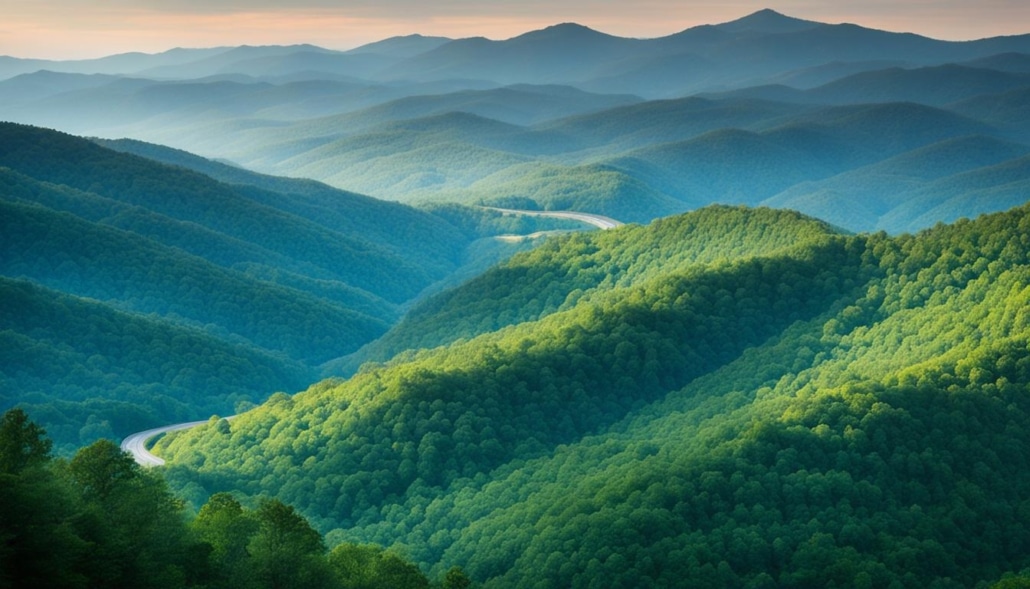
Embrace the call of the open road and the allure of America’s diverse landscapes, tailor-made for photography lovers. From historic highways to sprawling back roads, a variety of routes crisscross the nation, offering the excitement of exploration and the joy of capturing moments in time. Envision yourself embarking on cross country road trips across iconic routes like Route 66 or tapping into the less-trodden paths that wind through the heartland. While some may prefer the speed of the interstate for coast-to-coast jaunts, the true essence of a photography journey lies in the immersive journey, where each turn presents a new vista. Consider limiting daily drive times to retain energy for both exploration and photography, and plan for those treasured spots where you’ll long to delve deeper. Our collective journey now begins, mapping out iconic routes laden with photographic treasures waiting to be discovered.
Iconic Routes to Capture Stunning Photography Spots
Rev up your engines as we embark on some of America’s most legendary drives, which offer unparalleled opportunities for capturing the essence of the United States through your lens. Each iconic route presents a unique backdrop ripe for photography, inviting us to capture the spirit and splendor that defines each region. These drives not only traverse diverse landscapes but also encapsulate different facets of American history and culture. Let’s dive deeper into these iconic routes.
Route 66
Route 66, also known as the “Main Street of America,” stretches from Chicago to Santa Monica, covering 2,448 miles of classic Americana. As we journey along this historic highway, every mile marker reveals a new photographic gem, from vintage motels to kitschy roadside attractions. This route is perfect for capturing America in its nostalgic glory, with well-preserved relics that tell stories of a bygone era. Whether it’s the neon signs of Tucumcari, New Mexico, or the rugged desert landscapes of Arizona, Route 66 offers endless opportunities for photography enthusiasts.
Pacific Coast Highway
If coastal panoramas and cliffside views excite your photographic senses, then the Pacific Coast Highway (Highway 1) is your dream route. Spanning the California coastline, the most breathtaking stretch unfolds between San Francisco and Big Sur. Here, iconic bridges like the Bixby Creek Bridge enhance your frames, while expansive ocean vistas provide dramatic backdrops. Driving along the Pacific Coast Highway, we find ourselves immersed in a world where the land meets the sea, perfect for capturing awe-inspiring sunsets and diverse marine life. This route truly exemplifies the beauty of capturing America through your camera lens.
Blue Ridge Parkway
For those who revel in the lush hues of rolling hills and dense forests, the Blue Ridge Parkway is the ideal drive. This 469-mile route winds through the Appalachian Mountains, offering scenic vistas at every turn. Stretching from Virginia to North Carolina, the parkway is a seasonal wonderland; autumn brings a spectacular display of fall foliage, while spring and summer showcase wildflowers and verdant greenery. Photographers will find endless inspiration in the diverse flora and fauna, as well as in the charming mountain towns that dot the landscape. The Blue Ridge Parkway is a testament to capturing America in its natural splendor.
Let’s summarize some of the breathtaking photography highlights of these legendary drives:
| Route | Highlights | Unique Features |
|---|---|---|
| Route 66 | Vintage motels, neon signs, desert landscapes | Nostalgic Americana |
| Pacific Coast Highway | Coastal panoramas, iconic bridges, sunsets | Cliffside views |
| Blue Ridge Parkway | Scenic vistas, seasonal foliage, diverse wildlife | Appalachian charm |
Unique Scenic Drives for Travel Photography
Our journey through America’s diverse and captivating landscapes wouldn’t be complete without exploring some of the most unique scenic drives perfect for photographic explorations. These routes not only offer breathtaking views but also provide opportunities to capture unforgettable moments.
Going-to-the-Sun Road
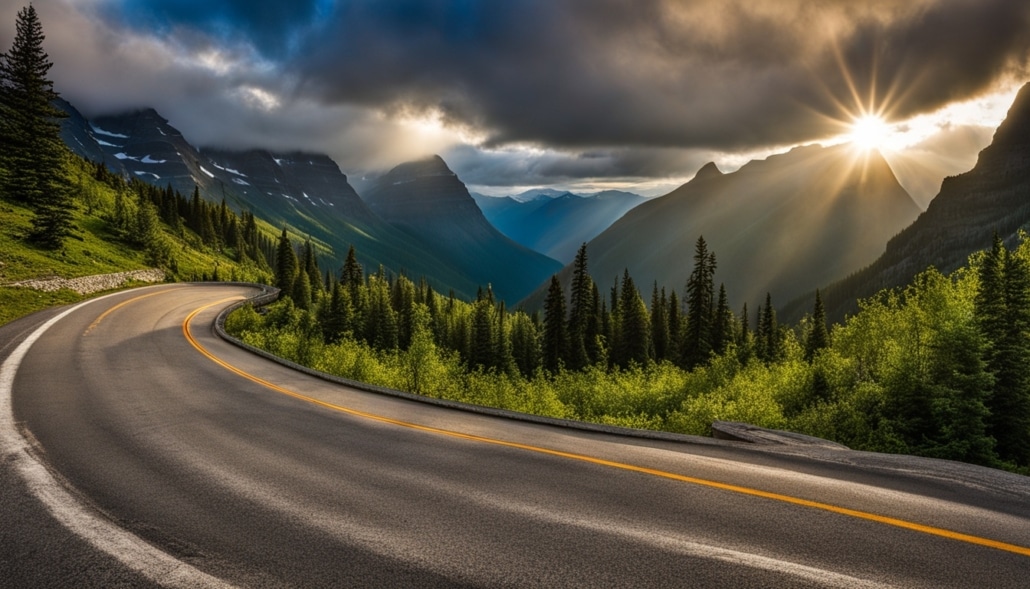
The Going-to-the-Sun Road in Montana’s Glacier National Park is a 50-mile marvel offering mesmerizing vistas and a historical path through the Rockies. With Logan Pass providing high-elevation views, this scenic drive is an absolute paradise for nature photographers. Here, we can capture the essence of Montana’s rugged beauty, from towering mountains to glistening waterfalls.
Overseas Highway
Navigating the Overseas Highway in Florida is a sun-soaked expedition from Key Largo to Key West. This 113-mile chain of tropical keys provides an extraordinary opportunity to photograph vibrant marine life, historic lighthouses, and the endless expanse of ocean. The unique blend of natural and human-made wonders makes it a must-visit for those indulging in photographic explorations.
Santa Fe to Taos Loop
The Santa Fe to Taos Loop in New Mexico carves through the high desert, revealing a stark and beautiful contrast to lush landscapes elsewhere. Adobe structures, rugged backdrops, and dramatic skies make this route a goldmine for travel photographers. This unique scenic drive not only captures the cultural depth of the region but also its unparalleled natural beauty.
Conclusion
As the sun dips below the horizon, casting a golden glow over another day of journeys of discovery, it’s time to reflect on the quintessential American road trip experience. For those with a passion for road trip photography, each mile offers an opportunity to capture unforgettable landscapes that tell the story of our travels. From the historic charm of Route 66 to the rugged beauty of the Pacific Coast Highway, the open road is a canvas for creativity and exploration.
Consider the serene vistas of the Blue Ridge Parkway or the unique grandeur found along scenic byways like Going-to-the-Sun Road and the Overseas Highway. Each route promises a kaleidoscope of images waiting to be captured, turning every journey into a travel photography inspiration. These iconic and unique drives invite us to embrace the open road and the photographic moments it offers, showcasing the beauty of our diverse American landscape.
So, pack your photography gear, chart your course, and let the allure of the open road spark your photographic imagination. Whether it’s a short drive or an extended road trip, the potential for creating lasting memories and stunning images is boundless. Embrace the landscapes, the stories, and the moments that make each trip a remarkable adventure, shining light on the true essence of road trip photography.
FAQ
What are the best cross country road trips in America for photography enthusiasts?
Some of the best cross country road trips for photography include Route 66, Pacific Coast Highway, and Blue Ridge Parkway. Each route offers unique landscapes and photographic opportunities that showcase the diversity of American scenery.
How should I plan my road trip to include the best photography spots?
When planning a road trip for photography, it’s wise to limit your daily drive times to ensure you have ample energy for both exploration and capturing photos. Plot your route to include iconic and scenic spots, and plan for stops where you can stay longer to delve deeper into the surroundings.
What makes Route 66 a great choice for photography?
Route 66 is known for its historic charm and classic Americana, making it a treasure trove of photographic opportunities. From quirky roadside attractions to stunning desert landscapes, this 2,448-mile stretch from Chicago to Santa Monica is steeped in history and visual appeal.
Can you recommend any less-trodden paths for capturing unique landscapes?
Yes, the Santa Fe to Taos Loop in New Mexico is a fantastic choice for those seeking less-trodden paths. This high desert route features adobe structures and rugged backdrops that contrast beautifully with more lush landscapes, perfect for photographers looking for something different.
What are some must-see spots along the Pacific Coast Highway for photographers?
Along the Pacific Coast Highway, notable must-see spots include the stretch from San Francisco to Big Sur. This 150-mile segment is packed with iconic bridges, dramatic coastal cliffs, and endless seascapes that are perfect for any lens.
How does the Blue Ridge Parkway enhance the road trip photography experience?
The Blue Ridge Parkway, stretching for 469 miles through Virginia and North Carolina, offers protected lands that unveil nature’s splendor across seasons. Its winding roads and changing landscapes provide a rich tapestry for photographers to explore and capture.
What unique characteristics make Going-to-the-Sun Road a top choice for photographers?
Going-to-the-Sun Road in Montana’s Glacier National Park is renowned for its breathtaking vistas and historical significance through the Rockies. The 50-mile route, with highlights such as Logan Pass, offers high-elevation views and diverse mountain scenery that’s a photographer’s dream.
Are there any tips for photographing the Overseas Highway in Florida?
For the Overseas Highway, plan to stop at points like the Seven Mile Bridge and Bahia Honda State Park for stunning snapshots. The 113-mile route from Key Largo to Key West offers vibrant marine life, historic lighthouses, and endless tropical vistas ideal for travel photography.
How do I ensure safety while capturing photographs on the road?
Safety first: It’s important to pull over in designated areas or safe locations when taking photos. Avoid stopping on the shoulder of busy highways and always be aware of your surroundings. Make sure to have a well-planned itinerary and keep emergency supplies handy.
What equipment should I bring for a photography road trip?
Essential equipment for a photography road trip includes a versatile camera, multiple lenses (wide-angle, zoom), tripod, extra batteries and memory cards, a laptop for backups, and cleaning gear for your equipment. A polarizing filter and drone may also enhance your photography experience.