
Embrace the allure of America’s forgotten landscapes as we chart a journey through the mystique of ghost towns and the grandeur of historic sites. Prepare for an unparalleled road trip exploration that brings you face-to-face with eerie abandoned places and captivating travel adventures. From the colonial ghost town remains of Brunswick Town to the industrial echoes of Henry River Mill Village, North Carolina’s hidden gems await.
Our curated expedition promises the discovery of more than mere relics—it invites you to walk the paths of history, experience the remnants of industry, and unearth the stories set in stone. Let’s venture into the enigmatic remains of Lost Cove and beyond, immersing ourselves in narratives rich with history.
Haunting Ghost Towns in North Carolina
Embark on a haunting exploration of North Carolina’s deserted locales, each with a unique story to tell. These sites, rich in decaying heritage, provide an unfiltered view into the shadows of history, offering an eerie yet insightful ghost town road trip through abandoned North Carolina.
Brunswick Town
Brunswick Town, once a bustling colonial port, now lays in silent testimony to the past. A colonial settlement turned Civil War fortress, its remnants whisper tales of prosperity thwarted by war. The decaying walls and eerie surroundings make it an ideal destination for those intrigued by history and haunting exploration.
Henry River Mill Village
Moving on, we find the Henry River Mill Village, best known for its role as District 12 in the blockbuster “The Hunger Games”. This mill village is emblematic of industrial decline. Despite its popularity in film, the village remains an authentic slice of desolation. A stroll through its quiet, empty streets offers an evocative glimpse into a once-thriving community.
Lost Cove
Finally, we delve into the mystery of Lost Cove. Accessible only by a rugged trail, this abandoned North Carolina town was once a haven for moonshiners. Today, nature has taken over, weaving through the decaying structures, turning it into a picturesque, though somewhat spooky, experience. The quiet isolation and historical echoes make it a must-visit on any ghost town road trip.
Historic Sites to Add to Your Road Trip
Embarking on a historic tour across America can be a thrilling adventure, especially when encountering cultural landmarks and architectural wonders that tell stories of the past. Here are three extraordinary places to consider adding to your road trip itinerary.
Castle McCulloch
Nestled in Jamestown, North Carolina, Castle McCulloch offers a journey back in time with its medieval, stone architecture and moated grandeur. Originally a gold refinery, this site has since transformed into cinematic beauty, ideal for those seeking enchanted landscapes and a deep dive into historical charm.
The “Road to Nowhere”
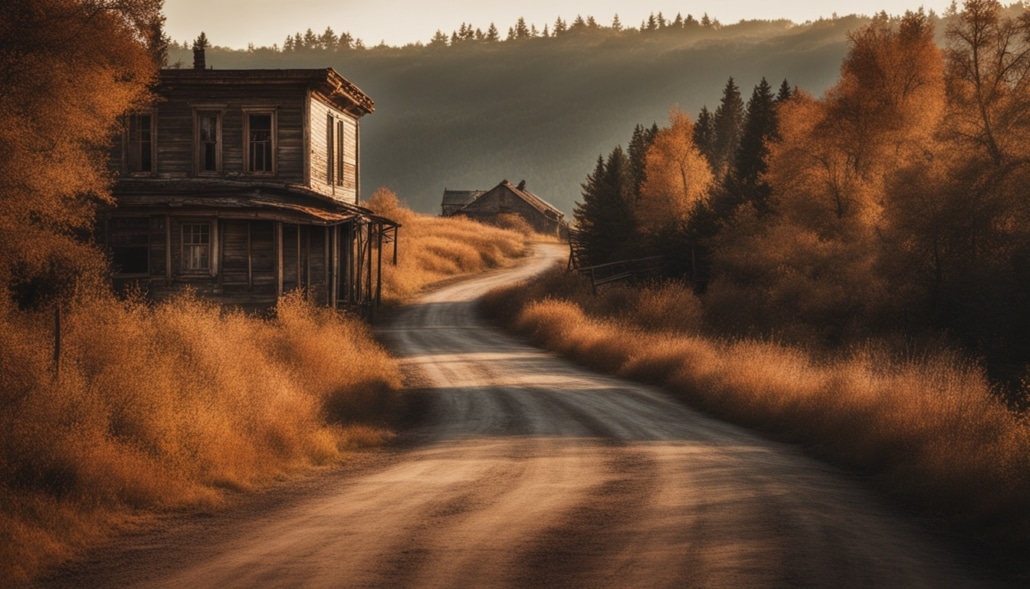
The “Road to Nowhere,” a curious abandoned roadway, vividly highlights the mystery of cultural landmarks left unfinished. Located in the Great Smoky Mountains, this route leads to a tunnel encapsulating unfulfilled promises and secluded vistas, making it a tantalizing stop for those in search of architectural wonders.
Land of Oz Theme Park
Set within the picturesque mountains of North Carolina, the Land of Oz Theme Park blurs the lines between magic and reality. This enchanting park rekindles the timeless allure of L. Frank Baum’s cherished story, enabling visitors to delve into an emerald dreamscape while exploring the park’s captivating and whimsical setting, showcasing both cultural landmarks and enchanted landscapes.
Ghost Towns as a Glimpse into America’s Past
Ghost town travel offers us a unique window into the rich tapestry of American heritage. As we explore these vintage settlements, they reveal stories of former glory, economic dreams, and how communities grappled with changes over time. Among these preserved history sites, two noteworthy examples stand out: Bodie, California, and Proctor, North Carolina.
Bodie, California
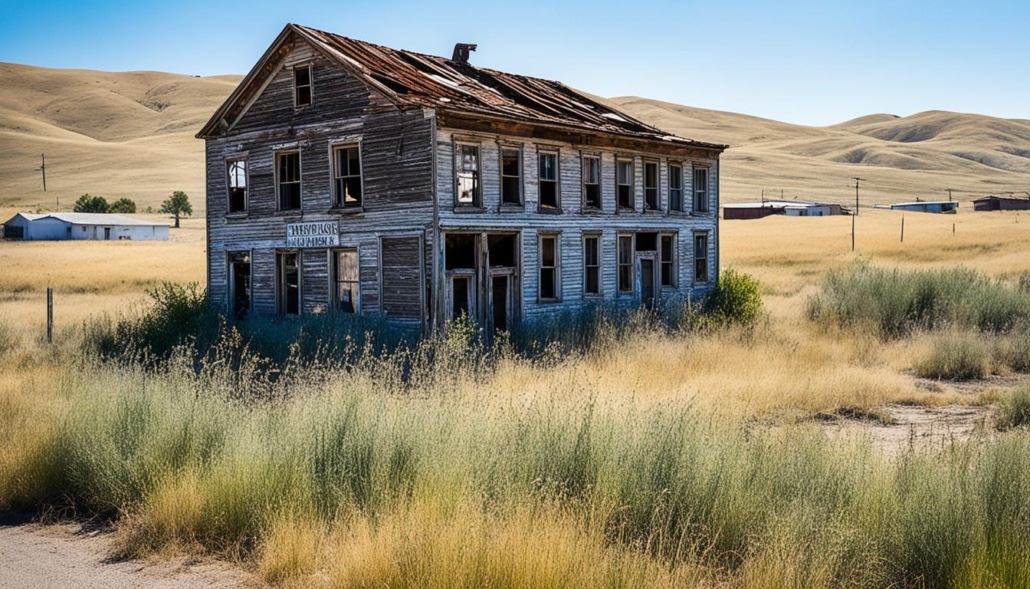
Bodie, nestled in the chilly altitudes of California, presents an impeccable snapshot of American heritage captured in time. Famous for its “arrested decay,” this town allows us to peer through dusty windows and see life as it was during its bustling days. Visiting Bodie, we can practically feel the tales of each wooden structure and vintage settlement, reminding us of an era defined by aspiration and hardship.
Proctor, North Carolina
Proctor tells a different, yet equally compelling story. Situated under the serene waters of Fontana Lake, this ghost town offers a poignant narrative of a thriving community now submerged. The forest trails around the lake whisper secrets of the past, illustrating how a once-buoyant settlement managed to leave enduring marks on the landscape. Exploring Proctor connects us with preserved history and a sense of American spirit that faced and overcame numerous challenges.
These ghost towns, with their remnants and stories, act as conduits to the bygone eras, allowing us to immerse ourselves in the preserved history that shaped the nation’s identity. Whether it’s the haunting remnants of Bodie or the submerged tales of Proctor, these vintage settlements remain vital pieces of America’s collective memory, waiting to be discovered on our next ghost town travel adventure.
Conclusion
As we conclude our road trip itinerary, we reflect on the unforgettable journey through America’s memory-laden ghost towns and heroic historic sites. These destinations, rich with whispered sagas and silent testimonies of the past, have offered us a chance to peel back the layers of time and explore the fabric of our nation’s narrative. This comprehensive exploration has broadened our understanding of historical moments and given us profound road trip memories.
From the haunting remnants of Brunswick Town and Bodie to the enchanting mystique of Henry River Mill Village and Lost Cove, each stop on our ghost town adventures invited us to step into stories long past. The historical explorations we embarked upon allowed us to capture glimpses of previous eras, connecting us deeply to the lives and events that shaped America’s landscape.
Carrying with us the images of abandoned streets, the thrum of lost livelihoods, and the inspiration of architectural splendor, we close the map, treasuring the profound connection to our collective heritage and the indelible imprints of our explorations. This reflective travel through time not only enriched our knowledge but also etched unforgettable road trip memories, making it a journey well worth taking for any history enthusiast.
FAQ
What are some must-visit ghost towns in North Carolina?
Some must-visit ghost towns in North Carolina include Brunswick Town, Henry River Mill Village, and Lost Cove. Each of these locations offers a unique glimpse into the state’s rich and tumultuous history.
How can I visit Brunswick Town?
Brunswick Town is a historic site located in southeastern North Carolina. You can visit it by driving to the Brunswick Town/Fort Anderson State Historic Site, where you can explore the ruins and learn more about its history as a colonial settlement turned Civil War fortress.
What makes Henry River Mill Village unique?
Henry River Mill Village is unique due to its eerie abandoned buildings and its role as the filming location for District 12 in “The Hunger Games.” It serves as a testament to industrial decline and offers a fascinating peek into the past.
What should I know before visiting Lost Cove?
Lost Cove is a remote ghost town that requires a challenging hike to access. It was once a thriving community known for moonshine production, but now it is deserted and overtaken by nature. Be prepared for a rugged journey and enjoy the silent, enigmatic remains.
Are there other historic sites worth visiting in North Carolina?
Yes, besides ghost towns, North Carolina offers other historic sites such as Castle McCulloch in Jamestown, the ‘Road to Nowhere’ in Bryson City, and the Land of Oz Theme Park in Beech Mountain. Each site offers a unique blend of history, culture, and adventure.
What is special about Castle McCulloch?
Castle McCulloch is a gold refinery turned cinematic landscape that features stunning stone architecture and a medieval atmosphere. It’s a great place for those interested in historic tours and architectural wonders.
Can you tell me more about the ‘Road to Nowhere’?
The ‘Road to Nowhere’ is an abandoned route in Bryson City, North Carolina. It was left unfinished, resulting in a mysterious tunnel and secluded vistas that are now popular spots for hiking and exploring.
What can I expect at the Land of Oz Theme Park?
The Land of Oz Theme Park in Beech Mountain is a whimsical destination where the beloved tale of Dorothy and her adventures in Oz comes to life. It’s perfect for families and those who enjoy enchanted landscapes.
Are there any notable ghost towns outside of North Carolina?
Yes, Bodie in California is a notable ghost town preserved in “arrested decay,” offering a fascinating snapshot of life frozen in time. It’s known for its haunting atmosphere and well-preserved buildings.
What’s the story behind Proctor, North Carolina?
Proctor, North Carolina, is a submerged ghost town under Fontana Lake. It was once a bustling community, and now its remnants linger amidst forest trails. Visitors can explore the area and imagine the town’s past life.
