
Packing Light: Essential Gear for Your Backpacking Adventure
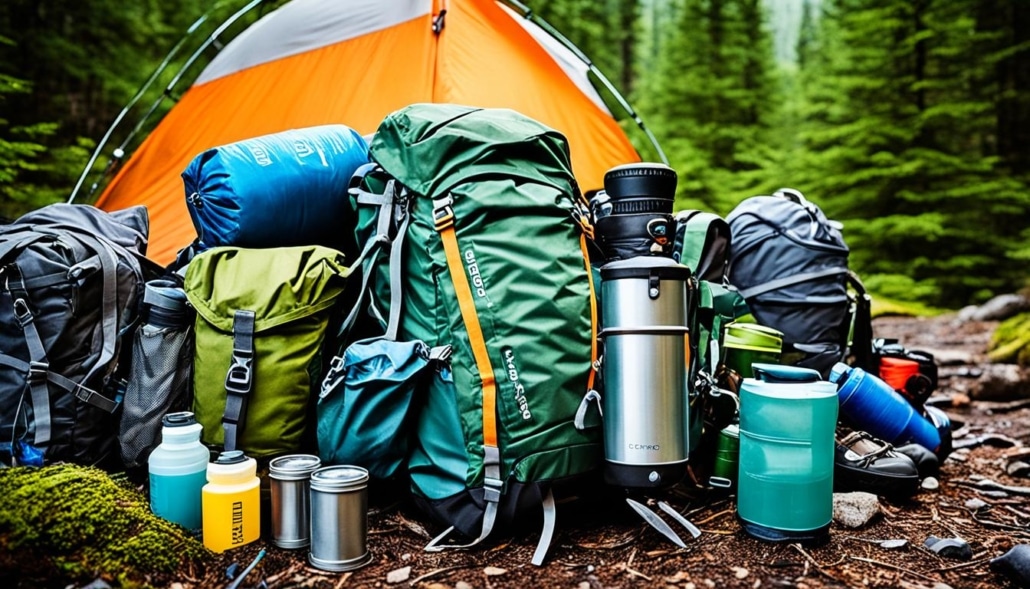
When it comes to embarking on a backpacking adventure, packing light is a game-changer. By minimizing your load, you can save time, money, and unnecessary hassle. The key is to focus on the essentials and bring versatile gear that will serve you well throughout your journey. With a well-thought-out packing strategy and the right gear in your arsenal, you’ll be well-equipped for any adventure that comes your way.
Key Takeaways:
- Create a packing list of essential items.
- Prioritize versatile gear that can be used in various situations.
- Weigh your luggage and choose a lightweight backpack.
- Pack the essentials: clothing, footwear, toiletries, and necessary gear.
- Select lightweight gear options to reduce overall pack weight.
Rules for Minimalist Travel
When it comes to minimalist travel, the key is to pack light and only bring the items that are essential for your trip. By embracing a minimalist mindset, you can travel more efficiently, with less stress and clutter. Here are some rules to follow when packing for minimalist travel:
- Focus on must-have items: Prioritize the items that are absolutely necessary for your trip. Leave behind the non-essential items that you think you might need but can do without.
- Choose versatile items: Opt for clothing and accessories that can be used in different situations and climates. This will help you pack less while still being prepared for various scenarios.
- Limit your clothing: Pack no more than one week’s worth of clothing. Consider packing clothing items that can be layered to adapt to changing weather conditions.
- Create a personalized packing list: Make a list of the items you truly need based on your personal preferences and travel itinerary. This will help you stay focused and avoid overpacking.
- Pack calmly and thoughtfully: Give yourself enough time to pack before your trip. Packing in a panic often leads to overpacking and unnecessary stress. Take the time to carefully select the items you need and pack them neatly.
Following these rules for minimalist travel will allow you to travel with ease and simplicity. By packing light and only bringing what you truly need, you’ll enjoy a more streamlined and efficient travel experience.
Minimalist Travel Quote:
“Travel light, live light, spread the light, be the light.” – Yogi Bhajan
Benefits of Minimalist Travel:
Minimalist travel offers various benefits beyond just packing light. Here are some advantages:
- Increased mobility: Traveling with a lightweight backpack or suitcase allows you to move more freely and easily.
- Cost savings: Avoiding excess luggage or overweight fees can save you money during your travels.
- Less stress and hassle: Carrying less luggage means fewer items to keep track of and less time spent organizing and unpacking.
- Greater focus on experiences: By simplifying your belongings, you can shift your focus from material possessions to the experiences and moments that truly matter.
Incorporating minimalist principles into your travel can enhance your overall journey and help you make the most of every destination you visit.
| Benefits of Minimalist Travel | Advantages |
|---|---|
| Increased mobility | Traveling light allows for easier movement |
| Cost savings | Avoid excess luggage and overweight fees |
| Less stress and hassle | Keep track of fewer items and spend less time organizing |
| Greater focus on experiences | Shift focus from material possessions to meaningful moments |
Weigh Your Luggage and Choose the Right Luggage
Weighing your luggage before your trip is essential to ensure you don’t exceed airline weight limits and to prioritize lighter items. By accurately weighing your luggage, you can avoid last-minute surprises at the airport and potential additional fees. It also allows you to pack strategically, making sure you have everything you need without overpacking.
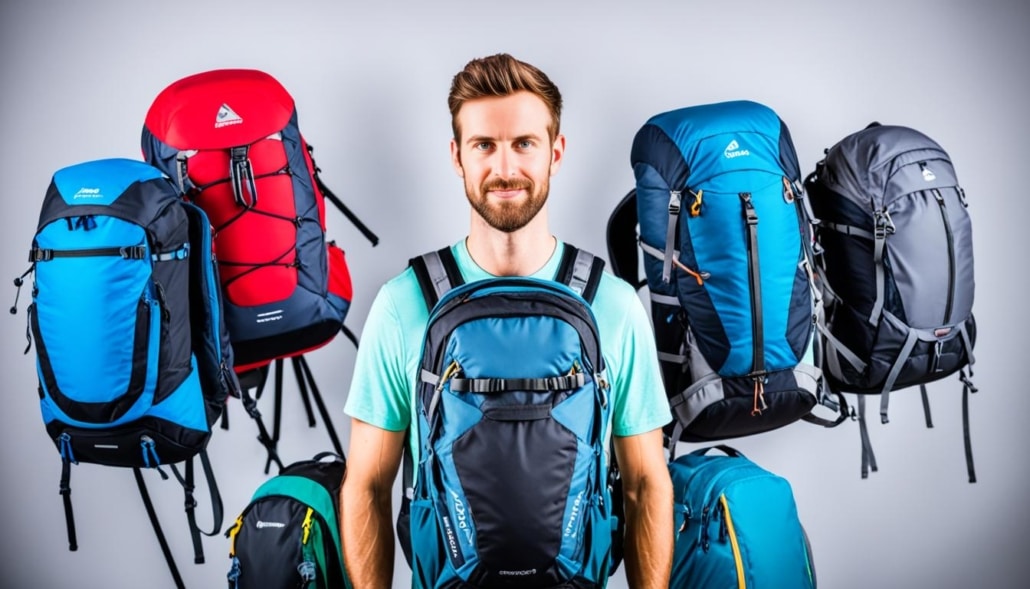
Choosing the right luggage is equally important to enhance your packing experience. Instead of opting for a large suitcase that tempts you to bring unnecessary items, consider a smaller-sized luggage that encourages you to pack efficiently. A smaller bag like the Osprey Farpoint 40 backpack not only helps you resist the urge to overpack but also keeps you within the weight limits set by the airlines.
Lightweight luggage options can significantly reduce the overall weight of your belongings, making your journey more comfortable and hassle-free. The Osprey Farpoint 40 backpack is designed with durable materials and innovative features, ensuring both functionality and a lightweight design. This backpack offers ample space for your essentials while keeping the weight down.
Additionally, the Osprey Farpoint 40 backpack provides multiple compartments and pockets for organized packing. The versatile design allows you to easily access your belongings without rummaging through the entire bag. Its ergonomic straps and comfortable back panel provide excellent support, even during long hikes or city explorations.
| Type of Luggage | Weight | Features |
|---|---|---|
| Suitcase | Varies depending on size and materials | – Spacious compartments – Wheels for easy maneuverability – Heavy-duty construction for durability |
| Backpack | Lightweight materials | – Adjustable straps for customized fit – Multiple pockets for organization – Comfortable back panel for extended wear |
Remember, selecting the right luggage not only helps you stay within weight limits but also ensures that you can comfortably carry your belongings throughout your trip. By choosing a lightweight, compact option like the Osprey Farpoint 40 backpack, you’ll be equipped with a reliable travel companion that allows you to pack smart and keep your load light.
Pack the Essentials
When it comes to backpacking, packing the essentials is crucial for a successful and enjoyable trip. By focusing on the items you truly need, you can ensure that your backpack is lightweight and efficient. Here are some key essentials that should be included in your packing list:
- Clothing: Pack a week’s worth of versatile favorites that can be mixed and matched. Don’t forget to include underwear, pants, shirts, socks, a sweater or hoodie, swim shorts, nightwear, a wind/rain jacket, and headwear.
- High-Quality Outerwear: Investing in durable outerwear is essential for protection against the elements. Consider the Patagonia Torrentshell 3L jacket, which provides excellent waterproofing and can be conveniently packed into its own pocket.
- Footwear: Choose comfortable and sturdy footwear that is suitable for the terrain you’ll be hiking on. This could include hiking boots, trail runners, or sandals, depending on your preference and the conditions.
- Toiletries: Bring along travel-sized toiletries such as toothpaste, toothbrush, shampoo, soap, and a quick-drying towel. Opt for multipurpose items to minimize weight and space.
- Additional Gear: Depending on your specific adventure, you may need to pack additional gear such as a sleeping bag and sleeping pad. Consider the weight, size, and temperature rating when making your choices.
Remember, the goal is to pack efficiently and only bring what you truly need. This will not only lighten your load but also give you more freedom to explore and enjoy your backpacking adventure.
Clothing Essentials
| Item | Description |
|---|---|
| Underwear | Moisture-wicking and quick-drying for comfort |
| Pants | Durable and lightweight, suitable for hiking |
| Shirts | Quick-drying and breathable for layering |
| Socks | Moisture-wicking and cushioned for comfort |
| Sweater or Hoodie | Warm layer for cooler evenings |
| Swim shorts | For swimming or water activities |
| Nightwear | Comfortable sleepwear for camping |
| Wind/Rain Jacket | Waterproof and wind-resistant for protection |
| Headwear | Hat or bandana for sun protection |
Choose Lightweight Gear
When it comes to backpacking, choosing lightweight gear is key to reducing the overall weight of your pack. By opting for lightweight options, you can enjoy a more comfortable and effortless outdoor experience. Here are some essential lightweight gear recommendations:
Backpacks
Look for backpacks specifically designed with a lightweight construction. The Osprey Farpoint 40 and Cotopaxi Allpa 35 are excellent choices that offer durability and ample storage while keeping the weight to a minimum.
Sleeping Gear
Investing in ultralight sleeping bags and sleeping pads can significantly reduce the weight you carry while ensuring a good night’s sleep. Consider brands like Therm-a-Rest and Sea to Summit, known for their high-quality lightweight options.
Cooking/Eating/Washing Gear
For your outdoor culinary needs, alcohol stoves and titanium cookware are popular choices among ultralight backpackers. These options provide efficient cooking capabilities without adding unnecessary weight. Additionally, compact and lightweight utensils and cookware sets can help you save valuable space in your pack.
Essential Accessories
Don’t forget to include essential accessories that will enhance your backpacking experience. A LED headlamp will provide ample illumination during night hikes or while setting up camp. Capture memorable moments with a camera or phone, and ensure you have a reliable water source with a filter water bottle and a water reservoir. These accessories are lightweight and versatile, making them valuable additions to your gear list.
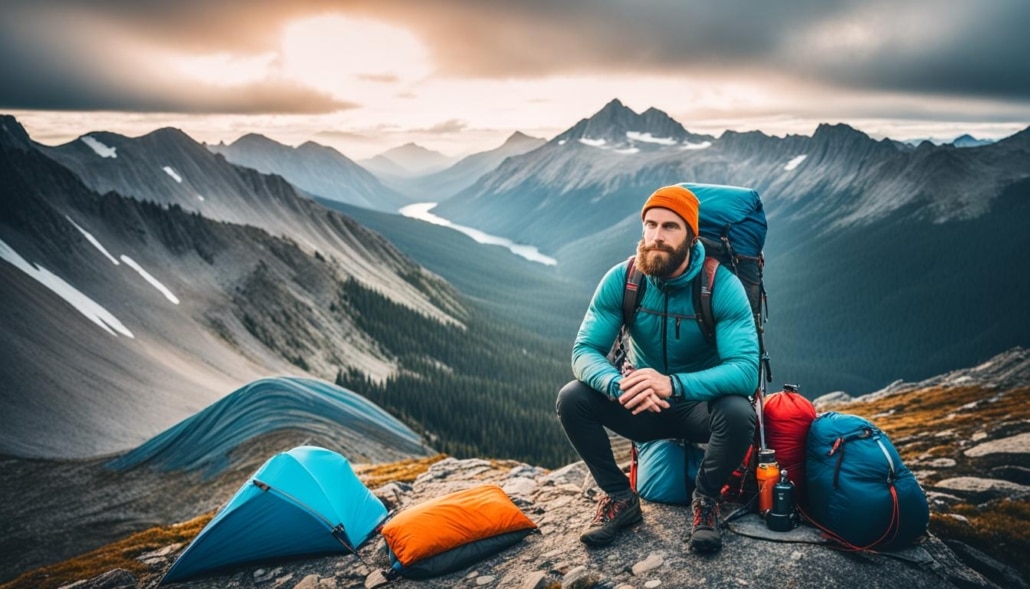
Choosing lightweight gear will not only reduce the strain on your body but also allow you to explore more comfortably and cover longer distances. By carefully selecting lightweight options, you can fully enjoy your backpacking adventure without unnecessary weight holding you back.
Consider Shelter Options
When planning for your backpacking adventure, choosing the right shelter is crucial. It not only provides protection from the elements but also ensures a comfortable and safe sleep. Consider the various shelter options available, including ultralight tents and lightweight alternatives like tarps.
Ultralight shelters, such as the Ultra-Sil Nano Tarp Poncho and the Escapist Tarp, offer a lightweight and versatile alternative to traditional tents. These shelters are designed to be compact, allowing for easy packing and pitching. They provide adequate weather protection, shielding you from rain and wind. However, they may not offer as much interior space as a tent.
If you anticipate hiking in wet or buggy conditions, it’s advisable to opt for an ultralight tent such as the Alto TR 1 or Alto TR 2. These tents offer additional interior volume, better ventilation, and bug protection. They strike a balance between weight and comfort, making them suitable for a variety of backpacking adventures.
Now, let’s take a closer look at the features and specifications of both options:
| Shelter Options | Weight | Interior Volume | Ventilation | Bug Protection |
|---|---|---|---|---|
| Ultra-Sil Nano Tarp Poncho | 8 ounces | N/A | N/A | N/A |
| Escapist Tarp | 13 ounces | N/A | N/A | N/A |
| Alto TR 1 | 2 pounds | 28 square feet | Mesh walls | Mesh doors |
| Alto TR 2 | 3 pounds | 38 square feet | Mesh walls | Mesh doors |
As you can see from the table above, the ultralight shelters weigh significantly less than the tents. However, they lack specific features like interior volume, ventilation, and bug protection. If these features are important to you, the ultralight tents would be a better choice.
Remember to consider the conditions you’ll be backpacking in, your personal preferences, and the overall weight you’re willing to carry. Selecting the right shelter option will contribute to a more enjoyable and comfortable backpacking experience.
Quote:
“Finding the right shelter option is crucial for a successful backpacking trip. Consider the weight, interior volume, ventilation, and bug protection when choosing between ultralight shelters and tents.” – Backpacking Pro
Bring Essential Gear and Supplies
In addition to the essentials mentioned earlier, there are a few more gear and supply items to consider for your backpacking adventure. These include:
- Lifestraw for safe drinking water
- A good backpack to carry your gear comfortably
- A headlamp with spare batteries for hands-free illumination
- A comprehensive first aid kit for any emergencies
- Appropriate clothing for different weather conditions
Don’t forget to pack:
- A lightweight towel for personal hygiene
- Utensils for cooking and eating
- A compact cooking stove for preparing meals
- Personal hygiene items such as soap and toothpaste
It’s also important to be prepared for any emergencies during your backpacking adventure. Remember to carry:
- A map and compass for navigation
- Basic survival gear such as a whistle, fire starter, and multi-tool
Bringing essential gear and supplies will ensure you are well-equipped to handle any situation that may arise during your backpacking adventure.
Conclusion
When it comes to embarking on a backpacking adventure, packing light is the key to maximizing your mobility and enjoying a hassle-free trip. By following a minimalist approach and focusing on essentials, you can save time, money, and energy. Prioritizing lightweight gear, choosing the right luggage, and weighing your belongings can significantly reduce your packing weight.
Creating a personalized packing list tailored to your needs and preferences is crucial for a successful backpacking experience. Pay attention to versatile items that can serve multiple purposes and clothing that can be easily mixed and matched. Don’t forget to include essential items such as footwear, toiletries, and gear specific to your adventure.
By packing light, you’ll not only free yourself from unnecessary weight but also have the freedom to explore and enjoy your backpacking adventure to the fullest. So, be mindful of the essentials, choose lightweight options, and always strive for simplicity. With a well-planned and lightweight pack, you’ll be ready to embark on an unforgettable backpacking adventure without compromising your comfort or mobility.
FAQ
Why is it important to pack light for a backpacking adventure?
Packing light for your backpacking adventure saves time, money, and hassle. It allows you to travel with ease and mobility, making your trip more enjoyable.
What are the rules for minimalist travel?
The rules for minimalist travel include packing only the must-haves, choosing versatile items, and creating a packing list based on your personal needs and preferences.
How can I weigh my luggage and choose the right luggage?
Weighing your luggage before your trip is essential to ensure you don’t exceed weight limits. Choosing a smaller-sized and lightweight luggage, such as the Osprey Farpoint 40 backpack, can also help reduce the overall weight of your belongings.
What are the essentials to pack for a backpacking adventure?
The essentials to pack include clothing, footwear, toiletries, and necessary gear for cooking and first aid. It’s important to pack versatile items that can be mixed and matched and to invest in high-quality outerwear, such as the Patagonia Torrentshell 3L jacket.
What lightweight gear should I choose for backpacking?
Opt for lightweight gear, such as the Osprey Farpoint 40 backpack, ultralight sleeping bags and pads, and alcohol stoves with titanium cookware. Don’t forget essential accessories like a LED headlamp, a camera or phone, a filter water bottle, and a water reservoir.
What shelter options are available for backpacking?
Ultralight shelters like the Ultra-Sil Nano Tarp Poncho and Escapist Tarp provide lightweight alternatives to traditional tents. However, if you expect wet or buggy conditions, consider an ultralight tent like the Alto TR 1 or Alto TR 2 for better protection.
What essential gear and supplies should I bring for a backpacking adventure?
Essential gear and supplies include a Lifestraw for safe drinking water, a good backpack, a headlamp with spare batteries, a first aid kit, appropriate clothing for different weather conditions, a lightweight towel, utensils, a cooking stove, and personal hygiene items. You should also prepare for emergencies by carrying a map, compass, and basic survival gear.
How does packing light enhance a backpacking adventure?
Packing light allows you to maximize your mobility, save time, and save money. By choosing the right luggage, weighing your belongings, and selecting lightweight gear, you can significantly reduce your packing weight and enjoy your backpacking adventure with ease.


Leave a Reply
Want to join the discussion?Feel free to contribute!