
Native American Heritage: Visiting the Pueblos of New Mexico
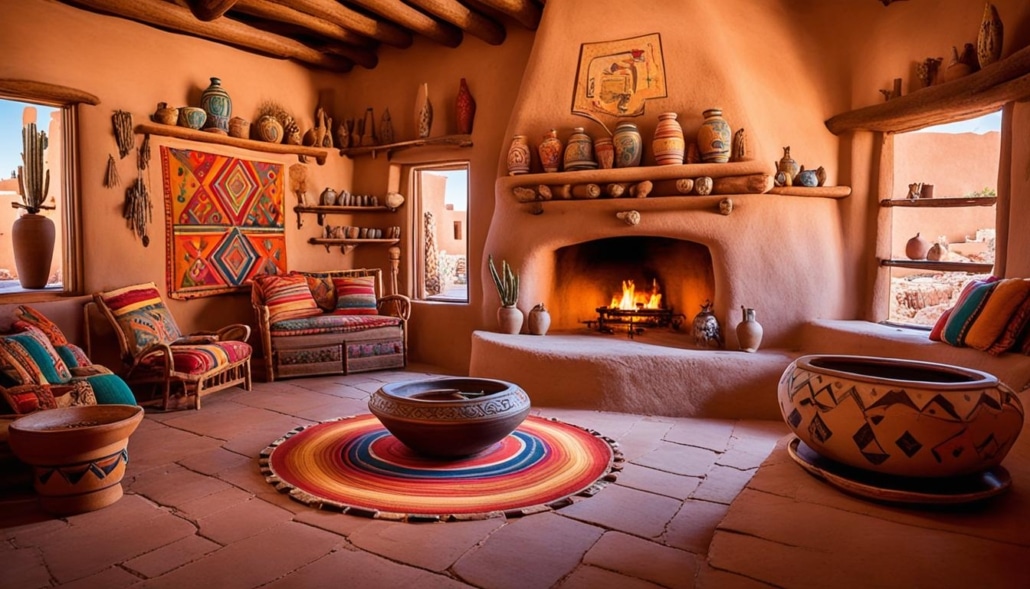
The Pueblo communities in New Mexico offer a unique opportunity for cultural experiences and immersion in Native American heritage. Visiting the Pueblos allows you to explore the rich traditions, spirituality, and history of the Pueblo people, who are the descendants of the Ancestral Puebloans.
As you embark on your journey to the Pueblos, it is important to be respectful and mindful of the cultural etiquette and guidelines. Each Pueblo has its own customs and traditions, and it is essential to understand and adhere to them to ensure a positive and meaningful experience.
During your visit, you will have the chance to witness tribal dances, participate in feast days, and learn about the significance of these events in Pueblo culture. However, it is crucial to remember that these ceremonies are religious and should be observed with reverence rather than viewed as public performances.
Respecting the privacy of pueblo homes is also of utmost importance, as these are personal spaces that should be treated with reverence. Additionally, certain Pueblos may charge an entry fee or require a photography permit, so it is essential to inquire about any fees or permits before visiting.
By following the guidelines and respecting the customs of the Pueblo communities, you can have an enriching and authentic cultural experience that will leave a lasting impact.
Key Takeaways:
- Visiting the Pueblos of New Mexico offers unique cultural experiences and insights into Native American heritage.
- Respecting the customs and guidelines of each Pueblo is essential for a positive and meaningful visit.
- Tribal dances are religious ceremonies and should be observed with reverence, rather than viewed as public performances.
- Privacy should be respected in pueblo homes, which are personal spaces considered sacred by the Pueblo communities.
- Be prepared for potential entry fees or photography permits, as each Pueblo may have its own regulations.
Feast Days and Etiquette
Feast days hold great significance in Pueblo culture as they provide a unique opportunity for visitors to witness and partake in traditional celebrations. However, it is essential to understand the proper etiquette and guidelines to ensure a respectful and meaningful experience.
During feast days, it is important to note that entering a Pueblo home is by invitation only. Guests are expected to accept invitations to eat, but should not linger at the table as the host serves multiple guests throughout the day.
While applause is not appropriate during or after dances, it is customary to express gratitude to the host for their hospitality. Visitors should observe the ceremonies with quiet attention, being mindful of the cultural significance and spiritual nature of the traditions.
Additionally, it is important for visitors to keep their children with them at all times and ensure they follow the same etiquette. By respecting these guidelines, visitors can genuinely appreciate and engage with the Native American culture celebrated during feast days.
Photography and Artwork
Exploring the Pueblos of New Mexico offers a unique opportunity to capture the beauty and essence of Native American culture through photography and artwork. However, it’s important to adhere to the specific regulations and guidelines set by each Pueblo to ensure cultural sensitivity and respect for tribal traditions.
Before embarking on your photography journey, make sure to obtain the necessary permits. Each Pueblo has its own requirements, and permits are typically issued for personal use only. Commercial use may involve additional fees and permissions.
While photography is generally permitted, it’s crucial to respect the privacy and wishes of individual tribal members. Always ask for permission before taking photos of individuals, as some may prefer not to be photographed. This respectful approach fosters a positive and meaningful interaction between visitors and the Pueblo community.
When photographing ceremonies, it’s essential to do so in an unobtrusive manner. Avoid entering the dance area or obstructing the view of other visitors. Capturing the spirit of these sacred rituals requires a balance between expressing creativity and maintaining cultural sensitivity.
Furthermore, certain areas within the Pueblos may have restrictions on photography. These areas can include kivas, cemeteries, and church interiors, where photography may be prohibited to preserve the sanctity and privacy of these spaces.
Non-compliance with these regulations can result in consequences such as the confiscation of camera equipment or expulsion from the Pueblo. Therefore, it’s vital to familiarize yourself with the specific rules of each Pueblo you intend to visit to ensure a respectful and rewarding experience.
| Pueblo | Photography Regulations | Artwork Permits |
|---|---|---|
| Acoma Pueblo | Permitted in designated areas and during specific events | Permits required for on-location artwork |
| Taos Pueblo | Restricted to exterior areas, no photography inside buildings | Permits required for on-location artwork |
| Hopi Pueblo | Restricted to exterior areas, photography inside buildings is prohibited | Permits required for on-location artwork |
| Zuni Pueblo | Permitted in designated areas, no photography during specific ceremonies | Permits required for on-location artwork |
Pueblo History and Culture
The Pueblo people of New Mexico have a rich and storied history that can be traced back to the Ancestral Puebloans, who inhabited the Four Corners area. These ancient indigenous cultures flourished, building intricate cliff dwellings and developing advanced agricultural systems. Today, the Pueblo communities continue to occupy the land and villages of their ancestors, preserving their unique heritage.
The arrival of Spanish explorers in the 16th century dramatically impacted the Pueblo people’s lives. The Spanish colonization brought about encounters and conflicts between the Europeans and the indigenous population. It was a period of immense change, as the Puebloans were exposed to new customs, languages, and religions. The Spanish attempted to convert the Puebloans to Christianity, resulting in a blend of spirituality and tradition that characterizes Pueblo culture to this day.
“Our culture is a blend of ancient Native practices and the influences brought by Spanish colonization. It is a delicate balance that we strive to maintain, holding onto our traditions while embracing the changes that have shaped us.” – Ethan Gutiérrez, Pueblo Descendant
One pivotal event in Pueblo history was the Pueblo Revolt in 1680. Faced with mistreatment and the suppression of their culture, the Puebloans rose up against the Spanish colonizers. Led by leaders such as Popé, the Revolt succeeded in temporarily expelling the Spanish from New Mexico and reclaiming their autonomy. Although Spanish influence eventually returned, the Revolt remains a testament to the resilience and determination of the Pueblo people to protect their way of life.
Today, Pueblo culture continues to thrive, grounded in a deep connection to the land and a profound spirituality. Pueblo ceremonies, dances, and rituals are central to their cultural practices, reinforcing the ties to their ancestors and the natural world. The Pueblo people’s blend of spirituality and tradition creates a vibrant and unique cultural tapestry that is respected and celebrated by visitors from around the world.
Traditional Pueblo Pottery
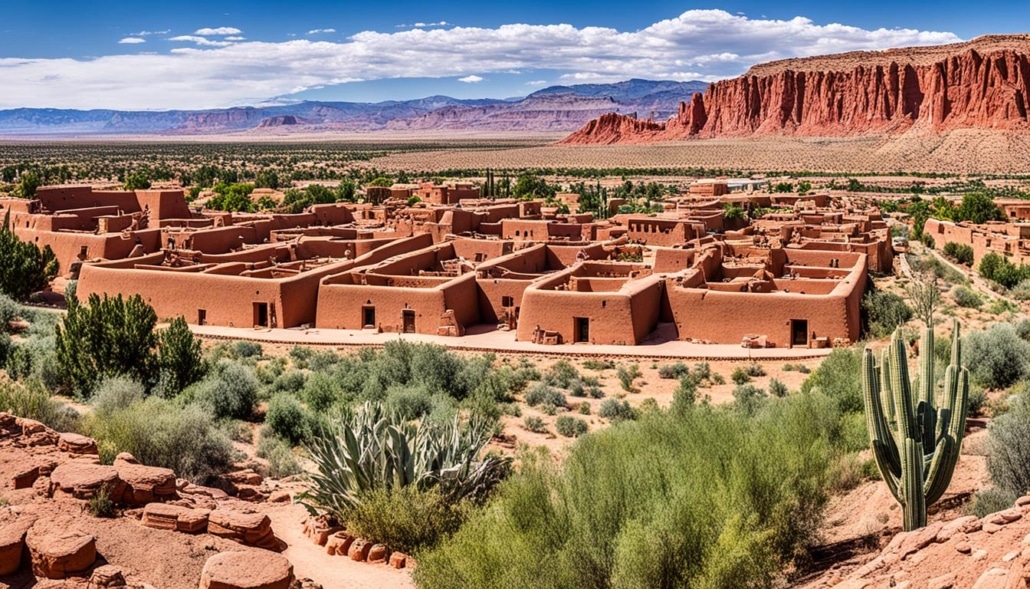
Pueblo artisans are renowned for their exquisite pottery, which showcases their rich artistic heritage and craftsmanship. The pottery traditions have been passed down through generations, with each Pueblo community developing its distinct style and designs. The pots are often hand-coiled, painted with natural pigments, and fired in traditional outdoor kilns. These beautiful pieces serve as visual representations of Pueblo history, culture, and connection to the land.
Pueblo Locations
Explore the diverse Pueblo locations in New Mexico, each with its own distinct culture and charm. With a total of 19 Pueblos in the state, visitors have the opportunity to experience the rich heritage and traditions of Native American communities. Whether you’re in the Albuquerque metropolitan area or venturing further afield, there are Pueblos waiting to be discovered.
Pueblos near the Albuquerque Metropolitan Area
Several Pueblos are conveniently located near the bustling Albuquerque metropolitan area. These include:
- Sandia Pueblo: Nestled at the base of the Sandia Mountains, Sandia Pueblo offers breathtaking views and cultural experiences.
- San Felipe Pueblo: Just 30 miles north of Albuquerque, San Felipe Pueblo welcomes visitors to explore its rich history and participate in cultural activities.
- Santo Domingo Pueblo: Known for its vibrant arts and crafts, Santo Domingo Pueblo showcases the talent and creativity of the local community.
- Cochiti Pueblo: Situated on the banks of the Jemez River, Cochiti Pueblo is renowned for its traditional pottery and vibrant festivals.
Pueblos West of Albuquerque
Venture west of Albuquerque to discover more captivating Pueblo locations:
- Acoma Pueblo: Home to the famous Acoma Sky City, perched atop a sheer-sided mesa, Acoma Pueblo offers breathtaking views and a glimpse into ancient traditions.
- Laguna Pueblo: Known for its stunning landscapes and vibrant festivals, Laguna Pueblo invites visitors to experience its rich cultural heritage.
- Zuni Pueblo: Zuni Pueblo is known for its intricate jewelry, pottery, and unique spiritual practices. Visitors can immerse themselves in the rich traditions and artistry of the Zuni people.
Pueblos North of Santa Fe
Heading north from Santa Fe, you’ll find a cluster of Pueblos within a few hours’ drive:
- Taos Pueblo: With its iconic multi-story adobe buildings, Taos Pueblo is a UNESCO World Heritage Site and one of the oldest continuously inhabited communities in the United States.
- San Ildefonso Pueblo: San Ildefonso Pueblo is renowned for its black-on-black pottery and annual Feast Day celebrations.
- Ohkay Owingeh Pueblo: Formerly known as San Juan Pueblo, Ohkay Owingeh Pueblo showcases its rich cultural history through annual festivals and community events.
Before embarking on your Pueblo adventure, it’s always a good idea to call ahead to ensure that the Pueblo you plan to visit is open for visitation. This way, you can plan your journey accordingly and make the most of your cultural exploration.
Indian Pueblo Cultural Center
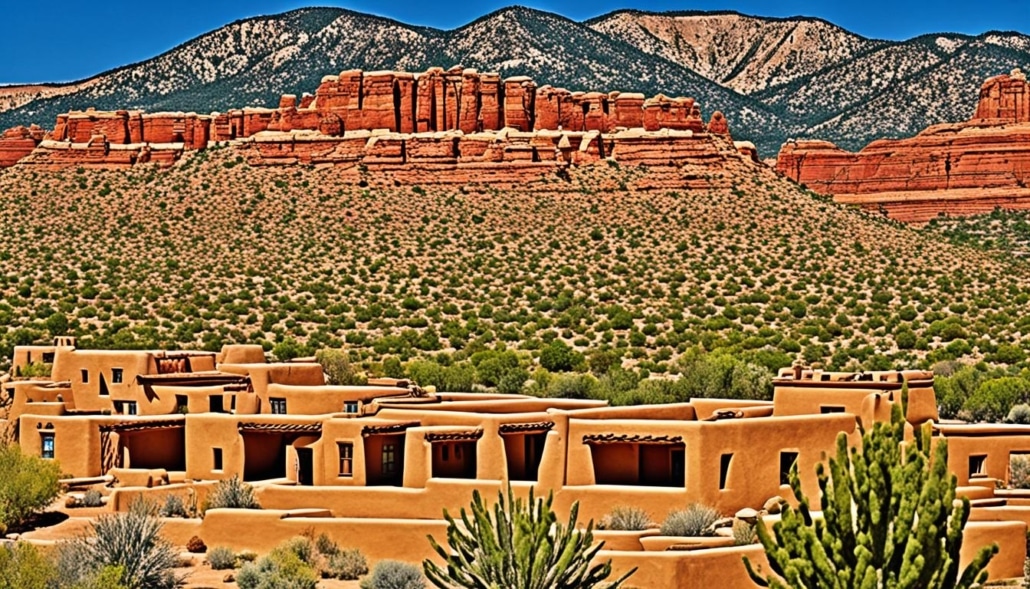
The Indian Pueblo Cultural Center is a premier destination that serves as a gateway to the 19 Pueblos of New Mexico. It offers a wide range of cultural experiences, providing visitors with an immersive journey into the rich heritage and traditions of the Pueblo people.
One of the highlights of the Indian Pueblo Cultural Center is its museum, which showcases the fascinating history of the Pueblos from ancient times to the present. Through exhibits and artifacts, visitors can gain a deeper understanding of the Puebloans’ way of life, their customs, and their artistic expressions.
Another key attraction at the center is its cultural dance performances. Visitors have the opportunity to witness authentic Pueblo dances, which are not only a form of artistic expression but also an important part of religious and ceremonial practices. These performances provide a captivating and immersive experience, allowing visitors to witness the vibrancy and spirit of Native American culture.
“The Indian Pueblo Cultural Center offers a unique opportunity for visitors to immerse themselves in the vibrant and enduring traditions of the Pueblo people.”
The Indian Pueblo Cultural Center also features exhibitions that highlight the works of Pueblo artists. From traditional pottery to contemporary paintings and sculpture, these artistic displays showcase the creativity and talent of Native American artisans. Visitors can appreciate and support these artists by exploring the center’s gift shop, which offers a variety of authentic Native American art and crafts.
Visitors can take a break from their cultural exploration by indulging in the center’s restaurants, which serve delicious and authentic Native American cuisine. From traditional Pueblo dishes to modern interpretations, the culinary offerings provide a taste of the diverse flavors and culinary traditions of the Pueblo people.
The Indian Pueblo Cultural Center is a must-visit destination for anyone interested in immersing themselves in Pueblo culture and history. With its museum, cultural dance performances, exhibitions, and authentic Native American art, the center offers a comprehensive and enriching experience that celebrates the vibrant heritage of the Pueblo people.
Plan Your Visit
When planning a visit to the Pueblos of New Mexico, it is important to familiarize yourself with the guidelines and etiquette to ensure a respectful and enjoyable experience. Here are some key considerations:
- Photography, Sketching, and Painting Permits: Some Pueblos require visitors to obtain permits for activities such as photography, sketching, or painting on location. Each Pueblo may have its own regulations, so it is essential to inquire about any specific permits needed before your visit. Additionally, some Pueblos may prohibit photography altogether in certain areas.
- Entry Fees and Restrictions: Be prepared for possible entry fees when visiting Pueblos. It is recommended to call ahead to inquire about any associated fees or restrictions, as policies may vary. By doing so, you can plan your visit accordingly and avoid any unexpected surprises.
- Respecting Privacy: The Pueblo homes are private spaces, and it is crucial to respect their privacy. Avoid entering or taking photos of the pueblo homes unless specifically invited to do so. Remember, these communities are not tourist attractions but thriving cultural centers.
- Cultural Sensitivities: To ensure a culturally sensitive visit, it is important to be mindful of Pueblo traditions and practices. Observe silence during dances and ceremonies, and refrain from any behavior that could be considered disrespectful or offensive. Treat the Pueblo villages and sacred places with the utmost respect.
- Traffic and Speed Limits: When driving near Pueblo areas, it is crucial to follow traffic rules and speed limits. Pueblos often have children playing and animals present near the roads, so it is essential to drive cautiously to ensure the safety of everyone.
By adhering to these guidelines and showing respect for the Pueblo communities, you can have a meaningful and enriching experience while visiting these culturally significant sites.
Sample Table: Pueblo Photography and Painting Permits
| Pueblo | Photography Permit | Sketching and Painting Permit |
|---|---|---|
| Acoma Pueblo | Required | Required |
| Hopi Pueblo | Prohibited | N/A |
| Zuni Pueblo | Permitted with restrictions | Permitted with restrictions |
| Taos Pueblo | Permitted with fee | Permitted with fee |
Conclusion
New Mexico’s Pueblos offer a unique and authentic cultural experience for visitors interested in Native American heritage. By following the guidelines and etiquettes, visitors can explore and learn about the rich history, traditions, and spirituality of the Pueblo people. Whether it’s attending a feast day, observing traditional ceremonies, or exploring the Indian Pueblo Cultural Center, a visit to the Pueblos of New Mexico provides an opportunity to immerse oneself in the vibrant and enduring culture of the Native American communities.
FAQ
Are visitors allowed to enter Pueblo homes during feast days?
No, entering a Pueblo home during feast days is by invitation only.
Should visitors applaud during or after dances?
No, applause is not appropriate during or after dances.
What should visitors do when attending a feast day?
Visitors should accept an invitation to eat but not linger at the table, and thank the host for their hospitality.
Are there restrictions on photography in Pueblos?
Yes, each Pueblo has its own regulations regarding photography, and permits may be required.
Is commercial use of photographs taken in Pueblos allowed?
Commercial use may require additional fees and permissions.
Do visitors need to obtain a permit to photograph or record audio in Pueblos?
Yes, visitors must obtain official permits for photography, artwork, and audio recording.
Is it necessary to ask for permission before taking photos of individuals in Pueblos?
Yes, it is important to ask for permission before taking photos of individuals.
Are there restrictions on photography in certain areas of Pueblos?
Yes, certain areas such as kivas, cemeteries, and church interiors may have restrictions on photography.
Are there entry fees for visiting Pueblos?
Some Pueblos may charge an entry fee for visitors.
Can visitors bring alcohol or drugs onto the Pueblos?
No, visitors should refrain from bringing alcohol or drugs onto the Pueblos.
How should visitors treat the Pueblo villages?
Visitors should treat the Pueblo villages as sacred places and avoid littering.
What should visitors be mindful of when driving near Pueblos?
Visitors should be mindful of traffic and speed limits, as children and animals may be present near the roads.
How many Pueblos are there in New Mexico?
There are 19 Pueblos in New Mexico.
Where are the Pueblos located?
The Pueblos are located in different areas of New Mexico, including near the Albuquerque metropolitan area and north of Santa Fe.
What does the Indian Pueblo Cultural Center offer?
The Indian Pueblo Cultural Center offers cultural experiences, including a museum, dance performances, exhibitions, restaurants, and a gift shop.
What should visitors do when planning a visit to the Pueblos?
Visitors should familiarize themselves with the guidelines and etiquette, be prepared for possible entry fees, and call ahead to inquire about any associated restrictions.
What can visitors expect when visiting the Pueblos?
Visitors can expect a unique and authentic cultural experience that allows them to explore and learn about the rich history, traditions, and spirituality of the Pueblo people.


Leave a Reply
Want to join the discussion?Feel free to contribute!