
Mastering Seafood: Essential Cooking Tips You Need
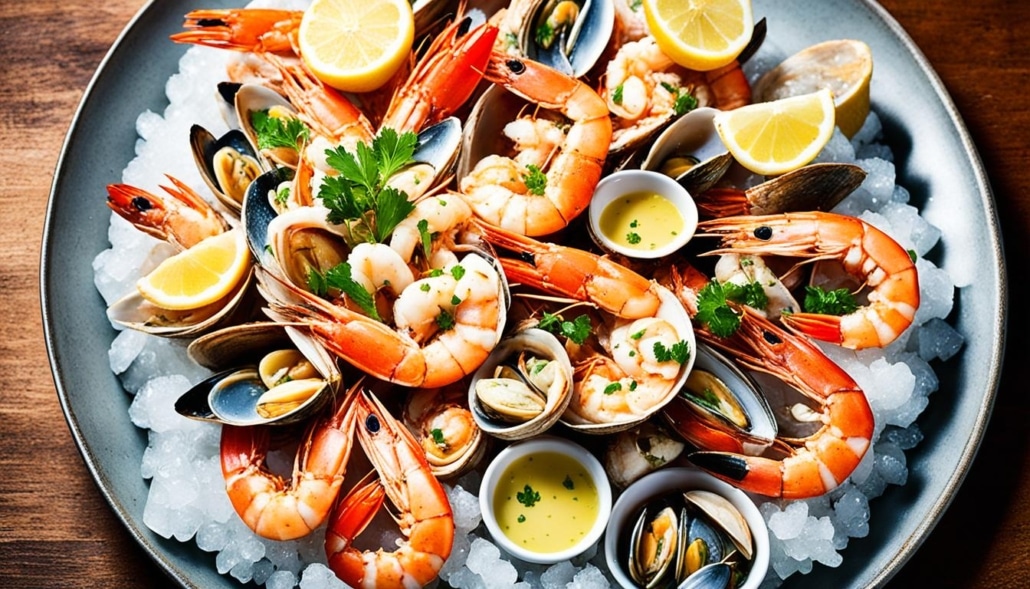
Imagine this: it’s a beautiful summer day, and you’re gathered with your friends and family for a backyard barbecue. The delicious aroma of grilled seafood fills the air as you eagerly anticipate the feast ahead. But, as you approach the grill with your marinated salmon, you’re hit with a wave of uncertainty. Will it turn out perfectly cooked and flavorful, or will it be a disappointing culinary mishap?
Don’t worry; we’ve got you covered! In this article, we will delve into the essential seafood cooking tips that every culinary enthusiast should master. Whether you’re a seasoned cook or just starting your culinary journey, these techniques will help you create mouthwatering fish recipes that will impress even the most discerning palates.
From grilling and sautéing to baking and steaming, we’ll explore the culinary techniques that make seafood shine. You’ll learn the science behind these cooking methods, how to control temperature for optimal results, and tips for selecting the freshest seafood. We’ll also delve into the world of herbs and spices, as well as healthy cooking techniques that enhance flavors without compromising on nutrition.
By the end of this article, you’ll have all the knowledge and confidence you need to create delicious seafood dishes that will have everyone asking for seconds. So, let’s dive in and master the art of seafood cooking together!
How Science Affects the Final Product of Seafood Cooking
When cooking seafood, we can witness a fascinating interplay of chemical reactions that significantly impact the texture, flavor, and appearance of the final dish. Understanding these scientific processes can help us enhance our culinary skills and create exquisite seafood dishes. Two key chemical reactions that occur during seafood cooking are denaturation and the Maillard Reaction.
Denaturation: Transforming Proteins
Denaturation is the process through which proteins in seafood unwind and lose their structure when subjected to heat, acids, or other disruptors. As a result, the protein molecules unfold and become more susceptible to interactions with other ingredients, leading to transformed textures and flavors in the cooked dish.
The Maillard Reaction: Browning and Flavor Development
The Maillard Reaction is responsible for the enticing browning effect observed on the surface of cooked seafood. This reaction, which occurs between amino acids and reducing sugars, creates a range of complex flavors and aromas, adding depth and richness to the dish. The Maillard Reaction plays a crucial role in achieving desirable crusts or sear marks and enhancing the overall taste experience.
Controlling the Reactions
To harness the full potential of these chemical reactions, it’s important to have control over the cooking variables. Proper heat management, controlling cooking time, and incorporating acids or marinades can influence the extent and outcome of both denaturation and the Maillard Reaction. By understanding the science of cooking seafood, we can fine-tune these reactions to achieve the desired results.
Experimenting with Techniques and Ingredients
Mastering the science of cooking seafood opens up a world of creativity and experimentation. Through understanding the chemical reactions at play, we can explore different cooking methods, vary ingredients, and create unique flavor profiles. This knowledge empowers us to push the boundaries and create remarkable seafood dishes that tantalize the senses.
| Chemical Reactions | Impact |
|---|---|
| Denaturation | – Proteins unwind and lose structure – Transformation of texture and flavor |
| Maillard Reaction | – Browning effect on the surface – Development of complex flavors – Enhanced taste experience |
Understanding the science behind cooking seafood allows us to unlock the full potential of the ingredients and create extraordinary culinary experiences. By controlling denaturation, the Maillard Reaction, and other chemical processes, we can elevate our seafood dishes to new heights.
The Art of Controlling Temperature in Seafood Cooking
Achieving the perfect level of doneness in seafood requires careful monitoring of temperature. Whether you’re grilling, baking, or sautéing, understanding the key temperature points is essential to avoid undercooking or overcooking, which can result in a culinary disaster.
Using a thermometer is a reliable way to ensure accurate temperature readings. It allows us to gauge the internal temperature of the seafood, giving us the confidence to achieve the desired level of doneness every time.
Let’s take a look at some key temperature points for various types of seafood:
| Seafood | Minimum Safe Internal Temperature (Fahrenheit) |
|---|---|
| Salmon | 145 |
| Tuna | 145 |
| Shrimp | 120 |
| Lobster | 140 |
| Scallops | 130 |
These temperature guidelines provide a baseline for ensuring seafood reaches a safe and optimal cooking temperature. However, it’s important to note that thickness and personal preference can also play a role. For example, some prefer their tuna cooked medium-rare, while others prefer it well-done.
By mastering the art of controlling temperature in seafood cooking, we can confidently navigate the delicate balance between undercooking and overcooking. It’s a skill that allows us to create culinary masterpieces and avoid the disappointment of a culinary disaster.

Don’t let undercooking or overcooking ruin your seafood dishes!
Next, we’ll explore the tips and techniques for selecting and cooking the right seafood, ensuring that every bite is packed with incredible flavors and textures.
Tips for Selecting and Cooking the Right Seafood
When it comes to selecting seafood, freshness is key. Look for bright eyes and a fresh scent to ensure your seafood is of the highest quality. This ensures that you’ll get the best flavors and textures in your dishes.
But selecting the right seafood goes beyond freshness. Pairing seafood with complementary flavors can truly elevate the taste of your dishes. Consider the following combinations:
- Salmon with dill and lemon
- Shrimp with garlic and butter
- Tuna with soy sauce and ginger
Experimenting with different cooking methods can also allow the unique flavors and textures of seafood to shine. Here are some popular cooking methods:
- Grilling: Gives seafood a smoky flavor and a satisfying char.
- Poaching: A gentle cooking method that keeps the seafood moist and tender.
- Pan-searing: Creates a crispy crust while keeping the inside tender.
Now that you have some tips for selecting seafood and exploring complementary flavors and cooking methods, let’s take a look at a table summarizing the optimal cooking methods for different types of seafood:
| Seafood | Optimal Cooking Methods |
|---|---|
| Salmon | Grilling, baking, pan-searing |
| Shrimp | Grilling, sautéing, poaching |
| Tuna | Grilling, searing, roasting |
| Scallops | Searing, grilling, broiling |
Experimenting with different flavors and cooking methods will help you discover your favorite seafood dishes. So go ahead and get creative in the kitchen!

Enhancing Flavor with Herbs, Spices, and Accompaniments
When it comes to elevating the flavor of seafood dishes, herbs, spices, and other accompaniments play a crucial role. By experimenting with the right combinations, you can create an explosion of tastes that will delight your palate. Let’s explore some popular herbs and spices that can take your seafood cooking to the next level.
1. Basil
Basil is a versatile herb that adds a delightful tangy and sweet flavor to Italian dishes. Whether you’re making a classic tomato and basil bruschetta or a refreshing seafood pasta, fresh basil leaves can bring a burst of freshness and aromatic notes to your dish.
2. Cilantro and Cumin
If you’re looking to add a pungent kick to your Mexican-inspired seafood dishes, cilantro and cumin are a dynamic duo. Cilantro adds a fresh, citrusy taste, while cumin brings earthy and nutty undertones. Combine these two spices to create an explosion of flavors in dishes like grilled fish tacos or ceviche.
3. Dill
When it comes to pairing herbs with seafood, dill is a classic choice. Its delicate, feathery leaves add a subtle hint of sweetness and a refreshing taste. Use dill to season grilled salmon or incorporate it into creamy sauces for dishes like smoked trout pasta.
4. Thyme
Thyme is an aromatic herb that complements a wide range of seafood dishes. Its robust flavor brings depth and warmth to soups, stews, and oven-baked seafood. Add a few sprigs of thyme to your roasted seafood platter to infuse your dish with a fragrant, savory essence.
5. Citrus Fruits
A squeeze of fresh lemon or lime juice can enhance the natural flavors of seafood. The tartness of citrus fruits adds brightness and balances the richness of certain seafood dishes. Drizzle some lemon juice over grilled shrimp skewers or squeeze lime juice into your seafood ceviche for a zesty, refreshing twist.
6. Garlic
Garlic is a staple ingredient in many savory dishes, and it pairs exceptionally well with seafood. Its pungent and slightly spicy taste can elevate the flavors of grilled or pan-seared seafood. Incorporate minced garlic into buttery sauces or marinades to infuse your seafood with a distinct, umami-rich flavor.
By incorporating these herbs, spices, and accompaniments into your seafood cooking, you can create a symphony of flavors that will tantalize your taste buds. Don’t be afraid to experiment and discover new combinations that make your seafood dishes truly extraordinary.
| Herbs | Flavor Profile | Best Seafood Pairings |
|---|---|---|
| Basil | Tangy and sweet | Italian dishes, seafood pasta |
| Cilantro | Fresh and citrusy | Mexican-inspired seafood dishes |
| Cumin | Earthy and nutty | Grilled fish tacos, ceviche |
| Dill | Subtle hint of sweetness | Grilled salmon, creamy sauces |
| Thyme | Robust and aromatic | Soups, stews, oven-baked seafood |
| Citrus Fruits | Bright and refreshing | Grilled shrimp skewers, seafood ceviche |
| Garlic | Pungent and spicy | Grilled or pan-seared seafood |
Incorporating Healthy Techniques for Flavorful Seafood
When it comes to cooking seafood, the right techniques can make all the difference. By using healthy cooking methods, you can create flavorful dishes that are both delicious and nutritious. Let’s explore three techniques that are perfect for enhancing the natural flavors of seafood: grilling, steaming, and poaching.
Grilling: Imparting Smoky Flavor Without Added Fats
Grilling is a popular cooking method that not only adds a delightful smoky flavor to seafood but also allows excess fats to drip away. To grill seafood, start by preheating the grill to medium-high heat. Clean and oil the grates to prevent the seafood from sticking. Season or marinate the seafood to enhance the flavors. Then, place the seafood on the grill and closely monitor the cooking process to avoid overcooking. Grilling is a versatile technique that works well with firm fish like salmon and halibut.
Steaming: Gently Cooking for Preserved Nutrients
Steaming is a gentle and healthy cooking method that delicately cooks seafood, preserving its natural nutrients. To steam seafood, use a steamer basket or a bamboo steamer over boiling water. Infuse the steaming liquid with aromatics like lemon slices, herbs, or spices to enhance the flavors of the seafood. The steam will gently cook the seafood, resulting in tender and moist dishes. Steaming is particularly well-suited for delicate items like mussels, clams, and delicate fish fillets.
Poaching: Adding Subtle Aromatic Notes
Poaching is another technique that brings out the natural flavors of seafood while adding subtle aromatic notes. To poach seafood, create a flavorful poaching liquid using broth, wine, herbs, and spices. Bring the liquid to a gentle simmer and carefully add the seafood. Poach the seafood until cooked through, ensuring the liquid doesn’t boil vigorously, which can toughen the seafood. Poached seafood retains its tenderness and absorbs the flavors of the poaching liquid, resulting in a delicious and healthy dish.
By incorporating these healthy cooking techniques into your seafood recipes, you can enjoy the natural flavors of seafood without adding excessive fats. Whether you choose to grill, steam, or poach, each method brings its own unique benefits and contributes to a flavorful and nutritious dining experience.
Conclusion
Mastering the art of seafood cooking requires a combination of essential techniques, temperature control, seafood selection, flavor enhancement through herbs and spices, and the incorporation of healthy cooking methods. By understanding these key elements, you can create delicious and flavorful seafood dishes that will impress your family and friends.
From grilling to sautéing, baking to air frying, each cooking technique imparts a unique flavor and texture to seafood. Understanding the science behind cooking seafood, such as the denaturation of proteins and the Maillard Reaction, allows you to achieve the perfect balance of taste and presentation.
Controlling temperature is crucial in seafood cooking, as it ensures the seafood is cooked through without being undercooked or overcooked. By using a thermometer and knowing the key temperature points for different types of seafood, you can avoid culinary disasters and serve perfectly cooked fish every time.
Selecting the right seafood is the first step towards creating a remarkable dish. Look for freshness indicators like bright eyes and a fresh scent. Pairing seafood with complementary flavors enhances the overall taste, while experimenting with different cooking methods showcases the unique qualities of each type of seafood.
Enhancing the flavor of seafood with herbs, spices, and accompaniments adds depth and complexity to your dishes. From basil’s tangy sweetness in Italian cuisine to cilantro and cumin’s pungent kick in Mexican dishes, the possibilities are endless. Additionally, incorporating healthy cooking techniques like grilling, steaming, and poaching allows you to enjoy flavorful seafood while maintaining a balanced diet.
With these tips and knowledge, you have the tools to become a seafood cooking master. Impress your loved ones with delicious and flavorful seafood dishes that showcase your culinary expertise. So go ahead, dive into the world of seafood cooking and let your creativity soar!
FAQ
What are the essential cooking tips for seafood preparation?
How do chemical reactions affect the final product of seafood cooking?
How can I control the temperature to avoid undercooking or overcooking seafood?
What should I consider when selecting and cooking seafood?
How can I enhance the flavor of seafood using herbs, spices, and accompaniments?
What are some healthy cooking techniques I can incorporate in seafood preparation?
Source Links
- https://www.markys.com/blog/science-of-cooking-seafood-and-tips-for-avoiding-overcooking-and-undercooking
- https://www.premiercatch.com/blogs/seafood-nutrition/mastering-seafood-cooking-techniques-national-seafood-month-series
- https://globalseafoods.com/blogs/news/mastering-seafood-cooking-techniques


Leave a Reply
Want to join the discussion?Feel free to contribute!