
Mastering Budget Travel: 12 Money-Saving Tips
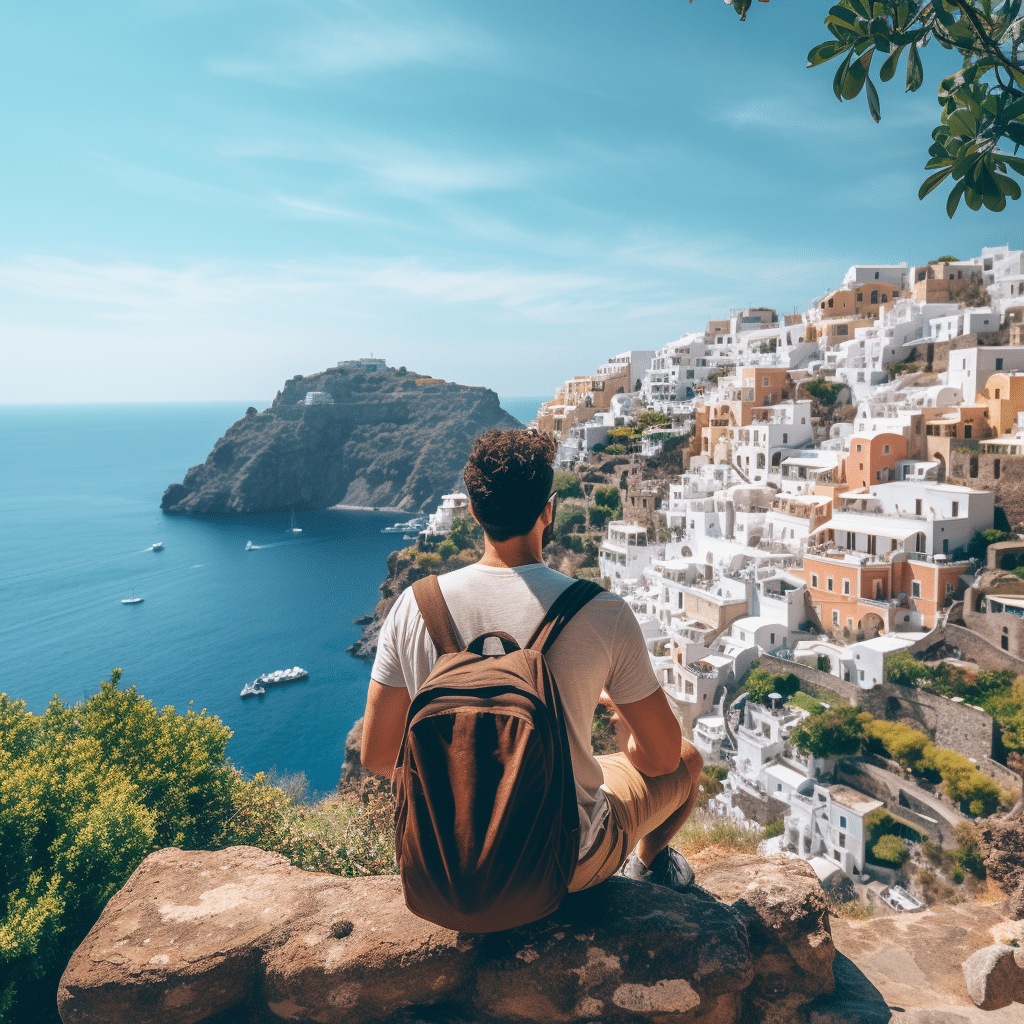
Traveling on a limited budget doesn’t mean sacrificing your wanderlust. With these budget travel tips and tricks, you can make the most out of your journey without breaking the bank.
Come up with a plan for your trip to avoid unexpected expenses. By researching and budgeting ahead of time, you can save money and ensure a smooth travel experience.
Traveling during the off-peak season can lead to significant cost savings. By choosing to explore destinations during less popular times, you can enjoy lower prices for accommodations, flights, and attractions.
Consider opting for budget accommodations such as hostels or AirBnBs. These affordable options provide comfort and convenience without straining your wallet.
Packing essential items is crucial for minimizing expenses. By packing smartly and avoiding the need to shop for items on the road, you can save money and travel more efficiently.
Booking flights in advance is a great way to secure cheaper fares. By keeping an eye out for the best deals and planning ahead, you can find significant discounts on air travel.
Opting for economy class flights and utilizing low-cost airlines for short trips can help reduce travel expenses. These options offer affordability without compromising on comfort.
Using public transportation instead of taxis or rental cars is a cost-saving approach. Navigating public transportation systems in different destinations can be an adventure in itself.
Eating cheaply can be achieved by shopping at supermarkets and local food markets. By avoiding expensive restaurants and exploring local culinary offerings, you can save money and have a more authentic dining experience.
Planning Your Trip to Avoid Unexpected Expenses

Proper planning is key to a successful budget travel experience. By taking the time to plan your trip and anticipate potential expenses, you can avoid last-minute surprises that can strain your budget.
One of the first steps in planning your trip is to create a budget. Determine how much you are willing to spend on accommodations, transportation, meals, and activities. Research the costs of these items in your destination to get a realistic idea of how much you’ll need to save.
Once you have a budget in place, start searching for the best deals on flights and accommodations. Look for promotions and discounts offered by airlines and hotels, and consider using websites and apps that compare prices across different platforms. Booking in advance can often secure you lower prices and help you avoid last-minute price hikes.
It’s also important to plan your itinerary in advance. Research the top attractions and sights in your destination and determine which ones are worth the expense. Prioritize the experiences that you value the most, and consider alternative options for activities that may be more budget-friendly. By researching and planning ahead, you can make informed decisions about where to spend and where to save.
| Benefits of Planning Your Trip | How to Plan Your Trip |
|---|---|
|
|
Traveling During the Off-Peak Season for Lower Prices
Timing your trip right can significantly impact your budget. By opting to travel during the off-peak season, you can take advantage of reduced prices on accommodation, transportation, and attractions. Whether you’re planning a beach vacation or a city getaway, here are some reasons why traveling during the off-peak season can help you save money:
- Lower accommodation prices: During the off-peak season, hotels and vacation rentals often offer discounted rates to attract visitors. This means you can score great deals on comfortable and well-equipped accommodations that would otherwise be expensive.
- Cheaper flights: Airlines tend to offer cheaper fares during the off-peak season to fill up their empty seats. By booking your flights during this time, you can save a significant amount of money, allowing you to allocate your budget to other aspects of your trip.
- Discounted attractions: Popular tourist attractions often lower their ticket prices during the off-peak season to encourage visitors. This gives you the opportunity to explore famous landmarks and cultural sites without breaking the bank.
Traveling during the off-peak season also has additional benefits beyond cost savings. With fewer tourists around, you can enjoy a more relaxed and intimate experience of your destination. You’ll have more freedom and space to explore without feeling overwhelmed by crowds. Additionally, you’ll have a better chance of getting those perfect travel photos without any unwanted photobombers in the frame.
Choosing to travel during the off-peak season allows you to enjoy the same destinations at a fraction of the cost. Take advantage of lower prices on accommodation, flights, and attractions, making your budget stretch further and allowing you to have an unforgettable travel experience without the hefty price tag.
Choosing Budget Accommodations for Cost Savings
When it comes to accommodation, there are plenty of wallet-friendly options that don’t compromise comfort. By choosing budget accommodations like hostels or AirBnBs, you can stretch your travel budget further. These affordable options provide a cozy place to rest, while also giving you the opportunity to meet fellow travelers from around the world.
Hostels are a popular choice for budget-conscious travelers. They offer dormitory-style rooms where you can book a bed instead of an entire room. This not only saves you money, but also allows you to socialize with other travelers and exchange valuable tips and recommendations. Most hostels provide common areas where you can relax, cook meals, and even participate in group activities or events.
| Pros of Hostels: | Cons of Hostels: |
|---|---|
| 1. Affordable prices compared to hotels. | 1. Shared facilities, such as bathrooms and kitchens. |
| 2. Social atmosphere and opportunity to meet other travelers. | 2. Less privacy due to dormitory-style rooms. |
| 3. Common areas and activities organized by the hostel staff. | 3. Limited storage space in shared rooms. |
If you prefer a more private accommodation option, AirBnBs can be a great choice. These are privately-owned properties that can be rented for short stays, offering you the comforts of a home away from home. With AirBnBs, you often get more space, access to a kitchen, and the chance to live like a local in your destination.
“AirBnBs offer the flexibility to cook your own meals, which can significantly reduce your food expenses, especially if you’re traveling with a group or family.”
When booking an AirBnB, consider the location, reviews from previous guests, and the amenities provided to ensure it meets your needs. It’s also worth noting that many AirBnB hosts offer discounted rates for longer stays, so if you plan to stay in one place for an extended period, you could potentially save even more.
Packing Essential Items to Minimize Expenses
Packing efficiently can save you both time and money during your travels. By bringing along essential items and avoiding unnecessary purchases, you can keep your expenses in check. When it comes to budget travel, every dollar saved counts.
Start by making a checklist of the essential items you’ll need for your trip. This includes clothing appropriate for the destination and season, toiletries, medication, and any necessary travel documents. Having these items on hand means you won’t have to spend money buying things you forgot to pack or paying inflated prices at tourist destinations.
| Essential Items to Pack | Reason for Packing |
|---|---|
| Reusable water bottle | Save money on buying bottled water |
| Portable charger | Avoid purchasing expensive chargers on the go |
| Universal adapter | Use your electronics in different countries without buying separate adapters |
| Travel-size toiletries | Avoid the need to buy full-size products while traveling |
| Reusable shopping bag | Save on plastic bag fees and reduce waste |
In addition to packing essential items, it’s important to resist the temptation to shop excessively while traveling. Souvenir shopping can quickly add up, so set a budget for mementos and stick to it. Instead of buying costly souvenirs, consider collecting small, inexpensive items like postcards or local snacks that can still capture memories without breaking the bank.
Remember, packing efficiently doesn’t mean sacrificing comfort or convenience. It simply means being mindful of the items you bring and avoiding unnecessary purchases. By following these tips, you can travel on a budget and make the most of your savings.
Booking Flights in Advance for Cheaper Fares
Booking your flights ahead of time can result in significant savings. By planning your travel itinerary early and keeping an eye out for promotions, you can grab cheaper fares that fit your budget. Airlines often offer discounted prices for tickets purchased well in advance, allowing you to secure the best deals and avoid paying extra for last-minute bookings.
When searching for flights, consider using flight comparison websites to compare prices across different airlines. These platforms provide a convenient way to view all available options and choose the most affordable one. Additionally, signing up for airline newsletters or following them on social media can give you access to exclusive discounts and promotions.
It’s important to be flexible with your travel dates to increase your chances of finding cheaper fares. Flying on weekdays or during off-peak hours can sometimes result in lower prices. If possible, consider adjusting your travel plans to take advantage of these cost-saving opportunities.
Table: Advantages of Booking Flights in Advance
| Advantages | Description |
|---|---|
| Lower prices | Booking in advance allows you to secure cheaper fares. |
| More options | Early booking gives you a wider selection of flight times and routes. |
| Peace of mind | Knowing your flights are booked and confirmed ahead of time eliminates stress and uncertainty. |
| Increased planning time | Booking early gives you more time to plan the rest of your trip, such as accommodations and activities. |
Remember to check the airline’s cancellation and change policies before making your booking. While booking in advance can save you money, unexpected circumstances may require adjustments to your travel plans. Understanding the terms and conditions can help you make informed decisions and avoid additional fees if changes are necessary.
By following these tips and booking your flights in advance, you can secure cheaper fares and save money on your travel expenses. Take advantage of the various resources available and plan your trip strategically to enjoy a budget-friendly adventure.
Opting for Economy Class and Utilizing Low-Cost Airlines
Flying on a budget doesn’t mean sacrificing comfort or convenience. Opting for economy class flights and utilizing low-cost airlines for short distances can save you money without compromising your travel experience. Low-cost airlines offer affordable fares and can be a great option for budget-conscious travelers.
When booking your flights, consider flying with low-cost carriers such as Ryanair, EasyJet, or Southwest Airlines. These airlines often have competitive prices and offer a range of destinations. While you may have to pay extra for certain services like checked baggage or in-flight meals, the overall cost is still significantly lower compared to full-service airlines.
Another advantage of flying economy class is that you can often find discounted fares during promotional periods or by booking in advance. Many airlines offer early bird specials or flash sales, allowing you to secure even cheaper fares. Keep an eye out for these deals and be flexible with your travel dates to maximize your savings.
| Benefits of Opting for Economy Class and Low-Cost Airlines |
|---|
| Lower ticket prices compared to full-service airlines |
| Potential for additional savings during promotional periods or by booking in advance |
| Flexible travel options with a wide range of destinations |
| Opportunity to save money without sacrificing comfort |
When flying economy class, it’s important to manage your expectations and be aware of any additional fees that may be incurred. Pack light to avoid extra charges for checked baggage, bring your own snacks to save on in-flight meals, and be prepared for a no-frills experience. Remember, the money you save on flights can be better used for exploring your destination or extending your trip!
Using Public Transportation to Save Money
Public transportation is a budget traveler’s best friend. By using buses, trains, or subways, you can save a significant amount on transportation costs and explore your destination like a local. Not only is it an affordable option, but it also offers an opportunity to immerse yourself in the culture and interact with locals. Here are some tips for making the most of public transportation while traveling on a budget:
- Research the public transportation system in advance. Familiarize yourself with the routes, schedules, and fares to ensure a smooth and cost-effective journey.
- Consider purchasing a multi-day or weekly pass if available. These passes often offer unlimited rides within a specified period, allowing you to save money if you plan to use public transportation frequently.
- Utilize apps and websites that provide real-time information on public transportation schedules and routes. This can help you navigate the system more efficiently and avoid unnecessary waiting times.
- Be open to alternative modes of transportation, such as trams or ferries, which may offer scenic routes and unique experiences at a lower cost.
When using public transportation, it’s essential to be mindful of your belongings and personal safety. Keep an eye on your belongings at all times, especially in crowded areas. Additionally, be aware of any local customs or etiquette when using public transportation, as cultural norms may vary from one destination to another.
| Advantages of Public Transportation | Disadvantages of Public Transportation |
|---|---|
| Cost-effective | Potential for crowded vehicles |
| Opportunity to interact with locals | Schedules may be less flexible than taxis or rental cars |
| Eco-friendly option | May require more time for travel compared to private transportation |
Traveling on a budget doesn’t mean sacrificing convenience or missing out on the local experience. By utilizing public transportation, you can save money, reduce your carbon footprint, and discover hidden gems that may not be accessible through private transportation options. So, hop on a bus or subway and embark on an adventure that won’t break the bank!
Eating Cheaply by Shopping at Supermarkets and Local Food Markets
Food can be a major expense when traveling, but there are ways to eat well without breaking the bank. By shopping at supermarkets and exploring local food markets, you can enjoy delicious meals at affordable prices.
One of the advantages of shopping at supermarkets is that you have the freedom to choose from a wide variety of ingredients. This allows you to prepare your meals according to your preferences and dietary needs. You can find fresh produce, meats, and pantry staples at lower prices compared to eating out at restaurants.
Local food markets are also a great option for budget travelers. These markets offer a vibrant atmosphere where you can sample local delicacies and interact with the vendors. You’ll find a range of street food stalls and small eateries serving up authentic dishes at affordable prices. Not only will you have the chance to taste the local cuisine, but you’ll also be supporting the local economy.
When shopping at supermarkets or visiting local food markets, it’s important to keep an eye out for any promotions or discounts. Some supermarkets offer discounted items during specific times of the day, while local markets may have lower prices towards the end of the day. Planning your meals and shopping accordingly can help you save even more.
| Benefits of Shopping at Supermarkets and Local Food Markets |
|---|
| Wide variety of ingredients |
| Lower prices compared to eating out |
| Opportunity to try local delicacies |
| Supporting the local economy |
| Promotions and discounts for additional savings |
By taking advantage of the affordable options available at supermarkets and local food markets, you can have a satisfying and budget-friendly culinary experience during your travels.
Considering Working While Traveling to Offset Expenses
If you’re looking to extend your travels or simply cover some expenses, working while traveling can be a game-changer. Discover different ways to earn money on the road and make your budget travel dreams a reality.
Traveling on a budget doesn’t mean you have to sacrifice your ability to earn income. With the rise of remote work and digital nomad lifestyles, there are plenty of opportunities to make money while exploring the world. Whether you’re skilled in writing, graphic design, or web development, freelancing offers a flexible way to earn money on your own terms. Platforms like Upwork and Fiverr connect freelancers with clients from all over the globe, allowing you to work from anywhere with an internet connection.
Another option for earning money while traveling is through teaching English as a foreign language. Many countries, particularly in Asia and Latin America, have a high demand for English teachers. Programs like TEFL (Teaching English as a Foreign Language) or TESOL (Teaching English to Speakers of Other Languages) provide training and certification, opening up opportunities to work in schools or language centers abroad. Not only does teaching English allow you to immerse yourself in a new culture, but it also provides a steady income to support your travels.
If you have a passion for photography, consider selling your photos online. Websites like Shutterstock, Adobe Stock, and Getty Images allow you to upload and sell your images to a wide audience. As you capture the beauty of your travel destinations, your photography can become a source of income to fund your adventures.
| Ways to Earn Money While Traveling: |
|---|
| Freelancing |
| Teaching English as a Foreign Language |
| Selling Photography |
By working while traveling, you can not only offset your expenses but also immerse yourself in the local culture and gain unique experiences. Whether you choose to freelance, teach, or sell your skills, the opportunities for earning income on the road are endless. So pack your bags, grab your laptop, and embark on a budget travel adventure while making money along the way.
Taking Advantage of Free Activities and Avoiding Paid Tours
Exploring a new destination doesn’t have to come with a hefty price tag. By seeking out free activities and avoiding paid tours, you can immerse yourself in the local culture and save money at the same time. Here are some tips on how to make the most of your travel experience without breaking the bank.
First, do some research on the destination you’re visiting. Look for free attractions such as parks, museums with free admission days, and local festivals or events that you can attend. Many cities offer free walking tours, which not only give you a chance to explore the city on foot but also provide interesting insights from knowledgeable guides.
Additionally, consider exploring nature and the great outdoors. Hiking trails, beaches, and public parks are often free to access and can offer breathtaking views and opportunities for relaxation. These natural attractions not only provide a budget-friendly alternative to paid tours but also allow you to connect with nature and unwind.
| Benefits of Seeking Out Free Activities |
|---|
| • Cost-effective way to explore a destination |
| • Immersion in the local culture and community |
| • Access to unique experiences and hidden gems |
| • Opportunity to meet and interact with locals |
Lastly, don’t underestimate the power of simply wandering around a new city or town. Exploring the streets, observing the local architecture, and people-watching can provide a rich cultural experience and it won’t cost you a dime. Take the time to get lost in the narrow alleys and discover the charm of a place at your own pace.
Limiting Souvenir Purchases to Save Money
Souvenirs can be a wonderful way to remember your travels, but they can also add up quickly. By setting a budget and choosing meaningful souvenirs, you can keep your expenses in check without sacrificing the memories. Here are some tips to help you save money on souvenir purchases while still capturing the essence of your journey.
1. Set a Budget
Before you start shopping for souvenirs, it’s important to establish a budget. Determine how much you’re willing to spend on mementos and stick to that amount. This will help you prioritize your purchases and avoid overspending. Remember, it’s not about the quantity but the quality of the souvenirs that matter.
2. Choose Meaningful Souvenirs
Instead of buying generic trinkets, opt for souvenirs that have a personal connection to your trip. Look for items that reflect the local culture, traditions, or craftsmanship. For example, if you’re visiting Thailand, consider purchasing handmade Thai silk or intricately carved wooden crafts. These meaningful souvenirs will not only remind you of your journey but also support the local artisans.
3. Shop at Local Markets
Local markets are a treasure trove of unique and affordable souvenirs. They offer a wide range of handmade crafts, textiles, artwork, and traditional products. Bargaining is often expected in these markets, so don’t be afraid to negotiate for a lower price. By shopping at local markets, you can interact with the artisans directly and get a taste of the authentic local culture.
Remember, souvenirs should be a representation of your travel experiences and not just an impulse purchase. By setting a budget, choosing meaningful souvenirs, and shopping at local markets, you can save money while still preserving the memories of your adventures. So, go ahead and indulge in the joy of souvenir hunting without breaking the bank!
Shopping at Local Markets for Affordable Prices
Local markets offer a treasure trove of affordable goods and souvenirs, providing a unique shopping experience while supporting the local economy. When traveling on a budget, exploring these markets can be a great way to find amazing deals and immerse yourself in the local culture. Here are some tips on how to navigate the markets and secure great deals.
Navigating the Markets
Before diving into the bustling atmosphere of a local market, it’s important to do a little research and familiarize yourself with the area. Get to know the market’s opening hours and busiest days, as this can affect the availability and prices of goods. Arriving early can give you the advantage of getting first pick and bargaining power.
Once inside the market, take your time to explore and compare prices before making any purchases. Some vendors may offer similar products at different prices, so it pays to shop around. Engage with the local vendors, ask questions, and show interest in their goods. Building a friendly rapport can lead to better deals and even insider tips on hidden gems within the market.
Securing Great Deals
Bargaining is a common practice in many local markets and can be a fun way to interact with vendors while getting the best price possible. Remember to negotiate respectfully and be prepared to walk away if the price doesn’t meet your budget. Vendors may also be more inclined to offer discounts if you purchase multiple items or if it’s towards the end of the market day.
Another great way to secure great deals is by keeping an eye out for promotions or discounts. Some vendors may offer special deals during certain times of the day or week, so be on the lookout for signs or ask around. Additionally, paying in local currency can sometimes give you an advantage, as vendors may offer better exchange rates or discounts for cash payments.
| Tip | Example |
|---|---|
| Engage with the locals | “Where is the best place to find handmade crafts in the market?” |
| Compare prices | Examine similar products at different stalls to ensure you get the best deal. |
| Bargain respectfully | “Could you offer a lower price for this item?” |
Shopping at local markets can provide a unique and cost-effective way to bring home souvenirs and experience the vibrant culture of your destination. Remember to be open-minded, respectful, and have fun exploring the hidden treasures that these markets have to offer.
Seeking Advice from Locals to Avoid Overpaying
Locals are often the best source of information when it comes to fair prices and avoiding tourist traps. Discover how to approach locals and tap into their valuable insights to ensure you’re getting the best deals.
When traveling on a budget, it’s important to seek advice from locals who know the ins and outs of their city or town. They can provide valuable recommendations on where to find the best deals, whether it’s for accommodations, dining options, or shopping. Locals have a deep understanding of the local economy and can guide you towards affordable options, helping you avoid overpaying for goods and services.
One way to connect with locals is by visiting local markets. These vibrant hubs are not only a great place to find unique souvenirs and fresh produce, but they also offer an opportunity to interact with local vendors. Strike up a conversation, ask for their recommendations, and you’ll be surprised at the insider knowledge they can provide. Remember to approach them with respect and a genuine interest in their culture and traditions.
| Top Tips for Approaching Locals: |
|---|
| 1. Learn some basic phrases in the local language to show respect and break the ice. |
| 2. Be friendly, polite, and genuine in your interactions. |
| 3. Ask for recommendations on local eateries, markets, and hidden gems. |
| 4. Express your interest in learning about the local culture and traditions. |
| 5. Don’t be afraid to strike up a conversation and start a friendly dialogue. |
Remember that locals are proud of their community and are often eager to share their knowledge and experiences with visitors. By approaching them with an open mind and a willingness to learn, you can gain valuable insights that will enrich your travel experience while helping you save money.
Sharing Expenses with Fellow Travelers for Cost Efficiency

Traveling with companions can not only enhance your experience but also help you save money. Learn how to find travel buddies and split expenses to make your budget travel adventure more enjoyable and cost-efficient.
One of the most significant benefits of traveling with fellow adventurers is the ability to share expenses. By splitting costs for accommodation, transportation, and meals, you can stretch your budget further and potentially upgrade to better accommodations or enjoy more activities. It’s a win-win situation that allows you to maintain your financial stability without compromising on the quality of your trip.
So, how can you find travel buddies to split expenses with? Start by joining online travel communities and forums where like-minded travelers connect. Websites like Meetup, Travel Buddies, and Lonely Planet’s Thorn Tree forum can help you meet potential travel companions. Additionally, social media platforms, such as Facebook groups or Instagram travel communities, can also be valuable resources for finding people who share your travel interests and budget goals.
Once you’ve found potential travel buddies, it’s essential to discuss your budget expectations, travel preferences, and financial arrangements upfront. Collaborate on planning activities, sharing accommodation costs, cooking meals together, and organizing transportation. By openly communicating and brainstorming together, you can create a well-coordinated trip that maximizes cost efficiency while ensuring everyone’s needs and desires are met.
| Expense | Cost |
|---|---|
| Accommodation | Split evenly among travelers |
| Transportation | Share costs for taxis, car rentals, or fuel |
| Food | Alternate cooking responsibilities or split grocery bills |
| Activities | Plan together and share costs for tours or attractions |
Sharing expenses with fellow travelers not only helps you stay within your financial limits but also creates a sense of community and camaraderie. You’ll have the opportunity to build lasting friendships, create unforgettable memories, and support each other throughout the journey. So, whether you’re backpacking through Europe or exploring a remote destination, consider joining forces with fellow adventurers to make the most of your budget travel experience.
Conclusion
Traveling on a budget is not only possible but also incredibly rewarding. By following these tips and tricks, you can embark on your budget travel journey with confidence, maximizing your travel value without compromising on fun and adventure.
Come up with a well-thought-out plan for your trip to avoid unexpected expenses. Research and budget ahead of time to ensure a smooth and cost-effective travel experience. Additionally, consider traveling during the off-peak season to take advantage of lower prices on accommodations, flights, and attractions.
Choosing budget accommodations such as hostels or AirBnBs instead of expensive hotels can significantly reduce your expenses. Pack smartly, bringing essential items to minimize the need for shopping while on the road. Booking flights in advance can secure cheaper fares, and opting for economy class flights or low-cost airlines for short trips can further cut down on travel costs.
Utilizing public transportation instead of taxis or rental cars, shopping at supermarkets or local food markets for affordable meals, and limiting souvenir purchases can also help stretch your budget. Seek advice from locals on fair prices, and consider sharing expenses with fellow travelers to reduce costs.
Remember, traveling shouldn’t be limited by your budget. By implementing these tips and tricks, you can make the most of your travel experience while saving money. So go ahead and start planning your budget-friendly adventure!
FAQ
How can I travel on a budget?
Traveling on a budget can be achieved by following these tips and tricks:
What should I plan before my trip to avoid unexpected expenses?
It is important to come up with a plan for your trip to avoid unexpected expenses. Research and budget ahead of time to ensure you are prepared.
When is the best time to travel for lower prices?
Traveling during the off-peak season can lead to lower prices for accommodations, flights, and attractions.
What are some budget-friendly accommodation options?
Choose budget accommodations like hostels or AirBnBs instead of expensive hotels to save money.
How can I minimize expenses while traveling?
Packing essential items and avoiding shopping while traveling can help minimize expenses.
How can I find cheaper fares for flights?
Book flights in advance to secure cheaper fares and consider opting for economy class flights. Utilizing low-cost airlines for short trips can also help save money.
How can I save money on transportation?
Use public transportation instead of taxis to save money while traveling.
How can I eat cheaply while traveling?
Buy groceries from supermarkets or eat at local food markets to eat cheaply while traveling.
Can I work while traveling to offset expenses?
Yes, consider working while traveling to offset expenses. There are various remote work opportunities available.
How can I save money on activities and tours?
Take advantage of free activities and avoid paid tours to save money. Seek out unique and cost-free experiences.
What should I keep in mind when it comes to souvenir purchases?
Limit souvenir purchases to save money. Choose meaningful souvenirs without breaking the budget.
How can I find affordable prices on goods and souvenirs?
Shop at local markets for cheaper prices. Bargain and interact with local vendors to get the best deals.
How can I avoid overpaying for goods and services?
Ask locals for advice on fair prices to avoid getting ripped off. Engage with locals and get insider knowledge.
Can I share expenses with fellow travelers?
Yes, sharing expenses with fellow travelers such as accommodation and meals can help save costs. Look for travel companions and split expenses.
How can I have an enjoyable trip while keeping expenses low?
By following these tips, travelers can have an enjoyable trip while keeping their expenses low.


Leave a Reply
Want to join the discussion?Feel free to contribute!