
Local Food Specialties: A Journey Through Regional Flavors
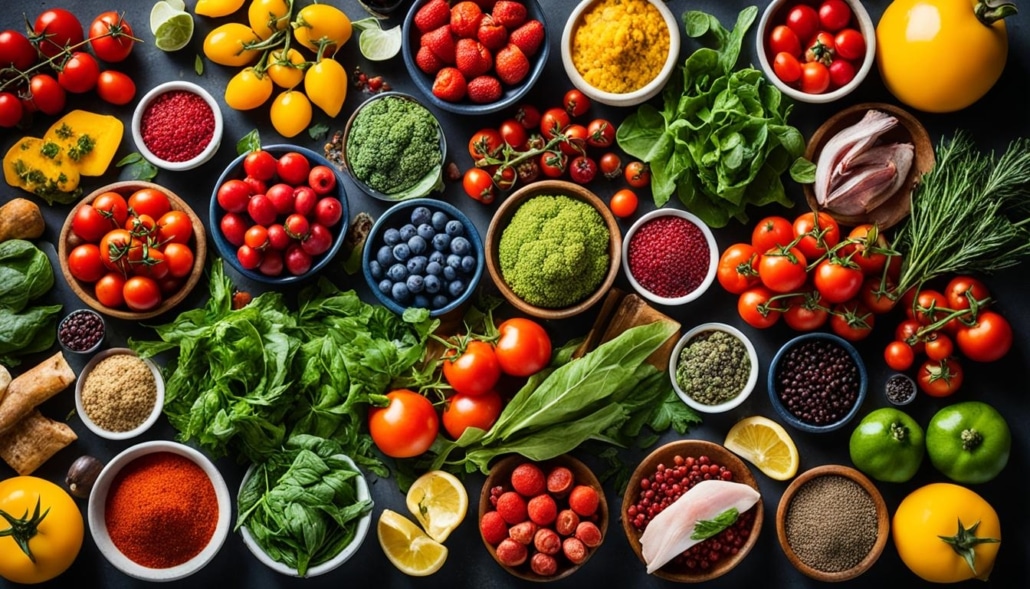
Have you ever gone on a culinary adventure, exploring the diverse and vibrant flavors of local dishes? We, at [Your Brand Name], believe that food is more than just sustenance; it is a gateway to culture and traditions. When we travel, one of the highlights is undoubtedly the opportunity to indulge in local food specialties and experience the unique regional cuisine that each destination has to offer.
Imagine wandering the bustling streets of India, with the inviting aroma of spices and herbs wafting through the air. As you explore different provinces, you encounter a kaleidoscope of flavors that reflect the country’s history, geography, and cultural traditions. From the creamy and aromatic dishes of the North like Butter Chicken and Rogan Josh, to the tantalizing fish and seafood specialties of the East such as Machher Jhol and Chingri Malai Curry, each region captivates your taste buds with its unique creations.
The journey continues as you venture down South, where the cuisine takes on a spicy and tangy twist. You savor the crispy Dosa and relish the fragrant Biryani, feeling the heat and flavors dance on your palate. Finally, you head West, where bold and spicy flavors reign. The delectable Vada Pav and succulent Chicken Tikka leave you craving for more.
Through this culinary exploration, you not only satisfy your hunger but also connect with the heart and soul of each region. By immersing yourself in the local dishes and specialty foods, you embark on a journey that reveals the cultural richness and diversity of a place. Food becomes a language that transcends barriers, allowing you to connect with locals and forge meaningful connections.
Join us as we delve into the depths of local food specialties and embark on a flavorful adventure through the regional cuisine that makes each destination truly unique. Discover the stories behind iconic dishes and the secrets of their preparation. Together, let’s celebrate the joy of exploring new flavors and experiencing the world through food.
The Cultural Connection Through Food
Local cuisine serves as a bridge between travelers and the people of a destination, expressing cultural heritage and traditions. When we try local food, we embark on a culinary adventure that goes beyond the mere act of eating. It allows us to taste the essence of a place, connect with locals, and gain a deeper understanding of their way of life.
Tasting local flavors is like embarking on a sensory journey that immerses us in the traditions, history, and cultural richness of a region. Each dish tells a story, reflecting the unique flavors and ingredients that define a specific area. From the street food stalls of Bangkok to the trattorias of Rome, every bite is an opportunity to experience the local culture through the sense of taste.
Connecting with locals over a shared love for food breaks down language barriers and creates a bond. By embracing local cuisine, we gain insights into the customs, values, and traditions of a community. It opens up opportunities for real interaction and cultural exchange, enabling us to forge meaningful connections with the people we meet.
Moreover, exploring the local culinary scene means supporting local businesses and sustainable tourism. When we dine in neighborhood restaurants or buy food from local markets, we contribute to the local economy and help preserve cultural heritage. It’s a way to travel responsibly and leave a positive impact on the places we visit.
When we embark on a culinary adventure, we must be willing to step out of our comfort zone and embark on a journey of discovery. Overcoming culinary fears and being open-minded allows us to fully immerse ourselves in the local cuisine, savoring new flavors and ingredients. It’s an invitation to explore, experiment, and embrace the unfamiliar.
In conclusion, tasting local flavors and experiencing the cultural connection through food is an integral part of the travel experience. It allows us to delve deep into the heart of a destination, connecting with its people, traditions, and history. So, on your next trip, be sure to embark on a culinary adventure, savoring the unique flavors of the local cuisine and creating unforgettable memories along the way.
What is American Regional Cuisine: Understanding the Diversity and Richness
American regional cuisine is a reflection of the diverse culinary traditions that have developed in different regions of the United States. Each region has its unique cooking styles and influences, shaped by Native American, European, and immigrant cultures. The result is a melting pot of flavors and culinary techniques that make American cuisine truly captivating.
Southern cuisine, for example, showcases comfort foods like gumbo and catfish, which highlight the region’s love for rich and hearty dishes. In Louisiana, the combination of French, African, and Caribbean flavors in Cajun and Creole cuisines results in a fusion that is both tantalizing and unique. The Midwest, on the other hand, is known for its hearty meat and dairy-based dishes, reflecting its agricultural roots.
The Southwest region of the United States combines Native American and Mexican influences, bringing forth a vibrant tapestry of flavors. From the spicy and robust flavors of Tex-Mex cuisine to the savory delights of New Mexican cuisine, the Southwest offers a truly diverse culinary experience. Each region has its iconic dishes that celebrate local flavors and ingredients, providing a culinary journey that is as diverse as the American landscape itself.
Exploring American regional cuisine allows us to delve into the rich tapestry of regional food cultures and culinary traditions. It is an opportunity to taste the diverse flavors and indulge in local delicacies that have been passed down through generations. Whether you’re savoring a plate of barbecued ribs in the South or enjoying a slice of deep-dish pizza in the Midwest, American regional cuisine offers a delightful blend of flavors and a glimpse into the country’s culinary heritage.


Leave a Reply
Want to join the discussion?Feel free to contribute!