
Learning New Skills While Traveling Solo
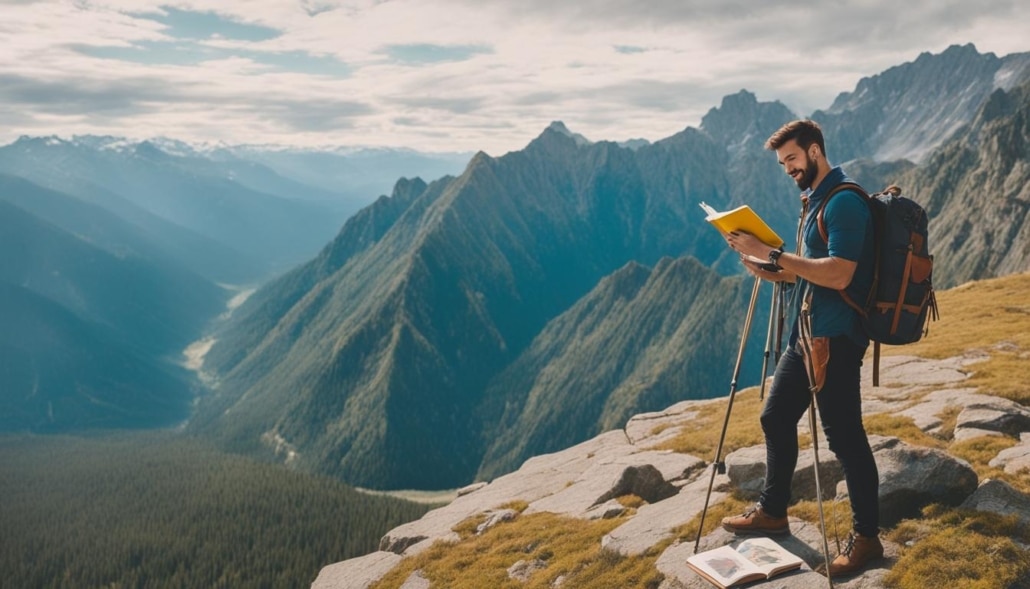
Traveling solo is not just about exploring new destinations and embracing independence; it also presents an incredible opportunity for learning and skill-building. When you embark on a solo journey, you open yourself up to a world of personal growth and professional development. In this article, we will delve into the various skills you can learn while traveling solo and how they can positively impact your life and career.
Solo travel provides a unique environment for honing important skills that are highly valuable in today’s rapidly changing world. As you navigate unfamiliar territories and encounter diverse situations, you are constantly challenged and prompted to step out of your comfort zone. This pushes you to acquire and polish essential skills that can benefit you both personally and professionally.
Whether you are planning your itinerary, making decisions on the go, or overcoming unexpected obstacles, solo travel encourages skill-building in decision-making, research, planning, problem-solving, communication, and adaptability. These skills not only enrich your travel experience but also enhance your capabilities in the workplace.
In the following sections, we will explore each of these skills in more detail, highlighting how solo travel contributes to their development and how they can be applied in various professional settings. From improving your decision-making accuracy to fostering problem-solving skills and sharpening your research abilities, solo travel offers a dynamic platform for growth.
So, if you’re ready to embark on an adventure that goes beyond exploration, join us as we uncover the invaluable skills you can gain while learning and traveling solo.
Hone Your Decision-Making Skills
Solo travel presents a unique opportunity for individuals to hone their decision-making skills by navigating unfamiliar environments and relying solely on their own judgment. When traveling alone, individuals are required to step out of their comfort zones and make decisions independently, which helps strengthen their ability to assess situations, weigh options, and make informed choices.
Research conducted by Columbia University and the University of Pittsburgh has demonstrated that people improve their decision-making accuracy when they are placed in situations where time is a critical factor. Solo travel provides ample opportunities for individuals to practice decision-making in various scenarios, where there may be time constraints or limited information available.
“Solo travel allows individuals to face unfamiliar and challenging situations, which can enhance their decision-making skills.”
During solo travel, individuals encounter a range of decisions, from choosing a route to exploring a specific attraction, dining options, or even deciding whether to accept an invitation from a stranger to travel together. These experiences challenge individuals to trust their instincts, gather relevant information, consider potential risks and rewards, and ultimately make decisions that align with their preferences and goals.
Solo travel not only enhances decision-making skills during the journey but also equips individuals with valuable insights and abilities that can be applied to their professional lives. The critical thinking and assessment skills developed through solo travel enable individuals to make better decisions in high-pressure or time-sensitive situations, contributing to improved decision-making accuracy in the workplace.
Developing Decision-Making Skills Through Solo Travel:
- Opportunity to make decisions independently and rely on personal judgment.
- Practice decision-making under time constraints and limited information.
- Challenging scenarios that require individuals to trust their instincts.
- Consideration of risks and rewards when making decisions.
- Application of decision-making skills in professional settings.
Through solo travel, individuals develop the skills necessary to navigate a wide range of situations and make sound decisions. These decision-making skills contribute to personal growth, increased self-confidence, and the ability to thrive in both personal and professional endeavors.
Develop Good Research Skills
Solo travel is not just about exploring new destinations; it also involves extensive research and planning. To make the most of your solo adventures, it’s essential to develop good research skills. When traveling alone, you are responsible for gathering information about your chosen destinations, including safety precautions, cultural norms, and transportation options.
Researching about destinations and travel details helps you make informed decisions and ensures a smooth and enjoyable experience. By delving into the rich information available, you gain valuable insights that enhance your journey. Whether it’s understanding the local customs, identifying the must-visit attractions, or discovering hidden gems, thorough research equips you with the knowledge to make the most of your solo travel.
One crucial aspect of solo travel research is evaluating tour companies if you choose to use their services. By looking into their reputation, customer reviews, and offered itineraries, you can ensure that you make the right choice for your travel needs. This process not only improves your research skills but also enhances your ability to gather information and make well-informed decisions.
The research skills acquired during solo travel can have a significant impact on your professional life as well. Many careers require the ability to conduct thorough research to gather relevant information and make informed decisions. By honing your research skills during solo travel, you are equipping yourself with a valuable asset that can set you apart in the professional world.
Embrace the opportunity to develop good research skills while embarking on solo adventures. Cultivate your curiosity, delve into the details, and discover the wealth of knowledge that awaits you. Not only will this enhance your solo travel experiences, but it will also contribute to your personal and professional growth in the long run.

Enhance Planning/Organizational Skills
Solo travel is a great way to enhance your planning and organizational skills. When traveling alone, you are solely responsible for every aspect of your journey, from deciding on destinations to booking accommodations and creating detailed itineraries. This level of independence requires careful planning and meticulous organization.
Firstly, you need to finalize your destinations and research various options. Consider factors such as safety, transportation availability, and cultural attractions. This research process helps you develop valuable research skills that can be applied to other areas of your life.
Once you have determined your destinations, the next step is booking accommodations. This involves comparing prices, reading reviews, and making decisions based on your budget and preferences. The process of booking accommodations hones your decision-making abilities and reinforces your planning skills.
Creating detailed itineraries is another crucial aspect of solo travel. You must consider the logistics of transportation, timing, and the activities you want to experience at each destination. Effective itinerary planning requires careful scheduling, budgeting, and prioritization, all of which contribute to your organizational skills.
During solo travel, unexpected situations may arise, such as flight delays or changes in plans. Being flexible and adaptable in such circumstances further strengthens your planning and organizational abilities.
Solo travel provides valuable opportunities to enhance your planning and organizational skills, which are highly transferable to the professional world. Employers value individuals with strong planning and organizational abilities, as they can effectively manage projects, meet deadlines, and coordinate activities.
Key Points:
- Solo travel requires meticulous planning and organization.
- Researching destinations and accommodations enhances your planning skills.
- Creating detailed itineraries hones your organizational skills.
- Being flexible and adaptable strengthens your planning and organizational abilities.
- Enhanced planning and organizational skills are highly transferable to the professional world.
Planning and organizational skills are essential for successful solo travel. Take advantage of the opportunities solo travel provides to further develop these skills and enhance your professional capabilities.
Foster Problem-Solving Skills
Solo travel presents numerous challenges and unexpected situations that require problem-solving skills. Whether it’s getting lost in a foreign land, dealing with language barriers, or handling unforeseen travel issues, solo travelers must rely on their problem-solving abilities to find solutions. Navigating and overcoming these challenges provides practical experience and hones problem-solving skills that can be applied to the workplace. Solo travel also encourages adaptability and flexibility, as individuals learn to embrace and navigate diverse circumstances.
When traveling solo, you have to think on your feet and find creative solutions to unfamiliar problems. Whether it’s finding an alternative route when public transportation is unavailable or communicating with locals who don’t speak your language, problem-solving becomes second nature. These experiences teach you how to analyze situations, identify options, and make informed decisions quickly.
Solo travel is an excellent way to develop your problem-solving skills, as it puts you in situations where you have to rely on your own resourcefulness to overcome obstacles. It pushes you to think outside the box and consider alternative solutions. The ability to think critically and solve problems independently is highly valued in the workplace, and solo travel provides a real-world training ground for honing these skills.
“Problem-solving is the key to overcoming challenges in solo travel. It forces you to adapt, think creatively, and find solutions to unfamiliar situations. These problem-solving skills are invaluable both on your journey and in your professional life.”
Tips for Developing Problem-Solving Skills during Solo Travel
- Be proactive: Take the initiative to find solutions rather than waiting for someone else to solve your problems.
- Stay calm under pressure: Keep a level head and approach challenges with a clear mind to make rational decisions.
- Ask for help when needed: Don’t be afraid to seek assistance from locals or other travelers; sometimes, a fresh perspective can offer new solutions.
- Embrace unexpected situations: View challenges as opportunities to learn and grow, stepping out of your comfort zone to find creative solutions.
- Reflect on your experiences: After facing a problem, take the time to analyze the situation and consider how you could handle it differently in the future.
By nurturing your problem-solving skills through solo travel, you gain not only the ability to navigate unfamiliar situations with ease but also an invaluable asset in your personal and professional life.

Improve Communication and People Skills
Solo travel offers unique opportunities for solo travelers to interact with locals and fellow travelers, allowing them to enhance their communication and people skills. Engaging with new people and immersing in different cultures fosters a deeper understanding of effective communication and builds strong interpersonal connections.
During solo travel, individuals must navigate social situations, which requires them to communicate effectively and adapt to different communication styles. They learn the importance of active listening, empathy, and having an open mind when interacting with people from diverse backgrounds.
Interacting with locals provides valuable insights into local customs, traditions, and languages. By engaging in meaningful conversations, solo travelers can broaden their cultural understanding and develop cross-cultural communication skills. These skills enable them to bridge communication gaps, establish meaningful connections, and navigate unfamiliar environments with ease.
Traveling solo allowed me to step out of my comfort zone and connect with people from all walks of life. Through these interactions, I learned how to effectively communicate, understand cultural nuances, and form genuine connections that continue to enrich my personal and professional life.
Improved communication and people skills gained through solo travel are not only valuable during the trip but also bring benefits in professional settings. The ability to communicate effectively, listen actively, and understand different perspectives is highly regarded in the workplace. These skills contribute to better collaboration, problem-solving, and relationship-building, making solo travelers valuable assets in their careers.
Cultivating Effective Communication and People Skills during Solo Travel:
- Engage in conversations with locals and fellow travelers to learn about their experiences and perspectives
- Learn basic greetings and phrases in the local language to show respect and foster connections
- Practice active listening to truly understand others’ viewpoints and experiences
- Cultivate empathy and cultural sensitivity to navigate diverse cultural environments
- Be open-minded and adaptable when faced with unfamiliar situations
By honing their communication and people skills during solo travel, individuals not only enhance their personal growth but also develop a valuable skill set that can positively impact their professional lives.
Conclusion
Solo travel is an exceptional way to embark on a journey of personal growth and skill-building. It provides individuals with an opportunity to develop and enhance various professional skills that are valuable in today’s fast-paced world. Through solo travel experiences, individuals can improve their decision-making abilities, as they are forced to make choices independently under time constraints. Additionally, solo travel encourages the development of strong research skills, as individuals must conduct thorough and comprehensive research prior to their journeys.
Furthermore, solo travel enhances planning and organizational skills, as individuals take responsibility for booking accommodations, creating itineraries, and managing their schedules. They learn to efficiently prioritize tasks and make crucial decisions, contributing to their overall skill set. Solo travel also fosters problem-solving skills by exposing individuals to unexpected situations and challenges that demand quick thinking and adaptability. These experiences refine problem-solving abilities and strengthen resilience.
Another advantage of solo travel is the improvement of communication and people skills. Engaging with locals and fellow travelers helps individuals enhance their interpersonal abilities, active listening, empathy, and cross-cultural understanding. These skills are highly valuable in professional settings where effective collaboration and relationship-building are crucial. Overall, learning while traveling solo not only enriches experiences but also promotes personal growth and prepares individuals to excel in their careers.
FAQ
What skills can be developed while traveling solo?
Traveling solo provides opportunities to develop and enhance various professional skills, including decision-making, research, planning, problem-solving, communication, and adaptability.
How does solo travel improve decision-making skills?
Solo travel forces individuals to make decisions independently and develop their decision-making skills. It provides ample opportunities to practice decision-making in various scenarios, honing accuracy and confidence.
How does solo travel help in developing research skills?
Solo travel requires individuals to conduct extensive research before embarking on their journeys. They need to gather information about destinations, safety precautions, and transportation options, improving their research and evaluation skills.
What planning and organizational skills can be improved through solo travel?
Solo travel requires meticulous planning and organization. Individuals must finalize destinations, book tickets, find accommodations, and create detailed itineraries, enhancing planning, budgeting, and prioritization skills.
How does solo travel foster problem-solving skills?
Solo travel presents numerous challenges and unexpected situations that require problem-solving skills. Navigating and overcoming these challenges provides practical experience and hones problem-solving abilities.
How does solo travel improve communication and people skills?
Solo travel often involves interacting with locals and fellow travelers, providing ample opportunities to improve communication and people skills. Engaging with new people, learning about different cultures, and navigating social situations enhances interpersonal skills.
Can solo travel contribute to personal growth and skill-building?
Yes, solo travel offers a unique opportunity for personal growth and skill-building. It allows individuals to develop and enhance various professional skills, making them more valuable assets in their careers.


Leave a Reply
Want to join the discussion?Feel free to contribute!