
Finding Free Wi-Fi: A Backpacker’s Guide to Staying Connected
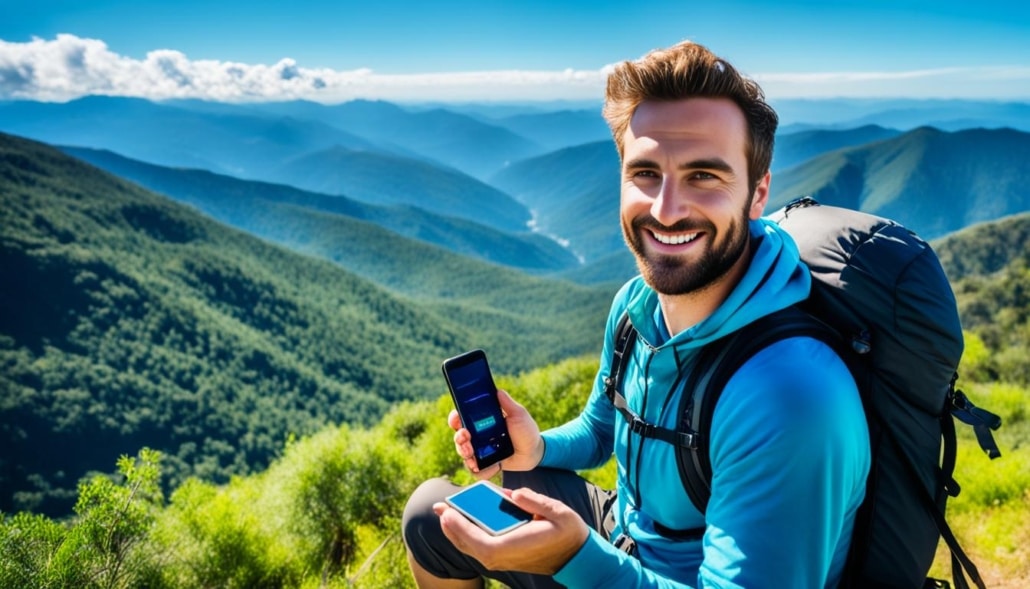
As a backpacker, staying connected while traveling is essential. Whether you need to work, communicate, or research destinations, having access to free Wi-Fi can make your journey more convenient and enjoyable. In this guide, we will provide you with valuable tips on finding free Wi-Fi hotspots, ensuring you can stay connected while exploring the world.
Key Takeaways:
- Free Wi-Fi is crucial for backpackers to stay connected during their travels.
- Accessing Wi-Fi through your phone plan’s mobile hotspot feature can be a convenient option.
- Public locations such as libraries, airports, and coffee shops often provide free Wi-Fi networks.
- Most hotels and hostels offer Wi-Fi for their guests, but availability and speed may vary.
- Consider using a VPN for added security when connecting to public Wi-Fi networks.
Accessing Wi-Fi Through Your Phone Plan
When it comes to staying connected on the go, your phone plan can be a valuable resource. Many phone plans offer mobile hotspots and tethering options, allowing you to use your phone’s data connection to connect your devices to the internet.
Checking whether your phone plan includes this feature can help you access Wi-Fi conveniently and seamlessly. However, it’s essential to be mindful of any data restrictions, especially if you have a limited data plan.
Several popular phone companies offer personal hotspot capabilities, making it easier than ever to access Wi-Fi through your phone plan. Some of these companies include:
| Phone Companies |
|---|
| U.S. Cellular |
| Verizon |
| T-Mobile |
| AT&T |
| Sprint |
| Google Fi |
| Visible |
| Mint Mobile |
These phone companies offer a range of phone plans with mobile hotspot capabilities, ensuring that you can stay connected wherever you go.
Utilizing Public Wi-Fi Networks
When you’re on the go and in need of internet access, public Wi-Fi networks are a convenient solution. These networks can be found in various locations, such as libraries, airports, bus/train stations, shopping centers, coffee shops, and fast food restaurants. By utilizing public Wi-Fi, you can stay connected without worrying about using your mobile data or incurring additional charges.
Public libraries are an excellent option for accessing high-speed Wi-Fi. Many libraries provide designated areas for work or studying, allowing you to connect to the internet in a calm and focused environment.
Airports, bus/train stations, and shopping centers often offer open Wi-Fi networks without the need for a password. These locations understand the importance of connectivity for travelers and provide free access to Wi-Fi for their visitors. Whether you’re waiting for your flight or taking a break during your journey, you can easily connect to their networks and stay connected.
Public Wi-Fi Locations
| Location | Wi-Fi Availability |
|---|---|
| Libraries | High-speed Wi-Fi with designated work areas |
| Airports | Open networks without password requirements |
| Bus/Train Stations | Open networks without password requirements |
| Shopping Centers | Open networks without password requirements |
| Coffee Shops | Free Wi-Fi for customers |
| Fast Food Restaurants | Free Wi-Fi for customers |
Coffee shops and restaurants are also popular places to find free Wi-Fi. These establishments often offer complimentary Wi-Fi for their customers, allowing you to relax, enjoy a cup of coffee, and browse the internet. Wi-Fi passwords are usually posted within the establishment or provided by staff upon request.
Whether you’re seeking a quiet space to work, waiting for your next mode of transportation, or simply looking for a spot to unwind, public Wi-Fi networks in various locations provide a valuable resource for staying connected.
However, it’s important to note that while public Wi-Fi networks are convenient, they may pose security risks. To protect your personal information and maintain online privacy, it’s advisable to use a virtual private network (VPN) when connected to public Wi-Fi.

Wi-Fi in Accommodations
When it comes to staying connected during your travels, most hotels and hostels understand the importance of providing Wi-Fi access to their guests. Whether you’re on a business trip or exploring a new destination, having reliable internet connectivity is essential.
When booking your accommodations, be sure to look for listings that specifically mention Wi-Fi availability. This will ensure that you can browse the web, check emails, and stay connected with loved ones without any hassle.
Upon check-in, hotels and hostels usually provide you with the Wi-Fi password. Alternatively, you may find the password posted in common areas such as the reception or lobby. This allows you to easily connect your devices and access the internet from the comfort of your room or any other designated Wi-Fi zones.
However, it’s important to note that Wi-Fi availability and speed may vary depending on the location and the quality of the connection. Some accommodations may offer high-speed Wi-Fi, while others may have a slower connection. It’s always a good idea to check reviews or inquire about the Wi-Fi quality before making a reservation, especially if you rely heavily on a fast and stable internet connection.
Overall, hotels and hostels generally provide Wi-Fi for their guests, making it convenient for travelers to stay connected while away from home.

“Having Wi-Fi access in hotels and hostels is a game-changer for travelers. It allows us to plan our activities, stay connected with friends and family, and make the most of our trip in the comfort of our accommodation.”
Conclusion
Staying connected while backpacking is crucial for staying in touch with loved ones, managing work commitments, and exploring new destinations. By following these travel tips and utilizing the available options for free Wi-Fi, you can ensure seamless connectivity throughout your journey.
Make the most of your phone plan by checking if it offers mobile hotspots and tethering options. Providers like U.S. Cellular, Verizon, T-Mobile, AT&T, Sprint, Google Fi, Visible, and Mint Mobile offer personal hotspot capabilities, allowing you to connect your devices to the internet through your phone’s data connection.
Take advantage of public Wi-Fi networks in locations such as libraries, airports, bus/train stations, shopping centers, coffee shops, and restaurants. Public libraries often provide high-speed Wi-Fi and designated work areas, while airports, stations, and shopping centers offer open networks without passwords. Coffee shops and restaurants typically provide free Wi-Fi for customers, with passwords conveniently posted inside.
Additionally, most hotels and hostels offer Wi-Fi for guests. When booking accommodations, look for listings that specify Wi-Fi availability. Wi-Fi passwords are usually provided upon check-in or can be found posted in common areas. Keep in mind that Wi-Fi quality and availability may vary depending on the location.
While accessing free Wi-Fi, it’s important to prioritize your online security. Consider using a VPN (Virtual Private Network) to protect your personal information and activities. This extra layer of security ensures that your data remains encrypted and protected from potential threats on public networks.
By staying connected with these travel tips and taking precautions, you can make the most of your backpacking adventures while staying connected to the world.
FAQ
Can I use my phone’s data connection to access Wi-Fi while traveling?
Yes, many phone plans offer mobile hotspots and tethering options, allowing you to use your phone’s data connection to connect your devices to the internet. Check your phone plan for this feature.
Where can I find public Wi-Fi networks?
Public Wi-Fi networks can be found in various locations such as libraries, airports, bus/train stations, shopping centers, coffee shops, and fast food restaurants.
Do hotels and hostels provide Wi-Fi for guests?
Yes, most hotels and hostels provide Wi-Fi for their guests. Look for accommodations that specify Wi-Fi availability when booking.
How can I ensure the security of using public Wi-Fi networks?
Consider using a VPN (Virtual Private Network) for added protection when using public Wi-Fi networks.
Why is staying connected important while backpacking?
Staying connected while backpacking is important for work, communication, and researching destinations.


Leave a Reply
Want to join the discussion?Feel free to contribute!