
Exploring Culinary History Through Documentaries
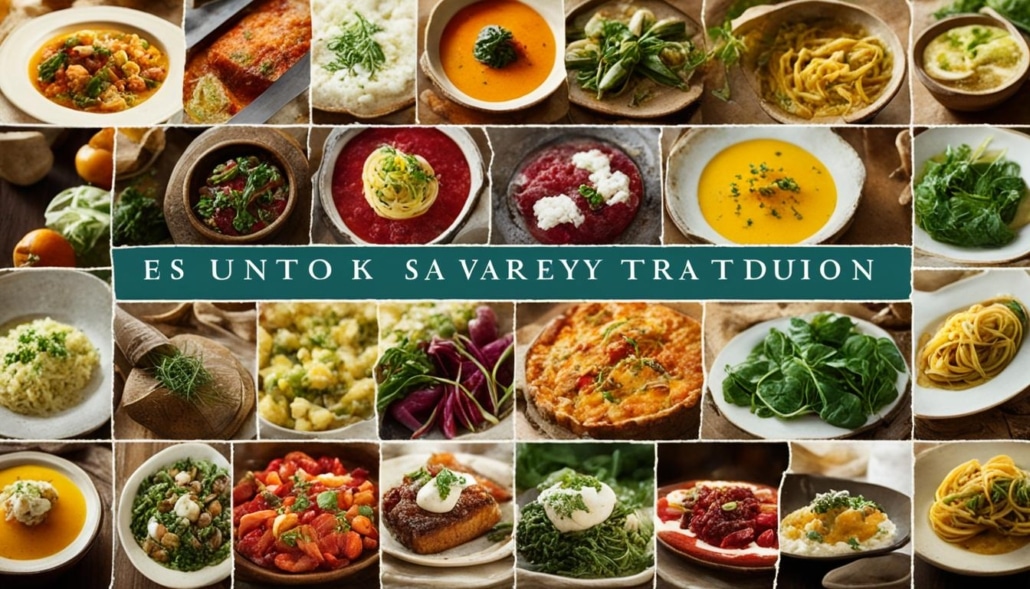
Food history documentaries are like a time machine that transports us back to different eras, allowing us to experience the flavors, traditions, and cultures of the past. They unravel the mysteries of ancient recipes, offer glimpses of forgotten techniques, and reveal the stories behind our favorite dishes. Through these captivating films, we can embark on a culinary journey, exploring historical cuisine and immersing ourselves in the fascinating world of food culture.
Imagine sitting in a cozy living room, savoring a warm cup of tea, as you settle in to watch a food history documentary. The screen flickers to life, and you find yourself transported to the bustling streets of ancient Rome. The smoky aroma of roasting meats fills the air as street vendors call out to passersby, tempting them with their delectable offerings.
Ancient Romans, just like us, had their favorite dishes and culinary traditions. They relished exotic spices, indulged in lavish feasts, and celebrated the art of cooking. As you watch the documentary unfold, you learn about the significance of food in Roman society, the influences of different cultures on their cuisine, and the techniques they employed to create their mouthwatering delicacies.
As the documentary continues, you find yourself transported to another era, discovering the rich culinary heritage of the Byzantine Empire. You witness the opulence of the royal banquet tables, the mastery of skilled chefs, and the exotic flavors that graced the emperors’ palates. The documentary takes you through a sensory feast, as you catch glimpses of ingredients, spices, and cooking techniques that have long been forgotten.
Food history documentaries not only educate and entertain but also inspire a deeper appreciation for the diverse cultures and traditions that have shaped the way we eat today. From ancient civilizations to modern-day societies, these films provide a window into the past, revealing the connections between food, history, and culture. They remind us that food is not just sustenance but a reflection of our identity, a source of comfort and joy, and a link to our shared human experience.
The Evolution of Food Documentaries
The history of food documentaries is a fascinating journey that traces back to the early 20th century. These films have evolved over time, covering a wide range of topics and leaving a lasting impact on the world of cinema and culinary exploration. From highlighting the importance of agriculture and innovation in farming to raising awareness about the consequences of our food choices, food documentaries have become a powerful medium for education, entertainment, and inspiration.
One of the earliest food documentaries, “Our Daily Bread,” released in 1934, shed light on the significance of agriculture and its role in providing sustenance to communities. This film captured the essence of food production, showcasing the efforts of farmers and the intricacies of cultivating various crops. It set the stage for future documentaries that would dive deeper into the world of food.
As the years went by, food documentaries started exploring more complex subjects. They delved into the industrialization of agriculture, revealing the impact on the environment and the consequences of mass production. Documentaries like “Food, Inc.” and “King Corn” exposed the hidden truths behind the food industry, including the treatment of animals and workers, the use of pesticides, and the dominance of a few large corporations.
Another area that food documentaries have extensively explored is the rise of fast food and its effects on health and culture. “Super Size Me,” directed by Morgan Spurlock, became a cult phenomenon when it documented the shocking physical and mental impact of a fast-food diet. The film not only prompted a nationwide conversation about the dangers of excessive fast food consumption but also led to significant changes in the food industry.
Food documentaries have also celebrated the pursuit of culinary perfection and showcased the artistry behind renowned chefs. Films like “Jiro Dreams of Sushi” and “Noma: My Perfect Storm” offered viewers a glimpse into the dedication, creativity, and rigorous standards that drive culinary geniuses to create extraordinary dining experiences.
Moreover, influential food documentaries like “Fed Up” have focused on the health risks associated with excessive sugar intake, sparking conversations about the impact of processed foods and the importance of making informed dietary choices. These films have played a significant role in shaping public attitudes towards nutrition and empowering individuals to prioritize their health.
Food documentaries continue to make an impact, inspiring viewers to question their food sources, adopt sustainable practices, and make more conscious choices. They serve as a powerful platform for raising awareness, promoting change, and preserving the rich culinary heritage of different cultures.
| Documentary | Release Year | Key Themes |
|---|---|---|
| “Our Daily Bread” | 1934 | Agriculture, farming, sustenance |
| “Food, Inc.” | 2008 | Industrialized agriculture, corporate control, workers’ rights |
| “Super Size Me” | 2004 | Fast food, health consequences, obesity |
| “Jiro Dreams of Sushi” | 2011 | Culinary perfection, dedication, craftsmanship |
| “Fed Up” | 2014 | Sugar consumption, processed foods, public health |
The Impact of Food Documentaries
Food documentaries have had a remarkable impact on raising awareness about the food industry, ethics, sustainability, and health. These thought-provoking films have successfully exposed the hidden realities of food production and manufacturing processes, prompting viewers to become more informed and conscientious consumers. By unveiling the truth behind the scenes, food documentaries have ignited a desire for transparency in the industry.
Through powerful storytelling techniques, food documentaries have shed light on the connection between food choices and health. By analyzing different dietary patterns, these films provide valuable insights into the nutritional value and potential risks associated with various food choices. This newfound awareness has sparked a shift towards more mindful eating, promoting individual well-being.
Moreover, food documentaries have amplified discussions on sustainability issues. By showcasing the environmental consequences of food production, these films have inspired viewers to reflect on their ecological footprint and adopt more eco-friendly practices. From farm-to-table journeys to exploring sustainable farming techniques, these documentaries have initiated critical conversations about responsible consumption and the importance of preserving our planet.
The success of food documentaries can be attributed to their captivating filmmaking techniques. With stunning cinematography, compelling narratives, and engaging narration, these films immerse viewers in a world of gastronomic exploration. By bringing to life the stories of farmers, chefs, and activists, food documentaries have effectively educated and entertained audiences, leaving a lasting impact on society.
FAQ
How do food history documentaries provide insights into global cuisine?
What are some notable food history documentaries?
What topics do food documentaries cover?
What is the history of food documentaries?
Which influential food documentaries have raised awareness about the food industry?
How have food documentaries impacted awareness of the food industry?
How do food documentaries educate viewers about food choices and health?
What other issues do food documentaries draw attention to?
How do food documentaries engage and educate viewers?
Source Links
- https://www.factualamerica.com/blog/lists/documentaries-about-food
- https://www.twoforksandapassport.com/other/great-food-travel-shows-and-documentaries/
- https://www.dbusiness.com/daily-news/dbusiness-daily-update-new-documentary-from-filmmaker-keith-famie-explores-detroits-culinary-heritage-and-more/


Leave a Reply
Want to join the discussion?Feel free to contribute!