
Experiencing a Traditional Tea Ceremony in Kyoto
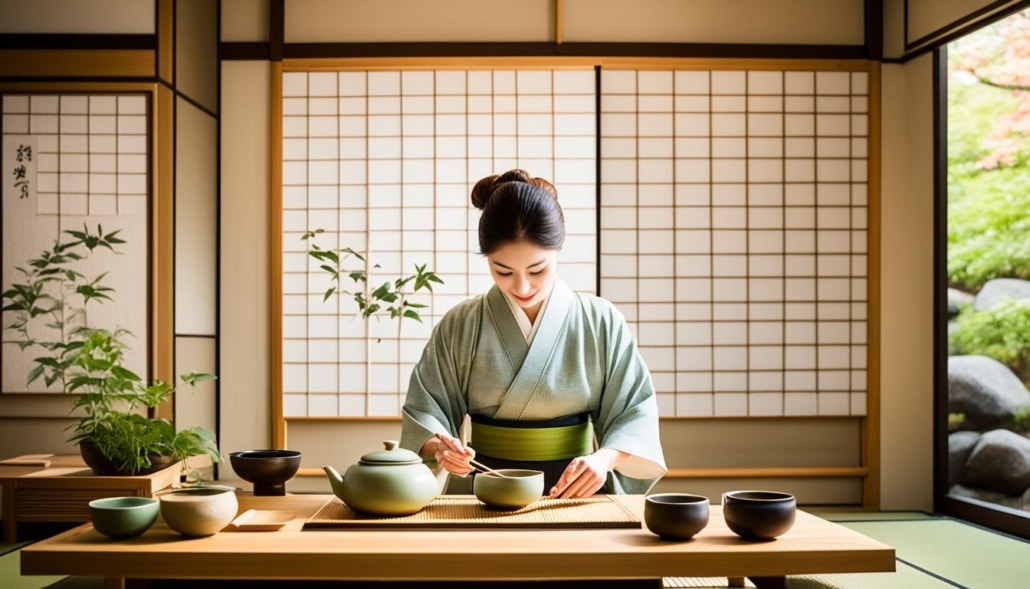
Step into the tranquil world of ancient Japanese traditions as we embark on a journey to Kyoto, the enchanting birthplace of the traditional tea ceremony. Imagine being transported back in time, surrounded by the delicate scent of matcha and the soothing sound of flowing water. Here, in the heart of Japan, we have the opportunity to immerse ourselves in a cultural experience like no other.
As we enter a serene tea room, adorned with intricately designed tatami mats and elegantly arranged flower arrangements, anticipation fills the air. The soft glow of flickering candles leads us to a low table, where a host welcomes us with a warm smile. The stage is set for a enriching exploration of Japanese tradition, a gathering that has been cherished for centuries.
The tea ceremony, known as chanoyu, is a true embodiment of grace, balance, and harmony. It is a symphony of precise movements, gentle gestures, and profound respect. Each action has meaning, from the careful boiling and pouring of the tea to the intricate serving of delicate Japanese sweets. The ceremony is more than just a ritual; it is a sacred connection between the host and guest, a moment of tranquility amid the chaos of modern life.
Kyoto, steeped in rich history and tradition, holds a special place in the tea ceremony. This ancient capital has been a hub of cultural exchange, nurturing the art of tea and its philosophy. By partaking in a tea ceremony in Kyoto, we are not only witnessing a living heritage, but we are also contributing to its preservation for future generations.
Join us as we delve deeper into the history of the Japanese tea ceremony, unravel its intricate etiquette and rituals, and discover the profound beauty of this treasured Japanese tradition.
History of the Japanese Tea Ceremony
The Japanese tea ceremony has a rich history that dates back to the 12th century, when tea leaves were first introduced to Japan by a Buddhist monk named Eisai. Initially, tea was primarily consumed by young monks to stay alert during long prayer sessions and by samurai as a form of leisure activity.
However, it was in the late 16th century that the tea ceremony truly transformed into a ritualistic practice, thanks to the influence of Sen no Rikyu, a renowned tea master from Osaka. Rikyu introduced the philosophy of “ichi-go-ichi-e,” which emphasizes cherishing every encounter and living in the present moment. This philosophy permeates the essence of the tea ceremony, emphasizing the importance of mindfulness and appreciation.
Rikyu also promoted the aesthetic concept of wabi-sabi, which celebrates the beauty found in imperfection and simplicity. This concept is reflected in the design of tea rooms and the utensils used during the ceremony. Wabi-sabi creates an atmosphere of tranquility and invites participants to embrace the authenticity of the moment.
During the Edo period, the tea ceremony played a significant role in the formation of political alliances among the samurai class. Tea gatherings became an opportunity for samurais to forge connections and display their social status. The ceremony became a symbol of refinement and elegance.
Today, the Japanese tea ceremony continues to be practiced as a fine art and stands as a testament to Japan’s unique cultural traditions. It offers participants a glimpse into the country’s rich history, as well as an opportunity to experience the serene beauty and harmony that comes with each tea ceremony.
Relevant Data
| Time Period | Significance |
|---|---|
| 12th Century | Tea leaves introduced by Eisai |
| Late 16th Century | Transformation into a ritualistic practice under Sen no Rikyu |
| Edo Period | Tea ceremonies used for political alliances among samurai class |
Tea Ceremony Etiquette and Rituals
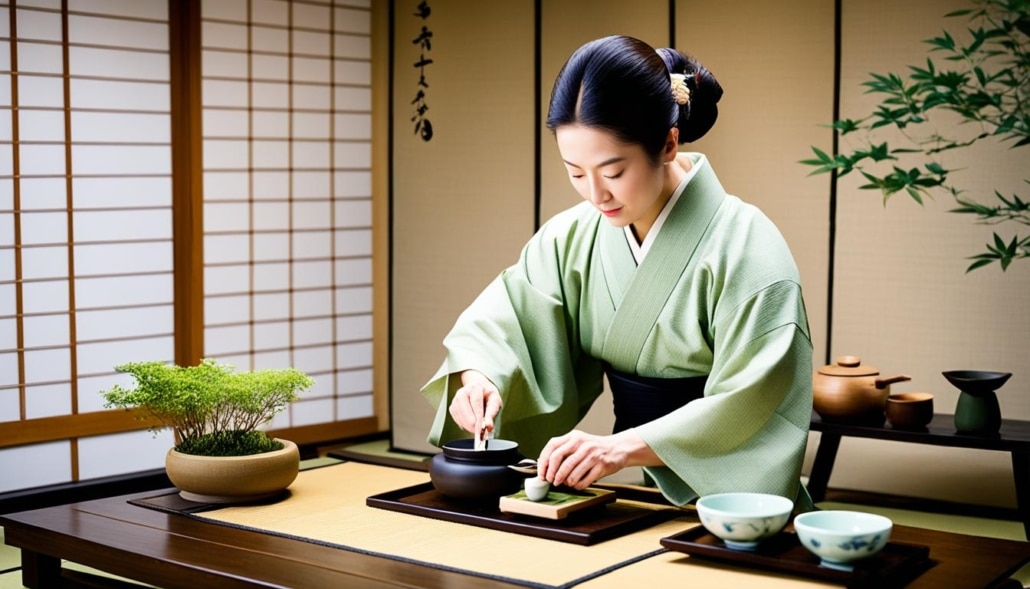
Participating in a tea ceremony requires following certain etiquette and rituals. To fully immerse ourselves in this ancient Japanese tradition, we must adhere to the following guidelines:
1. Punctuality and Silence
Guests should arrive on time and be mindful of maintaining a calm and quiet atmosphere throughout the ceremony.
2. Respectful Attire
It is customary for guests to wear clean socks and remove their shoes upon entering the tea room. Dressing conservatively, with kimonos being the preferred choice, displays respect for the ceremony and its traditions.
3. Fragrance-Free Environment
Out of consideration for others, guests are advised to refrain from using heavy fragrances that may interfere with the delicate aroma of the tea.
4. Conversational Topics
During the tea ceremony, conversation should revolve around the ceremony itself and seasonal changes, rather than personal matters. This allows us to focus on the present moment and appreciate the art of tea.
5. Zen Philosophy in Tea Ceremony Rituals
The tea ceremony rituals follow the principles of zen philosophy, emphasizing mindfulness, tranquility, and acceptance of life as it is. By engaging in the prescribed steps of making and serving tea, participants can find inner peace through this meditative activity.
By honoring these customs and embracing the zen philosophy underlying the tea ceremony, we can fully immerse ourselves in the beauty and tranquility of this cultural tradition.
Japanese Tea Ceremony Etiquette and Rituals
| Etiquette and Rituals | Description |
|---|---|
| Punctuality and Silence | Guests should arrive on time and maintain a calm and quiet atmosphere during the ceremony. |
| Respectful Attire | Guests are expected to wear clean socks and remove their shoes when entering the tea room. Dressing conservatively, such as wearing kimonos, is highly encouraged. |
| Fragrance-Free Environment | Guests should refrain from using heavy fragrances that might interfere with the delicate aromas of the tea. |
| Conversational Topics | Discussion should revolve around the tea ceremony and seasonal changes, rather than personal matters. |
| Zen Philosophy in Rituals | The rituals of the tea ceremony follow the principles of zen philosophy, encouraging mindfulness, tranquility, and acceptance of the present moment. |
Conclusion
Experiencing a traditional tea ceremony in Kyoto is a captivating way to fully immerse ourselves in the beauty of traditional Japanese culture. As the birthplace and spiritual heart of the tea ceremony, Kyoto offers an array of venues where visitors can partake in these ancient rituals. Whether in small tea houses or private homes, these locations provide an authentic setting for practicing the art of tea. By adhering to the customary etiquette and rituals of the tea ceremony, we gain a deeper understanding of Japanese traditions and customs.
Engaging in a tea ceremony goes beyond a simple sensory experience of savoring the delectable taste of matcha tea and sweets. It offers an opportunity to step into a tranquil and reflective environment, where we can connect not only with ourselves but also with others. The tea ceremony embodies the principles of hospitality, mindfulness, and harmony, making it a remarkable cultural immersion experience.
No visit to Kyoto would be complete without participating in a tea ceremony. This ancient tradition allows us to appreciate the grace and elegance of Japanese culture while cultivating a sense of peace in our busy lives. So, whether you are a tea enthusiast, a lover of traditional Japanese arts, or simply curious about immersing yourself in another world, don’t miss the chance to partake in a tea ceremony in Kyoto. It is a true manifestation of the essence and beauty of Japan’s rich cultural heritage.


Leave a Reply
Want to join the discussion?Feel free to contribute!