Camping under the stars is a magical experience that allows you to connect with nature and enjoy the beauty of the night sky. To make the most of your camping trip, it’s important to choose the perfect location, time your trip right, and bring the right tools.

Finding a remote and rural area with clear views of the night sky is ideal. Timing your trip to coincide with a new moon or specific celestial events will enhance your stargazing experience.

Bringing binoculars or a portable telescope, star charts or a stargazing app, and an LED headlamp with adjustable brightness settings will help you navigate and fully enjoy the night sky.

It’s also important to be prepared for the night by bringing a tent or mosquito net, a sleeping bag and mat suitable for the climate, and cooking equipment for outdoor meals.

Layering your clothing, bringing a beanie and gloves, and wearing sturdy footwear with thick socks will keep you comfortable in changing temperatures.

Ensuring safety by selecting a safe and environmentally protected campsite, carrying a first aid kit, and informing someone about your camping plan is essential.

Overall, a night under the stars can be a memorable and rejuvenating experience for nature lovers.

Choosing the Perfect Location
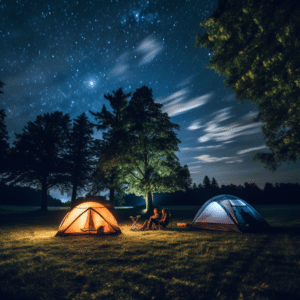
Camping under the stars

When planning your camping trip, it’s crucial to select a location that offers a secluded and natural setting, away from light pollution. Camping under the stars is all about immersing yourself in the beauty of the night sky, and finding a spot with minimal artificial light will enhance your stargazing experience. Look for remote and rural areas that provide clear views of the night sky, away from city lights and busy tourist spots. National parks, state forests, and private campgrounds in less populated areas are often great options.

One way to ensure a prime stargazing location is to research sites that have been designated as International Dark Sky Parks. These protected areas are specifically chosen for their exceptional quality of starry nights. With reduced light pollution and designated observation areas, these parks offer optimal conditions for camping under the stars.

Before setting off on your camping adventure, remember to check the weather conditions and consider the time of year. Avoid locations that are frequently cloudy or prone to heavy rainfall, as they can obstruct your view of the stars. Additionally, consider the accessibility and safety of the location. Look for campsites that offer amenities such as clean water, restrooms, and picnic tables to enhance your camping experience.

By carefully selecting the perfect location for your camping trip, you’ll be able to fully immerse yourself in the wonders of the night sky. Remember to pack your camping essentials, prepare for changing weather conditions, and embrace the tranquility and beauty of nature around you.

Timing Your Trip Right

To maximize your chances of witnessing a breathtaking night sky, plan your camping trip during a new moon or when specific celestial events are expected. These periods offer optimal conditions for stargazing as the absence of moonlight allows for darker skies, making it easier to spot stars and other celestial wonders.

One of the key events to look out for is meteor showers, such as the Perseids or the Geminids. During these meteor showers, you can see shooting stars streaking across the sky, creating a mesmerizing spectacle. To catch these celestial fireworks, consult the astronomical calendar to find out when and where these events are expected to occur. Planning your camping trip around these dates will ensure that you don’t miss out on this awe-inspiring experience.

When camping during a new moon or celestial events, it’s important to consider the weather conditions as well. Clear skies provide the best views of the night sky, so check the weather forecast before heading out. Avoid camping in areas with high light pollution, as artificial light can hinder your ability to see the stars. Instead, choose remote locations away from urban areas where the natural darkness allows for a clearer view of the night sky.

Stargazing Tips:

  • Arrive at your chosen campsite early to give yourself ample time to set up and prepare for the night.
  • Bring a comfortable chair or blanket to lie on, as you’ll be spending a lot of time looking up at the stars.
  • Use a red flashlight or cover your regular flashlight with a red filter to preserve your night vision.
  • Be patient and allow your eyes to adjust to the darkness. The longer you stargaze, the more stars you’ll be able to see.
  • Take time to appreciate the stillness and tranquility of the night, allowing yourself to fully immerse in the experience.
Celestial Event Date Location
Perseid Meteor Shower August 11-13 Northern Hemisphere
Geminid Meteor Shower December 13-14 Both Hemispheres
Solar Eclipse October 14 South America

Remember, nature has a way of captivating us with its wonders, and camping under the stars provides a unique opportunity to connect with the universe on a deeper level. By timing your camping trip right and following these stargazing tips, you’ll create memories that will last a lifetime.

Essential Tools for Stargazing

To fully immerse yourself in the wonders of the night sky, equip yourself with the right tools for stargazing. These essential tools will enhance your camping experience and allow you to explore the celestial beauty above.

“Stargazing is a journey into the unknown, a chance to witness the vastness of the universe. It requires patience, curiosity, and the right equipment to truly appreciate the wonders of the night sky.”

First and foremost, consider bringing binoculars or a portable telescope to get a closer look at the stars, planets, and other celestial objects. These tools will magnify your view and unveil details that may otherwise go unnoticed. Additionally, having a star chart or a stargazing app at hand will help you identify and locate constellations, stars, and other fascinating elements of the night sky.

Remember to bring an LED headlamp with adjustable brightness settings. This will allow you to navigate your campsite and look up at the stars without disturbing the natural darkness. The adjustable brightness ensures you have just the right amount of light without compromising your night vision.

Essential Tools for Stargazing Benefits
Binoculars or Portable Telescope Get a closer and more detailed view of celestial objects.
Star Chart or Stargazing App Identify and locate constellations, stars, and other celestial objects.
LED Headlamp with Adjustable Brightness Navigate your campsite and gaze at the night sky without disturbing your night vision.

By equipping yourself with these tools, you’ll be able to truly appreciate the magnificence of the night sky and make your camping experience under the stars unforgettable.

Setting Up Camp for the Night

Creating a cozy and functional campsite is essential for a memorable night under the stars. When setting up your camp, consider the following tips to ensure a comfortable and enjoyable experience:

1. Choose the right spot:

Look for a level area free of rocks and roots to set up your tent. Clear any debris from the ground and avoid pitching your tent near water sources to prevent flooding. If mosquitoes are a concern, consider using a mosquito net or camping in an area with a breeze.

2. Create a comfortable sleeping area:

Invest in a high-quality sleeping bag suitable for the climate you’ll be camping in. Use a sleeping pad or mattress to provide insulation and cushioning against the ground. Opt for a tent that provides enough space for you and your gear while offering good ventilation to prevent condensation.

3. Arrange your cooking area:

Set up a designated cooking area away from your sleeping area to minimize the risk of accidents and keep food odors away from your tent. Use a camping stove or a fire pit, if permitted, and bring all necessary cooking utensils and equipment. Store food securely to prevent attracting wildlife.

4. Utilize proper lighting:

Bring an LED headlamp or flashlight with adjustable brightness settings to navigate your campsite at night. Hang a lantern from a tree or use solar-powered string lights to create a cozy ambiance. Avoid using bright lights that may disturb your stargazing experience.

Essential Camping Checklist Optional Extras
  • Tent or mosquito net
  • Sleeping bag and mat
  • Cooking equipment
  • LED headlamp or flashlight
  • First aid kit
  • Portable camping chairs
  • Hammock
  • Campfire cooking grill
  • Portable camping shower
  • Binoculars or portable telescope

Remember to always leave your campsite cleaner than you found it. Respect the environment and follow the principles of Leave No Trace, ensuring that you leave minimal impact on the natural surroundings.

By following these tips and preparing your campsite thoughtfully, you can enjoy a peaceful and unforgettable night under the stars. Take the time to appreciate the beauty of the night sky, listen to the sounds of nature, and reconnect with the world around you.

Dressing for Changing Temperatures

Being prepared for fluctuating temperatures is crucial to stay comfortable during your camping trip. The weather can change unexpectedly, and the right clothing can make all the difference in ensuring an enjoyable outdoor experience. Here are some essential tips for dressing appropriately:

  • Layering: Dress in layers to adapt to changing temperatures throughout the day and night. Start with a moisture-wicking base layer to keep you dry, add insulating layers like fleece or down jackets, and top it off with a waterproof and windproof outer layer.
  • Beanie and Gloves: Don’t forget to pack a warm beanie to keep your head warm, as a significant amount of body heat is lost through the head. Additionally, gloves will keep your hands cozy and protect them from the cold.
  • Sturdy Footwear and Thick Socks: Invest in a good pair of hiking boots or sturdy outdoor shoes to provide excellent support and protect your feet from rough terrain. Thick socks made of moisture-wicking or wool materials will keep your feet warm and dry.

In addition to dressing appropriately, it’s essential to stay hydrated and nourished during your camping trip. Drink plenty of water and carry lightweight, nutrient-dense snacks to maintain your energy levels.

Essential Clothing and Accessories
Base Layer: Moisture-wicking fabric to keep you dry
Insulating Layers: Fleece or down jackets for warmth
Outer Layer: Waterproof and windproof jacket
Beanie: Warm hat for head insulation
Gloves: Protective gloves for hand warmth
Footwear: Hiking boots or sturdy outdoor shoes
Socks: Thick socks made of moisture-wicking or wool materials

Remember, the key to dressing for changing temperatures is versatility. Layering allows you to add or remove clothing as needed, ensuring you stay comfortable throughout your camping adventure.

Ensuring Safety in the Wilderness

Safety should always be a top priority when venturing into the wilderness for a camping trip. Exploring the great outdoors can be an exhilarating experience, but it’s important to take precautions to ensure your well-being. Here are some essential safety tips to keep in mind:

  • Choose a safe and environmentally protected campsite: Before setting up camp, research the location and check for any potential hazards such as steep cliffs, unstable terrain, or areas prone to flash floods. It’s also important to camp in designated areas to minimize the impact on the environment.
  • Carry a well-stocked first aid kit: Accidents can happen, so it’s crucial to have a first aid kit on hand. Make sure it includes essentials such as bandages, antiseptic ointment, pain relievers, and any necessary personal medications.
  • Inform someone about your camping plan: Before heading out into the wilderness, let a trusted friend or family member know your itinerary, including where you plan to camp and how long you’ll be gone. This way, if something goes wrong or you fail to return as scheduled, they can alert the authorities and initiate a search if necessary.

Remember, the wilderness can be unpredictable, so it’s important to be prepared for unexpected situations. Stay vigilant, stay hydrated, and always trust your instincts.

Essential Safety Tips for Camping Why It’s Important
Choose a safe and environmentally protected campsite Minimize the risk of accidents or environmental damage
Carry a well-stocked first aid kit Be prepared to handle minor injuries or illnesses
Inform someone about your camping plan Ensure there is someone who knows your whereabouts in case of emergencies

When it comes to camping in the wilderness, safety should always be a top priority. By taking the necessary precautions and being prepared, you can have a memorable and safe outdoor adventure. So, before you embark on your next camping trip, remember these essential safety tips and enjoy the beauty of nature with peace of mind.

Embracing the Night Sky

Camping under the stars offers a rare opportunity to witness the enchanting beauty of the night sky and connect with the universe. It’s a chance to escape the bright city lights and immerse yourself in the natural wonders above. As you lay back on a comfortable camping chair or blanket, you can marvel at the countless stars, constellations, and even shooting stars that grace the dark canvas above.

When camping under the stars, it’s essential to embrace the night sky fully. Allow yourself to be captivated by the vastness and awe-inspiring beauty above you. Let your imagination run wild as you connect the dots and create your own cosmic stories.

Stargazing Tips:

  • Use a stargazing app or star charts to help you identify celestial objects
  • Invest in a pair of binoculars or a portable telescope for closer views
  • Adjust the brightness of your LED headlamp to preserve night vision
  • Find a comfortable spot away from artificial lights and obstructions
  • Bring a blanket or sleeping bag to keep warm while you gaze at the stars
  • Consider setting up a camera or smartphone on a tripod to capture long-exposure photographs of the night sky

“The stars were a beautiful sight, like glittering diamonds scattered across the dark sky.”

Remember to take breaks from stargazing too. Look out for rare occurrences like meteor showers or the chance to witness the aurora borealis. Take a moment to simply absorb the solitude and tranquility of your surroundings. Let the vastness of the night sky remind you of the infinite possibilities and wonders that exist beyond our world.

Essential Stargazing Equipment Price Comments
Binoculars $50-$300 Provides a closer look at celestial objects
Portable Telescope $100-$500 Offers enhanced views of planets, stars, and nebulae
Star Charts $10-$30 Helps identify constellations and locate specific celestial objects
Stargazing App Free-$10 Provides real-time information on celestial events and object locations
LED Headlamp $20-$50 Allows for hands-free illumination with adjustable brightness

Whether you’re an avid stargazer or new to the wonders of the night sky, camping under the stars offers an unforgettable experience. It’s a chance to disconnect from the daily grind and reconnect with nature’s awe-inspiring beauty. So, pack your camping essentials, find a remote and rural location, and let the night sky guide you on a journey of exploration and wonder.

Benefits of Camping in Nature

Camping in nature has numerous benefits, including reducing stress, promoting relaxation, and improving overall well-being. Disconnecting from the hustle and bustle of daily life and immersing yourself in the great outdoors allows you to unwind and recharge in a peaceful environment. The tranquility of nature helps to alleviate stress and anxiety, providing a much-needed break from the demands of work and technology.

Engaging with nature during a camping trip also promotes physical activity and encourages a healthier lifestyle. Whether it’s hiking through scenic trails, fishing in crystal-clear lakes, or simply exploring the campsite, outdoor adventures offer opportunities for increased movement and exercise.

In addition to the physical benefits, camping in nature provides a chance to connect with loved ones and strengthen relationships. Shared experiences in the great outdoors create lasting memories and foster a sense of togetherness.

Benefits of Camping in Nature
Reduces stress levels
Promotes relaxation
Improves overall well-being
Increases physical activity
Strengthens relationships
Boosts mood and sleep quality
Enhances mental clarity and creativity

Exploring Outdoor Adventures

Camping opens up a world of outdoor adventures, allowing you to explore and discover the natural wonders around you. One of the most popular activities to do while camping is hiking. Lace up your boots and hit the trails to immerse yourself in the beauty of nature. From gentle nature walks to challenging summit hikes, there are trails available for all skill levels. As you hike, you’ll have the chance to encounter breathtaking landscapes, spot wildlife, and even discover hidden waterfalls.

If you enjoy fishing, camping provides the perfect opportunity to cast your line and reel in a big catch. Many campgrounds are located near lakes, rivers, or streams, offering prime fishing spots. Spend the day relaxing by the water, waiting for the fish to bite.

For those who love wildlife, camping allows you to get up close and personal with the local flora and fauna. Bring your binoculars and keep an eye out for birds, deer, or even elusive creatures like bears or moose.

Outdoor Adventures Key Features
Hiking Immerse yourself in nature, encounter breathtaking landscapes and wildlife, discover hidden waterfalls
Fishing Relax by the water, catch a big fish, enjoy a peaceful and rewarding activity
Wildlife Spotting Observe local flora and fauna, use binoculars to spot birds and animals, join guided wildlife tours

Creating Lasting Memories

Camping provides a unique opportunity to create unforgettable memories and strengthen relationships with friends and family. This could include exploring the surrounding nature by going on a hike or a scenic bike ride. Setting up a fishing trip and trying to catch dinner together can also be a memorable experience.

Another way to make lasting memories is by embracing the tranquility of the night sky. Gather everyone around a telescope and take turns spotting constellations and identifying planets. Take the time to unplug, enjoy each other’s company, and create memories that will last a lifetime.

Telling Your Camping Story
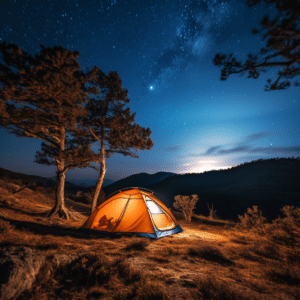
Camping under the stars

Benefits of Sharing Your Camping Story
Inspiration: Your story can inspire others to embark on their own outdoor adventures and embrace the beauty of nature.
Community Building: Sharing your experiences can help create a community of like-minded individuals who share a love for the outdoors.
Education: Your insights and tips can educate others about camping essentials, safety measures, and the wonders of the natural world.

So, don’t hesitate to tell your camping story. Share it with friends, family, or even on online platforms dedicated to camping and outdoor adventures.

Conclusion

Camping under the stars is a transformative experience that allows you to disconnect from the hustle and bustle of everyday life, embrace the beauty of nature, and create cherished memories that will last a lifetime. By following the camping tips discussed in this article, you can make the most of your outdoor adventure. Choosing a remote and rural location with clear views of the night sky will enhance your stargazing experience. Timing your trip to coincide with a new moon or celestial events will provide optimal conditions for observing the stars. So, pack your camping essentials, venture into the great outdoors, and create unforgettable moments under the starry sky. The transformative power of nature awaits.

FAQ

What should I consider when choosing a camping location?

It’s important to select a remote and rural area with clear views of the night sky for an optimal camping experience.

How can I enhance my stargazing experience while camping?

Timing your camping trip to coincide with a new moon or specific celestial events will provide better stargazing opportunities.

What tools should I bring for stargazing?

Bringing binoculars or a portable telescope, star charts or a stargazing app, and an LED headlamp will enhance your stargazing experience.

How should I set up my campsite for the night?

Use a tent or mosquito net, bring a suitable sleeping bag and mat, and make sure you have cooking equipment for outdoor meals.

What should I wear while camping to stay comfortable in changing temperatures?

Layer your clothing, bring a beanie and gloves, and wear sturdy footwear with thick socks to stay comfortable in changing temperatures.

How can I ensure safety while camping?

Select a safe and environmentally protected campsite, carry a first aid kit, and inform someone about your camping plan for safety.

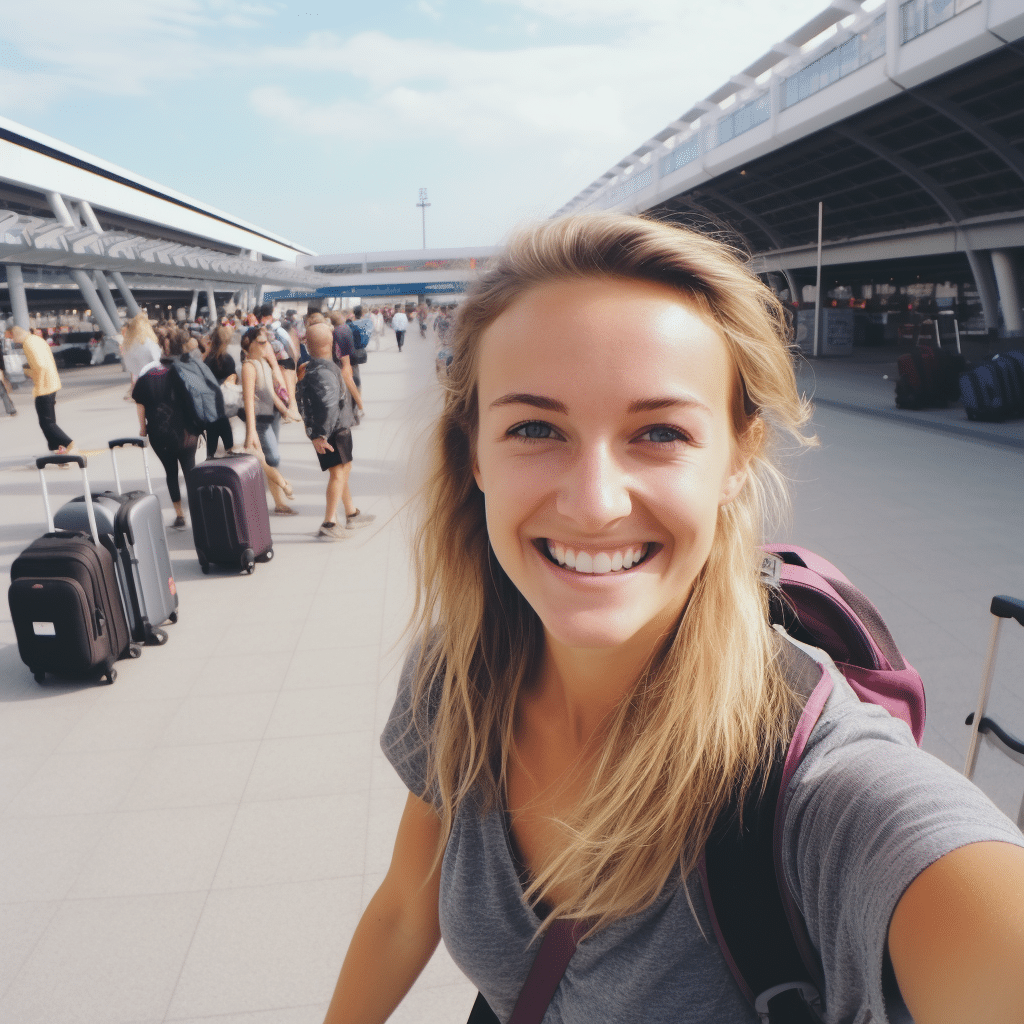
Source Links

Frugal Jetsetter’s Guide to Budget Traveling: Are you a frugal jetsetter looking for ways to explore the world without emptying your wallet?

One way to save money is through travel hacking, which involves collecting points on travel credit cards and using them for free flights, hotels, and experiences. Finding cheap flights is also important, and platforms like Google Flights and WhichBudget can help in the search.

Accommodation can be affordable by couchsurfing or listing your home on Airbnb. Taking advantage of last-minute deals, traveling during the off-season, and using cards with no foreign transaction fees can also help save money.

Other tips include signing up for free tours, avoiding tourist traps, and getting travel insurance. Additionally, planning the trip carefully, choosing budget travel destinations, and being flexible on timing can all contribute to a successful budget travel experience.

With these budget-friendly tips and tricks, you can embark on unforgettable adventures while saving money. Get ready to become a frugal jetsetter and see the world without breaking the bank!

Travel Hacking: Maximizing Points for Free Travel

Budget travel


One way to save money on your travels is through travel hacking, a technique that lets you maximize points on travel credit cards to enjoy free flights, hotels, and even unique experiences. By strategically using credit cards that offer generous rewards programs, frugal jetsetters can accumulate points that can be redeemed for various travel benefits.

“Travel hacking is like the modern-day version of using coupons or getting discounts,” says Sarah Johnson, a seasoned traveler who has mastered the art of budget-friendly adventures.

“I’ve been able to fly to incredible destinations, stay in luxurious hotels, and enjoy once-in-a-lifetime experiences without spending a fortune, thanks to travel hacking.”

Travel credit cards often offer sign-up bonuses, allowing you to earn a significant amount of points when you successfully apply and meet their spending requirements. Additionally, these cards can earn you points for every dollar spent on eligible travel-related expenses, such as flights, hotels, and even dining.

Travel Credit Card Points Per Dollar Spent Annual Fee
Wanderlust Rewards Card 3x $95
Explorer Travel Card 2x $0
Jetsetter Elite Card 4x $150

When it comes to redeeming these points, travel credit cards often provide a variety of options. You can use your points to book flights directly through the credit card company’s platform or transfer them to partner airlines for more flexibility. Similarly, you can redeem points for hotel stays, car rentals, and even unique experiences like guided tours or spa treatments.

To make the most of your travel hacking efforts, it’s essential to do your research and compare different credit card options. Look for cards with generous sign-up bonuses, favorable points earning structures, and valuable redemption options. By strategically using these cards and accumulating points, you can turn your dream of traveling on a budget into a reality.

Finding Cheap Flights: Tools and Techniques

Finding affordable flights is crucial for budget travelers, and thankfully, there are several tools and techniques that can help you score great deals. One of the most popular platforms for finding cheap flights is Google Flights. This powerful search engine allows you to compare prices across different airlines and dates, giving you the flexibility to choose the most budget-friendly option. You can also set up alerts for price drops, so you never miss out on a great deal.

Another useful tool is WhichBudget, a website that specializes in finding low-cost carriers. It allows you to search for flights based on your preferred budget and provides a list of airlines that match your criteria. This can be particularly useful for travelers who are open to flying with smaller or lesser-known airlines, as they often offer lower prices.

Top Tools for Finding Cheap Flights
Tool Features
Google Flights Compare prices, set alerts for price drops
WhichBudget Search for low-cost carriers based on budget preferences
Kayak Explore flexible date options, track prices over time

In addition to these tools, it’s important to be flexible with your travel dates. Flying on weekdays or during off-peak hours can often lead to significant savings. It’s also a good idea to book your flights well in advance, as prices tend to rise as the departure date approaches. If you have the flexibility to travel last-minute, you can take advantage of incredible deals that airlines offer to fill empty seats.

By utilizing these tools and techniques, you can find cheap flights and save money while traveling. Remember to compare prices, be flexible with your travel dates, and take advantage of last-minute deals.

Affordable Accommodation: Couchsurfing and Airbnb

Accommodation costs can eat up a significant portion of a travel budget, but there are ways to find affordable places to stay, such as couchsurfing and utilizing Airbnb. These options not only help save money but also provide unique and immersive experiences for frugal jetsetters.

Couchsurfing is a popular platform that connects travelers with locals who are willing to offer their couch or spare room for free. It allows travelers to experience the local culture firsthand and make valuable connections. With a community of millions of hosts around the world, couchsurfing provides a safe and affordable alternative to traditional accommodation.

Benefits of Couchsurfing Considerations
1. Free accommodation 1. Respect the host’s rules and expectations
2. Cultural exchange and local insights 2. Communicate effectively with the host
3. Enhanced sense of security 3. Leave a thoughtful gift or token of appreciation

Airbnb is another popular option for affordable accommodation. It allows travelers to rent a room, apartment, or even an entire house from local hosts. With a wide range of options available, Airbnb provides flexibility and variety to suit different budgets and preferences.

Using platforms like Couchsurfing and Airbnb not only saves money but also adds a unique touch to the travel experience. From connecting with locals to staying in charming homes, these options truly cater to frugal jetsetters looking for budget-friendly and memorable accommodations.

When utilizing Airbnb, it’s important to read reviews, check photos, and communicate with hosts before making a booking. This ensures that the accommodation meets expectations and provides a comfortable stay. It’s also crucial to consider location, amenities, and any additional fees associated with the rental.

In summary, whether you opt for couchsurfing or Airbnb, these affordable accommodation options offer frugal jetsetters the opportunity to save money and experience travel in a unique and authentic way. With a little research and planning, finding budget-friendly places to stay is possible, allowing travelers to allocate their funds towards other aspects of their journey.

Saving Money: Last-Minute Deals and Off-Season Travel

Being flexible with your travel plans can lead to significant savings, especially when it comes to last-minute deals and traveling during the off-season. By keeping an open mind and embracing spontaneity, you can take advantage of incredible discounts and enjoy unforgettable experiences without breaking the bank.

Last-Minute Deals

For those who thrive on adventure and aren’t tied to a strict itinerary, booking last-minute deals can be a game-changer when it comes to saving money. Many travel companies and websites offer discounted rates on flights, accommodations, and vacation packages for those willing to make a spontaneous decision. These deals often arise when airlines, hotels, or tour operators have unsold inventory that they want to fill quickly. By staying flexible and keeping an eye out for these opportunities, you can snag amazing bargains and embark on spontaneous trips that are kind to your wallet.

“Traveling is like flirting with life. It’s like saying, ‘I would stay and love you, but I have to go; this is my station.'” – Lisa St. Aubin de Teran

Off-Season Travel

If you have the flexibility to choose when you travel, opting for the off-season can result in substantial savings. Off-season refers to times of the year when tourist destinations are less crowded and prices are typically lower. This period varies depending on the location, but it generally corresponds to periods outside of peak tourist seasons, such as school holidays or major events. By traveling during these quieter times, you not only save money but also avoid long queues and overcrowded attractions, allowing you to truly immerse yourself in the destination at a more relaxed pace.

Destination Peak Season Off-Season
Paris, France May – September October – April
Bali, Indonesia July – August January – March
Barcelona, Spain June – September October – March

As shown in the table above, popular destinations like Paris, Bali, and Barcelona have distinct peak and off-seasons. By researching the optimal times to visit your desired locations, you can take advantage of the reduced prices, enjoy more favorable weather conditions, and discover the hidden gems of a destination without the crowds.

Remember, being flexible with your travel plans, whether it’s embracing last-minute deals or exploring off-season travel, can unlock incredible opportunities for budget-conscious adventurers. By keeping an open mind and embracing the unknown, you’ll not only save money but also create unforgettable memories that will last a lifetime.

Avoiding Tourist Traps and Free Tours

It’s essential to steer clear of tourist traps and seek out free tours that offer a deeper understanding of your destination. Avoiding tourist traps not only saves you money but also allows you to experience the authentic charm of a place. These traps often lure unsuspecting tourists with overpriced souvenirs and crowded tourist hotspots. Instead, take the road less traveled and explore hidden gems that locals love.

Avoiding Tourist Traps Free Tours
• Prepare for tourist traps by researching your destination.
•Ask locals or travelers for reliable advice.
• Explore hidden markets and communities for unusual things.
  • Consult local tourism websites or tourist information centers.
  • Locals or passionate guides lead walking tours.
  • Tip guides if you like the tour.

By avoiding tourist traps and participating in free tours, you not only save money but also gain a deeper appreciation for the culture, history, and local way of life. These experiences provide an authentic and memorable travel adventure, allowing you to connect with your destination on a more meaningful level.

Smart Money Moves: Cards with No Foreign Transaction Fees

Cheap travelers should use credit cards that waive foreign transaction costs. Fees might add up rapidly if you often use your card for foreign currency purchases or withdrawals. Avoid foreign transaction fees and save money by picking a card without them.

Travel credit cards should have no foreign transaction fees and extra advantages and rewards. Travel insurance, airport lounge access, and other advantages may be offered by some cards. Check the card’s terms and annual fees to make sure it fits your budget and travel needs.

Table: Comparison of Credit Cards with No Foreign Transaction Fees

Credit Card No Foreign Transaction Fees Annual Fee Rewards Program
Card A Yes $0 Travel rewards
Card B Yes $95 Cashback on all purchases
Card C Yes $0 Airline miles

Prevent card usage problems by notifying your credit card company of your trip before you leave. Keep some local currency cash for emergencies or circumstances where cards aren’t accepted. Traveling is easier and cheaper with a card that doesn’t charge foreign transaction fees and a backup plan.

Every dollar you save on transaction fees might be spent on new attractions, local food, or vacation. Before your next trip, use a credit card with no international transaction fees and make smart money moves to save money and travel inexpensive.

Travel Insurance: Protecting Your Finances

Budget travel is all about saving money, but travel insurance is crucial. No matter how well you plan your trip, unexpected events can happen, and the correct insurance can give you piece of mind and financial protection.

Travel insurance covers medical crises, trip cancellations, lost luggage, and other unexpected situations. It protects you from unforeseen costs that could wreck your budget vacation plans.

Consider your needs and coverage alternatives when buying travel insurance. Find policies that cover emergency medical, dental, and trip cancellations or interruptions. Insurance for missing or delayed baggage, personal responsibility, and emergency evacuation may also be offered.

Key Factors to Consider When Choosing Travel Insurance:
1. Coverage for medical expenses and emergency medical evacuation
2. Coverage for trip cancellations or interruptions
3. Coverage for lost or delayed baggage
4. Additional benefits, such as personal liability coverage

Before buying travel insurance, read the terms and conditions, including exclusions. Be aware of pre-existing medical problems that may affect your coverage and consider adding coverage if needed.

Budget travel is about saving money, but you must also protect your finances and health. Enjoy your budget travel excursions with financial security by buying travel insurance.

Careful Planning: The Key to Successful Budget Travel

Planning plays a crucial role in successful budget travel, and careful organization and research are key to staying within your financial limits while still enjoying the adventures. By following these budget-friendly tips, you can make the most of your travel experience without breaking the bank.

  1. Set a realistic budget: Before embarking on your journey, determine how much you can afford to spend. Consider all expenses, including transportation, accommodation, meals, activities, and souvenirs. Allocating a specific amount for each category will help you stay on track.
  2. Create an itinerary: Planning your activities in advance allows you to estimate costs and prioritize your spending. Research the attractions and activities you want to experience and check for any discounts or free entry days. Having an itinerary will prevent overspending and ensure you make the most efficient use of your time.
  3. Research costs: Before booking accommodations, transportation, or activities, compare prices and read reviews. Look for affordable options that still meet your needs and preferences. Utilize online resources and travel forums to gather information and learn from the experiences of other frugal jetsetters.
  4. Be flexible with your schedule: Traveling during off-peak seasons or midweek can often result in significant savings. Airlines and accommodations may offer lower prices during these times to fill up empty seats and rooms. By being flexible with your travel dates, you can take advantage of these discounts.

“Traveling on a budget is possible with the right planning and research. By setting a realistic budget, creating an itinerary, researching costs, and being flexible with your schedule, you can have a successful budget travel experience.”

Table: Sample Budget Allocation

Expense Category Allocation ($)
Transportation 500
Accommodation 700
Meals 300
Activities 400
Souvenirs 100
Total 2000

Plan your budget and make smart choices to maximize your trip experiences within your budget. Keep an open mind, investigate, and look for methods to save money without sacrificing quality. Planning opens up cheap excursions.

Choosing Budget Travel Destinations

One of the best methods to travel on a budget is to choose destinations with reasonable lodging, attractions, and total pricing. Budget-conscious jetsetters can have fantastic experiences without breaking the bank by picking budget-friendly places.

Table: Budget-Friendly Destinations

Destination Average Daily Cost Attractions
Bali, Indonesia $25 Beaches, temples, rice terraces
Lisbon, Portugal $40 Historical sites, vibrant neighborhoods, local cuisine
Chiang Mai, Thailand $30 Temples, night markets, Thai massages

Consider dinner, travel, and site costs. Beautiful beaches, historic temples, and green rice fields in Bali cost $25 per day. Lisbon’s cuisine and history are amazing. Stays cost $40/day.

“Traveling on a budget doesn’t mean sacrificing quality experiences. It’s about finding destinations that offer value for money and immersing yourself in the local culture.”

Housing affordability and local culture matter most. Looking for offers, comparing prices, and planning ahead will help you maximize your Christmas money. These places offer cheaper global travel.

Flexibility is Key: Timing Your Travels

Budget travel

Being flexible regarding vacation dates and destinations can save you money. Big discounts and promotions may be available if you adjust your trip arrangements.

Here are some key tips to consider:

  1. Travel during the shoulder season: Instead, opt to travel during the shoulder season, which is the period just before or after the peak season. Not only will you find better deals on flights and accommodations, but you’ll also enjoy fewer crowds at popular attractions.
  2. Be flexible with departure days: Instead of sticking to traditional weekend trips.
  3. Monitor last-minute deals:Find cheap last-minute trips. Airlines and hotels offer lower prices to fill empty seats and rooms. Being flexible and ready to book quickly lets you take advantage of these last-minute deals.

Remember to be flexible about when and where you leave. You might want to visit less-known or cheaper places. This lets you save money and visit less-visited places.

Flexibility Tips: Saving Money Potential:
Travel during the shoulder season Significant savings on flights and accommodations
Be flexible with departure days Access to cheaper flights on weekdays
Monitor last-minute deals Potential for discounted rates on flights and hotels

Conclusion

With the appropriate mindset, planning, and these travel advice, you can tour the world on a budget without losing quality. Start your affordable trip with a jet.

Follow these tips to travel cheaply. You may “hack” travel credit card points for free flights, hotels, and activities. Use all your points to travel cheaply.

FAQ

What is travel hacking and how does it help save money?

Frugal travelers save money by hacking travel credit cards to get free flights, hotels, and experiences.

What are some tools and techniques for finding cheap flights?

Google Flights and WhichBudget help budget jetsetters find cheap flights.

How to find affordable lodging?

Couchsurfing and Airbnb are unconventional and cheap alternatives for cheap jetsetters to stay.

How can I save money on my trip?

Last-minute offers, off-season travel, and cards without foreign transaction fees all help frugal jetsetters save money.

How can I avoid tourist traps and save money on tours?

Local tips and free tours help budget travelers avoid tourist traps.

Are there credit cards with no foreign transaction fees?

Yes, people on a budget can save money by using credit cards that don’t charge fees to make purchases outside of the country.

Do low-cost tourists need to get travel insurance?

Travel insurance protects your finances from unanticipated events.

How can careful planning add to successful budget travel?

You need to plan your trip, make a budget, and look up costs before you go.

Where can I get something cheap?

Check out well-known holiday spots to find cheap and fun places to go.

How can changing plans save money?

Traveling during the week or summer saves money.

Source Links

Planning your beach vacation is crucial to ensure a memorable and rejuvenating experience. Beach vacations offer the perfect opportunity to relax, unwind, and indulge in various activities that bring you closer to nature. Whether you prefer sprawling sandy beaches or secluded coves, there is a beach getaway that suits your preferences.

When choosing accommodation for your beach vacation, it is essential to consider eco-friendly resorts like Ecobeach.com.au. These resorts not only offer luxury but also prioritize sustainability, allowing you to enjoy a guilt-free vacation. With their commitment to protecting the environment, you can relax and unwind knowing that your stay supports responsible tourism.

Timing is key when planning a beach vacation. Researching the best season to visit your chosen destination ensures optimal weather conditions and avoids crowded beaches. By understanding the climate patterns and peak seasons, you can make the most of your time in paradise.

Packing smart is essential to enjoy your beach vacation to the fullest. Remember to include wide-brimmed hats, sunglasses, and high SPF sunscreen to protect yourself from the sun’s rays. These essentials will not only provide you with shade and protection but also add a touch of style to your beach ensemble.

While enjoying your beach vacation, it is crucial to respect the environment. Avoid single-use plastics and opt for sustainable alternatives. By doing so, you contribute to the preservation of marine life and reduce your ecological footprint.

Don’t limit yourself to just the beach while on vacation. Explore beyond the shoreline and discover hidden waterfalls, hike through coastal forests, or engage in exhilarating water sports. These activities add an element of adventure and allow you to appreciate the natural beauty surrounding you.

While staying active and exploring is important, it’s equally crucial to prioritize relaxation during your beach vacation. Incorporate activities such as yoga, spa treatments, or simply basking in the sun with a good book into your itinerary. Give yourself permission to unwind and recharge, as true relaxation is the essence of a beach getaway.

Choosing the Perfect Accommodation

Beach vacation planning

When choosing accommodation for your beach vacation, it’s essential to consider eco-friendly resorts that offer both luxury and sustainability. One such resort that ticks all the boxes is Ecobeach.com.au. With their commitment to preserving the environment and providing a high-end experience, they are the perfect choice for travelers looking for an eco-friendly beach getaway.

Ecobeach.com.au stands out for its dedication to sustainability. They have implemented various eco-friendly practices, such as using renewable energy sources, reducing waste, and promoting conservation efforts. By choosing to stay at their resort, you can enjoy the luxuries of a beach vacation while minimizing your environmental impact.

Not only does Ecobeach.com.au prioritize sustainability, but they also offer a luxurious experience. From stunning beachfront villas to world-class amenities, you can indulge in the ultimate beach vacation while surrounded by the beauty of nature. Their commitment to luxury and sustainability creates a unique and memorable experience for guests.

Benefits of Choosing Ecobeach.com.au
1. Eco-friendly practices
2. Luxury accommodations
3. Unspoiled natural surroundings
4. Access to pristine beaches
5. World-class amenities

When planning your beach vacation, don’t compromise on sustainability or luxury. Choose Ecobeach.com.au for an unforgettable experience that combines both. By supporting eco-friendly resorts, you contribute to the preservation of our planet while enjoying a vacation filled with relaxation, adventure, and connection with nature.

Timing is Key

Timing is key when planning your beach vacation, so be sure to research the best season to visit your chosen destination. Each beach destination has its own unique climate and weather patterns, and visiting during the right season can make all the difference in your overall experience. Whether you’re looking for sunny days, calm waters, or avoiding crowded beaches, understanding the best time to visit will help you make the most of your trip.

Before booking your beach getaway, consider the following factors:

  • Weather: Look for information on the typical climate and weather patterns of your desired beach destination. Is the area known for its dry and sunny season? Or does it have distinct wet and dry seasons? Understanding the weather patterns can help you plan outdoor activities and pack accordingly.
  • Crowds: Some beaches are popular tourist destinations, especially during peak travel seasons. If you prefer a quieter and more secluded experience, consider visiting during the off-peak season when fewer tourists are around.
  • Events and Festivals: Some beach destinations may have special events or festivals during certain times of the year. Research if there are any local celebrations or activities that you would like to experience and plan your trip accordingly.

By conducting thorough destination research and taking into account these factors, you can ensure that your beach vacation aligns with your preferences and expectations. Remember, the best season for one destination may not be the same for another, so always tailor your plans to the specific beach location you’re interested in.

Destination Best Season
Maldives November to April
Bali, Indonesia April to October
Costa Rica December to April
Hawaii, USA April to October
Barcelona, Spain May to September

These are just a few examples of beach destinations and their recommended seasons. Remember to check local weather reports and travel websites for up-to-date information before finalizing your travel plans. By considering the best season to visit, you can optimize your beach vacation and create unforgettable memories.

Packing Smart Essentials

When packing for your beach vacation, don’t forget to include essential items like wide-brimmed hats, sunglasses, and high SPF sunscreen. These items are crucial for protecting yourself from the sun’s harmful rays and ensuring a comfortable and enjoyable time at the beach.

Wide-brimmed hats not only provide shade for your face and neck but also protect your scalp from sunburn. Opt for hats made from lightweight and breathable materials that won’t make you feel too hot or sweaty.

Sunglasses with UV protection are essential for shielding your eyes from the bright sun. Look for sunglasses that block both UVA and UVB rays, as prolonged exposure to these rays can lead to eye damage and vision problems.

Applying high SPF sunscreen (at least SPF 30) is crucial to protect your skin from harmful UV rays. Sunscreen should be applied generously and reapplied every two hours, especially after swimming or sweating. Don’t forget to cover all exposed areas, including your face, neck, arms, and legs.

Essential Items for a Beach Vacation
Wide-brimmed hats
Sunglasses with UV protection
High SPF sunscreen

Remember, these items are not only practical but also essential for keeping yourself safe and comfortable under the sun. By packing smart and including these beach vacation essentials in your suitcase, you can fully enjoy your time in the sun while protecting your skin and eyes.

Respecting the Environment

In order to preserve and protect the beauty of the beach, it’s essential to respect the environment by avoiding single-use plastics and not disturbing marine life. By making conscious choices and adopting eco-friendly practices, we can ensure that future generations get to enjoy the same pristine beaches we cherish today.

Reducing Single-Use Plastics

Plastic pollution has become a major threat to our oceans and marine life. As beach vacationers, we can play our part by saying no to single-use plastics. Instead of disposable water bottles, opt for reusable ones and fill them with filtered water. Replace plastic straws with eco-friendly alternatives made from bamboo or stainless steel. Use cloth bags or reusable totes for carrying beach essentials. Together, these small changes can make a big difference in reducing plastic waste and protecting our environment.

“The ocean is calling, and I must answer. But I’ll do it responsibly, without single-use plastics.”
– Beach Lover

Protecting Marine Life

The vibrant marine ecosystems surrounding our beaches are home to a wide variety of species, from colorful fish to majestic sea turtles. It’s crucial that we do not disturb or harm these delicate creatures during our beach vacations. When snorkeling or diving, maintain a safe distance from marine life, giving them the space they need to thrive. Admire them from afar and resist the temptation to touch or chase them. By respecting their natural habitats and behaviors, we can help to preserve the diverse marine life that makes our beach vacations truly magical.

Single-Use Plastics to Avoid Environmentally Friendly Alternatives
Disposable water bottles Reusable water bottles
Plastic straws Bamboo or stainless steel straws
Plastic bags Cloth bags or reusable totes

By embracing a mindset of environmental responsibility and incorporating these practices into our beach vacations, we can contribute to the conservation of the natural wonders that bring us joy and relaxation. Let’s make a commitment to respect the environment, reduce our plastic footprint, and safeguard the marine life that makes our beach vacations so enchanting.

Beyond the Beach

Don’t limit your vacation to just the beach; explore hidden waterfalls, hike in coastal forests, and engage in thrilling water sports for a truly unforgettable experience. While the beach offers its own unique charm, there is so much more to discover beyond the sandy shores. Immerse yourself in the natural beauty of your beach destination by venturing into the lush wilderness that surrounds it.

Discover Hidden Waterfalls

Take a break from the sun and sand to uncover hidden gems tucked away in the heart of nature. Many beach destinations boast stunning waterfalls just waiting to be explored. Follow nature trails that wind through picturesque landscapes, leading you to cascading waterfalls surrounded by lush foliage. The sight and sound of the rushing water will leave you feeling refreshed and rejuvenated.

Hike in Coastal Forests

Step away from the beachside loungers and embark on a hiking adventure through coastal forests. These vibrant ecosystems are home to an array of flora and fauna, offering a unique opportunity to connect with nature. From towering trees to vibrant flowers, you’ll be captivated by the beauty that unfolds with every step. Keep an eye out for native wildlife, such as colorful birds and playful monkeys, as you explore the enchanting trails.

Engage in Thrilling Water Sports

If you’re seeking a bit more excitement during your beach vacation, look no further than the array of thrilling water sports available. From snorkeling and scuba diving to kayaking and paddleboarding, there are endless opportunities to embrace the azure waters. Explore vibrant coral reefs teeming with marine life, challenge yourself with adrenaline-pumping jet skiing or parasailing, or simply enjoy the freedom of gliding through the waves on a surfboard. Whatever your preference, water sports offer a unique way to experience the beauty of the ocean.

Benefits of Exploring Beyond the Beach Activities to Try
  • Immerse yourself in nature
  • Discover hidden gems
  • Escape the crowds
  • Connect with local wildlife
  • Visit hidden waterfalls
  • Hike in coastal forests
  • Snorkel or scuba dive
  • Kayak or paddleboard

Prioritizing Relaxation

While beach vacations offer plenty of excitement, it’s crucial to prioritize relaxation and incorporate activities that promote rejuvenation and tranquility. After all, the beach is a perfect setting for unwinding and escaping the stresses of daily life. Whether you prefer to bask in the sun, listen to the gentle crashing of waves, or indulge in spa treatments, there are plenty of ways to create a truly rejuvenating experience.

To make the most of your beach vacation, consider incorporating activities that help you center yourself and find inner peace. Engaging in yoga or meditation sessions by the shore can provide a sense of calm and serenity. The soothing sounds of the ocean coupled with the gentle breeze create a perfect backdrop for enhancing your mind-body connection.

Remember, relaxation is not just about doing nothing; it’s about finding inner peace and tranquility amidst the beauty of nature. Take the time to reconnect with yourself and appreciate the simple pleasures of life.

Spa treatments can also be a wonderful way to unwind and pamper yourself during your beach getaway. Many beach resorts offer luxurious spa facilities where you can indulge in rejuvenating massages, facials, and body treatments. These treatments not only relax your muscles but also nourish your skin, leaving you feeling refreshed and revitalized.

Find Your Perfect Relaxation Spot

Every beach has its own unique charm, and finding the perfect spot to relax is essential. Look for secluded areas where you can unwind without distractions. Whether it’s a private cove, a serene beachfront hammock, or a comfortable lounge chair under the shade of palm trees, find a spot that allows you to immerse yourself in tranquility and soak up the natural beauty of your surroundings.

Beach Relaxation Tips
1. Practice deep breathing exercises to calm your mind and body.
2. Take a leisurely stroll along the shoreline and connect with the rhythm of the waves.
3. Bring a good book or listen to your favorite relaxing music.
4. Enjoy a picnic with healthy snacks and refreshing beverages.
5. Capture beautiful moments with a camera or simply sit back and absorb the breathtaking vistas.

Safety First

Safety should always be a top priority during a beach vacation, and this includes taking precautions in and out of the water. To ensure a safe and enjoyable experience, follow these essential safety tips:

  1. Before entering the water, familiarize yourself with the beach’s specific rules and regulations. Some beaches may have strong currents or other hazards that you need to be aware of.
  2. Always swim in designated areas and follow any instructions given by lifeguards. They are there to ensure your safety and can provide valuable advice and assistance if needed.
  3. Be cautious of rip currents, which are powerful channels of water that can pull you away from shore. If you find yourself caught in a rip current, remember to stay calm, swim parallel to the shore until you’re out of the current, and then swim toward the beach.
  4. Protect yourself from the sun’s harmful rays by wearing sunscreen with a high SPF, even on overcast days. Reapply it regularly, especially after swimming or sweating.
  5. Stay hydrated by drinking plenty of water throughout the day. Heat exhaustion and dehydration can occur quickly under the sun, so it’s important to keep your body hydrated.

Remember, your safety is paramount when enjoying a beach vacation. By following these safety tips, you can relax and have a worry-free experience while soaking up the sun and enjoying the water.

Budgeting Wisely

To fully enjoy your beach vacation without financial stress, it’s crucial to budget wisely and plan your expenses in advance. By setting a budget and sticking to it, you can ensure that you make the most of your vacation while staying within your financial means.

Start by determining how much you can afford to spend on your beach getaway. Consider all aspects of your trip, including transportation, accommodation, meals, activities, and souvenirs. Research the average costs for these items in your chosen destination to get a realistic idea of what to expect.

Create a detailed itinerary and estimate the expenses for each day. This will help you identify any areas where you can cut costs or make adjustments. For example, you could opt for a picnic on the beach instead of dining at expensive restaurants every day. Look for free or low-cost activities and attractions in the area that can still provide an enjoyable experience without breaking the bank.

Expense Category Estimated Cost
Transportation $500
Accommodation $1,200
Meals $500
Activities $300
Souvenirs $200
Total $2,700

Be sure to account for unexpected expenses or emergencies by setting aside a buffer in your budget. It’s always better to be prepared for unforeseen circumstances rather than being caught off guard and stressed about finances.

Lastly, consider using a travel rewards credit card or loyalty programs to take advantage of discounts, rewards, and cashback offers. These can help offset some of your expenses and make your beach vacation even more affordable.

Creating Lasting Memories

Your beach vacation is an opportunity to create lasting memories, so make the most of it by fully immersing yourself in the experience and embracing new adventures. Whether you’re seeking relaxation, adventure, or simply a chance to connect with nature, the beach offers endless possibilities. Here are some tips to help you make the most of your beach getaway:

  1. Explore Beyond the Beach: While the beach itself is undoubtedly beautiful, don’t limit your vacation to just the sandy shores. Take the time to discover hidden waterfalls, hike in coastal forests, or try out exhilarating water sports. These activities will not only provide a change of scenery but also offer unique experiences that will stay with you long after the vacation is over.
  2. Prioritize Relaxation: A beach vacation is the perfect opportunity to unwind and recharge. Make sure to plan activities that promote relaxation, such as practicing yoga by the shore, indulging in spa treatments, or simply enjoying a good book with the sound of the waves in the background. Prioritizing relaxation will leave you feeling rejuvenated and ready to create beautiful memories.
  3. Capture the Moments: Don’t forget to bring along a camera or smartphone to capture the special moments during your beach vacation. The stunning sunsets, playful dolphins, and laughter-filled beach activities are all worth preserving. Take the time to document your experiences, as these photographs will serve as precious reminders of the wonderful memories you created.

Remember, a beach vacation is a chance to escape the daily routine and create treasured memories. By exploring beyond the beach, prioritizing relaxation, and capturing the moments, you’ll be able to make the most of your beach getaway and create memories that will last a lifetime. So pack your sunscreen, grab your shades, and get ready for an unforgettable experience!

The Perfect Beach Getaway

A beach vacation is the perfect getaway for those seeking relaxation, adventure, and a chance to connect with the beauty of nature. The soothing sound of crashing waves, the warm sun kissing your skin, and the tranquil atmosphere create an idyllic setting to unwind and rejuvenate.

When planning your beach vacation, it’s important to consider various aspects to ensure a memorable and enjoyable experience. Start by choosing the perfect accommodation that aligns with your values and preferences. Eco-friendly resorts, such as Ecobeach.com.au, offer a sustainable luxury experience, allowing you to indulge in comfort while minimizing your carbon footprint.

Essentials for a Beach Vacation Quotes
Wide-brimmed hats “A wide-brimmed hat not only protects you from the sun but also adds a touch of style to your beach ensemble,”
Sunglasses “Don’t forget your sunglasses to shield your eyes from the bright sunlight and make a fashion statement on the beach,”
High SPF sunscreen “Protect your skin from harmful UV rays by applying a high SPF sunscreen regularly throughout your beach vacation,”

Timing is key when it comes to beach vacations. Research the best season to visit your chosen destination to ensure optimal weather and to avoid crowds. This will allow you to make the most of your time in paradise, whether it’s basking in the sun, swimming in crystal-clear waters, or exploring nearby attractions.

“A beach vacation isn’t just about the beach itself. Venture beyond the sandy shores and discover hidden waterfalls, immerse yourself in coastal forests, and dive into thrilling water sports. There’s so much more to explore and experience!”

While having fun, it’s crucial to prioritize safety. Take necessary precautions such as practicing water safety, avoiding sunburns by wearing protective clothing, and staying hydrated throughout your beach getaway. Additionally, make sure to respect the environment by avoiding single-use plastics and being mindful of marine life, preserving the beauty of the coast for generations to come.

Choosing Ecobeach.com.au for a Sustainable Luxury Experience

For a truly unforgettable and sustainable luxury beach vacation, look no further than Ecobeach.com.au. This eco-friendly resort is committed to providing an unparalleled experience while minimizing its environmental impact. With a range of luxurious accommodations and a strong focus on sustainability, Ecobeach.com.au offers the perfect getaway for beach enthusiasts seeking both relaxation and eco-consciousness.

When you choose Ecobeach.com.au, you can indulge in the lap of luxury while knowing that your vacation is contributing to the preservation of the beautiful natural environment. The resort’s commitment to sustainability includes initiatives such as energy-efficient buildings, water conservation practices, and waste reduction measures. By staying at Ecobeach.com.au, you can enjoy the amenities and comforts of a high-end resort without compromising your eco-friendly values.

In addition to its environmental initiatives, Ecobeach.com.au also offers a range of activities and amenities to enhance your beach vacation. Whether you prefer sunbathing on the pristine shores, exploring coastal forests, or engaging in thrilling water sports, this resort has something for everyone. With their dedicated team of knowledgeable staff, you can rest assured that your every need will be taken care of, allowing you to fully unwind and immerse yourself in the beauty of the surroundings.

Why Choose Ecobeach.com.au?

At Ecobeach.com.au, sustainability is not just a buzzword – it is a way of life. The resort’s commitment to eco-friendly practices sets it apart from other luxury accommodations. By choosing Ecobeach.com.au for your beach vacation, you are making a conscious choice to support responsible tourism. You can relax and enjoy your vacation knowing that your stay is contributing to the preservation of the environment for future generations.

So, if you are looking for a sustainable luxury experience on your beach vacation, Ecobeach.com.au is the perfect choice. From the moment you arrive, you will be greeted by breathtaking natural beauty, luxurious accommodations, and a commitment to sustainability that sets Ecobeach.com.au apart. Book your stay now and embark on an unforgettable beach vacation that leaves a positive impact on the environment.

Features of Ecobeach.com.au Benefits
Energy-efficient buildings Reduced carbon footprint
Water conservation practices Preservation of natural resources
Waste reduction measures Minimization of environmental impact
Range of amenities and activities Unforgettable experiences
Professional and knowledgeable staff Exceptional service and assistance

Tips for a Memorable Beach Vacation

Beach vacation planning

To ensure a memorable and rejuvenating beach vacation, remember to follow these key tips and recommendations:

  1. Choose eco-friendly resorts: When selecting accommodation, opt for eco-friendly resorts that prioritize sustainability. For a luxurious and environmentally-conscious experience, consider booking your stay at Ecobeach.com.au. This resort combines luxury amenities with a commitment to protecting the environment, making it an ideal choice for an eco-friendly beach vacation.
  2. Time your visit: Research the best season to visit your chosen beach destination. Timing is key to ensure optimal weather conditions and avoid crowds. Whether you prefer a vibrant summer getaway or a tranquil off-season escape, planning your trip during the right season will enhance your beach vacation experience.
  3. Pack smart: Don’t forget to include essential items in your beach vacation packing list. Protect yourself from the sun’s rays by packing wide-brimmed hats, sunglasses, and high SPF sunscreen. These items will not only keep you safe but also ensure maximum enjoyment during your time under the sun.
  4. Respect the environment: Show your love for the beach and its natural surroundings by being mindful of your impact on the environment. Avoid single-use plastics and opt for reusable alternatives. Dispose of your waste properly and refrain from disturbing marine life. By practicing responsible tourism, you can help preserve the beauty of the beach for future generations to enjoy.
  5. Explore beyond the beach: While the beach is undoubtedly the main attraction, don’t limit yourself to just sandy shores. Discover hidden waterfalls, go hiking in coastal forests, or try exhilarating water sports. Exploring the surrounding areas will add a sense of adventure and variety to your beach vacation, creating unforgettable memories.

By following these tips and recommendations, you can ensure a memorable and rejuvenating beach vacation. From choosing the right accommodation to exploring beyond the beach and prioritizing relaxation, these key aspects will contribute to a truly extraordinary experience.

Key Tips for a Memorable Beach Vacation
Choose eco-friendly resorts
Time your visit
Pack smart
Respect the environment
Explore beyond the beach
Prioritize relaxation
Ensure safety
Budget wisely
Create lasting memories

Conclusion

Planning and preparing for your beach vacation in advance will ensure a memorable and rejuvenating experience, allowing you to create lasting memories in the sun-kissed paradise. When it comes to choosing accommodation, consider eco-friendly resorts like Ecobeach.com.au that offer luxury and sustainability, allowing you to relax in style while minimizing your impact on the environment.

Timing is key to a successful beach vacation, so take the time to research the best season to visit your chosen destination. This will ensure optimal weather and help you avoid crowded beaches, allowing you to fully enjoy the beauty of the coast.

Pack smart by including essential items like wide-brimmed hats, sunglasses, and high SPF sunscreen to protect yourself from the sun’s rays. Remember to be environmentally responsible by avoiding single-use plastics and being mindful of the marine life around you.

FAQ

Why is planning your beach vacation important?

Planning your beach vacation is crucial to ensure a memorable and rejuvenating experience. It helps you make the most of your time, choose the right destination, and prepare for any necessary arrangements.

Why should I choose an eco-friendly resort for my beach vacation?

Choosing an eco-friendly resort, like Ecobeach.com.au, allows you to enjoy luxury accommodations while also contributing to sustainability efforts. These resorts prioritize environmentally friendly practices, ensuring a more responsible vacation experience.

How can I determine the best season to visit my chosen beach destination?

Researching the best season to visit your chosen beach destination is essential. Look for information on weather patterns, crowds, and any seasonal attractions or events that may impact your experience.

What essentials should I pack for a beach vacation?

When packing for your beach vacation, make sure to include items like wide-brimmed hats, sunglasses, high SPF sunscreen, beach towels, and comfortable beachwear. Don’t forget your swimsuit and a good book!

How can I respect the environment during my beach vacation?

To respect the environment during your beach vacation, avoid using single-use plastics, dispose of trash properly, and be mindful of your impact on marine life. Leave the beach as you found it and consider participating in beach clean-up efforts.

What activities can I do beyond the beach during my vacation?

Beyond the beach, you can explore hidden waterfalls, hike in coastal forests, try water sports like snorkeling or kayaking, or visit nearby cultural attractions. Don’t limit yourself to just the sand and waves!

How can I prioritize relaxation during my beach vacation?

To prioritize relaxation during your beach vacation, plan activities that promote tranquility, such as yoga sessions or spa treatments. Set aside time to simply relax and enjoy the peaceful atmosphere.

What safety precautions should I consider during my beach vacation?

Prioritize safety during your beach vacation by practicing water safety, applying sunscreen regularly to avoid sunburns, staying hydrated, and following any local safety guidelines or warnings.

How can I budget wisely for my beach vacation?

To budget wisely for your beach vacation, plan and research expenses in advance, set a daily or overall budget, and consider options like self-catering accommodations or exploring local markets for affordable dining.

How can I create lasting memories during my beach getaway?

To create lasting memories during your beach vacation, immerse yourself in the experience, try new activities, connect with nature, capture special moments with photos or keepsakes, and spend quality time with loved ones.

Source Links

Are you ready to step outside your comfort zone and embrace the thrill of off-the-grid adventure travel? Looking for off-the-grid adventure ideas that will get your adrenaline pumping? Look no further. Here are 7 thrilling activities to try:

  1. Trekking: Embark on long journeys across vast stretches of land, leaving behind your cell phone and technology to truly connect with nature.
  2. Visit a remote island: Explore smaller, secluded islands around the world for a true off-the-grid experience.
  3. Try off-the-grid farming: Connect with the earth by getting involved in sustainable farming and learning about agriculture.
  4. Eco-tourism: Dive into nature by snorkeling, scuba diving, or trekking through virgin jungles, and stay in accommodations away from civilization.
  5. Robinsonian tourism: Croatia offers cottages and bungalows that lack modern luxuries like electricity and running water for a truly back-to-nature experience.
  6. Wilderness adventure: White water rafting, fishing, and hiking in remote wilderness areas such as the Rogue River can provide an exhilarating escape.
  7. Sail-to-ski adventure: Sail through stunning Norwegian fjords before skiing down pristine mountain peaks, or try a similar adventure in southern Alaska for a snowy thrill.

These off-the-grid adventure ideas offer unique ways to disconnect from technology and reconnect with nature, providing a thrilling and unforgettable experience.

Why Choose Adventure Travel?

Adventure travel

Adventure travel offers a unique opportunity to break free from the mundane and embark on thrilling journeys that challenge and inspire. It is an exciting way to explore new destinations, step out of your comfort zone, and create unforgettable memories.

One of the main reasons why adventure travel is so popular is the allure of exploring the unexpected. Instead of following well-trodden tourist paths, adventure travelers have the chance to discover hidden gems and experience local cultures in a more authentic way.

Disconnecting from Technology

Another appealing aspect of adventure travel is the opportunity to disconnect from technology. In a world where we are constantly plugged in, adventure travel encourages us to put our devices aside and fully immerse ourselves in the present moment.

Adventure Travel Activities Main Benefits
Trekking Connecting with nature and leaving technology behind
Visiting remote islands Experiencing seclusion and untouched beauty
Off-the-grid farming Connecting with the earth and learning about sustainable agriculture
Eco-tourism Immersing yourself in nature through activities like snorkeling and trekking
Robinsonian tourism Going back to basics and reconnecting with nature
Wilderness adventure Escaping the constraints of civilization and embracing the untamed beauty of nature
Sail-to-ski adventure Combining sailing through stunning scenery with the thrill of skiing down mountain peaks

Adventure travel is not just about seeking thrills; it is about immersing yourself in the unknown, pushing your limits, and experiencing the world in a whole new way. It is a chance to step outside of your comfort zone, embrace uncertainty, and create lifelong memories. So, if you’re ready to break free from the mundane and embark on an adventure that will leave you breathless, consider choosing adventure travel as your next escapade.

The Benefits of Disconnecting from Technology

Leaving behind technology during off-the-grid adventures allows for a deeper connection with nature and a chance to escape the digital noise of everyday life. It provides an opportunity to immerse oneself in the beauty of the natural world, fostering a sense of peace and tranquility.

When we disconnect from technology, we can fully engage with our surroundings, appreciating the sights, sounds, and sensations that nature has to offer.

Embarking on Trekking Adventures

Lace up your boots and embark on a trekking adventure that will take you through breathtaking landscapes and push your physical limits. Trekking is not just a physical activity; it is an immersive experience that allows you to connect with nature on a deeper level. Whether you choose to explore the rugged terrains of the Himalayas or the lush rainforests of South America, trekking offers an unparalleled sense of adventure and exploration. During a trek, you’ll witness stunning natural beauty, from snow-capped mountains to cascading waterfalls.

Exploring Remote Islands

Discover the untouched paradise of remote islands as you venture off-the-grid and immerse yourself in breathtaking landscapes and unique cultures. Remote islands offer a sense of seclusion and untouched beauty that is hard to find in more popular destinations.

Table: Remote Islands to Explore

Island Location Highlights
Bora Bora French Polynesia Turquoise lagoons, overwater bungalows, and vibrant coral reefs
Svalbard Norway Polar bears, Arctic landscapes, and the Northern Lights
Fernando de Noronha Brazil Pristine beaches, rich marine life, and a UNESCO World Heritage site

Disconnect from technology and embrace the serenity of these secluded destinations.  So pack your bags, leave your worries behind, and set sail for the remote islands that await your exploration.

Embracing Off-the-Grid Farming

Step into the world of off-the-grid farming and discover the joy of working the land, cultivating crops, and embracing a sustainable lifestyle. Off-the-grid farming offers a unique opportunity to disconnect from technology and immerse yourself in the rhythms of nature.

One of the advantages of off-the-grid farming is the opportunity to live a more self-sufficient lifestyle. By producing your own food, you reduce reliance on external sources and gain a sense of empowerment.

Benefits of Off-the-Grid Farming
Self-sufficiency and empowerment
Environmental sustainability
Connection with the natural world

Delving into Eco-Tourism

Eco-tourism activities provide an opportunity to not only witness the beauty of nature but also contribute to its preservation.

Benefits of Eco-Tourism
Educational experiences that promote environmental awareness and conservation efforts
Support for local communities and economies through sustainable tourism practices
Preservation of natural habitats and wildlife through responsible travel
Opportunities for personal growth, self-discovery, and a deeper connection with nature

Experiencing Robinsonian Tourism

This unique off-the-grid adventure idea allows you to experience a back-to-basics lifestyle while surrounded by the beauty of untouched landscapes.

In Croatia, you can find cottages and bungalows nestled in remote locations, offering a truly authentic Robinsonian experience. These accommodations lack modern luxuries like electricity and running water, allowing you to live in harmony with nature. Imagine waking up to the sound of birds chirping and spending your days exploring the untouched wilderness.

Sample Table: Off-the-Grid Activities

Activity Description
Trekking Embark on long journeys across vast stretches of land, leaving behind your cell phone and technology to truly connect with nature.
Visiting Remote Islands Explore smaller, secluded islands around the world for a true off-the-grid experience.
Off-the-Grid Farming Connect with the earth by getting involved in sustainable farming and learning about agriculture.
Eco-Tourism Dive into nature by snorkeling, scuba diving, or trekking through virgin jungles, and stay in accommodations away from civilization.
Wilderness Adventure White water rafting, fishing, and hiking in remote wilderness areas such as the Rogue River can provide an exhilarating escape.
Sail-to-Ski Adventure Sail through stunning Norwegian fjords before skiing down pristine mountain peaks, or try a similar adventure in southern Alaska for a snowy thrill.

Thriving in Wilderness Adventures

One popular option for wilderness adventure seekers is white water rafting. Navigate through exhilarating rapids, surrounded by breathtaking scenery as you paddle down remote rivers. The Rogue River in Oregon, for example, offers a thrilling rafting experience with its challenging rapids and picturesque wilderness.

If you prefer a more laid-back experience, fishing in remote wilderness areas can provide a tranquil escape. Cast your line into pristine rivers, lakes, or streams, and enjoy the solitude and serenity of nature.

Benefits of Wilderness Adventures
Disconnect from technology and reconnect with nature
Experience the thrill of adrenaline-inducing activities
Appreciate the untouched beauty of remote natural landscapes
Escape the constraints and demands of modern life

If hiking is more your speed, set out on a challenging trail that leads you deep into the wilderness. Traverse rugged terrains, ascend breathtaking peaks, and immerse yourself in the serenity of unspoiled landscapes. Whether it’s a day hike or a multi-day trek, the wilderness offers an escape like no other.

Embarking on a Sail-to-Ski Adventure

Picture yourself cruising through breathtaking Norwegian fjords, surrounded by towering cliffs and serene waters. As you navigate through these dramatic landscapes, you’ll feel a sense of anticipation building. The anticipation of reaching the next destination, where pristine slopes and untouched powder await.

Once you anchor your sailboat, it’s time to don your ski gear and hit the slopes. Imagine gliding down the mountainside, with stunning fjords as your backdrop. The combination of the exhilarating sail and the adrenaline-pumping ski run makes for an unforgettable experience.

Unforgettable Off-the-Grid Experiences

By disconnecting from your cell phone and embracing nature, you can fully immerse yourself in the beauty of untouched landscapes.

Adventure Idea Description
Visit a remote island Explore smaller, secluded islands around the world for a true off-the-grid experience. These islands offer seclusion and untouched beauty that can’t be found in more popular tourist destinations.
Try off-the-grid farming Connect with the earth by getting involved in sustainable farming and learning about agriculture. This hands-on experience allows you to understand the importance of self-sufficiency and sustainable practices.
Eco-tourism Dive into nature by snorkeling, scuba diving, or trekking through virgin jungles. Stay in accommodations away from civilization, where you can truly immerse yourself in the natural environment.


Sail through stunning Norwegian fjords before skiing down pristine mountain peaks, or try a similar adventure in southern Alaska for a snowy thrill.

Tips for Planning an Adventure Travel Trip

Planning an adventure travel trip requires careful consideration and preparation to ensure a smooth and enjoyable experience.

Research Destinations:

Start by researching potential adventure travel destinations that align with your interests. Consider factors such as climate, accessibility, and the types of activities available. Look for off-the-grid locations that offer unique experiences and opportunities to reconnect with nature.

Pack Essentials:

When packing for your adventure trip, prioritize essential items such as sturdy footwear, weather-appropriate clothing, and camping gear if needed. It’s important to pack light and efficiently while also considering any specific equipment or gear required for your chosen activities.

Consider Safety Measures:

Adventure travel can be thrilling but also involves some level of risk. Before embarking on your trip, ensure you have the necessary safety precautions in place.

Create an Itinerary:

Outline a detailed itinerary for your adventure travel trip, including transportation arrangements, accommodation options, and activity schedules. Allow for flexibility in your plans to account for unforeseen circumstances or spontaneous discoveries along the way.

Immerse Yourself in the Experience:

Adventure travel

Lastly, when embarking on your adventure travel trip, remember to fully immerse yourself in the experience. Embrace the off-the-grid nature of your journey, disconnect from technology, and allow yourself to be present in the moment. Open your mind to new experiences, embrace challenges, and create lasting memories of your thrilling adventure.

Adventure Travel Destination Recommended Activities
Patagonia, Argentina Trekking, mountaineering, glacier hiking
Belize Barrier Reef Snorkeling, scuba diving, kayaking
Nepal Everest Base Camp trek, white water rafting, paragliding
New Zealand Hiking, bungee jumping, skydiving
Alaska, USA Dog sledding, glacier exploring, wildlife watching

Conclusion

If you’re seeking off-the-grid adventure ideas that will get your adrenaline pumping, look no further. Here are 7 thrilling activities to try:

1. Trekking: Embark on long journeys across vast stretches of land, leaving behind your cell phone and technology to truly connect with nature.

2. Visit a remote island: Explore smaller, secluded islands around the world for a true off-the-grid experience.

3. Try off-the-grid farming: Connect with the earth by getting involved in sustainable farming and learning about agriculture.

4. Eco-tourism: Dive into nature by snorkeling, scuba diving, or trekking through virgin jungles, and stay in accommodations away from civilization.

5. Robinsonian tourism: Croatia offers cottages and bungalows that lack modern luxuries like electricity and running water for a truly back-to-nature experience.

6. Wilderness adventure: White water rafting, fishing, and hiking in remote wilderness areas such as the Rogue River can provide an exhilarating escape.

7. Sail-to-ski adventure: Sail through stunning Norwegian fjords before skiing down pristine mountain peaks, or try a similar adventure in southern Alaska for a snowy thrill.

FAQ

Why should I choose adventure travel?

Adventure travel offers thrilling and off-the-beaten-path experiences that allow you to explore the unexpected and embrace the adrenaline rush of seeking new adventures.

What are the benefits of disconnecting from technology during off-the-grid adventures?

Disconnecting from technology allows you to fully immerse yourself in nature, experience the world without distractions, and truly connect with the environment and your fellow travelers.

What can I expect from embarking on trekking adventures?

Trekking adventures offer the opportunity to embark on long journeys across vast stretches of land, leaving behind technology and embracing nature to create unforgettable experiences.

Why should I explore remote islands?

Remote islands offer a true off-the-grid experience, allowing you to indulge in seclusion and discover untouched beauty in lesser-known destinations around the world.

How can off-the-grid farming be a thrilling adventure?

Off-the-grid farming provides an opportunity to connect with the earth, learn about sustainable agriculture, and experience the hands-on nature of farming away from modern luxuries.

What is eco-tourism, and why should I try it?

Eco-tourism activities such as snorkeling, scuba diving, and trekking through virgin jungles allow you to dive into nature and stay in accommodations away from civilization, providing a truly immersive and off-the-grid experience.

What is Robinsonian tourism, and where can I experience it?

Robinsonian tourism offers a back-to-nature experience, particularly in locations like Croatia, where you can stay in cottages and bungalows without modern luxuries, reconnecting with the basics and embracing nature.

What can I expect from wilderness adventures?

White water rafting, fishing, and hiking in remote locations like the Rogue River let you escape society and experience nature’s wild beauty.

What is a sail-to-ski adventure, and where can I go for one?

A sail-to-ski adventure involves sailing through stunning fjords before skiing down pristine mountain peaks. You can experience similar adventures in locations like Norway or southern Alaska.

Why are off-grid excursions so memorable?

Off-the-grid adventure experiences are unique and unforgettable because they allow you to disconnect from technology, reconnect with nature, and create lasting memories through thrilling and immersive activities.

What tips do you have for planning an adventure travel trip?

When planning an adventure travel trip, be sure to research destinations, pack essential gear, consider safety measures, and be open to new experiences and challenges.

Source Links

Solo travelers can find safe and fun travel information in A Fearless Traveler’s Handbook. This manual gives you the skills and confidence to travel alone, whether you’re a seasoned traveler or planning your first trip.

You’ll find practical tips and inspiration in this useful guide. Solo travel is covered from planning and packing to safety and solo-friendly lodgings. The manual also includes daring travelers’ solo travel stories to demonstrate the transformational potential of solitary travel.

The manual emphasizes independence. Readers are encouraged to embrace solo travel’s freedom and empowerment. This handbook unlocks solo travel’s full potential with professional advice on connecting with locals and other travelers, as well as enjoying local culture and activities.

With safety tips, housing alternatives, and advise on meeting people and engaging in local cultures, the booklet empowers women to confidently travel alone.

Unleashing Your Independence

Solo travel safety

Independent travel is about exploring the world on your own terms. It is a transformative adventure that lets you escape daily life and feel the power and confidence of exploring the unknown alone. Solo travel offers unmatched freedom and self-discovery, whether you’re going on a weekend break or a long-term journey.

Solo traveler independence requires the ability to make your own judgments. You can customize your itinerary, explore at your own leisure, and do what you love. No compromises, no negotiations—just the delight of following your passions.

Solo travel lets you push yourself in ways you never thought possible. As you explore new places and cultures, it promotes independence and problem-solving. Getting through these trials gives you an incalculable sense of accomplishment and perseverance.

Embrace the unknown

Solo travel also gives you the opportunity to connect with yourself in a way that is often overshadowed by the demands and distractions of everyday life. Without the constant presence of friends or family, you have the freedom to reflect, introspect, and truly be present in the moment. Embrace the unknown, embrace solitude, and you may just discover a newfound sense of purpose and clarity.

In conclusion, solo travel is a liberating experience that allows you to unleash your independence and explore the world on your terms. It offers the chance to embrace the unknown, challenge yourself, and connect with your inner self. So pack your bags, trust your instincts, and embark on a fearless journey that will undoubtedly leave you with unforgettable memories and a sense of empowerment that will last a lifetime.

Preparing for Your Solo Journey

Proper preparation is key to a successful solo journey, and there are several important factors to consider before setting off on your adventure. Whether you’re a seasoned traveler or embarking on your first solo trip, these tips will help ensure you have a memorable and safe experience.

Table: Essential Pre-Travel Checklist

Item Description
Research Thoroughly research your destination, including local customs, visa requirements, and potential health risks. Familiarize yourself with local laws and regulations to avoid any unpleasant surprises.
Travel Insurance Invest in comprehensive travel insurance to protect yourself against unexpected events such as trip cancellations, medical emergencies, or lost belongings. Be sure to check the coverage details and choose a policy that suits your needs.
Health Considerations Visit your doctor or a travel clinic to receive any necessary vaccinations and medications. Pack a first aid kit with essentials such as band-aids, pain relievers, and any prescribed medications.
Itinerary and Budget Create a flexible itinerary that includes your desired activities and sights, but also allows for spontaneity. Establish a realistic budget that covers accommodation, transportation, meals, activities, and emergencies.
Communication and Documentation Ensure you have a reliable means of communication, such as a mobile phone with an international roaming plan or a local SIM card. Make copies of important documents, including your passport, visas, travel insurance policy, and emergency contact information. Store electronic copies securely as well.
Safety Measures Research the safety situation in your destination and take necessary precautions. Share your itinerary and contact details with a trusted friend or family member, and check in regularly. Carry a personal safety alarm and be aware of your surroundings at all times.

By following these guidelines and adequately preparing for your solo journey, you can set off with confidence and peace of mind. Remember to stay open-minded, embrace the unexpected, and enjoy the freedom that solo travel brings.

Embracing Solo Travel Safety

When traveling alone, it’s important to prioritize your safety and take necessary precautions to ensure a secure journey. Solo travel can be incredibly rewarding, but it’s essential to be aware of potential risks and know how to protect yourself. Here are some tips to help you embrace solo travel safety:

  1. Research your destination: Before you travel, take the time to research your destination thoroughly. Familiarize yourself with local customs, laws, and any potential safety concerns. Stay informed about current events and any travel advisories issued for the area.
  2. Stay alert and aware: When exploring unfamiliar surroundings, it’s important to stay vigilant. Be aware of your surroundings, keep an eye on your belongings, and trust your instincts. Avoid displaying expensive items or carrying large amounts of cash. Choose well-lit and populated areas, especially at night.
  3. Communicate your plans: It’s a good idea to inform someone you trust about your travel plans. Share your itinerary, including details of where you’ll be staying and how to reach you. Regularly check in with a friend or family member, especially if you’re changing locations.

Additional Safety Considerations

Depending on your destination and personal circumstances, there may be additional safety precautions to consider:

  • Inform your embassy or consulate: If you’re traveling to a foreign country, consider registering with your country’s embassy or consulate. They can provide assistance in case of emergencies or unexpected situations.
  • Invest in travel insurance: Having comprehensive travel insurance is essential for solo travelers. It can provide coverage for medical emergencies, trip cancellations, lost or stolen belongings, and other unforeseen events.
  • Carry important documents securely: Make copies of your passport, travel insurance policy, and other important documents. Keep one copy with you and leave another with someone you trust. Consider using a money belt or a secure travel pouch to keep your valuables close to you.

Remember, while solo travel can be a thrilling and empowering experience, your safety should always be a top priority. By following these tips and staying proactive, you can enjoy your journey with peace of mind and make unforgettable memories.

Making Connections on the Road

While solo travel offers independence, it doesn’t mean you have to miss out on social interactions and connections with others along the way. In fact, meeting new people and making connections can enhance your solo travel experience, providing opportunities for cultural exchange and meaningful experiences.

One way to meet fellow travelers is by staying in social accommodation options such as hostels or guesthouses. These places often have common areas where you can mingle with other travelers, join group activities, or participate in social events. It’s a great way to find like-minded individuals and make new friends.

Another option is to join group activities or guided tours. These can range from city tours and adventure excursions to cooking classes and cultural experiences. Not only will you get to explore a new place with others, but you’ll also have the chance to bond over shared experiences and create lasting memories together.

Top Tips for Making Connections: Benefits of Connecting with Others:
  • Stay in social accommodation like hostels or guesthouses
  • Join group activities or guided tours
  • Engage with locals at markets or cultural events
  • Use language exchange groups or classes to meet locals
  • Opportunities for cultural exchange
  • Creating lasting memories with new friends
  • Learning from locals and gaining insider knowledge
  • Discovering hidden gems and off-the-beaten-path experiences

“Traveling solo doesn’t mean being alone. It means being open to new connections and experiences. Embrace the opportunity to meet people from different backgrounds and cultures, and you’ll create memories that will last a lifetime.” – Solo Traveler

Finding Accommodation for Solo Travelers

Finding the right accommodation is essential for solo travelers, as it can greatly impact your overall experience and enjoyment during your trip. When traveling alone, it’s important to consider factors such as safety, comfort, and social opportunities. Whether you prefer the solitude of a private room or the camaraderie of a shared space, there are a variety of accommodation options that cater to solo travelers.

Hostels: A Budget-Friendly Choice

Hostels are a popular choice among solo travelers, offering affordable prices and a social atmosphere. With shared dormitory-style rooms, you have the opportunity to meet fellow travelers and make new friends. Many hostels also provide common areas and communal kitchens, encouraging interactions and creating a sense of community. Researching reviews and ratings can help you find a hostel that aligns with your preferences and provides a safe and comfortable environment.

Solo-Friendly Hotels: Privacy and Comfort

If you prefer more privacy and comfort during your solo travels, solo-friendly hotels can be a great option. These hotels cater specifically to solo travelers, offering single rooms at reasonable rates. With amenities such as private bathrooms, comfortable beds, and 24-hour reception, solo-friendly hotels provide a sense of security and tranquility. They are particularly suitable for those who value their personal space and prefer a quieter environment for relaxation after a day of exploration.

Type of Accommodation Pros Cons
Hostels – Budget-friendly
– Social atmosphere
– Opportunities to meet other travelers
– Shared spaces
– Less privacy
– Noise
Solo-Friendly Hotels – Privacy and comfort
– Suitable for solo travelers
– Security and tranquility
– Higher cost
– Limited social interactions

“Finding the right accommodation is like finding a home away from home as a solo traveler. Whether you choose a hostel for its vibrant social scene or a solo-friendly hotel for some peace and privacy, the accommodation you choose will shape your experience and connections during your solo travels.”

Ultimately, the choice of accommodation depends on your individual preferences and travel style. Some solo travelers prefer the lively atmosphere of hostels, while others value the solitude and comfort of solo-friendly hotels. Whichever option you choose, it’s important to read reviews, consider the location, and check for safety measures to ensure a pleasant and secure stay.

Exploring Solo Travel Destinations

The world is your oyster when it comes to solo travel, with countless destinations waiting to be explored. Whether you crave the excitement of vibrant cities, the serenity of natural landscapes, or the allure of off-the-beaten-path locations, there is something for every solo adventurer. Here are some top destinations that should be on every solo traveler’s radar.

Top Solo Travel Destinations

1.Bali, Indonesia:Known for its stunning beaches, lush rice terraces, and vibrant culture, Bali is a paradise for solo travelers. From exploring ancient temples to indulging in spa retreats, this island offers a perfect blend of adventure and relaxation.

2. Prague, Czech Republic: With its stunning architecture, historical charm, and lively nightlife, Prague is a must-visit destination for solo travelers. Explore the cobblestone streets, visit the iconic Prague Castle, and indulge in the local cuisine.

3. Costa Rica: This tropical haven is ideal for solo adventurers seeking outdoor activities and eco-tourism. From zip-lining through the rainforest to surfing on pristine beaches, Costa Rica offers an abundance of thrilling experiences.

Choosing Your Solo Travel Destination

When selecting a solo travel destination, consider your interests, preferences, and comfort level. Do you prefer bustling cities or tranquil nature? Are you looking to immerse yourself in local culture or indulge in outdoor adventures? Research each destination to assess safety, accessibility, and solo-friendly amenities.

Factors to Consider Examples
Safety Low crime rates, political stability
Accessibility Direct flights, reliable public transportation
Tourist-Friendly English-speaking locals, tourist infrastructure
Solo-Friendly Activities Group tours, social events

Remember, the ultimate goal of solo travel is to step out of your comfort zone, embrace new experiences, and discover yourself along the way. So pack your bags, choose your destination, and get ready for an unforgettable solo adventure!

Navigating Solo Travel Challenges

Solo travel can be beneficial, but it’s necessary to recognize and overcome obstacles. You can overcome these challenges and enjoy solo adventures by being prepared and proactive.

Solo travelers often face language barriers. English is spoken in many tourist destinations, however communication may be challenging. This problem can be overcome by learning a few native languages, carrying a translation tool, or communicating with locals through gestures and body language. Learning and adapting can improve your travel experience and build lasting relationships.

Unexpected occurrences are another issue. Solo travelers may experience stress from missed flights and missing items. These situations require calmness and resourcefulness. Travel insurance or extra copies of vital documents might give you peace of mind. During difficult circumstances, asking fellow passengers, hotel staff, or local authorities for help can be helpful.

Solo tourists also worry about safety. You must prioritize your safety and take measures. You must research your destination’s safety, avoid dangerous locations, and stay alert. Sharing your vacation plan with a trusted friend or family member and checking in periodically might add security. Follow your instincts, but solo travel may be safe and empowering with informed choices.

Key Challenges Tips to Overcome
Language Barrier – Learn key phrases
– Use translation apps
– Embrace non-verbal communication
Handling Unexpected Situations – Have a backup plan
– Carry extra copies of important documents
– Seek assistance from fellow travelers or local authorities
Safety Concerns – Research destination safety
– Stay aware of surroundings
– Share itinerary and check-in with trusted contacts

“Traveling solo has taught me to be adaptable and resilient. Challenges may arise, but with the right mindset and preparation, they can be overcome. Each hurdle I conquer makes me a stronger, more confident traveler.” – Emily, Solo Traveler

By acknowledging the challenges of solo travel and implementing strategies to overcome them, you can fully embrace the freedom and independence that solo adventures offer. Remember to stay open-minded, resourceful, and proactive, and you’ll be well-equipped to navigate any obstacles that come your way.

Packing Essentials for Solo Travel

Packing smart is crucial for solo travelers, as it ensures you have everything you need while keeping your luggage manageable. Whether you’re embarking on a short weekend getaway or a long-term adventure, being prepared can make your solo travel experience much smoother. Here are some essential items to consider when packing for your solo journey:

  1. Travel Documents: Make sure to bring your passport, visa (if required), ID cards, and any other necessary travel documents. It’s a good idea to have copies of these documents stored digitally as a backup.
  2. Medication and First Aid Kit: Pack any prescription medication you need, along with a basic first aid kit containing bandages, antiseptic, pain relievers, and any personal medications or supplies.
  3. Adapters and Chargers: Check the electrical outlets in your destination and pack the appropriate adapters and chargers for your electronic devices.
  4. Appropriate Clothing: Research the weather and cultural norms of your destination to pack clothing that is suitable. Consider versatile pieces that can be mixed and matched, and don’t forget essentials like comfortable shoes and a lightweight jacket.

It’s also important to pack efficiently to maximize space and minimize weight. Roll your clothes instead of folding them to save space, and use packing cubes or compression bags to keep things organized. Additionally, consider the following:

  • Toiletries: Opt for travel-sized toiletries and invest in a good toiletry bag with compartments to keep everything organized.
  • Travel Gear: Depending on your destination and activities, you may need items like a travel pillow, travel locks, a portable charger, a universal plug adapter, a daypack, and a travel towel.
  • Snacks and Water Bottle: Packing some snacks like energy bars or nuts can come in handy during long journeys. Additionally, carrying a reusable water bottle will help you stay hydrated and reduce single-use plastic waste.

Remember, packing light is key for solo travelers. Only bring what you truly need, and be ready to adapt and make do with what you have. The more you pack, the more you’ll have to carry, and excess luggage can be a burden on your solo adventures.

Sample Packing List for Solo Travel

Essentials Clothing Electronics Toiletries
Passport Tops Phone Toothbrush
Visa/ID Bottoms Laptop/Tablet Toothpaste
Medication Jacket/Coat Chargers/Adapters Shampoo/Conditioner
First Aid Kit Underwear/Socks Camera Soap
Travel Documents Swimwear Headphones Deodorant
Money/Credit Cards Comfortable Shoes Portable Charger Sunscreen

Remember, this packing list is just a guideline, and you should customize it based on your individual needs and the specific requirements of your destination. Now that you’re equipped with the essentials, you can confidently embark on your solo travel adventure!

Solo Travel Stories: Inspiring Adventures

Real-life solo travel stories show how solitary travel may change you. Solo travel may expand perspectives, create personal growth, and empower individuals, as shown in these stories.

One example is Sarah, a young woman who traveled to Southeast Asia alone. She explored old temples, strolled through lush jungles, and tried local cuisine with curiosity and an open mind. She met pleasant people who shared their stories and traditions and formed lifelong friends with international guests. Sarah’s solo trip taught her adaptation and self-reliance while introducing her to various cultures. She came home with confidence and an insatiable wanderlust, ready for her next solo trip.

John, an experienced solo traveler, took a cross-country road journey and inspired us. With a map, a feeling of adventure, and a desire to see his country’s splendor, he traveled across spectacular landscapes from Colorado’s towering mountains to California’s stunning coastline. John formed a road trip community with other travelers who shared their stories and travel suggestions. John discovered America’s vastness and diversity and learnt to value solitude and contemplation through solo travel.

Benefits of Solo Travel How to Make the Most of Your Solo Adventure
  • Opportunity for personal growth
  • Freedom to create your own itinerary
  • Chance to meet new people and make lifelong friendships
  • Embrace the unknown and be open to new experiences
  • Stay connected with fellow travelers and locals
  • Take time for self-reflection and introspection

“Solo travel is not only about exploring new places; it’s about discovering yourself.”

Traveler’s Quote:

“My solo travel journey taught me to trust myself, follow my instincts, and embrace the unknown. It was in those moments of solitude that I found my truest self and realized the boundless potential that lies within.” – Emily

Connecting with Local Culture

Exploring local cuisine is a great way to experience local culture. Regional specialties and markets can reveal native flavors and culinary traditions. Traditional dance classes, art workshops, and language exchanges can help you learn the local culture and make memories.

Respect and openness are essential while dealing with natives. Ask questions and listen to their tales and traditions. This promotes genuine connection and cultural understanding.

Benefits of Connecting with Local Culture:
– Gain a deeper understanding of the destination’s history and traditions.
– Foster genuine connections with locals and create lifelong friendships.
– Learn about the customs, rituals, and art forms that define the local culture.
– Enhance your travel experience by participating in unique and authentic activities.

By embracing local culture during your solo travels, you’ll create meaningful memories and gain a richer appreciation for the places you visit. So don’t be afraid to step out of your comfort zone and engage with the communities you encounter – it’s through these connections that you’ll truly experience the essence of your destination.

Empowering Women Solo Travelers

Solo travel offers women the chance to discover themselves and the world, and this section provides specific guidance for women navigating the solo travel journey. With the right knowledge and resources, women can embark on solo adventures confidently and safely. Whether you’re a seasoned solo traveler or considering your first solo trip, these tips will help you make the most of your experience.

Planning and Preparation

Before embarking on your solo journey, it’s important to plan and prepare adequately. Research your destination thoroughly, including local customs, cultural norms, and safety concerns. Make sure to check the travel advisories and obtain any necessary travel visas or permits. It’s also a good idea to have a detailed itinerary and share it with a trusted friend or family member.

When it comes to accommodations, consider staying in female-friendly hotels or guesthouses that prioritize your safety and comfort. Look for places with 24/7 security, well-lit areas, and female-only dorms or floors. It’s also worth checking if the hotel offers solo traveler meet-ups or activities to connect with other like-minded travelers.

Tips for Empowering Women Solo Travelers:
Research your destination thoroughly, including local customs, cultural norms, and safety concerns.
Share your detailed itinerary with a trusted friend or family member.
Consider staying in female-friendly hotels or guesthouses.
Trust your instincts and be aware of your surroundings at all times.
Learn basic self-defense techniques to boost your confidence and personal safety.
Connect with local women or join women-led tours to gain insights into the destination and local culture.
Use technology to stay connected and share your whereabouts with loved ones.

Staying Safe and Confident

Solo travel is liberating, but safety comes first. Always monitor your surroundings and trust your intuition. Be careful around crowds, avoid wandering alone at night in unfamiliar locations, and select well-lit, busy streets. You can also gain confidence and safety by studying basic self-defense.

Connecting with local women or taking women-led tours can illuminate the area and culture. Meeting local women might boost your solitary travel experience and lead to important interactions.

Use technology to stay in touch with family and share your location. Use phone apps to check-in and share your position, especially in rural places with limited communication. For convenient access in emergencies, store your travel papers and emergency contact information online or in the cloud.

Follow these tips and embrace your individuality to have an inspiring solo travel experience as a woman. As you travel independently, emphasize safety, connect with locals, and trust your intuition.

Sustaining Solo Travel Momentum

To sustain the momentum and the sense of empowerment gained from solo travel, here are some tips to keep the spirit of adventure alive:

Resource Description
Solo Travel Girl A blog dedicated to solo travel experiences and tips, offering inspiration and advice for sustaining the momentum of solo travel.
Atlas Obscura A website and book that celebrates the world’s most curious and offbeat destinations, providing ongoing inspiration for new solo travel adventures.
The Adventure Junkies A website that offers guides, tips, and gear recommendations for various outdoor adventures, encouraging solo travelers to explore the natural wonders of the world.
Meetup An online platform that connects people with shared interests, offering opportunities to join local groups and participate in activities and events relevant to solo travel.

Recommended Solo Travel Resources

Solo travel safety

Expand your solo travel toolkit with these recommended resources that can further enrich your adventures. Whether you’re a seasoned solo traveler or planning your first solo trip, these resources offer valuable tips, inspiration, and practical information to enhance your solo travel experience.

1. Travel Websites

Make use of these top travel websites to research destinations, find accommodation, book flights, and discover exciting activities. From budget travel options to luxury experiences, these websites cater to all types of solo travelers.

Website Description
TripAdvisor Explore millions of traveler reviews, compare prices, and book accommodations, flights, and activities.
Lonely Planet Discover destination guides, travel tips, and expert advice from the world-renowned travel guide publisher.
Airbnb Find unique accommodations, from apartments to villas, and connect with local hosts for an authentic travel experience.
Skyscanner Compare flight prices, find the best deals, and save money on your solo travel adventures.

2. Travel Apps

With these must-have travel apps, you can access important travel information, navigate new cities, connect with locals, and stay organized on the go. From language translation to offline maps, these apps are essential for solo travelers.

  • TripIt – Organize your trip itineraries, flight details, and hotel bookings in one place.
  • Google Maps – Navigate unfamiliar cities with ease and discover nearby attractions, restaurants, and more.
  • Duolingo – Learn new languages and communicate with locals during your solo travels.
  • Couchsurfing – Connect with hosts around the world, join local events, and make new friends during your solo adventures.

3. Solo Travel Books

“A Woman Alone: Travel Tales from Around the Globe” – Edited by Faith Conlon, Ingrid Emerick, and Christina Henry de Tessan

This collection of inspiring travel stories showcases the experiences of women who have ventured out on their own and embraced the joys and challenges of solo travel. From exciting adventures to soul-searching journeys, these stories will motivate and empower you to embark on your own solo adventures.

By utilizing these recommended resources, you can gather essential information, find inspiration, and connect with fellow travelers, making your solo travel experiences even more rewarding. So, pack your bags, embrace the fearless mindset, and embark on a solo travel journey that will leave you with unforgettable memories and a newfound sense of independence.

Conclusion

Follow the suggestions and methods in Going Solo, A courageous Traveler’s Handbook to go on a courageous solo travel journey of self-discovery, empowerment, and adventure. This thorough guide gives solo travelers the information and confidence to maximize their solo trips.Solo travel stories will inspire you to leave your comfort zone and experience its transformative effect. The booklet provides tips on meeting locals and other travelers, road safety, and typical issues. It covers everything solo travel planning, from pre-trip preparations to packing basics. This manual is for female lone travelers and those desiring independence. Personalized tools and recommendations for women travelers will empower you to travel solo with confidence and peace of mind.

FAQ

What is Going Solo: A Fearless Traveler’s Handbook?

Going Solo: A Fearless Traveler’s Handbook is a comprehensive resource for solo travelers, providing tips and strategies for safe and enjoyable solo travel. It includes real solo travel stories, advice on meeting locals and other travelers, safety tips, planning and packing guides, and recommendations for where to go and when.

What can I expect to find in the book?

The book offers empowering and practical advice for solo travelers, aiming to inspire readers to venture out on their own and discover themselves as they discover the world. It also provides additional resources for women travelers, tailored to their unique needs and considerations.

Does the book include safety tips?

Yes, the book provides valuable safety tips and advice for solo travelers. It covers essential safety measures to ensure a safe journey, including avoiding common scams, staying alert, and being aware of your surroundings.

Does the book offer recommendations for solo travel destinations?

Yes, the book highlights some of the best destinations for solo travelers, including vibrant cities, serene natural landscapes, and off-the-beaten-path locations. It also provides tips on how to choose destinations that align with your interests and preferences.

Is the book only for women travelers?

While the book offers additional resources specifically tailored to women travelers, it is a valuable resource for solo travelers of all genders. The tips and advice provided are relevant and applicable to anyone embarking on a solo travel adventure.

Are there any personal stories included in the book?

Yes, the book includes real solo travel stories from experienced solo travelers. These stories serve as inspiration and motivation for readers, showcasing the transformative power of solo travel.

Are there recommended resources for further information?

Yes, the book provides a list of recommended resources for solo travelers, including travel websites, apps, and books. These resources offer further guidance, inspiration, and practical information to enhance the solo travel experience.

How can solo travelers connect with locals and other travelers?

The book offers advice on various ways to meet locals and other travelers during solo adventures. It discusses the benefits of socializing, joining group activities, and making meaningful connections on the road.

Does the book provide advice on packing for solo travel?

Yes, the book offers tips on essential items to pack for solo trips, including practical packing tips, what to include in your carry-on, and important documents and gadgets to bring along. It also provides advice on packing for different climates and activities.

How can solo travelers overcome challenges they may face?

The book addresses common challenges faced by solo travelers and provides practical advice on how to overcome them. From language barriers to handling unexpected situations, readers will find useful strategies to navigate solo travel challenges.

Source Links

Are you ready to embark on an unforgettable adventure along endless roads through breathtaking American landscapes? When it comes to planning a road trip, there’s nothing quite like the thrill of the open road and the freedom to explore at your own pace.

But to make the most of your journey, proper planning is key. By taking back roads and exploring scenic routes, you can discover hidden gems, charming restaurants, and unique shops that you might otherwise miss. One way to find alternative routes is by using Google Maps’ “Avoid Highways” feature, which opens up a world of possibilities.

It’s not just about road trips, though. Even for everyday travel, commuting on back roads can transform your daily routine into a more scenic and relaxing experience. By exploring alternate routes to and from work, you can discover new places and make your daily commute something to look forward to.

When it comes to holiday travel, consider experimenting with different route options. It’s an opportunity to find fascinating places to eat, shop, and relax along the way. By opting for a more leisurely and scenic road trip, you can turn your journey into an adventure in itself.

Exploring Scenic Routes

Scenic routes

When planning a road trip, don’t settle for the ordinary – explore the extraordinary by taking scenic routes and discovering hidden gems along the way. Instead of sticking to the well-known highways, venture off the beaten path and experience the beauty of back roads. One way to find alternate routes is by using Google Maps’ “Avoid Highways” feature, which will guide you through less crowded roads, allowing you to enjoy the picturesque landscapes and charming towns that often go unnoticed.

Embracing scenic routes opens up a world of possibilities. As you wind through twisting roads and meander alongside rolling hills, you’ll come across unexpected surprises such as quaint restaurants serving local delicacies and unique shops selling handmade crafts. These hidden gems make your journey even more memorable and add a touch of charm to your road trip experience. So, instead of rushing to your destination, take the time to explore the scenic routes and allow yourself to be captivated by the beauty that lies just off the main highways.

“The joy of a road trip is not just about getting from point A to point B, but the experiences you encounter along the way.”

By choosing scenic routes, you can create a road trip itinerary that is filled with breathtaking vistas and delightful surprises. Whether you’re crossing rugged mountains, driving along coastal highways, or traversing vast plains, the scenic routes will leave you in awe of the natural wonders that America has to offer. So, next time you plan a road trip, remember to veer off the highway, embrace the beauty of a scenic route, and embark on a journey filled with unforgettable moments.

Commuting on Back Roads

Who said commuting has to be mundane? Spice up your daily drive by exploring back roads and alternate routes. When planning your daily commute, consider taking a scenic route that offers a more relaxed and picturesque journey. By avoiding the main highways and opting for back roads, you can enjoy a refreshing change of scenery and discover new places along the way.

One way to find alternate routes is by using Google Maps’ “Avoid Highways” feature. Simply switch on this option, and you’ll be directed along lesser-traveled roads that often offer stunning views and interesting attractions. Take the opportunity to explore charming towns, hidden restaurants, and unique shops that you may have otherwise missed. By taking back roads, every commute becomes an adventure filled with delightful surprises.

Whether you’re traveling for work or pleasure, commuting on back roads can add a touch of excitement to your daily routine. It allows you to escape the monotony of the usual routes and immerse yourself in the beauty of the surrounding landscape. By embracing alternate routes, you’ll not only make your commute more enjoyable but also gain a deeper appreciation for the hidden treasures that exist just off the beaten path.

Exploring Hidden Gems

Benefits of Commuting on Back Roads
1. Uncover hidden attractions
2. Avoid heavy traffic
3. Discover scenic views
4. Explore charming towns
5. Experience a more relaxed commute

So, why settle for the same old commute when you can turn it into a memorable experience? Take the road less traveled, explore back roads, and discover the hidden gems that make each journey unique. Your daily drive will never be the same again.

Holiday Travel: Exploring Route Options

Make the most of your holiday travel by stepping off the beaten path and exploring different route options to enhance your journey. When planning a road trip, taking back roads can add an extra element of adventure and discovery. By avoiding highways and main routes, you have the opportunity to uncover hidden gems and experience the true essence of the places you visit.

One way to navigate back roads is by using Google Maps’ “Avoid Highways” feature. This simple tip can instantly open up a world of scenic routes and picturesque landscapes. Whether you’re driving through rolling countryside, coastal roads, or winding mountain passes, the beauty of the journey lies in the unexpected sights you encounter along the way.

When you’re considering holiday travel, it’s important to experiment with different route options. Instead of sticking to the most direct path, take the time to explore off-the-beaten-path routes and discover fascinating places to eat, shop, and relax. By deviating from the well-trodden tourist routes, you’ll have the chance to immerse yourself in the local culture and experience a more laid-back, authentic journey.

Uncovering Hidden Gems

“The road not taken can often lead to the most memorable adventures.” – Unknown

Don’t be afraid to venture into lesser-known areas and small towns. These are often where you’ll find unique local establishments, charming cafes, and boutique shops that add a touch of character to your trip. Additionally, taking alternative routes can offer you the opportunity to enjoy stunning natural landscapes, such as scenic coastal drives or winding mountain roads.

Remember, a road trip is not just about reaching your destination; it’s about the journey itself. By exploring different route options, you can make your holiday travel a truly unforgettable experience.

Benefits of Exploring Route Options
Discover hidden gems
Experience local culture
Enjoy scenic landscapes
Find unique places to eat and shop

Immersive Road Trip Experiences

Immerse yourself in the wonders of the road as you embark on a long back road adventure, discovering the country’s rich history and breathtaking landscapes. When planning a road trip, taking back roads can greatly enhance the experience, allowing you to truly immerse yourself in the journey. Instead of sticking to the highways, consider exploring alternate routes, scenic byways, and country roads to truly appreciate the beauty of the landscapes you pass through.

Not only do back roads offer stunning views, but they also provide an opportunity to stumble upon hidden gems and off-the-beaten-path attractions. When you take the road less traveled, you open yourself up to unexpected discoveries, charming small towns, and picturesque landscapes that you wouldn’t have encountered on a typical highway route.

As you plan your road trip, consider incorporating stops at historical sites, national parks, and natural wonders. Research points of interest along your chosen route to create an immersive and educational experience. From visiting historic landmarks to exploring scenic overlooks, every stop will add depth and meaning to your journey.

Benefits of Immersive Road Trips
✓ Discover hidden gems and off-the-beaten-path attractions
✓ Appreciate the beauty of the landscapes
✓ Stumble upon charming small towns
✓ Experience the country’s rich history
✓ Create an immersive and educational journey

Immersive road trips allow you to slow down and savor the experience. Take the time to interact with locals, try regional cuisine, and learn about the unique culture of each place you visit. By embracing the adventure of the open road, you’ll forge lasting memories and create a truly unforgettable trip.

Planning Your Daily Driving Distance

To make the most of your road trip, it’s crucial to determine the optimal daily driving distance that allows for both adventure and relaxation. By carefully planning your daily driving distance, you can strike the perfect balance between exploration and downtime, ensuring a memorable and enjoyable journey.

When deciding on the distance you can comfortably cover each day, consider factors such as travel time, sightseeing opportunities, and personal preferences. It’s important to remember that the goal is not to rush from one destination to another but to savor the experience of the road trip.

To help you plan your daily driving distance, creating a detailed itinerary can be incredibly useful. Start by identifying the main stops or attractions you want to visit along your route. Then, calculate the time it takes to travel between each location, factoring in breaks for meals, restroom breaks, and sightseeing. This will give you a rough estimate of the time you’ll spend on the road each day.

Factors to Consider Notes
Travel Time Take into account the average driving speed and any potential delays, such as traffic or road closures.
Attractions and Sightseeing Allocate sufficient time to explore the places you plan to visit, allowing for a more immersive experience.
Rest and Downtime Remember to factor in breaks throughout the day for meals, rest, and relaxation to avoid exhaustion.

Note: It’s important to be flexible with your daily driving distance. Unexpected detours, weather conditions, or spontaneous discoveries along the way may require adjustments to your itinerary. Embrace these opportunities to make your road trip even more memorable.

Summary:

  • Determining the optimal daily driving distance is crucial for a successful road trip.
  • Consider travel time, attractions, and the need for rest and downtime when planning the distance.
  • Create a detailed itinerary to estimate the time spent on the road each day.
  • Be flexible and open to unexpected adventures that may require adjustments to your planned distance.

Choosing the Right Vehicle

A successful road trip starts with choosing the perfect vehicle that suits your comfort, storage, and efficiency needs. When embarking on a road trip, it’s essential to consider the type of vehicle that will provide a smooth and enjoyable journey. Whether it’s a compact car for easy maneuverability, an SUV for extra space and rugged terrains, or a camper van for the ultimate road trip experience, selecting the right vehicle is crucial.

Comfort is key when spending long hours on the road. Look for features like comfortable seating, adjustable temperature controls, and ample legroom to ensure a pleasant journey. Additionally, consider the storage capacity of the vehicle. Adequate space for luggage, camping gear, and other essentials is essential to stay organized throughout the trip.

Efficiency is another crucial factor to consider. Opt for a vehicle that offers good fuel efficiency to minimize the number of fuel stops along the way. This not only saves time but also reduces the overall cost of the road trip. Research different vehicles and compare their fuel economy ratings to find the best option for your trip.

Furthermore, it’s important to check the vehicle’s safety features and reliability. Ensure that the vehicle has up-to-date maintenance and is in good working condition. Safety features like anti-lock brakes, stability control, and airbags can provide peace of mind during the journey. Taking these factors into account when choosing the right vehicle will contribute greatly to the overall success and enjoyment of your road trip.

Planning Accommodations Along the Way

Ensure a comfortable and enjoyable road trip by planning accommodations along your route that suit your preferences and needs. Whether you’re embarking on a short weekend getaway or a cross-country adventure, selecting the right accommodations plays a crucial role in enhancing your overall travel experience. Booking in advance can help secure the best deals and ensure you have a place to rest at the end of each day’s journey.

Consider the various options available to you, such as hotels, motels, campgrounds, or even unique stays like bed and breakfasts. Depending on your budget and desired level of comfort, you can choose from a range of accommodations to suit your needs. Websites and apps dedicated to travel can provide comprehensive information about different lodging options, including user reviews and ratings, to help you make an informed decision.

When planning your accommodations, take into account the specific attractions or landmarks you wish to visit along your route. If you have a specific destination in mind, it may be advantageous to book accommodations nearby to minimize travel time. On the other hand, if you prefer a more flexible itinerary, selecting accommodations strategically spaced along your route can allow for more spontaneous exploration.

Accommodation Options Pros Cons
Hotels and Motels Comfortable amenities, convenient location, wide range of choices Can be more expensive, may lack unique character
Campgrounds Closer to nature, often more affordable, sense of adventure Requires camping gear, limited amenities
Bed and Breakfasts Unique charm, personalized service, home-like atmosphere May have limited availability, less privacy

Remember to book accommodations that align with your preferences and requirements. If you value comfort and convenience, hotels and motels may be the ideal choice. For nature enthusiasts and those seeking a more adventurous experience, camping under the stars can provide a unique and memorable stay. Meanwhile, bed and breakfasts offer a warm and personal touch, perfect for those who appreciate a cozy and intimate atmosphere.

Creating a Memorable Itinerary

Transform your road trip into an unforgettable adventure by crafting a detailed itinerary that includes must-visit destinations and hidden gems. A well-planned itinerary not only ensures that you don’t miss out on any iconic landmarks but also allows for flexibility and spontaneous discoveries along the way. Start by researching the popular attractions and landmarks in the regions you’ll be traveling through, such as national parks, historical sites, or scenic overlooks.

Make a list of the must-see places and prioritize them based on your interests and available time. Remember to include some lesser-known spots and local favorites to add a unique flavor to your journey. Incorporating flexibility into your itinerary allows room for unexpected detours or additional exploration if you stumble upon something intriguing.

Packing Essentials for the Road Trip

Make sure you have everything you need for an epic road trip by packing essential items that keep you nourished, entertained, and prepared for any situation. Scenic routes, Here’s a handy checklist to ensure you don’t forget anything:

1. Snacks and Water

Stock up on non-perishable snacks like granola bars, trail mix, and fruit. Don’t forget to pack a reusable water bottle to stay hydrated throughout the journey.

2. First Aid Kit

Accidents can happen, so it’s essential to have a well-stocked first aid kit in case of any minor injuries. Include band-aids, antiseptic wipes, pain relievers, and any necessary prescription medication.

3. Maps and Navigation Tools

Even though GPS is convenient, it’s a good idea to have physical maps and a compass as a backup. They can come in handy if you lose signal or encounter any technical issues with your navigation system.

4. Entertainment Options

Make the journey more enjoyable by packing some entertainment options. Bring along your favorite books, magazines, podcasts, or audiobooks to keep you engaged during long stretches on the road.

5. Extra Clothing and Blankets

Prepare for changing weather conditions by packing extra clothing layers, including jackets, sweaters, and hats. It’s also a good idea to have blankets or throws for added comfort during rest stops or picnic breaks.

6. Emergency Tools

Be prepared for unforeseen circumstances by carrying essential emergency tools. Include a flashlight, extra batteries, a multi-tool, duct tape, and jumper cables, among others.

7. Personal Hygiene Items

Don’t forget to pack toiletries such as toothbrushes, toothpaste, wet wipes, and hand sanitizers to freshen up during the trip. Also, bring along any necessary medications or personal care items.

Essential Items Additional Notes
Snacks and Water Include a variety of non-perishable snacks and pack extra water bottles.
First Aid Kit Ensure the kit includes band-aids, antiseptic wipes, pain relievers, and any necessary medications.
Maps and Navigation Tools Have physical maps, a compass, and a backup navigation system.
Entertainment Options Bring books, magazines, podcasts, or audiobooks for a pleasant journey.
Extra Clothing and Blankets Pack extra clothing layers, jackets, hats, and blankets for changing weather conditions.
Emergency Tools Include a flashlight, extra batteries, a multi-tool, duct tape, and jumper cables.
Personal Hygiene Items Don’t forget toothbrushes, toothpaste, wet wipes, hand sanitizers, and any necessary medications.

By packing these essential items, you’ll be fully prepared to embark on a memorable road trip filled with adventure and peace of mind.

Safety Tips for a Smooth Journey

Stay safe on the road and enjoy a worry-free journey by following these essential road trip safety tips. When planning a road trip, it’s important to prioritize safety to ensure a smooth and enjoyable experience. Take the time to prepare and consider these precautions before hitting the open road.

  • Vehicle Check: Before embarking on your road trip, make sure your vehicle is in good condition. Check the tires, brakes, lights, and fluid levels to ensure everything is working properly. If any issues are detected, get the necessary repairs done beforehand.
  • Insurance Coverage: Ensure that your vehicle insurance is up to date and provides adequate coverage for your road trip. It’s important to have the right insurance protection in case of any unforeseen incidents or accidents along the way.
  • Obey Traffic Rules: Always follow traffic rules and regulations to avoid any unnecessary risks. Adhere to speed limits, use turn signals, and maintain a safe distance from other vehicles. Stay alert and focused on the road at all times.
  • Emergency Preparedness: Be prepared for emergencies by carrying essential items such as a first aid kit, flashlight, spare tire, and tools for basic repairs. It’s also a good idea to have a roadside assistance service contact handy in case you need any help during your journey.
Tips for a Smooth Journey Remember to:
Vehicle Check Inspect your vehicle for any issues and get repairs done if needed
Insurance Coverage Ensure your vehicle insurance is up to date and provides adequate coverage
Obey Traffic Rules Follow traffic regulations, speed limits, and maintain a safe distance
Emergency Preparedness Carry a first aid kit, flashlight, spare tire, and roadside assistance contact

Capturing Memories: Photography Tips

Preserve the magic of your road trip by following these photography tips and capturing memorable moments along your journey. Road trips offer endless opportunities to capture stunning landscapes, charming roadside attractions, and candid moments of joy. With the right techniques and equipment, you can create a visual diary of your adventure to cherish for years to come.

1. Seek Natural Lighting

Take advantage of the golden hour, the period shortly after sunrise and before sunset when the light is soft and warm. This time of day provides the best lighting conditions for capturing beautiful outdoor shots. Avoid harsh midday sun, as it can create strong shadows and overexposure. Experiment with different angles and perspectives to make the most of the available light.

2. Capture Unique Perspectives

Don’t be afraid to get creative with your compositions. Instead of always shooting at eye level, try crouching down or finding elevated positions to capture unique perspectives. Incorporate foreground elements such as road signs, wildflowers, or interesting objects to add depth and interest to your photographs. Look for patterns, leading lines, and symmetry in the scenery to create visually captivating images.

3. Use the Right Equipment

While smartphones can capture amazing photos, consider using a dedicated camera for greater control over settings and image quality. A DSLR or mirrorless camera with interchangeable lenses allows you to adapt to different shooting conditions. Wide-angle lenses are ideal for capturing expansive landscapes, while telephoto lenses can bring distant subjects into focus. Don’t forget to pack extra batteries, memory cards, and a sturdy tripod for those long-exposure shots or group selfies.

Recommended Gear:

Camera Lenses Accessories
Canon EOS R5 Canon EF 16-35mm f/2.8L III USM
Canon EF 70-200mm f/2.8L IS III USM
Extra batteries
Memory cards
Tripod
Sony A7 III Sony FE 24-70mm f/2.8 GM
Sony FE 70-200mm f/2.8 GM OSS
Camera bag
Remote shutter release
Filters (polarizer, ND)

“Photography is the art of freezing a moment in time, capturing the essence of a place, and evoking emotions through a single image.” – Unknown

4. Experiment and Have Fun

Don’t be afraid to experiment with different settings and techniques. Try shooting in manual mode to have complete control over exposure and aperture. Play with long exposures to capture the motion of passing cars, waterfalls, or starry skies. Take candid shots of your travel companions engrossed in the road trip experience. And most importantly, have fun and let your creativity flow.

Remember, photography is not just about taking pictures; it’s about telling stories. So, grab your camera, hit the road, and capture the essence of your road trip memories one frame at a time.

Road Trip Snacks and Eating on the Go

Fuel your road trip adventure with delicious snacks and explore local cuisine as you eat on the go. When planning a road trip, it’s important to consider not only the destination but also the journey itself. One of the joys of traveling by car is the freedom to stop and explore along the way. And what better way to enhance your road trip experience than with a variety of tasty snacks and the opportunity to savor local flavors?

Best Road Trip Snacks and Eating Tips:

  • Choose snacks that are easy to eat on the go, like granola bars, pretzels, and individual packs of nuts.
  • Keep a cooler or insulated bag handy to store perishable snacks and drinks.
  • Pack a variety of snacks to satisfy different cravings and preferences.
  • Research local food specialties and restaurants along your route to enjoy unique and memorable dining experiences.
  • Take advantage of picnic areas and scenic stops to enjoy your meals surrounded by nature.
  • Don’t be afraid to try new flavors and cuisines – road trips are the perfect time to indulge in adventurous eating!

Remember, the journey is just as important as the destination. So make the most of your road trip by fueling up with delicious snacks and embracing the local cuisine along the way. Bon appétit!

Snack Ideas Delicious Local Delicacies Insider Tips
Granola bars Regional pies or pastries Research local bakeries for the best sweets
Trail mix Roadside diners serving comfort food Ask locals for recommendations
Individual packs of pretzels or crackers Food trucks offering unique flavors Follow local food festivals or events
Fresh fruit Seafood shacks along coastal routes Check online reviews for hidden gems

Entertaining Yourself on the Road

Keep boredom at bay with these entertaining ideas that will make your road trip an unforgettable experience. When embarking on a long journey, it’s important to have activities that will keep everyone entertained and engaged. Scenic routes, Here are some fun and creative ways to make your road trip enjoyable:

  1. Travel Games: Bring along classic travel games like “I Spy” or the license plate game to keep everyone entertained. You can also try new games like “20 Questions” or “Would You Rather?” to spark interesting conversations and laughter.
  2. Audiobooks and Podcasts: Download your favorite audiobooks or podcasts before hitting the road. From gripping mysteries to informative podcasts, there’s something for everyone’s taste. It’s a great way to learn something new or get lost in a captivating story.
  3. Personalized Road Trip Playlists: Create a playlist filled with your favorite songs that everyone can enjoy. Sing along to popular tunes or introduce each other to new music. Music has the ability to set the mood and make the journey more enjoyable.

“Traveling is not just about reaching the destination; it’s about enjoying the journey and creating lifelong memories.”

Remember to take breaks and stretch your legs during long drives. Plan scenic stops along the way for sightseeing or picnics. Capture the beautiful landscapes with your camera and create lasting memories. With these entertaining ideas, your road trip will be filled with laughter, shared experiences, and unforgettable moments.

Travel Entertainment Ideas: Benefits:
Travel games Engage the entire group and encourage interaction and bonding.
Audiobooks and podcasts Provide entertainment and educational value for long drives.
Personalized road trip playlists Create a fun and enjoyable atmosphere with everyone’s favorite songs.

Embracing the Unexpected: Road Trip Surprises

Scenic routes

Let the road guide you and be open to the unexpected surprises that make road trips truly remarkable. Scenic routes, While planning your road trip itinerary is essential, allowing room for spontaneity and unexpected adventures along the way can add an extra layer of excitement to your journey.

As you traverse scenic back roads and explore lesser-known destinations, you may stumble upon hidden gems that are not mentioned in guidebooks or travel websites. These unanticipated discoveries could include charming roadside cafes, picturesque viewpoints, or unique local events that you wouldn’t have found otherwise. Embrace the joy of stumbling upon these unexpected surprises, as they often become the stories that you’ll fondly recount for years to come.

Key Takeaways:
Letting the road guide you and being open to unexpected surprises can make road trips truly remarkable.
Exploring lesser-known destinations and embracing spontaneity can lead to discovering hidden gems and unique experiences.
Road trips offer not only physical surprises but also opportunities for personal growth and self-discovery.
Embrace the unexpected and allow the journey to unfold naturally, creating unforgettable memories along the way.

Conclusion

As you conclude your journey through the world of road trips, take away the invaluable lessons of planning, flexibility, and embracing the unexpected, and get ready to embark on your own unforgettable adventure.

When planning a road trip, consider taking back roads to maximize your travel experience. By exploring alternate routes or using Google Maps’ “Avoid Highways” feature, you can discover hidden gems such as charming restaurants and unique shops along the way.

Thinking beyond road trips, commuting on back roads can enhance your everyday travel experience. By finding alternate routes to and from work, you can enjoy a more scenic and relaxing journey while discovering new places along the way.

During holiday travel, don’t be afraid to experiment with different route options. This will not only allow you to discover fascinating places to eat, shop, and relax, but also give you the opportunity to indulge in a more leisurely and scenic road trip experience.

For those craving a more immersive road trip experience, consider taking long back road adventures to truly experience the country and its rich history. Take time to plan and consider the available time for the trip, choose the right vehicle, and make accommodations and stops along the way to ensure a smooth and enjoyable journey.

FAQ

How can I find scenic routes for my road trip?

You can find scenic routes by taking back roads or using Google Maps’ “Avoid Highways” feature to explore alternative routes.

Can I commute on back roads for everyday travel?

Yes, you can enhance your daily commute by exploring alternate routes to and from work, enjoying a more scenic and relaxing journey.

How can I discover fascinating places during holiday travel?

Experiment with different route options to find charming restaurants, unique shops, and other interesting stops along the way.

What are the benefits of taking long back road adventures?

Long back road adventures allow you to truly experience the country and appreciate its rich history.

How should I plan my daily driving distance for a road trip?

Consider factors such as travel time and comfort to determine how much driving can be comfortably done in a day.

What should I consider when choosing a vehicle for a road trip?

Factors such as comfort, fuel efficiency, and storage capacity are important to consider when choosing the right vehicle.

How should I plan accommodations along the road trip route?

Consider options such as hotels, motels, campgrounds, or bed and breakfasts, and book accommodations in advance.

How can I create a memorable itinerary for my road trip?

Research must-visit destinations, landmarks, and attractions, and include flexibility to discover lesser-known spots.

What are some packing essentials for a road trip?

Pack snacks, water, a first aid kit, maps, and entertainment options to be prepared and organized for the journey.

What safety tips should I keep in mind during a road trip?

Check the vehicle’s condition, ensure proper insurance coverage, obey traffic rules, and be prepared for emergencies.

What are some photography tips for capturing road trip memories?

Take advantage of natural lighting, capture unique perspectives, and use the right camera equipment to preserve memories.

How can I find road trip snacks and eat on the go?

Pack convenient and healthy snacks, explore local food options along the route, and make mealtimes a part of the adventure.

How can I entertain myself during a road trip?

Play travel games, listen to audiobooks or podcasts, and create personalized road trip playlists to keep the journey fun and engaging.

Should I embrace the unexpected during a road trip?

Yes, embracing the unexpected can lead to spontaneous adventures, chance encounters, and surprising discoveries along the way.

Source Links


Hiking is a thrilling outdoor adventure that allows nature lovers to immerse themselves in the beauty of the great outdoors. It provides a unique opportunity to connect with nature, breathe in the fresh air, and explore stunning landscapes. Whether you are a seasoned hiker or a beginner, it’s essential to be equipped with the right knowledge and tips to ensure a safe and enjoyable experience.

Exploring Hiking Trails: Where Nature Beckons


Hiking Tips for Nature Lovers

Hiking trails take you on a journey through breathtaking landscapes, where nature’s wonders await at every turn. These trails provide a gateway to explore the beauty of our natural surroundings, allowing us to immerse ourselves in the tranquility and serenity that only nature can offer.

Once you step onto a hiking trail, you’ll be greeted by a mesmerizing display of diverse flora and fauna. The vibrant colors of wildflowers dancing in the breeze, the majestic trees standing tall, and the serene streams whispering secrets as they flow through the forest – these are just a few of the enchanting sights that will captivate your senses.

As you navigate the winding paths and ascend the hills, you’ll witness stunning vistas that will leave you in awe. Whether it’s a panoramic view of snow-capped mountains, a sparkling lake nestled in a valley, or a cascading waterfall glistening in the sunlight, each moment on the trail presents an opportunity to appreciate the extraordinary beauty of our natural world.

“In every walk with nature, one receives far more than he seeks.”

– John Muir

Embarking on a Journey of Discovery

Exploring hiking trails is not just about the physical journey; it’s an opportunity for personal growth and connection with nature. The trails beckon us to slow down, to breathe in the crisp air, and to embrace the serenity that can only be found in the great outdoors.

So, lace up your hiking boots, grab your backpack, and venture into the world of hiking trails. The wonders of nature await you, ready to inspire, rejuvenate, and remind you of the inherent beauty that surrounds us all.

Hiking Tips for Nature Lovers
Stay on the trail to protect plants and prevent erosion
Carry out all trash and dispose of it properly
Keep your distance from wildlife and respect their habitat
Take only photos and memories, leave nature untouched
Bring water in a reusable bottle to stay hydrated
Make your own snacks to reduce waste and packaging
Clean yourself and your gear after every hike to prevent spreading disease or pests
Choose environmentally friendly hiking gear and clothing
Use biodegradable soap and avoid washing near water sources to protect them

Protecting Nature: Stay on the Trail

When hiking, it’s crucial to stay on the designated trail to safeguard delicate plant ecosystems and minimize erosion. Straying from the path can have serious consequences and harm the very nature we seek to appreciate and protect. By staying on the trail, we can ensure the preservation of the environment for future generations of hikers and nature lovers.

Stepping off the trail may seem tempting, especially when exploring unfamiliar terrain or seeking that perfect Instagram-worthy spot. However, the impact of trampling on vegetation can be long-lasting and detrimental. Plants play a vital role in maintaining the balance of ecosystems, providing food and shelter for animals, and contributing to the overall health of the environment. By veering off the designated path, we risk damaging these fragile ecosystems and disrupting the delicate web of life that thrives within.

Moreover, straying from the trail can result in accelerated erosion, which further degrades the natural landscape. Erosion, caused by the trampling of vegetation and the displacement of soil, can lead to irreversible damage to the ecosystem. By sticking to the trail, we can help minimize erosion and preserve the natural beauty of our surroundings.

Benefits of Staying on the Trail:
– Protects delicate plant ecosystems
– Minimizes erosion
– Preserves the environment for future generations

So, the next time you embark on a hiking adventure, remember the importance of staying on the trail. By doing so, you become a trailblazer in more ways than one – not only exploring untouched and breathtaking landscapes but also safeguarding them for the enjoyment of others and the nurturing of our awe-inspiring natural world.

Leave No Trace: Dispose of Trash Properly

As responsible hikers, it’s essential to leave no trace by packing out all trash and ensuring proper disposal. When venturing into nature, we have a responsibility to preserve its beauty and integrity for future generations. Here are some valuable tips to help you minimize your environmental impact and maintain the pristine condition of our natural surroundings.

Proper Trash Disposal

Carrying a small, lightweight trash bag with you is a simple yet effective way to ensure you leave no trace. It allows you to collect any waste you generate during your hike, such as food wrappers or empty water bottles. Remember, even biodegradable items take time to decompose, so it’s crucial to dispose of them properly.

Table 1: Common Items and Disposal Methods
Item Proper Disposal Method
Food wrappers Place them in your trash bag and bring them back to a designated waste bin.
Empty water bottles Crush them to save space, and carry them out to recycle.
Plastic bags Reuse them or store them in your backpack until you find a suitable recycling facility.
Apple cores or banana peels Pack them out with your other trash. They take longer to decompose in the wilderness.

Leave No Trace Principles

Adhering to the “Leave No Trace” principles goes beyond simply disposing of trash properly. It also means minimizing your impact on the ecosystem. This includes staying on designated trails, respecting wildlife and their habitats, and avoiding unnecessary disturbances to the environment.

  • Stay on the Trail: Wandering off-trail can damage sensitive plant life and contribute to soil erosion. Stick to established paths to protect the fragile ecosystem.
  • Respect Wildlife: Maintain a safe distance and observe animals from afar. Avoid feeding them or interfering with their natural behavior.
  • Leave Nature Untouched: Take only photographs and memories, leaving rocks, plants, and other natural elements where you found them. Preserve the wilderness for others to experience.

By following these guidelines, you can make a significant difference in preserving the beauty and ecological balance of our natural areas. Becoming a trailblazer in practicing Leave No Trace principles ensures that future generations can continue to enjoy the wonders of the great outdoors.

Respecting Wildlife: Keeping a Safe Distance

Hikers should always remember to maintain a safe distance from wildlife, allowing them to thrive undisturbed in their natural habitat. When encountering animals during a hike, it’s essential to observe them from afar, without causing any disturbance or harm. By practicing responsible wildlife viewing, hikers can not only ensure their own safety but also protect the well-being of the animals they encounter.

One way to maintain a safe distance is by using binoculars or a camera with a zoom lens to get a closer look without intruding on the animal’s space. This allows for a wonderful viewing experience while minimizing any potential stress or disruption to the wildlife. Remember, these animals are not used to human presence, so it’s crucial to respect their natural behaviors and habitats.

Additionally, following park or trail guidelines regarding wildlife encounters is vital. These guidelines are designed to protect both hikers and the animals themselves. They often include recommendations on the minimum safe distance to maintain and how to act if an animal approaches. By being aware of and adhering to these guidelines, hikers can ensure a safer and more enjoyable experience for all.

Key Tips for Respecting Wildlife
Use binoculars or a zoom lens for a closer look
Follow park or trail guidelines on safe distances
Observe animals without causing disturbance
Do not feed or approach wildlife
Keep pets on a leash to prevent wildlife interactions

“The beauty of wildlife lies in its wildness, and the best way to appreciate it is by giving it the space it deserves.” – Unknown

Preventing Wildlife Encounters

While it’s thrilling to spot wildlife during a hike, it’s important to remember that human presence can disrupt their behavior and even cause harm. To minimize the possibility of encounters, hikers should stay on designated trails and avoid venturing into areas known for high wildlife activity. Being mindful of noise levels and traveling in groups can also help reduce the likelihood of surprising animals and making them feel threatened.

Furthermore, it’s crucial to abide by rules and regulations regarding food storage. Keeping food securely stored and disposing of any waste properly can prevent wildlife from being attracted to populated areas. By taking these precautions, hikers can coexist harmoniously with wildlife and contribute to their preservation and well-being.

Conservation Ethic: Leave Nature Untouched

Embracing a conservation ethic means leaving nature untouched, capturing its beauty through photographs and memories instead. When hiking, it’s crucial to remember that nature’s wonders are fragile and should be preserved for future generations. By following a few simple guidelines, you can ensure your impact on the environment is minimal while still enjoying the incredible experience of hiking.

One of the key principles of a conservation ethic is staying on designated hiking trails. These trails have been carefully planned to protect the delicate balance of plant life and prevent erosion. Straying off the path can cause irreversible damage to the ecosystem, disrupting the habitat of various organisms. By sticking to the trail, you contribute to the preservation of the natural environment, allowing it to thrive.

Another essential aspect of a conservation ethic is the responsible management of waste. Remember to carry out all trash and dispose of it properly. Leave No Trace is not just a slogan; it’s a guiding principle for hikers. This means leaving the trail exactly as you found it, without leaving any trace of your presence. By properly disposing of your waste, you help protect wildlife and maintain the pristine beauty of the landscape.

Key Tips for Conservation Ethic in Hiking
Stay on designated trails to protect plant life and prevent erosion
Carry out all trash and dispose of it properly
Respect wildlife and keep a safe distance
Take only photographs and memories, leave nature untouched

Respecting wildlife and their habitats is another fundamental aspect of a conservation ethic. Keep a safe distance from animals and observe them from afar. Avoid feeding or approaching them, as this can disrupt their natural behaviors and potentially harm them. Remember, you are a guest in their home, and it’s your duty to ensure their safety and well-being.

A conservation ethic also encourages hikers to minimize their ecological impact through mindful gear choices. Opt for environmentally friendly hiking gear and clothing made from sustainable materials. By making conscious choices, you contribute to the overall effort in reducing waste and minimizing the environmental footprint of outdoor activities.

Conservation Ethic: Quick Tips

  • Stick to designated trails to protect the ecosystem
  • Carry out all trash and dispose of it responsibly
  • Respect wildlife and observe from a safe distance
  • Choose eco-friendly hiking gear and clothing

By embracing a conservation ethic during your hiking adventures, you become an advocate for the preservation of nature’s beauty and the protection of its delicate ecosystems. Take the lead in leaving nature untouched, allowing future generations to experience the wonders of the great outdoors in their full glory.

Hydration Essentials: Water as Your Hiking Companion

Hydration is key during hikes, and carrying water in a reusable bottle ensures you have a reliable companion on your journey. Staying hydrated not only keeps you energized and focused but also helps prevent dehydration and heat-related illnesses.

When planning your hike, consider the length and difficulty of the trail to determine how much water you’ll need. It’s generally recommended to bring at least one liter of water for every two hours of hiking. If you’re hiking in hot or humid conditions, you may need to increase your water intake.

To lighten your load, opt for a reusable water bottle made from durable, BPA-free materials. Look for bottles with an attached carabiner or a strap that can be easily attached to your backpack. This will ensure that you have easy access to water while keeping your hands free for navigating the trail.

Remember to sip water regularly throughout your hike, rather than waiting until you’re thirsty. This helps maintain proper hydration levels and prevents dehydration. Additionally, be mindful of your urine color. Clear or pale yellow urine is a good indicator that you’re properly hydrated, while darker urine may suggest dehydration.

Hiking Hydration Tips:
1. Plan ahead: Research the trail and determine how much water you’ll need to carry.
2. Invest in a reusable bottle: Choose a sturdy, BPA-free water bottle that you can easily carry with you.
3. Drink regularly: Sip water throughout your hike to maintain proper hydration levels.
4. Monitor urine color: Clear or pale yellow urine indicates proper hydration.
5. Consider electrolytes: In addition to water, consider bringing electrolyte-rich beverages or snacks to replenish your body’s electrolyte balance.

H3: Staying Hydrated on the Trail

“Water is the elixir of life, and when you’re out hiking, it becomes your most valuable asset. Carrying a reusable water bottle ensures that you have a steady supply of hydration, giving you the confidence to conquer any trail with ease. Remember, a well-hydrated hiker is a happy hiker!”

By prioritizing hydration and bringing water in a reusable bottle, you can enjoy your hiking experience to the fullest while minimizing single-use plastic waste. So, before you embark on your next adventure, make sure your backpack is equipped with this essential hiking companion: water.

Sustainable Snacking: Make Your Own Treats

By making your own snacks, you can fuel your hiking adventures while minimizing waste and unnecessary packaging. Not only does it allow you to customize your snacks to suit your taste preferences and dietary needs, but it also ensures that you know exactly what ingredients are going into your food.

One sustainable snacking option is trail mix. Creating your own trail mix blend allows you to choose from a variety of nuts, seeds, dried fruits, and even dark chocolate. You can experiment with different combinations and ratios to find the perfect mix that provides you with the energy you need on the trails. Pack your trail mix in reusable containers or small cloth bags to reduce single-use plastic waste.

Another great snack idea for hikers is homemade energy bars. There are countless recipes available online that cater to different dietary preferences, whether you prefer vegan, gluten-free, or nut-free options. Making your own energy bars not only allows you to control the ingredients, but it also eliminates the need for individually wrapped bars, reducing packaging waste. Wrap your homemade bars in beeswax wraps or reusable silicone bags for easy and eco-friendly storage.

Recipe: DIY Granola Bars

If you’re looking for a simple and nutritious snack option, try making your own granola bars. Here’s a basic recipe to get you started:

Ingredients: Instructions:
1 1/2 cups rolled oats 1. Preheat the oven to 350°F (175°C) and line a baking dish with parchment paper.
1/2 cup nut butter (such as almond or peanut butter) 2. In a large mixing bowl, combine the rolled oats, nut butter, honey (or maple syrup), and any desired mix-ins (e.g., dried fruits, seeds, or chocolate chips).
1/4 cup honey or maple syrup 3. Mix all the ingredients together until well combined.
1/2 cup mix-ins (e.g., dried fruits, seeds, or chocolate chips) 4. Press the mixture firmly into the prepared baking dish and bake for 15-20 minutes, or until golden brown.
Parchment paper or reusable silicone bags for storage 5. Allow the bars to cool completely before cutting into squares or rectangles. Store in parchment paper or reusable silicone bags for your hiking adventures.

With a little bit of planning and preparation, you can make delicious and sustainable snacks that will keep you fueled on your hiking journeys, all while reducing waste and leaving a smaller carbon footprint. So, get creative in the kitchen and start enjoying your homemade treats on the trails!

Clean and Healthy: After-Hike Self and Gear Care

After a rewarding hike, it’s essential to prioritize cleanliness by thoroughly cleaning yourself and your gear to avoid any unwanted hitchhikers. Not only does proper after-hike care promote personal hygiene, but it also helps prevent the spread of disease and pests. Here are some essential tips to ensure you maintain a clean and healthy hiking routine.

Cleaning Yourself

Start by washing your hands thoroughly with biodegradable soap and water. This will help remove any dirt, sweat, or bacteria that may have accumulated during the hike. Pay close attention to areas prone to chafing or irritation, such as between your toes and under your armpits.

Once you’re clean, inspect your body for any ticks or insect bites. Check your hair, scalp, and skin for any signs of ticks, and remove them carefully if you find any. Apply an insect repellent to prevent future bites and soothe any existing irritation with a natural remedy such as aloe vera or tea tree oil.

Cleaning Your Gear

Properly caring for your hiking gear not only prolongs its lifespan but also ensures that it remains free of dirt and contaminants. Start by emptying your backpack and shaking out any loose debris. Wipe down the inside and outside of your backpack with a damp cloth or sponge, using a mild detergent if necessary.

Gear Cleaning Method
Hiking boots Remove dirt and mud with a soft brush. Use a gentle detergent and warm water to wash them. Allow them to air dry, away from direct sunlight or heat sources.
Trekking poles Clean the handles and straps with a damp cloth or sponge. Inspect the tips for any damage and replace if necessary.
Clothing Follow the manufacturer’s instructions for washing and drying. Use environmentally friendly detergents and avoid harsh chemicals that can harm the environment.

Additionally, remember to clean your water bottles and hydration bladder thoroughly to remove any bacteria or residue. Use a mixture of warm water and mild soap, rinsing and drying them thoroughly before storing them for your next adventure.

By prioritizing cleanliness and proper after-hike care, you not only maintain your own health and well-being but also contribute to the preservation of nature. So, take a few extra minutes to clean up after your hike and rest assured that your next adventure will be just as enjoyable as the last.

Eco-Friendly Gear: Choose Wisely

Hiking enthusiasts can make a positive impact by opting for eco-friendly gear and clothing that reduces their environmental footprint. When it comes to choosing the right hiking gear, it’s essential to consider materials, manufacturing processes, and the overall durability of the products. By selecting eco-conscious options, hikers can contribute to the preservation of our natural spaces.

One of the first things to look for in eco-friendly hiking gear is the use of sustainable materials. Many companies are now using recycled or organic fabrics, such as recycled polyester or organic cotton, which reduce the reliance on virgin resources. Additionally, some gear is made from natural materials like bamboo or hemp, which have a lower environmental impact compared to synthetic alternatives.

Not only should gear be environmentally friendly in terms of materials, but it should also be built to last. Investing in high-quality, durable products means they will have a longer lifespan and reduce the need for frequent replacements. This approach not only minimizes waste but also helps hikers save money in the long run.

Lastly, it’s important to consider the manufacturing processes used by the brands you choose. Look for companies that prioritize ethical and sustainable practices, such as fair trade production or reduced water and energy consumption. By supporting these brands, you can feel confident that your gear was produced in an environmentally conscious manner.

Table: Comparison of Sustainable Gear Brands

Brand Materials Manufacturing Process
Brand 1 Recycled polyester, organic cotton Fair trade production, low water & energy consumption
Brand 2 Bamboo, recycled nylon Ethical production, reduced waste
Brand 3 Organic hemp, upcycled materials Carbon-neutral manufacturing, sustainable sourcing

By opting for eco-friendly hiking gear and clothing, hikers can make a conscious choice to protect the environment while enjoying their outdoor adventures. Not only does it promote sustainability, but it also sets an example for others to follow. So, the next time you’re preparing for a hike, consider the impact of your gear choices and choose wisely to leave a positive mark on our beautiful natural world.

Nature-Friendly Cleansing: Biodegradable Soap

When washing up after a hike, choose biodegradable soap and ensure you’re away from water sources to safeguard their purity. Using biodegradable soap not only minimizes the impact on the environment but also helps preserve the delicate balance of ecosystems. Ordinary soap may contain chemicals and artificial fragrances that can harm aquatic life when they enter rivers, lakes, or oceans.

Biodegradable soap, on the other hand, is specially formulated to break down naturally, posing no threat to water sources or the organisms that rely on them. Look for soaps that are labeled as biodegradable and eco-friendly. These products are typically made from natural ingredients and do not contain harmful additives or microplastics. By using biodegradable soap, you can cleanse yourself without leaving a harmful footprint behind.

Remember, it’s essential to wash away from water sources to protect their pristine state. Find a designated washing area or use a basin to collect water, ensuring that any soap residue is contained and disposed of responsibly. This practice helps maintain the purity of water sources and preserves the natural habitat for the countless species that rely on them.

Benefits of Biodegradable Soap
1. Environmentally friendly
2. Does not harm aquatic life
3. Made from natural ingredients
4. No harmful additives or microplastics

By choosing biodegradable soap and practicing responsible washing habits, you can enjoy the great outdoors while minimizing your impact on the environment. Let’s strive to keep our water sources clean and our natural settings untouched, allowing future generations to experience the same awe-inspiring beauty that attracts us to hiking in the first place.

Embracing the Great Outdoors: Scenic Routes and Serenity

One of the joys of hiking is immersing yourself in the serenity of nature while traversing the breathtaking landscapes of scenic routes. The beauty that unfolds before your eyes can leave you in awe, reminding you of the wonders that our planet has to offer. As you embark on these trails, you’ll discover stunning vistas, lush forests, and majestic mountain peaks that will take your breath away.

Picture yourself standing atop a hill, overlooking a vast expanse of untouched wilderness. The vibrant colors of wildflowers dance in the wind, while the distant sounds of water cascading down a nearby waterfall create a soothing melody. Along these scenic routes, every step becomes a testament to the magnificence of nature.

While hiking through these picturesque landscapes, you may encounter hidden gems that are tucked away from the beaten path. A secret cove with crystal-clear waters, where you can cool off and rejuvenate. A majestic grove of towering trees, providing shade and respite from the sun’s rays. The serenity of these moments is a precious gift, allowing you to disconnect from the chaos of everyday life and find solace in the tranquility of nature.

Scenic Routes Nature Highlights
1. Appalachian Trail Roaming bears and vibrant autumn foliage
2. Pacific Crest Trail Commanding views of the Sierra Nevada mountain range
3. Torres del Paine Circuit Dramatic glaciers and towering granite peaks
4. Inca Trail The awe-inspiring ruins of Machu Picchu

As you venture along these scenic routes, ensure that you tread lightly and respect the environment. Remember to follow the principles of Leave No Trace, protecting the natural surroundings for future generations to enjoy. Take only photographs and memories, leaving nothing behind but footprints.

Quotes

“In every walk with nature, one receives far more than he seeks.” – John Muir

“The earth has music for those who listen.” – George Santayana

So, whether you’re a seasoned hiker or just beginning to explore the world of nature trails, embrace the great outdoors and let the scenic routes lead you to moments of serenity and awe. Immerse yourself in the beauty that surrounds you, and let nature’s wonders awaken your soul.

Hiking Safety: Essential Tips for an Adventure

Prioritizing safety is essential for any hiking adventure, and following these tips will help ensure a secure and unforgettable experience. Whether you’re a seasoned hiker or just starting out, these safety tips will help you navigate the trails with confidence.

1. Plan and Prepare

Before hitting the trail, it’s crucial to plan and prepare for your hike. Research the route, check the weather conditions, and take note of any potential hazards along the way. Pack essential items such as a map, compass, extra clothing layers, first aid kit, and plenty of water and snacks. Let someone know your hiking plans and estimated return time, particularly if you’re hiking alone.

2. Dress Appropriately

Wearing the right clothing and footwear can make a significant difference in your hiking experience. Opt for moisture-wicking and breathable fabrics that will keep you comfortable and dry. Layering is key, as temperatures can fluctuate throughout the day. Choose sturdy, well-fitted hiking boots or shoes that provide excellent traction and ankle support to prevent injuries on uneven terrain.

3. Stay Hydrated and Nourished

Keep your body fueled and hydrated during your hike. Drink water regularly, even if you don’t feel thirsty, to avoid dehydration. Pack high-energy snacks like nuts, granola bars, and dried fruit to sustain your energy levels. Avoid consuming food or drinks from unfamiliar sources on the trail to prevent stomach discomfort or illness.

4. Know Your Limits

Be aware of your fitness level and capabilities when choosing a hiking trail. Start with shorter, less challenging hikes if you’re a beginner, and gradually increase the difficulty as you gain experience. Listen to your body and take breaks when needed. It’s okay to turn back or choose an alternative route if you feel overwhelmed or encounter unexpected obstacles.

Hiking Safety Tips
Plan and Prepare Research the route, check weather conditions, pack essential items, and inform someone of your plans.
Dress Appropriately Wear moisture-wicking clothing, layer appropriately, and choose sturdy hiking footwear for comfort and safety.
Stay Hydrated and Nourished Drink water regularly, pack high-energy snacks, and avoid consuming unfamiliar food or drinks on the trail.
Know Your Limits Choose trails suitable for your fitness level, take breaks when needed, and listen to your body’s signals.

Remember, safety should always come first when embarking on a hiking adventure. By taking these essential tips into account and preparing adequately, you can have a safe and enjoyable experience exploring the wonders of nature.

Nature’s Rewards: Health Benefits of Hiking

Hiking Tips for Nature Lovers

Hiking not only offers the chance to connect with nature but also provides numerous health benefits, benefiting both the body and mind. This outdoor activity is a fantastic way to stay fit, improve cardiovascular health, and boost overall well-being. So, put on your hiking boots and get ready to explore the trails as we delve into the health rewards that await you on your hiking adventures.

One of the primary health benefits of hiking is its ability to improve cardiovascular fitness. When you hike, your heart rate increases, allowing for better blood circulation and strengthening your heart. Regular hiking can reduce the risk of heart disease, lower blood pressure, and improve cholesterol levels. The varied terrain and inclines encountered during hikes also help to build endurance and improve lung capacity.

“Walking is the best possible exercise. Habituate yourself to walk very far” – Thomas Jefferson

Besides the physical benefits, hiking also has a positive impact on mental well-being. Spending time in nature can reduce stress levels and improve mood, promoting mental clarity and emotional stability. Research suggests that hiking in green environments can help combat anxiety and depression, while the fresh air and peaceful surroundings provide a welcome respite from the demands of daily life.

Furthermore, hiking offers an enjoyable way to engage in physical activity. Unlike monotonous workouts at the gym, hiking allows you to explore new landscapes, breathe in fresh air, and witness the beauty of nature. Whether it’s climbing a mountain, meandering through forests, or trekking along scenic routes, the sense of adventure and discovery inherent in hiking makes it an invigorating and fulfilling experience.

Hiking Health Benefits: Summary:
Improves cardiovascular fitness Boosts heart health and strengthens the cardiovascular system
Reduces stress and improves mood Enhances mental well-being and promotes emotional stability
Offers a refreshing and enjoyable form of exercise Allows you to connect with nature and discover new landscapes

Conclusion

Hiking is a remarkable way for nature lovers to uncover the wonders of the world around us, providing endless opportunities for adventure and connection. As we lace up our boots and hit the trails, it’s crucial to remember the importance of preserving the natural environments we explore. By following a few simple guidelines, we can ensure that our love for hiking leaves a positive impact on the planet.

Staying on designated trails not only protects delicate plant life but also prevents erosion, allowing these beautiful landscapes to thrive for future generations. As responsible hikers, we must carry out all trash and dispose of it properly, leaving no trace behind. This small act goes a long way in preserving the pristine beauty of our hiking destinations.

Respecting wildlife and their habitats is also essential. By keeping a safe distance, we minimize disturbance and allow these creatures to thrive undisturbed. Remember, the goal is to observe and appreciate, not to interfere.

While hiking, let’s embrace a conservation ethic. Instead of taking souvenirs from nature, let’s leave only our footprints and take home memories captured in photographs. This way, we leave nature untouched, ensuring its longevity and the enjoyment of future hikers.

Ensuring our well-being during hikes is equally important. Staying hydrated by carrying water in a reusable bottle not only keeps us nourished but also reduces waste from single-use containers. And let’s not forget the joy of preparing our own sustainable snacks, minimizing packaging waste and maximizing the satisfaction of nourishing ourselves amidst nature’s splendor.


FAQ

How can I protect plants and prevent erosion while hiking?

To protect plants and prevent erosion, it is important to stay on the designated hiking trail at all times. Straying off the trail can damage fragile plant life and contribute to soil erosion.

What should I do with trash while hiking?

It is crucial to carry out all trash and dispose of it properly. Leaving trash behind not only detracts from the natural beauty of the surroundings but also poses a threat to wildlife and their habitats.

How should I approach wildlife while hiking?

While it can be exciting to encounter wildlife while hiking, it is essential to keep a safe distance and respect their habitat. Getting too close to wildlife can be dangerous for both you and the animals.

Can I collect items from nature during hikes?

It is best to leave nature untouched and take only photographs and memories. Removing items from the environment disrupts the ecosystem and can have long-lasting negative effects.

How should I stay hydrated during hikes?

Carrying water in a reusable bottle is a sustainable and practical way to stay hydrated while hiking. It ensures that you have access to clean drinking water without contributing to plastic waste.

Are there any eco-friendly snack options for hiking?

Making your own snacks is an excellent way to reduce waste and packaging while enjoying sustenance on the trail. Prepare homemade snacks that are nutritious and easy to carry.

How can I maintain cleanliness after hikes?

It is important to clean yourself and your gear after every hike. This practice helps prevent the spread of disease or pests and ensures that you are prepared for your next adventure.

What should I consider when choosing hiking gear and clothing?

When selecting hiking gear and clothing, opting for environmentally friendly options is crucial. Look for gear made from sustainable materials and choose clothing that is durable and designed for outdoor activities.

Can I use soap while washing near water sources?

It is advisable to use biodegradable soap and avoid washing near water sources. This helps protect the water sources from harmful contaminants that can have a negative impact on the environment.

Source Links

Take a culinary journey around the world with “Gourmet Globetrotting: A Food Lover’s Guide.” Food tourism enthusiasts will find everything they need in this comprehensive book. This guide is your passport to global cuisine’s flavors, traditions, and delights, whether you’re a foodie or just starting out.

In “Gourmet Globetrotting: A Food Lover’s Guide,” you’ll discover food tourism’s secrets and explore international cuisines. Explore exotic cuisine’s rich history, hidden gems of must-visit restaurants, and bustling local food markets. You can trust this guide for celebrity foodie advice, cultural tips, and global dining etiquette.

The book’s culinary knowledge tantalizes your taste buds and invites you into your kitchen. You can bring global flavors to your table with over 50 recipes inspired by the guide’s diverse cuisines. From delicious street food to exquisite wine tastings and sustainable farm-to-table experiences, “Gourmet Globetrotting: A Food Lover’s Guide” brings you closer to food culture than ever before.

So whether you want to try street food in bustling Asian markets or Michelin-starred dining in Europe, “Gourmet Globetrotting: A Food Lover’s Guide” is your ticket to culinary adventure. Prepare for a tantalizing adventure where every bite tells a story and every meal becomes a memory. Let your taste buds guide you through food tourism’s diverse and delicious landscapes.

Exploring the Origins of Exotic Cuisines

Food tourism

Learn more about the interesting history and cultural significance of the world’s most exotic foods. From the fiery aromas of Thai cuisine to the delicate artistry of Japanese sushi, each dish tells a narrative of traditions passed down through generations. Fans of these delicacies can learn more about the cultures that contributed to their development by tracing their origins.

“Food is a universal language that connects people across borders,” says Marcus Samuelsson, a famous chef and food writer. “Understanding where a dish comes from and the history behind it adds an extra layer of appreciation and respect for the cuisine.” He is absolutely correct in saying that. We may learn more about the cultural traditions that affected the production of a meal by investigating its roots; this is true whether we’re talking about the aromatic curries of India or the acidic ceviche of Peru.


“In Thailand, street food plays a vital role in the country’s food culture,” shares celebrity chef and TV personality, David Thompson. “It’s where you’ll find the most authentic flavors and experience the true essence of Thai cuisine.” These insights from well-traveled food enthusiasts further emphasize the importance of exploring the origins of exotic cuisines for a truly immersive food tourism experience.

Whether it’s exploring the spice markets of Morocco, learning the art of making pasta in Italy, or savoring traditional barbecue in the United States, the origins of exotic cuisines offer a gateway to the heart and soul of a destination. By embracing the flavors, techniques, and stories behind each dish, food lovers embark on a truly transformative journey that transcends borders and cultures.

Benefits of Exploring Origins of Exotic Cuisines How It Enhances the Food Tourism Experience
Deepens cultural understanding Connects travelers to the local traditions and heritage
Encourages respect for diverse culinary practices Fosters appreciation for different cultural perspectives
Provides insight into flavor profiles and ingredient choices Enhances the ability to recreate authentic dishes at home
Creates memorable experiences Leaves a lasting impression on food enthusiasts

Must-Visit Restaurants for Foodies

Embark on a culinary pilgrimage as we unveil the top must-visit restaurants that should be on every foodie’s bucket list. These culinary establishments offer exceptional dining experiences that tantalize the taste buds and leave a lasting impression. From innovative creations to traditional favorites, these restaurants showcase the best of global cuisine, promising a gastronomic adventure like no other.

1. The French Laundry – Yountville, California

Located in the heart of Napa Valley, The French Laundry is a world-renowned restaurant that has earned three Michelin stars and countless accolades. Under the helm of Chef Thomas Keller, this culinary gem presents a meticulously crafted tasting menu that showcases the finest ingredients sourced from local purveyors. Prepare to be enchanted by the harmonious flavors and exquisite presentation that make The French Laundry a culinary destination in its own right.

2. El Celler de Can Roca – Girona, Spain

Experience the culinary artistry of the Roca brothers at El Celler de Can Roca, a three-Michelin-starred restaurant that consistently ranks among the world’s best. With a menu inspired by Mediterranean flavors and a creative approach to gastronomy, the brothers take diners on a journey of taste, texture, and innovation. From their iconic sous-vide cooked dishes to their imaginative desserts, El Celler de Can Roca is a must-visit for any food enthusiast.

3. Osteria Francescana – Modena, Italy

Step into the world of Chef Massimo Bottura at Osteria Francescana, an Italian restaurant that has been awarded three Michelin stars and named the best restaurant in the world. Bottura’s culinary creations celebrate traditional Italian flavors with a modern twist, presenting dishes that are both visually stunning and deeply satisfying. From his iconic “Oops! I dropped the lemon tart” to his reinvention of classic Italian dishes, Osteria Francescana offers a truly unforgettable dining experience.

Restaurant Location Michelin Stars
The French Laundry Yountville, California 3
El Celler de Can Roca Girona, Spain 3
Osteria Francescana Modena, Italy 3

Embark on a culinary journey and savor the exquisite flavors that these must-visit restaurants have to offer. Whether you’re seeking innovative creations, traditional favorites, or a blend of both, these restaurants will leave you with a dining experience that is nothing short of extraordinary.

Exploring Local Food Markets

Immerse yourself in the vibrant and bustling local food markets, where the essence of a destination’s culinary traditions comes alive. These markets offer an authentic and sensory experience, filled with colorful produce, aromatic spices, and local delicacies. Whether you’re a seasoned foodie or a curious traveler, exploring these markets is a must-do activity for anyone interested in experiencing the true flavors of a place.

One of the highlights of visiting local food markets is the opportunity to discover fresh, seasonal ingredients that are unique to the region. From exotic fruits to aromatic herbs, these markets showcase the diversity of local produce and provide a glimpse into the traditional dishes and flavors of a destination. It’s a feast for the senses, as you wander through the stalls, taking in the sights, smells, and sounds of a bustling marketplace.

Benefits of Exploring Local Food Markets:
1. Dive into the essence of local culinary traditions
2. Discover fresh and unique ingredients
3. Interact with passionate local vendors
4. Connect with the local community
5. Sample local street food specialties

Celebrity Food Lovers and Their Recommendations

Experience the world through the eyes of famous foodies as they give their suggestions for the best culinary adventures throughout the globe. These food experts, from Michelin-starred chefs to food critics and TV celebrities, offer a fresh take on sampling the regional specialties and cultural fare of far-flung locales.

Celebrity Destination Recommendation
Anthony Bourdain Bangkok, Thailand Try Pad Thai from street vendors
Alice Waters Paris, France Explore Marché Président Wilson for farm-fresh produce

Meanwhile, chef Massimo Bottura, owner of the three-Michelin-starred restaurant Osteria Francescana, suggests a visit to Modena, Italy. He encourages foodies to experience the sensory journey of tasting traditional balsamic vinegar.

Celebrity Recommendations:

  • Anthony Bourdain: Try Pad Thai from street vendors in Bangkok, Thailand.
  • Alice Waters: Explore Marché Président Wilson for farm-fresh produce in Paris, France.
  • Massimo Bottura: Experience traditional balsamic vinegar in Modena, Italy.

These celebrity food lovers and their recommendations are just a glimpse into the world of culinary delights waiting to be explored. Whether it’s sampling street food in bustling markets, indulging in fine dining experiences, or venturing off the beaten path for hidden gems.

Table: Celebrity Recommendations

Celebrity Destination Recommendation
Anthony Bourdain Bangkok, Thailand Try Pad Thai from street vendors
Alice Waters Paris, France Explore Marché Président Wilson for farm-fresh produce
Massimo Bottura Modena, Italy Experience traditional balsamic vinegar

Cultural Tips and Dining Etiquette

Navigate the cultural intricacies of global dining with our essential tips and etiquette guide for a seamless food tourism journey.Respect and accept local eating habits when visiting the world for gastronomic delights. Immersing yourself in global dining culture will enrich your culinary travel experience, from dining etiquette to eating customs.

Table Manners Around the World

Table manners vary widely by country. Slurping noodles or burping after a meal can be disrespectful or a sign of enjoyment in some cultures. Understanding these differences will prevent mistakes. Japan says “itadakimasu” before a meal to show appreciation, while Thailand uses forks and spoons instead of chopsticks. Researching your destination’s culture will help you enjoy food tourism.

Culinary Customs and Greetings

Food is often a significant part of cultural identity and a way to connect with others. In many countries, sharing a meal shows hospitality and friendship. When dining with others, follow local customs. In some cultures, you wait until the host starts eating before eating. To show satisfaction in other cultures, leave a little food on your plate. These customs help you connect with locals and form meaningful bonds during your food tourism trip.

Country Custom
Japan Saying “itadakimasu” before a meal to show appreciation
Thailand Using a fork and spoon instead of chopsticks
China Avoiding sticking chopsticks upright in rice, as it is considered bad luck
Italy Not requesting cheese to be added to seafood pasta dishes
India Eating with your right hand, as the left hand is considered unclean

These cultural recommendations and eating etiquette will help you fully experience the local food scene and culinary customs of your travels. Remember, food unites us, and by respecting diverse cultures’ customs and etiquette, you’ll have memorable meals and build mutual understanding and appreciation.

Experiencing Local Street Food

Walk down the streets and enjoy local street food to discover a destination’s culinary uniqueness. Street food is a unique way to explore a culture’s flavors, scents, and traditions. From, bustling food carts to colorful night markets. Whether they’re eating Mexican tacos al pastor, Indian chaat, or Vietnamese pho.

Local street food is fun since you can talk to generations-old merchants. These enthusiastic cooks and food artists typically know the secrets of classic recipes and cooking methods, ensuring authenticity in every bite. Walking through the streets, you’ll taste a mix of cultural and historical flavors. Street food is essential to food tourism since each meal conveys a story about a place’s past and diversity.

To guide you in your street food exploration, here are some must-try street food delicacies from around the world:

Cuisine Signature Dish Location
Thailand Pad Thai Bangkok
Mexico Tacos al Pastor Mexico City
India Pani Puri Mumbai
Turkey Döner Kebab Istanbul
Japan Takoyaki Osaka

These are just a few examples of the diverse street food offerings available worldwide. Each destination has its own unique street food culture, waiting to be discovered and savored. So, lace up your walking shoes, follow your nose, and embark on a culinary adventure through the tantalizing world of local street food.

Wine Tastings and Vineyard Visits

Raise a glass and join us on an unforgettable wine tasting and vineyard tour. Food tourism requires tasting a destination’s wines as well as its food. Whether you’re a wine expert or a novice, visiting vineyards and tasting wines is a unique way to learn about the region’s terroir and winemaking traditions.

Each sip of wine at a tasting embodies the grape variety, climate, and soil. Every region has its own vinicultural treasures, from crisp whites to robust reds and delicate rosés. Swirling, sniffing, and sipping a flight of wines will awaken your senses, allowing you to appreciate each wine’s unique flavors and nuances.

Benefits of Wine Tastings and Vineyard Visits
1. Gain in-depth knowledge about different wine varieties, production processes, and winemaking traditions.
2. Develop a refined wine palate and learn how to appreciate the unique flavors and characteristics of various wines.
3. Immerse yourself in the beauty of vineyards and discover the breathtaking landscapes where wine is cultivated.
4. Engage with passionate winemakers and staff, learning firsthand about their dedication and expertise.
5. Experience the pleasure of food and wine pairings, unlocking the sensory delights of combining flavors.

“Wine is the only artwork you can drink.” – Luis Fernando Olaverri

Exploring Traditional Food Festivals

Explore the world’s most captivating traditional food festivals that embody food tourism. Experience Spain’s La Tomatina event, where a giant tomato brawl turns the streets red. A communal lunch of paella showcases the country’s strong food culture at the festival’s end. At the Day of the Dead event, families remember their ancestors with magnificent altars and traditional dishes and drinks. Enjoy the brilliant colors and flavors of mole, tamales, and pan de muerto while immersing yourself in this historic culture.

“Food festivals are a window into a country’s soul, allowing you to experience its history, culture, and sense of community through the lens of gastronomy.” – Celebrity Chef

Discover the culinary treasures of Italy at the Siena Palio, a horse race that dates back to the 17th century. This vibrant festival brings the city to life with parades, music, and, of course, delectable Tuscan cuisine. Indulge in local delicacies like ribollita, pici pasta, and cantucci while cheering on the riders competing for victory.

Traditional Food Festivals Around the World

Festival Location Highlights
La Tomatina Buñol, Spain Giant tomato fight, communal meal
Day of the Dead Mexico Elaborate altars, traditional foods
Siena Palio Siena, Italy Horse race, Tuscan cuisine
Boryeong Mud Festival Boryeong, South Korea Mud wrestling, traditional Korean street food

These traditional food festivals are just a taste of the diverse culinary experiences awaiting food enthusiasts. Pack up, sharpen your senses, and prepare for a global tour of flavors, traditions, and cuisines. These traditional food festivals will help you discover food tourism, connect with communities, and make lasting memories.

Sustainable Food and Farm-to-Table Experiences

Discover the food tourism sustainability revolution, where farm-to-table and eco-friendly methods rule. One of the main draws of sustainable food tourism is farm-to-table experiences. This unique look at food from source to plate emphasizes transparency, traceability, and freshness. Visitors can learn about sustainable farming, meet farmers, and help harvest or cook on local farms.

Farm-to-table and sustainable food promote local economy and communities. Travelers help preserve food cultures by supporting small-scale farmers, artisanal producers, and local food markets. These experiences please taste sensations and deepen connections with the destination and its people.

As sustainability becomes a global issue, culinary tourism is adapting to mindful travelers. Innovative urban farming and eco-friendly culinary festivals provide several sustainable eating experiences. Foodies can have a delicious journey that benefits the environment and local communities by adopting these activities.

Benefits of Sustainable Food Tourism Examples of Sustainable Food Practices
  • Supports local farmers and small-scale producers
  • Promotes environmental conservation and biodiversity
  • Preserves traditional food cultures and heritage
  • Encourages healthier and more nutritious dining options
  • Fosters a deeper connection with the destination
  • Organic farming and permaculture
  • Community-supported agriculture
  • Food waste reduction and composting
  • Renewable energy and sustainable packaging
  • Farmers’ markets and farm-to-table restaurants

Exploring Food Heritage Sites and Museums

Uncover the captivating stories and historical evolution of world cuisines through the lens of food heritage sites and museums. From ancient cooking methods to modern gastronomy, these institutions provide a wealth of knowledge for food enthusiasts and history buffs alike.

One example of a renowned food heritage site is the Museum of Food and Drink in New York City. This interactive museum takes visitors on a sensory journey through the history of American food.

“Food has always been a reflection of our identity and history. By exploring food heritage sites and museums, we can connect with our roots and appreciate the cultural significance of the meals we share.” – Chef Julia Child

Food heritage sites and museums also showcase the evolution of international cuisines. The Rungis International Market in Paris, often referred to as the “Belly of Paris,” is the largest wholesale food market in the world.

The Role of Food Heritage Sites and Museums

Food heritage sites and museums play a crucial role in preserving and promoting culinary traditions. They not only celebrate the flavors and techniques of the past but also shed light on the influences that have shaped modern cuisine.

Benefits of Food Heritage Sites and Museums
Preservation of culinary traditions
Education on the historical and cultural aspects of food
Promotion of sustainable and traditional food practices
Inspiration for chefs and food enthusiasts

We recommend visiting a food history site or museum whether you’re a food tourist or just inquisitive about international cuisines. Explore these organizations’ compelling stories and gastronomic delights to learn more about the worldwide cuisines that delight our taste senses.

Bringing the World to Your Kitchen: Recipes to Try at Home

Enjoy a gastronomic adventure in your own kitchen with our delicious recipes inspired by foreign cuisine. These recipes will transfer your taste buds to exotic cuisines like Mexican street food and Indian curries.

Start your journey with an appetizer that captures the essence of Middle Eastern cuisine. Our recipe for homemade falafel features a blend of chickpeas, fresh herbs, and aromatic spices.

Recipe Cuisine Ingredients Preparation Time
Falafel Middle Eastern Chickpeas, fresh herbs, spices 1 hour

If you’re in the mood for a comforting, hearty meal, try our recipe for classic Italian lasagna. Layered with rich tomato sauce, creamy béchamel, and a medley of cheeses, this dish is a celebration of Italian flavors. It’s a perfect choice for a weekend family dinner or a gathering with friends.

Recipe Cuisine Ingredients Preparation Time
Lasagna Italian Pasta, tomato sauce, cheese, béchamel sauce 2 hours
Crème Brûlée French Egg yolks, cream, sugar, vanilla 1 hour

With these recipes, you can recreate the flavors of your favorite international cuisines right in your own kitchen. So put on your apron, gather the ingredients, and let your taste buds embark on a global adventure.

Unleashing Your Inner Foodie: A World of Culinary Discoveries

Food tourism

Travel the world as a culinary tourist and celebrate your passion of food. With “Gourmet Globetrotting: A Food Lover’s Guide” as your guide, you may confidently and joyously explore foreign cuisines.

This detailed study examines foreign foods’ complex history and cultural significance. Find the best restaurants for foodies seeking unique flavors and experiences. Explore each destination’s lively food markets to experience its cuisine culture. Meet local merchants, eat fresh food, and discover distinctive components that characterize a cuisine. Learn local customs and eating etiquette to have a respectful and immersive culinary experience.

Conclusion

A Food Lover’s Guide,” you have a passport to the world of food tourism. It allows access to traditional food festivals, wine tastings, vineyard visits, food heritage sites, and museums that highlight each region’s cuisine. Join the farm-to-table movement and support local, organic, and eco-friendly initiatives while enjoying delicious food.

So unleash your inner foodie and let the world become your playground of flavors and cultural experiences. “Gourmet Globetrotting: A Food Lover’s Guide” is your ticket to a world of culinary discoveries. Grab hold of it and embark on your own delicious adventure.

FAQ

What is “Gourmet Globetrotting: A Food Lover’s Guide”?

“Gourmet Globetrotting: A Food Lover’s Guide” is a book that takes readers on a culinary adventure around the world, offering information on cuisines, recommended restaurants, markets, and more.

What does the book include?

The book includes contributions from celebrity food lovers, cultural tips, etiquette for dining in different countries, and over 50 recipes for readers to try at home.

Who is the book for?

The book is for food lovers who want to explore the diverse world of global cuisine and enhance their food tourism experiences.

What can I expect to find in the book?

In the book, you can expect to find information about the origins of various cuisines, recommendations for must-visit restaurants and markets, celebrity food lover contributions, cultural tips, dining etiquette.

How does the book cater to food enthusiasts?

The book caters to food enthusiasts by providing recommendations for must-visit restaurants known for exceptional culinary experiences, exploring local food markets.

What is the significance of cultural tips and dining etiquette in the book?

The book emphasizes the significance of cultural guidelines and eating etiquette when traveling for the purpose of enjoying local cuisine.

How does the book encourage readers to explore local street food?

The book showcases the vibrant and diverse street food culture worldwide, emphasizing the joy of indulging in authentic and flavorsome offerings found in street stalls and food carts.

How does the book incorporate the wine tourism experience?

The book explores wine tastings and vineyard visits as part of the food tourism experience, showcasing famous wine regions, tasting techniques, and the opportunity to learn about the winemaking process firsthand.

What role do traditional food festivals play in the book?

The book describes traditional food festivals in many countries, allowing visitors to taste traditional food, experience culinary customs, and celebrate lively food cultures.

Does the book focus on sustainable food practices?

Yes, the book features the growing trend of sustainable food practices and farm-to-table experiences within the food tourism industry, highlighting destinations that prioritize local, organic, and eco-friendly food production.

Are there any recommendations for exploring food heritage sites and museums?

Yes, the book highlights food heritage sites and museums worldwide that explore the history, traditions, and evolution of global cuisines, helping visitors appreciate culinary legacy.

Does the book include recipes?

The book contains over 50 recipes inspired by the many cuisines described in the essay, allowing readers to bring foreign flavors to their kitchens.

What is the overall aim of the book?

The overall aim of the book is to provide a comprehensive guide for food lovers who want to explore the diverse world of global cuisine and enhance their food tourism experiences.

Source Links

Family Adventures Await is your go-to travel agency for unforgettable family adventures around the world. As a specialized agency in family travel, they understand the unique needs and preferences of families when it comes to creating memorable experiences. Whether you’re traveling with toddlers or teenagers, Family Adventures Await offers a wide range of services tailored to your family’s interests and ages.

With Family Adventures Await, you can embark on vacations with meaning, immersing your family in local cultures and creating lasting connections with the destinations you visit. The agency also specializes in multi-generational travel, providing opportunities for bonding across generations. Their itineraries are thoughtfully designed to cater to the needs of families with children of different ages, ensuring that everyone in the family has an enriching and enjoyable experience.

At the heart of Family Adventures Await is a team of experienced travel consultants who are not only experts in family travel but also passionate about exploring the world with their own children. They understand the joys and challenges of traveling with kids and are dedicated to curating experiences that exceed your expectations.

In the coming year, extended family vacations and bucket list adventures are expected to be popular choices for family travel, and Family Adventures Await is ready to help you plan the perfect trip. They provide resources and assistance to make the planning process easier and more enjoyable, so you can focus on creating lifelong memories with your loved ones.

Don’t miss out on the opportunity to embark on extraordinary family adventures. Start planning your next trip with Family Adventures Await and get ready to make memories that will last a lifetime.

Discover the Fun in Family Travel!

Family travel

Family travel is all about discovering the joy and fun in exploring new destinations with your loved ones. It’s an opportunity to create memories that will last a lifetime. At Family Adventures Await, we specialize in providing family-friendly activities that are guaranteed to keep everyone entertained and engaged throughout the journey.

When you choose Family Adventures Await for your family travel experience, you can expect a wide range of exciting activities that cater to different age groups and interests. Whether you’re embarking on a thrilling outdoor adventure, exploring cultural landmarks, or indulging in delicious local cuisine, there’s something for everyone.

Our itineraries are carefully crafted to ensure that both kids and adults have a fantastic time. From scavenger hunts and storytelling sessions for the little ones to adrenaline-pumping activities like zip-lining and snorkeling for the older kids, there’s never a dull moment on our family adventures.

“Family travel is an excellent opportunity to bond and create unforgettable memories. By exploring new places together, families can strengthen their relationships while having fun.” – Family Adventures Await

Benefits of Family Travel with Family Adventures Await
1. Quality time with loved ones
2. Engaging activities for all ages
3. Educational opportunities for kids
4. Memorable experiences that last a lifetime

We carefully select destinations and activities that are family-friendly and provide comprehensive support throughout your journey. So, why wait? Start planning your next family adventure with Family Adventures Await and unlock the fun and excitement of family travel!

Tips for Planning a Family Adventure

Planning a family adventure requires careful consideration of family-friendly destinations, engaging activities, and logistics that cater to the needs of traveling with kids. Family Adventures Await understands the importance of creating a memorable and enjoyable experience for families, and they have expert travel consultants who can assist you every step of the way.

One key aspect of planning a family adventure is choosing the right destination. Consider destinations that offer a range of family-friendly activities and attractions suitable for different age groups. Whether it’s exploring theme parks, visiting interactive museums, or enjoying outdoor adventures, finding a destination that has something for everyone is essential.

Benefits of Planning with Family Adventures Await
Expert guidance from experienced travel consultants
Access to a wide range of family-friendly destinations and activities
Personalized itineraries tailored to the interests and needs of your family
Assistance with logistics such as transportation and accommodations
Peace of mind knowing that all the details have been taken care of

Creating Meaningful Vacations for the Whole Family

Vacations with meaning provide families with the opportunity to connect with different cultures, create lasting memories, and foster a sense of appreciation for the world around us. At Family Adventures Await, we understand the importance of curating experiences that go beyond mere sightseeing. We believe that family travel should be a transformative journey that enriches the lives of both parents and children.

When planning a family adventure, it is essential to select destinations and activities that offer meaningful engagement. Exploring local cultures, traditions, and cuisines allows families to gain firsthand experiences and form lasting connections. Whether it’s participating in a traditional cooking class in Italy, learning about wildlife conservation efforts in Africa, or immersing in the vibrant traditions of Asia, Family Adventures Await ensures that every experience is educational, inspiring, and deeply meaningful.

Benefits of Vacations with Meaning:
1. Cultural immersion and appreciation
2. Creation of lasting memories
3. Strengthening of family bonds
4. Personal growth and development

Family Adventures Await is dedicated to providing vacations with meaning that cater to the unique interests and desires of each family. Our team of experienced travel consultants is passionate about creating extraordinary experiences that will be cherished for a lifetime. By collaborating with local communities and partners, we ensure that our itineraries offer authentic encounters, responsible travel practices, and the opportunity to make a positive impact.

Embark on a journey that will not only take you to beautiful destinations but will also open your eyes to the wonders of the world. Let Family Adventures Await be your guide in creating meaningful vacations where the memories made will last a lifetime.

Multi-Generational Travel: Bonding Across Generations

Multi-generational travel allows families to bond, share experiences, and create cherished memories across different generations. It is a wonderful way to strengthen family ties and create lifelong connections. Family Adventures Await understands the importance of these shared experiences and has curated a range of travel options that cater specifically to multi-generational groups.

Whether it’s exploring the ancient ruins of Machu Picchu, embarking on an African safari, or sailing through the crystal-clear waters of the Caribbean, Family Adventures Await offers a variety of destinations and itineraries that appeal to family members of all ages. These carefully crafted trips provide opportunities for grandparents, parents, and children to come together, learn from each other, and create unforgettable moments.

To ensure a smooth and enjoyable experience for all, Family Adventures Await takes into consideration the different needs and interests of each generation. From providing accommodations that cater to varying mobility levels to offering activities that engage and captivate travelers of all ages, every aspect of the trip is carefully planned to suit the unique dynamics of multi-generational travel.

Experience the Magic of Multi-Generational Travel

An important aspect of multi-generational travel is the opportunity to learn from one another. As grandparents share stories of their travels and adventures, grandchildren gain a deeper appreciation for the world and its diverse cultures. Parents also benefit from the wisdom and experience of their elders, gaining valuable insights into parenting and life in general.

Furthermore, multi-generational travel allows families to create shared memories that will be treasured for a lifetime. From witnessing breathtaking natural wonders to indulging in local cuisine together, every experience becomes a bonding moment that strengthens the family bond. These trips provide a platform for laughter, learning, and love, fostering connections that will last for generations to come.

Benefits of Multi-Generational Travel Quotes
  • Strengthened family bonds
  • Shared experiences and memories
  • Mutual learning opportunities
  • Inclusive activities for all ages
  • Cultural exchange and understanding

“Traveling with multiple generations of our family allowed us to reconnect, learn from one another, and create memories that will be cherished forever. It was truly a transformative experience for our entire family.” – The Johnson Family

“Seeing the joy on our grandkids’ faces as we explored new destinations together was priceless. The shared experiences during our multi-generational trip created a bond that we will always cherish.” – The Andersons

So, whether you’re embarking on a multi-generational trip with your loved ones for the first time or looking to create new memories with your extended family, Family Adventures Await is here to make your journey extraordinary. Start planning your next adventure today and embark on a multi-generational experience that will strengthen family bonds, create lasting memories, and ignite a lifelong love for travel.

Itineraries for Toddlers to Teenagers

Family Adventures Await offers carefully crafted itineraries that cater to the unique interests and energy levels of toddlers, kids, and teenagers. Whether you’re traveling with little ones who are just starting to explore the world or with older children who crave adventure, there is an itinerary designed to suit your family’s needs.

Toddlers

For families with toddlers, Family Adventures Await has curated itineraries that prioritize safety, comfort, and age-appropriate activities. These itineraries often include visits to animal parks, interactive museums, and child-friendly attractions. With a focus on flexibility and downtime, parents can ensure their toddlers have a balance of fun and rest during their travels. The agency also provides helpful tips and advice for navigating travel with young children, including packing essentials and managing nap schedules.

Kids

As children grow older, so do their interests and abilities. Family Adventures Await has created itineraries that cater to the curiosities of kids, featuring hands-on experiences and engaging activities. From exploring ancient ruins to trying new outdoor adventures, these itineraries are designed to keep kids entertained and inspired. The agency also takes into consideration the need for breaks and downtime to avoid overwhelming young travelers, ensuring a well-rounded and enjoyable experience for the whole family.

Teenagers

Teenagers often have their own unique set of interests and desires when it comes to travel. Family Adventures Await recognizes this and has developed itineraries that cater to their specific needs. These itineraries may include opportunities for cultural immersion, adventure sports, or volunteering experiences. The agency understands the importance of providing teenagers with a sense of independence and autonomy while still prioritizing safety and supervision. By creating itineraries that align with their interests, Family Adventures Await aims to create memorable experiences that resonate with teenagers and foster a lifelong love for travel.

Toddler Itinerary Kids Itinerary Teenagers Itinerary
Animal Park Excursion Exploring Ancient Ruins Cultural Immersion
Interactive Museums New Outdoor Adventures Adventure Sports
Child-friendly Attractions Engaging Activities Volunteering Experiences

Choose the Perfect Itinerary for Your Family

From toddlers to teenagers, Family Adventures Await has thoughtfully designed itineraries that cater to each stage of childhood. By carefully considering the unique interests and energy levels of different age groups, the agency ensures that families can make the most of their travels and create lifelong memories together. So, start planning your next family adventure and let Family Adventures Await take care of the details, leaving you free to enjoy quality time with your loved ones.

The Team Behind Family Adventures Await

Experienced travel advisers at Family Adventures Await love seeing the world with their family. They tailor outstanding family travel experiences to each family’s tastes and interests using their wide knowledge and skills.

Each Family Adventures Await travel expert brings their own experiences and ideas to organize and customize each trip. They value genuine ties with destinations and provide families authentic and immersive experiences.

Family Adventures Await’s travel advisers carefully organize every aspect of your family’s journey, from finding the best family-friendly places to creating age-appropriate itineraries. To create an unforgettable vacation, they collaborate with families to tailor their itinerary to their interests, budget, and goals. If you choose Family Adventures Await, you can trust that devoted specialists are passionate about providing outstanding family travel experiences. Let their experience guide your next excursion and create lifelong memories.

Name Experience Specialty
Emily Johnson 10+ years Multi-generational travel
Michael Thompson 15+ years Adventure travel
Sarah Roberts 8+ years Cultural immersion

Testimonial:

“Thanks to the expertise and dedication of the travel consultants at Family Adventures Await, our family had the most incredible vacation. They listened to our needs and preferences, and created a customized itinerary that exceeded our expectations. Every detail was taken care of, allowing us to focus on making memories together. We can’t wait to plan our next adventure with them!” – The Johnson Family

  • Personalized travel experiences tailored to each family’s needs
  • Extensive knowledge and expertise in family travel
  • Passionate about creating authentic and immersive experiences
  • Proven track record of exceptional customer satisfaction

Popular Family Travel Trends for the Coming Year

Extended family vacations and bucket list excursions will be popular with families seeking remarkable travel experiences in the next year. Families are increasingly seeking ways to unite and make memories in new places.

Extended family holidays allow generations to enjoy travel. Beach holidays, European vacations, and exotic cruises help families bond and make memories. Everyone can enjoy these trips, from grandparents to grandchildren.

Another trend that is gaining momentum is the rise of bucket list adventures for families. Gone are the days when bucket list trips were reserved for solo travelers or couples. Families now seek out once-in-a-lifetime experiences that cater to all ages, from thrilling safaris in Africa to exploring the ancient wonders of Machu Picchu. These adventures not only ignite curiosity and a sense of wonder but also provide opportunities for personal growth and learning.

Benefits of Extended Family Vacations Benefits of Bucket List Adventures
  • Strengthen family bonds
  • Create cherished memories
  • Shared experiences
  • Personal growth
  • Cultural exploration
  • Once-in-a-lifetime experiences

“Family travel is not only about visiting new places, but also about creating lifelong memories and fostering connections with loved ones. Extended family vacations and bucket list adventures provide the perfect opportunities for families to bond and explore the world together.” – Family Adventures Await

Family Adventures Await takes these family travel trends seriously and creates unforgettable experiences for families. Their skilled travel advisers can help families plan their next memorable trip, whether it’s a multi-generational or bucket list adventure.

Start Planning Your Next Adventure

Ready to embark on your next family adventure? Family Adventures Await is here to help you plan and create unforgettable memories. With their expertise in family travel and their passion for exploring the world, they are committed to providing exceptional experiences for families of all sizes and ages.

Planning a family adventure can be overwhelming, but Family Adventures Await makes it easy and stress-free. Their experienced travel consultants will guide you through every step of the planning process, from choosing the perfect destination to curating a personalized itinerary that caters to your family’s interests and preferences. Whether you’re looking for a relaxing beach getaway, an exciting city adventure, or a cultural immersion in a foreign country, they have the expertise to create a tailor-made trip that suits your family’s needs.

Why choose Family Adventures Await for your next family adventure?
Expertise: Their team of experienced travel consultants are experts in family travel and have firsthand knowledge of the destinations they offer.
Personalization: They understand that each family is unique, so they tailor their itineraries to match your family’s interests, preferences, and budget.
Meaningful Experiences: They go beyond typical vacations by offering opportunities for cultural immersion, sustainable travel, and community engagement.
Peace of Mind: They take care of all the details, from accommodation and transportation to activities and logistics, so you can focus on creating memories with your loved ones.

So, why wait? Start planning your next family adventure with Family Adventures Await and embark on a journey of a lifetime. Whether you’re traveling with toddlers or teenagers, they have the expertise and resources to ensure a seamless and unforgettable experience for the whole family.

Family-Friendly Destinations Around the World

From exotic destinations to charming cities, there are countless family-friendly destinations around the world waiting to be explored. Whether you’re looking for a beach vacation, a cultural immersion, or an adventure in nature, Family Adventures Await can help you discover the perfect destination for your family.

Here are some of the top family-friendly destinations handpicked by our expert travel consultants:

  1. Bali, Indonesia: Known for its stunning beaches and vibrant culture, Bali offers a perfect blend of relaxation and adventure. Explore ancient temples, visit traditional markets, and indulge in delicious local cuisine.
  2. Orlando, Florida, USA: A mecca for family travelers, Orlando is home to world-famous theme parks such as Walt Disney World Resort and Universal Orlando Resort. Brace yourself for thrilling rides, magical experiences, and unforgettable memories.
  3. Paris, France: Experience the charm of the City of Lights with your family. Take a boat ride along the Seine River, visit iconic landmarks like the Eiffel Tower and Notre-Dame Cathedral, and savor delicious pastries in cozy cafes.
  4. Cape Town, South Africa: Discover the beauty of South Africa’s Mother City. Go on a safari to spot the Big Five, take a cable car ride to the top of Table Mountain, and explore the colorful neighborhoods of Bo-Kaap and Camps Bay.

These are just a few examples of the diverse range of destinations available for family travel. Family Adventures Await can tailor your trip to suit your family’s preferences, ensuring a memorable and enriching experience for all. Contact our experienced travel consultants to start planning your next adventure today!

Destination Highlights
Bali, Indonesia Stunning beaches, ancient temples, vibrant culture
Orlando, Florida, USA World-famous theme parks, thrilling rides, magical experiences
Paris, France Iconic landmarks, cozy cafes, delicious pastries
Cape Town, South Africa Big Five safari, Table Mountain, colorful neighborhoods

Fun Activities for Kids on the Road

Keep your kids entertained and engaged on the road with these fun activities designed to make family travel even more enjoyable:

  1. Travel Bingo: Create a travel bingo game using a small notebook or print out pre-made cards. Fill the squares with common objects or landmarks that your kids can spot during the journey. The first one to complete a row or find all the items on their card wins!
  2. Storytelling Time: Encourage your kids’ creativity by starting a collaborative story. Each family member takes turns adding a sentence or two to the story, building on what the previous person said. This activity not only keeps everyone entertained but also fosters imaginative thinking.
  3. Car Karaoke: Create a playlist of your family’s favorite songs and take turns singing along. You can even give out awards for the best performance or the funniest rendition. This activity adds a touch of musical entertainment to your journey and creates lasting memories.

If your road trip involves multiple stops, here’s an example of a table that can help you plan fun activities at each location:

Destination Activity
Grand Canyon Hiking and picnicking at scenic viewpoints
New York City Visiting famous landmarks like the Statue of Liberty and Central Park
Disneyland Enjoying thrilling rides and meeting beloved characters

“Traveling with kids is not just about reaching the destination; it’s about making the journey enjoyable and memorable.”

Travel Tip: Pack a Surprise Bag

To keep your kids excited throughout the journey, pack a surprise bag filled with small treats, toys, or activities. Hand out a surprise from the bag at specific intervals or as a reward for good behavior. This simple gesture adds an element of anticipation and excitement to your family adventure.

With these activities, your family can have a blast on the road, creating cherished memories along the way. Happy travels!

Staying Safe and Healthy During Your Family Adventure

Prioritize the safety and health of your family during your adventure with these essential tips and precautions. Traveling with your loved ones is an opportunity to create incredible memories, but it’s important to ensure a safe and healthy experience for everyone. Here are some practical guidelines to keep in mind:

  1. Stay informed: Before embarking on your family adventure, research your destination and stay updated on any travel advisories or health alerts. Familiarize yourself with local laws, customs, and medical facilities in case of emergencies.
  2. Carry necessary medications: If any member of your family requires regular medication, remember to bring an adequate supply for the duration of your trip. It’s also a good idea to carry a basic first aid kit with essentials like band-aids, antiseptic wipes, and any specific medications or treatments recommended by your healthcare provider.
  3. Practice good hygiene: Encourage frequent handwashing to prevent the spread of germs. Carry hand sanitizers or wet wipes for instances when soap and water are unavailable. Teach your children proper hygiene practices and remind them to cover their mouths and noses when coughing or sneezing.
  4. Stay hydrated and eat nutritious meals: Travel can be exhausting, so it’s important to stay hydrated and maintain a healthy diet. Carry reusable water bottles and fill them regularly. Look for trusted food establishments that offer nutritious options, and try to incorporate local cuisine into your meals for a cultural experience.

Remember, preparation is key when it comes to ensuring the safety and health of your family during your adventure. Family Adventures Await can provide valuable insights and assistance in planning a trip that prioritizes your family’s well-being.

Essential Tips: Precautions:
Stay informed about your destination Research travel advisories and health alerts
Carry necessary medications Bring an adequate supply for your trip
Practice good hygiene Encourage frequent handwashing and proper hygiene practices
Stay hydrated and eat nutritious meals Carry reusable water bottles and choose healthy food options

Capturing Memories: Tips for Family Travel Photography

Immortalize your family travel adventures with stunning photographs using these expert tips and techniques. Family travel is all about creating lasting memories, and photography plays a crucial role in preserving those special moments. Whether you’re exploring a new city, relaxing on a beach, or hiking through breathtaking landscapes, these tips will help you capture the essence of your family’s journey.

1. Find the Perfect Lighting: Lighting is key to creating beautiful photographs. Take advantage of natural light, whether it’s the soft glow of sunrise or the golden hour right before sunset. Avoid harsh midday sun as it can cast unflattering shadows. Experiment with different angles and positions to find the best lighting for your shots.

“Photography is a way of feeling, of touching, of loving. What you have caught on film is captured forever… It remembers little things, long after you have forgotten everything.” – Aaron Siskind

2. Capture Candid Moments: Some of the most memorable photographs are often those taken in the spur of the moment. Encourage your family members to be themselves and capture their natural expressions. Candid shots are authentic and reflect the true spirit of your family’s adventures.

3. Tell a Story Through Composition: Take your photos beyond snapshots by incorporating storytelling elements. Consider the rule of thirds, leading lines, and framing techniques to create visually compelling images. Look for unique perspectives and interesting backgrounds that add depth and context to your photographs.

Camera Equipment and Settings

While smartphones can capture excellent photos, having a dedicated camera can enhance your photography experience. Consider investing in a mirrorless or DSLR camera that offers more control over settings and provides better image quality. Here are a few camera settings to keep in mind:

Aperture Shutter Speed ISO White Balance
Use a wide aperture (low f-number) for shallow depth of field, ideal for portraits. Adjust shutter speed to freeze action or create motion blur for creative effects. Choose the appropriate ISO for the lighting conditions to avoid excessive noise. Set white balance to match the lighting for accurate color representation.

Remember to practice and experiment with different settings to understand how they affect your images. Don’t be afraid to push the boundaries and unleash your creativity.

Traveling with Picky Eaters: Tips for Family Foodies

Traveling with picky eaters doesn’t have to be a challenge. Discover how to please everyone’s taste buds and embrace culinary adventures on your family travels. Family Adventures Await understands that finding suitable dining options for the whole family is crucial, and they have curated a list of tips and strategies to help you navigate the world of family-friendly food.

Explore Local Cuisine

One of the best ways to introduce picky eaters to new flavors is by exploring the local cuisine of your travel destination. Immerse yourself in the culinary traditions and try dishes that are unique to the region. Family Adventures Await’s experienced travel consultants can recommend family-friendly restaurants and local food markets that cater to diverse palates.

Tip Quote
Involve Your Picky Eaters “Engaging your picky eaters in the food selection process can make them feel more involved and willing to try new things. Let them choose a local dish they’re curious about or involve them in meal planning for the trip. This way, they’ll have a sense of ownership and excitement, making mealtime a fun adventure for the whole family!”

Accommodate Dietary Restrictions

Family Adventures Await can help you identify restaurants that accommodate special diets. Their crew will work with you to accommodate everyone’s dietary needs, whether vegetarian, gluten-free, or allergic. They can propose places with personalized menus or local cooks who can meet your needs.

  • Tip: Carry Snacks
  • “Having a stock of familiar snacks that your picky eaters enjoy can be a sanity-saver during travel. Pack a variety of portable options like granola bars, dried fruits, or cheese sticks to keep hunger at bay until you find suitable dining options.”

Traveling with picky eaters shouldn’t hold your family back from experiencing the joy of culinary exploration. With the guidance and expertise of Family Adventures Await, you can create unforgettable family travel experiences that cater to everyone’s taste buds. Embrace the opportunity to try new flavors, and let the world become your family’s gastronomic playground!

Budget-Friendly Family Travel Tips

Plan a memorable family adventure without breaking the bank with these budget-friendly tips and tricks. Traveling with your family doesn’t have to be expensive; it can be an affordable and enjoyable experience for everyone. Here are some practical suggestions to help you make the most of your family travel budget.

1. Choose Off-Peak Seasons

Consider traveling during off-peak seasons when prices are lower and destinations are less crowded. Not only will you save money on airfare and accommodations, but you’ll also have a more relaxed and enjoyable experience exploring your chosen destination. Research the shoulder seasons or quieter months for your desired location to take advantage of lower prices.

2. Opt for Self-Catering Accommodations

Save on dining expenses by choosing self-catering accommodations, such as vacation rentals or apartments with kitchen facilities. This allows you to prepare meals for your family, saving money on eating out while also providing the flexibility to cater to picky eaters or dietary restrictions. Visit local markets to buy fresh, affordable ingredients and cook together as a family for a memorable experience.

3. Embrace Free and Low-Cost Activities

Research the free and low-cost activities available at your destination. Many cities and tourist attractions offer free entry or discounted rates for children, so take advantage of these opportunities. Explore local parks, hike scenic trails, visit museums on discounted days, or participate in free community events. By planning your itinerary around affordable or free activities, you can create amazing experiences without breaking your budget.

Tips for Budget-Friendly Family Travel
Choose off-peak seasons for travel
Opt for self-catering accommodations
Embrace free and low-cost activities
Research discounts and deals
Utilize public transportation
Pack snacks and reusable water bottles
Save on baggage fees by packing light
Take advantage of loyalty programs

4. Research Discounts and Deals

Before booking your accommodations and activities, research for discounts and deals available. Check websites for promotional offers, sign up for newsletters to receive exclusive deals, and explore travel forums for insider tips. Additionally, consider booking bundled packages that include accommodations and activities, as they often offer discounted rates compared to booking separately.

5. Utilize Public Transportation

Save on transportation costs by utilizing public transportation instead of renting a car or relying on taxis. Many cities have efficient and affordable public transportation systems that allow you to explore at your own pace. Research the options available at your destination, such as buses, trams, or trains, and plan your routes in advance to maximize your time and savings.

6. Pack Snacks and Reusable Water Bottles

Family travel

Avoid unnecessary expenses by packing snacks and reusable water bottles for your family. This not only saves money on buying snacks on the go but also ensures you have healthy options readily available. Look for local grocery stores or markets to stock up on affordable snacks that can satisfy cravings while exploring.

Remember, the key to budget-friendly family travel is planning ahead and being mindful of your spending. By incorporating these tips into your travel plans, you can create lasting memories and embark on exciting adventures without breaking the bank. So start planning your next family adventure and make it a reality!

Conclusion

Family Adventures Await offers lifelong memories on your next family excursion. Family Adventures Await recognizes the requirements and wants of families seeking outstanding travel experiences as a specialized travel agency. Their services cater to the whole family, tailoring each vacation to your interests and tastes.

Vacations with purpose let you experience local cultures, travel sustainably, and connect with your destinations. Family Adventures Await acknowledges the growing trend of multi-generational travel and offers crafted experiences that suit to different age groups’ requirements and interests, providing exceptional bonding chances.

Family Adventures Await offers itineraries for toddlers, kids, and teens. From fun activities for kids to adventurous excursions for teens, each itinerary is designed to enrich your family.

Family Adventures Await is your trusted partner in organizing your next family journey, supported by a team of passionate travel experts who have traveled the world with their own children. Their competence and attention to your safety and well-being will provide you peace of mind on your travel.

FAQ

What services does Family Adventures Await offer?

Family Adventures Await specializes in family travel experiences and offers unique and authentic trips tailored to each family’s needs and interests. They provide vacations with meaning, multi-generational travel options, and itineraries for toddlers to teenagers.

Who runs Family Adventures Await?

Family Adventures Await is run by a team of experienced travel consultants who are passionate about exploring the world with their own children. They have extensive knowledge and expertise in curating memorable family travel experiences.

What are popular choices for family travel in the coming year?

Extended family vacations and bucket list adventures are expected to be popular choices for family travel in the upcoming year. Families are seeking unique and memorable experiences that create lasting memories.

How can Family Adventures Await assist in planning a family adventure?

Family Adventures Await offers resources and assistance to make the process of planning a family adventure easier. Their experienced travel consultants can provide advice, suggestions, and help tailor the trip to each family’s preferences and needs.

What types of itineraries does Family Adventures Await offer?

Family Adventures Await offers a diverse range of itineraries specifically tailored to families with children of different ages. They have options for toddlers, kids, and teenagers, ensuring there are suitable activities and destinations for each age group.

Source Links

Cultural immersion, also known as immersive travel, allows travelers to authentically explore new cultures, traditions, and experiences. It goes beyond the typical tourist experience, offering a deeper understanding and appreciation of a foreign culture. By actively engaging with local customs and language, immersive travelers can gain a unique insight into the essence of a destination.

During immersive travel, embracing the unknown is key. Stepping out of your comfort zone and being open to new experiences can lead to personal growth and a greater appreciation for cultural diversity. Celebrating both victories and mistakes along the way is also essential, as these are valuable learning opportunities that contribute to a richer cultural experience.

Asking for help when needed is another important aspect of cultural immersion. Overcoming language barriers and seeking assistance from locals fosters a sense of community and connection. It allows travelers to delve deeper into the local culture and create meaningful interactions.

Choosing accommodations such as home stays or local lodging can further enhance the immersive travel experience. These options provide unique opportunities to connect with locals, experience daily life, and gain a deeper understanding of the culture.

Learning the local language through lessons or language exchanges is highly recommended for immersive travelers. It not only facilitates communication but also fosters a deeper connection with the local community and allows for a more meaningful exploration of the culture.

What is Cultural Immersion?

Cultural immersion

Cultural immersion, also referred to as immersive travel, goes beyond the typical tourist experience and involves deeply engaging with a foreign culture. It is the act of actively participating in local customs, traditions, and language to gain a deeper understanding and appreciation of the culture. Instead of simply visiting popular tourist attractions, immersive travelers seek authentic experiences that allow them to live like locals and truly connect with the destination.

Immersive travel offers a unique opportunity to step out of one’s comfort zone and embrace the unknown. By actively engaging with a foreign culture, travelers can broaden their horizons, challenge their preconceptions, and develop a greater appreciation for diversity. It allows for a more meaningful and transformative travel experience, where travelers can learn and grow through their interactions with locals and the immersion in different cultural practices.

To embark on a cultural immersion journey, there are several key tips to keep in mind. One important aspect is to celebrate both victories and mistakes. Immersive travel involves navigating unfamiliar territory, and it’s natural to encounter challenges along the way. By embracing both successes and missteps, travelers can learn valuable lessons and grow from their experiences.

Another tip is to seek help when needed. Language barriers and cultural differences can sometimes make communication difficult, but asking for assistance from locals can foster a sense of community and lead to genuine connections. Home stays and local lodging also provide excellent opportunities for cultural immersion, as they allow travelers to experience daily life and engage with locals on a deeper level.

Tips for Cultural Immersion:
Embrace the unknown
Celebrate victories and mistakes
Ask for help when needed
Use home stays and local lodging

Embracing the Unknown

Immersive travel is all about embracing the unknown. It’s about stepping out of your comfort zone and being open to new experiences. Embrace the challenges and uncertainties that come with immersing yourself in a different culture. By being curious, adaptable, and willing to try new things, you can truly immerse yourself in the local way of life.

Celebrating Victories and Mistakes

When engaging in cultural immersion, it’s important to celebrate both victories and mistakes. Whether it’s successfully navigating a language barrier or unintentionally committing a cultural faux pas, every experience is an opportunity for growth. By recognizing and learning from your successes and missteps, you can deepen your understanding of the culture and enhance your travel experience.

Asking for Help When Needed

Traveling in a foreign culture may present challenges, but don’t hesitate to ask for help. Locals are often more than willing to assist and share their culture with visitors. Overcoming language barriers and seeking assistance from locals can not only help you navigate your surroundings more effectively but also create meaningful connections and foster a sense of community.

Using Home Stays and Local Lodging

Staying in home stays and local lodgings offers a unique opportunity for cultural immersion. These accommodations allow you to live like a local, experience daily life, and interact with residents on a deeper level. You can learn about traditional customs, taste authentic cuisine, and gain a firsthand understanding of the local culture.

By following these tips and incorporating cultural immersion into your travel plans, you can create a truly enriching and transformative experience. Immerse yourself in the local traditions, interact with locals, and embrace the beauty of different cultures. Whether it’s exploring a bustling market, participating in a traditional festival, or simply striking up a conversation with a local, immersive travel will open your eyes to new perspectives and create memories that will last a lifetime.

Tips for Embracing the Unknown

Embracing the unknown is a key aspect of cultural immersion, and it can greatly enhance your travel experience. When you step out of your comfort zone and open yourself up to new experiences, you allow yourself to truly connect with the local culture and gain a deeper understanding of the destination. Here are some tips to help you embrace the unknown during your immersive travel:

  1. Be open-minded: Approach every new situation with an open mind and a willingness to learn. Embracing different customs, traditions, and ways of life will enrich your journey and broaden your horizons.
  2. Take risks: Don’t be afraid to try something new or take risks during your travels. Whether it’s trying a local delicacy or participating in a cultural activity, stepping outside of your comfort zone will lead to memorable experiences.
  3. Learn from mistakes: Making mistakes is a natural part of cultural immersion. Instead of being discouraged by them, view them as opportunities for growth and learning. Embrace your missteps, learn from them, and use them to deepen your understanding of the local culture.

Remember, the beauty of immersive travel lies in embracing the unknown. It is through these uncertain moments that you’ll discover the true essence of a culture and create unforgettable memories.

Embrace the Unknown and Unlock New Horizons

Embracing the unknown is not always easy, but the rewards of cultural immersion are well worth it. By stepping out of your comfort zone, you’ll expand your worldview, develop a greater appreciation for diversity, and forge meaningful connections with people from different backgrounds. Here are a few more tips to help you embrace the unknown:

  • Connect with locals: Seek out opportunities to interact with locals and learn from their perspectives. Whether it’s striking up a conversation at a local market or participating in a community event, these interactions will give you valuable insights into the culture.
  • Immerse yourself in local traditions: Participate in local customs and traditions to fully immerse yourself in the culture. Whether it’s joining a traditional dance, attending a religious ceremony, or learning a traditional craft, these experiences will deepen your understanding and appreciation of the destination.
  • Stay curious: Maintain a sense of curiosity and wonder throughout your journey. Ask questions, explore off the beaten path, and allow yourself to be surprised by the unexpected. The unknown is where the most memorable experiences often lie.

As you embrace the unknown during your immersive travels, remember that it’s okay to feel uncomfortable or uncertain at times. It’s these moments of growth that will shape your travel experience and leave a lasting impact. So, go ahead and take that leap into the unknown – you won’t regret it.

Tips for Embracing the Unknown Benefits of Embracing the Unknown
Be open-minded – Expands your worldview
Take risks – Creates memorable experiences
Learn from mistakes – Deepens understanding of the culture
Connect with locals – Gains insights into the culture
Immerse in local traditions – Develops appreciation for diversity
Stay curious – Discovers unexpected experiences

Celebrating Victories and Mistakes

Cultural immersion entails exploring new places, enjoying successes, and learning from failures. An immersive travel experience requires accepting the challenges of a different culture. Step out of your comfort zone, try new things, and adjust to unusual situations. Doing so opens up personal growth and cultural understanding opportunities.

Cultural immersion involves celebrating successes, great or small. Each accomplishment—speaking the local language, cooking a traditional food, or attending a cultural event—deepens your connection to the culture. Celebrate these wins to build your confidence and strengthen your community ties.

Recognizing and learning from mistakes is crucial. Cultural immersion involves learning, and mistakes are unavoidable. Mistakes can teach you about culture, whether you accidentally break a rule or struggle with foreign customs. Accepting these mistakes with humility and a willingness to learn deepens your appreciation for the culture and builds resilience and adaptability.

Key Takeaways:
  • Celebrate victories, no matter how small.
  • Acknowledge and learn from mistakes.
  • Embrace challenges and step out of your comfort zone.
  • Build confidence and strengthen your connection with the local community.
  • Cultivate resilience and adaptability through cultural immersion.

“Mistakes are the portals of discovery.” – James Joyce

You can fully experience a new culture and appreciate its rituals and way of life by accepting the unknown, celebrating successes, and learning from mistakes. Cultural immersion lets you get to know a place and its people. On your next immersive travel journey, celebrate your successes, learn from your failures, and embrace cultural immersion’s transforming power.

Asking for Help When Needed

Asking for help is an essential part of cultural immersion and can greatly enhance your travel experience. When navigating a foreign culture, it’s inevitable to encounter language barriers or unfamiliar situations. Seeking assistance from locals not only helps you overcome these challenges but also fosters a sense of community and connection.

One of the best ways to ask for help is to learn a few basic phrases in the local language. Taking local language lessons can go a long way in bridging communication gaps and showing respect for the culture. It allows you to interact with locals more effectively and gain a deeper understanding of their way of life.

The key to asking for help is to approach it with a humble and open mindset. People are often willing to assist, especially when they see you making an effort to engage with their culture. Whether you need directions, recommendations for local experiences, or even just a friendly conversation, don’t hesitate to reach out.

Remember, asking for help doesn’t mean you’re weak or incapable. It’s a sign of curiosity, humility, and a genuine desire to learn. By embracing the support of others during your immersive travel journey, you’ll not only gain valuable insights but also create lasting memories and connections that will enrich your overall experience.

Using Home Stays and Local Lodging

Choosing home stays or local lodging options can greatly enhance your cultural immersion experience. Rather than staying in a generic hotel, opting for accommodations that allow you to immerse yourself in the local community provides a unique and authentic experience. By staying with locals or in traditional accommodations, you have the opportunity to learn about their way of life, traditions, and customs firsthand.

One of the advantages of using home stays is the chance to interact with the hosts who can offer local insights and recommendations. They may even invite you to participate in daily activities or family gatherings, giving you an intimate glimpse into their culture. Additionally, living in a home stay allows you to experience the local lifestyle, including traditional meals and customs, which can enrich your understanding of the destination.

Local lodging options, such as boutique hotels or guesthouses, also provide a more immersive experience compared to mainstream accommodation. These establishments are often designed to reflect the local culture and offer a more personalized touch. You can expect to find locally crafted furniture, traditional decor, and even cultural activities organized by the hosts.

Benefits of Home Stays and Local Lodging
1. Authentic cultural experiences
2. Interaction with locals and learning from them
3. Experiencing traditional meals and customs
4. Gaining a deeper understanding of the destination

Whether you choose a home stay or local lodging, these options can provide a more immersive and enriching travel experience. They allow you to connect with the local community, learn about their culture, and create lasting memories. So, next time you plan a trip, consider stepping out of your comfort zone and choosing accommodation that truly immerses you in the destination’s culture.

Taking Local Language Lessons

Learning the local language is a valuable tool for cultural immersion and can greatly enhance your travel experience. It allows you to connect with locals on a deeper level, navigate daily life more effectively, and gain a better understanding of the culture.

Benefits of Taking Local Language Lessons How it Enhances Cultural Immersion
Improved communication with locals Allows for meaningful interactions and deeper connections
Enhanced understanding of cultural nuances Facilitates a better grasp of local customs and traditions
Increased confidence in navigating daily life Empowers you to explore the destination independently
Insight into local perspectives and worldview Enables a deeper appreciation and understanding of the culture

“Learning a new language is not only learning different words for the same things, but learning another way to think about things.” – Flora Lewis

Embarking on language lessons during your immersive travel experience is an investment in both personal growth and cultural understanding. It allows you to step beyond the role of a passive observer and become an active participant in the culture you are exploring. So, don’t hesitate to dive into the local language and unlock the door to a truly immersive travel experience.

Attending Local Events and Festivals

Attending local events and festivals is an excellent way to immerse yourself in the culture and traditions of the destination. It allows you to experience the vibrancy and authenticity of the local community, providing a deeper understanding of their customs and way of life. From colorful parades to traditional dances, these events showcase the rich heritage and history of the culture you are exploring.

During these celebrations, you can witness firsthand the pride and enthusiasm of the locals as they come together to honor their traditions. It’s an opportunity to interact with the locals, learn about their customs, and even participate in traditional activities. Whether it’s joining in the traditional dances or indulging in the local cuisine, these experiences create lasting memories and forge connections that go beyond the surface level of tourism.

“Attending local events and festivals is like stepping into a time machine that transports you to the heart of a culture. You get to see how the locals truly express themselves, and it gives you a sense of belonging, even if just for a moment. It’s a chance to celebrate diversity and witness the beauty of cultural heritage.” – Travel enthusiast

Exploring the Diversity of Festivals

Each destination has its own unique festivals and events that reflect its cultural identity. From religious ceremonies to music festivals, there is a wide range of celebrations to choose from. For example, you can witness the exuberant Carnaval in Brazil, with its vibrant parades and samba dancing, or immerse yourself in the mystical atmosphere of the Lantern Festival in Taiwan, where thousands of lanterns light up the night sky.

Festival Location Date
Oktoberfest Munich, Germany September – October
Holi India March
Diwali Various countries with Hindu communities October – November

These are just a few examples of the countless festivals celebrated around the world. By attending these events, you not only gain a deeper understanding of the culture, but you also become a part of the global community that cherishes and celebrates diversity.

Types of Immersive Experiences

Immersive travel includes adventure, gastronomic, volunteer, and educational options. These unique encounters allow people to immerse themselves in a foreign culture and better understand the area.

Adventure travel is ideal for thrill-seekers who want to experience a new place’s natural beauty and adrenaline-pumping activities. Adventure visitors can immerse themselves in the destination’s surroundings and communities by ascending rugged mountains or diving in uncharted waters.

Foodies who want to explore a culture through its food should try culinary tourism. To discover a destination’s cuisine, this immersive trip includes cooking workshops, local markets, and authentic eateries. Delicious way to engage with a culture and bring home new recipes and cooking techniques.

“Culinary tourism is a tasty way to explore a culture through its cuisine, engaging all your senses in a delicious journey of flavors and traditions.”

Volunteer travel offers a unique opportunity to make a positive impact while immersing yourself in a foreign culture. By volunteering for local community projects, conservation initiatives, or social causes, travelers can actively engage with locals, learn about their challenges, and contribute to their well-being. It’s a deeply rewarding and immersive experience that allows travelers to connect with communities in a meaningful way.

If you’re eager to learn and expand your knowledge while traveling, educational travel provides a fantastic opportunity for cultural immersion. Whether it’s attending workshops, language classes, or cultural exchange programs, educational travel allows you to delve into the history, art, language, and traditions of a destination. It’s a chance to gain a deep understanding of a culture and acquire new skills in the process.

Types of Immersive Experiences Description
Adventure Travel Engaging in thrilling activities and exploring the natural landscapes of a destination.
Culinary Tourism Exploring a culture through its cuisine by taking cooking classes and dining at local restaurants.
Volunteer Travel Contributing to local communities and causes through volunteer work.
Educational Travel Expanding knowledge and skills through workshops, language classes, and cultural exchange programs.

Choosing a Destination for Immersive Travel

Choosing the perfect destination for immersive travel requires careful consideration of your interests, recommendations, and in-depth knowledge of the culture. Immersive travel allows you to go beyond the surface and truly connect with the local community, traditions, and way of life. To help you make an informed decision, here are some factors to consider:

1. Follow your passion

Start by identifying what aspects of a culture fascinate you the most. Is it history, cuisine, music, art, or outdoor adventures? By aligning your interests with a destination, you’ll be more motivated to delve deep into its cultural offerings. Whether it’s exploring ancient ruins or immersing yourself in local art scenes, choosing a destination based on your passions will enhance your immersive travel experience.

2. Seek recommendations

Reach out to fellow travelers, friends, or family members who have embarked on immersive travel experiences. Their recommendations and personal stories can provide valuable insights and help you discover lesser-known destinations that offer rich cultural experiences. Don’t hesitate to ask for their favorite off-the-beaten-path spots or hidden gems.

3. Research the culture

Before committing to a destination, take the time to research its culture, customs, traditions, and etiquette. Familiarize yourself with basic phrases in the local language and learn about any cultural norms or taboos. Understanding the culture in advance will not only help you navigate the destination with respect but also enable you to connect more meaningfully with the locals.

By considering your passions, seeking recommendations, and researching the culture, you can choose a destination that aligns with your interests and provides ample opportunities for cultural immersion. Remember, the key to immersive travel is to embrace the unknown, step out of your comfort zone, and fully immerse yourself in the richness of the local culture.

Planning an Immersive Trip

Planning an immersive trip involves setting clear goals, budgeting wisely, and remaining flexible to fully immerse yourself in the culture. By defining your goals, you can determine what you hope to achieve during your cultural immersion experience.

These activities can provide valuable insights into the culture and enhance your overall travel experience. Research different options and consider the costs associated with each to ensure they align with your budget.

Sample Budget for Immersive Trip

Expense Amount
Accommodation $XXX
Transportation $XXX
Meals $XXX
Language Lessons $XXX
Local Events and Festivals $XXX
Additional Activities $XXX
Total $XXXX

While it’s important to have a plan, remaining flexible is key to fully embrace cultural immersion. Be open to spontaneous opportunities, unexpected encounters, and unplanned detours. Sometimes, the most memorable experiences happen when you go with the flow and allow the destination to guide you.

By setting goals, budgeting wisely, and remaining flexible, you can make the most of your immersive trip and create lifelong memories. Remember, cultural immersion is about exploring, learning, and connecting with the local community, so embrace the adventure and let the culture unfold before you.

Enriching Your Journeys through Cultural Immersion

Cultural immersion

Cultural immersion provides authentic experiences, a deeper understanding of other cultures, and the ability to live like a native. Actively engaging with a foreign culture lets tourists go beyond the tourist attractions and experience a destination. Authentic encounters are crucial to cultural integration. Travelers can mingle with locals, participate in traditional activities, and learn about their daily lives by leaving the tourist bubble.

Cultural immersion helps you understand other cultures. By immersing themselves in a place’s conventions, traditions, and history, travelers can better comprehend its people and lifestyle. This understanding promotes empathy, tolerance, and variety appreciation, expanding horizons and enriching human growth.

Benefits of Cultural Immersion
Authentic experiences
Deeper understanding of different cultures
Chance to live like a local

Living like a local is perhaps one of the most captivating aspects of cultural immersion. It allows travelers to go beyond the surface-level tourist experience and truly connect with the community. From staying in a homestay and experiencing daily life through the eyes of a local family to exploring neighborhoods off the beaten path, immersing oneself in the local lifestyle provides a genuine and unforgettable travel experience.

Overall, cultural immersion offers a unique lens through which to experience the world. It allows travelers to go beyond being mere spectators and invites them to actively participate in the rich tapestry of a foreign culture. By embracing the unknown, celebrating victories and mistakes, asking for help when needed, and taking part in local events and festivals, travelers can embark on a journey of personal growth, discovery, and transformation.

Conclusion

Travelers may fully experience a new culture by actively engaging with its traditions, customs, and language. This enriching experience enhances cultural understanding. Immersive travel requires accepting the unknown. Going outside your comfort zone and trying new things can lead to personal growth and memorable events. Celebrating cultural differences wins and failures provides significant learning opportunities.

Requesting assistance enhances journey immersion.Local accommodation or house stays might offer a distinct viewpoint on the destination. Staying with locals lets you experience daily life, connect with the community, and learn about the culture. Immersive travel includes adventure, gastronomic, volunteer, and educational experiences. Each category offers unique cultural immersion possibilities, letting guests explore the destination’s traditions, history, and lifestyle.

FAQ

What is immersive travel?

Immersive travel, also known as cultural immersion, is the act of deeply engaging with a foreign culture while traveling. It involves actively participating in local customs, traditions, and language to gain a deeper understanding and appreciation of the culture.

Why is cultural immersion important?

Cultural immersion offers authentic experiences, allows for a greater appreciation and understanding of cultures, and provides opportunities to live like a local. It enhances travel experiences and promotes cultural exchange.

What are some tips for immersive travel?

Some tips for immersive travel include embracing the unknown, celebrating victories and mistakes, asking for help when needed, using home stays and local lodging, taking local language lessons, and attending local events and festivals.

What types of immersive experiences exist?

There are different types of immersive experiences, such as adventure travel, cultural immersion, culinary tourism, volunteer travel, and educational travel. Each offers unique opportunities for cultural immersion.

How do I choose a destination for immersive travel?

When choosing a destination for immersive travel, it’s important to follow your passion, ask for recommendations, research the culture, and consider timing and local experiences. Choose a destination that aligns with your interests and goals.

How do I plan an immersive trip?

Planning an immersive trip involves setting clear goals, budgeting, and being flexible. Plan activities that allow for cultural immersion, engage with locals, and create an itinerary that reflects your desire to fully immerse yourself in the destination.

How can cultural immersion enrich my journeys?

Cultural immersion enriches your journeys by providing authentic experiences, deepening your understanding of different cultures, and allowing you to live like a local. It enhances your travel experiences and fosters meaningful connections.

Source Links