Step into the tranquil world of ancient Japanese traditions as we embark on a journey to Kyoto, the enchanting birthplace of the traditional tea ceremony. Imagine being transported back in time, surrounded by the delicate scent of matcha and the soothing sound of flowing water. Here, in the heart of Japan, we have the opportunity to immerse ourselves in a cultural experience like no other.

As we enter a serene tea room, adorned with intricately designed tatami mats and elegantly arranged flower arrangements, anticipation fills the air. The soft glow of flickering candles leads us to a low table, where a host welcomes us with a warm smile. The stage is set for a enriching exploration of Japanese tradition, a gathering that has been cherished for centuries.

The tea ceremony, known as chanoyu, is a true embodiment of grace, balance, and harmony. It is a symphony of precise movements, gentle gestures, and profound respect. Each action has meaning, from the careful boiling and pouring of the tea to the intricate serving of delicate Japanese sweets. The ceremony is more than just a ritual; it is a sacred connection between the host and guest, a moment of tranquility amid the chaos of modern life.

Kyoto, steeped in rich history and tradition, holds a special place in the tea ceremony. This ancient capital has been a hub of cultural exchange, nurturing the art of tea and its philosophy. By partaking in a tea ceremony in Kyoto, we are not only witnessing a living heritage, but we are also contributing to its preservation for future generations.

Join us as we delve deeper into the history of the Japanese tea ceremony, unravel its intricate etiquette and rituals, and discover the profound beauty of this treasured Japanese tradition.

History of the Japanese Tea Ceremony

The Japanese tea ceremony has a rich history that dates back to the 12th century, when tea leaves were first introduced to Japan by a Buddhist monk named Eisai. Initially, tea was primarily consumed by young monks to stay alert during long prayer sessions and by samurai as a form of leisure activity.

However, it was in the late 16th century that the tea ceremony truly transformed into a ritualistic practice, thanks to the influence of Sen no Rikyu, a renowned tea master from Osaka. Rikyu introduced the philosophy of “ichi-go-ichi-e,” which emphasizes cherishing every encounter and living in the present moment. This philosophy permeates the essence of the tea ceremony, emphasizing the importance of mindfulness and appreciation.

Rikyu also promoted the aesthetic concept of wabi-sabi, which celebrates the beauty found in imperfection and simplicity. This concept is reflected in the design of tea rooms and the utensils used during the ceremony. Wabi-sabi creates an atmosphere of tranquility and invites participants to embrace the authenticity of the moment.

During the Edo period, the tea ceremony played a significant role in the formation of political alliances among the samurai class. Tea gatherings became an opportunity for samurais to forge connections and display their social status. The ceremony became a symbol of refinement and elegance.

Today, the Japanese tea ceremony continues to be practiced as a fine art and stands as a testament to Japan’s unique cultural traditions. It offers participants a glimpse into the country’s rich history, as well as an opportunity to experience the serene beauty and harmony that comes with each tea ceremony.

Relevant Data

Time Period Significance
12th Century Tea leaves introduced by Eisai
Late 16th Century Transformation into a ritualistic practice under Sen no Rikyu
Edo Period Tea ceremonies used for political alliances among samurai class

Tea Ceremony Etiquette and Rituals

Participating in a tea ceremony requires following certain etiquette and rituals. To fully immerse ourselves in this ancient Japanese tradition, we must adhere to the following guidelines:

1. Punctuality and Silence

Guests should arrive on time and be mindful of maintaining a calm and quiet atmosphere throughout the ceremony.

2. Respectful Attire

It is customary for guests to wear clean socks and remove their shoes upon entering the tea room. Dressing conservatively, with kimonos being the preferred choice, displays respect for the ceremony and its traditions.

3. Fragrance-Free Environment

Out of consideration for others, guests are advised to refrain from using heavy fragrances that may interfere with the delicate aroma of the tea.

4. Conversational Topics

During the tea ceremony, conversation should revolve around the ceremony itself and seasonal changes, rather than personal matters. This allows us to focus on the present moment and appreciate the art of tea.

5. Zen Philosophy in Tea Ceremony Rituals

The tea ceremony rituals follow the principles of zen philosophy, emphasizing mindfulness, tranquility, and acceptance of life as it is. By engaging in the prescribed steps of making and serving tea, participants can find inner peace through this meditative activity.

By honoring these customs and embracing the zen philosophy underlying the tea ceremony, we can fully immerse ourselves in the beauty and tranquility of this cultural tradition.
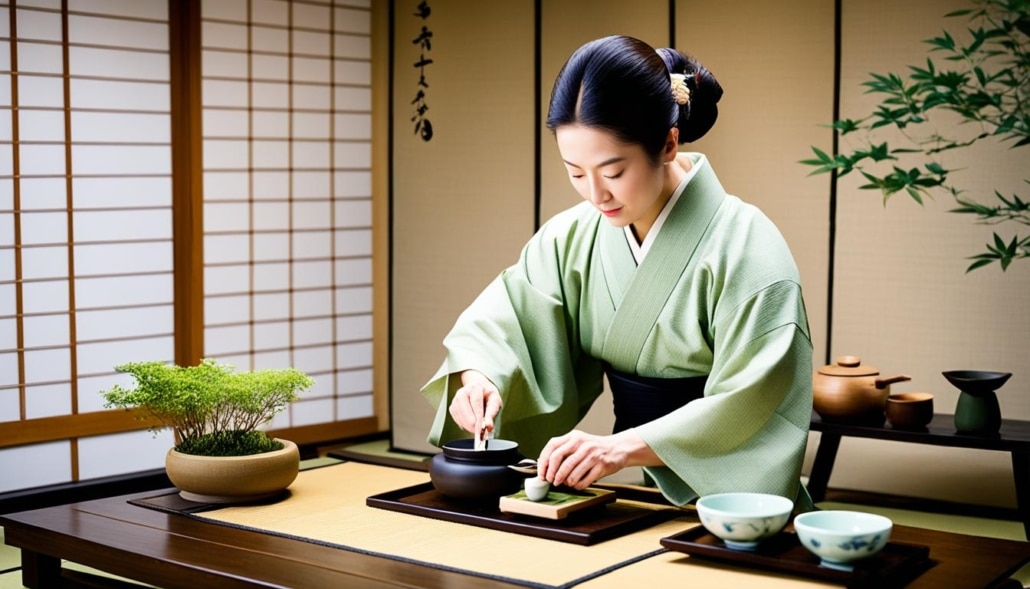
Tea Ceremony Etiquette and Rituals

Japanese Tea Ceremony Etiquette and Rituals

Etiquette and Rituals Description
Punctuality and Silence Guests should arrive on time and maintain a calm and quiet atmosphere during the ceremony.
Respectful Attire Guests are expected to wear clean socks and remove their shoes when entering the tea room. Dressing conservatively, such as wearing kimonos, is highly encouraged.
Fragrance-Free Environment Guests should refrain from using heavy fragrances that might interfere with the delicate aromas of the tea.
Conversational Topics Discussion should revolve around the tea ceremony and seasonal changes, rather than personal matters.
Zen Philosophy in Rituals The rituals of the tea ceremony follow the principles of zen philosophy, encouraging mindfulness, tranquility, and acceptance of the present moment.

Conclusion

Experiencing a traditional tea ceremony in Kyoto is a captivating way to fully immerse ourselves in the beauty of traditional Japanese culture. As the birthplace and spiritual heart of the tea ceremony, Kyoto offers an array of venues where visitors can partake in these ancient rituals. Whether in small tea houses or private homes, these locations provide an authentic setting for practicing the art of tea. By adhering to the customary etiquette and rituals of the tea ceremony, we gain a deeper understanding of Japanese traditions and customs.

Engaging in a tea ceremony goes beyond a simple sensory experience of savoring the delectable taste of matcha tea and sweets. It offers an opportunity to step into a tranquil and reflective environment, where we can connect not only with ourselves but also with others. The tea ceremony embodies the principles of hospitality, mindfulness, and harmony, making it a remarkable cultural immersion experience.

No visit to Kyoto would be complete without participating in a tea ceremony. This ancient tradition allows us to appreciate the grace and elegance of Japanese culture while cultivating a sense of peace in our busy lives. So, whether you are a tea enthusiast, a lover of traditional Japanese arts, or simply curious about immersing yourself in another world, don’t miss the chance to partake in a tea ceremony in Kyoto. It is a true manifestation of the essence and beauty of Japan’s rich cultural heritage.

FAQ

How long does a tea ceremony in Kyoto typically last?

The duration of a tea ceremony can vary, ranging from 30 minutes to 4 hours, depending on the type and formality of the ceremony.

What type of tea is used in the tea ceremony?

The tea used in the tea ceremony is freshly powdered matcha tea made from high-quality green tea leaves.

What should I wear to a tea ceremony in Kyoto?

Guests are encouraged to dress conservatively, with kimonos being the ideal attire for a tea ceremony in Kyoto.

Can I participate in a tea ceremony in Kyoto if I don’t speak Japanese?

Yes, many tea ceremony venues in Kyoto offer English-speaking guides who can explain the rituals and etiquette to non-Japanese speakers.

Can I take photos during the tea ceremony?

It is generally considered impolite to take photos during the tea ceremony, as it can disrupt the serene atmosphere. However, some venues may allow discreet photography at designated times.

Do I need to make a reservation in advance for a tea ceremony in Kyoto?

Yes, it is recommended to make a reservation in advance as tea ceremony venues in Kyoto can get busy, especially during peak tourist seasons.

Are children allowed to participate in the tea ceremony?

Children are welcome to participate in the tea ceremony, but they should be able to sit quietly and follow the etiquette and rituals of the ceremony.

Can I participate in a tea ceremony if I have dietary restrictions?

Most tea ceremony venues in Kyoto can accommodate dietary restrictions, such as providing vegetarian or gluten-free options for the accompanying traditional Japanese sweets.

Is it possible to learn how to perform a tea ceremony in Kyoto?

Yes, there are tea ceremony schools in Kyoto where visitors can learn the art of tea ceremony under the guidance of experienced tea masters.

Are there any age or physical limitations for participating in a tea ceremony in Kyoto?

There are no specific age or physical limitations for participating in a tea ceremony in Kyoto. However, participants should be able to sit on the floor for an extended period of time and follow the etiquette and rituals of the ceremony.
Source Links

Welcome to the fascinating world of Swiss chocolate, where the rich flavors and velvety textures of this beloved treat transport us to a realm of pure indulgence. Switzerland is renowned for its mastery in the art of chocolate-making, and what better way to immerse ourselves in its decadent secrets than by embarking on chocolate factory tours?

Imagine stepping into a world where the tantalizing aroma of cocoa fills the air and the sight of velvety-smooth chocolates brings a smile to your face. The journey begins with a glimpse behind the scenes, where cocoa beans are transformed into delectable treats through the intricate process of cocoa processing.

As we venture deeper, our senses are awakened to the stories woven into every bite. From the ancient Aztec cocoa ceremonies to the modern innovations that have shaped Swiss chocolate, these tours offer a comprehensive insight into the history of this beloved treat.

But the adventure doesn’t end there. Alongside the captivating tales, the Swiss chocolate factory tours offer the chance to taste an array of delightful Swiss chocolates. From heavenly truffles to melt-in-your-mouth pralines, each bite is a journey of pleasure.

Whether you’re a passionate chocolate connoisseur or simply someone who appreciates the finer things in life, these tours provide a unique glimpse into the world of Swiss chocolate. So, join us as we embark on a mouthwatering journey through some of the most renowned chocolate factories in Switzerland.

Maison Cailler in Broc

Maison Cailler, located in Broc, Gruyère, is the oldest Swiss chocolate factory and brand. Our one-hour museum tour takes visitors on a journey through the fascinating history of chocolate, from ancient Aztec cocoa ceremonies to modern innovations in chocolate-making. Immerse yourself in the rich aroma of cocoa as we explore the secrets behind Maison Cailler’s delectable creations.

During the tour, you’ll have the opportunity to witness the entire chocolate-making process, from the transformation of cocoa beans into luscious chocolate bars. Gain knowledge about every step of the production, from sourcing high-quality ingredients to the meticulous craftsmanship that goes into each piece of chocolate.

Unveiling the Art of Chocolate-Making

At Maison Cailler, we don’t just want visitors to observe; we want them to be active participants in the chocolate-making journey. That’s why we offer a range of workshops where you can unleash your creativity and learn the art of chocolate-making from our expert chocolatiers. From molding your own chocolates to mastering the delicate techniques of truffle making, our workshops provide a unique hands-on experience that you won’t find anywhere else.

Indulge your senses and discover the joy of crafting delicious chocolate creations under the guidance of our skilled chocolatiers. Whether you’re a chocolate connoisseur or a beginner, our workshops cater to all skill levels and ensure that you leave with not only tasty treats but also the knowledge and skills to impress your friends and family with your newfound chocolate-making prowess.

https://www.youtube.com/watch?v=v6bFeVz6SY8

Immerse yourself in the world of Swiss chocolate at Maison Cailler. Book your Swiss chocolate tour and workshops today for an unforgettable experience that will satisfy your sweet tooth and ignite your passion for all things chocolate!

Maestrani’s Chocolarium in Flawil

Embark on a delightful adventure at Maestrani’s Chocolarium in Flawil, Switzerland. Known as the “chocolate factory of happiness,” Maestrani’s Chocolarium offers a fascinating Swiss chocolate factory tour that unveils the secrets of chocolate production.

Your journey begins with an engaging audiovisual introduction to the rich history of the Maestrani brand and the captivating world of chocolate. Immerse yourself in the story behind this renowned Swiss chocolate manufacturer as you explore the origins and evolution of chocolate-making.

Next, prepare to be amazed as you step into the heart of the factory, where the magic happens. Witness the meticulous chocolate-making process, from the precise blending of premium ingredients to the expert tempering and molding of delectable chocolate creations.

One of the highlights of the tour is the chance to meet the talented chocolatiers who meticulously handcraft and decorate the chocolates. Learn about their creative techniques and gain insights into the artistry behind each delectable piece.

But the adventure doesn’t end there. Maestrani’s Chocolarium also offers chocolate workshops for those who want to unleash their inner chocolatier. Channel your creativity as you participate in interactive workshops where you can create your very own chocolate figurines and colorful chocolate bars. Under the guidance of skilled instructors, you’ll learn the secrets of tempering chocolate, explore different flavor combinations, and craft personalized chocolate masterpieces.

Unleash your passion for chocolate and immerse yourself in the world of Maestrani’s Chocolarium. Discover the fascinating process of chocolate production, meet the artisans behind the scenes, and indulge in the joy of creating your own chocolate creations. Book your Swiss chocolate factory tour and chocolate workshops at Maestrani’s Chocolarium in Flawil today!

Other Swiss Chocolate Factory Tours

Along with Maison Cailler and Maestrani’s Chocolarium, Switzerland is home to several other delightful chocolate factory tours that are worth exploring. These tours offer visitors a unique opportunity to discover the secrets behind some of the country’s most beloved chocolate brands and indulge in the delicious flavors of Swiss chocolate.

The House of Läderach in Bilten invites chocolate enthusiasts to explore their authentic chocolate production process. Visitors can witness the meticulous craftsmanship and dedication that goes into creating the finest Swiss chocolates. In addition to the factory tour, the House of Läderach also offers a variety of workshops where visitors can try their hand at creating their own chocolate masterpieces.

If you’re looking for a fun and interactive chocolate-making experience, the Funky Chocolate Club in Interlaken is the place to be. This cozy chocolate shop offers workshops where visitors can learn the art of chocolate crafting and design their own unique creations. It’s a perfect activity for both adults and children, promising a memorable and delicious experience.

For those seeking an immersive chocolate museum tour, the Lindt Home of Chocolate in Kilchberg is a must-visit. This interactive museum takes visitors on a sensory journey through the history of chocolate, from its origins to modern-day production. With unlimited tastings of Lindt’s exquisite chocolate products, it’s a dream come true for chocolate lovers.

ChocoWelt by Aeschbach Chocolatier in Root offers an enchanting experience for chocolate enthusiasts. The interactive tours and workshops take visitors on a magical journey through the world of chocolate. From learning about the fascinating history of chocolate to creating their own delicious treats, guests are sure to leave with a new appreciation for the artistry and craftsmanship of Swiss chocolate.

Last but not least, the Camille Bloch Chocolate Factory in Courtelary offers a unique escape game experience alongside their factory tour. Visitors can witness the production of their authentic gourmet chocolate products while solving puzzles and completing challenges in an exciting escape game. It’s a one-of-a-kind adventure that combines chocolate and entertainment.

These Swiss chocolate factory tours, from the House of Läderach to the Camille Bloch Chocolate Factory, provide an opportunity to delve into the world of Swiss chocolate, learn about its rich history, and savor its irresistible flavors. Whether you’re a chocolate connoisseur or simply have a sweet tooth, these tours are sure to leave you with unforgettable memories and a deeper appreciation for the art of chocolate making.

FAQ

What are chocolate factory tours?

Chocolate factory tours are guided visits to chocolate factories where visitors can learn about the chocolate-making process, cocoa processing, and the history of chocolate. These tours often include interactive experiences, tastings, and workshops.

Why are chocolate factory tours popular in Switzerland?

Switzerland is renowned for its high-quality chocolate, making chocolate factory tours a popular attraction in the country. Visitors are able to witness the craftsmanship and precision that goes into creating Swiss chocolate, and also have the opportunity to taste a wide variety of delicious chocolate.

What can I expect on a chocolate factory tour?

On a chocolate factory tour, you can expect to learn about the history of chocolate, the cocoa processing process, and the techniques used in chocolate-making. You may also have the chance to witness the chocolate-making process, meet the chocolatiers, and participate in workshops where you can create your own chocolate treats.

Are chocolate factory tours suitable for all ages?

Yes, chocolate factory tours are suitable for all ages. They offer a fun and educational experience for both children and adults. Some tours may have specific workshops or activities designed for children, making it a great family-friendly activity.

Can I purchase chocolate during a factory tour?

Yes, most chocolate factory tours have a gift shop where you can purchase a wide variety of chocolates and other chocolate-related products. It’s a great opportunity to take home some delicious Swiss chocolate as a souvenir or as a gift for friends and family.

How long do chocolate factory tours usually last?

The duration of chocolate factory tours can vary depending on the specific tour and the activities included. On average, tours can last anywhere from 1 to 2 hours. Some tours may offer extended or specialized workshops that can last longer.

Do I need to book chocolate factory tours in advance?

It is recommended to book chocolate factory tours in advance, especially during peak tourist seasons. This ensures that you have a guaranteed spot and allows the tour operators to accommodate your visit accordingly. You can usually book tours online or through the official websites of the chocolate factories.

Source Links

Welcome, fellow food enthusiasts! Today, we embark on a culinary adventure that will transport us to different corners of the globe. Join us as we dive deep into the world of signature dishes, where every bite tells a story and every recipe unveils a nation’s rich heritage and culture.

Imagine savoring the iconic dishes that have become synonymous with their home countries. From Italy’s indulgent pasta dishes to Japan’s delicate sushi creations, we will explore famous recipes that have captured the hearts and palates of people worldwide.

World cuisine is a fascinating tapestry woven with threads of tradition, innovation, and the influence of various cultures. Signature dishes reveal the profound impact of colonization, invasions, and historical events on a country’s culinary landscape. They are the result of creative fusions, ancient cooking techniques, and ingenious use of locally available ingredients.

Throughout this journey, we will uncover the origins and influences that have shaped these signature dishes. We will delve into the diverse flavors and cooking skills that have been perfected over generations, bringing unique and delightful experiences to our plates.

So, fasten your aprons as we set out to explore the fascinating world of signature dishes from around the world. Get ready to tantalize your taste buds, expand your culinary horizons, and celebrate the richness of global gastronomy. Let’s indulge in a feast of flavors and embark on a culinary exploration of a lifetime!

The Origins and Influences of Signature Dishes

Signature dishes from around the world have fascinating origins and influences. These culinary delights are the result of a rich historical tapestry, shaped by a fusion of flavors and culinary traditions.

One example of a signature dish with an intriguing origin is Argentina’s asados. These mouthwatering barbecues trace their roots back to the colonization of the New World by Western Europeans. The Spanish brought their tradition of grilling meat, and over time, it evolved into the beloved asados that are a cornerstone of Argentine cuisine.

Another remarkable example is Portugal’s bacalhau, a dish made from dried and salted cod. Originating from the navigational expeditions of Portuguese sailors in the 15th century, bacalhau was created as a sustainable source of protein that could withstand long voyages at sea. Today, it remains a staple of Portuguese cuisine and a testament to the resourcefulness of seafaring communities.

Many signature dishes also reflect the ingenuity of using lower-cost ingredients, highlighting the creativity and adaptability of people throughout history. In the Bahamas, conch is the prized ingredient in the iconic conch salad. Historically, this shellfish was readily available and became a cornerstone of Bahamian cuisine, celebrated for its unique and briny flavors.

In Brazil, feijoada reigns as the national dish, and it showcases the use of organ meats in a delicious and hearty stew. Originally created by enslaved Africans using leftover ingredients, such as pork trimmings and black beans, feijoada has transformed into a culinary masterpiece that represents the country’s diverse cultural heritage.

It’s important to note that not all signature dishes have a long-standing traditional history. For example, Bulgaria’s shopska salad was created in the 1950s as a promotional dish to showcase the country’s agricultural abundance. Despite its relatively recent inception, this vibrant salad has become a beloved part of Bulgarian cuisine and continues to delight locals and visitors alike.

The origins and influences of signature dishes offer a window into the rich tapestry of world cuisine. From colonization to historical events, these dishes are a testament to the resilience and adaptability of people throughout history. They represent the fusion of flavors and unique culinary traditions that shape our global culinary landscape.

So, let’s embark on a culinary journey and explore the origins of these tantalizing signature dishes that have captured the hearts and palates of people around the world.

The Diversity of Global Cuisines

Exploring global cuisines offers a multitude of benefits and experiences. It allows us to indulge in diverse culinary traditions, savoring a delightful array of flavors and tastes that stimulate our taste buds and broaden our culinary horizons. Through the exploration of global cuisines, we embark on a cultural exchange, learning about different traditions and customs from around the world. This exchange not only deepens our understanding and appreciation of various cultures but also fosters a sense of unity and connectedness.

Furthermore, delving into global cuisines expands our cooking skills, as we discover new techniques and ingredients unique to different regions. From mastering the art of making homemade pasta in Italy to learning to balance aromatic spices in Indian curries, each culinary journey enhances our culinary prowess and repertoire.

Health and Well-being through Global Cuisines

Global cuisines also contribute to our health and well-being. With an emphasis on fresh, natural ingredients and diverse food options, these cuisines provide us with a wealth of nutritious choices. From the vibrant abundance of vegetables in Mediterranean cuisine to the wholesome grains and legumes of Middle Eastern fare, exploring global cuisines introduces us to a balanced and wholesome approach to eating.

By incorporating international delicacies into our diet, we embrace a varied and well-rounded culinary lifestyle that nourishes our body and soul. The rich tapestry of flavors, textures, and colors found in global cuisines not only satisfies our palate but also fuels our overall well-being.

diverse culinary traditions

The Joy of Culinary Exploration

Culinary exploration offers a world of flavors and experiences for us to discover. By stepping out of our comfort zones and immersing ourselves in diverse culinary traditions, we embark on a gastronomic adventure that is both exciting and enriching. We open ourselves up to new tastes and sensations, embracing the beauty of cultural diversity through the universal language of food.

Whether it’s relishing the delicate balance of spices in Thai cuisine, experiencing the umami-filled delight of Japanese sushi, or savoring the vibrant street food scenes in Mexico, each culinary exploration adds depth and breadth to our culinary knowledge and experiences. As we navigate the global culinary landscape, we cultivate not only our taste buds but also our understanding of different cultures and traditions.

As we embark on this diverse culinary journey, let us celebrate the richness of global flavors, the artistry of cultural exchange, and the transformative power of a shared dining experience. Together, let us embark on a culinary adventure that unites us in our love for food and for the world we inhabit.

Conclusion

Exploring signature dishes from around the world takes us on a culinary journey that goes beyond just food. It allows us to appreciate different cultures, traditions, and histories through the flavors and techniques they have developed. From Indian curries to Mexican delicacies, each cuisine tells a unique story and offers a world of culinary experiences.

By embracing global cuisines, we foster cultural appreciation, understanding, and a greater sense of the diverse world we live in. Tasting the delightful creations from diverse world cuisines not only satisfies our taste buds but also opens our minds to the richness of different cultures. It’s a way to connect with people from around the world, celebrating their traditions and discovering their culinary heritage.

So, embark on a culinary adventure and savor the signature dishes from around the world that define cultures and delight palates. Let global culinary exploration be a gateway to cultural appreciation and a deeper understanding of our interconnected world. Bon appétit!

FAQ

What are signature dishes?

Signature dishes are iconic recipes that represent a country’s culinary tradition, history, and culture. They often incorporate unique flavors, ingredients, and cooking techniques.

How are signature dishes influenced?

Signature dishes are influenced by colonization, invasions, historical events, and cultural exchanges. These influences result in a fusion of flavors and ingredients, creating distinctive culinary traditions.

What are the benefits of exploring global cuisines?

Exploring global cuisines allows you to experience new flavors, learn about different cultures, and improve your cooking skills. It also introduces you to diverse and nutritious food options.

What do signature dishes tell us about a culture?

Signature dishes tell us about a culture’s history, traditions, and creativity. They offer a glimpse into the customs and flavors that define a particular region or country.

How can exploring global cuisines promote cultural exchange?

Exploring global cuisines encourages cultural exchange by fostering appreciation and understanding of different traditions. It allows for the sharing of culinary knowledge and traditions between diverse communities.

Source Links

Are you a vegetarian or vegan looking to explore the world of plant-based dining? Look no further! We’ve got you covered with our top picks for vegetarian hotspots around the globe. From vibrant cities to tranquil beach towns, these destinations offer a plethora of options for those seeking delicious and healthy cuisine.

Imagine strolling through the colorful streets of Barcelona, Spain, with tantalizing aromas wafting through the air. The sun-kissed city is known for its vibrant food scene, and it’s no different when it comes to vegetarian dining. Picture yourself indulging in a mouthwatering plate of Spanish tortilla, a traditional dish made with potatoes and eggs. But here, in Barcelona’s vegetarian hotspots, it’s made with chickpea flour instead, offering a delectable twist for plant-based eaters.

Or perhaps you find yourself in the bustling streets of Bangkok, Thailand. The vibrant city is a paradise for food lovers, and vegetarians are no exception. As you wander through the vibrant markets, your senses are overwhelmed by the aromatic spices and vibrant colors of the street food stalls. You’re tempted to try everything, from fragrant curries to crispy spring rolls, all made with fresh, locally sourced vegetables and plant-based ingredients.

And let’s not forget about the charming city of Portland, Oregon in the United States. Known for its eco-consciousness and thriving food scene, Portland has become a hub for vegetarian and vegan options. As you explore the city, you stumble upon a cozy cafe tucked away in a quiet neighborhood. The menu boasts an array of creative plant-based dishes, from hearty burgers made with locally grown mushrooms to fluffy pancakes drizzled with maple syrup.

These are just a few examples of the diverse vegetarian hotspots waiting to be discovered. So, whether you’re a seasoned plant-based traveler or new to the world of vegetarian dining, join us as we uncover the top destinations for a delectable plant-based dining experience. From vegan restaurants to innovative culinary tours, we’ll help you navigate the world of vegetarian and vegan cuisine with ease.

Austin, Texas – The Best City for Plant-Based Tourists

If you’re a plant-based tourist looking for the best city to satisfy your culinary needs, Austin, Texas is the top choice. With 223 vegetarian and vegan options at the restaurants analyzed, Austin takes the lead in catering to meat-free meals. The city’s thriving food scene offers an impressive range of cuisines, including Indian, Mexican, Italian, and Japanese. Whether you’re visiting Lady Bird Lake Hike, the Barton Springs Pool, or the Texas State Capitol Building, you’ll find numerous options to indulge in delicious plant-based dishes. Austin truly shines as a destination for vegetarian and vegan travelers.

Top Vegan Restaurants in Austin, Texas

If you’re looking for incredible vegan dining experiences in Austin, these restaurants should be at the top of your list:

  1. Bouldin Creek Cafe – Enjoy their famous veggie burger or vegan pancakes in a cozy, laid-back atmosphere.

Outdoor Activities to Pair with Vegan Eats

While exploring Austin’s vibrant vegan scene, don’t forget to enjoy the city’s outdoor activities. Here are a few not-to-miss attractions:

  • Lady Bird Lake Hike – Take a scenic stroll or rent a paddleboard to experience the beauty of Austin’s downtown.

Conclusion

As the demand for vegetarian and vegan options continues to grow, more cities around the world are catering to plant-based tourists. From Portland, Oregon and London, England to Berlin, Germany and Bali, Indonesia, these vegan hotspots offer a plethora of delicious plant-based dining experiences.

Whether you’re looking for vegan restaurants, vegan-friendly accommodations, or unique culinary tours, these destinations have got you covered. With a wide variety of vegetarian and vegan options available, you can explore new flavors and cuisines while staying true to your plant-based lifestyle.

So pack your bags and embark on a journey to discover the top vegetarian hotspots for an unforgettable plant-based dining adventure.

FAQ

What are vegetarian hotspots?

Vegetarian hotspots are destinations that offer a wide range of options for plant-based eaters, including vegetarian restaurants, vegan eateries, and other establishments that cater to individuals following a vegetarian or vegan diet.

What is plant-based dining?

Plant-based dining refers to a style of eating that emphasizes foods derived from plants, such as fruits, vegetables, whole grains, legumes, nuts, and seeds. It involves avoiding or minimizing the consumption of animal products, including meat, dairy, eggs, and honey.

Are there vegetarian dining options in every city?

While the availability of vegetarian dining options can vary from city to city, many destinations around the world are becoming more vegetarian and vegan-friendly. In popular tourist destinations, you can usually find vegetarian restaurants and vegan-friendly eateries, making it easier for plant-based eaters to find suitable dining options.

What are vegan restaurants?

Vegan restaurants are establishments that exclusively serve plant-based dishes, avoiding all animal products, including meat, dairy, eggs, and honey. These restaurants often focus on creating innovative and delicious vegan cuisine, catering to the needs and preferences of individuals following a vegan diet.

What is healthy cuisine?

Healthy cuisine refers to foods and dishes that are nutrient-dense, low in saturated fats, added sugars, and sodium, and rich in essential vitamins, minerals, and antioxidants. It emphasizes the use of whole, natural, and unprocessed ingredients, promoting overall health and well-being.

Source Links

Have you ever wondered about the origins of the dishes we enjoy today? The flavors and ingredients that tantalize our taste buds have a rich history, often passed down through generations. These historical dishes not only nourish our bodies but also provide a window into the past, offering a taste of tradition and heritage.

Imagine being transported to a time when culinary history was being written, where food was more than just sustenance—it was a way of life. A time when traditional recipes were treasured and handed down as precious heirlooms, carrying with them the stories and memories of those who came before us.

These dishes have stood the test of time, surviving wars, migrations, and cultural shifts. They hold within them the flavors and techniques that have shaped societies and shaped our palates. With each bite, we take a journey through time, experiencing the heritage dishes that have played a vital role in shaping our culinary identity.

In the following sections, we will explore some fascinating examples of historical dishes, each with its own unique story to tell. From the cultural and culinary tolerance of Córdoba, Spain, to the significance of Dooky Chase’s Restaurant in the civil rights movement in New Orleans, Louisiana, and the ancient food traditions preserved at Honke Owariya in Kyoto, Japan, get ready to dive into a world of flavors that have stood the test of time.

Córdoba, Spain – Noor

Córdoba, Spain is a city that celebrates both cultural and culinary tolerance, and one of its shining examples is the Michelin-starred restaurant, Noor. Noor takes us on a culinary journey that reflects the diverse cultural influences that once coexisted in Córdoba.

At Noor, the dishes are not just about the flavors and ingredients; they tell a story of a city that embraced different cultures and created a unique gastronomic legacy. The restaurant draws inspiration from the culinary traditions of the Moorish, Jewish, and Christian communities that flourished in Córdoba in the past.

Through its innovative menu, Noor pays homage to the diverse history of the city and showcases the fusion of flavors and techniques that emerged during the era of cultural and culinary tolerance. Each dish is a delicate balance of tradition and modernity, weaving together historical elements with contemporary culinary expertise.

Exploring the Cultural and Culinary Tolerance of Córdoba

Córdoba has a rich historical past, where cultural and culinary traditions intertwined to create a vibrant and diverse society. This period of cultural tolerance is known as the Golden Age of Córdoba, which lasted from the 8th to the 11th centuries, during the reign of the Umayyad Caliphate.

The Umayyad Caliphate established Córdoba as a center of intellectual and cultural exchange, attracting scholars, artists, and merchants from different parts of the world. This cosmopolitan atmosphere fostered the blending of cultures, ideas, and culinary practices.

To truly understand the cultural and culinary tolerance of Córdoba, one must delve into the history of the city and appreciate the contributions of the different communities that coexisted within its walls. The legacy of this harmony is reflected in the dishes served at Noor.

A Michelin-Starred Journey Through Culinary Heritage

Noor, with its Michelin-starred status, has garnered well-deserved recognition for its unique approach to gastronomy. The restaurant’s commitment to preserving and highlighting Córdoba’s culinary heritage is evident in every carefully crafted dish.

Through extensive research and collaboration with historians and archaeologists, the team at Noor has recovered ancient recipes and techniques that were once prevalent in Córdoba. These forgotten flavors are revitalized and presented through a modern lens, culminating in an unforgettable culinary experience.

By cherishing the past and embracing innovation, Noor strives to honor the cultural and culinary legacy of Córdoba, ensuring that the city’s rich tapestry of flavors and traditions continues to thrive.

Experience Cuisine Ambience
Exceptional Moorish, Jewish, and Christian fusion Elegant and immersive

Noor is an embodiment of the cultural and culinary tolerance that defined Córdoba’s past. It invites diners to embrace the city’s history while indulging in the exquisite flavors that reflect the fusion of cultures. A dining experience at Noor is not just about savoring Michelin-starred cuisine; it is about embracing the diversity and significance of cultural heritage.

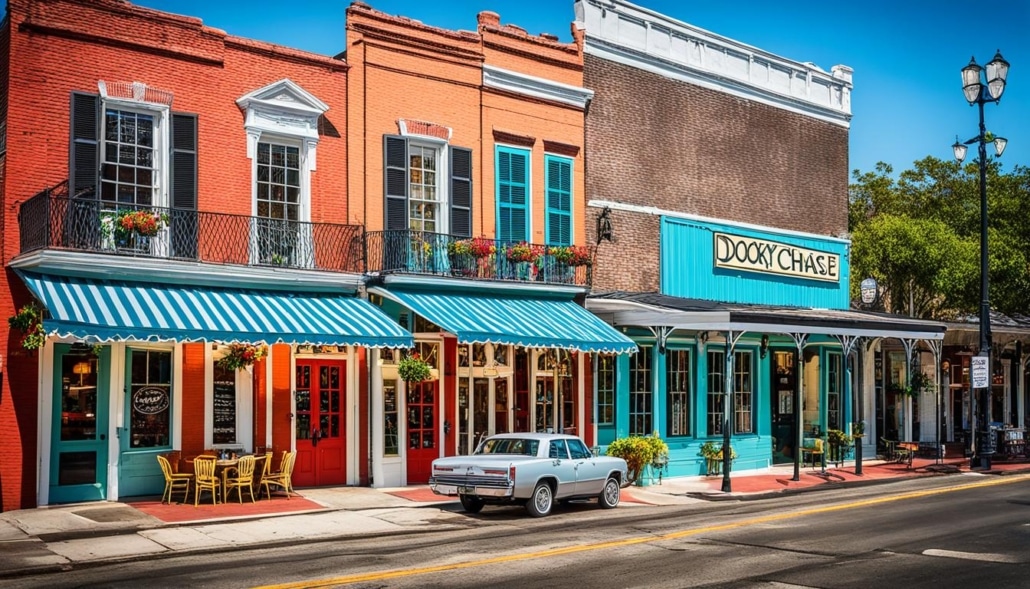
New Orleans, Louisiana – Dooky Chase’s Restaurant

Dooky Chase’s Restaurant in New Orleans, Louisiana holds a special place in history as both a culinary gem and a significant site during the civil rights movement. Under the stewardship of the legendary “Queen of Creole Cuisine,” Leah Chase, the restaurant became a haven for civil rights leaders and activists.

Located in the heart of the vibrant Tremé neighborhood, Dooky Chase’s played a vital role in the fight for equality. During a time of segregation and discrimination, the restaurant provided a safe space for African American leaders to gather, strategize, and discuss the path towards racial justice. The walls of Dooky Chase’s witnessed conversations that shaped the civil rights movement, making it a symbol of resilience and progress.

But Dooky Chase’s significance extends beyond its contributions to social activism. The restaurant showcases the rich culinary heritage of New Orleans through its mouthwatering Creole dishes. Combining French, Spanish, African, and Caribbean influences, Creole cuisine is a melting pot of flavors and techniques that reflect the city’s diverse cultural history.

The Iconic Dishes of Dooky Chase’s Restaurant

At Dooky Chase’s, every dish tells a story. From traditional Gumbo and Jambalaya to heavenly Beignets and delectable Fried Chicken, the menu is a testament to the vibrant flavors that have made New Orleans a culinary destination. Each bite is a journey through generations of Creole cooking traditions, passed down from Leah Chase’s ancestors.

Creole Cuisine at Dooky Chase's Restaurant

Signature Dish Description
Gumbo A rich and flavorful stew featuring a delightful mix of meat or seafood, served over rice.
Jambalaya A hearty rice dish cooked with aromatic vegetables, spices, and a medley of meat or seafood.
Fried Chicken Crispy, golden-brown chicken that’s tender on the inside, served with a side of soul-warming comfort.
Beignets Pillowy squares of fried dough dusted with powdered sugar, a sweet treat that’s hard to resist.

Experience Dooky Chase’s Restaurant is an immersive journey into the soul of New Orleans. The restaurant represents the resilience, culture, and flavors that define this vibrant city. Whether you’re a history enthusiast or a food lover, a visit to Dooky Chase’s is an unforgettable experience that will leave you inspired and craving for more.

Kyoto, Japan – Honke Owariya

Located in the heart of Kyoto, Honke Owariya stands as one of the city’s ancient food establishments, steeped in tradition and culinary excellence. With a legacy spanning over 550 years, this historic restaurant has been supplying soba noodles to temple priests and even the Imperial Palace.

At Honke Owariya, traditions are preserved with utmost care. The art of crafting these delicate soba noodles has been passed down through generations, ensuring an authentic experience that reflects the rich culinary heritage of Kyoto. From kneading the buckwheat flour to precisely cutting the noodles, each step follows time-honored methods that truly set Honke Owariya apart.

The soba noodles served at Honke Owariya are not merely a dish; they are an embodiment of Kyoto’s history and gastronomic culture. Whether enjoyed hot or cold, their unique texture and distinct flavor create a memorable dining experience. With every mouthful, you can taste the dedication and craftsmanship that have made Honke Owariya an iconic destination for food enthusiasts and history lovers alike.

FAQ

What are historical dishes?

Historical dishes are traditional recipes that have been passed down through generations, offering a glimpse into the past and telling stories of heritage and tradition. These dishes reflect the culinary history of different cultures and eras.

Why are historical dishes important?

Historical dishes are important because they provide insight into the cultures and traditions of the past. They serve as a testament to the rich tapestry of culinary history and offer a connection to our ancestral roots.

What does Noor restaurant in Córdoba, Spain offer?

Noor restaurant in Córdoba, Spain offers dishes that are inspired by the culinary traditions of different cultures that once coexisted in the city. It showcases a rare period of cultural and culinary tolerance, highlighting the diverse history of the region.

What is the significance of Dooky Chase’s Restaurant in New Orleans, Louisiana?

Dooky Chase’s Restaurant in New Orleans, Louisiana played a significant role in the civil rights movement. It was a gathering place for civil rights leaders and activists, and its dishes reflect the rich culinary heritage of the region, particularly Creole Cuisine.

What is special about Honke Owariya in Kyoto, Japan?

Honke Owariya is one of Kyoto’s oldest food establishments, known for its supply of soba noodles to temple priests and the Imperial Palace. The restaurant’s long history and traditional methods of making soba noodles reflect the rich culinary heritage of the region.

Source Links

Have you ever gone on a culinary adventure, exploring the diverse and vibrant flavors of local dishes? We, at [Your Brand Name], believe that food is more than just sustenance; it is a gateway to culture and traditions. When we travel, one of the highlights is undoubtedly the opportunity to indulge in local food specialties and experience the unique regional cuisine that each destination has to offer.

Imagine wandering the bustling streets of India, with the inviting aroma of spices and herbs wafting through the air. As you explore different provinces, you encounter a kaleidoscope of flavors that reflect the country’s history, geography, and cultural traditions. From the creamy and aromatic dishes of the North like Butter Chicken and Rogan Josh, to the tantalizing fish and seafood specialties of the East such as Machher Jhol and Chingri Malai Curry, each region captivates your taste buds with its unique creations.

The journey continues as you venture down South, where the cuisine takes on a spicy and tangy twist. You savor the crispy Dosa and relish the fragrant Biryani, feeling the heat and flavors dance on your palate. Finally, you head West, where bold and spicy flavors reign. The delectable Vada Pav and succulent Chicken Tikka leave you craving for more.

Through this culinary exploration, you not only satisfy your hunger but also connect with the heart and soul of each region. By immersing yourself in the local dishes and specialty foods, you embark on a journey that reveals the cultural richness and diversity of a place. Food becomes a language that transcends barriers, allowing you to connect with locals and forge meaningful connections.

Join us as we delve into the depths of local food specialties and embark on a flavorful adventure through the regional cuisine that makes each destination truly unique. Discover the stories behind iconic dishes and the secrets of their preparation. Together, let’s celebrate the joy of exploring new flavors and experiencing the world through food.

The Cultural Connection Through Food

Local cuisine serves as a bridge between travelers and the people of a destination, expressing cultural heritage and traditions. When we try local food, we embark on a culinary adventure that goes beyond the mere act of eating. It allows us to taste the essence of a place, connect with locals, and gain a deeper understanding of their way of life.

Tasting local flavors is like embarking on a sensory journey that immerses us in the traditions, history, and cultural richness of a region. Each dish tells a story, reflecting the unique flavors and ingredients that define a specific area. From the street food stalls of Bangkok to the trattorias of Rome, every bite is an opportunity to experience the local culture through the sense of taste.

Connecting with locals over a shared love for food breaks down language barriers and creates a bond. By embracing local cuisine, we gain insights into the customs, values, and traditions of a community. It opens up opportunities for real interaction and cultural exchange, enabling us to forge meaningful connections with the people we meet.

Moreover, exploring the local culinary scene means supporting local businesses and sustainable tourism. When we dine in neighborhood restaurants or buy food from local markets, we contribute to the local economy and help preserve cultural heritage. It’s a way to travel responsibly and leave a positive impact on the places we visit.

When we embark on a culinary adventure, we must be willing to step out of our comfort zone and embark on a journey of discovery. Overcoming culinary fears and being open-minded allows us to fully immerse ourselves in the local cuisine, savoring new flavors and ingredients. It’s an invitation to explore, experiment, and embrace the unfamiliar.

In conclusion, tasting local flavors and experiencing the cultural connection through food is an integral part of the travel experience. It allows us to delve deep into the heart of a destination, connecting with its people, traditions, and history. So, on your next trip, be sure to embark on a culinary adventure, savoring the unique flavors of the local cuisine and creating unforgettable memories along the way.

What is American Regional Cuisine: Understanding the Diversity and Richness

American regional cuisine is a reflection of the diverse culinary traditions that have developed in different regions of the United States. Each region has its unique cooking styles and influences, shaped by Native American, European, and immigrant cultures. The result is a melting pot of flavors and culinary techniques that make American cuisine truly captivating.

Southern cuisine, for example, showcases comfort foods like gumbo and catfish, which highlight the region’s love for rich and hearty dishes. In Louisiana, the combination of French, African, and Caribbean flavors in Cajun and Creole cuisines results in a fusion that is both tantalizing and unique. The Midwest, on the other hand, is known for its hearty meat and dairy-based dishes, reflecting its agricultural roots.

The Southwest region of the United States combines Native American and Mexican influences, bringing forth a vibrant tapestry of flavors. From the spicy and robust flavors of Tex-Mex cuisine to the savory delights of New Mexican cuisine, the Southwest offers a truly diverse culinary experience. Each region has its iconic dishes that celebrate local flavors and ingredients, providing a culinary journey that is as diverse as the American landscape itself.

Exploring American regional cuisine allows us to delve into the rich tapestry of regional food cultures and culinary traditions. It is an opportunity to taste the diverse flavors and indulge in local delicacies that have been passed down through generations. Whether you’re savoring a plate of barbecued ribs in the South or enjoying a slice of deep-dish pizza in the Midwest, American regional cuisine offers a delightful blend of flavors and a glimpse into the country’s culinary heritage.

FAQ

What is regional cuisine?

Regional cuisine refers to the local dishes and specialty foods that are specific to a particular region or area. It reflects the unique flavors, ingredients, and cooking techniques that have developed in that region.

Why is it important to explore regional specialties?

Exploring regional specialties allows for a diverse and vibrant culinary experience. It allows travelers to taste the authentic flavors of a region and delve into its cultural heritage and traditions.

How does local cuisine express cultural heritage and traditions?

Local cuisine serves as a bridge between travelers and the people of a destination. It expresses cultural heritage and traditions through the use of local ingredients, cooking techniques, and flavor combinations that have been passed down through generations.

How does trying local food support local businesses?

Embracing local cuisine supports local businesses by generating income for small-scale farmers, producers, and food vendors. It helps sustain local economies and encourages the preservation of traditional culinary practices.

How does embracing local cuisine provide a culinary adventure?

Embracing local cuisine provides a culinary adventure by introducing travelers to new flavors, ingredients, and cooking styles. It allows them to step outside their comfort zone and engage in a vibrant exploration of diverse tastes and culinary traditions.

What is American regional cuisine?

American regional cuisine refers to the diverse culinary traditions that have developed in different regions of the United States. It encompasses a wide range of cooking styles, flavors, and ingredients influenced by Native American, European, and immigrant cultures.

How does American regional cuisine celebrate local flavors and ingredients?

American regional cuisine celebrates local flavors and ingredients by incorporating them into iconic dishes that are unique to each region. It highlights the abundance of local produce, seafood, meats, and dairy products, showcasing the diversity and richness of American food culture.

What are some examples of regional dishes in the United States?

Some examples of regional dishes in the United States include Southern comfort foods like gumbo and catfish, Cajun and Creole cuisines in Louisiana, Midwest meat and dairy-based dishes, and the blend of Native American and Mexican flavors in Southwest cuisine.

Source Links

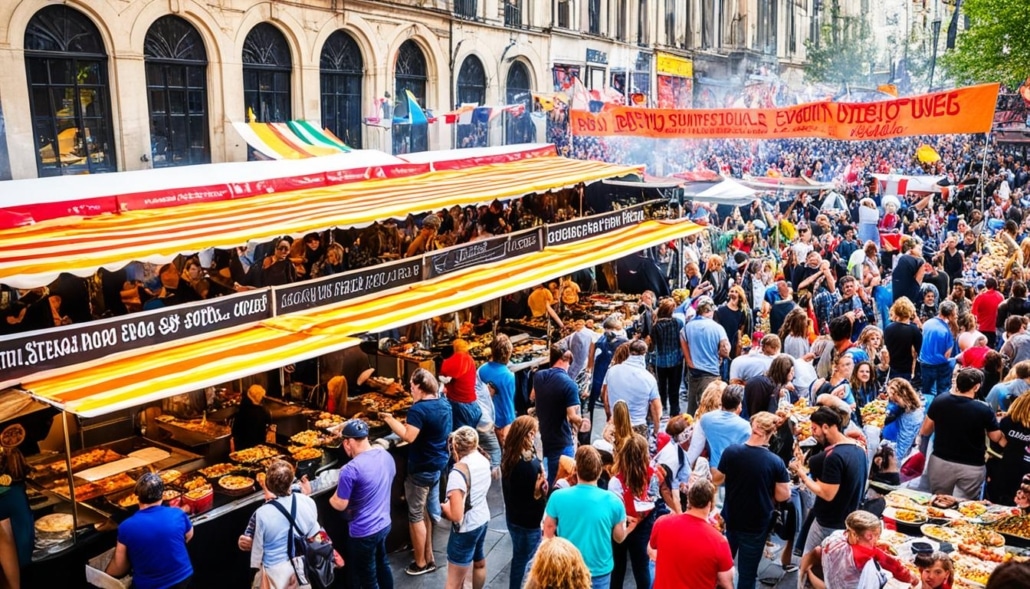
Embarking on a food market tour is like embarking on a culinary adventure, with each destination offering a tantalizing array of flavors and gastronomic wonders. Let me take you on a journey where we’ll delve into the world of local cuisine, immerse ourselves in food festivals and culinary experiences, and uncover hidden restaurant gems. Along the way, we’ll explore global flavors, embrace farm-to-table dining, and indulge in the region’s most delightful sweets and treats. Are you ready to satisfy your taste buds and embark on a food-focused adventure? Let’s get started!

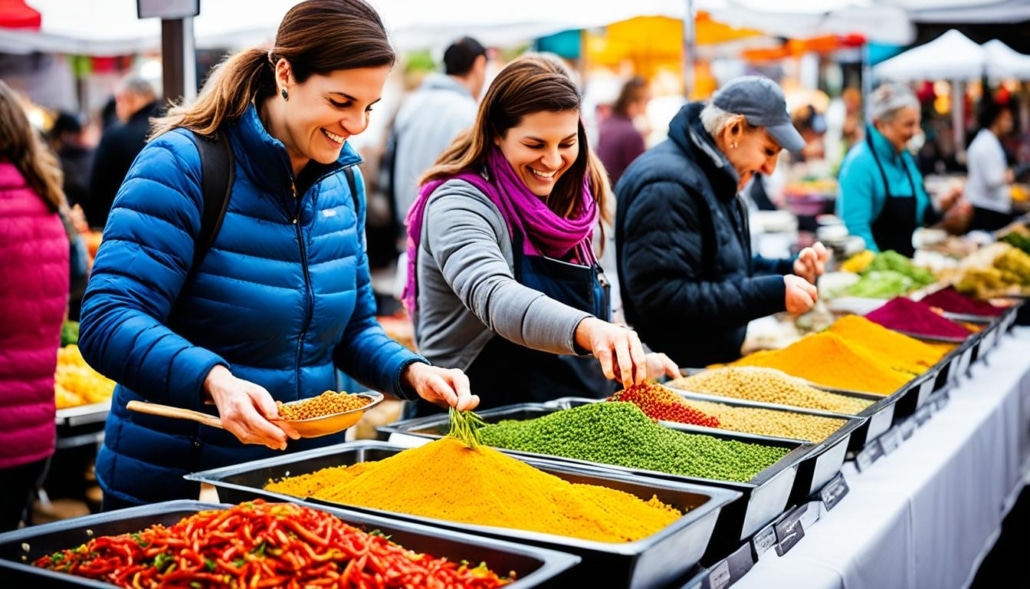
Whether you’re a seasoned foodie or simply enjoy trying new dishes, a food market tour is the perfect way to discover the heart and soul of a destination through its cuisine. You’ll have the opportunity to taste traditional dishes, explore local ingredients, and learn about the rich culinary traditions that make each region unique.

Throughout this series, we’ll explore various aspects of a food market tour, from the vibrant food festivals that celebrate diverse flavors to the extraordinary culinary experiences that provide a deeper connection to local food culture. We’ll also provide you with restaurant recommendations, ranging from Michelin-starred establishments to humble street food stalls, ensuring that you have remarkable meals wherever your culinary journey takes you.

But a food market tour isn’t just about the flavors on your plate—it’s also about the people you meet and the stories they share. From passionate chefs to local farmers, you’ll have the opportunity to connect with the individuals who bring the region’s cuisine to life.

So join us as we explore the culinary delights of different destinations, bringing the flavors of the world right to your screen. Whether you’re a travel enthusiast or simply a lover of good food, this comprehensive food market tour will captivate your palate and leave you craving for more. Get ready to indulge in a world of taste and embark on a journey like no other!

Unveiling Local Cuisine

One of the highlights of a food market tour is the opportunity to indulge in local cuisine. From savoring aromatic spices in Indian curries to relishing delicate flavors in Japanese sushi, each destination offers its own unique culinary experiences.

When it comes to exploring local cuisine, there are must-try dishes and regional specialties that you simply can’t miss. Let us be your guide through the tantalizing world of flavors, taking you on a tour that will leave your taste buds craving for more.

India: A Spice Enthusiast’s Paradise

India is renowned for its diverse and vibrant cuisine, characterized by an explosion of flavors. From the fiery intensity of a spicy Vindaloo to the creamy richness of a fragrant Butter Chicken, Indian cuisine offers a wealth of must-try dishes. Indulge in the succulent tandoori kebabs, the fluffy biryanis, and the indulgent street food like pani puri and chaats. Don’t forget to end your meal with a taste of traditional Indian sweets like gulab jamun or the exotic rose-flavored kulfi.

Japan: A Symphony of Delicate Flavors

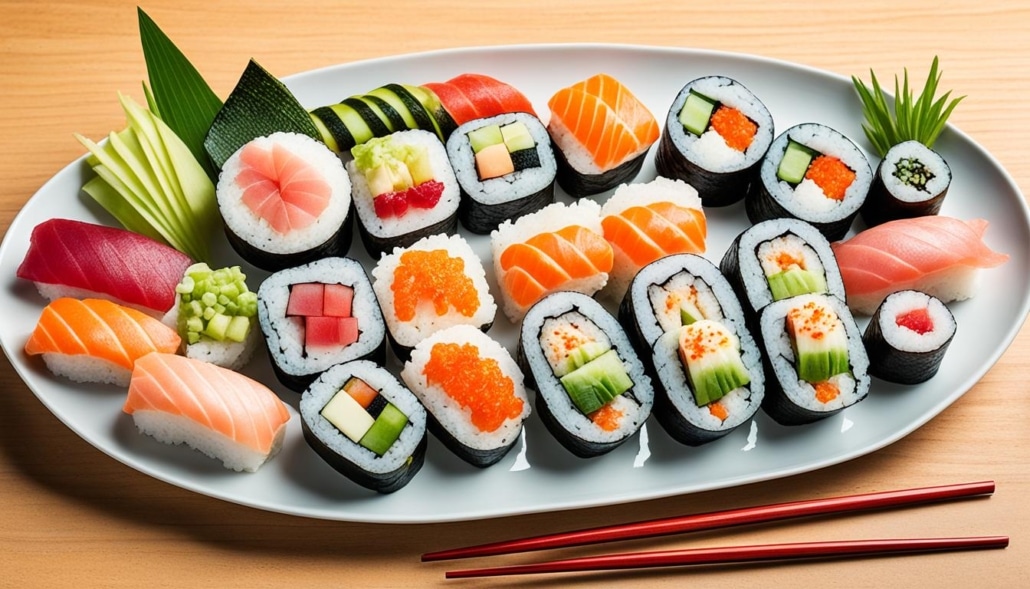
Japanese cuisine is a harmonious blend of simplicity and elegance, focusing on the natural taste of ingredients. Experience the artistry of sushi, where perfectly seasoned rice and fresh seafood come together in delicate bites. Savor the rich broth of a comforting bowl of ramen or discover the umami-rich flavors of yakitori. And of course, no visit to Japan is complete without trying the delicate and beautiful wagashi, traditional Japanese confections that are handcrafted with precision and care.

Italy: A Culinary Love Affair

In Italy, every region boasts its own culinary traditions and specialties. Enjoy the aromatic herbs and luscious tomatoes of the Mediterranean cuisine in dishes like pasta alla Norma or Caprese salad. Indulge in the cheesy goodness of authentic Neapolitan pizza with its pillowy crust and gooey mozzarella. And let’s not forget about the creamy gelato and the sinful tiramisu, beloved Italian desserts that will satisfy your sweet tooth.

Exploring local cuisine is an immersive experience that allows you to dive deep into the culinary heritage of a destination. It’s a chance to taste the unique flavors, understand the cultural significance behind each dish, and create lasting food memories. So, venture out on your food market tour and embark on a journey through the world of local cuisine, one tantalizing bite at a time.

Food Festivals and Events

Immerse yourself in the vibrant atmosphere of food festivals and events. These culinary gatherings offer a chance to sample diverse flavors, interact with local chefs, and enjoy live entertainment. Whether you’re a seasoned foodie or simply a lover of good food, attending food festivals and events is a must-do on your food market tour.

Culinary Gatherings

Indulge your taste buds at these exciting food festivals and culinary gatherings:

  • Taste of Chicago: Experience a gastronomic extravaganza with an array of delectable dishes, live music, and cultural performances. This annual event in Chicago, Illinois, showcases the city’s diverse culinary scene.
  • Street Food Festival, Singapore: Delight in a mouthwatering display of street food from across Asia. From flavorful noodles to tantalizing satay, this festival is a paradise for food lovers.
  • World Gourmet Summit, Singapore: Immerse yourself in a world of gastronomy at this annual event, which brings together renowned chefs from around the globe for culinary showcases, workshops, and exclusive dining experiences.
  • Broad Appetit, Richmond: This festival in Richmond, Virginia, celebrates the city’s vibrant food scene. Sample dishes from local chefs, food trucks, and restaurants, and enjoy live music and entertainment.

These food festivals and events allow you to explore a wide range of flavors, from traditional and local cuisines to international delicacies. Get ready to embark on a culinary adventure!

food festivals

Interacting with local chefs and experiencing the creative dishes they bring to the table is a highlight of these culinary gatherings. From cooking demonstrations to chef-led workshops, you’ll have the opportunity to learn from the best in the industry and gain valuable insights into their culinary techniques.

Whether you’re discovering the latest food trends or rediscovering classic flavors, food festivals and events offer a unique and immersive experience that will leave you craving for more.

Culinary Experiences

Beyond traditional dining, our food market tour offers extraordinary culinary experiences that will take your taste buds on a thrilling journey. Immerse yourself in hands-on encounters that provide a deeper connection to the local food culture and create lasting memories.

Artisan Pasta-Making with Nonna Maria

Step into the countryside kitchen of Nonna Maria, a seasoned Italian cook with a treasure trove of recipes passed down through generations. Under her guidance, you’ll learn the art of pasta-making, from kneading the dough to crafting delicate shapes. As the rich aromas fill the air, you’ll discover the secrets behind creating perfectly al dente pasta and authentic Italian sauces.

Wine Tasting in Napa Valley

Embark on a wine tasting tour through the picturesque vineyards of Napa Valley, where renowned winemakers will guide you through the nuances of their award-winning wines. From robust reds to crisp whites, you’ll sample a variety of vintages and learn about the winemaking process. As you stroll through the vineyards, surrounded by breathtaking landscapes, you’ll gain a deeper appreciation for the artistry behind each bottle of wine.

These extraordinary culinary experiences offer a unique twist on your food market tour, allowing you to engage with local experts and learn directly from the masters. Whether you’re rolling pasta dough with Nonna Maria or indulging in a wine tasting in Napa Valley, these hands-on encounters will leave a lasting impression and create memories that will stay with you long after your tour is over.

Experience Location Duration
Artisan Pasta-Making with Nonna Maria Tuscany, Italy 4 hours
Wine Tasting in Napa Valley Napa Valley, California, USA Full day

extraordinary culinary experiences

These culinary experiences are just a taste of what awaits you on our food market tour. Stay tuned for the next section, where we’ll provide you with a guide to exceptional dining establishments that will elevate your culinary journey.

Restaurant Recommendations

Finding exceptional dining establishments is crucial during your food market tour. We’ll provide carefully curated restaurant recommendations, ranging from Michelin-starred establishments to humble street food stalls. Each recommendation will highlight the ambiance, signature dishes, and overall dining experience, helping you make informed choices and savor remarkable meals wherever your culinary journey takes you.

Michelin-Starred Dining

For an unforgettable gastronomic experience, indulge in the culinary excellence of Michelin-starred restaurants. These establishments have been recognized for their exceptional quality, innovation, and exemplary service. From the artful creations of Chef Grant Achatz at Alinea in Chicago to the refined flavors of Chef Massimo Bottura’s Osteria Francescana in Modena, Italy, be prepared to embark on a culinary adventure like no other.

Street Food Delights

For a truly immersive food market experience, don’t miss the opportunity to sample the delectable offerings from street food stalls. These hidden gems often showcase local flavors and traditional dishes that have been passed down through generations. From the mouthwatering tacos of Los Tacos No. 1 in New York City to the aromatic Pad Thai of Thipsamai in Bangkok, be prepared to be enchanted by the vibrant street food culture.

Culinary Gems Off the Beaten Path

Discover the hidden culinary gems that may not have the prestige of Michelin stars but offer exceptional dining experiences. These establishments are often cherished by locals for their authenticity, unique flavors, and warm hospitality. From the cozy family-run trattorias tucked away in the streets of Rome to the innovative fusion cuisine of trendy eateries in Tokyo, prepare to be pleasantly surprised by these hidden treasures.

City Restaurant Ambiance Signature Dish
New York City Gramercy Tavern Warm and inviting Roasted Chicken
Paris Le Comptoir du Relais Quaint and charming Coq au Vin
Bangkok Gaggan Modern and innovative Lick It Up
Mexico City Pujol Elegant and refined Mole Madre

Global Flavors at Home

Can’t travel at the moment? Don’t worry! We’ll bring the flavors of the world to your kitchen. Explore our collection of recipes inspired by international cuisines and learn how to recreate popular dishes in your own home. From homemade pasta with rich Bolognese sauce to the fragrant spices of a Moroccan tagine, you’ll be able to transport your taste buds to far-off lands, even from the comfort of your own kitchen.

Discover the diverse and mouthwatering dishes from around the globe with our curated collection of homemade recipes. Whether you’re craving the spicy heat of Mexican cuisine, the aromatic flavors of Thai dishes, or the comforting warmth of Italian classics, we have something for every culinary enthusiast.

Let’s take a look at some of the popular international cuisines and their iconic dishes:

Italian Cuisine

Italian cuisine is renowned for its simplicity and rich flavors. From the heavenly combination of fresh tomatoes, basil, and mozzarella in Caprese salad to the delicate layers of pasta, cheese, and Bolognese sauce in lasagna, Italian dishes never fail to impress.

Thai Cuisine

Prepare your taste buds for a burst of flavors with Thai cuisine. Experience the perfect balance of sweet, sour, spicy, and salty tastes in dishes like Pad Thai, Green Curry, and Tom Yum soup. Don’t forget to add fresh herbs and spices to truly capture the essence of Thai cooking.

Mexican Cuisine

Spice up your kitchen with the vibrant flavors of Mexican cuisine. Indulge in the rich and smoky notes of authentic Mexican dishes like Tacos al Pastor, Enchiladas Verdes, and Guacamole. Embrace the use of chili peppers, cumin, and cilantro to create a fiesta of flavors.

Get ready to embark on a gastronomic adventure from the comfort of your own home. Explore the world of international cuisines, experiment with different flavors, and savor the satisfaction of creating delicious meals that transport you to far-off lands.

Sweets and Treats

No food market tour would be complete without indulging in the region’s sweets and treats. In Indiana, be sure to try the iconic sugar cream pie, the state’s beloved dessert. Additionally, explore the handcrafted chocolates and confections from renowned chocolatiers like DeBrand Fine Chocolates and Chocolate for the Spirit. These delectable treats are made with the finest ingredients and are sure to satisfy any sweet tooth.

Indulge in the finest handcrafted chocolates from artisan chocolatiers.

To-Die-For Sugar Cream Pie

If you’re visiting Indiana, don’t miss the chance to try the famous sugar cream pie. This creamy custard pie with a rich, sweet filling and a dusting of cinnamon on top is a true dessert delight. It’s a local specialty that has become a beloved favorite among residents and visitors alike.

Artisan Chocolatiers: A Chocolate Lover’s Delight

For chocolate enthusiasts, a visit to Indiana wouldn’t be complete without exploring the offerings of artisan chocolatiers like DeBrand Fine Chocolates and Chocolate for the Spirit. These skilled craftsmen create handcrafted chocolates using traditional techniques and the finest ingredients. From smooth and creamy truffles to decadent filled chocolates, each bite is a celebration of flavor and craftsmanship.

Handcrafted Confections for Every Sweet Tooth

While you’re exploring the sweets and treats of the region, don’t miss out on the wide variety of handcrafted confections available. Try the velvety smooth caramels, delicate macarons, and irresistible fudge. Indulge in the vibrant flavors of fruit-filled chocolates and the crunchy goodness of nut brittles. There’s a dessert delight for every taste preference.

Artisan Chocolatiers Location Specialty
DeBrand Fine Chocolates Fort Wayne, Indiana Handcrafted European-style chocolates
Chocolate for the Spirit Indianapolis, Indiana Unique flavor combinations and small-batch craftsmanship

Conclusion

Embarking on a food market tour is an enriching way to explore the world and connect with diverse cultures. From indulging in local cuisine to attending food festivals, each experience offers a unique and immersive travel adventure. By seeking out unique culinary experiences and discovering exceptional restaurants, you can truly captivate your palate and discover the flavors of the world.

Whether you’re exploring the vibrant streets of Mumbai, savoring the delicate flavors of sushi in Tokyo, or sampling the aromatic spices of Moroccan cuisine, each food-focused adventure brings you closer to the heart of a destination. It’s through food that we discover the traditions, history, and passions of a culture, and a food market tour allows you to delve deep into the culinary tapestry of a place.

So join us on this delicious journey, where the diverse flavors of the world await you. Let your taste buds guide you through a captivating travel experience that will leave you with lasting memories and a profound appreciation for the global gastronomic scene. Get ready to embark on a food market tour and let the flavors of the world take you on an extraordinary adventure.

FAQ

What is a food market tour?

A food market tour is an immersive experience that allows you to explore different culinary delights in a destination. It involves visiting local markets, trying regional dishes, and indulging in unique food experiences.

What can I expect to find on a food market tour?

On a food market tour, you can expect to find a variety of local cuisines, including must-try dishes and regional specialties. You will also have the chance to attend food festivals and events, discover exceptional restaurants, and learn about global flavors.

How can a food market tour enhance my travel experience?

A food market tour offers a deeper connection to the local culture and allows you to explore diverse culinary traditions. By indulging in local cuisine, attending food festivals, and experiencing unique culinary encounters, you can create lasting memories and truly immerse yourself in the destination.

Can I recreate global flavors at home?

Absolutely! Even if you can’t travel right now, you can still bring the flavors of the world to your kitchen. Explore our collection of homemade recipes inspired by international cuisines and learn how to recreate popular dishes from different cultures.

Are restaurant recommendations provided on a food market tour?

Yes, we provide carefully curated restaurant recommendations ranging from Michelin-starred establishments to humble street food stalls. Each recommendation highlights the ambiance, signature dishes, and overall dining experience to help you make informed choices wherever your culinary journey takes you.

Do food market tours include sweets and treats?

Absolutely! No food market tour would be complete without indulging in the region’s sweets and treats. From iconic desserts like the sugar cream pie to handcrafted chocolates from artisan chocolatiers, you’ll have plenty of delectable options to satisfy your sweet tooth.

Source Links

Picture this: you’re sitting at a beautifully set table with a glass of exquisite wine in hand. The room is filled with the fragrant aroma of a delicately prepared dish. As you take your first bite, the flavors dance on your palate, creating a symphony of taste. The food and wine blend together harmoniously, enhancing each other’s qualities and creating a remarkable culinary experience.

Food pairing is truly an art. It’s the skill of combining different ingredients, flavors, and textures to create perfect culinary combinations. Whether you’re a seasoned chef or a passionate home cook, understanding the nuances of food pairing can elevate your meals to new heights.

That’s why we’ve created the ultimate food pairing guide, filled with tips, tricks, and insights to help you master the art of pairing. From understanding flavor profiles to balancing leading flavors, we’ll take you on a journey through the world of culinary combinations.

Discover the secrets of congruent pairings, where flavors harmonize, and contrasting pairings, where differences create magic. Explore the characteristics of red wines, white wines, and sweet wines, and learn how to complement different types of dishes with the perfect wine selection.

Whether you’re hosting a dinner party, planning a special date night, or simply looking to enhance your everyday meals, our comprehensive guide will provide you with the knowledge and confidence to create unforgettable taste combinations.

So, join us on this flavor-filled adventure as we delve into the art and science of food pairing. Get ready to unlock a world of culinary creativity and take your taste buds on a journey they’ll never forget.

The Art of Food and Wine Pairing

Food and wine pairing is a delicate art that requires a deep understanding of the flavor profiles in both the wine and the dish. By considering the six fundamental flavor profiles – acidic, fatty, bitter, salty, sweet, and alcohol – you can create pairings that enhance and complement the flavors of both elements. This understanding forms the foundation for successful food and wine pairings.

There are two main methodologies in food and wine pairing: congruent pairings and contrasting pairings. Congruent pairings emphasize matching similar flavors, creating a harmonious combination that amplifies complementary taste notes. Contrasting pairings, on the other hand, celebrate the differences between the flavors, creating tantalizing experiences that bring out the best in both the food and wine.

Exploring the art of food and wine pairing is like unlocking the secrets of a culinary treasure chest. Each combination promises a unique and delightful flavor experience, allowing you to embark on a journey of taste exploration. Here’s a breakdown of the two fundamental methodologies:

Congruent Pairings

In congruent pairings, the flavors of the food and wine complement each other, creating a cohesive and harmonious taste experience. This approach emphasizes matching similar flavor profiles, allowing the ingredients to shine together. The congruence amplifies the leading flavors, creating a balanced and pleasurable combination.

For example, a rich and buttery lobster tail pairs exceptionally well with a creamy Chardonnay. Both the succulent lobster and the oak-aged Chardonnay share a buttery flavor profile, enhancing each other’s buttery notes and creating a luxurious and indulgent experience.

Contrasting Pairings

In contrasting pairings, the focus is on celebrating the differences between the flavors of the food and wine. By creating contrast, these pairings highlight unique taste sensations and create a multi-dimensional flavor experience. Contrasting pairings can bring forward new layers of flavors that might not be as apparent when enjoyed separately.

For instance, a tangy goat cheese salad with a zesty vinaigrette can be beautifully enhanced with a crisp and acidic Sauvignon Blanc. The acidity of the wine cuts through the richness of the cheese and contrasts with the tangy vinaigrette, resulting in a refreshing and palate-cleansing combination.

Exploring the diverse world of food and wine pairings opens up a world of culinary possibilities. By understanding and employing the methodologies of congruent and contrasting pairings, you can create extraordinary flavor experiences that elevate your meals.

Methodology Description Example
Congruent Pairings Matching similar flavor profiles for a harmonious combination. Lobster tail and Chardonnay
Contrasting Pairings Celebrating the differences between flavors for a multi-dimensional experience. Goat cheese salad and Sauvignon Blanc

Food Pairing 101: A Guide for Culinary Enthusiasts

Are you ready to embark on a culinary adventure? Food pairing 101 is here to help you understand the basics of pairing ingredients and flavors, so you can create extraordinary dining experiences. Whether you’re planning a romantic dinner or hosting a dinner party, mastering the art of food pairing can elevate every meal to new heights.

Understanding the Basics:

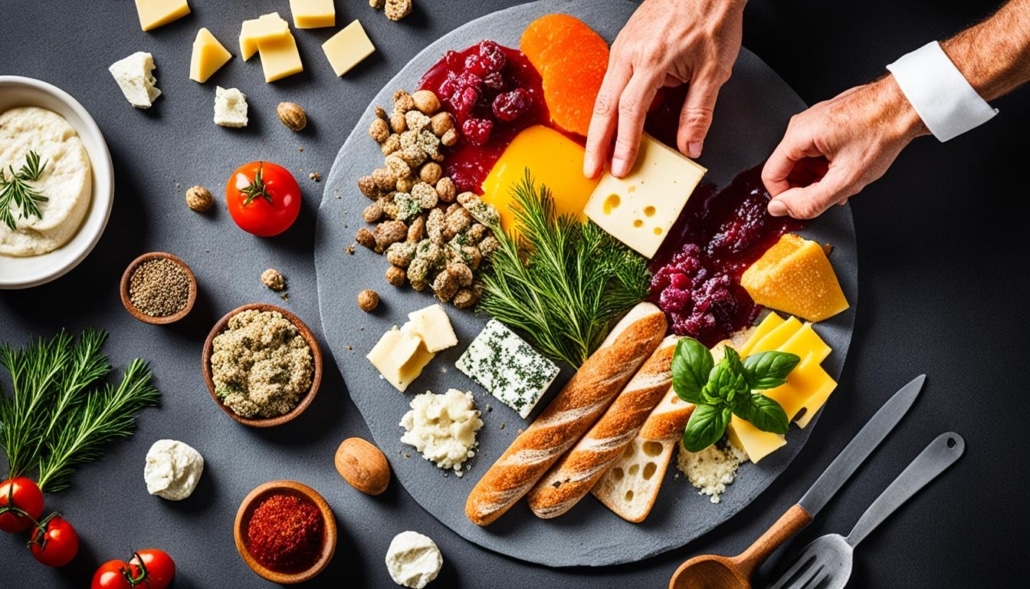
  • Harmonious Combinations: The key to successful food pairing lies in finding harmonious combinations that complement and enhance each other’s flavors. By pairing ingredients that share similar taste profiles and intensities, you can create a well-balanced and delightful dish.
  • The Role of Wine: Wine has long been associated with food pairing, and for good reason. The acidity, sweetness, and tannins in wine can enhance the flavors of your dish, creating a harmonious blend of tastes. However, don’t limit yourself to just wine – explore other beverage options like craft beer, spirits, or even non-alcoholic alternatives to find the perfect match for your meal.
  • Achieving Balance: When pairing food and drink, it’s essential to achieve balance in taste, texture, and aroma. Consider the dominant flavors of your dish and select ingredients that will complement or contrast with those flavors. You can create a balance of flavors by using contrasting elements like sweet and salty, or by combining ingredients with complementary flavors.

Wine and Dine Beyond Grapes:

While wine is often associated with food pairing, there’s a whole world of beverage options to explore. From craft beers and ciders to spirits and non-alcoholic drinks, you can find the perfect pairing for every meal. Experiment with different flavors and textures to discover unexpected combinations that will impress your taste buds.

The Rule of Three:

When it comes to food pairing, the rule of three can be your guide. Instead of focusing on just one flavor pairing, try incorporating three complementary or contrasting elements. For example, if you’re serving a rich and creamy pasta dish, balance it out with a crisp salad and a refreshing beverage. The rule of three allows you to create a well-rounded dining experience that engages all your senses.

Breaking the Rules and Experimenting in Your Kitchen:

While there are guidelines for food pairing, don’t be afraid to break the rules and experiment in your kitchen. Trust your instincts and let your creativity run wild. Mix and match ingredients, flavors, and beverage options to create unique and unforgettable combinations. Remember, some of the most innovative and delightful pairings are often discovered by stepping outside the boundaries of traditional pairings.

To help you get started on your culinary exploration, here are some simple tips:

  • Utilize Regional Cuisine: Explore the richness of regional cuisines and use them as a starting point to discover new flavor combinations. Whether it’s the bold spices of Indian cuisine or the delicate flavors of Japanese dishes, each region offers its own unique palate of tastes.
  • Herbs and Spices: Don’t underestimate the power of herbs and spices in creating exceptional flavor combinations. Experiment with different herbs and spices to enhance the taste of your dishes. From aromatic basil to fiery chili flakes, herbs and spices can take your food pairing skills to the next level.

food pairing 101

Now that you have a basic understanding of food pairing, it’s time to unleash your creativity and explore the endless possibilities. Remember, food pairing is an art form that allows you to express your unique taste and preferences. So grab your apron, gather your ingredients, and get ready to create extraordinary culinary experiences!

Ingredients Recommended Pairing
Grilled Steak Full-bodied red wine
Seared Salmon Light-bodied white wine
Spicy Curry Off-dry Riesling
Dark Chocolate Port or dessert wine

Conclusion

Food pairing is both an art and a science, where the flavors, textures, and aromas of ingredients come together to create harmonious and complementary combinations. Through the exploration of different taste profiles, the experimentation with regional cuisines, and the use of herbs and spices, unique and delicious flavor combinations can be unlocked.

By embracing the art of food pairing, you elevate the dining experience from ordinary to extraordinary. It allows for creativity and personal preferences to shine, whether you’re a seasoned chef or a culinary enthusiast. Understanding the principles of food pairing enables you to create meals that tantalize the taste buds and take you on a flavorful culinary adventure.

The science of food pairing involves delving into the intricate components of each ingredient, such as their flavors, textures, and aromas, to find the perfect pairing. The balance between congruent pairings, where flavors are matched, and contrasting pairings, where differences are embraced, is crucial in achieving a truly exceptional combination. Through this scientific approach, you can create flavor combinations that surprise and delight the palate.

So, whether you’re pairing food and wine, experimenting with different ingredients, or exploring flavor combinations, remember that food pairing is a journey of discovery. It’s about breaking boundaries and daring to create unique and memorable dishes. So, let’s continue to celebrate the art and science of food pairing and unleash our culinary creativity.

FAQ

What is food and wine pairing?

Food and wine pairing is the art of creating harmonious combinations of flavors between dishes and wines. It involves understanding the flavor profiles of both the food and the wine to achieve a balanced and complementary taste experience.

What are the fundamental approaches to food and wine pairing?

There are two fundamental approaches to food and wine pairing. The first is congruent pairings, which match foods and wines with common flavors. The second is contrasting pairings, which bring out the best in each other through their differences.

What are the key factors to consider in food and wine pairing?

Understanding the flavor profiles and balancing the leading flavors are key factors in successful food and wine pairing. It is important to start with what you love, seek balance, and harmonize with the leading flavor.

What are the characteristics of red wines, white wines, and sweet wines in terms of pairing?

Red wines, white wines, and sweet wines each have their own characteristics that can complement different types of dishes. Red wines often pair well with rich and hearty dishes, while white wines are often paired with lighter dishes. Sweet wines can be paired with desserts or enjoyed on their own.

How can I create successful food and wine pairings?

To create successful food and wine pairings, it is important to understand the flavor profiles of both the wine and the dish. By considering the acidity, fat, bitterness, saltiness, sweetness, and alcohol levels, you can create pairings that complement and enhance the flavors of both the food and the wine.

Can I experiment with food and wine pairings?

Absolutely! Food and wine pairing is an art that encourages experimentation and breaking the rules. While there are general guidelines, it’s important to trust your own palate and preferences. Explore regional cuisines, use herbs and spices, and don’t be afraid to try unconventional combinations.

Source Links

Picture this: you find yourself in a bustling sushi restaurant, the air filled with the aroma of fresh seafood and the sounds of laughter and conversation. As you take a seat at the sushi bar, you can’t help but notice the skill and precision of the sushi chefs behind the counter. Their hands move with grace and speed as they expertly craft each piece of sushi, paying careful attention to every detail.

It’s not just about the food, though. The Japanese sushi experience goes beyond the flavors and textures that tantalize your taste buds. It’s about honoring tradition and immersing yourself in a centuries-old practice that has been passed down through generations.

Before you dive headfirst into your sushi feast, it’s important to understand the etiquette that surrounds this culinary art. From how to use chopsticks correctly to the proper way to apply soy sauce, these customs add a layer of respect and appreciation to your dining experience. By adhering to these traditions, you not only show your respect for the sushi chefs but also enhance your own enjoyment of the meal.

So, whether you’re a seasoned sushi lover or new to the world of Japanese cuisine, prepare to embark on a journey that will awaken your senses, enlighten your taste buds, and leave you with a deep appreciation for the rich traditions and exquisite flavors of the Japanese sushi experience.

The Origins of Sushi: A Blend of Legends and History

The history of sushi is shrouded in legends and folklore, but its true origins can be traced back to ancient times. One story tells of an elderly woman who accidentally discovered the fermentation process when she hid her pots of rice in osprey nests. However, the concept of using fermented rice as a fish preservative can be found in a fourth-century Chinese dictionary. This process, known as pickling, is what gives sushi its unique flavor and helps to extend the shelf life of seafood. Over time, sushi evolved in Japan and became popular as a complete dish, with the combination of fermented rice and preserved fish known as nare-zushi.

Sushi Legends and Origins

The legends surrounding the origins of sushi have captured the imagination of sushi enthusiasts worldwide. The story of the elderly woman and her accidental discovery showcases the ingenuity and resourcefulness of early sushi makers. By fermenting rice and preserving fish, they found a way to make their seafood last longer and create a unique and delicious dish.

Legend Description
Hidden Rice An elderly woman hid rice pots in osprey nests, leading to the accidental discovery of fermentation.
Pickling Process The use of fermented rice as a fish preservative can be traced back to a fourth-century Chinese dictionary.
Nare-zushi The combination of fermented rice and preserved fish gave rise to the popular dish known as nare-zushi.

These legends, combined with the historical evidence of pickling practices, illustrate the origins of sushi and the role of fermentation in creating its distinctive taste. As sushi continued to evolve in Japan, new techniques and variations emerged, transforming it into the beloved culinary art form it is today.

The Evolution of Sushi: From Tradition to Innovation

As Japan modernized and the demand for sushi grew, the preparation and serving methods evolved. In the 1820s, a man named Hanaya Yohei introduced nigiri sushi in Edo (now Tokyo). This style of sushi involved pressing a small ball of rice topped with a thin slice of fresh fish. This innovation allowed sushi to be made quickly, catering to the fast-paced lifestyle of Edo. Over time, sushi bars and restaurants spread throughout Japan and the rest of the world.

Along with this evolution, new ingredients and flavors were introduced, giving rise to modern sushi variations. Today, sushi has gone far beyond just raw fish and rice. Sushi chefs experiment with unique combinations of ingredients, incorporating elements from different cuisines to create innovative and exciting flavors. From fusion sushi rolls to vegetarian options, the world of modern sushi offers something for everyone.

Additionally, the concept of omotenashi, or Japanese hospitality, has become an integral part of the sushi dining experience. Sushi chefs strive to provide exceptional service and create a welcoming atmosphere for their guests. From the moment you step into a sushi restaurant, you are greeted with warm smiles and an attention to detail that ensures a memorable dining experience. The combination of traditional techniques and modern hospitality truly embodies the essence of omotenashi.

Sushi Evolution

Conclusion

The Japanese sushi experience is a cultural journey that combines tradition, taste, and the concept of omotenashi, or Japanese hospitality. Throughout history, sushi has evolved from its humble beginnings as preserved fish and fermented rice to become a global culinary phenomenon. It has captured the hearts and palates of people all over the world, offering an authentic experience of Japanese cuisine.

When you indulge in Japanese sushi, you embark on a gastronomic adventure that not only satisfies your taste buds but also immerses you in centuries-old traditions. Every bite tells a story, a tale of meticulous craftsmanship and a dedication to preserving the essence of authentic Japanese flavors.

At the heart of the Japanese sushi experience lies the concept of omotenashi. Sushi chefs not only skillfully craft each delicate piece of nigiri or roll but also strive to provide an unforgettable dining experience for their guests. The attention to detail, the warmth, and the respect shown to diners are fundamental elements that elevate the sushi experience beyond just a meal.

Whether you are well-versed in Japanese cuisine or a newcomer seeking to explore the delights of sushi, embarking on this culinary adventure will undoubtedly leave you with a deep appreciation for the rich traditions that underpin the art of Japanese sushi. So venture forth and savor the exquisite flavors, embrace the hospitality, and immerse yourself in the timeless traditions that make the Japanese sushi experience truly one-of-a-kind.

FAQ

What is the Japanese sushi experience?

The Japanese sushi experience is more than just a meal – it is a journey into the rich traditions and flavors of Japanese cuisine. It combines the art of sushi making with the concept of omotenashi, creating an authentic and unforgettable dining experience.

Are there any rules for sushi etiquette?

While there are no strict rules on sushi etiquette in modern times, there are certain behaviors that can enhance your dining experience and show respect for the sushi chefs. These include using your hands to eat sushi, eating the sushi in one bite, and refraining from adding too much soy sauce or wasabi to the sushi.

What is the history of sushi?

The history of sushi is shrouded in legends and folklore, but its true origins can be traced back to ancient times. One story tells of an elderly woman who accidentally discovered the fermentation process when she hid her pots of rice in osprey nests. However, the concept of using fermented rice as a fish preservative can be found in a fourth-century Chinese dictionary. Over time, sushi evolved in Japan and became popular as a complete dish, with the combination of fermented rice and preserved fish known as nare-zushi.

How has sushi evolved over time?

As Japan modernized and the demand for sushi grew, the preparation and serving methods evolved. In the 1820s, a man named Hanaya Yohei introduced “nigiri sushi” in Edo (now Tokyo). This style of sushi involved pressing a small ball of rice topped with a thin slice of fresh fish. Over time, sushi bars and restaurants spread throughout Japan and the rest of the world, introducing new ingredients and flavors. The concept of omotenashi, or Japanese hospitality, also became an integral part of the sushi dining experience.

What can I expect from a traditional sushi dining experience?

A traditional sushi dining experience offers more than just exquisite flavors. You can expect a harmonious blend of tradition and innovation, with sushi chefs striving to serve their guests wholeheartedly. From the meticulous preparation of each sushi piece to the warm hospitality extended to guests, the aim is to create an authentic and unforgettable dining experience.

Source Links

Are you ready to embark on a flavorful journey through the world of craft beer? We know how exciting and overwhelming it can be to navigate the vast brewery scene, especially if you’re new to the craft beer craze. But fear not, we’re here to be your trusty guide and help you discover the best brews Boise has to offer.

Picture this: it’s a sunny Saturday afternoon, and you’re strolling down the streets of Boise, the vibrant city known for its thriving craft beer culture. As you pass by the eclectic mix of breweries and taprooms, the delicious aroma of hops and malt drifts through the air, enticing you to step inside.

You find yourself in the first brewery on your list, ready to embark on a brewery tour and learn about the art of beer-making. As you step into the bustling facility, you’re greeted by friendly staff who guide you through the brewing process, from the malting of the grains to the fermentation in giant stainless steel tanks. You get a behind-the-scenes look at the craftsmanship that goes into each pint.

After the tour, it’s time for the main event: beer tastings. You’re handed a carefully curated flight of samples, each showcasing a different style and flavor profile. The first sip of the crisp, hoppy pale ale tingles your taste buds, and you can’t help but appreciate the complexity and depth of flavors in every glass.

As you savor each sip, the knowledgeable staff share insights about the brewing techniques, the ingredients used, and the regional influences that make each beer unique. The more you listen, the more you realize that craft beer is not just a beverage, but an art form that tells a story of the community and the passionate people behind it.

Now armed with the basics of craft beer appreciation, you’re ready to dive deeper into the world of styles, flavors, and pairings. Whether you prefer a hop-forward IPA or a smooth and roasty stout, Boise’s craft beer scene has something for everyone.

So, join us on this adventure as we explore the best breweries, the must-try beers, and the upcoming craft beer trends that will shape the vibrant world of craft beer in Boise and beyond. Cheers to new discoveries and unforgettable experiences!

Craft Beer Trends to Watch in 2024

In 2024, the craft beer scene is vibrant and diverse, with several trends shaping the industry. As sustainability and eco-consciousness continue to grow in importance, breweries are focusing on adopting sustainable brewing practices. This includes sourcing local ingredients and implementing energy-efficient processes. Alongside sustainable brewing practices, another noteworthy trend in the craft beer industry is the rise of non-alcoholic craft beer. With a growing interest in health and wellness, breweries are developing sophisticated non-alcoholic options that still deliver on taste and flavor.

Brewers are also pushing boundaries by experimenting with innovative ingredients to create unique and exciting flavors. From fruits and spices to more unconventional ingredients like seaweed, the craft beer landscape is constantly evolving with unexpected tastes. Additionally, fusion styles are gaining popularity as breweries blend different beer styles and incorporate various cultural influences, resulting in delicious brews that offer a truly one-of-a-kind experience.

Craft Beer Trends in 2024:

  • Sustainable brewing practices
  • Non-alcoholic craft beer
  • Innovative ingredients
  • Fusion styles

Must-Try Beers and Breweries of 2024

When it comes to craft beer, 2024 is shaping up to be an exciting year with a multitude of must-try beers and breweries. Three standout establishments are New Heights Brewing Company, Eco Brew Co, and Fusion Craft Ales.

New Heights Brewing Company, located in Nashville, TN, is a go-to destination for beer enthusiasts seeking bold and flavorful IPAs. With their dedication to quality and innovation, this brewery consistently produces exceptional brews that leave a lasting impression. Be sure to try their Galaxy Hopper IPA, a celestial delight that combines juicy hops with a burst of tropical flavors.

If sustainability is your priority, then Eco Brew Co in Portland, OR is the place for you. This eco-conscious brewery goes above and beyond to create a lineup of refreshing beers that are as environmentally friendly as they are delicious. Their Green Future Lager is a prime example, offering a crisp and clean taste that satisfies both your palate and your desire to support green initiatives.

If you’re looking for something truly unique and boundary-pushing, look no further than Fusion Craft Ales in San Diego, CA. This innovative brewery specializes in blending different beer styles and incorporating exotic ingredients to create unforgettable taste experiences. Don’t miss their Mango Chili Wit, a harmonious fusion of tropical sweetness and a spicy kick that keeps you coming back for more.

These three breweries and their standout beers epitomize the creativity and craftsmanship that defines the craft beer industry. Whether you prefer hop-forward IPAs, eco-friendly brews, or bold experimental flavors, New Heights Brewing Company, Eco Brew Co, and Fusion Craft Ales are must-visit destinations that will satisfy your taste buds and leave you craving more.

FAQ

What is craft beer?

Craft beer is beer made by small, independent brewers using traditional brewing methods and quality ingredients. It is known for its unique flavors and styles.

What are some key terminology to understand when exploring craft beer?

Some key terminologies to understand when exploring craft beer include ABV (Alcohol By Volume) and IBU (International Bitterness Units).

What are some popular styles of craft beer?

Some popular styles of craft beer include pale ale, IPA, stout, wheat beer, pilsner, porter, and sour.

How can attending beer tastings enhance my craft beer experience?

Attending beer tastings at local breweries allows you to sample a variety of craft beers and learn about their flavors, aroma, and brewing techniques.

Are there any recommended food pairings for craft beer?

Yes, considering food pairings can enhance your craft beer experience. Some common food pairings include pairing a porter with chocolate desserts or pairing an IPA with spicy dishes.

How can I expand my craft beer knowledge and connect with other enthusiasts?

Joining a beer club or group is a great way to expand your craft beer knowledge and connect with other beer enthusiasts.

Source Links