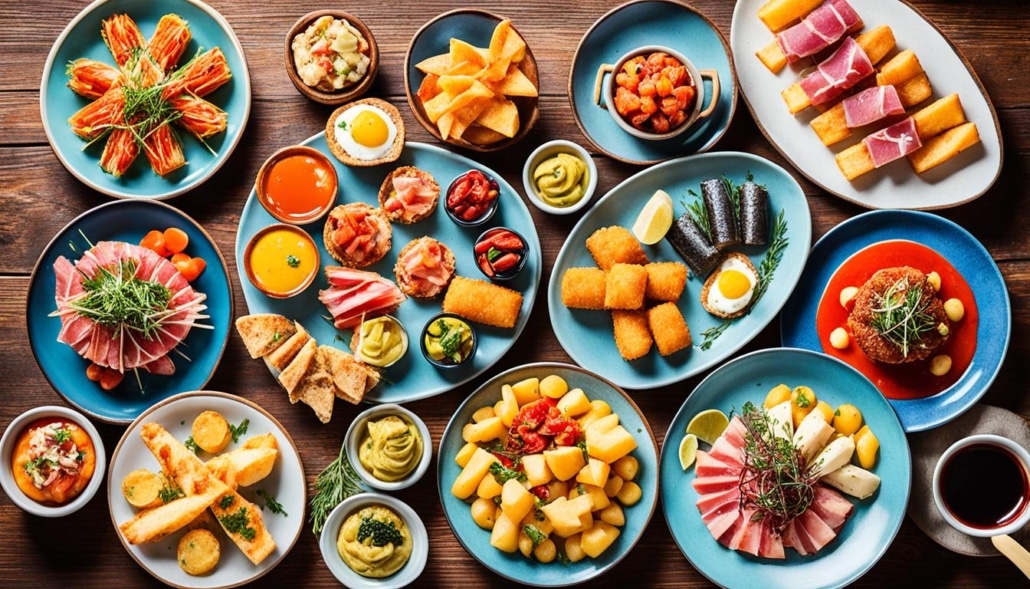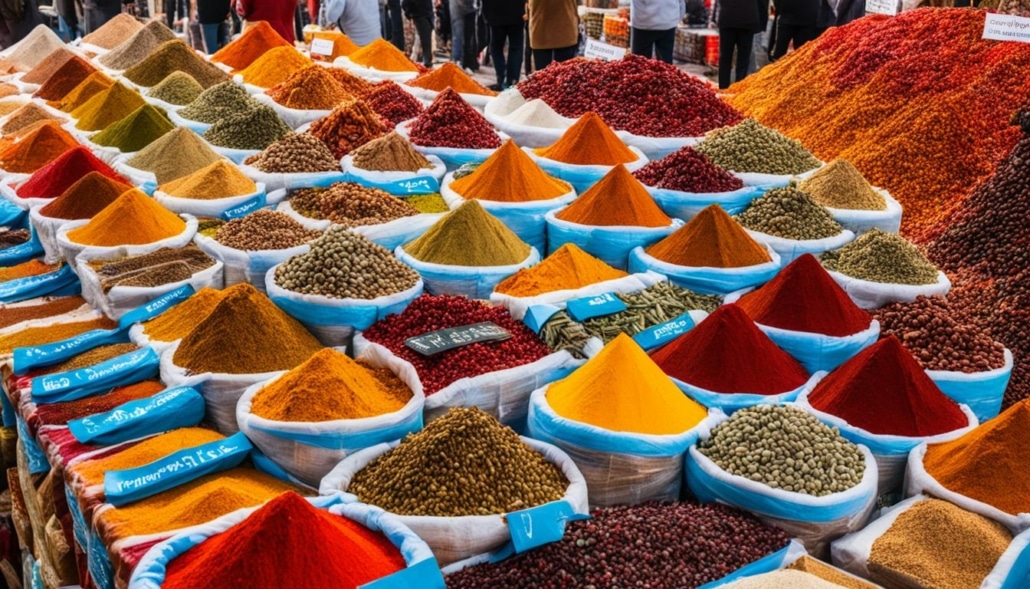
Step into a world where every bite tells a story, where each flavor is crafted with passion and expertise. Welcome to the realm of artisanal foods, where artistry meets gastronomy in a celebration of handmade cuisine.

Imagine stepping into a bustling market filled with stalls adorned with colorful displays of gourmet products. The air is infused with the tantalizing aromas of fresh bread, aged cheeses, and specialty items made with love and care. As you weave your way through the crowd, your senses come alive, captivated by the sights, sounds, and flavors of the artisan’s touch.

At each stall, you encounter skilled artisans who pour their heart and soul into creating these culinary masterpieces. They knead dough, shape it into delicate pastries, and decorate them with painstaking precision. Their hands move deftly, turning ordinary ingredients into extraordinary creations.

With every bite, you can taste the dedication and expertise that goes into each handcrafted item. The flavors dance on your tongue, a symphony of harmonious notes that leave you craving for more. From craft foods infused with unique spices to gourmet treats that tantalize the taste buds, every morsel tells a story of tradition, innovation, and pure culinary artistry.

But artisanal foods offer more than just exquisite flavors. They are a gateway to supporting local artisans and small businesses, preserving traditional crafts and skills that have been passed down through generations. By choosing artisanal foods, you become a patron of creativity, contributing to the rich tapestry of culinary heritage.

Moreover, handcrafted foods often embrace sustainability, using locally sourced ingredients and eco-friendly practices. These specialty items are a conscious choice for those who care about the environment, ensuring that every bite is not only delicious but also leaves a smaller footprint on our planet.

So, come with us on a journey of culinary discovery. Embark on a quest to savor the artistry of artisanal foods, where every bite is a testament to the human touch. Together, let us explore the world of handcrafted foods, where passion meets palate, and extraordinary flavors come to life.

The Beauty and Significance of Natural Materials in Artisan Crafts

Natural materials play a significant role in artisan crafts, adding to their beauty and significance. The use of natural materials in these crafts has several advantages.

  1. Promotes sustainability: Artisan crafts made with natural materials contribute to environmental sustainability by reducing waste and energy consumption. These materials are often biodegradable and have a minimal ecological impact.
  2. Unique and authentic: Natural materials give each handcrafted item a distinct texture, feel, and appearance. No two pieces are exactly alike, making them truly unique and authentic.
  3. Cultural significance: Many traditional crafts are deeply rooted in cultural heritage and are based on the use of natural materials. By incorporating these materials, artisans preserve and promote their cultural traditions.
  4. Health benefits: Natural materials are typically free from harmful chemicals, making them a healthier alternative to synthetic materials. They are safe to use and interact with, enhancing our overall well-being.

Using natural materials in artisan crafts is a way to embrace sustainability, uniqueness, cultural significance, and health consciousness. It allows us to connect with nature, support local artisans, and appreciate the beauty and craftsmanship of these handmade creations.

Examples of Natural Materials Used in Artisan Crafts:

Material Properties Common Uses
Wood Durable, versatile, and aesthetically pleasing Furniture, sculptures, utensils, home decor
Clay Malleable, heat-resistant, and earthy Pottery, ceramics, tiles, sculptures
Leather Durable, flexible, and natural grain patterns Handbags, wallets, footwear, accessories
Wool Soft, insulating, and breathable Knitted garments, blankets, rugs
Bamboo Renewable, lightweight, and eco-friendly Furniture, handicrafts, kitchenware

Books for Food Enthusiasts: Exploring the World of Artisan Food-making

For food enthusiasts, delving into the world of artisan food-making is a fascinating journey filled with culinary adventures. To quench your thirst for knowledge, we recommend a selection of books that offer a closer look at the craft of artisan food-making and the passion behind it.

“Fasting and Feasting” takes you on a captivating exploration of the life of Patience Gray, a renowned culinary author, and her extraordinary gastronomic adventures. Discover the stories and inspiration behind her dedication to creating handmade goods that celebrate nature’s bounty and artisan crafts.

If you’re eager to experiment with wild and foraged ingredients, “Forage, Harvest, Feast” is a treasure trove of recipes that elevate your cooking to new heights. Unleash your creativity in the kitchen as you embrace the flavors of Mother Nature, crafting artisanal dishes that showcase the abundance of the natural world.

For those with a taste for cheese, “The Art of Natural Cheesemaking” offers a comprehensive guide to creating your own natural and intuitive cheeses. Dive into the fascinating world of cheese-making, as the author shares step-by-step instructions and explores the time-honored traditions preserved by artisans.

If ancient brewing techniques pique your curiosity, “Brew Beer Like a Yeti” and “Make Mead Like a Viking” are essential companions. Unlock the secrets of ancient recipes and brewing methods, allowing you to craft unique and flavorful beverages that transport you to a bygone era.

For the adventurous food enthusiast, “Koji Alchemy” and “Wildcrafted Fermentation” showcase the magic of koji and lacto-fermentation in creating diverse and delicious fermented foods. Expand your culinary repertoire as you delve into the world of these ancient techniques, mastering the art of artisanal fermentation.

These books, filled with knowledge and inspiration, offer an invaluable resource for anyone passionate about the art of artisan food-making. Unlock the door to a world of flavors, techniques, and stories, and be inspired by the creativity and dedication of artisans who bring their crafts to life on your plate.

FAQ

What makes artisanal foods unique?

Artisanal foods are handmade with meticulous care and attention to detail, reflecting the artisan’s personal touch. They offer exceptional quality and uniqueness compared to mass-produced items.

How do artisanal foods support local artisans and small businesses?

By choosing artisanal foods, you have the opportunity to support local artisans and small businesses. Your purchase contributes to the preservation of traditional crafts and skills.

Why are artisan crafts and handmade goods considered sustainable?

Artisan crafts and handmade goods are often made using eco-friendly and sustainable materials. This makes them a conscious choice for those who prioritize environmental consciousness.

What is the significance of using natural materials in artisan crafts?

Natural materials add to the beauty and significance of artisan crafts. They promote environmental sustainability, offer authenticity, cultural significance, and can have health benefits by being free from harmful chemicals.

Are there any recommended books for food enthusiasts interested in artisan food-making?

Yes, there are several recommended books for food enthusiasts. “Fasting and Feasting” explores the culinary adventures of Patience Gray. “Forage, Harvest, Feast” offers wild food recipes. “The Art of Natural Cheesemaking” provides instructions for making natural cheeses. “Brew Beer Like a Yeti” and “Make Mead Like a Viking” delve into ancient brewing techniques, and “Koji Alchemy” and “Wildcrafted Fermentation” focus on fermented foods.

Have you ever found yourself scrolling through social media, only to stumble upon a mouth-watering image of a perfectly plated dish? That’s the power of food influencers, the trendsetters of the culinary world. Through their captivating posts, engaging stories, and enticing recipes, they transport us into a world of flavors and possibilities.

Food influencers, also known as culinary influencers, are individuals who have gained a significant following on social media platforms like Instagram, TikTok, and YouTube, by showcasing their culinary creations and experiences. Their posts are filled with vibrant images that make our taste buds tingle and our desire for delicious food soar.

With their massive online presence, food influencers have the power to shape culinary trends and influence consumer behavior. They introduce us to new ingredients, innovative cooking techniques, and unique dining experiences. In fact, their influence extends beyond a simple recipe; they foster online communities that are centered around a love for food and its culture.

As we delve deeper into the impact of food influencers on consumer behavior, we’ll explore how they influence our food choices, shape food trends, and create a sense of aspiration and desire among their followers. We’ll also discuss the ethical considerations surrounding food influencer culture and what the future holds for this dynamic industry.

The Impact of Food Influencers on Consumer Behavior

Food influencers have a significant impact on consumer behavior, particularly when it comes to food choices. Their visually appealing content and persuasive storytelling techniques make their followers more likely to try new foods, visit recommended restaurants, and purchase endorsed products.

Through the power of social media, food influencers have the ability to shape and popularize food trends. They create a sense of desire and aspiration around certain foods and dining experiences, leading to an increased desire among their followers. By showcasing mouthwatering dishes and sharing their personal experiences, food influencers inspire their audience to explore new flavors, embrace food trends, and try different cuisines.

Food influencers play a crucial role in introducing new flavors, trends, and cuisines to their audience. They have the ability to expose their followers to unique food experiences that they may not have discovered otherwise. By sharing their personal preferences and recommendations, food influencers influence their audience’s food choices and instill a sense of trust and authenticity in their recommendations.

How Food Influencers Influence Consumer Behavior:

  • Visually appealing content: Food influencers curate aesthetically pleasing images and videos of food, making their content highly engaging and attractive to their audience, ultimately influencing their food choices.
  • Persuasive storytelling: Food influencers use captivating storytelling techniques to share their own personal food experiences, evoking emotions and creating a connection with their audience, motivating them to try new foods and explore different culinary experiences.
  • Endorsements and recommendations: Food influencers endorse specific products, ingredients, and restaurants, influencing their followers to try those recommendations and shaping their food choices.
  • Social media presence: Food influencers leverage the power of social media platforms like Instagram, TikTok, and YouTube, where they have a wide reach and can easily connect with their audience, influencing their food choices and preferences.

Overall, food influencers hold significant influence over consumer behavior when it comes to food choices and trends. By creating visually appealing and compelling content, leveraging social media platforms, and sharing endorsements and recommendations, they inspire their followers to explore new flavors, embrace food trends, and try different cuisines.

The Ethics and Future of Food Influencers

As food influencers continue to shape culinary trends and influence consumer behavior, it is crucial to consider the ethical implications of their powerful influence. Authenticity, transparency, and responsible content creation should be at the forefront of every food influencer’s priorities. It is essential to promote and prioritize balanced and nutritious eating habits when advocating for specific products or ingredients.

Another integral aspect of the food influencer industry is brand collaborations. While these collaborations contribute to the success of influencers, it is essential for them to maintain transparency by openly disclosing their partnerships. This transparency helps maintain the trust of their audience and ensures that their recommendations are genuine.

The future of food influencers lies in their ability to adapt to changing consumer preferences and navigate a saturated market. As technology continues to evolve, embracing innovative ways to engage with their audience will be key. Moreover, food influencers must strive to uphold authenticity, as consumers become increasingly discerning and value genuine connections.

With a keen awareness of ethical considerations and a commitment to maintaining transparency, food influencers hold immense potential to shape the future of the food industry. By advocating for health and nutrition, fostering responsible brand collaborations, and staying ahead of future trends, food influencers can continue to positively impact the culinary world and inspire their followers to embark on exciting gastronomic journeys.

FAQ

What is a food influencer?

A food influencer is a social media user who creates and shares content related to food, recipes, restaurants, and culinary experiences. They have a large following and their content has the power to shape culinary trends and consumer behavior.

How do food influencers influence consumer behavior?

Food influencers use visually appealing content and persuasive storytelling techniques to encourage their followers to try new foods, visit recommended restaurants, and purchase endorsed products. They play a key role in shaping and popularizing food trends through social media.

What ethical considerations should food influencers be aware of?

Food influencers should prioritize authenticity, transparency, and responsible content creation. They should promote balanced and nutritious eating habits and be cautious when endorsing specific products or ingredients. They should also disclose any brand collaborations to their audience.

What is the future of food influencers?

The future of food influencers lies in their ability to adapt to changing consumer preferences and maintain authenticity in a saturated market. As technology evolves, their influence on the food industry is expected to continue growing.

Have you ever tasted a dish that left an indelible mark on your taste buds? One that transported you to a realm of culinary bliss? We all have our favorite recipes that we hold dear, but there’s something special about a signature dish created by a renowned chef. These chef specialties are more than just plates of food; they are iconic recipes that represent the culinary masters behind them.

Imagine stepping into a world of gourmet dining where each bite is a revelation, a symphony of flavors and textures meticulously crafted to perfection. Let me take you on a journey through the culinary landscape, where we’ll explore the signature plates of famous chefs from around the world.

But before we embark on this gastronomic adventure, let me share a story about my own encounter with a signature dish that forever changed my perception of food.

20 Celebrity Chefs and Their Signature Dishes

Celebrity chefs have become household names, attracting fans with their unique cooking styles and mouth-watering signature dishes. From Gordon Ramsay’s iconic Beef Wellington to Kristen Kish’s creamy Mafaldine pasta with mushrooms, these dishes have made our mouths water and inspired us to try our hand in the kitchen. Other notable dishes include Jamie Oliver’s Best Roast Potatoes, Giada De Laurentiis’ refreshing Lemon Spaghetti, and Wolfgang Puck’s indulgent Smoked Salmon Pizza. Each chef brings their own culinary expertise and creativity to these dishes, showcasing their mastery of flavors and techniques. Whether you’re a fan of classic French cuisine, modern Peruvian delights, or comforting Chinese-American dishes, these signature plates represent the pinnacle of culinary artistry.

Curious to discover more about these celebrity chefs and their famous dishes? Check out the table below for a culinary map of some of the most renowned chefs and their mouthwatering creations:


Chef Signature Dish
Gordon Ramsay Beef Wellington
Kristen Kish Mafaldine Pasta with Mushrooms
Jamie Oliver Best Roast Potatoes
Giada De Laurentiis Lemon Spaghetti
Wolfgang Puck Smoked Salmon Pizza

These renowned celebrity chefs have left an indelible mark on the culinary world, shaping the way we perceive and enjoy food. Their signature dishes not only showcase their culinary prowess but also serve as an inspiration for aspiring chefs and home cooks alike. Whether you’re looking to recreate their iconic recipes at home or plan a visit to their famous restaurants, the culinary map provided above offers a glimpse into the diverse and tantalizing world of celebrity chef cuisine.

10 of the World’s Most Famous Chefs and Their Signature Dishes

In the world of fine dining, the culinary artistry of famous chefs elevates the gastronomic experience to new heights. These renowned chefs, celebrated globally for their exceptional talent and creativity, have crafted signature dishes that have become legendary in the culinary landscape.

One such chef is Masaharu Morimoto, known for his fusion dish Buri Bop, which seamlessly blends Japanese and Korean influences. Alain Ducasse, another culinary maestro, pays tribute to the diverse cultures of the world with his iconic dish, the Cookpot. These signature plates have garnered international acclaim and serve as a testament to the vision and skill of these culinary virtuosos.

Gaggan Anand, Ken Hom, and Clare Smyth are other esteemed chefs who have left an indelible mark with their unique culinary visions. Their signature dishes, each a masterpiece in its own right, reflect their dedication to craftsmanship and innovation. Whether dining at their renowned restaurants or recreating these dishes at home, the experience is nothing short of a culinary journey.

Exploring the world’s most famous chefs and their signature dishes allows us to indulge in the sheer artistry of gastronomy. The harmonious blend of flavors, meticulous technique, and exquisite presentation showcased in these dishes captivate the senses and offer a glimpse into the genius of these culinary masters.

FAQ

What are signature dishes?

Signature dishes are unique and iconic recipes created by famous chefs that have become synonymous with their culinary style and expertise.

Who are some of the famous chefs known for their signature dishes?

Some famous chefs known for their signature dishes include Gordon Ramsay, Heston Blumenthal, Jamie Oliver, Giada De Laurentiis, Wolfgang Puck, and many more.

What makes these signature dishes special?

These signature dishes represent the pinnacle of culinary excellence and showcase the chef’s mastery of flavors, techniques, and creativity. They are renowned for their unique taste, presentation, and ability to delight food enthusiasts.

Can I try these signature dishes at home?

Yes, many of these signature dishes come with recipes available online or in the chefs’ cookbooks, allowing you to recreate them in your own kitchen and experience a taste of gourmet dining.

Where can I try these signature dishes?

You can try these signature dishes at the renowned restaurants of the celebrity chefs, where they are served with utmost perfection and attention to detail. Additionally, some of these dishes may also be available at select gourmet dining establishments around the world.

Are these signature dishes only found in specific cuisines?

No, these signature dishes encompass a wide range of cuisines. From classic French dishes to modern fusion creations, these iconic recipes celebrate culinary diversity and creativity.

Food has a way of bridging gaps between cultures, bringing people from different backgrounds together to share in the joy of flavors and stories. It’s remarkable how a single dish can transport us to another country, immersing us in its traditions and heritage. The beauty of ethnic cuisine lies in its ability to offer a window into a world of diverse tastes and culinary experiences.

Imagine yourself sitting at a cozy neighborhood restaurant, crisp spring rolls in front of you, the fragrant aroma of spices filling the air. As you take a bite, the flavors explode on your tongue, transporting you to the bustling streets of Vietnam. The delicate balance of sweet, sour, and savory is a testament to the craftsmanship of Vietnamese cuisine, and in that moment, you feel connected to a culture thousands of miles away.

Or perhaps you find yourself in the heart of Italy, sitting at a small trattoria, indulging in a steaming plate of homemade pasta. The simplicity of the ingredients – fresh tomatoes, garlic, olive oil – speaks to the Italian way of life, where quality and passion are paramount. As you savor each bite, you can’t help but appreciate the centuries-old tradition that has perfected the art of pasta-making.

This is the power of ethnic cuisine, the ability to transport us to different corners of the globe through the language of food. It takes us on a culinary adventure, allowing us to explore the world without leaving our dining tables. From the vibrant spices of Indian curries to the delicate flavors of Japanese sushi, each culture has its own distinctive culinary identity, and we have the privilege of partaking in this global feast.

In this article, we will embark on a journey through the enticing world of ethnic cuisine. We will dive into the comfort food recipes that warm our hearts, witness the rich diversity of global kitchens, and discover the stories behind the flavors that make our taste buds dance. Join us as we celebrate the global dishes that unite us all in a shared love for cultural dining.

Discovering Comfort Food from Around the World

Embracing the Taste of Nostalgia

In our quest for culinary satisfaction, we often find comfort in the dishes that transport us back to our roots, evoking memories of family gatherings and cherished traditions. Such familiar flavors hold a special place in our hearts and remind us of the simplicity and warmth of home. Across the globe, various cultures have their own interpretations of comfort food, each with its own unique blend of flavors and ingredients.

A World of Comforting Delights

Let’s embark on a global culinary journey to discover the diverse comfort foods that unite communities and bring solace to our souls. From the beloved pasta dishes of Italy to the aromatic spices of India, the world is a treasure trove of comforting cuisines waiting to be explored.

Italian Cuisine: Pasta Perfection

Italian cuisine has long been synonymous with comfort food, offering a plethora of satisfying pasta dishes that warm the heart and soul. Indulge in the rich flavors of spaghetti bolognese, where tender meat sauce coats al dente noodles, or savor the layers of cheesy goodness found in a comforting lasagna.

Mexican Cuisine: A Festive Fiesta

Mexican cuisine brings fiesta to the table with vibrant flavors and bold spices. Treat your taste buds to the irresistible combination of tender tamales wrapped in corn husks or savor the explosion of flavors found in flavorful tacos stuffed with juicy meats, fresh vegetables, and zesty salsas.

Japanese Cuisine: Soul-Healing Soups

Japan’s culinary offerings extend beyond sushi and sashimi, captivating us with their heartwarming comfort food. Delight in the soothing embrace of a steaming bowl of ramen noodle soup, filled with a harmonious medley of tender meats, springy noodles, and savory broth.

Indian Cuisine: Aromatic Bliss

Indian cuisine enchants the senses with its aromatic spices and bold flavors. Discover the comfort found in a fragrant bowl of biryani, where fluffy rice is infused with aromatic herbs and spices, or warm your soul with a comforting bowl of dal, a lentil stew bursting with flavor.

Explore, Experiment, Exude Joy

By embracing the world of comfort food, we open ourselves up to new experiences and the joy of discovery. Explore recipes from different cultures, experiment with flavors and techniques, and create your own personalized comfort food favorites. The world is your kitchen, ready to delight and comfort.

Country Comfort Food
Italy Spaghetti Bolognese
Lasagna
Mexico Tamales
Tacos
Japan Ramen Noodle Soup
India Biryani

The Rich Diversity of Global Cuisines

The world is filled with diverse individuals who belong to different cultures, each possessing their own unique traditions, religions, and culinary practices. Food imports and exports have made it possible for us to taste an incredible variety of cuisines from around the world.

Chinese cuisine boasts a treasure trove of flavors and regional specialties. From the fiery spice of Sichuan cuisine to the delicate flavors of Cantonese cuisine, Chinese gastronomy offers a journey through diverse tastes and cooking techniques.

French cuisine, renowned for its exquisite finesse and flavors, is a testament to culinary mastery. From the rich and buttery dishes of Normandy to the aromatic herbs and fresh seafood of Provence, French gastronomy tantalizes the taste buds.

Japanese cuisine, known for its harmonious balance of flavors and meticulous presentation, offers a culinary experience like no other. From the delicate art of sushi to the comforting warmth of ramen, Japanese gastronomy is a celebration of simplicity and precision.

Indian cuisine, with its diverse spices and traditional dishes, takes diners on a flavorful journey. From the fiery curries of the South to the aromatic biryanis of the North, Indian gastronomy is a celebration of color, fragrance, and bold flavors.

German cuisine, known for its hearty and filling comfort foods, warms both the heart and the stomach. From sausages and sauerkraut to rich stews and pretzels, German gastronomy embraces rustic flavors and satisfying meals.

Korean cuisine highlights the freshness of ingredients and the balance of flavors. Rice, vegetables, and seafood take center stage, creating dishes that are both healthy and delicious.

Mexican cuisine bursts with vibrant flavors and iconic dishes. From the tangy and spicy notes of salsas to the rich and complex flavors of mole, Mexican gastronomy is a fiesta for the senses.

By exploring these diverse global cuisines, we can deepen our understanding of different cultures and enjoy the rich flavors of the world’s culinary heritage.

FAQ

What is ethnic cuisine?

Ethnic cuisine refers to the traditional dishes and cooking styles that are representative of a specific culture, country, or region. It incorporates unique flavors, ingredients, and cooking techniques that reflect the history, geography, and values of the culture.

What is comfort food?

Comfort food is food that provides a sense of nostalgia, sentimentality, and emotional satisfaction. It is often associated with warmth, familiarity, and the feeling of being ‘at home.’ Comfort foods vary across cultures and can include dishes like pasta, stews, soups, and other dishes that evoke a sense of comfort and well-being.

How can I discover comfort food from around the world?

You can discover comfort food from around the world by being open-minded, conducting research, and experimenting in the kitchen. Explore different cuisines, try new recipes, and learn about the traditional dishes and ingredients that are considered comforting in various cultures. You may find your new favorite comfort food from faraway lands!

Why is it important to explore global cuisines?

Exploring global cuisines allows us to deepen our understanding of different cultures, traditions, and culinary practices. It broadens our palate, exposes us to new flavors and ingredients, and promotes cultural diversity. By trying dishes from different parts of the world, we can enjoy the rich tapestry of flavors and experiences that the world’s culinary heritage offers.

Source Links

Welcome to a culinary journey around the world, where we will delve into the vibrant and diverse realm of ethnic cuisine. From colorful spices to rich sauces, cultural dishes from different corners of the globe offer a tantalizing explosion of flavors and aromas. Prepare to embark on a gastronomic adventure that will open your palate to a world of exotic tastes and traditions.

Imagine stepping into a bustling street market in Marrakech, Morocco. As you navigate through the maze of vendors, the air becomes filled with the enticing aroma of freshly grilled kebabs and fragrant spices. The vibrant colors of the local spices and the intricate designs of the handcrafted ceramics catch your eye, beckoning you to explore further.

Curiosity leads you to a small stall where a friendly vendor proudly presents a plate of tagine—a traditional Moroccan dish of tender meat, aromatic vegetables, and flavorful herbs, slow-cooked to perfection. With each bite, you discover a delightful harmony of sweet and savory flavors, as the spices transport you to the bustling markets of Marrakech.

But our journey doesn’t end in Morocco. From there, we’ll travel to Italy, where we can indulge in the simplicity and elegance of fresh ingredients and pasta dishes. Then, it’s off to China, where bold and spicy flavors take center stage, accompanied by rice and noodles. Finally, we’ll explore the rich tapestry of Indian cuisine, bursting with vibrant spices and regional specialties.

Throughout this guide, we’ll uncover the signature ingredients and techniques that define each cuisine, enabling you to recreate the flavors of these global delicacies in the comfort of your own kitchen. So fasten your seatbelt and get ready to embark on a culinary adventure that will satisfy your taste buds, broaden your horizons, and celebrate the rich tapestry of world foods.

Italian Cuisine: Flavors of Fresh Ingredients and Pasta

Italian cuisine is renowned worldwide for its simple yet flavorful dishes. It emphasizes the use of fresh and high-quality ingredients, which form the foundation of its distinctive flavors. From pasta to olive oil, tomatoes to Parmesan cheese, and basil to red wine, Italian cooking showcases the vibrant flavors of the Mediterranean region.

When it comes to pasta, Italians have perfected the art of creating a variety of shapes and sizes, each designed to hold the sauce in a unique way. Whether it’s spaghetti, linguine, or penne, pasta is a versatile ingredient that can be combined with a myriad of flavors and ingredients to create mouthwatering dishes.

Olive oil is another essential component of Italian cuisine. It is used generously in dressings, sauces, and marinades, adding a distinct richness and depth of flavor. The quality and type of olive oil can greatly influence the taste of a dish, from a delicate extra virgin olive oil to a robust and flavorful olive oil.

Italian cuisine is also known for its vibrant tomato-based sauces, which are made from ripe, juicy tomatoes. From marinara to pomodoro sauce, tomatoes add a natural sweetness and tanginess to Italian dishes.

The flavor profile of Italian food is often enhanced by the use of Parmesan cheese, a hard cheese with a nutty and savory taste. It adds a rich and umami flavor to pasta, risotto, and salads.

When it comes to herbs, fresh basil is a staple in Italian cuisine. Its aromatic and slightly sweet flavor infuses dishes with a fragrant and fresh taste. Whether it’s sprinkled on top of a pizza or incorporated into a pasta sauce, basil is a key ingredient in Italian cooking.

To complement the flavors of Italian dishes, red wine is often served alongside a meal. It not only enhances the taste of the food but also provides a refreshing and enjoyable experience. White wine, such as Pinot Grigio or Chardonnay, is also a popular choice for pairing with seafood or lighter pasta dishes.

One of the iconic features of Italian cuisine is the traditional wood-fired oven. It is essential for creating authentic Neapolitan pizza with its perfectly blistered crust and smoky flavors. The wood-fired oven ensures that the pizza cooks quickly at high temperatures, resulting in a deliciously crisp and chewy crust.

Lastly, simmering is a common cooking technique used in Italian cuisine. It allows the flavors of the ingredients to meld together and develop into rich and complex sauces. Simmering also ensures that the pasta, vegetables, or meats are cooked to perfection.

Famous Italian Dishes:

Dish Description
Spaghetti Carbonara A classic Roman pasta dish made with eggs, bacon, Pecorino Romano cheese, and black pepper.
Margherita Pizza A simple yet iconic pizza topped with San Marzano tomatoes, mozzarella cheese, fresh basil, olive oil, and a sprinkle of sea salt.
Lasagna A layered pasta dish with meat sauce, béchamel sauce, mozzarella cheese, and Parmesan cheese.
Risotto alla Milanese A creamy and flavorful rice dish made with saffron, Parmesan cheese, and butter.
Tiramisu A classic Italian dessert made with layers of ladyfingers soaked in coffee and layered with a rich mascarpone cream.

Chinese Cuisine: Bold and Spicy Flavors, Rice and Noodles

Chinese cuisine is renowned for its bold and spicy flavors, as well as its diverse regional specialties. From vibrant stir-fries to comforting noodle soups, Chinese dishes offer a tantalizing combination of flavors, textures, and aromas.

Rice and Noodles: The Heart of Chinese Cuisine

Chinese cuisine

Rice and noodles are the foundation of most Chinese meals. Rice is a staple food and is typically served alongside various dishes, absorbing their flavors. Noodles come in a variety of shapes and sizes, offering endless possibilities in Chinese cooking. Whether it’s steamed white rice or hand-pulled noodles, these versatile grains are essential in Chinese cuisine.

Dim Sum: Bite-Sized Delights

One of the highlights of Chinese cuisine is dim sum, a style of dining that involves small, bite-sized portions of food served in steamer baskets. Dim sum offers a wide array of flavors and textures, including dumplings, steamed buns, and rice rolls. It is a popular choice for brunch or tea, allowing diners to sample a variety of dishes in one sitting.

The Art of Stir-Frying and Wok Cooking

Stir-frying is a popular cooking technique in Chinese cuisine. It involves quickly frying ingredients in a small amount of oil over high heat, allowing them to retain their vibrant colors and crisp textures. This method not only preserves the nutritional value of the ingredients but also enhances their natural flavors. The wok, a versatile round-bottomed pan, is the instrument of choice for stir-frying, as well as for deep-frying and steaming.

The Magic of Five-Spice Powder

Another essential ingredient in Chinese cuisine is five-spice powder. This aromatic blend typically consists of cinnamon, cloves, fennel seeds, star anise, and Sichuan peppercorns. Five-spice powder adds depth and complexity to dishes, providing a balance of sweet, savory, and slightly spicy flavors. It is commonly used in marinades, sauces, and braised dishes.

Chinese Ingredients Commonly Used in
Dumplings Dim sum and appetizers
Peking Duck Roasted duck dish
Kung Pao Chicken Stir-fried chicken dish
Hot and Sour Soup Traditional Chinese soup
Sweet and Sour Pork Stir-fried pork dish

Chinese cuisine offers a wealth of flavors, techniques, and culinary traditions. From the bold and spicy flavors to the art of stir-frying and wok cooking, it’s a cuisine that never fails to excite the taste buds. Whether you’re enjoying a comforting bowl of noodles or savoring the delicate flavors of dim sum, Chinese cuisine is a true culinary delight.

Indian Cuisine: Bold and Fragrant Spices, Regional Diversity

Indian cuisine is a sensory delight, renowned for its bold and fragrant spices that create a harmonious symphony of flavors. The regional diversity of Indian cooking showcases the vastness and richness of this culinary tradition. Let’s take a closer look at the distinctive characteristics of North Indian, South Indian, Eastern Indian, and Western Indian cuisines.

North Indian Cuisine: Rich and Creamy Gravies

North Indian cuisine is known for its rich and mouthwatering gravies. Influenced by the Mughal era, this cuisine showcases an array of dishes cooked with abundant ghee, aromatic spices, and creamy sauces. Naan, butter chicken, biryani, and kebabs are some of the popular dishes that exemplify the flavors of North India.

South Indian Cuisine: Focus on Rice and Lentils

South Indian cuisine takes pride in its use of rice and lentils as staple ingredients. Rice is the core component of most meals, accompanied by an assortment of savory and tangy dishes such as dosas, idlis, sambhar, and rasam. The generous use of coconut, curry leaves, and tamarind gives South Indian dishes their distinctive flavors.

Eastern Indian Cuisine: Emphasis on Fish and Rice

Eastern Indian cuisine embraces the abundance of seafood along its coastal region. Known for its love for fish, this cuisine showcases a variety of dishes prepared with different types of fish and aromatic spices. The popular delicacies of Eastern India include macher jhol (fish curry), shorshe ilish (hilsa fish in mustard sauce), and mishti doi (sweet yogurt).

Western Indian Cuisine: Spicy and Flavorful

Western Indian cuisine is characterized by its spicy and flavorful dishes. The region’s love for spice is evident in the vibrant and fiery curries, street food, and snacks. Gujarati, Rajasthani, and Maharashtrian cuisines are prominent in the West, featuring dishes like dhokla, pav bhaji, thali, and indulgent desserts like jalebi and shrikhand.

In addition to the regional diversity, Indian cuisine also has some key ingredients and techniques that are widely used across the country:

  • Ghee: Clarified butter that adds richness and depth of flavor to dishes
  • Curry leaves: A fragrant herb used to enhance the taste and aroma of curries
  • Saffron: Known as the “queen of spices,” saffron adds a distinct flavor and vibrant hue to Indian dishes
  • Tandoor: A traditional clay oven used to cook succulent meats, bread, and marinated dishes like tandoori chicken
  • Tadka/Tempering: A technique of adding spices to hot oil or ghee, releasing their flavors and infusing the dish with depth

Indian cuisine truly captures the essence of a vibrant and diverse nation, with its bold flavors, vibrant colors, and intricate cooking techniques. Exploring the regional variations and savoring the authentic flavors of Indian dishes is a culinary journey that will leave you craving for more.

Indian Cuisine

Conclusion

Ethnic cuisine is a celebration of flavor and heritage, bringing people together across borders. By exploring the diverse culinary traditions of different cultures, we can truly appreciate the richness and complexity of global cuisine. Each cuisine, whether it’s Italian pasta, Chinese stir-fries, or Indian curries, offers its own unique flavors and techniques that have been passed down through generations.

Embarking on a culinary exploration of ethnic cuisine not only allows us to expand our palates but also provides an opportunity to learn about different cultures and their culinary traditions. It’s a way of celebrating diversity and creating memorable dining experiences that reflect the incredible variety and creativity found in global culinary traditions.

Let the world’s cuisines inspire us as we discover new flavors and ingredients, and embark on a journey of culinary exploration. Whether we’re trying our hand at cooking these dishes at home or experiencing them through dining out, let’s savor the vibrant and diverse cuisines that the world has to offer. Celebrate the flavors and heritage of global culinary traditions, and let them enrich our lives and taste buds.

FAQ

What is ethnic cuisine?

Ethnic cuisine refers to the culinary traditions and dishes that are specific to a particular culture or country. It is a reflection of the heritage, culture, and traditions of different regions around the world.

How does ethnic cuisine celebrate flavor and heritage?

Ethnic cuisine celebrates flavor and heritage by using unique ingredients, cooking techniques, and flavors that are specific to a particular culture or country. It allows people to connect with their roots and showcase their culinary traditions.

What are some examples of global cuisines?

Some examples of global cuisines include Italian cuisine with its emphasis on fresh ingredients and pasta, Chinese cuisine with its bold and spicy flavors, and Indian cuisine with its bold and fragrant spices. These cuisines offer a wide variety of flavors and techniques.

What are the signature ingredients in Italian cuisine?

The signature ingredients in Italian cuisine include pasta, olive oil, tomatoes, Parmesan cheese, and basil. Red and white wine are also important elements used to enhance the flavor of various dishes.

What are the staples of Chinese cuisine?

Rice and noodles are the staples of Chinese cuisine. They provide a base for various flavors and textures in Chinese dishes. Chinese cuisine also features a diverse range of regional specialties and uses spices like five-spice powder to add depth and complexity to dishes.

What are the bold spices used in Indian cuisine?

Indian cuisine is known for its bold and fragrant spices. Some of the common spices used in Indian cooking include ghee, curry leaves, saffron, and a wide range of spice blends. The Tandoor oven is also an important element in Indian cuisine.

How can we embark on a culinary exploration of ethnic cuisine?

To embark on a culinary exploration of ethnic cuisine, you can start by trying dishes from different cultures and countries. Experiment with new ingredients and cooking techniques, and immerse yourself in the flavors and traditions of global cuisine.

Source Links

As we enter a new season, it’s time to take advantage of the delicious seasonal foods that are available. Eating in-season not only guarantees the freshest produce but also supports local farmers and reduces our environmental impact. Today, let me share with you a farm-to-table story that highlights the importance of organic produce and will get your taste buds excited for what’s to come.

Imagine strolling through a vibrant farmer’s market on a crisp autumn morning. The air is filled with the sweet aroma of ripe apples and earthy root vegetables. The colorful display of pumpkins, squash, and kale is a feast for the eyes. As you pick up a bunch of freshly harvested carrots, a friendly farmer named Sarah approaches you with a smile.

“These carrots were just pulled from the ground this morning,” she says proudly. “They’re packed with nutrients and bursting with flavor. Plus, they’re part of our farm-to-table offerings, which means you’re supporting local agriculture and getting the very best quality.”

Curious, you ask Sarah about the benefits of eating seasonal foods. She explains that because the produce is grown locally, it doesn’t need to travel long distances, reducing carbon emissions. It’s also harvested at its peak, ensuring optimal freshness and nutrient retention. The result? Incredibly tasty and nutritious meals that are good for both you and the planet.

With a newfound appreciation for seasonal eating, you thank Sarah and gather a basket full of farm-to-table picks for your next meal. Back at home, you prepare a colorful salad with crisp apples, crunchy carrots, and tender greens. The flavors explode in your mouth, and you can’t help but feel a sense of connection to the land and the hardworking farmers behind each bite.

So, whether it’s the juicy oranges and tangy lemons of January or the vibrant strawberries and refreshing watercress of May, remember to embrace the wonders of each season’s bounty. Stay tuned as we delve deeper into the what to eat this season with our monthly guides to the best seasonal fruits and vegetables.

January Seasonal Fruit and Veg

In January, we are blessed with a variety of delicious and nutritious fruits and vegetables. Incorporating these seasonal delights into our meals not only adds flavor and freshness but also supports sustainable farming practices. Let’s explore the vibrant selection of January seasonal fruit and vegetables:

Seasonal Fruits:

  • Apples
  • Clementines
  • Kiwi fruit
  • Lemons
  • Oranges
  • Passion fruit
  • Pears
  • Pomegranate

Seasonal Vegetables:

  • Beetroot
  • Brussels sprouts
  • Cauliflower
  • Kale
  • Leeks
  • Parsnips
  • Potatoes
  • Rhubarb
  • Shallots
  • Swedes
  • Turnips

Additionally, January offers an array of meats, fish, and seafood to enhance our culinary adventures. Meat lovers can indulge in duck, goose, rabbit, turkey, and venison. For seafood enthusiasts, options include haddock, mussels, oysters, and salmon. So, let’s make the most of January’s seasonal bounty and savor the flavors nature has blessed us with.

Seasonal Fruits Seasonal Vegetables Meat Options Fish and Seafood Options
Apples Beetroot Duck Haddock
Clementines Brussels sprouts Goose Mussels
Kiwi fruit Cauliflower Rabbit Oysters
Lemons Kale Turkey Salmon
Oranges Leeks Venison
Passion fruit Parsnips
Pears Potatoes
Pomegranate Rhubarb
Shallots
Swedes
Turnips

February Seasonal Fruit and Veg

As we step into February, there’s an abundance of delicious seasonal fruits and vegetables to indulge in. Whether you’re looking to create hearty stews or bright salads, February offers a diverse range of produce to satisfy your culinary cravings.

Seasonal Fruits

February brings a delightful selection of fruits that are at their peak in flavor and freshness.

  • Bramley apples
  • Clementines
  • Kiwi fruit
  • Lemons
  • Oranges
  • Passion fruit
  • Pears
  • Pomegranates

From the tanginess of kiwi fruit to the vibrant sweetness of clementines, these seasonal fruits add a burst of flavor to your dishes. Enjoy the zing of lemons and oranges in refreshing beverages or create mouthwatering desserts with juicy pears and luscious passion fruit.

Seasonal Vegetables

February also offers an array of nutritious and versatile vegetables that can elevate your meals to a whole new level.

  • Brussels sprouts
  • Cauliflower
  • Celeriac
  • Kale
  • Leeks
  • Mushrooms
  • Parsnips
  • Potatoes
  • Purple sprouting broccoli
  • Rhubarb
  • Shallots
  • Swedes
  • Turnips

From the cruciferous goodness of Brussels sprouts and cauliflower to the earthy flavors of mushrooms and turnips, these seasonal vegetables provide a wealth of nutrients and a delightful texture to your dishes. Add some vibrant purple sprouting broccoli or tangy rhubarb to bring a pop of color and a unique taste to your culinary creations.

For those looking to include meat, February offers options such as rabbit, turkey, and venison. If you prefer fish and seafood, haddock, mussels, oysters, and salmon are excellent choices to incorporate into your February menus.

Take advantage of the freshness and variety of February’s seasonal produce to create delectable, wholesome meals. The vibrant colors and flavors will not only tantalize your taste buds but also provide essential nutrients to keep you nourished throughout the month.

February seasonal fruit and vegetables

Conclusion

Eating in-season fruits and vegetables not only provides a fresher and tastier experience but also has numerous benefits for the environment and our overall health. By choosing to consume seasonal foods, we contribute to sustainability and reduce our carbon footprint. When we purchase locally grown produce at its peak, we support the local economy and reduce the transportation costs associated with importing out-of-season foods. This supports a healthier planet and a more sustainable future.

In addition to its environmental advantages, in-season produce also tends to retain more nutrients compared to out-of-season options. As fruits and vegetables ripen naturally on the vine or tree, they have more time to develop their full nutritional profile. This means that when we consume seasonal foods, we can maximize the intake of essential vitamins, minerals, and antioxidants, which are crucial for our well-being.

Furthermore, eating in-season promotes freshness in our meals. Seasonal foods are harvested at their peak ripeness, ensuring optimal taste and texture. This enhances the overall enjoyment of our meals and allows us to savor the unique flavors that each season brings. Whether it’s juicy summer peaches or hearty winter root vegetables, incorporating the freshest seasonal foods into our diet brings a burst of flavor and a culinary adventure.

So, next time you’re planning your meals, consider the incredible array of seasonal foods available to us. By embracing the bounty of each season, we can support sustainability, enjoy the freshest ingredients, and reap the nutritional benefits that nature offers. Let’s make conscious choices in our food selection and harness the richness of seasonal produce for a healthier and more vibrant lifestyle.

FAQ

What are seasonal foods?

Seasonal foods are fruits and vegetables that are harvested and available during specific times of the year. These foods are at their peak freshness, flavor, and nutritional value during their respective seasons.

Why should I eat seasonal foods?

Eating seasonal foods not only provides a better taste experience but also has benefits for the environment and our health. By consuming locally grown and harvested produce, we support sustainable farming practices and reduce our carbon footprint. Seasonal foods also tend to have better nutrient retention compared to out-of-season options.

Where can I find information on which fruits and vegetables are in season?

You can find information on seasonal produce in various ways. Local farmers’ markets, grocery stores, and online resources often provide lists of fruits and vegetables that are currently in season. Additionally, agricultural organizations and government agencies may also offer seasonal produce guides specific to your region.

How can eating seasonal foods save me money?

Eating seasonal foods can save you money because when fruits and vegetables are in season, they are often more abundant and therefore priced lower. Additionally, when you purchase produce that is in season, it typically doesn’t need to be transported long distances or stored for extended periods, which can reduce costs.

Are organic fruits and vegetables always in season?

Organic fruits and vegetables follow the same seasonal patterns as conventionally grown produce. The key difference is that organic produce is grown without synthetic pesticides or fertilizers. So while organic options may be available during the same seasons, their availability can vary depending on factors such as location and growing practices.

Source Links

Imagine walking through a bustling farmers market, filled with vibrant colors and enticing aromas. As you make your way past stalls piled high with delicious produce, you can’t help but feel a sense of excitement. This is where I discovered the power of seasonal foods and the secret to enjoying freshness all year round.

One sunny morning, I noticed a vendor displaying a variety of fruits and vegetables that were bursting with color and life. Intrigued, I approached the farmer and asked about the secret behind such vibrant produce. With a smile, he explained that these were seasonal foods, harvested at the peak of their flavor and nutrition.

He shared how eating in-season not only offers incomparable flavors but also supports local farmers and reduces the environmental impact of long-distance transportation. The idea of indulging in freshness while contributing to a more sustainable world resonated deeply with me.

Since then, I’ve embraced the joy of incorporating seasonal foods into my daily meals. Not only do they taste better, but they also provide a range of health benefits. Seasonal foods are packed with essential nutrients, fueling our bodies and nourishing our souls.

But how can we navigate the world of seasonal eating? That’s where expert tips come in. In the following sections, we’ll explore the numerous benefits of eating seasonal foods, the best produce to savor throughout the year, and dive into delightful recipes that showcase the abundance of each season.

Get ready to embark on a year-round journey of freshness and discover the wonders of seasonal foods that will transform your meals into nutrient-rich masterpieces!

Benefits of Eating Seasonal Foods

Eating seasonal foods offers a multitude of benefits that go beyond just the incredible taste. When we choose farm-to-table options, we give ourselves access to the freshest produce, harvested at the peak of its flavor. This ensures that our fruits and vegetables are not only bursting with flavor but also packed with higher nutrient content. With seasonal foods, we can enjoy the full spectrum of vitamins, minerals, and antioxidants that nature intended.

By opting for local harvests, we contribute to supporting our local farmers and communities. This choice also helps reduce the carbon footprint associated with long-distance transportation of produce. When we buy local, we build personal connections with the farmers who grow our food and gain a deeper appreciation for the time, care, and effort that goes into cultivating each delicious crop.

One of the significant advantages of seasonal foods is their increased likelihood of being organic. Those fruits and vegetables that are in season generally require fewer artificial interventions, such as chemical pesticides or preservatives, to grow successfully. This means we can savor the taste of pesticide-free, organic produce that not only benefits our own health but also supports sustainable farming practices.

Benefits of Eating Seasonal Foods
Fresher produce harvested at the peak of flavor
Higher nutrient content
Chemical-free and pesticide-free
Supports local farmers and communities
Reduces carbon footprint
Encourages sustainable farming practices
Offers a diverse range of flavors throughout the year

Eating seasonally not only empowers us to make healthier choices for ourselves but also allows us to be conscious consumers who contribute to the well-being of our environment and local economies.

The Best Seasonal Foods Throughout the Year

The availability of seasonal produce varies depending on the time of year. Incorporating these seasonal foods into your recipes allows you to take advantage of their peak flavor and nutritional value. Discover the delightful variety of seasonal foods that can enhance your meals throughout the year.

Spring

  • Ramps
  • Asparagus
  • Strawberries
  • Rhubarb

Summer

  • Blueberries
  • Raspberries
  • Peaches
  • Tomatoes
  • Corn
  • Zucchini

Fall

  • Apples
  • Pears
  • Pumpkins

Winter

  • Citrus fruits
  • Root vegetables
  • Hearty greens

By incorporating these delicious seasonal foods into your recipes, you can create dishes that showcase the flavors of each season. Enjoy the freshness and nutritional benefits of these ingredients while embracing the variety of seasonal recipes available.

seasonal recipes

Conclusion

Incorporating seasonal foods into our diet is a great way to enjoy fresh, flavorful, and nutrient-rich meals throughout the year. Whether we are indulging in the vibrant flavors of spring or savoring the comforting produce of winter, seasonal foods offer a delicious and wholesome experience.

By choosing farm-to-table and local harvest options, we can support local farmers and reduce our environmental impact. This allows us to connect with our community and promote sustainability in our food choices. Not only do we benefit from the taste and nutrition of seasonal foods, but we also contribute to the well-being of our planet.

Seasonal foods not only provide us with unparalleled freshness, but they also offer a wide variety of flavors and nutrients. With each changing season, we have the opportunity to explore new recipes and culinary adventures with ingredients sourced directly from nature. From vibrant salads to comforting soups, seasonal foods inspire us to create diverse and exciting meals that nourish our bodies and delight our taste buds.

Embark on a year-round journey of freshness and flavor by incorporating seasonal foods into your daily meals. Experience the joy of eating in harmony with nature, while enjoying the many benefits of supporting local farmers and indulging in nutrient-rich dishes. Say goodbye to bland and out-of-season produce, and embrace the vibrant and bountiful world of seasonal foods.

FAQ

Why should I choose seasonal foods?

Seasonal foods offer incomparable flavors and freshness that can enhance your meals all year round. In-season fruits and vegetables have a depth and brightness of flavor that out-of-season produce simply can’t compete with. Eating in-season is not only more enjoyable but also more sustainable, as it allows you to support local farmers and reduces the need for long-distance transportation. In addition, in-season produce tends to be healthier and more nutrient-rich.

What are the benefits of eating seasonal foods?

By choosing farm-to-table options, you can enjoy the freshest produce that is harvested at the peak of its flavor. This means that the fruits and vegetables have higher nutrient content and are free from chemicals used to preserve out-of-season harvests. Additionally, opting for local harvests supports local farmers and reduces the carbon footprint associated with long-distance transportation of produce. Seasonal foods are also more likely to be organic, as they require fewer artificial interventions to grow successfully.

What are the best seasonal foods throughout the year?

The availability of seasonal produce varies depending on the time of year. In spring, you can enjoy ramps, asparagus, strawberries, and rhubarb. Summer brings an abundance of fruits like blueberries, raspberries, and peaches, as well as vegetables like tomatoes, corn, and zucchini. Fall is the season for apples, pears, and pumpkins. Winter offers citrus fruits, root vegetables, and hearty greens. By incorporating these seasonal foods into your recipes, you can take advantage of their peak flavor and nutritional value.

How can I incorporate seasonal foods into my diet?

Incorporating seasonal foods into your diet is a great way to enjoy fresh, flavorful, and nutrient-rich meals throughout the year. By choosing farm-to-table and local harvest options, you can support local farmers and reduce your environmental impact. Whether you’re indulging in the vibrant flavors of spring or savoring the comforting produce of winter, seasonal foods offer a delicious and wholesome experience. Explore the variety of seasonal recipes available and embark on a year-round journey of freshness with seasonal foods.

Source Links

Do you consider yourself a foodie with a passion for healthy eating? If so, you’re in luck! We’ve curated a list of the top healthy eating spots that will satisfy your taste buds while nourishing your body.

Imagine this: you’re walking through the bustling city streets, feeling a rumble in your stomach. You glance at your watch and realize it’s already lunchtime. With a quick search on your phone, you find a nearby organic cafe with rave reviews. As you step inside, the aroma of freshly brewed coffee and wholesome ingredients fills the air. You’re greeted with a warm smile and a menu filled with nutritious meals made with organic, locally sourced ingredients.

While you wait for your order, you take a seat near the window and start scrolling through your favorite foodie blog. The sun pours in, illuminating the vibrant colors of the fruits and vegetables showcased in the dishes around you. Each plate is a work of art, packed with flavors and textures that make your mouth water.

As your meal arrives, you take a bite – a burst of freshness explodes in your mouth. The combination of flavors, carefully crafted by passionate chefs, leaves you craving for more. You savor every bite, knowing that not only does this food fuel your body, but it also supports your commitment to a wellness-focused lifestyle.

This is just one of the many experiences you can have at the top healthy eating spots we have discovered for you. From organic cafes to wellness restaurants, these establishments prioritize your well-being without compromising on taste. Join us as we explore the finest spots for foodies who value nutritious meals and the joy of eating well.

Quick and Healthy Food Restaurants

When it comes to finding quick and healthy food options, there are several restaurant chains that stand out. These establishments have gained recognition from travel editors and quick-service dining experts for their commitment to providing sensible meals in a hurry. With menus designed to cater to health-conscious diners, these restaurants offer a variety of delicious and nutritious choices.

From soups and salads to lean proteins and whole grains, these quick and healthy food restaurants prioritize quality ingredients and balanced flavors. Whether you’re looking for a satisfying lunch or a nutritious snack, these establishments have you covered. Plus, their convenient locations and efficient service ensure that you can enjoy a wholesome meal even when you’re on the go.

Top Quick and Healthy Food Restaurant Chains

Let’s take a closer look at some of the top quick and healthy food restaurant chains:

Restaurant Chain Specialty Popular Menu Items
1. Sweetgreen Salads and bowls Harvest Bowl, Kale Caesar Salad
2. Chipotle Mexican-inspired dishes Chicken Bowl, Barbacoa Burrito
3. Freshii Global wraps and bowls Teriyaki Twist Bowl, Market Wrap
4. Panera Bread Sandwiches and soups Mediterranean Veggie Sandwich, Broccoli Cheddar Soup
5. Dig Inn Seasonal vegetables and proteins Roasted Sweet Potato, Herb-Roasted Chicken

These are just a few examples of the quick and healthy food restaurant chains that offer sensible meals without compromising on flavor. Whether you’re in the mood for a refreshing salad, a hearty bowl, or a flavorful wrap, you’ll find a variety of options to suit your taste preferences.

Fast Food Chains with Healthy Alternatives

Fast-food restaurants have often been associated with unhealthy choices, but many establishments now offer healthy alternatives. These major chains have expanded their menus to cater to health-conscious customers. With options like salads, wraps, and burritos, these fast-food chains provide nutritious choices without sacrificing taste. Whether you’re looking for grilled chicken, fresh vegetables, or gluten-free options, these restaurants have you covered.

If you’re craving a burger, try opting for a grilled chicken sandwich instead of a traditional beef patty. Fast-food chains like Burger King and McDonald’s offer grilled chicken options that are lower in fat and calories compared to their classic burger counterparts. Pair it with a side salad or fresh fruit for a well-balanced meal.

For those who prefer Mexican cuisine, fast-food chains like Taco Bell and Chipotle offer healthier alternatives to traditional burritos. Choose a burrito bowl with lean protein, such as grilled chicken or beans, and load up on fresh vegetables like lettuce, tomatoes, and peppers. Skip the sour cream and opt for salsa or guacamole for added flavor.

If you’re in the mood for a sandwich, Subway is a popular fast-food chain that offers a variety of healthy options. Customize your sub with lean protein choices like turkey or chicken breast, load up on fresh veggies, and choose whole grain bread for added fiber. Avoid high-calorie dressings and opt for mustard or vinegar instead.

When it comes to fast food chains, it’s important to make informed choices and seek out healthier alternatives. Remember to read nutrition labels and prioritize options that are lower in saturated fat, sodium, and added sugars. With a little planning and knowledge, you can enjoy a quick and nutritious meal even at your favorite fast-food restaurant.

healthy fast food

Conclusion

With the rise of health-conscious individuals and the demand for nutritious meals, the availability of healthy fast food options has increased. We now have a wide range of choices when it comes to convenient dining that promotes a wellness-focused lifestyle. Whether you’re looking for a quick bite on the go or a sit-down meal, these healthy eating spots provide delicious and nutritious options to satisfy any foodie.

From customizable salads and bowls to protein-packed sandwiches and wraps, these eateries understand the importance of offering a variety of choices to cater to different dietary preferences. They prioritize fresh ingredients, whole grains, lean proteins, and flavorful spices to ensure that every meal is not only healthy but also satisfying to the taste buds.

Next time you find yourself in a rush or craving a wholesome meal, consider these healthy fast food options. They prove that you don’t have to sacrifice taste or convenience to maintain a wellness-focused lifestyle. So, indulge in a guilt-free dining experience and nourish your body with these delectable, healthful meals.

FAQ

Are there any healthy eating spots that offer quick meals?

Yes, there are several restaurant chains that specialize in providing quick and healthy food options. These establishments offer menus that cater to health-conscious diners and ensure that you can enjoy delicious and nutritious meals on the go.

Do fast-food restaurants have any healthy choices?

Yes, many fast-food chains have expanded their menus to cater to health-conscious customers. They now offer options like salads, wraps, and burritos that provide nutritious choices without sacrificing taste. These restaurants have a variety of options, including grilled chicken, fresh vegetables, and gluten-free options.

Are there healthy fast food options available?

Yes, with the rise of health-conscious individuals, the availability of healthy fast food options has increased. Eateries now offer customizable salads and bowls, protein-packed sandwiches and wraps, and other convenient dining options for those on a wellness-focused lifestyle. These healthy eating spots provide delicious and nutritious choices for a quick bite on the go or a sit-down meal.

Source Links

When it comes to satisfying our taste buds while maintaining a healthy lifestyle, finding the right dining establishments can sometimes be a challenge. As foodies, we appreciate the joy of indulging in delicious meals, but we also understand the importance of nourishing our bodies. That’s why we’ve curated a list of the top healthy eating spots that cater to our cravings for wellness cafes and organic restaurants.

Imagine stepping into a bright and cozy wellness cafe, the aroma of freshly brewed herbal teas filling the air. The menu boasts an array of energizing smoothie bowls, nutrient-packed salads, and plant-based wraps. Every bite is a delightful blend of flavors and textures, leaving us feeling both satisfied and nourished.

Or picture dining at an organic restaurant where farm-to-table is not just a buzzword, but a way of life. We are served colorful dishes made with locally sourced, seasonal ingredients, carefully prepared to maintain their nutritional value. The plates are a work of art, vibrant and enticing, bursting with the goodness of nature.

These healthy eating spots provide more than just a meal; they create an experience that nourishes our bodies and delights our senses. Whether it’s a cozy lunch with friends or a date night with a loved one, these establishments have mastered the art of combining great taste with nutritious ingredients.

In this article, we will take you on a journey to explore the top healthy eating spots for foodies. From fast and fresh options to unexpected choices at fast-food restaurants, we’ll uncover the best places to indulge in guilt-free dining. Get ready to savor every bite while nourishing your body, because healthy eating has never been so delicious.

Fast and Fresh Options

Many restaurant chains are dedicated to serving health-conscious diners with quick and sensible meals. These establishments have been nominated and voted on by travel editors and quick-service dining experts. Here are 10 of the best restaurants for fast and fresh healthy food:

  1. Panera Bread
  2. Sweetgreen
  3. Chipotle Mexican Grill
  4. Tropical Smoothie Cafe
  5. Just Salad
  6. Dig Inn
  7. Subway
  8. Protein Bar & Kitchen
  9. Lyfe Kitchen
  10. Freshii

These restaurant chains prioritize healthful eating by offering a range of options that are both nutritious and delicious. From hearty salads to protein-packed bowls, there is something for everyone looking to maintain a balanced diet while on the go. Each restaurant on this list has a commitment to using fresh ingredients and promoting sensible meals, making them ideal choices for health-conscious diners.

By choosing these restaurant chains, diners can enjoy their meals guilt-free, knowing they are making choices that align with their wellness goals. Whether you’re grabbing a quick bite during a busy workday or looking for a healthier alternative while traveling, these fast and fresh options provide the perfect combination of convenience and healthfulness.

Stay tuned for the next section where we explore healthy options at fast food restaurants!

Healthy Options at Fast Food Restaurants

When it comes to fast-food restaurants, the perception of greasy and unhealthy options often comes to mind. However, in response to the growing demand for healthier alternatives, many establishments have started offering nutritious options on their menus. Here are 10 fast-food restaurants that have made strides in providing healthier choices for their customers.

1. McDonald’s: Known for its iconic burgers and fries, McDonald’s now offers salads, fruit cups, and grilled chicken options.

2. Subway: Subway has long been synonymous with healthier fast food choices, with its wide range of customizable sandwiches loaded with fresh vegetables.

3. Chick-fil-A: This popular chicken chain offers grilled chicken options, salads, and fruit cups as healthier alternatives to their classic fried chicken dishes.

4. Taco Bell: Taco Bell has introduced a “Fresco” menu that features items with fewer calories and less fat, including fresco-style tacos and burritos.

5. Chipotle: With its focus on customizable burritos and bowls, Chipotle allows customers to choose from a variety of fresh ingredients, including lean proteins and vegetables.

6. In-N-Out Burger: While known for their delicious burgers, In-N-Out Burger also offers protein-style burgers wrapped in lettuce as a healthy alternative to the traditional bun.

7. Panera Bread: Panera Bread is committed to providing healthy options, offering a variety of soups, salads, and sandwiches made with fresh and wholesome ingredients.

8. Shake Shack: Shake Shack has expanded its menu to include vegetarian options like the ‘Shroom Burger’ made with a crisp-fried portobello mushroom filled with melted cheese.

9. Starbucks: Starbucks has introduced a range of nutritious food options, such as protein boxes, salads, and yogurt parfaits, to accompany their signature beverages.

10. KFC: KFC has recently introduced grilled chicken options as a lower-fat alternative to their fried chicken, providing customers with healthier choices without compromising on taste.

With these fast-food restaurants offering healthier alternatives, individuals can now enjoy a quick meal without sacrificing their commitment to a nutritious lifestyle. Whether you’re craving a burger, tacos, or a sandwich, these establishments provide options that cater to health-conscious diners.

FAQ

What are some examples of wellness cafes?

Some examples of wellness cafes include Cafe Gratitude, Kreation Organic Juicery, and Beaming.

Which organic restaurants offer healthy menus?

There are several organic restaurants that offer healthy menus, including True Food Kitchen, Sweetgreen, and Tender Greens.

Are there any fast-food restaurants that serve healthy options?

Yes, there are fast-food restaurants that have introduced healthier alternatives. Examples include Subway, Chick-fil-A, and Panera Bread.

Can I find vegetarian or vegan options at these restaurants?

Absolutely! Many of these healthy eating spots offer vegetarian and vegan options to cater to different dietary preferences.

Are there gluten-free options available?

Yes, most of these establishments have gluten-free options on their menus to accommodate those with dietary restrictions or preferences.

Are these restaurants suitable for people with food allergies?

Yes, many of these places are accustomed to handling food allergies and can provide allergen-friendly options. However, it’s always best to inform the staff about your allergies and discuss any concerns with them before placing an order.

Do these restaurants use organic ingredients?

Yes, many of these healthy eating spots prioritize organic ingredients to ensure the highest quality and nutritional value in their dishes.

Can I find gluten-free desserts at these establishments?

Absolutely! Some of these restaurants offer gluten-free desserts made with alternative flours or ingredients to cater to those with gluten sensitivities or allergies.

Are there options for paleo or keto diets at these restaurants?

Yes, some of the healthy eating spots mentioned in this article offer options that align with paleo or keto diets, such as grain-free dishes, low-carb options, and high-quality proteins.

Do these restaurants offer takeout or delivery options?

Yes, many of these establishments provide takeout or delivery services to accommodate busy individuals or those who prefer to enjoy their healthy meals at home.

Source Links

Food and travel, a match made in heaven for passionate food lovers like us. When we explore new places, seeking out gastronomic adventures becomes an integral part of our journey. The thrill of discovering unique flavors, indulging in mouthwatering dishes, and immersing ourselves in the culinary cultures of different destinations is an experience unlike any other. And that’s why we’ve created this ultimate guide, to take you on a gastronomic journey around the world. So, fasten your seatbelts and get ready to embark on a food-filled adventure like no other.

But first, let us share a story with you. Picture yourself standing amidst the bustling streets of Bangkok, Thailand. The aroma of sizzling street food fills the air, enticing us with its irresistible flavors. We can hear the sound of vendors calling out to passersby, tempting them with their culinary creations. It’s in this vibrant street food scene that we find ourselves in awe of the gastronomic wonders that await us.

One evening, as we wander through the crowded streets, our senses come alive as we encounter a stall selling authentic Thai pad Thai. The chef skillfully tosses the ingredients in a sizzling wok, the aroma of shrimp, tofu, and noodles wafting through the air, making our mouths water. We can’t resist the temptation, and soon we find ourselves savoring the perfect balance of sweet, tangy, and savory flavors that make this dish a Thai favorite.

Bangkok, Thailand: A Street Food Paradise

Bangkok is famous for its vibrant street food scene. From carts to stalls to hole-in-the-wall joints, the city is filled with extraordinary flavors and mouthwatering dishes.

Indulge in a culinary adventure unlike any other as you explore the street food paradise of Bangkok. Sample authentic Thai dishes that burst with bold and vibrant flavors.

Here are some must-try street food delicacies:

  • Pad Thai: Savory stir-fried noodles with shrimp, tofu, or chicken, topped with crushed peanuts and fresh lime.
  • Tom Yum Soup: A spicy and sour soup made with fragrant herbs, lemongrass, lime leaves, and a choice of seafood or chicken.
  • Thai BBQ: Savor succulent grilled meats, such as marinated pork skewers or juicy chicken, served with a side of tangy dipping sauce.
  • Mango Sticky Rice: Indulge in the perfect combination of sweet mangoes and sticky rice, drizzled with rich coconut milk for a heavenly dessert.

Make sure to visit the renowned Chatuchak market, where you can immerse yourself in a maze of food stalls offering endless culinary delights. The colorful and bustling market is a treasure trove of street food vendors, offering everything from fragrant curries and fried noodles to refreshing Thai iced tea.

Experience the rich flavors, vibrant atmosphere, and diverse culinary wonders that make Bangkok a true street food paradise.

Why Bangkok is the ultimate destination for street food enthusiasts

Bangkok’s street food scene is not just about the delicious flavors; it is a unique cultural experience that immerses you in the heart of Thai food culture. Here, locals and tourists alike gather to savor these iconic dishes, creating a lively and communal dining atmosphere.

With every bite, you can taste the dedication and passion of the street food vendors, many of whom have been perfecting their recipes for generations. From the fragrant aromas to the skillful preparation techniques, every aspect of Bangkok’s street food is a testament to Thai culinary traditions.

So, get ready to embark on a culinary adventure through the streets of Bangkok and discover the tantalizing flavors that await you.

Pike Place Market, Seattle: A Foodie’s Paradise in the US

Pike Place Market in Seattle is a culinary hotspot that will satisfy any foodie’s cravings. With its vibrant atmosphere and diverse food offerings, it’s no wonder that this market is a must-visit destination for food enthusiasts.

At Pike Place Market, you’ll find an array of delicious options to tantalize your taste buds. From fresh seafood to delectable pastries, this market offers a truly immersive culinary experience.

When it comes to seafood, Pike Place Market is a seafood lover’s dream come true. You can sample an assortment of freshly caught fish, including the famous Pacific Northwest salmon. Don’t miss out on the opportunity to savor the delectable flavors of the sea at one of the market’s renowned seafood stalls.

If you’re in the mood for some comfort food, Pike Place Market has got you covered. Indulge in some hand-cut chips, savory dumplings, or mouthwatering home-baked cakes. The market’s diverse culinary scene caters to a variety of taste preferences and offers something for everyone.

Popular Foodie Experiences at Pike Place Market

  • Sampling freshly shucked oysters at one of the market’s seafood vendors
  • Tasting the famous Pike Place Chowder, known for its rich flavors and creamy texture
  • Exploring the Pacific Northwest’s local produce and artisanal products
  • Indulging in a variety of international cuisines, from Italian to Japanese
  • Enjoying a cup of freshly brewed coffee from one of Seattle’s iconic coffee shops

With its bustling energy and diverse food scene, Pike Place Market offers a culinary adventure that is sure to leave a lasting impression. Immerse yourself in the flavors and aromas of this foodie’s paradise and discover why Seattle is renowned for its exceptional culinary experiences.

Food Offerings Highlights
Fresh seafood Experience the flavors of the Pacific Northwest with a wide selection of freshly caught seafood
Hand-cut chips Satisfy your cravings for crispy and delicious fries made from locally sourced potatoes
Savory dumplings Try a variety of dumplings filled with flavorful ingredients, from classic pork to vegetarian options
Home-baked cakes Indulge in decadent cakes made with love by talented bakers using the finest ingredients

Barcelona, Spain: Tapas Delights in the Heart of Catalonia

Barcelona is a food lover’s paradise, offering a vibrant and rich culinary experience. At the heart of Catalonia, Barcelona is synonymous with tapas, the small sharing plates of goodness that have become iconic dishes around the world.

Immerse yourself in Barcelona’s food culture by embarking on a tapas adventure. Hop from one tapas restaurant to another, and indulge in the flavors that define Catalan cuisine. Savor the taste of cured meats, olives, cheese, and the beloved patatas bravas. Let your taste buds dance with excitement as you explore the diverse range of dishes Barcelona has to offer.

One of the must-visit places for food enthusiasts is La Boqueria Market. This bustling market is a feast for the senses, tempting visitors with its colorful array of fresh produce, seafood, meats, and spices. It’s the perfect place to immerse yourself in traditional Catalan cuisine and discover new flavors.

To truly experience the essence of Catalan cuisine, consider participating in a hands-on cooking class. Learn the secrets of making authentic tapas from local chefs, and bring a taste of Barcelona back home with you.

Barcelona’s food culture is deeply rooted in its history and traditions, making it a true gastronomic destination. From the enchanting streets of the Gothic Quarter to the lively beachfront neighborhoods, Barcelona offers a delightful blend of flavors and experiences for every foodie.

A Taste of Barcelona’s Tapas Delights

Tapas Delight Description
Pan con Tomate A simple yet delicious creation of bread topped with fresh tomatoes, olive oil, and garlic.
Patatas Bravas Crispy potatoes served with a tangy and slightly spicy tomato sauce, often accompanied by a garlic aioli.
Jamon Ibérico A delicacy made from acorn-fed Iberian pigs, resulting in tender, melt-in-your-mouth cured ham.
Gambas al Ajillo Garlic-infused prawns cooked in olive oil for a burst of flavor that will leave you wanting more.
Croquetas Fried breaded balls filled with a creamy mixture of meat, potatoes, or cheese, offering a delightful bite-sized treat.

Barcelona tapas delights

Barcelona’s tapas scene is a journey of culinary discovery. Whether you’re wandering through the city’s streets or exploring the vibrant food markets, Barcelona invites you to indulge in its gastronomic treasures. Prepare to be captivated by the flavors, aromas, and textures that define the vibrant food culture of this captivating city.

Istanbul, Turkey: A Fusion of East and West

Istanbul is a city where East meets West, and its culinary culture reflects this fusion. The vibrant and diverse Turkish cuisine is a harmonious blend of Ottoman and Byzantine flavors, resulting in a unique gastronomic experience.

One of the highlights of Istanbul’s culinary scene is the spectacular spice markets. These sprawling bazaars offer a sensory overload of aromatic spices, herbs, and colorful ingredients. Stroll through the narrow aisles, inhaling the fragrant air and marveling at the vibrant display of spices. It’s a feast for both the eyes and the taste buds.

When in Istanbul, don’t miss the opportunity to indulge in a traditional mangal, a type of Turkish barbecue. Whether it’s a mouthwatering shish kebab or a savory gozleme, the grilled flavors and tender meats will leave you craving for more.

No meal in Turkey is complete without a taste of the nation’s beloved dessert, baklava. This honey-sweet pastry, made with layers of filo dough, nuts, and syrup, is a quintessential Turkish delicacy that perfectly complements a cup of refreshing fresh mint tea.

Immerse yourself in Istanbul’s culinary culture and embrace the fusion of East and West through its diverse flavors and culinary traditions. From the bustling spice markets to the vibrant street food scene, this city offers a gastronomic adventure like no other.

Recommended Dishes and Drinks in Istanbul:

  1. Traditional Mangal (Turkish barbecue)
  2. Shish Kebab
  3. Gozleme
  4. Baklava
  5. Fresh Mint Tea

Istanbul Spice Market

Conclusion

Gastronomic experiences are an essential part of any foodie traveler’s journey. In our ultimate guide, we have explored some of the world’s most renowned culinary destinations. From the vibrant street food of Bangkok to the tapas delights of Barcelona, and from the fusion cuisine of Istanbul to the culinary paradise of Lyon, these cities offer gastronomic adventures that will tantalize your taste buds and leave you with unforgettable memories.

Whether you consider yourself a committed foodie or simply appreciate fine dining, these gastronomic experiences cater to every palate. Indulge in the fragrant spices of Thai cuisine, savor the small plates of Catalan tapas, or immerse yourself in the fusion of East and West flavors in Istanbul. Each destination boasts a unique culinary culture that is sure to captivate and satisfy your cravings for gastronomic delights.

So, why wait? Embark on a food-filled journey and explore the world of gastronomic adventures that awaits you. From bustling street markets to world-class restaurants, each bite will transport you to culinary bliss. Whether you’re a seasoned foodie or a curious traveler, these gastronomic experiences will undoubtedly be the highlight of your trip. Get ready to embark on an unforgettable culinary adventure and let your taste buds guide you to the flavors of the world. Bon appétit!

FAQ

What are gastronomic experiences?

Gastronomic experiences are culinary adventures and foodie travel experiences where individuals can immerse themselves in the local food culture, try traditional dishes, and explore the flavors and delicacies of a particular destination.

Why should I embark on a gastronomic adventure?

Embarking on a gastronomic adventure allows you to discover new flavors, experience different food cultures, and indulge in unique culinary delights. It offers a chance to explore the local cuisine, meet passionate food artisans, and create memorable experiences.

Are gastronomic experiences only for food enthusiasts?

Gastronomic experiences can be enjoyed by anyone who appreciates good food and wants to explore the culinary world. Whether you’re a passionate foodie or simply enjoy trying new flavors, gastronomic adventures offer something for everyone.

How can I find the best gastronomic experiences in a destination?

Researching local food blogs, asking for recommendations from locals, and booking culinary tours or food tasting experiences are great ways to discover the best gastronomic experiences in a destination. Additionally, exploring the local markets and restaurants known for their traditional cuisine can lead to unique culinary discoveries.

Can I customize my gastronomic adventure?

Absolutely! Many gastronomic tour operators and travel agencies offer customizable itineraries based on individual preferences. Whether you have dietary restrictions or specific food preferences, you can tailor your gastronomic adventure to suit your needs and preferences.

How do I ensure a safe and hygienic gastronomic experience?

When embarking on a gastronomic adventure, it’s important to prioritize food safety and hygiene. Look for clean and reputable establishments, ensure that food is being handled and prepared properly, and follow any local guidelines or recommendations for safe dining experiences.

Are gastronomic experiences only limited to famous food destinations?

While famous food destinations like Bangkok, Barcelona, and Istanbul offer incredible gastronomic experiences, culinary delights can be found in various destinations around the world. Local food markets, street food scenes, and regional specialties offer culinary adventures in both well-known and hidden gem destinations.

Can I participate in cooking classes during a gastronomic adventure?

Absolutely! Many gastronomic adventures offer the opportunity to participate in hands-on cooking classes. These classes allow you to learn traditional cooking techniques, prepare authentic dishes, and gain a deeper understanding of the local cuisine.

Is it necessary to have a deep knowledge of the local cuisine before embarking on a gastronomic adventure?

No, it is not necessary to have a deep knowledge of the local cuisine before embarking on a gastronomic adventure. The purpose of these experiences is to explore and learn, so it’s perfectly fine to have a basic understanding or be completely new to a cuisine. Gastronomic adventures are meant to be educational and enjoyable for all levels of culinary knowledge.

Source Links