
Ultimate Road Trip Adventure Planning Guide

Are you ready to embark on the ultimate road trip adventure? Planning the perfect road trip requires careful consideration and preparation. From mapping out your route to ensuring car safety, there are several key steps to take before hitting the open road. In this article, we will guide you through the process of planning a road trip that is sure to be unforgettable. So, buckle up and get ready to explore the wonders of the open road!
Planning Tools for Road Trips
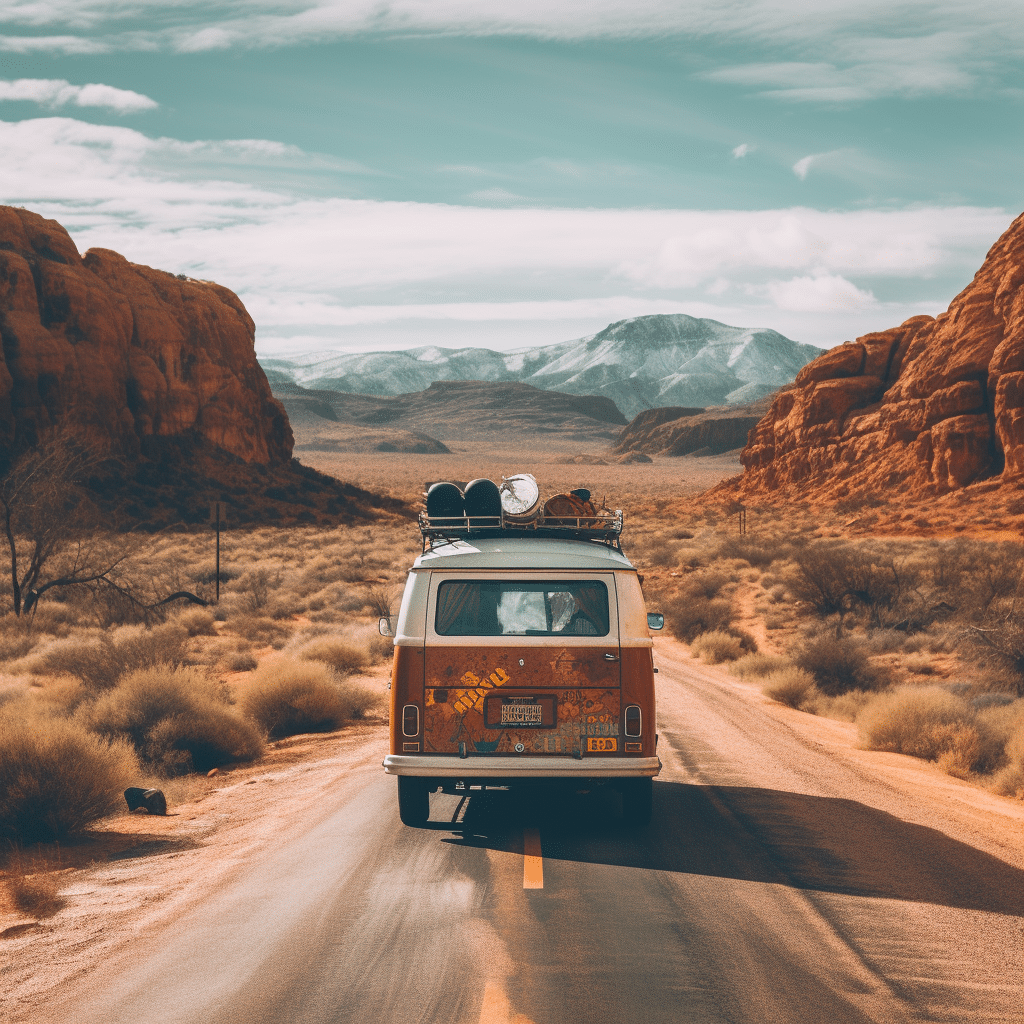
Thanks to modern technology, planning a road trip has become easier than ever with the help of online tools and apps. When it comes to mapping out your route and finding interesting stops along the way, there are a couple of planning tools that are particularly helpful: Google Maps and the Roadtrippers website and app.
Google Maps is a widely used navigation tool that allows you to plan your road trip route with ease. Simply enter your starting point and destination, and the app will provide you with detailed turn-by-turn directions, estimated travel times, and real-time traffic updates. You can also customize your route to include scenic drives, avoid toll roads, and even discover local attractions and restaurants along your journey.
Roadtrippers, on the other hand, is a dedicated road trip planning website and app that offers a range of features to enhance your journey. It allows you to add multiple waypoints to your route, create custom itineraries, and discover hidden gems and points of interest near your chosen route. With Roadtrippers, you can easily find unique attractions, local restaurants, quirky roadside stops, and even book accommodations along the way.
| Planning Tools | Description |
|---|---|
| Google Maps | A widely used navigation tool that provides turn-by-turn directions, real-time traffic updates, and customizable routes. |
| Roadtrippers | A dedicated road trip planning website and app that allows you to customize your route, discover points of interest, and book accommodations. |
When embarking on a road trip, it’s essential to take advantage of these planning tools to ensure a smooth and enjoyable journey. Whether you’re looking for the quickest route, the most scenic drives, or the best local attractions, Google Maps and Roadtrippers are invaluable resources that will help you make the most of your road trip adventure.
Ensuring Car Safety for Road Trips
Before hitting the road, it’s essential to ensure that your car is in top condition to prevent any unexpected breakdowns or issues. Taking a few precautionary measures can go a long way in ensuring a smooth and safe road trip.
Start by scheduling a visit to a trusted mechanic who can perform a thorough inspection of your vehicle. They will check the brakes, tires, fluid levels, and other essential components to make sure everything is working properly. This not only reduces the risk of a breakdown but also helps improve fuel efficiency.
In addition to a mechanic’s inspection, it’s wise to pack a roadside emergency kit. This kit should include essentials like a spare tire, jack, jumper cables, flashlight, first aid supplies, and a basic toolkit. Being prepared for unexpected situations can give you peace of mind as you hit the open road.
| Items to Include in a Roadside Emergency Kit: |
|---|
| 1. Spare tire, jack, and lug wrench |
| 2. Jumper cables |
| 3. Flashlight and extra batteries |
| 4. First aid kit |
| 5. Basic toolkit (screwdrivers, pliers, etc.) |
| 6. Reflective triangles and roadside flares |
| 7. Tire pressure gauge |
| 8. Duct tape and zip ties |
| 9. Bottled water and non-perishable snacks |
By investing time and effort into car safety before embarking on your road trip, you can enjoy a worry-free journey and focus on creating unforgettable memories along the way.
Planning the Road Trip Route.
Choosing the right road trip route is crucial for a memorable journey, and it’s important to strike a balance between covering enough ground and allowing time for exploration. When planning your route, consider the specific destinations you want to visit and the time you have available. It’s tempting to pack in as many attractions as possible, but remember that rushing from one place to another can be tiring and take away from the overall enjoyment of the trip.
Start by mapping out the main points of interest along your route, ensuring that they align with your interests and preferences. Whether it’s picturesque landscapes, historical landmarks, or vibrant cities, make sure to include attractions that truly pique your curiosity. This will help you stay motivated and engaged throughout the journey.
| Points of Interest | Distance from Starting Point |
|---|---|
| Grand Canyon National Park | 200 miles |
| San Francisco | 400 miles |
| Yellowstone National Park | 600 miles |
Don’t forget to consider side trips and alternate routes that might enhance your experience. These unexpected detours can bring you to hidden gems and off-the-beaten-path destinations that you might have otherwise missed. However, make sure to factor in extra time and mileage when planning for side trips, as they can add up quickly.
Sample Road Trip Route
- Start: Los Angeles, California
- Stop: Las Vegas, Nevada – 270 miles
- Side Trip: Grand Canyon National Park, Arizona – 200 miles
- Stop: Albuquerque, New Mexico – 440 miles
- Stop: Denver, Colorado – 450 miles
- Side Trip: Mount Rushmore, South Dakota – 370 miles
- Stop: Yellowstone National Park, Wyoming – 430 miles
- End: Seattle, Washington – 540 miles
Remember, the key to planning the perfect road trip route is to find the right balance between covering the desired destinations and allowing flexibility for unexpected adventures along the way. By taking the time to plan and consider these factors, you’ll be on your way to a road trip filled with unforgettable memories.
Making Scenic Stops Along the Way
While the destination is important, the journey itself is often filled with hidden gems and breathtaking views that can only be discovered through stops along the way. Road trips are the perfect opportunity to explore stunning landscapes, charming towns, and iconic landmarks that may not be found on traditional tourist itineraries. By taking the time to pause and appreciate the beauty around you, you can truly make the most of your road trip experience.
One of the best ways to ensure you don’t miss out on scenic stops is to plan your route accordingly. Research the areas you’ll be passing through and identify any must-see attractions or natural wonders. Consider using online resources or travel apps to discover lesser-known viewpoints or off-the-beaten-path trails that offer stunning vistas.
| Scenic Stops Tips: |
|---|
| 1. Research and plan scenic stops in advance to ensure you don’t miss out on any breathtaking views or attractions. |
| 2. Stay flexible and allow yourself the freedom to make spontaneous stops along the way. |
| 3. Use travel apps and online resources to discover lesser-known viewpoints and hidden gems. |
| 4. Keep your camera ready to capture the beauty around you and create lasting memories. |
Remember, road trips are not just about reaching your destination; they are an opportunity to immerse yourself in the awe-inspiring landscapes and unique experiences that exist between point A and point B. By making scenic stops along the way, you’ll create unforgettable memories and truly appreciate the beauty of the journey.
Exploring Unexpected Attractions
One of the joys of a road trip is the freedom to deviate from the planned route and discover hidden treasures along the way. While planning your road trip, it’s essential to leave room for unexpected attractions that can make your journey even more memorable. Whether it’s stumbling upon a charming roadside cafe, a breathtaking natural wonder, or a quirky roadside attraction, these unplanned stops can often become the highlight of your trip.
“The road less traveled is often the one that leads to the most extraordinary experiences.”
When you come across an unexpected attraction, don’t hesitate to take a detour and explore. These unexpected gems can offer unique insights into the local culture, history, and natural beauty of the area. They give you a chance to connect with the local community, meet interesting people, and create lasting memories. So, be open to wandering off the beaten path, as these unexpected diversions can add a sense of adventure and spontaneity to your road trip.
Uncovering Hidden Gems
While planning your route, consider researching lesser-known attractions and landmarks that are off the main tourist path. Online travel forums, local guidebooks, and recommendations from fellow travelers can be great resources to discover these hidden gems. These unexpected attractions can range from scenic viewpoints and historical landmarks to charming small towns and cultural festivals.
As you embark on your road trip, keep a lookout for signs, billboards, or recommendations from locals. Don’t be afraid to ask for suggestions from people you meet along the way. You never know what fascinating places or experiences you might stumble upon by being open to the unexpected.
Remember, road trips are as much about the journey as they are about the destination. So, embrace the adventure, embrace the surprises, and allow the unexpected attractions to add their own special magic to your road trip experience.
Table: Recommended Resources for Unplanned Stops and Hidden Gems
| Resource | Description |
|---|---|
| Online Travel Forums | Platforms like TripAdvisor and Lonely Planet’s Thorn Tree forum provide recommendations and insights from fellow travelers. |
| Local Guidebooks | Guidebooks specific to the region you’re traveling through often highlight off-the-beaten-path attractions and local favorites. |
| Word of Mouth | Don’t underestimate the power of recommendations from locals or other travelers you meet on your road trip. |
| Spontaneous Exploration | Allow yourself to be open to unexpected detours and let curiosity guide you to hidden gems along the way. |
“Sometimes the most scenic roads in life are the detours you didn’t mean to take.”
Choosing Accommodations for Road Trips
When planning a road trip, finding the right accommodations can greatly enhance the overall experience and provide a much-needed rest before continuing the journey. Whether you prefer the comfort and amenities of a hotel or the unique charm of an Airbnb, there are options to suit every traveler’s preferences and budget.
Hotels
Hotels are a popular choice for road trippers due to their convenience and wide range of amenities. From budget-friendly options to luxury resorts, hotels offer comfortable rooms, onsite facilities such as pools and fitness centers, and the convenience of room service. Booking through reputable websites like Expedia or Booking.com allows you to compare prices, read reviews, and find the best deals.
Airbnb
If you’re seeking a more personalized experience, Airbnb offers a variety of accommodations that allow you to immerse yourself in the local culture. Choose from cozy apartments, unique cabins, or even entire homes, and enjoy the privacy and flexibility to create your own schedule. Airbnb also provides an opportunity to connect with local hosts who can offer valuable insights and recommendations for your road trip destination.
Choosing the Right Accommodation
Before making a decision, consider factors such as location, price, and the amenities you desire. If you prefer to be in the heart of the action, look for accommodations in city centers or near popular attractions. On the other hand, if you prefer a quieter experience, consider staying in more rural areas or near national parks for breathtaking scenery. Don’t forget to check for any additional fees or restrictions, such as pet policies or parking arrangements.
| Accommodation Type | Pros | Cons |
|---|---|---|
| Hotels | – Convenience and amenities – Room service – Onsite facilities |
– Can be more expensive – Less personalized experience |
| Airbnb | – Unique and personalized accommodations – Local insights and recommendations – Privacy and flexibility |
– Limited onsite facilities – May require additional communication with host |
Remember, whether you choose a hotel or an Airbnb, it’s important to book your accommodations in advance, especially during peak travel seasons. Take the time to read reviews, compare prices, and consider the location and amenities that will best suit your needs. By choosing the right accommodations, you’ll be able to relax and recharge, ensuring that your road trip is not only memorable but also comfortable.
Packing Essentials for Road Trips
Packing efficiently for a road trip is essential to ensure you have everything you need while maximizing the limited space available in your vehicle. Start by making a checklist of all the essential items you’ll need during your journey. This will help you stay organized and avoid forgetting anything important.
Here are some of the packing essentials for a road trip:
- Clothing: Pack enough clothes for the duration of your trip, including comfortable outfits for driving and exploring, as well as any special attire you may need for specific activities or events along the way.
- Toiletries: Remember to pack travel-sized toiletries such as toothpaste, shampoo, conditioner, and body wash. Don’t forget items like a toothbrush, razor, and any necessary medication.
- Snacks and Drinks: Stock up on non-perishable snacks and drinks to keep you energized during your journey. Granola bars, trail mix, and bottled water are great options.
- Entertainment: Keep yourself and your fellow travelers entertained during long stretches on the road. Consider packing books, magazines, portable games, or a tablet loaded with movies and TV shows.
It’s also important to pack any necessary chargers and cables for your electronic devices. Don’t forget essentials like a first aid kit, sunscreen, bug repellent, and a flashlight. Additionally, bring a reusable water bottle to stay hydrated and reduce waste.
| Essential Items | Quantity |
|---|---|
| Clothing | Enough for the trip duration |
| Toiletries | Travel-sized products |
| Snacks and Drinks | Non-perishable items |
| Entertainment | Books, games, tablet, etc. |
Packing efficiently for a road trip is essential to ensure you have everything you need while maximizing the limited space available in your vehicle.
Remember, the key to successful packing is to strike a balance between bringing what you need and keeping your luggage compact. Be mindful of the weight distribution in your vehicle to ensure a safe and comfortable journey. With thorough planning and strategic packing, you’ll be well-prepared to embark on an exciting and memorable road trip!
Staying Safe on the Road
Safety should always be a top priority during a road trip, and taking necessary precautions can help ensure a smooth and incident-free journey. Before hitting the road, it’s essential to ensure that your vehicle is in optimal condition. Start by scheduling a thorough inspection with a trusted mechanic to check the tires, brakes, fluids, and other vital components. This preventive measure can help identify any potential issues and prevent breakdowns or accidents along the way.
Additionally, it’s crucial to pack a well-stocked roadside emergency kit. The kit should include essentials like a spare tire, jumper cables, flashlight, first aid supplies, and basic tools. Familiarize yourself with how to use these items before your trip to ensure you’re prepared for unforeseen circumstances.
Table: Essential Items for a Roadside Emergency Kit
| Item | Quantity |
|---|---|
| Spare tire | 1 |
| Jumper cables | 1 |
| Flashlight | 1 |
| First aid kit | 1 |
| Basic tools (screwdriver, wrench) | 1 set |
During the road trip, it’s important to prioritize safe driving practices. Obey traffic rules, including speed limits and road signs. Avoid distractions by refraining from using your mobile phone while driving. Utilize a reliable navigation system, whether it’s your car’s built-in GPS or a smartphone app like Google Maps, to stay on course and avoid getting lost. Remain alert and well-rested, taking regular breaks to combat fatigue.
Lastly, stay aware of potential hazards on the road. Be cautious of changing weather conditions and adjust your driving accordingly. Keep an eye out for wildlife crossings, construction zones, and other potential roadblocks. By being proactive and mindful of your surroundings, you can ensure a safe and enjoyable road trip experience.
Enjoying the Culinary Delights of the Journey
One of the most enjoyable aspects of a road trip is discovering new flavors and culinary delights that each destination has to offer. From the local diners serving up hearty breakfasts to the hidden gems with mouthwatering street food, every stop along the way presents an opportunity to indulge in delicious cuisine. To make the most of your culinary adventure, here are a few tips to keep in mind.
1. Research Local Specialties
Prior to embarking on your road trip, take some time to research the local specialties of each destination you plan to visit. Whether it’s a regional dish, a famous local restaurant, or a must-try delicacy, knowing what to look out for will enhance your gastronomic experience. Create a list of these culinary highlights, and make it a point to include them in your itinerary.
2. Explore Farmers Markets
For fresh produce, artisanal goods, and unique food finds, make a stop at local farmers markets along your route. Not only will you discover a wide variety of locally sourced ingredients, but you’ll also have the chance to interact with farmers and food producers. Stock up on fresh fruits, cheeses, homemade preserves, and other delectable treats to enjoy during your journey or as a souvenir to bring home.
3. Sample Street Food
When it comes to experiencing the authentic flavors of a destination, don’t overlook the street food scene. From bustling food carts to vibrant night markets, street food vendors offer a taste of the local culture and culinary traditions. Indulge in popular street snacks, such as tacos, kebabs, dumplings, or samosas, and savor the flavors that locals love.
| Tip | Experience |
|---|---|
| 1 | Try the infamous beignets in New Orleans. |
| 2 | Indulge in fresh seafood along the coast. |
| 3 | Discover the unique flavors of local craft breweries. |
As you embark on your road trip, remember that culinary experiences have the power to create lasting memories. So, be open to trying new dishes, seek out local food recommendations from residents, and don’t be afraid to venture off the beaten path to find hidden culinary gems. Enjoy the journey, and bon appétit!
Capturing Memories: Photography Tips
Photographs are a wonderful way to document the beautiful moments and breathtaking scenery encountered during a road trip. Whether you’re a seasoned photographer or just a casual shutterbug, here are some photography tips to help you capture the essence of your journey.
1. Pack the Right Gear
Before hitting the road, make sure you have the necessary photography equipment. A versatile DSLR camera with a wide-angle lens is ideal for capturing expansive landscapes, while a compact camera or smartphone can be great for quick snapshots along the way. Don’t forget to bring extra batteries, memory cards, and a sturdy tripod for those stunning sunset shots.
2. Composition is Key
When framing your shots, think about composition. The rule of thirds can be a helpful guide, where you divide your frame into nine equal parts and place key elements along the intersecting lines. Experiment with different perspectives, such as shooting from low angles or using leading lines to draw the viewer’s eye into the scene. Don’t be afraid to get creative and capture unique angles that showcase the beauty of your surroundings.
3. Play with Light
Lighting is crucial in photography, and road trips offer a variety of lighting conditions to experiment with. Take advantage of the soft, warm light during the golden hour, which occurs shortly after sunrise or before sunset, to capture stunning landscapes. When shooting during midday, try using shadows to add depth and create interesting patterns. Remember to avoid shooting directly into the sun to prevent overexposure.
| Photography Tips | Key Takeaways |
|---|---|
| Choose the right gear | A versatile camera and essential accessories are a must |
| Experiment with composition | Use the rule of thirds and try different perspectives |
| Play with lighting | Utilize the golden hour and shadows for captivating shots |
“Photography is a way of feeling, of touching, of loving. What you have caught on film is captured forever… It remembers little things, long after you have forgotten everything.” – Aaron Siskind
Remember, photography is not just about capturing a moment but also about evoking emotions and telling a story. Take your time to explore the surroundings, observe the details, and wait for the perfect moment to click the shutter. Don’t rush through your road trip, but rather immerse yourself in the journey and let your photographs reflect the beauty and memories you create along the way.
Road Trip Activities for Kids
Long hours in the car can be challenging for children, but with the right activities, a road trip can be a fun-filled adventure for the whole family. Keeping kids entertained and engaged during the journey is key to ensuring a smooth and enjoyable road trip experience. Here are some road trip activities for kids that will help keep boredom at bay and create lasting memories:
1. Interactive Games
Turn the car into a playground with interactive games that will keep kids entertained for hours. Classic games like “I Spy” or “20 Questions” are perfect for engaging young minds and encouraging observation skills. For older kids, try trivia games or scavenger hunts where they can spot specific landmarks or objects along the road.
2. Audio Books and Podcasts
Make the journey educational and entertaining by introducing audio books or podcasts. Choose age-appropriate stories or educational podcasts that align with your child’s interests. This not only keeps them engaged but also enhances their listening and comprehension skills.
3. Portable Crafts and Activity Kits
Bring along portable craft kits that include coloring books, crayons, stickers, and other small activities that can be easily done in the car. These creative outlets offer a hands-on experience and allow kids to express their creativity while on the move.
4. Sing-Along and Karaoke
Turn up the music and encourage a sing-along or karaoke session in the car. Create a playlist of your child’s favorite songs or bring along a portable karaoke machine.
Pack a variety of options to cater to different interests and age groups. Rotate activities throughout the trip to keep things fresh and exciting. By planning ahead and providing engaging activities, you can make your road trip an adventure that the whole family will cherish.
Budgeting for a Road Trip
Planning and sticking to a budget is essential to ensure that your road trip remains within your financial means without compromising on the overall experience. By carefully considering your expenses and making strategic choices, you can have an amazing adventure without breaking the bank.
1. Calculate Your Expenses
Start by calculating your estimated expenses for the road trip. Consider factors such as fuel costs, accommodations, meals, attractions, and any additional activities you plan to indulge in along the way. It’s helpful to research average prices in the areas you’ll be visiting to get a realistic estimate of your costs.
Creating a simple spreadsheet can assist in keeping track of your expenses. Include columns for different categories, like transportation, accommodation, food, and activities. Update the spreadsheet regularly, making note of any changes or unplanned expenses as they arise.
2. Prioritize Your Expenses
Once you have a clear idea of your overall expenses, prioritize them based on your preferences and available budget. Determine which aspects of the road trip are most important to you and allocate a larger portion of your budget to those areas.
For example, if experiencing local cuisine is a priority, you may choose to spend more on meals and cut back on other expenses. Alternatively, if you’re more interested in exploring natural attractions, you might allocate more funds for park entrance fees and outdoor activities. By prioritizing your expenses, you can ensure that you get the most out of your road trip while staying within your budget.
3. Look for Cost-Saving Opportunities
There are several ways to save money while on a road trip. Consider packing snacks and drinks from home to avoid pricey convenience store purchases. Opt for affordable accommodations, such as budget hotels or campsites, instead of luxury resorts. Take advantage of free attractions, like parks and scenic viewpoints, to enjoy beautiful sights without spending a dime.
Additionally, plan your meals strategically to avoid unnecessary expenses. Look for restaurants and cafes that offer lunch specials or happy hour deals. Packing a cooler with perishable items and picnic supplies can also be a cost-effective way to enjoy meals on the go.
| Expense Category | Budget Allocation |
|---|---|
| Transportation (fuel, tolls) | $200 |
| Accommodation | $400 |
| Meals | $300 |
| Activities/Attractions | $200 |
| Incidentals (souvenirs, emergencies) | $100 |
| Total Budget | $1,200 |
Remember, it’s essential to have some flexibility in your budget to account for unexpected expenses or opportunities that may arise during your road trip. By diligently planning and sticking to a budget, you’ll be able to embark on a memorable journey without any financial stress.
Embracing Flexibility and Adventure
While planning is important, it’s equally vital to leave room for spontaneity and unexpected adventures that make a road trip truly unforgettable. The beauty of a road trip lies in the freedom to explore new destinations and stumble upon hidden gems along the way. So, embrace flexibility and be open to detours that take you off the beaten path.
Discovering Hidden Treasures
One of the most exciting aspects of a road trip is stumbling upon unexpected attractions that you may not have found in any guidebook. Whether it’s a charming café in a small town or a breathtaking viewpoint overlooking a stunning landscape, be willing to deviate from your planned route and embrace the adventure waiting to unfold.
“The road less traveled often leads to the most extraordinary experiences.”
Immersing in Local Culture
A road trip offers a unique opportunity to immerse yourself in the local culture of the places you visit. Take the time to interact with locals, try regional cuisines, and visit local markets. By embracing flexibility, you can participate in local festivals, stumble upon local artisans, or discover hidden trails recommended by friendly locals.
Capturing Unforgettable Memories
A car trip’s best moments typically happen unexpectedly. Stop at stunning lookouts, snap pictures, and document your vacation. These memories will remind you how wonderful and freeing car journeys are.
| Tips for Embracing Flexibility on Road Trips |
|---|
| • Allow yourself to stop and enjoy odd sights along the way |
| • Natives discussing the area |
| • Visit local farmer’s markets |
| • PPhotograph significant occurrences |
Tips for a Greener Road Trip

As we enjoy the beauty of the open road, it’s essential to be mindful of our impact on the environment and make conscious choices for a greener road trip. By adopting a few eco-friendly practices, we can minimize our carbon footprint and contribute to a more sustainable travel experience.
1. Choose Fuel-Efficient Vehicles
When planning your road trip, consider renting or using a fuel-efficient vehicle. Opting for hybrid or electric cars can significantly reduce CO2 emissions and decrease fuel consumption. Research and select vehicles with high fuel efficiency ratings, which will save you money on gas while also being better for the environment.
2. Reduce Waste
Minimize waste by packing reusable items such as water bottles, coffee mugs, and shopping bags. Avoid single-use plastics and opt for eco-friendly alternatives like bamboo utensils and cloth napkins. Utilize recycling and composting facilities along your route, and dispose of waste responsibly.
3. Support Local Eco-Friendly Initiatives
Make a positive impact by supporting local businesses and initiatives that prioritize sustainability. Look for eco-certified accommodations, restaurants, and attractions that implement green practices. By choosing to spend your money with environmentally conscious establishments, you can encourage others to follow suit and create a more sustainable travel industry.
| Tip | Description |
|---|---|
| 4. Reduce Speed | Driving at a moderate speed can significantly improve fuel efficiency and reduce emissions. Stick to the speed limit and avoid unnecessary acceleration, allowing for a smoother and greener journey. |
| 5. Offset Carbon Emissions | Consider offsetting your carbon emissions by investing in verified carbon offset projects. These initiatives help to neutralize the environmental impact of your road trip by supporting renewable energy, reforestation, and other sustainable projects. |
| 6. Embrace Sustainable Eating | Support local farmers and reduce the carbon footprint of your meals by choosing restaurants that prioritize locally sourced, organic, and sustainable ingredients. Explore farmers markets and try regional, plant-based dishes that showcase the flavors of the area you’re traveling through. |
By implementing these greener road trip practices, we can enjoy the adventure of the open road while taking care of the planet. Let’s make a conscious effort to preserve the beauty of our surroundings for future generations to enjoy.
Conclusion
Road trips are fun, allow you to see new places, make memories, and enjoy the open road. A few important actions are needed for a successful voyage. Plan early and use Google Maps and the Roadtrippers website and app. These resources might help you plan your road trip and find fascinating stops. These tools can optimize your itinerary and maximize your road trip.
Unintended events require a roadside emergency kit. Include side trips and estimate daily mileage when planning a road trip. Stop periodically to rest and observe the scenery. Take breaks and see unexpected places. Off the beaten path experiences are sometimes finest.
Traveling by road requires cautious hotel selection. Your vacation may be improved by finding the right hotels or Airbnb along your route. Resting in comfortable accommodations can revitalize you for additional travel.
Follow these steps and hit the road to make memories, savor local cuisine, take great photos, entertain kids, and travel responsibly. Plan your road trip, pack your bags, and get ready for a fun vacation.
FAQ
When should I start planning my road trip?
It’s important to start planning early to ensure everything goes smoothly. Aim to start planning at least a few weeks in advance.
What planning tools can I use for my road trip?
There are several helpful planning tools available such as Google Maps and the Roadtrippers website and app. These tools can help you map out your route and find interesting stops along the way.
How can I ensure the safety of my car for the road trip?
It’s crucial to get your car checked by a trusted mechanic before the trip. Additionally, make sure to pack a roadside emergency kit in case of any unforeseen situations.
How should I plan the route for my road trip?
When designing the route, include side visits and estimate daily mileage. Plan regular stops to keep attentive and enjoy the travel.
Should I make detours and explore unexpected attractions?
Absolutely! Don’t be afraid to make detours and explore unexpected attractions that you come across during your road trip. Some of the best experiences can be found off the beaten path.
How should I choose accommodations for my road trip?
Choose accommodations wisely for a comfortable road trip experience. Consider breaking up the journey with hotel stays or Airbnb stays to add a touch of comfort and relaxation.


Leave a Reply
Want to join the discussion?Feel free to contribute!