
Diving Into the Past: Historical Dishes That Tell Stories
Have you ever wondered about the origins of the dishes we enjoy today? The flavors and ingredients that tantalize our taste buds have a rich history, often passed down through generations. These historical dishes not only nourish our bodies but also provide a window into the past, offering a taste of tradition and heritage.
Imagine being transported to a time when culinary history was being written, where food was more than just sustenance—it was a way of life. A time when traditional recipes were treasured and handed down as precious heirlooms, carrying with them the stories and memories of those who came before us.
These dishes have stood the test of time, surviving wars, migrations, and cultural shifts. They hold within them the flavors and techniques that have shaped societies and shaped our palates. With each bite, we take a journey through time, experiencing the heritage dishes that have played a vital role in shaping our culinary identity.
In the following sections, we will explore some fascinating examples of historical dishes, each with its own unique story to tell. From the cultural and culinary tolerance of Córdoba, Spain, to the significance of Dooky Chase’s Restaurant in the civil rights movement in New Orleans, Louisiana, and the ancient food traditions preserved at Honke Owariya in Kyoto, Japan, get ready to dive into a world of flavors that have stood the test of time.
Córdoba, Spain – Noor
Córdoba, Spain is a city that celebrates both cultural and culinary tolerance, and one of its shining examples is the Michelin-starred restaurant, Noor. Noor takes us on a culinary journey that reflects the diverse cultural influences that once coexisted in Córdoba.
At Noor, the dishes are not just about the flavors and ingredients; they tell a story of a city that embraced different cultures and created a unique gastronomic legacy. The restaurant draws inspiration from the culinary traditions of the Moorish, Jewish, and Christian communities that flourished in Córdoba in the past.
Through its innovative menu, Noor pays homage to the diverse history of the city and showcases the fusion of flavors and techniques that emerged during the era of cultural and culinary tolerance. Each dish is a delicate balance of tradition and modernity, weaving together historical elements with contemporary culinary expertise.
Exploring the Cultural and Culinary Tolerance of Córdoba
Córdoba has a rich historical past, where cultural and culinary traditions intertwined to create a vibrant and diverse society. This period of cultural tolerance is known as the Golden Age of Córdoba, which lasted from the 8th to the 11th centuries, during the reign of the Umayyad Caliphate.
The Umayyad Caliphate established Córdoba as a center of intellectual and cultural exchange, attracting scholars, artists, and merchants from different parts of the world. This cosmopolitan atmosphere fostered the blending of cultures, ideas, and culinary practices.
To truly understand the cultural and culinary tolerance of Córdoba, one must delve into the history of the city and appreciate the contributions of the different communities that coexisted within its walls. The legacy of this harmony is reflected in the dishes served at Noor.
A Michelin-Starred Journey Through Culinary Heritage
Noor, with its Michelin-starred status, has garnered well-deserved recognition for its unique approach to gastronomy. The restaurant’s commitment to preserving and highlighting Córdoba’s culinary heritage is evident in every carefully crafted dish.
Through extensive research and collaboration with historians and archaeologists, the team at Noor has recovered ancient recipes and techniques that were once prevalent in Córdoba. These forgotten flavors are revitalized and presented through a modern lens, culminating in an unforgettable culinary experience.
By cherishing the past and embracing innovation, Noor strives to honor the cultural and culinary legacy of Córdoba, ensuring that the city’s rich tapestry of flavors and traditions continues to thrive.
| Experience | Cuisine | Ambience |
|---|---|---|
| Exceptional | Moorish, Jewish, and Christian fusion | Elegant and immersive |
Noor is an embodiment of the cultural and culinary tolerance that defined Córdoba’s past. It invites diners to embrace the city’s history while indulging in the exquisite flavors that reflect the fusion of cultures. A dining experience at Noor is not just about savoring Michelin-starred cuisine; it is about embracing the diversity and significance of cultural heritage.
New Orleans, Louisiana – Dooky Chase’s Restaurant
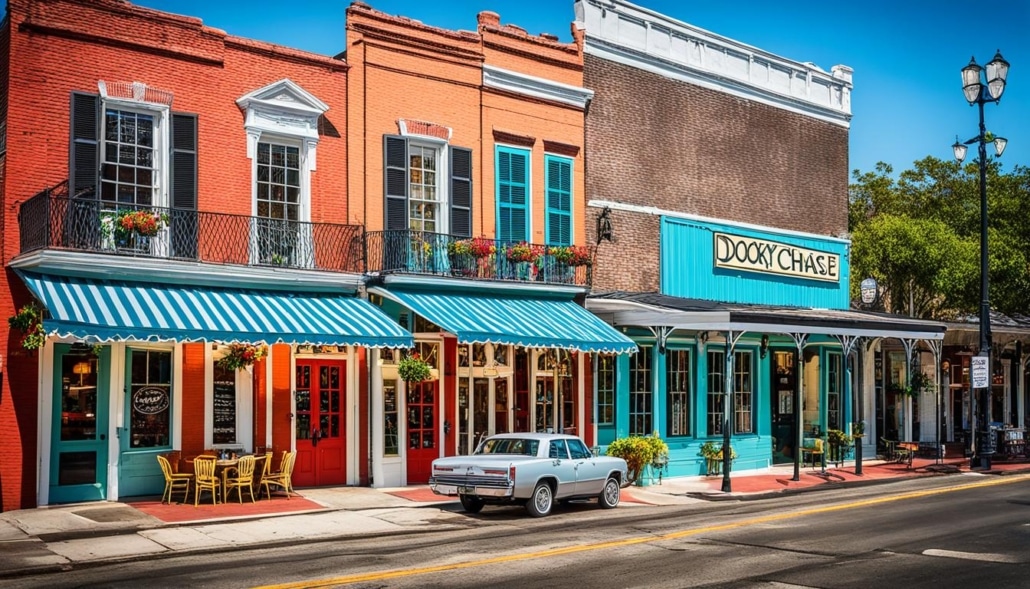
Dooky Chase’s Restaurant in New Orleans, Louisiana holds a special place in history as both a culinary gem and a significant site during the civil rights movement. Under the stewardship of the legendary “Queen of Creole Cuisine,” Leah Chase, the restaurant became a haven for civil rights leaders and activists.
Located in the heart of the vibrant Tremé neighborhood, Dooky Chase’s played a vital role in the fight for equality. During a time of segregation and discrimination, the restaurant provided a safe space for African American leaders to gather, strategize, and discuss the path towards racial justice. The walls of Dooky Chase’s witnessed conversations that shaped the civil rights movement, making it a symbol of resilience and progress.
But Dooky Chase’s significance extends beyond its contributions to social activism. The restaurant showcases the rich culinary heritage of New Orleans through its mouthwatering Creole dishes. Combining French, Spanish, African, and Caribbean influences, Creole cuisine is a melting pot of flavors and techniques that reflect the city’s diverse cultural history.
The Iconic Dishes of Dooky Chase’s Restaurant
At Dooky Chase’s, every dish tells a story. From traditional Gumbo and Jambalaya to heavenly Beignets and delectable Fried Chicken, the menu is a testament to the vibrant flavors that have made New Orleans a culinary destination. Each bite is a journey through generations of Creole cooking traditions, passed down from Leah Chase’s ancestors.
| Signature Dish | Description |
|---|---|
| Gumbo | A rich and flavorful stew featuring a delightful mix of meat or seafood, served over rice. |
| Jambalaya | A hearty rice dish cooked with aromatic vegetables, spices, and a medley of meat or seafood. |
| Fried Chicken | Crispy, golden-brown chicken that’s tender on the inside, served with a side of soul-warming comfort. |
| Beignets | Pillowy squares of fried dough dusted with powdered sugar, a sweet treat that’s hard to resist. |
Experience Dooky Chase’s Restaurant is an immersive journey into the soul of New Orleans. The restaurant represents the resilience, culture, and flavors that define this vibrant city. Whether you’re a history enthusiast or a food lover, a visit to Dooky Chase’s is an unforgettable experience that will leave you inspired and craving for more.
Kyoto, Japan – Honke Owariya
Located in the heart of Kyoto, Honke Owariya stands as one of the city’s ancient food establishments, steeped in tradition and culinary excellence. With a legacy spanning over 550 years, this historic restaurant has been supplying soba noodles to temple priests and even the Imperial Palace.
At Honke Owariya, traditions are preserved with utmost care. The art of crafting these delicate soba noodles has been passed down through generations, ensuring an authentic experience that reflects the rich culinary heritage of Kyoto. From kneading the buckwheat flour to precisely cutting the noodles, each step follows time-honored methods that truly set Honke Owariya apart.
The soba noodles served at Honke Owariya are not merely a dish; they are an embodiment of Kyoto’s history and gastronomic culture. Whether enjoyed hot or cold, their unique texture and distinct flavor create a memorable dining experience. With every mouthful, you can taste the dedication and craftsmanship that have made Honke Owariya an iconic destination for food enthusiasts and history lovers alike.


Leave a Reply
Want to join the discussion?Feel free to contribute!