
Food Safety Tips Every Home Chef Should Know
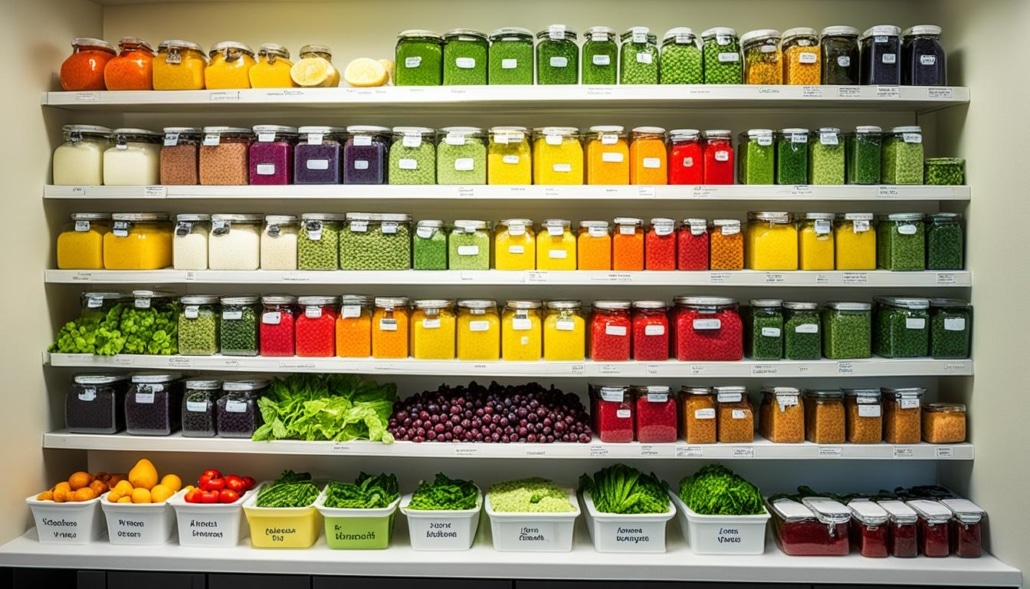
Imagine this scenario: It’s a beautiful Saturday morning, and you wake up with the strong urge to unleash your inner home chef. You can almost taste the delicious flavors, feel the anticipation building as you gather your ingredients, and envision the satisfaction on your loved ones’ faces as they indulge in your culinary creation. But wait! Before you dive headfirst into your culinary adventure, there’s an important aspect to consider – food safety.
Ensuring kitchen safety and properly handling food is crucial for the health and well-being of everyone at your dining table. Understanding food safety practices is like having a secret recipe for keeping foodborne illnesses at bay. By following some essential food safety tips, you can create delightful meals while safeguarding your loved ones from harm.
In this article, we will provide you with expert tips on kitchen safety, proper food handling, hygiene practices, and cooking safety. We’ll break it down into four simple but crucial practices: clean, separate, cook, and chill. By implementing these tips, you’ll be equipped to create culinary masterpieces with confidence, knowing that you’ve taken the necessary precautions to protect your loved ones.
Clean: Wash Hands and Surfaces Properly
Proper handwashing is crucial for kitchen hygiene. Wash your hands with warm, soapy water for at least 20 seconds before and after handling food.
Also, wash utensils, cutting boards, and countertops after each use to prevent cross-contamination.
Rinse fruits and vegetables under cool running water before eating, but avoid using soap or detergent, as it can be absorbed by porous produce.
It’s important to note that hand sanitizer is not a substitute for hand washing.
Additionally, never rinse raw meat as it can lead to the spread of bacteria.
Separate: Prevent Cross-Contamination
Proper separation of foods is essential to prevent cross-contamination and protect against harmful germs. Here are some key practices to keep in mind:
- Use separate cutting boards for fresh produce and raw meat, poultry, and seafood. This helps avoid the transfer of bacteria from raw foods to ready-to-eat items.
- Keep raw and cooked foods separated, both in your grocery bags and refrigerator. Place raw items in plastic bags or containers to prevent any juice from coming into contact with other foods.
- When storing raw meat, poultry, or seafood in the refrigerator, place it on the bottom shelf to prevent any potential drips from contaminating other items.
- Remember: Never place cooked food on a plate that previously held raw meat, poultry, seafood, or their juices. This can lead to the buildup of bacteria and increase the risk of foodborne illnesses.
By following these separation practices, you can ensure the safety of your meals and reduce the chances of cross-contamination in your kitchen.

Cook and Chill: Proper Cooking and Refrigeration
When it comes to keeping your food safe, proper cooking and refrigeration practices are essential. One of the most effective ways to ensure food safety is by using a food thermometer to check internal temperatures. Different types of meat and poultry require specific temperatures to kill bacteria, so it’s important to follow the guidelines provided by the USDA or other reliable sources.
To prevent bacterial growth, keep hot food at 140°F or above. This temperature range inhibits the multiplication of harmful bacteria, reducing the risk of foodborne illnesses. On the other hand, when it comes to refrigeration, make sure to refrigerate perishable foods within two hours of preparation or purchase. This helps prevent bacterial multiplication and keeps your food fresh and safe to eat.
It’s crucial to avoid leaving food in the temperature danger zone, which is between 40°F and 140°F, for more than two hours. This range offers an optimal environment for bacteria to multiply rapidly, increasing the risk of foodborne illnesses. If you have leftovers, properly store them in airtight containers and refrigerate them promptly to maintain their quality and safety.
By following these cooking and refrigeration practices, you can significantly reduce the risk of foodborne illnesses and protect the health of yourself and your loved ones. Remember, food safety starts with proper cooking temperatures and ends with careful refrigeration of leftovers. Prioritize these practices in your kitchen to ensure the safety and well-being of everyone who enjoys your meals.


Leave a Reply
Want to join the discussion?Feel free to contribute!