
Seasonal Foods: What to Eat This Season?
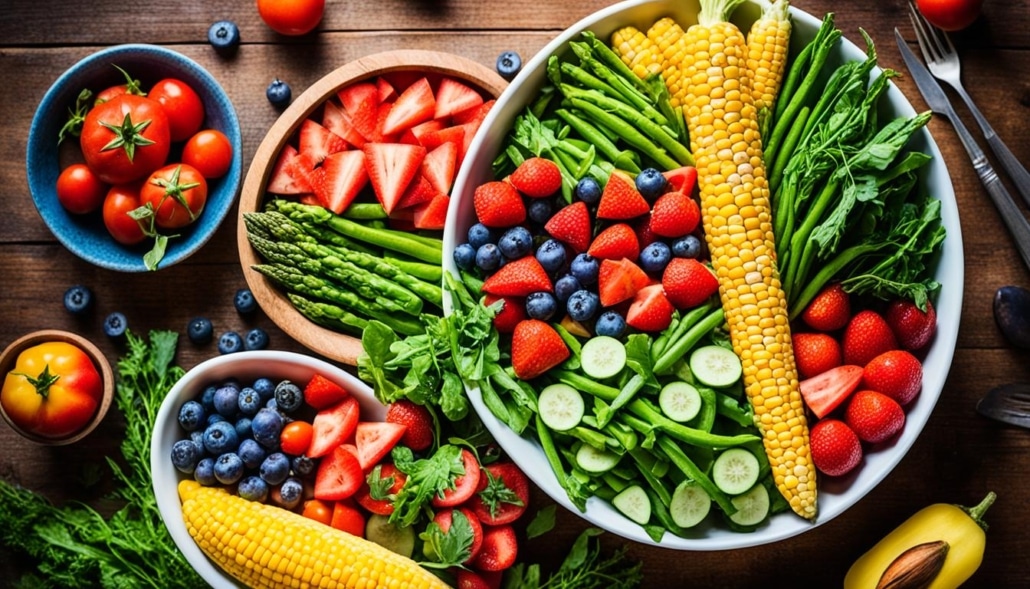
As we enter a new season, it’s time to take advantage of the delicious seasonal foods that are available. Eating in-season not only guarantees the freshest produce but also supports local farmers and reduces our environmental impact. Today, let me share with you a farm-to-table story that highlights the importance of organic produce and will get your taste buds excited for what’s to come.
Imagine strolling through a vibrant farmer’s market on a crisp autumn morning. The air is filled with the sweet aroma of ripe apples and earthy root vegetables. The colorful display of pumpkins, squash, and kale is a feast for the eyes. As you pick up a bunch of freshly harvested carrots, a friendly farmer named Sarah approaches you with a smile.
“These carrots were just pulled from the ground this morning,” she says proudly. “They’re packed with nutrients and bursting with flavor. Plus, they’re part of our farm-to-table offerings, which means you’re supporting local agriculture and getting the very best quality.”
Curious, you ask Sarah about the benefits of eating seasonal foods. She explains that because the produce is grown locally, it doesn’t need to travel long distances, reducing carbon emissions. It’s also harvested at its peak, ensuring optimal freshness and nutrient retention. The result? Incredibly tasty and nutritious meals that are good for both you and the planet.
With a newfound appreciation for seasonal eating, you thank Sarah and gather a basket full of farm-to-table picks for your next meal. Back at home, you prepare a colorful salad with crisp apples, crunchy carrots, and tender greens. The flavors explode in your mouth, and you can’t help but feel a sense of connection to the land and the hardworking farmers behind each bite.
So, whether it’s the juicy oranges and tangy lemons of January or the vibrant strawberries and refreshing watercress of May, remember to embrace the wonders of each season’s bounty. Stay tuned as we delve deeper into the what to eat this season with our monthly guides to the best seasonal fruits and vegetables.
January Seasonal Fruit and Veg
In January, we are blessed with a variety of delicious and nutritious fruits and vegetables. Incorporating these seasonal delights into our meals not only adds flavor and freshness but also supports sustainable farming practices. Let’s explore the vibrant selection of January seasonal fruit and vegetables:
Seasonal Fruits:
- Apples
- Clementines
- Kiwi fruit
- Lemons
- Oranges
- Passion fruit
- Pears
- Pomegranate
Seasonal Vegetables:
- Beetroot
- Brussels sprouts
- Cauliflower
- Kale
- Leeks
- Parsnips
- Potatoes
- Rhubarb
- Shallots
- Swedes
- Turnips
Additionally, January offers an array of meats, fish, and seafood to enhance our culinary adventures. Meat lovers can indulge in duck, goose, rabbit, turkey, and venison. For seafood enthusiasts, options include haddock, mussels, oysters, and salmon. So, let’s make the most of January’s seasonal bounty and savor the flavors nature has blessed us with.
| Seasonal Fruits | Seasonal Vegetables | Meat Options | Fish and Seafood Options |
|---|---|---|---|
| Apples | Beetroot | Duck | Haddock |
| Clementines | Brussels sprouts | Goose | Mussels |
| Kiwi fruit | Cauliflower | Rabbit | Oysters |
| Lemons | Kale | Turkey | Salmon |
| Oranges | Leeks | Venison | |
| Passion fruit | Parsnips | ||
| Pears | Potatoes | ||
| Pomegranate | Rhubarb | ||
| Shallots | |||
| Swedes | |||
| Turnips |
February Seasonal Fruit and Veg
As we step into February, there’s an abundance of delicious seasonal fruits and vegetables to indulge in. Whether you’re looking to create hearty stews or bright salads, February offers a diverse range of produce to satisfy your culinary cravings.
Seasonal Fruits
February brings a delightful selection of fruits that are at their peak in flavor and freshness.
- Bramley apples
- Clementines
- Kiwi fruit
- Lemons
- Oranges
- Passion fruit
- Pears
- Pomegranates
From the tanginess of kiwi fruit to the vibrant sweetness of clementines, these seasonal fruits add a burst of flavor to your dishes. Enjoy the zing of lemons and oranges in refreshing beverages or create mouthwatering desserts with juicy pears and luscious passion fruit.
Seasonal Vegetables
February also offers an array of nutritious and versatile vegetables that can elevate your meals to a whole new level.
- Brussels sprouts
- Cauliflower
- Celeriac
- Kale
- Leeks
- Mushrooms
- Parsnips
- Potatoes
- Purple sprouting broccoli
- Rhubarb
- Shallots
- Swedes
- Turnips
From the cruciferous goodness of Brussels sprouts and cauliflower to the earthy flavors of mushrooms and turnips, these seasonal vegetables provide a wealth of nutrients and a delightful texture to your dishes. Add some vibrant purple sprouting broccoli or tangy rhubarb to bring a pop of color and a unique taste to your culinary creations.
For those looking to include meat, February offers options such as rabbit, turkey, and venison. If you prefer fish and seafood, haddock, mussels, oysters, and salmon are excellent choices to incorporate into your February menus.
Take advantage of the freshness and variety of February’s seasonal produce to create delectable, wholesome meals. The vibrant colors and flavors will not only tantalize your taste buds but also provide essential nutrients to keep you nourished throughout the month.

Conclusion
Eating in-season fruits and vegetables not only provides a fresher and tastier experience but also has numerous benefits for the environment and our overall health. By choosing to consume seasonal foods, we contribute to sustainability and reduce our carbon footprint. When we purchase locally grown produce at its peak, we support the local economy and reduce the transportation costs associated with importing out-of-season foods. This supports a healthier planet and a more sustainable future.
In addition to its environmental advantages, in-season produce also tends to retain more nutrients compared to out-of-season options. As fruits and vegetables ripen naturally on the vine or tree, they have more time to develop their full nutritional profile. This means that when we consume seasonal foods, we can maximize the intake of essential vitamins, minerals, and antioxidants, which are crucial for our well-being.
Furthermore, eating in-season promotes freshness in our meals. Seasonal foods are harvested at their peak ripeness, ensuring optimal taste and texture. This enhances the overall enjoyment of our meals and allows us to savor the unique flavors that each season brings. Whether it’s juicy summer peaches or hearty winter root vegetables, incorporating the freshest seasonal foods into our diet brings a burst of flavor and a culinary adventure.
So, next time you’re planning your meals, consider the incredible array of seasonal foods available to us. By embracing the bounty of each season, we can support sustainability, enjoy the freshest ingredients, and reap the nutritional benefits that nature offers. Let’s make conscious choices in our food selection and harness the richness of seasonal produce for a healthier and more vibrant lifestyle.


Leave a Reply
Want to join the discussion?Feel free to contribute!