
The Art of Sourdough Baking: A Beginner’s Guide
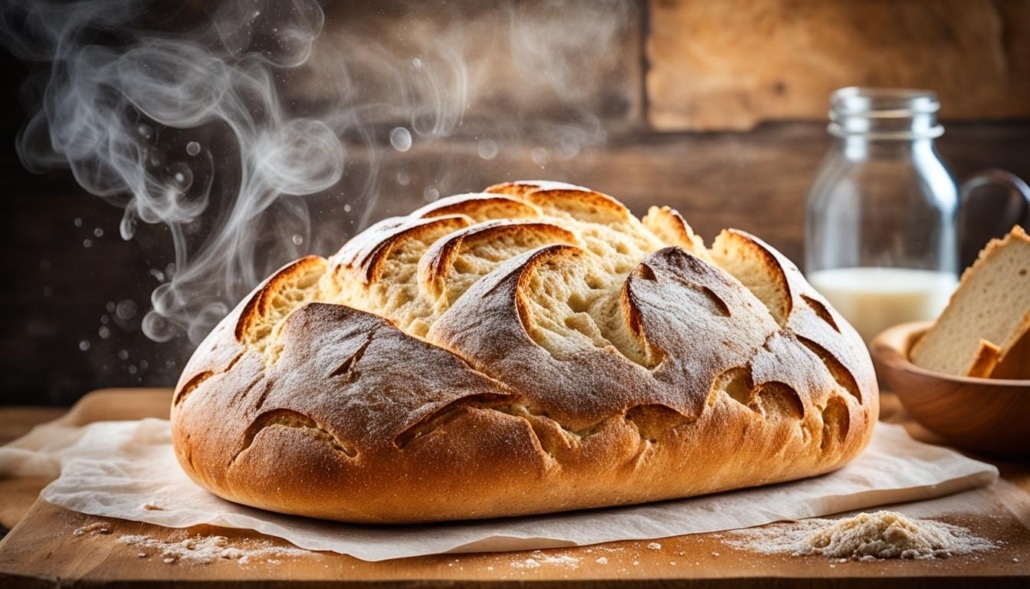
Have you ever walked into a bakery and been captivated by the aroma of freshly baked bread? The enticing smell, combined with the sight of perfectly golden crusts and airy interiors, can transport us to a world of artisanal baking. If you’ve ever desired to recreate that magic in your own kitchen, then sourdough baking is the perfect journey for you. In this beginner’s guide, we will demystify the world of sourdough and equip you with the knowledge and techniques to create your own flavorful loaves.
But before we dive into the steps and intricacies of sourdough baking, let us share a small story. Imagine waking up on a lazy Sunday morning, the sun streaming through the kitchen window. The house is filled with a sense of tranquility, and the aroma of freshly brewed coffee fills the air. You decide that today is the day to embark on a baking adventure, to try your hand at something truly special and satisfying. And that’s when sourdough comes to mind.
The allure of sourdough lies not only in its unique flavor and texture but also in the meditative process of creation. It’s a beautiful dance between ingredients, time, and patience. As you gather the flour, water, and salt, you can’t help but feel a sense of wonder at how these simple ingredients will transform into a tangy, crusty masterpiece with the guidance of a sourdough starter.
Throughout this beginner’s guide, we will unravel the secrets of sourdough baking, from understanding the complex process of fermentation to achieving the perfect rise and texture in your loaves. Whether you’re a seasoned home baker or taking your first steps into the world of bread-making, this guide is designed to equip you with the knowledge and confidence to embark on your own sourdough baking journey. So grab your apron and let the adventure begin!
Understanding Sourdough Bread and the Fermentation Process
Sourdough bread is a unique type of bread that is made through a natural fermentation process. It involves the use of a sourdough starter, which is a mixture of flour and water that contains suitable bacteria and wild yeasts.
During fermentation, the bacteria present in the sourdough starter produce organic acids that contribute to the flavor, texture, and storage qualities of sourdough bread. These organic acids add a depth of flavor and complexity that is unmatched by commercial yeast bread. The wild yeasts present in the starter also play a vital role in the fermentation process.
As the wild yeasts feed on the carbohydrates in the flour, they produce carbon dioxide gas. This gas gets trapped in the dough, creating bubbles and air pockets. It is this carbon dioxide gas that gives sourdough bread its characteristic light and airy texture.
Understanding the fermentation process is essential in achieving the desired results when baking sourdough bread. It allows bakers to harness the power of bacteria and wild yeasts to create bread with exceptional flavor, texture, and aroma.
The Step-by-Step Process of Sourdough Baking
The process of sourdough baking involves several key steps that contribute to the creation of flavorful and artisanal bread. Let’s dive into the details and discover each stage of this delightful journey.
1. Creating and Maintaining the Sourdough Starter
The foundation of sourdough baking lies in the sourdough starter. This naturally leavened mixture of flour and water captures wild yeasts and beneficial bacteria from the environment, which are responsible for the fermentation process. To create a sourdough starter, combine equal parts of flour and water in a glass jar, stirring until well mixed. Feed the starter daily by discarding a portion and adding fresh flour and water. With time and regular feeding, the starter will become lively and ready for baking.
2. Mixing the Bread Dough
Once the sourdough starter is active, it’s time to mix the bread dough. In a large bowl, combine flour, water, salt, and a portion of the sourdough starter. Use your hands or a wooden spoon to mix everything together until a shaggy dough forms. This initial mixing helps hydrate the flour and activate the gluten development process.
3. Autolyse: Resting the Dough
After the initial mixing, allow the dough to rest in a process called autolyse. This resting period allows the flour to fully absorb the water, resulting in improved dough extensibility and strength. Cover the bowl with a kitchen towel and let the dough rest for about 30 minutes to one hour.
4. Bulk Fermentation: Rising and Flavor Development
The next step is bulk fermentation, where the dough undergoes a slow rise and develops its complex flavors. During this stage, the wild yeasts and bacteria in the sourdough starter produce carbon dioxide gas, creating bubbles and air pockets in the dough. This process can take several hours, depending on the temperature and the maturity of the sourdough starter. Regularly perform stretch and fold techniques to enhance gluten development and improve dough structure.
5. Shaping, Proofing, and Finalizing the Dough
Once the bulk fermentation is complete and the dough has doubled in size, it’s time to shape and proof the dough. Gently remove the dough from the bowl and shape it into the desired loaf form. Place the shaped dough into a proofing basket lined with a floured kitchen towel or a banneton basket for its final rise. Cover the basket and let the dough proof at room temperature until it has risen again and is ready for baking.
6. Baking to Perfection
Preheat your oven and a baking vessel, such as a Dutch oven, to create a steamy environment for the bread. Carefully transfer the proofed dough into the preheated vessel and score the top with a sharp knife or a bread lame. Cover the vessel and bake the bread at a high temperature for the initial stage to create a crispy crust. Then, remove the cover and continue baking until the bread reaches a golden brown color.
Throughout the sourdough baking process, paying attention to the final dough temperature and proper timing is crucial. These factors help ensure optimal fermentation, rise, and the development of desirable flavors and textures.

With a thorough understanding of the step-by-step process outlined above, you are well on your way to creating delicious and satisfying sourdough bread. Happy baking!
Conclusion
Sourdough baking is a wonderful journey that combines the science of fermentation with the artistry of creating delicious, homemade bread. With the knowledge and techniques shared in this beginner’s guide, you are well-equipped to dive into the world of sourdough baking and explore the endless possibilities of artisanal bread.
Remember that patience and practice are key when it comes to sourdough baking. As you experiment with different flours, hydration levels, and fermentation times, you’ll discover your own unique style and flavor profile. And let’s not forget the star of the show – your sourdough starter. Treat it like a cherished companion, feeding it regularly to ensure its health and vitality.
So, gather your ingredients, dust off your apron, and let the magic of sourdough baking unfold in your kitchen. Allow the tantalizing aromas to fill your home as you create bread that is not only delicious but also a testament to your dedication and skill. Get ready to embark on an exciting and rewarding sourdough baking adventure. Happy baking!


Leave a Reply
Want to join the discussion?Feel free to contribute!