
Taste Makers: How Food Influencers Are Shaping Culinary Trends
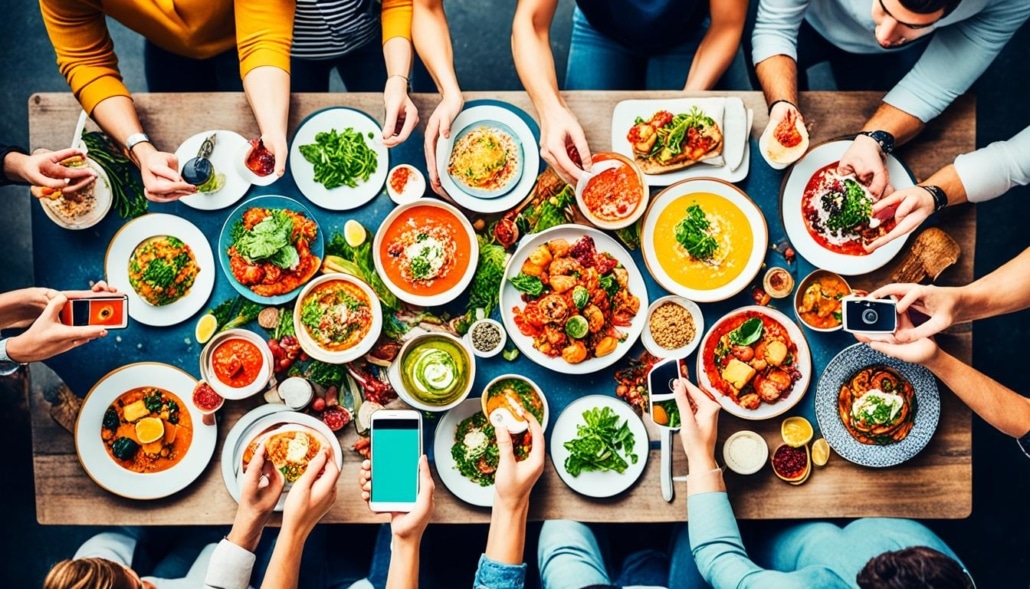
Have you ever found yourself scrolling through social media, only to stumble upon a mouth-watering image of a perfectly plated dish? That’s the power of food influencers, the trendsetters of the culinary world. Through their captivating posts, engaging stories, and enticing recipes, they transport us into a world of flavors and possibilities.
Food influencers, also known as culinary influencers, are individuals who have gained a significant following on social media platforms like Instagram, TikTok, and YouTube, by showcasing their culinary creations and experiences. Their posts are filled with vibrant images that make our taste buds tingle and our desire for delicious food soar.
With their massive online presence, food influencers have the power to shape culinary trends and influence consumer behavior. They introduce us to new ingredients, innovative cooking techniques, and unique dining experiences. In fact, their influence extends beyond a simple recipe; they foster online communities that are centered around a love for food and its culture.
As we delve deeper into the impact of food influencers on consumer behavior, we’ll explore how they influence our food choices, shape food trends, and create a sense of aspiration and desire among their followers. We’ll also discuss the ethical considerations surrounding food influencer culture and what the future holds for this dynamic industry.
The Impact of Food Influencers on Consumer Behavior
Food influencers have a significant impact on consumer behavior, particularly when it comes to food choices. Their visually appealing content and persuasive storytelling techniques make their followers more likely to try new foods, visit recommended restaurants, and purchase endorsed products.
Through the power of social media, food influencers have the ability to shape and popularize food trends. They create a sense of desire and aspiration around certain foods and dining experiences, leading to an increased desire among their followers. By showcasing mouthwatering dishes and sharing their personal experiences, food influencers inspire their audience to explore new flavors, embrace food trends, and try different cuisines.
Food influencers play a crucial role in introducing new flavors, trends, and cuisines to their audience. They have the ability to expose their followers to unique food experiences that they may not have discovered otherwise. By sharing their personal preferences and recommendations, food influencers influence their audience’s food choices and instill a sense of trust and authenticity in their recommendations.
How Food Influencers Influence Consumer Behavior:
- Visually appealing content: Food influencers curate aesthetically pleasing images and videos of food, making their content highly engaging and attractive to their audience, ultimately influencing their food choices.
- Persuasive storytelling: Food influencers use captivating storytelling techniques to share their own personal food experiences, evoking emotions and creating a connection with their audience, motivating them to try new foods and explore different culinary experiences.
- Endorsements and recommendations: Food influencers endorse specific products, ingredients, and restaurants, influencing their followers to try those recommendations and shaping their food choices.
- Social media presence: Food influencers leverage the power of social media platforms like Instagram, TikTok, and YouTube, where they have a wide reach and can easily connect with their audience, influencing their food choices and preferences.
Overall, food influencers hold significant influence over consumer behavior when it comes to food choices and trends. By creating visually appealing and compelling content, leveraging social media platforms, and sharing endorsements and recommendations, they inspire their followers to explore new flavors, embrace food trends, and try different cuisines.
The Ethics and Future of Food Influencers
As food influencers continue to shape culinary trends and influence consumer behavior, it is crucial to consider the ethical implications of their powerful influence. Authenticity, transparency, and responsible content creation should be at the forefront of every food influencer’s priorities. It is essential to promote and prioritize balanced and nutritious eating habits when advocating for specific products or ingredients.
Another integral aspect of the food influencer industry is brand collaborations. While these collaborations contribute to the success of influencers, it is essential for them to maintain transparency by openly disclosing their partnerships. This transparency helps maintain the trust of their audience and ensures that their recommendations are genuine.
The future of food influencers lies in their ability to adapt to changing consumer preferences and navigate a saturated market. As technology continues to evolve, embracing innovative ways to engage with their audience will be key. Moreover, food influencers must strive to uphold authenticity, as consumers become increasingly discerning and value genuine connections.
With a keen awareness of ethical considerations and a commitment to maintaining transparency, food influencers hold immense potential to shape the future of the food industry. By advocating for health and nutrition, fostering responsible brand collaborations, and staying ahead of future trends, food influencers can continue to positively impact the culinary world and inspire their followers to embark on exciting gastronomic journeys.


Leave a Reply
Want to join the discussion?Feel free to contribute!