
Green Plate Special: Navigating the Path to Sustainable Eating
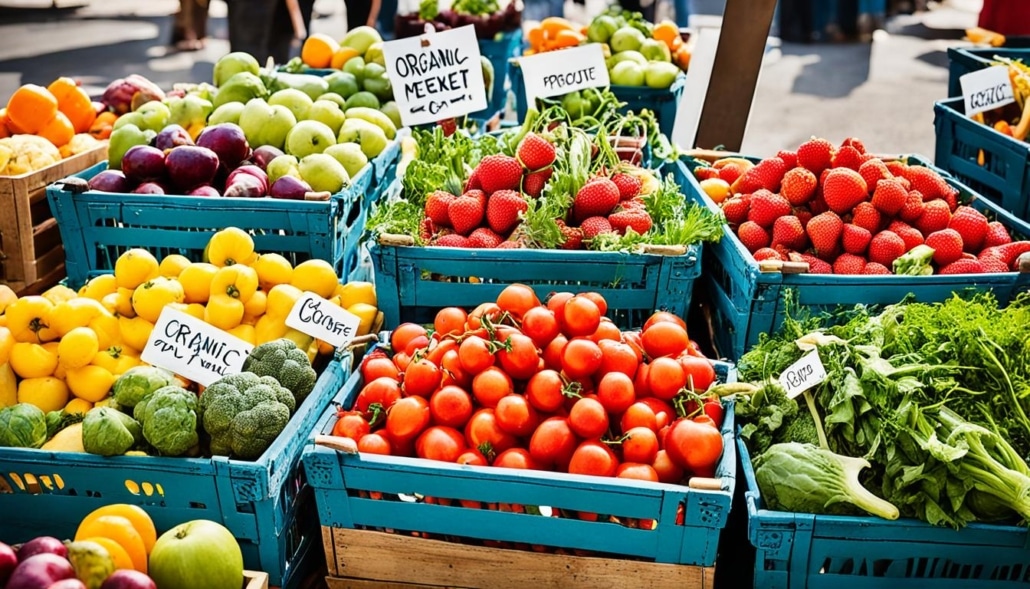
Imagine sitting at a cozy, eco-friendly restaurant, surrounded by friends and the aroma of delicious, organic foods. The waiter approaches your table, and you eagerly await the moment to order. As you scan the menu, your eyes catch a glimpse of a mouthwatering dish named the “Green Plate Special.”
Curiosity piqued, you inquire about its ingredients, and the enthusiastic waiter explains that the Green Plate Special is not just a delightful combination of flavors but also a celebration of sustainability in cuisine. Each ingredient on this plate has been carefully chosen to support a healthier lifestyle and a greener future.
As your order arrives, you marvel at the vibrant colors and freshness on your plate. As you take that first bite, you can almost taste the dedication and passion that went into creating this sustainable masterpiece. And it’s not just about the impeccable taste; it’s also about the positive impact your decision to embrace sustainable eating has on the environment.
At that moment, you realize the power you hold as an individual to make a difference. By choosing eco-friendly dining and opting for organic foods, you are supporting sustainable farming practices, reducing greenhouse gas emissions, and conserving water resources. Your conscious decision to embrace sustainable eating habits is a step towards a brighter and healthier future for all.
In this article, we will embark on a journey to explore the concept of sustainable eating and uncover the myriad ways in which it can positively impact our lives and the world around us. Together, we will navigate the path to sustainable eating and learn how to craft our own green plates, one delicious and eco-friendly bite at a time.
A Bite of Sustainability: Why Does It Matter?
As environmental challenges such as climate change, deforestation, and loss of biodiversity continue to threaten our planet, the importance of sustainable eating habits becomes evident. By making conscious choices about the foods we consume, we can contribute to reducing greenhouse gas emissions and conserving water resources. These actions not only benefit the environment but also pave the way for a brighter future for generations to come. Sustainable eating is a powerful tool in addressing the pressing environmental issues of our time.
When we think of sustainability, we often think of renewable energy, recycling, and conservation. However, our eating habits play a significant role in the overall environmental impact. The production, transportation, and disposal of food contribute to greenhouse gas emissions and waste generation. By embracing sustainable eating habits, we can minimize these negative impacts and work towards a more sustainable future.
One of the key environmental benefits of sustainable eating is the reduction of greenhouse gas emissions. Food production, especially from livestock, accounts for a significant portion of global emissions. By choosing plant-based options or decreasing meat consumption, we can lower the demand for meat production and reduce the associated emissions. Additionally, opting for locally sourced and seasonal foods helps decrease the carbon footprint associated with long-distance transportation.
Conserving water resources is another crucial aspect of sustainable eating. Agriculture accounts for a substantial amount of water usage globally. By consuming foods that require less water for cultivation or embracing water-efficient farming practices, we can help conserve this precious resource. Overall, sustainable eating encourages us to be mindful of our food choices and the impact they have on the environment.
By adopting sustainable eating habits, we are not only contributing to the preservation of our planet but also creating a brighter future for ourselves and future generations. It is an individual action that has a collective impact. When we make sustainable choices, we send a message to food producers and policymakers that environmental considerations matter. We pave the way for a more sustainable food system that supports both human well-being and the health of our planet.
Section 2 provides insight into the importance of sustainable eating habits. As environmental challenges persist, it becomes evident that our food choices have a significant impact on the planet. By reducing greenhouse gas emissions and conserving water resources through sustainable eating habits, we can work towards a brighter future for all. The next section will delve into practical tips for crafting a sustainable diet.
The Green Plate: Crafting Your Sustainable Diet
Embracing a sustainable diet involves making mindful choices about the foods we eat. By incorporating more plant-based meals into our diet, we can reduce our carbon footprint and support sustainable farming practices. Plant-based meals are not only delicious and nutritious but also have a lower environmental impact compared to meat-based dishes. Choosing seasonal produce is another important step towards sustainability. Not only does it enhance the flavor of our meals, but it also requires fewer resources for cultivation and transportation.
Being mindful of our meat consumption is essential for a sustainable diet. Opting for locally sourced and organic options can help reduce the negative environmental effects associated with conventional meat production. By supporting local farmers and choosing ethically raised meat, we contribute to a more sustainable food system. Additionally, for seafood lovers, there are ways to enjoy ocean-friendly seafood. By selecting sustainably sourced options, we can help protect marine ecosystems and ensure the long-term viability of seafood resources.
When crafting our meals, it’s important to consider all of these sustainable food choices. By taking small steps like including plant-based meals, prioritizing seasonal produce, and making mindful choices about meat and seafood, we can create a greener and more sustainable plate. Together, we can make a positive impact on our environment and promote a healthier, more sustainable future for all.


Leave a Reply
Want to join the discussion?Feel free to contribute!