
Perfect Wine and Food Pairings: A Culinary Adventure
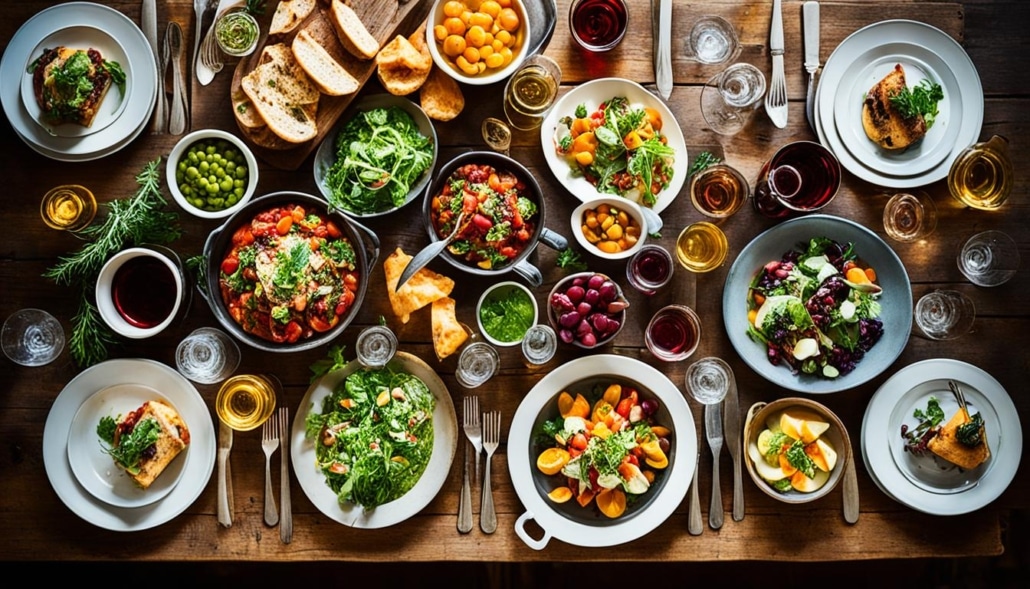
Imagine this: you’re seated at a charming bistro, the enticing scent of freshly cooked dishes wafting through the air. As you peruse the menu, your eyes linger on the wine pairings section, your taste buds already anticipating the delightful combination of food and wine.
Our culinary adventure begins here, where every sip and bite harmoniously blend to create an unforgettable dining experience. Like a careful brushstroke on a masterpiece, the art of sommelier tips guide us in selecting the perfect wine pairings.
The Basics of Food and Wine Pairing
When it comes to pairing food and wine, understanding the characteristics of the wine is essential. Factors such as acidity, body, tannins, sweetness, and flavor profile play a significant role in determining the ideal pairing. By considering these elements, you can create a harmonious and enjoyable dining experience.
Acidity
Acidity is a crucial component to consider when pairing food and wine. Wines with higher acidity, such as Sauvignon Blanc or Riesling, are suitable for acidic dishes like salads or citrus-based dishes. The acidity in the wine helps cut through the acidity in the food, providing a refreshing and balanced pairing.
Body
The body of a wine refers to its weight and mouthfeel. Light-bodied wines, such as Pinot Noir or Beaujolais, pair well with delicate dishes like poached fish or roasted chicken. These wines enhance the flavors of the dish without overpowering them. On the other hand, full-bodied wines like Cabernet Sauvignon or Syrah are perfect companions for rich, flavorful dishes like grilled steak or lamb. The robustness of the wine complements the intensity of the food.
Tannins
Tannins are compounds found in grape skins, seeds, and stems that contribute to the wine’s structure and bitterness. Wines with high tannin levels, such as Cabernet Sauvignon or Nebbiolo, are well-suited for fatty dishes or foods with strong flavors. The tannins in the wine help cleanse the palate and balance the richness of the food. However, it’s important to note that excessive tannins can clash with delicate dishes or foods with subtle flavors.
Sweetness
Sweetness in wine can either complement or contrast with sweet dishes. Dessert wines like Port or Sauternes are often paired with desserts to create a harmonious blend of flavors. However, a touch of sweetness in a wine can also provide a pleasant contrast to dishes with spicy or savory elements. It’s all about finding the right balance and intensity of sweetness to enhance the overall dining experience.
By considering the flavor profiles, acidity, body, tannins, and sweetness of the wine, you can create exceptional food and wine pairings that elevate your culinary experience. The next section will explore unique and unconventional wine and food pairings that will inspire your creativity in the kitchen.
Unique Wine and Food Pairing Ideas
Move beyond the traditional wine and food pairings and explore unique and unconventional combinations. For instance, pairing Champagne with steak creates an elegant culinary adventure, where the bready, yeast-like notes of brut Champagne complement the succulent flavors of a perfectly seared ribeye.
Pairing rosé with charcuterie offers a delightful balance for both meats and cheeses, with the wine’s versatility enhancing the flavors of each element on the board. Surprisingly, pairing sweet Riesling with spicy dishes can create a culinary revelation, as the sweetness elegantly tames the heat.
Champagne and fried chicken form a match made in culinary heaven, as the acidity of the Champagne cuts through the grease and accentuates the crispy exterior. Zinfandel pairs wonderfully with barbecue ribs, as the wine’s ripe fruit flavors and peppery notes enhance the richness and smokiness of the meat.
The combination of Port and dark chocolate is a dessert lover’s dream come true, as the wine’s richness enhances the bittersweet quality of the chocolate. For a casual movie night, pairing Pinot Noir with buttery popcorn creates a surprisingly satisfying combination. The acidity and herbal qualities of Sauvignon Blanc bring a new dimension to sushi pairing, especially when wasabi is present.
Explore these unconventional pairings to infuse creativity and excitement into your culinary adventures.


Leave a Reply
Want to join the discussion?Feel free to contribute!