
Backpacking Through Europe: Routes, Tips, and Destinations
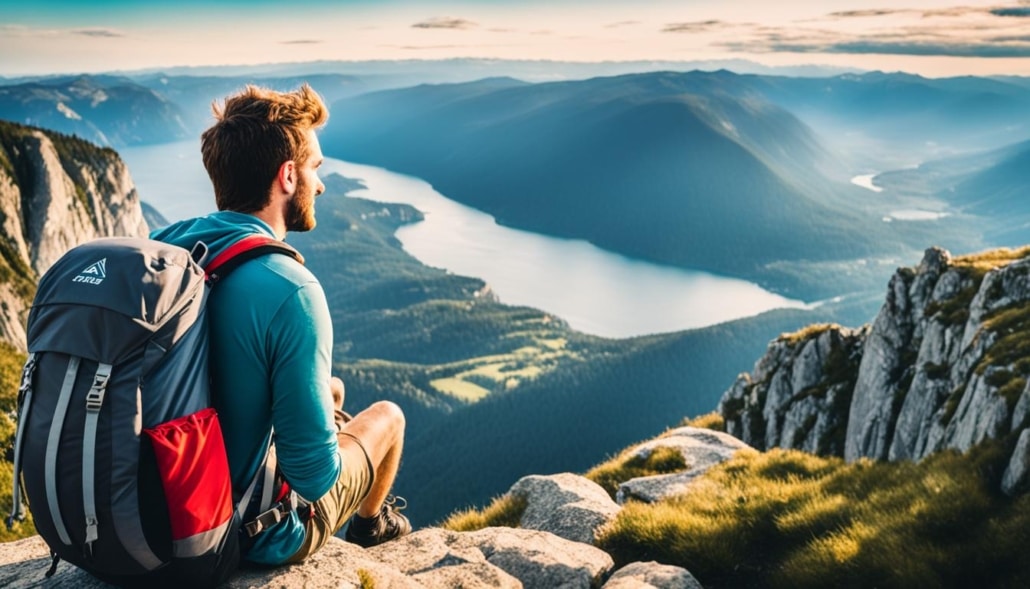
Backpacking through Europe offers surreal adventure, zany characters, and unmatched opportunities for outlandish behavior. Europe has a diverse range of landscapes, cultures, and languages, making it an ideal destination for backpackers. From iconic cities to hidden gems, there are endless possibilities for exploring Europe on a budget. In this article, we will explore the best travel routes, must-visit destinations, and essential tips for a memorable backpacking adventure through Europe.
Key Takeaways:
- Europe is a dream destination for backpackers due to its diverse landscapes, cultures, and languages.
- Backpacking allows travelers to explore Europe on a budget, with endless possibilities for adventure.
- In this article, we will provide travel routes, must-visit destinations, and essential tips for backpacking in Europe.
- Plan your itinerary based on your interests, budget, and time constraints when backpacking through Europe.
- Stay safe, respect local customs, and embrace the unique cultural experiences that Europe offers.
Why Go Backpacking in Europe?
Europe offers a unique backpacking experience with its diverse landscapes, rich history, and vibrant cultures. Backpacking in Europe allows travelers to visit multiple countries and experience different cultures in a relatively short amount of time. It provides opportunities for adventure, exploration, and personal growth. From iconic cities to picturesque countryside, Europe has something to offer for every type of backpacker.
Best Travel Itineraries for Backpacking Europe
When backpacking through Europe, planning your itinerary is crucial to ensure a well-rounded adventure that fits your interests, budget, and time constraints. Europe offers a variety of popular travel routes, each with its own unique experiences and highlights. Whether you’re looking to explore Western Europe, soak in the Mediterranean charm, or venture into Eastern Europe, there’s an itinerary to suit every backpacker’s preferences.
1. Western Europe
Embark on a journey through the cultural capitals and stunning landscapes of Western Europe. Start in vibrant London, make your way through the romantic streets of Paris, and explore the historical treasures of Rome. Travel north to Amsterdam and experience its laid-back atmosphere before heading to Barcelona for its vibrant art and architecture. End your Western European adventure with a scenic train ride through the Swiss Alps.
2. Mediterranean Region
Immerse yourself in the charm of the Mediterranean region with its turquoise waters, ancient ruins, and delicious cuisines. Begin your journey in Athens, Greece, and explore its rich history before island-hopping through the stunning Greek islands. Continue to the colorful coastal towns of the Italian Riviera, relax on the beaches of the French Riviera, and indulge in endless tapas in Barcelona. Conclude your Mediterranean experience with scenic views in the picturesque coastal towns of the Amalfi Coast in Italy.
3. Eastern European Adventure
Discover the lesser-explored gems of Eastern Europe, where history, culture, and natural beauty intertwine. Start in Prague, Czech Republic, and witness its fairytale-like architecture. Head to Budapest, Hungary, and soak in its stunning thermal baths and rich heritage. Explore the charming streets of Krakow, Poland, and learn about its poignant history. Continue east to experience the magic of the iconic cities of Vienna, Austria, and Budapest, Hungary, before ending your adventure in the vibrant city of Belgrade, Serbia.
| Popular Travel Itineraries for Backpacking Europe |
|---|
| Western Europe |
| Mediterranean Region |
| Eastern European Adventure |
Customize these itineraries based on your preferences and the countries you wish to visit. Consider adding additional destinations or adjusting the duration of your stay in each location to create a personalized backpacking experience. Remember to consider travel times, transportation options, and the availability of accommodations along your chosen route.
Embarking on the best travel itinerary for backpacking Europe ensures that you make the most of your adventure, discovering hidden gems, and immersing yourself in the diverse cultures and landscapes this continent has to offer.
Best Places to Visit in Europe – Country Breakdowns
Europe is a treasure trove of enchanting destinations, each with its own allure and captivating attractions. Whether you’re fascinated by historical landmarks, breathtaking natural wonders, or vibrant cultural experiences, Europe has something to offer every traveler. Let’s explore some of the best countries to visit on your European adventure.
Italy
Italy’s rich heritage, mouthwatering cuisine, and stunning landscapes make it a top choice for travelers. Explore the ancient ruins of Rome, witness the artistry of Michelangelo in Florence, or get lost in the romantic canals of Venice. Don’t forget to indulge in authentic Italian pasta and gelato along the way.
France
France, the epitome of elegance and charm, beckons with its iconic landmarks and refined culture. From the grandeur of the Eiffel Tower in Paris to the picturesque countryside of Provence, France offers a diverse range of experiences. Savor exquisite wines in Bordeaux, wander through the historic streets of Mont Saint-Michel, or stroll along the glamorous promenade of the French Riviera.
Spain
Spain captures the essence of fiesta and flamenco, with its vibrant festivals and lively atmosphere. Explore the architectural wonders of Barcelona, immerse yourself in the Moorish history of Andalusia, or relax on the sun-kissed beaches of the Costa del Sol. Indulge in delicious tapas and experience the vibrant nightlife in Madrid.
Greece
Greece enchants visitors with its fascinating mythology, pristine beaches, and stunning island landscapes. Discover the ancient wonders of Athens, witness the breathtaking sunsets in Santorini, or explore the historical sites of Delphi. Don’t miss the opportunity to indulge in authentic Greek cuisine and relax on the idyllic shores of the Greek islands.
Germany
Germany’s rich history, charming towns, and breathtaking landscapes make it a must-visit country in Europe. Explore the bustling streets of Berlin, experience the fairytale atmosphere of the Bavarian Alps, or delve into the historical significance of Nuremberg. Immerse yourself in German traditions as you sip on world-renowned beers and indulge in hearty cuisine.
Other Notable Countries
In addition to the aforementioned countries, there are several other European destinations that are gaining popularity among backpackers.
- Croatia: Discover the enchanting coastal cities of Dubrovnik and Split, and explore the stunning waterfalls of Plitvice Lakes National Park.
- Portugal: Experience the charm of Lisbon, relax in the picturesque Algarve region, and explore the historic city of Porto.
- Switzerland: Marvel at the majestic Swiss Alps, explore the vibrant city of Zurich, and cruise along the scenic shores of Lake Geneva.
- Iceland: Indulge in the otherworldly landscapes of Iceland, from stunning waterfalls and geothermal hot springs to the captivating Northern Lights.
These countries offer unique landscapes, cultural experiences, and unforgettable adventures for backpackers seeking to discover the hidden gems of Europe.
Backpacker Accommodation in Europe
When it comes to backpacking in Europe, finding affordable accommodation is crucial for budget-conscious travelers. Luckily, Europe offers a diverse range of options to suit every backpacker’s needs and preferences.
The Benefits of Hostels
Hostels are a popular choice for backpackers in Europe. These budget-friendly accommodations provide dormitory-style rooms with shared facilities, allowing travelers to meet fellow backpackers from around the world. Hostels often offer communal areas, such as lounges or kitchens, where guests can socialize and exchange travel tips.
Hostels are scattered throughout European cities and towns, making them easily accessible for adventurous backpackers. They provide a comfortable and affordable place to rest after a long day of exploration.
Alternative Accommodation Options
Aside from hostels, there are other budget-friendly accommodation options available in Europe. Budget hotels, guesthouses, and campsites can be found in various locations, offering different levels of comfort and amenities.
For those seeking a more unique and immersive experience, platforms like Airbnb and Couchsurfing provide alternative accommodation options. Airbnb allows travelers to rent rooms or entire apartments from local hosts, giving them the opportunity to experience the local culture firsthand. Couchsurfing enables travelers to stay with local hosts for free, fostering cultural exchange and building new connections.
Advance Research and Booking
Regardless of your preferred accommodation type, it’s important to research and book in advance, especially during peak travel seasons. This ensures that you secure a place to stay and helps you avoid any last-minute stress or disappointment.
By planning ahead and utilizing various accommodation options, backpackers in Europe can find affordable and comfortable places to stay, enhancing their overall travel experience.
| Accommodation Option | Benefits |
|---|---|
| Hostels |
|
| Budget Hotels |
|
| Guesthouses |
|
| Campsites |
|
| Airbnb |
|
| Couchsurfing |
|
Europe Backpacking Costs
Backpacking through Europe is an amazing adventure, but it’s important to consider the costs involved. While Europe can be an expensive destination, with proper planning and budgeting, backpacking can be affordable.
The cost of backpacking in Europe will vary depending on several factors:
- Accommodation: Choosing budget-friendly options such as hostels or sharing accommodations through platforms like Airbnb can significantly reduce costs.
- Transportation: Using public transportation like trains or buses, or even opting for walking or biking when exploring cities, can save money on transportation expenses.
- Meals: Eating out at restaurants can quickly add up, so consider cooking your own meals or opting for street food and local markets to save on food costs.
- Activities: Prioritize free or low-cost activities, such as exploring parks, visiting museums on discounted days, or taking advantage of walking tours, to keep entertainment expenses in check.
- Countries visited: The cost of living varies between countries in Europe, so choosing destinations that are more budget-friendly can help stretch your budget further.
To ensure that you stay within your budget, it’s important to set a daily allowance and track your expenses accordingly. By prioritizing your spending and opting for budget-friendly options, you can make the most of your backpacking experience without breaking the bank.
Another valuable tip is to consider traveling during the shoulder seasons, which are the periods just before and after the peak tourist seasons. This not only allows you to avoid the crowds but also helps you secure better deals on accommodation and attractions.
Joining online travel communities and forums to gather insights from fellow backpackers can also provide valuable information on how to save money and make the most of your Europe backpacking trip.
By being mindful of your expenses and planning ahead, you can enjoy all that Europe has to offer on a budget. So get ready to explore the stunning landscapes, immerse yourself in vibrant cultures, and create lifelong memories without breaking the bank!
| Expense Category | Average Cost Range |
|---|---|
| Accommodation | $10 – $50 per night (hostels or budget hotels) |
| Transportation | $20 – $50 per day (public transportation or Eurail pass) |
| Meals | $10 – $30 per day (cooking your own meals or budget-friendly eateries) |
| Activities | $10 – $30 per day (free attractions, discounted museum tickets) |
| Total | $50 – $160 per day |
Best Time to Visit Europe
The best time to visit Europe depends on your preferences, budget, and the activities you plan to do. Consider the following travel seasons:
Summer (June to August)
Summer is the most popular time for backpacking in Europe. The warm weather and longer days make it ideal for outdoor activities and exploring famous landmarks. However, this is also the peak tourist season, resulting in higher prices and larger crowds. If you don’t mind the hustle and bustle and are willing to pay a little extra, summer can be a fantastic time to visit.
Spring (April to May) and Fall (September to October)
Spring and fall offer milder weather, fewer tourists, and lower prices compared to summer. The pleasant temperatures make it enjoyable to explore cities, take scenic hikes, and visit cultural sites. These seasons are ideal if you prefer a quieter and more affordable experience. Keep in mind that some attractions may have limited hours or closures during the shoulder seasons.
Winter (December to February)
Winter can be a budget-friendly option for backpacking in Europe. The weather can be cold, but if you’re prepared with warm clothing and don’t mind the chilly temperatures, you can enjoy the charm of famous holiday markets, cozy cafes, and winter sports. Just be aware that some attractions may have seasonal closures, and some regions may experience heavy snowfall, affecting transportation.
| Travel Season | Advantages | Disadvantages |
|---|---|---|
| Summer (June to August) | – Warm weather – Longer days |
– High prices – Crowded tourist attractions |
| Spring (April to May) and Fall (September to October) | – Milder weather – Fewer tourists – Lower prices |
– Some attractions may have limited hours or closures |
| Winter (December to February) | – Budget-friendly option – Holiday markets and winter sports |
– Cold temperatures – Some attractions may have seasonal closures – Snowfall may affect transportation |
Choosing the best time to visit Europe ultimately depends on your personal preferences and priorities. Consider factors like weather, tourist crowds, and your budget when planning your backpacking adventure.
How to Get Around Europe
Europe offers a convenient and extensive transportation network, making it easy for backpackers to navigate the continent. Whether you prefer the flexibility of train travel, the affordability of buses and budget airlines, or the eco-friendly option of bike rentals, there are plenty of transportation options to suit your needs.
Train Travel: Eurail Passes
Train travel is a popular choice for backpackers exploring Europe. With the Eurail Pass, you can enjoy the freedom to hop on and off trains in multiple countries, offering flexibility and convenience. It allows you to create your own itinerary and discover hidden gems along the way.
Buses and Budget Airlines
For shorter distances or budget-conscious travelers, buses and budget airlines are often the preferred modes of transportation. Buses offer affordable fares and convenient routes, connecting various cities and towns across Europe. Budget airlines, on the other hand, provide quick and cost-effective travel options for longer distances.
Comparing Transportation Options
When planning your European adventure, it’s essential to research and compare different transportation options to find the most affordable and convenient way to travel between destinations. Consider factors such as cost, travel time, comfort, and accessibility. Websites and apps like Rome2rio and GoEuro can help you compare fares and routes for different modes of transportation.
Bike Rentals
Some countries in Europe offer bike rental services, which can be a fun and eco-friendly way to explore certain areas. Renting a bike allows you to immerse yourself in the local culture, enjoy scenic rides, and discover hidden gems off the beaten path.

Ensure you familiarize yourself with local traffic rules and cycling laws before embarking on your bike adventure.
Planning Your Route
As you plan your backpacking journey through Europe, consider the destinations you want to visit and the most efficient transportation options available. Some routes may be better suited for train travel, while others may require a combination of trains, buses, and flights.
Take into account the travel times, connections, and accessibility of each mode of transportation to optimize your route. Websites like Seat61 and TripAdvisor can provide valuable information and insights from fellow travelers.
Remember to be flexible and open to unexpected adventures that may arise along the way. Sometimes the best experiences come from taking the road less traveled.
Staying Safe in Europe
While backpacking through Europe is generally safe, it’s important to prioritize your safety and take precautions. Here are some essential travel safety tips to keep in mind during your European adventure:
1. Keep an Eye on Your Belongings
Keep your personal belongings, including your passport, wallet, and electronics, secure at all times. Be mindful of your surroundings and avoid leaving your belongings unattended.
2. Be Aware of Your Surroundings
Stay attentive and aware of your surroundings, especially in crowded tourist areas and public transportation. Avoid displaying expensive items that may attract thieves.
3. Avoid Risky Areas
Research and avoid areas with high crime rates or known for scams and petty theft. Stay informed about local safety advisories and follow the advice of local authorities.
4. Be Cautious of Scams and Pickpockets
Be wary of common scams targeting tourists, such as friendly strangers offering unsolicited help or distraction techniques used by pickpockets. Keep your valuables out of sight and use a money belt or secure bag for additional protection.
5. Get Travel Insurance
Purchase travel insurance that covers medical emergencies, trip cancellation, and theft. Ensure that your insurance policy meets the requirements of the countries you plan to visit.
6. Research Local Customs and Laws
Before visiting a new country, research its local customs, traditions, and laws. Respect cultural norms and be mindful of any specific regulations or restrictions that may apply.
7. Know Emergency Contact Information
Be familiar with the emergency contact numbers of the countries you plan to visit. Keep a list of important phone numbers, including your country’s embassy or consulate, local police, and medical services.
By following these travel safety tips, you can have a secure and enjoyable backpacking experience in Europe.
| Safety Tips | Description |
|---|---|
| Keep an Eye on Your Belongings | Ensure the safety of your personal belongings by keeping them secure and within your sight. |
| Be Aware of Your Surroundings | Stay alert and attentive to your immediate surroundings to avoid potential risks and threats. |
| Avoid Risky Areas | Research and steer clear of areas with high crime rates or known for scams. |
| Be Cautious of Scams and Pickpockets | Maintain caution and be mindful of common scams and pickpocketing techniques. |
| Get Travel Insurance | Protect yourself against unforeseen circumstances by purchasing travel insurance. |
| Research Local Customs and Laws | Understanding local customs and laws helps you navigate unfamiliar territories respectfully. |
| Know Emergency Contact Information | Keep important emergency contact numbers readily available for quick reference. |
European Culture
Europe is a tapestry of diverse cultures, traditions, and languages that enrich the continent’s vibrant heritage. Each country in Europe has its own unique customs, cuisines, and artistic expressions, offering a kaleidoscope of cultural experiences for backpackers. Immersing yourself in European culture is one of the most rewarding aspects of backpacking through this continent.
Interacting with locals allows you to gain a deeper understanding of their way of life and forge meaningful connections. Whether it’s joining traditional festivals, admiring renowned works of art, enjoying live music performances, or savoring authentic cuisine, cultural immersion offers a truly enriching experience.
“Europe is the melting pot where different cultures come together, creating a harmonious blend of traditions and innovations,” says Anna Martinez, a seasoned backpacker who has explored Europe extensively.
Cultural immersion allows you to expand your horizons, challenge your perspectives, and appreciate the beauty of diversity. The more you respect and embrace the cultural differences, the more meaningful and authentic your European journey becomes.
Unique Festivals and Celebrations
Europe is renowned for its vibrant festivals and celebrations throughout the year. From the world-famous Oktoberfest in Munich, Germany, to La Tomatina, the annual tomato fight in Buñol, Spain, there are countless opportunities to partake in the revelry and witness traditions come to life.
- Spain:
- Fiesta de San Fermín (Running of the Bulls) in Pamplona
- Fallas Festival in Valencia
- Las Fallas in Seville
- Carnival of Venice
- Siena Palio
- The Battle of the Oranges in Ivrea
- St. Patrick’s Day in Dublin
- Galway Oyster Festival
- The Twelfth of July in Belfast
Art and Architecture
European art and architecture have shaped the artistic landscape of the world. From the classical masterpieces of Italy’s Renaissance era to the avant-garde art movements in France, Europe showcases a rich tapestry of artistic expression.
“Visiting the Louvre in Paris and seeing Leonardo da Vinci’s Mona Lisa up close was a surreal experience. It made me appreciate the timeless beauty of European art,” shares Sarah Johnson, an art enthusiast.
European cities such as Rome, Florence, Barcelona, Vienna, and Prague are treasure troves of architectural marvels, boasting grand cathedrals, sprawling palaces, and iconic landmarks. Exploring the intricate details and historical significance behind these architectural wonders offers a glimpse into Europe’s storied past.
Music and Performing Arts
Europe has a rich musical heritage, with composers like Mozart, Beethoven, and Chopin leaving an indelible mark on the world of classical music. Attending world-class operas at Vienna State Opera or witnessing a symphony performance at the Berlin Philharmonic is a dream come true for music enthusiasts.
The performing arts scene in Europe goes beyond classical music. From the flamenco dancers of Spain to the ballet productions in Russia, there is a myriad of performances that captivate audiences with their grace, skill, and storytelling.
Cuisine and Gastronomy
Europe is a paradise for food lovers, with each country offering a unique culinary experience. From savoring fresh pasta in Italy to indulging in a hearty German bratwurst, Europe’s gastronomic delights are a feast for the senses.
The vibrant street markets in cities like Barcelona, Paris, and Lisbon offer an array of local delicacies, allowing backpackers to sample regional cuisines and flavors. Trying traditional dishes, such as paella in Spain, moules frites in Belgium, or baklava in Greece, is a mouthwatering adventure in itself.

By respecting and appreciating the diverse cultures of Europe, backpackers can create lasting memories and forge meaningful connections. Immerse yourself in the vibrant tapestry of European culture, discovering the uniqueness and beauty that lies within each country.
Some Unique Experiences in Europe
Europe offers a plethora of unique and off-the-beaten-path experiences for adventurous backpackers. From hiking in the Scottish Highlands to exploring the fairy-tale villages of the Black Forest in Germany, there are countless hidden gems waiting to be discovered. Other unique experiences include sailing along the Croatian coast, visiting the stunning Plitvice Lakes in Croatia, or exploring the picturesque villages of the Cinque Terre in Italy. It’s important to research and plan ahead to make the most of these unique experiences.
Explore the Scottish Highlands
Embark on a breathtaking journey through the rugged landscapes of the Scottish Highlands. Hike along ancient trails, marvel at mist-covered mountains, and discover hidden castles nestled among the hills. Immerse yourself in the region’s rich history and folklore as you explore the enchanting Loch Ness or visit the iconic Isle of Skye.
Discover the Black Forest in Germany
Step into a storybook world as you wander through the idyllic villages and dense forests of the Black Forest in Germany. Immerse yourself in the region’s folklore and traditions, taste delicious Black Forest cake, and visit the charming town of Triberg with its famous cuckoo clocks. Don’t forget to hike to the top of the mesmerizing Triberg Waterfalls for a truly awe-inspiring experience.
Sail Along the Croatian Coast
Escape the crowds and set sail along the stunning Croatian coast. Explore the hidden coves, crystal-clear waters, and secluded islands of the Adriatic Sea. Swim in the vibrant Blue Cave on the island of Biševo, discover the ancient city of Dubrovnik, and experience the vibrant nightlife of Hvar Island. Sailing through the picturesque Croatian islands offers a unique and unforgettable adventure.
Visit the Plitvice Lakes in Croatia
Indulge in the natural beauty of the Plitvice Lakes National Park in Croatia. Marvel at the cascading waterfalls, turquoise lakes, and lush forests that make up this UNESCO World Heritage site. Take a leisurely stroll along the wooden walkways and bridges that allow you to explore the park’s stunning landscapes up close. The Plitvice Lakes offer a tranquil and mesmerizing experience for nature enthusiasts.
Explore the Cinque Terre in Italy
Discover the captivating charm of the Cinque Terre in Italy. These five picturesque villages perched on the cliffs of the Italian Riviera offer breathtaking views of the Mediterranean Sea. Hike along the scenic trails that connect the villages, explore the colorful houses, and indulge in the region’s fresh seafood and famous pesto. The Cinque Terre provides an unforgettable blend of natural beauty and Italian coastal culture.
Final Advice Before Visiting Europe
Before embarking on your backpacking adventure in Europe, it’s important to do thorough research, plan your itinerary, and pack accordingly. Make sure to check visa requirements, currency exchange rates, and local customs and laws of the countries you plan to visit. It’s also advisable to have a backup plan in case of any unforeseen circumstances or emergencies. Lastly, embrace the spontaneity and flexibility of backpacking, and don’t forget to enjoy every moment of your European adventure.
When it comes to backpacking through Europe, preparation is key. By taking the time to gather information and plan ahead, you’ll be able to make the most of your trip and avoid any unnecessary stress or setbacks.
Research and Plan Your Itinerary
Start by researching the countries and cities you want to visit in Europe. Look into their attractions, transportation options, and accommodations. Consider the time of year you’ll be traveling, as some destinations may be more crowded or expensive during peak tourist seasons. Use online travel resources and guidebooks to gather information and create a rough itinerary.
Check Visa Requirements and Currency Exchange Rates
Depending on your nationality, you may need a visa to enter certain European countries. Check the visa requirements well in advance and make sure you have all the necessary documentation. Additionally, familiarize yourself with the currency used in each country you plan to visit and check the exchange rates. It’s a good idea to have some local currency on hand for smaller expenses, but also consider using credit cards or pre-paid travel cards for convenience and security.
Understand Local Customs and Laws
Each country in Europe has its own unique customs, traditions, and laws. Take the time to learn about the local etiquette, dress codes, and cultural norms. This will help you respect the local culture and avoid any unintentional offenses. Familiarize yourself with the laws and regulations of each country, especially regarding alcohol consumption, drug use, and public behavior. Remember, ignorance of the law is not an excuse, so it’s essential to be aware of and respect the local rules.
Have a Backup Plan
Even with careful planning, things don’t always go as expected during travel. It’s essential to have a backup plan in case of any unforeseen circumstances, such as flight delays or cancellations, lost or stolen belongings, or changes in your itinerary. Keep copies of important documents like your passport and travel insurance policy in a separate location, and consider storing digital copies in a secure cloud storage service. Research alternative transportation options, nearby accommodations, and emergency contacts for each destination you plan to visit.
Embrace Spontaneity and Enjoy the Journey
While it’s important to have a general plan in place, don’t be afraid to embrace the spontaneity of backpacking. Leave room for unexpected adventures, detours, and serendipitous encounters. Europe is full of hidden gems and off-the-beaten-path destinations that may not be in your guidebook. Be open to new experiences, immerse yourself in the local culture, and interact with fellow travelers and locals. Remember, the journey is just as important as the destinations.
Conclusion
Backpacking through Europe offers an incredible and unforgettable experience. Whether you choose to explore iconic cities or venture off the beaten path, Europe has something for every type of backpacker. With careful planning, budgeting, and an open mind, you can create memories that will last a lifetime.
Europe’s diverse landscapes, rich history, and vibrant cultures are sure to leave a lasting impression. Whether you choose to follow popular travel routes or forge your own path, you’ll be rewarded with breathtaking scenery and immersive cultural experiences. From the picturesque villages of the Cinque Terre in Italy to the stunning Plitvice Lakes in Croatia, there are countless hidden gems waiting to be discovered.
So pack your backpack and get ready for an adventure of a lifetime in Europe. Embrace the spontaneity and flexibility of backpacking as you navigate through bustling cities, hike scenic trails, and savor delicious cuisine. Whether you’re a seasoned backpacker or embarking on your first trip, Europe’s charm and beauty will captivate your senses. Soak in the history, indulge in local traditions, and let the spirit of Europe guide you on an unforgettable journey.
FAQ
What makes backpacking in Europe unique?
Backpacking in Europe offers diverse landscapes, rich history, and vibrant cultures, allowing travelers to visit multiple countries and experience different cultures in a relatively short amount of time.
What are some popular travel itineraries for backpacking Europe?
Some popular travel itineraries for backpacking Europe include Western Europe, the Mediterranean region, and Eastern Europe. These itineraries can be customized based on personal preferences and the countries to be visited.
Which countries should I visit while backpacking in Europe?
Must-visit countries in Europe include Italy, France, Spain, Greece, and Germany. Additionally, countries like Croatia, Portugal, Switzerland, and Iceland are becoming increasingly popular among backpackers.
What are the accommodation options for backpackers in Europe?
Backpackers in Europe can stay in hostels, budget hotels, guesthouses, campsites, and also use platforms like Airbnb and Couchsurfing for alternative accommodation options.
How can I keep my backpacking trip in Europe affordable?
To keep your backpacking trip in Europe affordable, set a budget, prioritize expenses, cook your own meals, use public transportation, take advantage of free or low-cost attractions, and travel during the shoulder seasons to avoid peak prices and crowds.
When is the best time to visit Europe?
The best time to visit Europe depends on personal preferences and activities planned. The summer months (June to August) are popular but crowded, while spring (April to May) and fall (September to October) offer milder weather and fewer tourists. Winter (December to February) can be a budget-friendly option.
What are the transportation options for getting around Europe?
Travelers can get around Europe using trains, buses, budget airlines, and even renting bikes in certain areas. It’s important to research and compare different transportation options to find the most affordable and convenient way to travel between destinations.
How can I stay safe while backpacking in Europe?
To stay safe in Europe, keep an eye on your belongings, be aware of your surroundings, avoid risky areas, be cautious of scams and pickpockets, research local customs and laws, and have travel insurance that covers medical emergencies and theft.
What should I expect in terms of European culture during my backpacking trip?
Each country in Europe has its own unique customs, cuisines, and cultural heritage. Backpacking in Europe offers the opportunity to immerse yourself in different cultures, interact with locals, and experience festivals, art, music, and cuisine.
What are some unique off-the-beaten-path experiences in Europe?
Europe offers a plethora of unique experiences, such as hiking in the Scottish Highlands, exploring the Black Forest in Germany, sailing along the Croatian coast, visiting the Plitvice Lakes in Croatia, or exploring the villages of the Cinque Terre in Italy.
What advice should I follow before visiting Europe for backpacking?
Before visiting Europe for backpacking, do thorough research, plan your itinerary, check visa requirements, currency exchange rates, local customs, and laws, have travel insurance, and embrace the spontaneity and flexibility of backpacking.


Leave a Reply
Want to join the discussion?Feel free to contribute!