
The Backpacker’s Guide to Bartering in Local Markets
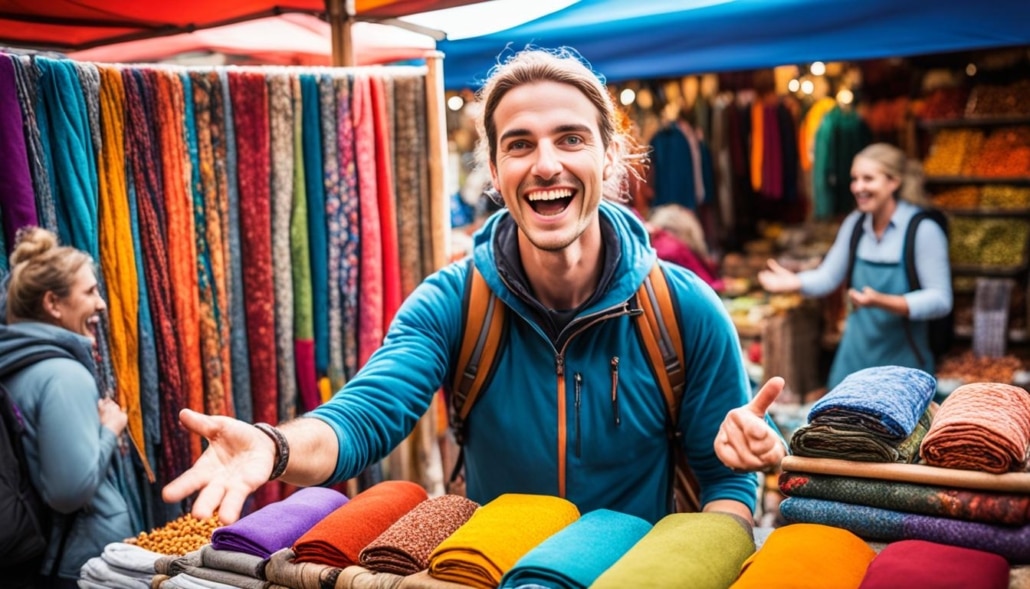
Bartering is an essential skill for backpackers looking to save money while traveling. It is particularly important in countries where haggling is the norm, such as many parts of Asia, South America, and Africa. However, many backpackers struggle with bartering and end up paying more than they should. In this guide, we will provide you with valuable tips and strategies to help you master the art of bartering in local markets, ensuring that you get the best deals and save money during your travels.
Key Takeaways:
- Bartering is an essential skill for budget-conscious backpackers.
- Countries in Asia, South America, and Africa often have a strong bartering culture.
- Mastering bartering can help you save money while traveling.
- In this guide, we will provide valuable tips and strategies for successful bartering.
- Stay tuned for expert advice on cultural aspects, local market markups, effective tactics, ethical behavior, and more.
The Cultural Aspect of Bartering
Bartering is deeply ingrained in the cultures of many countries, especially in Asia, South America, and Africa. In these regions, negotiation is the norm, and everything from food to souvenirs is bought through haggling. As a foreign traveler, it’s important to understand these cultural differences and how they affect the bartering process.
Local vendors in these markets have extensive experience in dealing with tourists and may try to charge higher prices. By being aware of these cultural dynamics, you can navigate the bartering process more effectively and secure better deals.
Cultural Differences and Negotiating
Understanding the local customs and expectations around bartering is crucial for successful negotiations.
For example, in many Asian markets, such as the famous Grand Bazaar in Istanbul or the bustling Night Market in Bangkok, bargaining is expected and part of the cultural experience. It’s common for vendors to initially quote higher prices with the expectation that buyers will negotiate. This cultural norm can also be seen in the vibrant markets of Marrakech in Morocco or the local souks in Dubai.
“Bartering is not just a means to get the best possible deal; it’s a way to connect with the local culture and forge relationships with the vendors.” – Jane Smith, Travel Enthusiast
On the other hand, in some Western countries, bartering may be less prevalent or even uncommon. In these places, fixed prices are more standard, and attempting to negotiate may be seen as unusual or disrespectful. It’s important to research and understand the cultural nuances of each destination before engaging in the bartering process. This knowledge will help you navigate negotiations more confidently and avoid unintentional cultural missteps.
Negotiating in Local Markets
Mastering the art of negotiation is essential when bartering in local markets.
Developing good communication skills, including active listening and effective questioning, is key to successful negotiations. By asking relevant questions, you can gather information about the vendor’s perspective, such as their initial asking price, any special offers or discounts, or the value of the item you’re interested in.
The Role of Nonverbal Cues
Understanding and utilizing nonverbal communication can greatly influence the outcome of bartering exchanges.
In many cultures, body language speaks louder than words. Maintaining eye contact, having a confident posture, and using appropriate hand gestures can convey your level of interest, confidence, and assertiveness. A friendly, open demeanor can create a positive atmosphere for negotiation and build rapport with the vendor.
Pro Tip: Take note of how locals interact with vendors and observe their negotiation tactics. This can provide valuable insights into local customs and effective strategies to use in your own negotiations.
| Cultural Differences in Bartering | Negotiating Strategies | Local Market Examples |
|---|---|---|
| Asia, South America, and Africa | – Start with a lower offer and gradually increase – Use silence as a negotiation tool – Leverage local advice or recommendations |
– Grand Bazaar in Istanbul – Night Market in Bangkok – Markets in Marrakech – Local souks in Dubai |
| Western Countries | – Research fixed prices beforehand – Respect the local customs – Don’t attempt to negotiate in places where bartering is uncommon |
– Markets in the United States and Europe |
By understanding the cultural aspect of bartering and employing effective negotiation techniques, you can navigate local markets with confidence and secure the best deals. Remember, bartering is not just about getting the lowest price; it’s about immersing yourself in the culture and forging memorable connections with the local vendors.
Understanding the Local Market Markup Rate
When bartering in local markets, it’s crucial to understand the local markup rate. This rate represents the percentage by which vendors increase the price of their goods for tourists. The local markup rate can vary depending on factors such as the country, city, and specific market you’re in.
To determine the local markup rate, you can start by asking locals or other experienced travelers for their best deal on a particular item. This can give you a baseline to work with and help you gauge the typical markup rate. It’s essential to aim to beat the price you receive, allowing for some negotiation.
Keep in mind that several factors can impact the local markup rate. The number of tourists in the area and the type of item you’re haggling for can influence the vendor’s pricing strategy. For example, in heavily touristic areas where competition is high, vendors may have lower markup rates to attract more customers.
To negotiate effectively, understanding the local markup rate is crucial in determining your target price. Armed with this knowledge, you can assess whether the initial price offered by the vendor is reasonable or inflated due to the markup. It gives you a starting point to negotiate from, ensuring you aim for a fair and favorable price.
Remember, negotiation is a key component of bartering, and it’s essential to be confident and assertive while remaining respectful. By understanding the local markup rate, you can navigate the negotiation process more effectively and increase your chances of securing a better deal.

Example of Local Markup Rates in Popular Tourist Destinations
| Destination | Average Markup Rate |
|---|---|
| Bangkok, Thailand | 30-50% |
| Cusco, Peru | 40-60% |
| Marrakech, Morocco | 50-70% |
| Istanbul, Turkey | 20-40% |
| Delhi, India | 30-50% |
These figures serve as a general guideline and can vary depending on the specific market within each destination. Use them as a reference point, but remember to assess the current market conditions and adapt your negotiation strategy accordingly.
Mastering Body Language
When it comes to bartering, your body language can be a powerful tool. It has the ability to convey your confidence, intentions, and level of interest to the vendor. By mastering body language, you can negotiate more effectively and increase your chances of getting the best deals in local markets.
To negotiate successfully, it’s important to project confidence through your body language. Stand tall, maintain strong eye contact, and speak with a clear and assertive tone. These nonverbal cues will signal to the vendor that you are serious and know the value of the item you’re negotiating for.
Being friendly and approachable is also essential. Smile, maintain an open posture, and use positive gestures to show your willingness to engage in the negotiation process. Building rapport with the vendor will create a more favorable environment for discussion and increase the likelihood of reaching a mutually beneficial agreement.
Avoid appearing indecisive or unsure of yourself during the negotiation. Uncertain body language, such as fidgeting or constantly changing your mind, can send mixed signals and weaken your position. Instead, maintain a relaxed and casual demeanor. This will level the playing field and make the vendor more willing to negotiate with you.
“Body language is a powerful form of communication, especially in the bartering process. Confident and friendly nonverbal cues can work in your favor, signaling your intentions and building rapport with the vendor. By maintaining a relaxed and casual demeanor, you’ll create a more positive environment for negotiation.”
It’s important to note that dishonest tactics should be avoided. Being deceptive or using manipulative body language can damage your reputation as a trustworthy negotiator. Treat vendors with respect and approach the negotiation process with honesty and integrity. Building a positive relationship with the vendor can lead to better outcomes and long-term benefits.
In summary, mastering body language is an essential skill for successful bartering. By projecting confidence, being friendly, and avoiding indecisiveness, you can enhance your negotiating power and secure the best deals in local markets.
| Mastering Body Language Tips: | Benefits: |
|---|---|
| Project confidence through strong eye contact, a clear tone of voice, and tall posture. | Signals to the vendor that you know the value of the item and are serious about the negotiation. |
| Be friendly, approachable, and use positive gestures. | Builds rapport with the vendor and creates a more favorable negotiation environment. |
| Avoid appearing indecisive or uncertain. | Maintains a relaxed atmosphere and levels the negotiation playing field. |
| Avoid dishonest tactics and be honest and respectful. | Builds trust and fosters positive relationships with vendors. |
Effective Bartering Tactics
Mastering the art of bartering requires employing effective tactics during the negotiation process. By utilizing these strategies, you can increase your chances of securing better deals and saving money during your travels.
Leaving Wiggle Room
One effective tactic is to start the negotiation with a lower offer, leaving room for the vendor to counteroffer and ultimately reach a mutually beneficial agreement. By starting with a lower price, you demonstrate your intention to negotiate and create an opportunity for a more favorable deal.
Silence as a Negotiation Tool
Using silence strategically can be a powerful negotiation tool. After presenting your initial offer, remain silent and wait for the vendor to respond. Silence puts pressure on the vendor to make a better offer or concede to your terms.
Sealing the Deal with Handshakes
Handshakes can symbolize the near completion of a negotiation and indicate that both parties are close to reaching an agreement. A handshake can serve as a nonverbal confirmation of the terms discussed and help foster a sense of trust and camaraderie between you and the vendor.
Asking for Extras
If you’re interested in purchasing multiple items or services from a vendor, asking for extras can be an effective tactic. By bundling your purchases or requesting additional items, you create an opportunity for the vendor to offer a discounted price or throw in extras as a gesture of goodwill.
Leveraging Local Advice
Utilizing local advice can give you valuable insights and leverage during negotiations. Engage locals in conversation, ask for recommendations, and inquire about typical prices for certain goods or services. Armed with this information, you can negotiate from a more informed position and confidently seek fair deals.
When employing these tactics, it’s important to strike a balance between assertiveness and politeness. Being respectful and understanding the vendor’s perspective can go a long way in building rapport and increasing the likelihood of securing favorable outcomes.
Common Bartering Tactics and Their Effectiveness
| Tactic | Effectiveness |
|---|---|
| Starting with a lower offer | High |
| Utilizing silence | Moderate |
| Sealing the deal with handshakes | Moderate |
| Asking for extras | Low |
| Leveraging local advice | High |
Bartering Ethics
While engaging in bartering can be an exciting and essential skill for backpackers, it is crucial to practice ethical behavior throughout the process. It is easy to become solely focused on negotiating for the lowest possible price, but it is important to remember that fair prices and respecting the livelihoods of local vendors should also be a priority. Every transaction with a vendor is an opportunity to support their business and contribute to their livelihood. By striking a fair agreement that benefits both parties, you can ensure that the practice of bartering remains sustainable and mutually beneficial.
When bartering, remember that the profit made by vendors can greatly impact their families and communities. Even a seemingly small amount of profit for them can make a significant difference. By paying fair prices and promoting ethical behavior, you contribute to the local economy and support the people whose livelihoods depend on the income they generate through trading.
To maintain ethical backpacking practices, consider the following:
- Set a budget and be aware of the value of the item you are bargaining for.
- Respect the vendors and their products, acknowledging the hard work and effort they put into their trade.
- Approach negotiations with fairness and transparency, aiming for a price that satisfies both parties.
- Avoid excessive haggling or driving the price unreasonably low, as it may harm the vendor’s profitability and livelihood.
- Consider the local market and the economic context when determining what is a fair price.
Quotes:
“Bartering is not just about getting the lowest price; it’s about creating a win-win situation. Fair prices benefit both the backpacker and the local vendor, ensuring a sustainable exchange of goods and supporting the local economy.” – Emma Johnson
Remember, ethical bartering enables a positive impact on the local community and contributes to the preservation of cultural traditions. By maintaining fair practices and demonstrating respect for the vendors’ livelihoods, you can uphold the spirit of ethical backpacking and make a difference in the places you visit.

The Art of Walking Away
When it comes to bartering, sometimes the best negotiation tactic is knowing when to walk away. The walk-off technique can be a powerful tool to secure a better offer from a vendor who is motivated to make a sale.
Here’s how it works: as you negotiate with a vendor and reach a stalemate, you can start to leave the stall or shop. In some cases, the vendor may be willing to lower their price or make a counteroffer, hoping to entice you to come back and make a purchase.
However, it’s important to be aware of the risks that come with this strategy. Some vendors may not care if you leave, and you could end up losing the item altogether. It’s crucial to gauge the vendor’s level of interest and motivation before deciding to walk away.
Walking away can be particularly effective when:
- The vendor has shown some willingness to negotiate
- You are confident that the price is too high compared to the local market value
- The vendor has a limited supply of the item you want
Remember to be polite and respectful throughout the negotiation process. If the vendor does not offer a better deal when you walk away, you can still thank them for their time and consider other options.
By using the walk-off tactic wisely, you increase your chances of securing a better offer and getting the best deal possible in the local market.
| Pros | Cons |
|---|---|
|
|
Conclusion
Mastering the art of bartering in local markets is a crucial skill for backpackers looking to save money and get the best deals. By understanding the cultural aspects of bartering, such as the importance of negotiation in certain regions, you can navigate the process more effectively. Knowing the local markup rate will help you set a target price and negotiate with confidence.
Employing effective bartering tactics, such as leaving room for negotiation, using silence as a negotiation tool, and leveraging local advice, can significantly improve your chances of securing a better deal. However, it’s important to approach bartering ethically, respecting the livelihoods of the vendors and striving for fair agreements that benefit both parties.
With practice and confidence, you can become a savvy barterer and make the most of your backpacking adventures. So, next time you find yourself in a local market, armed with these bartering tips, remember to embrace the cultural differences and enjoy the excitement of bargaining while saving money along the way.
FAQ
What is bartering?
Bartering is the process of negotiating the price of goods or services through haggling and trade, often used in local markets.
Where is bartering common?
Bartering is particularly common in countries with a culture of negotiation, such as many parts of Asia, South America, and Africa.
Why is bartering important for backpackers?
Bartering allows backpackers to save money and get better deals on goods and services while traveling.
How can I navigate cultural differences in bartering?
Understanding the cultural aspects of bartering, such as negotiation norms and local markups, can help you navigate the bartering process more effectively.
What is the local markup rate?
The local markup rate refers to the percentage at which vendors increase the price of their goods for tourists. Understanding this rate will help you negotiate more effectively.
How can I use body language to my advantage?
Maintaining a confident and friendly demeanor, while avoiding indecisiveness, can help you project confidence and make vendors more willing to negotiate.
What are some effective bartering tactics?
Starting with a lower offer, using silence as a negotiation tool, leveraging local advice, and asking for extras are all tactics that can help you secure better deals.
How can I barter ethically?
It’s important to find a balance between getting a good deal and respecting the livelihoods of vendors. Striking a fair agreement that benefits both parties is key.
When should I use the walk-off tactic?
Walking away can be a clever tactic to secure a better deal, but it carries some risk. It’s important to know when and how to use this tactic effectively.


Leave a Reply
Want to join the discussion?Feel free to contribute!