
Top Tips for Safe and Enjoyable Solo Travel
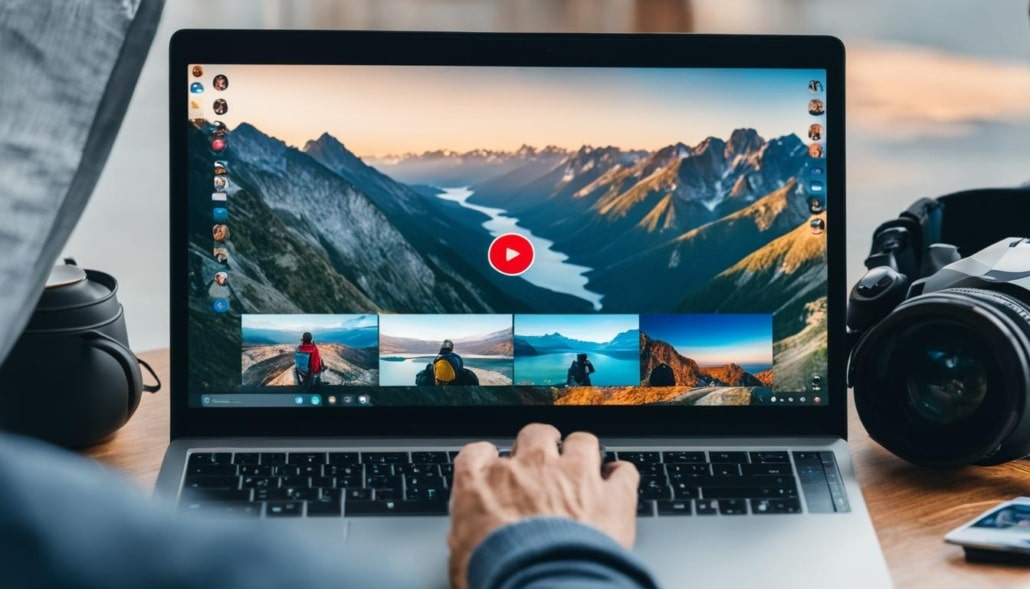
Solo travel can be an incredible experience, providing the freedom to explore new places at your own pace. However, it’s important to prioritize safety when traveling alone. Here are some top tips to ensure your solo adventures are safe and enjoyable:
Share Your Travel Plans and Stay Connected
It’s crucial to share your travel plans with trusted family or friends before you embark on your solo journey. Give them details of your itinerary, hotel reservations, and planned activities. Additionally, let the hotel staff know where you’re headed and when you expect to return. For international travel, consider enrolling in the Smart Traveler Enrollment Program (STEP) to receive important safety updates and to allow the U.S. Embassy to contact you in case of an emergency. Stay connected with friends, family, or work through email or social media when you have Wi-Fi access.
Make an Emergency Plan
While it’s ideal to never face a medical issue or emergency while traveling, it’s important to be prepared. Research nearby hospitals, police stations, and emergency facilities before your trip. If you’re traveling internationally, learn some emergency phrases in the local language to ask for help if needed. Visit your doctor or a travel clinic before you leave to ensure you have the necessary vaccinations. Pack a first aid kit with hand sanitizer, face masks, band-aids, and other essential items for emergencies. Research the safety of drinking water, fresh produce, and dining establishments at your destinations to avoid illnesses.
Secure Your Valuables
When venturing out alone, bring only what you need and keep your belongings secure. Carry your phone, credit card, cash, ID, and a copy of your passport in a concealed bag that you can see at all times. Make sure to keep your bags within your line of sight and never leave them unattended. Keep a photocopy of your passport in a safe and separate place. Store extra money, jewelry, and important documents in the hotel safe. Stay alert and keep your belongings close when using public transportation.
Choose Wisely and Get Travel Insurance
Do your research on the safety of your destination before you travel. Learn about the safest neighborhoods, the best routes to take, and the forms of public transportation available. Choose accommodations with good safety ratings and consider reserving a room above the ground floor but not too far from the lobby. Finally, protect yourself and your trip by purchasing travel insurance. This will cover unexpected events such as trip cancellation or interruption, medical expenses, and baggage loss or theft.
Share Your Travel Plans and Stay Connected
When embarking on a solo journey, it’s crucial to share your travel plans with trusted family or friends. By keeping them informed about your itinerary, hotel reservations, and planned activities, you ensure that someone knows your whereabouts in case of any emergencies.
Additionally, make sure to inform the hotel staff about your destinations and expected return time. This way, they can assist you in case of any unforeseen circumstances and provide necessary support during your stay.
For international travel, enrolling in the Smart Traveler Enrollment Program (STEP) is highly recommended. By doing so, you not only receive important safety updates but also allow the U.S. Embassy to reach you during emergencies or critical situations.
Staying connected with friends, family, or work is vital while traveling alone. Take advantage of Wi-Fi access and use email or social media platforms to keep in touch. Regular communication brings comfort and ensures that help is just a message away if needed.
Make an Emergency Plan
While it’s ideal to never face a medical issue or emergency while traveling, it’s important to be prepared. Your safety should always be a top priority. By taking certain precautions and planning ahead, you can ensure that you are equipped to handle unexpected situations.
Research Emergency Services
Before your trip, take the time to research nearby hospitals, police stations, and emergency facilities in the areas you will be visiting. Knowing the locations and contact information of these services can save valuable time in case of an emergency.
Learn Emergency Phrases
If you are traveling internationally, it’s a good idea to learn some emergency phrases in the local language. Being able to ask for help or communicate basic medical issues can be invaluable in a crisis situation.
Visit Your Doctor or a Travel Clinic
Prior to your departure, make an appointment with your doctor or a travel clinic. Discuss your travel plans and ensure that you have received all necessary vaccinations and medications for your destination. They can also provide you with any specific health advice or precautions for the areas you will be visiting.
Pack a First Aid Kit
Having a well-stocked first aid kit is essential for any travel adventure. Consider including items such as hand sanitizer, face masks, band-aids, antiseptic wipes, and any prescription medications you may require. It’s always better to be prepared for minor medical issues rather than scrambling to find supplies in an unfamiliar location.
Research Food and Water Safety
One common cause of travel-related illnesses is consuming contaminated food or water. Before you travel, research the safety of drinking water, fresh produce, and dining establishments at your destinations. Take necessary precautions such as drinking bottled water, avoiding raw or undercooked foods, and being cautious about street food.
“By taking the time to plan for emergencies and prioritize your safety, you can travel with confidence knowing that you are well-prepared.”
Remember that emergencies can happen to anyone, regardless of how prepared you are. However, by taking the steps outlined above and having an emergency plan in place, you can mitigate the risks and ensure a safer travel experience.
Secure Your Valuables
When venturing out alone, it’s essential to prioritize the security of your belongings. Follow these tips to ensure that your valuables, including your passport, are kept safe:
- Carry only what you need: Take only the essentials with you when exploring. Leave any unnecessary items, such as expensive jewelry, at your accommodation.
- Use a concealed bag: Invest in a secure bag that you can keep close to your body, such as a crossbody bag or a waist pouch. This will allow you to have your phone, credit card, cash, ID, and a copy of your passport easily accessible while keeping them hidden from potential thieves.
- Maintain line of sight: Always keep your bags within your line of sight, especially in crowded areas. Never leave your belongings unattended, even for a moment.
- Safeguard your passport: Make a photocopy of your passport and store it in a safe and separate place from the original document. This will be helpful in case your passport gets lost or stolen. Additionally, consider using a passport holder or a protective sleeve to keep your passport secure.
- Utilize hotel safes: Take advantage of the in-room safes provided by hotels. Use them to store extra money, jewelry, and important documents, ensuring that they are safely locked away while you’re out exploring.
- Stay vigilant on public transportation: When using public transportation, be aware of your surroundings and keep your belongings close to you. Avoid displaying your valuables and be cautious of pickpockets in crowded areas.
By implementing these measures, you can secure your valuables and passport, providing you with peace of mind while you enjoy your solo travel adventures.

Choose Wisely and Get Travel Insurance
Planning your solo travel adventure involves more than just booking flights and packing your bags. It’s essential to take precautions to ensure a safe and worry-free journey. Before you embark on your trip, there are a few key considerations to keep in mind: choosing your destination wisely and getting travel insurance.
Research Safety and Transportation Options
Before you travel, take the time to research the safety of your chosen destination. Look for information on the safest neighborhoods, areas to avoid, and any recent travel advisories or warnings. This will help you make informed decisions about where to stay, preferred routes, and modes of transportation.
Choose Accommodations with Safety Ratings
When selecting accommodations, prioritize properties with good safety ratings. Look for hotels or hostels that have implemented security measures such as 24-hour reception, surveillance cameras, and secure locking systems. Consider reserving a room above the ground floor but not too far from the lobby for added security and ease of access.
Protect Yourself with Travel Insurance
One of the most important steps you can take to safeguard your trip is to purchase travel insurance. Travel insurance provides coverage for unexpected events that may disrupt your plans and impact your finances. It typically covers expenses such as trip cancellation or interruption, emergency medical expenses, and baggage loss or theft.
Getting travel insurance ensures that you’re financially protected in case of unforeseen circumstances, such as flight cancellations, medical emergencies, or lost belongings. It can provide you with peace of mind knowing that you won’t bear the full financial burden if something goes wrong during your solo adventure.
Remember to carefully review the details of the travel insurance policy before making a purchase, including coverage limits, exclusions, and claim procedures. Choose a policy that suits your specific needs and provides adequate coverage for the activities you plan to engage in during your trip.
Don’t let unexpected incidents derail your solo travel experience. By choosing your destination wisely and investing in travel insurance, you can have the confidence to explore new horizons while minimizing potential risks. Travel with peace of mind, and embrace the freedom and adventure that solo travel offers.
Conclusion
Solo travel can be an incredible experience full of adventure and personal growth. By following these solo travel tips, you can ensure a safe and enjoyable solo trip. It’s important to share your travel plans with trusted family or friends before you embark on your journey. Keeping them informed of your itinerary and hotel reservations can provide an extra layer of security.
In addition, having an emergency plan in place is essential. Researching nearby hospitals, police stations, and emergency facilities ahead of time can help you navigate unexpected situations with ease. It’s also wise to pack a first aid kit and become familiar with emergency phrases in the local language if you’re traveling internationally.
Furthermore, securing your valuables is crucial to a worry-free trip. Always keep your belongings within your line of sight and store extra money, jewelry, and important documents in the hotel safe. Additionally, choosing your destinations wisely and investing in travel insurance can provide added peace of mind.
By implementing these solo travel tips, you can confidently embark on your solo journey, knowing that you have taken the necessary precautions to ensure your safety. Solo travel offers a unique opportunity for self-discovery and exploration, and by prioritizing safety, you can make the most of this incredible adventure.
FAQ
Why is it important to share your travel plans with family and friends?
Sharing your travel plans with trusted family and friends ensures that someone knows your whereabouts and can alert authorities if you go missing or encounter any issues during your solo trip.
What is the Smart Traveler Enrollment Program (STEP)?
The Smart Traveler Enrollment Program (STEP) is a program provided by the U.S. Department of State that allows U.S. citizens traveling abroad to enroll their trip with the nearest U.S. Embassy or Consulate. It provides important safety updates and allows the Embassy to contact you in case of an emergency.
How can I be prepared for medical issues or emergencies while traveling alone?
Before your trip, research nearby hospitals, police stations, and emergency facilities. Learn some emergency phrases in the local language if traveling internationally. Visit your doctor or a travel clinic to ensure you have the necessary vaccinations and pack a first aid kit with essential items. Also, research the safety of drinking water and dining establishments at your destinations to avoid illnesses.
How can I secure my valuables when traveling alone?
Carry your phone, credit card, cash, ID, and a copy of your passport in a concealed bag that you can see at all times. Keep your bags within your line of sight and never leave them unattended. Make photocopies of your passport and store them in a safe and separate place. Utilize the hotel safe to store extra money, jewelry, and important documents. Stay alert and keep your belongings close when using public transportation.
How can I make wise choices during solo travel?
Research the safety of your destination, including the safest neighborhoods, best routes, and forms of public transportation available. Choose accommodations with good safety ratings and consider reserving a room above the ground floor but not too far from the lobby. Additionally, protect yourself and your trip by purchasing travel insurance, which can cover unexpected events such as trip cancellation, medical expenses, and baggage loss or theft.
What are some tips for safe and enjoyable solo travel?
Share your travel plans, stay connected with loved ones, have an emergency plan, secure your valuables, choose your destinations wisely, and invest in travel insurance. By following these precautions, you can embark on a solo journey with confidence and peace of mind.


Leave a Reply
Want to join the discussion?Feel free to contribute!