
The Majestic Temples and Jungles of Cambodia
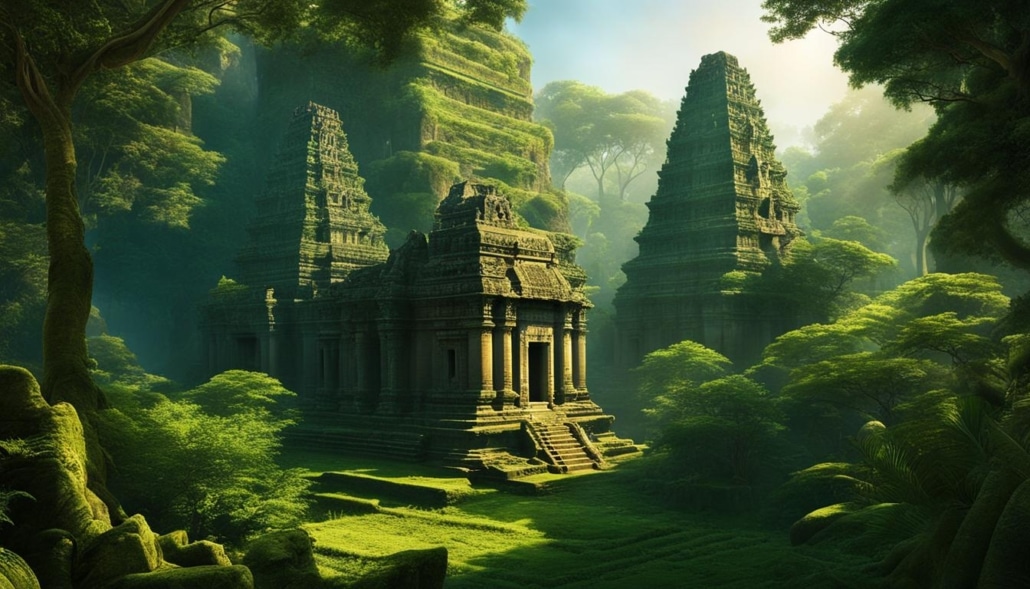
Embark on a cultural journey through the enchanting land of Cambodia, where ancient temples and lush jungles await. Cambodia is renowned for its breathtaking temples, which stand as a testament to the country’s rich cultural heritage and historical significance. These architectural marvels transport visitors back in time, offering a glimpse into the glorious era of the Khmer Empire. Explore the Temples of Cambodia and embrace the wonders of cultural travel in this captivating Southeast Asian nation.
Step foot in Cambodia and be awestruck by the grandeur of its temples. These magnificent structures, such as the iconic Angkor Wat, capture the imagination with their intricate designs and rich symbolism. Each temple tells a unique story, transporting visitors to a bygone era of spiritual devotion and artistic excellence. As you traverse the temples, you will witness the architectural brilliance of the Khmer Empire, as well as the fusion of Hindu and Buddhist influences that shape Cambodia’s cultural landscape.
Immerse yourself in the serenity of Bayon Temple, where enigmatic smiling faces greet you at every turn. Marvel at the jungle-encased ruins of Ta Prohm, where nature and ancient stone intertwine in a captivating dance of beauty and decay. Admire the delicate carvings and pink sandstone of the Jewel of Khmer Art – Banteay Srei. Discover the hidden gem of Koh Ker Temple Complex and unravel the mysteries of its pyramid temples. And don’t miss the sacred mountain of Phnom Kulen, a spiritual site adorned with ancient temples and breathtaking waterfalls.
Cambodia’s temples and jungles offer a truly immersive cultural experience that connects visitors with the country’s storied past. Lose yourself in the ancient mystique of these historical wonders, and let Cambodia’s rich cultural heritage leave an indelible mark on your journey. Whether you’re a history enthusiast or a nature lover, the Temples of Cambodia beckon with their allure, promising an extraordinary adventure in this captivating land.
Unveiling Angkor Wat: The Crown Jewel of Cambodian Temples
Angkor Wat, the largest religious monument in the world, is a true marvel of ancient architecture. Built in the 12th century by the Khmer Empire, this temple complex is dedicated to the Hindu god Vishnu. Its towering spires and intricate bas-reliefs depict stories from Hindu mythology, showcasing the artistic brilliance and engineering ingenuity of the Khmer Empire.
The grandeur of Angkor Wat is evident in its massive scale and meticulous details. The temple complex spans over 400 acres, featuring a series of temple-mountains and a vast moat that symbolizes the cosmic ocean. The central tower, rising to a height of 213 feet, represents the mythical Mount Meru, the abode of the gods.
“Angkor Wat is a testament to the genius of the ancient Khmer people. Its architectural design and spiritual significance make it an unrivaled masterpiece of ancient civilization.” – Dr. Socheata Kong, Archaeologist
The bas-reliefs of Angkor Wat are a visual narrative of Khmer history, culture, and mythology. Carved on the temple’s walls, these intricate sculptures depict epic scenes such as the Churning of the Ocean of Milk and the Battle of Kurukshetra. These bas-reliefs offer a glimpse into the rich cultural tapestry of the Khmer Empire.
“Angkor Wat is truly a treasure trove of ancient art and architecture. The level of detail and craftsmanship displayed in its bas-reliefs is awe-inspiring.” – Dr. Sophea Kim, Art Historian
While most temples face east, Angkor Wat is unique in its westward orientation. Some scholars believe that this deviation suggests Angkor Wat was initially designed as a funerary temple, symbolizing the setting sun and the passage into the afterlife. Regardless of its original purpose, Angkor Wat stands as a remarkable testament to the Khmer Empire’s architectural and spiritual legacy.
Today, Angkor Wat continues to capture the imagination of visitors from around the world. Its sheer size, intricate details, and spiritual significance make it a must-visit destination for history enthusiasts, culture seekers, and architectural aficionados.
The Historical Significance of Angkor Wat
Angkor Wat is not only a magnificent architectural feat but also a symbol of Cambodia’s glorious past. It represents the peak of the Khmer Empire, a powerful kingdom that once ruled over a vast territory in Southeast Asia. The construction of Angkor Wat under King Suryavarman II’s patronage showcases the empire’s wealth, ambition, and devotion to the gods.
Angkor Wat also played a crucial role in the religious and cultural history of Cambodia. Over the centuries, it transitioned from a Hindu temple to a Buddhist site, reflecting the cultural shifts and religious practices prevalent throughout the Khmer Empire’s reign. Today, Angkor Wat remains one of the most iconic symbols of Cambodia’s cultural heritage and draws thousands of visitors each year.
Exploring Angkor Wat: Highlights and Must-See Features
| Highlights of Angkor Wat | Must-See Features |
|---|---|
| 1. Central tower symbolizing Mount Meru | 1. Bas-reliefs depicting Hindu mythological stories |
| 2. Intricate carvings of celestial dancers (apsaras) | 2. Gallery of a thousand Buddha images |
| 3. Reflective pools offering stunning mirror-like reflections | 3. Bakan Sanctuary for panoramic views of the temple complex |
| 4. Outer galleries showcasing scenes from the Ramayana | 4. Central causeway and naga balustrades |
Exploring Angkor Wat is like stepping back in time, immersing oneself in the grandeur and mystique of the Khmer Empire. From the imposing entrance gate to the intricately carved hallways, every corner of this temple complex holds hidden wonders waiting to be discovered.
Mysteries of Bayon Temple: The Enigmatic Smiling Faces
In the heart of the ancient city of Angkor Thom lies Bayon Temple, a mesmerizing architectural masterpiece of the Khmer Empire. What sets this temple apart are the iconic stone faces that adorn its towers, each bearing a mysterious and enigmatic smile.
The Bayon Temple, built in the late 12th or early 13th century by King Jayavarman VII, is a testament to the harmony between Hindu and Buddhist influences during the Khmer Empire. The temple’s unique blend of architectural styles and religious symbolism has fascinated historians and visitors alike.
At first glance, Bayon Temple’s stone faces captivate the imagination. Over 200 serene faces, believed to represent either the bodhisattva Avalokiteshvara or King Jayavarman VII himself, gaze in all four cardinal directions, exuding an ethereal and otherworldly presence. It is said that no two faces are alike, adding to the temple’s mystique.

As visitors explore Bayon Temple, they are met with intricate carvings depicting scenes from Khmer daily life, mythological narratives, and historical events. The detailed bas-reliefs not only showcase the artistic mastery of the Khmer craftsmen but also provide valuable insights into the culture and way of life during the Khmer Empire.
A visit to Bayon Temple is an opportunity to immerse oneself in the grandeur and complexity of the Khmer Empire. The enigmatic stone faces, with their alluring smiles, continue to evoke a sense of wonder and curiosity, inviting visitors to unravel the mysteries and stories hidden within the ancient walls.
Key Features of Bayon Temple:
| No. | Feature |
|---|---|
| 1 | Iconic stone faces |
| 2 | Intricate bas-reliefs depicting Khmer history and mythology |
| 3 | Blend of Hindu and Buddhist architectural influences |
| 4 | Unique charm and enigmatic atmosphere |
Exploring Ta Prohm: The Jungle-Encased Ruins
Ta Prohm is a temple engulfed by the jungle, offering a mystical and ethereal atmosphere. The sprawling tree roots and overgrown vegetation intertwine with the ancient stone structures, creating a captivating sight. This temple serves as a reminder of the power of nature and the passage of time, as it showcases the relentless efforts of nature to reclaim what was once man-made.

The ruins of Ta Prohm are a mesmerizing testament to the intricate relationship between human creation and the forces of nature. As you step into this ancient temple, you are immediately immersed in a world where grandeur and decay coexist harmoniously.
The Mysterious Beauty
The allure of Ta Prohm lies in its untouched state, with massive trees engulfing the temple’s walls and intertwining their roots with the stone structures. The sight of massive silk-cotton and strangler fig trees emblazoned with vibrant hues of green, contrasting against the weathered sandstone, is truly a sight to behold.
The atmospheric lighting filtering through the dense jungle canopy creates an otherworldly ambiance, transporting visitors to a bygone era. The sound of birds chirping and the soft rustling of leaves further enhance the sense of tranquility and timelessness.
As you wander through the temple ruins, you will discover hidden passageways and majestic courtyards slowly being embraced by nature. Every corner holds a surprise, with intricate carvings peeking through the curtain of overgrowth.
Symbolism and Stories
Ta Prohm served as a Mahayana Buddhist monastery and university during the reign of King Jayavarman VII. It was dedicated to the king’s mother and is said to have housed over 12,000 people, including priests and dancers.
“Every corner holds a surprise, with intricate carvings peeking through the curtain of overgrowth.”
The temple’s carvings depict various scenes from Hindu mythology, including gods, demons, and apsaras. These intricately carved narratives provide insights into ancient Cambodian culture and beliefs.
Conservation and Restoration Efforts
Ta Prohm’s unique state of preservation, with its fusion of ancient architecture and encroaching vegetation, has made it a popular tourist attraction. In recent years, efforts have been made to strike a delicate balance between conservation and restoration to ensure the long-term survival of this extraordinary site.
Conservation teams work tirelessly to stabilize the crumbling structures and prevent further damage. The exposed sections of the temple are carefully protected to maintain the delicate equilibrium between nature and heritage.
| Highlights of Ta Prohm | Details |
|---|---|
| Mystical atmosphere | The entwined tree roots and overgrown vegetation create an enchanting ambiance. |
| Intricate carvings | Discover hidden carvings amidst the jungle, depicting scenes from Hindu mythology. |
| Conservation efforts | Dedicated teams work to preserve the delicate balance between nature and heritage. |
Visiting Ta Prohm offers a unique glimpse into the harmonious coexistence of nature and human ingenuity. It is a place where the remnants of a grand civilization are slowly consumed by the relentless forces of time and growth, reminding us of the impermanence and resilience of all things.
The Jewel of Khmer Art: Banteay Srei
Banteay Srei, also known as the “Jewel of Khmer Art,” is renowned for its intricate carvings and delicate craftsmanship. Made from pink sandstone, this temple stands out among the other structures in the Angkor complex. The carvings depict intricate scenes from Hindu mythology and showcase the mastery of Khmer artists. Banteay Srei is a testament to the artistic prowess of the Khmer Empire.
Located in the northern part of the Angkor Archaeological Park, Banteay Srei is a smaller temple compared to its neighboring giants. However, what it lacks in size, it more than makes up for in its exquisite details. The temple’s pink sandstone glows in the sunlight, adding to its allure and earning it the nickname “the jewel of Khmer art.”
The intricate carvings that adorn Banteay Srei are incredibly detailed and precise, despite their small size. The delicate craftsmanship is a testament to the immense skill and dedication of the Khmer artists who created this masterpiece. Every inch of the temple’s walls is covered with elaborate motifs, depicting a wide range of subjects including celestial dancers, deities, and mythological creatures.
“The intricate carvings at Banteay Srei are like no other in the Angkor complex. They are so detailed and finely executed that it’s hard to believe they were created by hand centuries ago.”
Visiting Banteay Srei is like stepping into a world of ancient artistry. The temple offers a unique perspective on the Khmer Empire and its artistic achievements. It provides a glimpse into the lives and beliefs of the people who once inhabited this ancient city.
Key Features of Banteay Srei:
- Intricate carvings depicting scenes from Hindu mythology
- Pink sandstone construction
- Smaller size compared to other temples in the Angkor complex
- Delicate craftsmanship and attention to detail
A visit to Banteay Srei is a must for any traveler with an appreciation for art and history. The stunning carvings and unique beauty of the temple make it a highlight of any trip to Cambodia.
Hidden Gem: Koh Ker Temple Complex
The temple complex at Koh Ker is a hidden gem within Cambodia’s temple landscape. This site features a collection of pyramid temples that were once part of the Khmer Empire’s capital city. The tall, imposing structures and the serene jungle surroundings create a truly unique atmosphere. Although less frequented by tourists, Koh Ker offers an immersive experience and a glimpse into the lesser-known temples of Cambodia.
Visiting Koh Ker is like stepping back in time. The ancient pyramid temples mesmerize visitors with their grandeur, showcasing the architectural brilliance of the Khmer Empire. These impressive structures, built from sandstone and laterite blocks, stand tall amidst the lush greenery of the surrounding jungle.
One of the most notable temples in Koh Ker is Prasat Pram, a towering pyramid-shaped structure. The temple’s unique design and intricate carvings make it a fascinating sight to behold. Its central sanctuary, surrounded by smaller chapels, creates a sense of awe and wonder.
Another remarkable temple at Koh Ker is Prasat Thom. This massive pyramid temple offers panoramic views of the surrounding jungle. Climbing to the top rewards visitors with breathtaking vistas, immersing them in the beauty of nature and ancient architecture.
For those seeking tranquility and solitude, the temple complex at Koh Ker is the perfect destination. Away from the crowds, visitors can explore the temples at their own pace and admire the peacefulness of the natural surroundings. It’s a chance to connect with Cambodia’s rich history and immerse oneself in the spiritual ambiance of these lesser-known temples.
Unveiling the Mysteries
“Koh Ker is a hidden treasure filled with magnificent pyramid temples that transport you back in time. Exploring this lesser-known complex is a truly awe-inspiring experience!”
– Traveler Review
Key Highlights of Koh Ker Temple Complex
- Collection of pyramid temples
- Tall and imposing structures
- Serenity of the jungle surroundings
- Prasat Pram, a striking pyramid-shaped temple
- Prasat Thom, offering panoramic views
Visiting Koh Ker is an opportunity to delve deeper into Cambodia’s temple heritage and explore the hidden gems that lie beyond the well-known landmarks. The pyramid temples of Koh Ker unveil a different chapter of the Khmer Empire’s history, allowing visitors to appreciate its architectural and cultural legacy. Don’t miss the chance to discover the allure of this lesser-known treasure.
Sacred Mountain: Phnom Kulen
Phnom Kulen, a sacred mountain in Cambodia, is a revered site that holds great significance for locals and visitors alike. This spiritual sanctuary is not only home to ancient temples but also boasts lush forests and breathtaking waterfalls.
The hidden temples nestled amidst the dense greenery of Phnom Kulen offer a serene and tranquil atmosphere for contemplation and introspection. These ancient structures stand as testaments to Cambodia’s rich cultural heritage and serve as sacred sites of worship and reverence.
A visit to Phnom Kulen is incomplete without exploring its stunning waterfalls. The cascading waters form a mesmerizing display of natural beauty, creating a soothing and refreshing ambiance. Plunging into the crystal-clear pools beneath the waterfalls provides a rejuvenating experience that connects you with the tranquil power of nature.
Phnom Kulen’s unique blend of spiritual significance, lush landscapes, and enchanting waterfalls make it an extraordinary destination for pilgrimages and nature lovers. Whether you seek spiritual enlightenment or simply wish to immerse yourself in the awe-inspiring beauty of nature, Phnom Kulen has much to offer.
Experience the sacredness of Phnom Kulen and be captivated by the harmony between the ancient temples and the natural wonders of the waterfalls. Plan your journey to this sacred site and discover the serene tranquility that awaits you.
Conclusion
The temples of Cambodia encapsulate the country’s rich cultural heritage and historical wonders. From the majestic Angkor Wat to the hidden gems nestled in the jungles, these ancient structures bear witness to the architectural brilliance and artistic mastery of the Khmer Empire.
Exploring these awe-inspiring ruins and immersing oneself in the surrounding natural beauty is a truly mesmerizing experience. The temples, with their intricate carvings and grandeur, transport visitors to a bygone era, where they can feel the echoes of Cambodia’s vibrant past.
Cambodia’s temples provide a glimpse into the history and spirituality of the region. They stand as testaments to the ingenuity and creativity of the Khmer Empire, leaving travelers in awe of their grandeur and splendor. These temples are not only historical landmarks but also sacred spaces that continue to captivate visitors from all around the world.
FAQ
How old are the temples in Cambodia?
The temples in Cambodia date back to the ancient Khmer Empire, which existed between the 9th and 15th centuries.
Are there entrance fees to visit the temples?
Yes, there are entrance fees to visit the temples in Cambodia. The fees vary depending on the specific temple and are used for the maintenance and preservation of these historical sites.
Can I visit all the temples in one day?
It is not possible to visit all the temples in one day due to their vast number and spread-out locations. It is recommended to spend several days exploring the temples to fully appreciate their beauty and historical significance.
What is the best time of year to visit the temples?
The best time to visit the temples is during Cambodia’s dry season, which runs from November to February. The weather is cooler, and there is less rainfall, making it more pleasant for exploring the temple complexes.
Are there guided tours available at the temples?
Yes, there are guided tours available at the temples. Hiring a knowledgeable guide can enhance your experience by providing historical and cultural insights into the temples.
Are there any dress code requirements to visit the temples?
Yes, there is a dress code to visit the temples in Cambodia. Both men and women should have their shoulders and knees covered as a sign of respect to the sacred sites. Wearing comfortable shoes is also recommended as some temples require climbing steep stairs.
Can I take photographs inside the temples?
Yes, you can take photographs inside the temples. However, in some areas, photography may be restricted or require additional permits. It is always best to check with the temple authorities or your guide before taking photographs.
Are there any safety precautions to consider when visiting the temples?
When visiting the temples, it is important to stay hydrated, wear sunscreen, and carry insect repellent, as you will be spending time outdoors in tropical conditions. It is also advisable to bring a hat, sunglasses, and a small backpack to carry essentials during your temple exploration.


Leave a Reply
Want to join the discussion?Feel free to contribute!