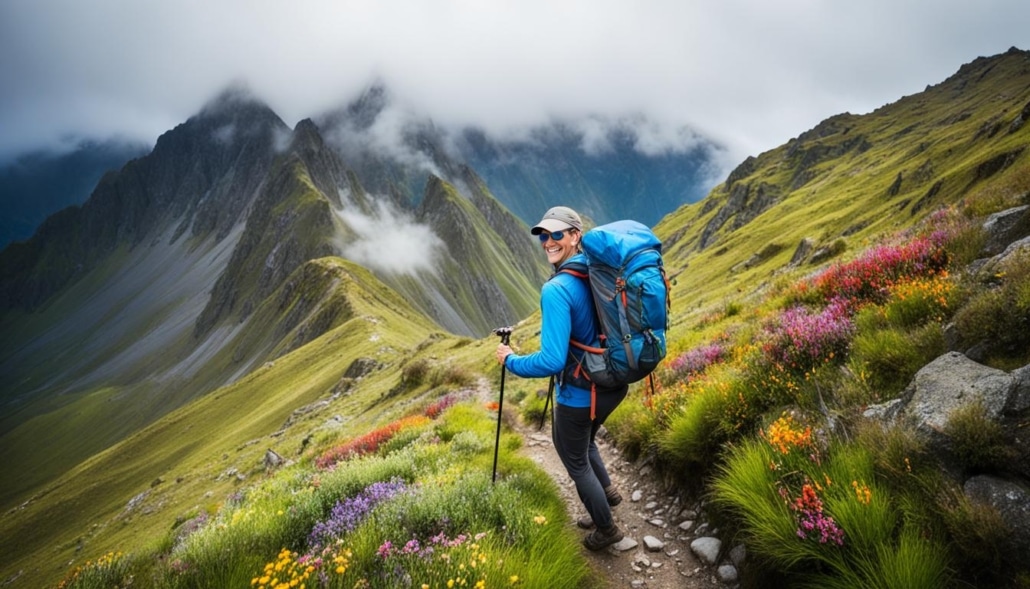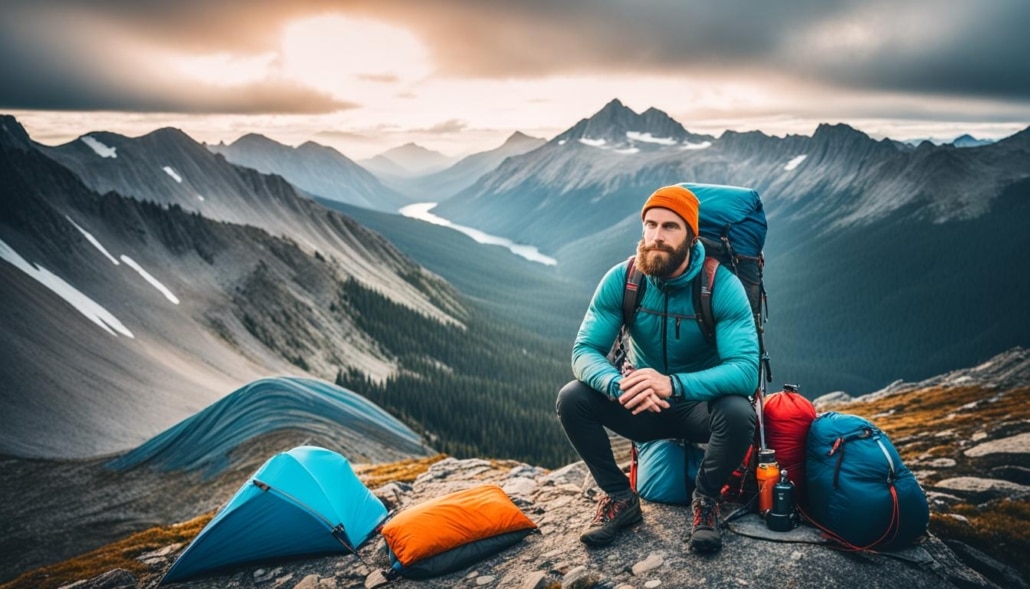
Backpacking through Europe offers surreal adventure, zany characters, and unmatched opportunities for outlandish behavior. Europe has a diverse range of landscapes, cultures, and languages, making it an ideal destination for backpackers. From iconic cities to hidden gems, there are endless possibilities for exploring Europe on a budget. In this article, we will explore the best travel routes, must-visit destinations, and essential tips for a memorable backpacking adventure through Europe.

Key Takeaways:

  • Europe is a dream destination for backpackers due to its diverse landscapes, cultures, and languages.
  • Backpacking allows travelers to explore Europe on a budget, with endless possibilities for adventure.
  • In this article, we will provide travel routes, must-visit destinations, and essential tips for backpacking in Europe.
  • Plan your itinerary based on your interests, budget, and time constraints when backpacking through Europe.
  • Stay safe, respect local customs, and embrace the unique cultural experiences that Europe offers.

Why Go Backpacking in Europe?

Europe offers a unique backpacking experience with its diverse landscapes, rich history, and vibrant cultures. Backpacking in Europe allows travelers to visit multiple countries and experience different cultures in a relatively short amount of time. It provides opportunities for adventure, exploration, and personal growth. From iconic cities to picturesque countryside, Europe has something to offer for every type of backpacker.

Best Travel Itineraries for Backpacking Europe

When backpacking through Europe, planning your itinerary is crucial to ensure a well-rounded adventure that fits your interests, budget, and time constraints. Europe offers a variety of popular travel routes, each with its own unique experiences and highlights. Whether you’re looking to explore Western Europe, soak in the Mediterranean charm, or venture into Eastern Europe, there’s an itinerary to suit every backpacker’s preferences.

1. Western Europe

Embark on a journey through the cultural capitals and stunning landscapes of Western Europe. Start in vibrant London, make your way through the romantic streets of Paris, and explore the historical treasures of Rome. Travel north to Amsterdam and experience its laid-back atmosphere before heading to Barcelona for its vibrant art and architecture. End your Western European adventure with a scenic train ride through the Swiss Alps.

2. Mediterranean Region

Immerse yourself in the charm of the Mediterranean region with its turquoise waters, ancient ruins, and delicious cuisines. Begin your journey in Athens, Greece, and explore its rich history before island-hopping through the stunning Greek islands. Continue to the colorful coastal towns of the Italian Riviera, relax on the beaches of the French Riviera, and indulge in endless tapas in Barcelona. Conclude your Mediterranean experience with scenic views in the picturesque coastal towns of the Amalfi Coast in Italy.

3. Eastern European Adventure

Discover the lesser-explored gems of Eastern Europe, where history, culture, and natural beauty intertwine. Start in Prague, Czech Republic, and witness its fairytale-like architecture. Head to Budapest, Hungary, and soak in its stunning thermal baths and rich heritage. Explore the charming streets of Krakow, Poland, and learn about its poignant history. Continue east to experience the magic of the iconic cities of Vienna, Austria, and Budapest, Hungary, before ending your adventure in the vibrant city of Belgrade, Serbia.

Popular Travel Itineraries for Backpacking Europe
Western Europe
Mediterranean Region
Eastern European Adventure

Customize these itineraries based on your preferences and the countries you wish to visit. Consider adding additional destinations or adjusting the duration of your stay in each location to create a personalized backpacking experience. Remember to consider travel times, transportation options, and the availability of accommodations along your chosen route.

Embarking on the best travel itinerary for backpacking Europe ensures that you make the most of your adventure, discovering hidden gems, and immersing yourself in the diverse cultures and landscapes this continent has to offer.

Best Places to Visit in Europe – Country Breakdowns

Europe is a treasure trove of enchanting destinations, each with its own allure and captivating attractions. Whether you’re fascinated by historical landmarks, breathtaking natural wonders, or vibrant cultural experiences, Europe has something to offer every traveler. Let’s explore some of the best countries to visit on your European adventure.

Italy

Italy’s rich heritage, mouthwatering cuisine, and stunning landscapes make it a top choice for travelers. Explore the ancient ruins of Rome, witness the artistry of Michelangelo in Florence, or get lost in the romantic canals of Venice. Don’t forget to indulge in authentic Italian pasta and gelato along the way.

France

France, the epitome of elegance and charm, beckons with its iconic landmarks and refined culture. From the grandeur of the Eiffel Tower in Paris to the picturesque countryside of Provence, France offers a diverse range of experiences. Savor exquisite wines in Bordeaux, wander through the historic streets of Mont Saint-Michel, or stroll along the glamorous promenade of the French Riviera.

Spain

Spain captures the essence of fiesta and flamenco, with its vibrant festivals and lively atmosphere. Explore the architectural wonders of Barcelona, immerse yourself in the Moorish history of Andalusia, or relax on the sun-kissed beaches of the Costa del Sol. Indulge in delicious tapas and experience the vibrant nightlife in Madrid.

Greece

Greece enchants visitors with its fascinating mythology, pristine beaches, and stunning island landscapes. Discover the ancient wonders of Athens, witness the breathtaking sunsets in Santorini, or explore the historical sites of Delphi. Don’t miss the opportunity to indulge in authentic Greek cuisine and relax on the idyllic shores of the Greek islands.

Germany

Germany’s rich history, charming towns, and breathtaking landscapes make it a must-visit country in Europe. Explore the bustling streets of Berlin, experience the fairytale atmosphere of the Bavarian Alps, or delve into the historical significance of Nuremberg. Immerse yourself in German traditions as you sip on world-renowned beers and indulge in hearty cuisine.

Other Notable Countries

In addition to the aforementioned countries, there are several other European destinations that are gaining popularity among backpackers.

  • Croatia: Discover the enchanting coastal cities of Dubrovnik and Split, and explore the stunning waterfalls of Plitvice Lakes National Park.
  • Portugal: Experience the charm of Lisbon, relax in the picturesque Algarve region, and explore the historic city of Porto.
  • Switzerland: Marvel at the majestic Swiss Alps, explore the vibrant city of Zurich, and cruise along the scenic shores of Lake Geneva.
  • Iceland: Indulge in the otherworldly landscapes of Iceland, from stunning waterfalls and geothermal hot springs to the captivating Northern Lights.

These countries offer unique landscapes, cultural experiences, and unforgettable adventures for backpackers seeking to discover the hidden gems of Europe.

Backpacker Accommodation in Europe

When it comes to backpacking in Europe, finding affordable accommodation is crucial for budget-conscious travelers. Luckily, Europe offers a diverse range of options to suit every backpacker’s needs and preferences.

The Benefits of Hostels

Hostels are a popular choice for backpackers in Europe. These budget-friendly accommodations provide dormitory-style rooms with shared facilities, allowing travelers to meet fellow backpackers from around the world. Hostels often offer communal areas, such as lounges or kitchens, where guests can socialize and exchange travel tips.

Hostels are scattered throughout European cities and towns, making them easily accessible for adventurous backpackers. They provide a comfortable and affordable place to rest after a long day of exploration.

Alternative Accommodation Options

Aside from hostels, there are other budget-friendly accommodation options available in Europe. Budget hotels, guesthouses, and campsites can be found in various locations, offering different levels of comfort and amenities.

For those seeking a more unique and immersive experience, platforms like Airbnb and Couchsurfing provide alternative accommodation options. Airbnb allows travelers to rent rooms or entire apartments from local hosts, giving them the opportunity to experience the local culture firsthand. Couchsurfing enables travelers to stay with local hosts for free, fostering cultural exchange and building new connections.

Advance Research and Booking

Regardless of your preferred accommodation type, it’s important to research and book in advance, especially during peak travel seasons. This ensures that you secure a place to stay and helps you avoid any last-minute stress or disappointment.

By planning ahead and utilizing various accommodation options, backpackers in Europe can find affordable and comfortable places to stay, enhancing their overall travel experience.

Accommodation Option Benefits
Hostels
  • Budget-friendly
  • Opportunity to meet other travelers
  • Convenient locations
Budget Hotels
  • Comfortable and affordable
  • Accessible in various locations
  • May offer additional amenities
Guesthouses
  • Economical and cozy
  • Possibility of interacting with local hosts
  • Availability in different settings
Campsites
  • Outdoorsy and affordable
  • Close to nature
  • Often have facilities and social atmosphere
Airbnb
  • Locally hosted accommodations
  • Experience the local culture
  • Variety of unique options
Couchsurfing
  • Free accommodation with local hosts
  • Cultural exchange and social connections
  • Enhanced local insights

Europe Backpacking Costs

Backpacking through Europe is an amazing adventure, but it’s important to consider the costs involved. While Europe can be an expensive destination, with proper planning and budgeting, backpacking can be affordable.

The cost of backpacking in Europe will vary depending on several factors:

  1. Accommodation: Choosing budget-friendly options such as hostels or sharing accommodations through platforms like Airbnb can significantly reduce costs.
  2. Transportation: Using public transportation like trains or buses, or even opting for walking or biking when exploring cities, can save money on transportation expenses.
  3. Meals: Eating out at restaurants can quickly add up, so consider cooking your own meals or opting for street food and local markets to save on food costs.
  4. Activities: Prioritize free or low-cost activities, such as exploring parks, visiting museums on discounted days, or taking advantage of walking tours, to keep entertainment expenses in check.
  5. Countries visited: The cost of living varies between countries in Europe, so choosing destinations that are more budget-friendly can help stretch your budget further.

To ensure that you stay within your budget, it’s important to set a daily allowance and track your expenses accordingly. By prioritizing your spending and opting for budget-friendly options, you can make the most of your backpacking experience without breaking the bank.

Another valuable tip is to consider traveling during the shoulder seasons, which are the periods just before and after the peak tourist seasons. This not only allows you to avoid the crowds but also helps you secure better deals on accommodation and attractions.

Joining online travel communities and forums to gather insights from fellow backpackers can also provide valuable information on how to save money and make the most of your Europe backpacking trip.

By being mindful of your expenses and planning ahead, you can enjoy all that Europe has to offer on a budget. So get ready to explore the stunning landscapes, immerse yourself in vibrant cultures, and create lifelong memories without breaking the bank!

Expense Category Average Cost Range
Accommodation $10 – $50 per night (hostels or budget hotels)
Transportation $20 – $50 per day (public transportation or Eurail pass)
Meals $10 – $30 per day (cooking your own meals or budget-friendly eateries)
Activities $10 – $30 per day (free attractions, discounted museum tickets)
Total $50 – $160 per day

Best Time to Visit Europe

The best time to visit Europe depends on your preferences, budget, and the activities you plan to do. Consider the following travel seasons:

Summer (June to August)

Summer is the most popular time for backpacking in Europe. The warm weather and longer days make it ideal for outdoor activities and exploring famous landmarks. However, this is also the peak tourist season, resulting in higher prices and larger crowds. If you don’t mind the hustle and bustle and are willing to pay a little extra, summer can be a fantastic time to visit.

Spring (April to May) and Fall (September to October)

Spring and fall offer milder weather, fewer tourists, and lower prices compared to summer. The pleasant temperatures make it enjoyable to explore cities, take scenic hikes, and visit cultural sites. These seasons are ideal if you prefer a quieter and more affordable experience. Keep in mind that some attractions may have limited hours or closures during the shoulder seasons.

Winter (December to February)

Winter can be a budget-friendly option for backpacking in Europe. The weather can be cold, but if you’re prepared with warm clothing and don’t mind the chilly temperatures, you can enjoy the charm of famous holiday markets, cozy cafes, and winter sports. Just be aware that some attractions may have seasonal closures, and some regions may experience heavy snowfall, affecting transportation.

Travel Season Advantages Disadvantages
Summer (June to August) – Warm weather
– Longer days
– High prices
– Crowded tourist attractions
Spring (April to May) and Fall (September to October) – Milder weather
– Fewer tourists
– Lower prices
– Some attractions may have limited hours or closures
Winter (December to February) – Budget-friendly option
– Holiday markets and winter sports
– Cold temperatures
– Some attractions may have seasonal closures
– Snowfall may affect transportation

Choosing the best time to visit Europe ultimately depends on your personal preferences and priorities. Consider factors like weather, tourist crowds, and your budget when planning your backpacking adventure.

How to Get Around Europe

Europe offers a convenient and extensive transportation network, making it easy for backpackers to navigate the continent. Whether you prefer the flexibility of train travel, the affordability of buses and budget airlines, or the eco-friendly option of bike rentals, there are plenty of transportation options to suit your needs.

Train Travel: Eurail Passes

Train travel is a popular choice for backpackers exploring Europe. With the Eurail Pass, you can enjoy the freedom to hop on and off trains in multiple countries, offering flexibility and convenience. It allows you to create your own itinerary and discover hidden gems along the way.

Buses and Budget Airlines

For shorter distances or budget-conscious travelers, buses and budget airlines are often the preferred modes of transportation. Buses offer affordable fares and convenient routes, connecting various cities and towns across Europe. Budget airlines, on the other hand, provide quick and cost-effective travel options for longer distances.

Comparing Transportation Options

When planning your European adventure, it’s essential to research and compare different transportation options to find the most affordable and convenient way to travel between destinations. Consider factors such as cost, travel time, comfort, and accessibility. Websites and apps like Rome2rio and GoEuro can help you compare fares and routes for different modes of transportation.

Bike Rentals

Some countries in Europe offer bike rental services, which can be a fun and eco-friendly way to explore certain areas. Renting a bike allows you to immerse yourself in the local culture, enjoy scenic rides, and discover hidden gems off the beaten path.

Getting around Europe

Ensure you familiarize yourself with local traffic rules and cycling laws before embarking on your bike adventure.

Planning Your Route

As you plan your backpacking journey through Europe, consider the destinations you want to visit and the most efficient transportation options available. Some routes may be better suited for train travel, while others may require a combination of trains, buses, and flights.

Take into account the travel times, connections, and accessibility of each mode of transportation to optimize your route. Websites like Seat61 and TripAdvisor can provide valuable information and insights from fellow travelers.

Remember to be flexible and open to unexpected adventures that may arise along the way. Sometimes the best experiences come from taking the road less traveled.

Staying Safe in Europe

While backpacking through Europe is generally safe, it’s important to prioritize your safety and take precautions. Here are some essential travel safety tips to keep in mind during your European adventure:

1. Keep an Eye on Your Belongings

Keep your personal belongings, including your passport, wallet, and electronics, secure at all times. Be mindful of your surroundings and avoid leaving your belongings unattended.

2. Be Aware of Your Surroundings

Stay attentive and aware of your surroundings, especially in crowded tourist areas and public transportation. Avoid displaying expensive items that may attract thieves.

3. Avoid Risky Areas

Research and avoid areas with high crime rates or known for scams and petty theft. Stay informed about local safety advisories and follow the advice of local authorities.

4. Be Cautious of Scams and Pickpockets

Be wary of common scams targeting tourists, such as friendly strangers offering unsolicited help or distraction techniques used by pickpockets. Keep your valuables out of sight and use a money belt or secure bag for additional protection.

5. Get Travel Insurance

Purchase travel insurance that covers medical emergencies, trip cancellation, and theft. Ensure that your insurance policy meets the requirements of the countries you plan to visit.

6. Research Local Customs and Laws

Before visiting a new country, research its local customs, traditions, and laws. Respect cultural norms and be mindful of any specific regulations or restrictions that may apply.

7. Know Emergency Contact Information

Be familiar with the emergency contact numbers of the countries you plan to visit. Keep a list of important phone numbers, including your country’s embassy or consulate, local police, and medical services.

By following these travel safety tips, you can have a secure and enjoyable backpacking experience in Europe.

Safety Tips Description
Keep an Eye on Your Belongings Ensure the safety of your personal belongings by keeping them secure and within your sight.
Be Aware of Your Surroundings Stay alert and attentive to your immediate surroundings to avoid potential risks and threats.
Avoid Risky Areas Research and steer clear of areas with high crime rates or known for scams.
Be Cautious of Scams and Pickpockets Maintain caution and be mindful of common scams and pickpocketing techniques.
Get Travel Insurance Protect yourself against unforeseen circumstances by purchasing travel insurance.
Research Local Customs and Laws Understanding local customs and laws helps you navigate unfamiliar territories respectfully.
Know Emergency Contact Information Keep important emergency contact numbers readily available for quick reference.

European Culture

Europe is a tapestry of diverse cultures, traditions, and languages that enrich the continent’s vibrant heritage. Each country in Europe has its own unique customs, cuisines, and artistic expressions, offering a kaleidoscope of cultural experiences for backpackers. Immersing yourself in European culture is one of the most rewarding aspects of backpacking through this continent.

Interacting with locals allows you to gain a deeper understanding of their way of life and forge meaningful connections. Whether it’s joining traditional festivals, admiring renowned works of art, enjoying live music performances, or savoring authentic cuisine, cultural immersion offers a truly enriching experience.

“Europe is the melting pot where different cultures come together, creating a harmonious blend of traditions and innovations,” says Anna Martinez, a seasoned backpacker who has explored Europe extensively.

Cultural immersion allows you to expand your horizons, challenge your perspectives, and appreciate the beauty of diversity. The more you respect and embrace the cultural differences, the more meaningful and authentic your European journey becomes.

Unique Festivals and Celebrations

Europe is renowned for its vibrant festivals and celebrations throughout the year. From the world-famous Oktoberfest in Munich, Germany, to La Tomatina, the annual tomato fight in Buñol, Spain, there are countless opportunities to partake in the revelry and witness traditions come to life.

  1. Spain:
  • Fiesta de San Fermín (Running of the Bulls) in Pamplona
  • Fallas Festival in Valencia
  • Las Fallas in Seville
  • Italy:
    • Carnival of Venice
    • Siena Palio
    • The Battle of the Oranges in Ivrea
  • Ireland:
    • St. Patrick’s Day in Dublin
    • Galway Oyster Festival
    • The Twelfth of July in Belfast

    Art and Architecture

    European art and architecture have shaped the artistic landscape of the world. From the classical masterpieces of Italy’s Renaissance era to the avant-garde art movements in France, Europe showcases a rich tapestry of artistic expression.

    “Visiting the Louvre in Paris and seeing Leonardo da Vinci’s Mona Lisa up close was a surreal experience. It made me appreciate the timeless beauty of European art,” shares Sarah Johnson, an art enthusiast.

    European cities such as Rome, Florence, Barcelona, Vienna, and Prague are treasure troves of architectural marvels, boasting grand cathedrals, sprawling palaces, and iconic landmarks. Exploring the intricate details and historical significance behind these architectural wonders offers a glimpse into Europe’s storied past.

    Music and Performing Arts

    Europe has a rich musical heritage, with composers like Mozart, Beethoven, and Chopin leaving an indelible mark on the world of classical music. Attending world-class operas at Vienna State Opera or witnessing a symphony performance at the Berlin Philharmonic is a dream come true for music enthusiasts.

    The performing arts scene in Europe goes beyond classical music. From the flamenco dancers of Spain to the ballet productions in Russia, there is a myriad of performances that captivate audiences with their grace, skill, and storytelling.

    Cuisine and Gastronomy

    Europe is a paradise for food lovers, with each country offering a unique culinary experience. From savoring fresh pasta in Italy to indulging in a hearty German bratwurst, Europe’s gastronomic delights are a feast for the senses.

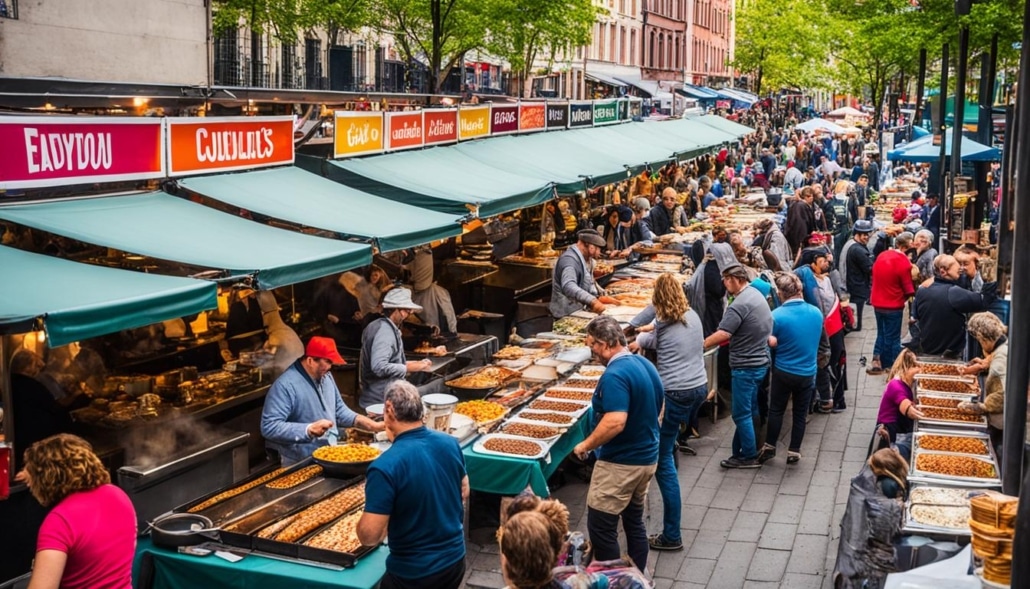
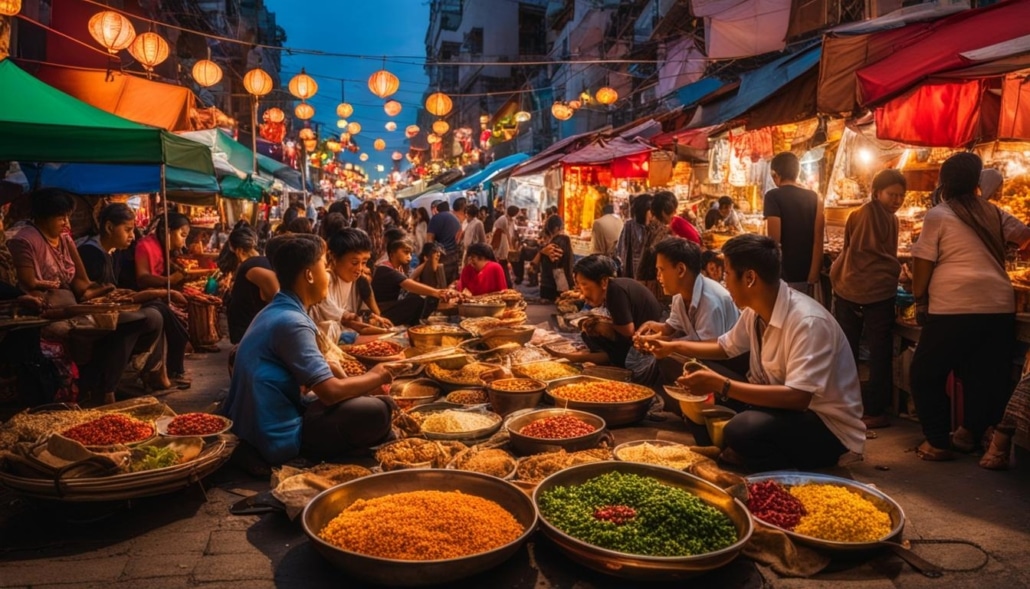
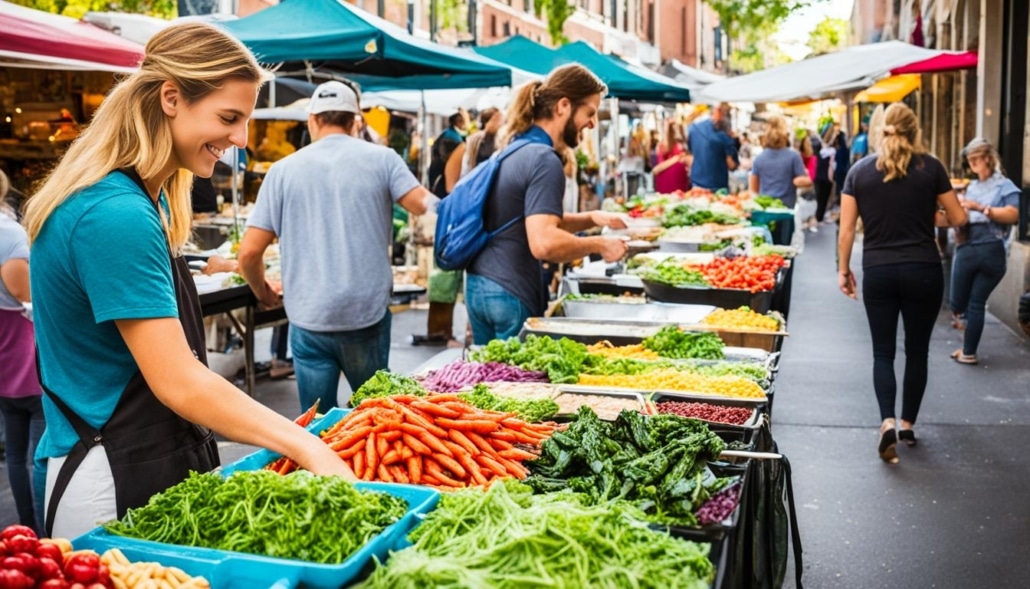
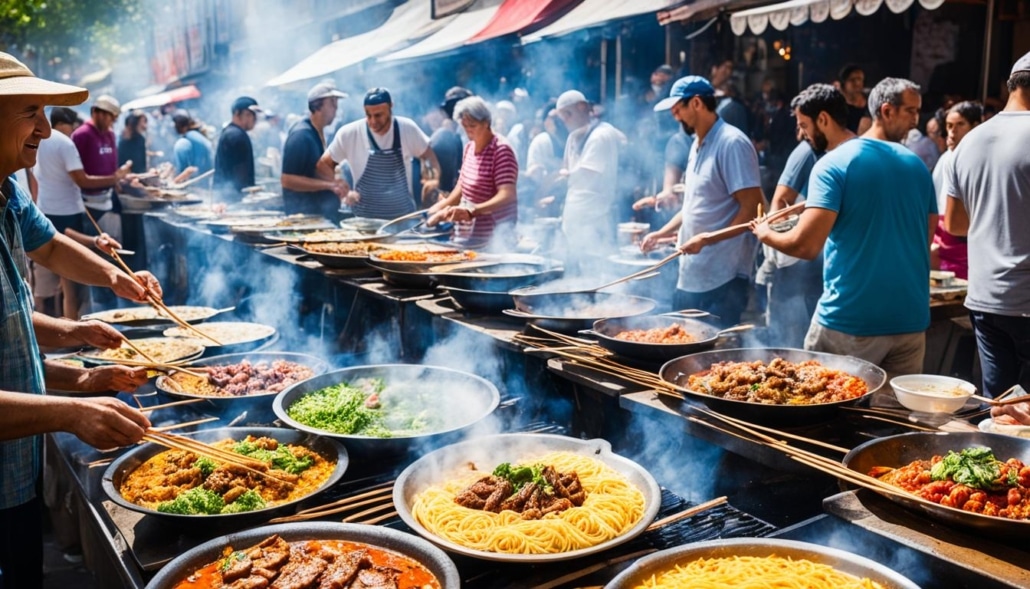
    The vibrant street markets in cities like Barcelona, Paris, and Lisbon offer an array of local delicacies, allowing backpackers to sample regional cuisines and flavors. Trying traditional dishes, such as paella in Spain, moules frites in Belgium, or baklava in Greece, is a mouthwatering adventure in itself.

    European culture

    By respecting and appreciating the diverse cultures of Europe, backpackers can create lasting memories and forge meaningful connections. Immerse yourself in the vibrant tapestry of European culture, discovering the uniqueness and beauty that lies within each country.

    Some Unique Experiences in Europe

    Europe offers a plethora of unique and off-the-beaten-path experiences for adventurous backpackers. From hiking in the Scottish Highlands to exploring the fairy-tale villages of the Black Forest in Germany, there are countless hidden gems waiting to be discovered. Other unique experiences include sailing along the Croatian coast, visiting the stunning Plitvice Lakes in Croatia, or exploring the picturesque villages of the Cinque Terre in Italy. It’s important to research and plan ahead to make the most of these unique experiences.

    Explore the Scottish Highlands

    Embark on a breathtaking journey through the rugged landscapes of the Scottish Highlands. Hike along ancient trails, marvel at mist-covered mountains, and discover hidden castles nestled among the hills. Immerse yourself in the region’s rich history and folklore as you explore the enchanting Loch Ness or visit the iconic Isle of Skye.

    Discover the Black Forest in Germany

    Step into a storybook world as you wander through the idyllic villages and dense forests of the Black Forest in Germany. Immerse yourself in the region’s folklore and traditions, taste delicious Black Forest cake, and visit the charming town of Triberg with its famous cuckoo clocks. Don’t forget to hike to the top of the mesmerizing Triberg Waterfalls for a truly awe-inspiring experience.

    Sail Along the Croatian Coast

    Escape the crowds and set sail along the stunning Croatian coast. Explore the hidden coves, crystal-clear waters, and secluded islands of the Adriatic Sea. Swim in the vibrant Blue Cave on the island of Biševo, discover the ancient city of Dubrovnik, and experience the vibrant nightlife of Hvar Island. Sailing through the picturesque Croatian islands offers a unique and unforgettable adventure.

    Visit the Plitvice Lakes in Croatia

    Indulge in the natural beauty of the Plitvice Lakes National Park in Croatia. Marvel at the cascading waterfalls, turquoise lakes, and lush forests that make up this UNESCO World Heritage site. Take a leisurely stroll along the wooden walkways and bridges that allow you to explore the park’s stunning landscapes up close. The Plitvice Lakes offer a tranquil and mesmerizing experience for nature enthusiasts.

    Explore the Cinque Terre in Italy

    Discover the captivating charm of the Cinque Terre in Italy. These five picturesque villages perched on the cliffs of the Italian Riviera offer breathtaking views of the Mediterranean Sea. Hike along the scenic trails that connect the villages, explore the colorful houses, and indulge in the region’s fresh seafood and famous pesto. The Cinque Terre provides an unforgettable blend of natural beauty and Italian coastal culture.

    Final Advice Before Visiting Europe

    Before embarking on your backpacking adventure in Europe, it’s important to do thorough research, plan your itinerary, and pack accordingly. Make sure to check visa requirements, currency exchange rates, and local customs and laws of the countries you plan to visit. It’s also advisable to have a backup plan in case of any unforeseen circumstances or emergencies. Lastly, embrace the spontaneity and flexibility of backpacking, and don’t forget to enjoy every moment of your European adventure.

    When it comes to backpacking through Europe, preparation is key. By taking the time to gather information and plan ahead, you’ll be able to make the most of your trip and avoid any unnecessary stress or setbacks.

    Research and Plan Your Itinerary

    Start by researching the countries and cities you want to visit in Europe. Look into their attractions, transportation options, and accommodations. Consider the time of year you’ll be traveling, as some destinations may be more crowded or expensive during peak tourist seasons. Use online travel resources and guidebooks to gather information and create a rough itinerary.

    Check Visa Requirements and Currency Exchange Rates

    Depending on your nationality, you may need a visa to enter certain European countries. Check the visa requirements well in advance and make sure you have all the necessary documentation. Additionally, familiarize yourself with the currency used in each country you plan to visit and check the exchange rates. It’s a good idea to have some local currency on hand for smaller expenses, but also consider using credit cards or pre-paid travel cards for convenience and security.

    Understand Local Customs and Laws

    Each country in Europe has its own unique customs, traditions, and laws. Take the time to learn about the local etiquette, dress codes, and cultural norms. This will help you respect the local culture and avoid any unintentional offenses. Familiarize yourself with the laws and regulations of each country, especially regarding alcohol consumption, drug use, and public behavior. Remember, ignorance of the law is not an excuse, so it’s essential to be aware of and respect the local rules.

    Have a Backup Plan

    Even with careful planning, things don’t always go as expected during travel. It’s essential to have a backup plan in case of any unforeseen circumstances, such as flight delays or cancellations, lost or stolen belongings, or changes in your itinerary. Keep copies of important documents like your passport and travel insurance policy in a separate location, and consider storing digital copies in a secure cloud storage service. Research alternative transportation options, nearby accommodations, and emergency contacts for each destination you plan to visit.

    Embrace Spontaneity and Enjoy the Journey

    While it’s important to have a general plan in place, don’t be afraid to embrace the spontaneity of backpacking. Leave room for unexpected adventures, detours, and serendipitous encounters. Europe is full of hidden gems and off-the-beaten-path destinations that may not be in your guidebook. Be open to new experiences, immerse yourself in the local culture, and interact with fellow travelers and locals. Remember, the journey is just as important as the destinations.

    Conclusion

    Backpacking through Europe offers an incredible and unforgettable experience. Whether you choose to explore iconic cities or venture off the beaten path, Europe has something for every type of backpacker. With careful planning, budgeting, and an open mind, you can create memories that will last a lifetime.

    Europe’s diverse landscapes, rich history, and vibrant cultures are sure to leave a lasting impression. Whether you choose to follow popular travel routes or forge your own path, you’ll be rewarded with breathtaking scenery and immersive cultural experiences. From the picturesque villages of the Cinque Terre in Italy to the stunning Plitvice Lakes in Croatia, there are countless hidden gems waiting to be discovered.

    So pack your backpack and get ready for an adventure of a lifetime in Europe. Embrace the spontaneity and flexibility of backpacking as you navigate through bustling cities, hike scenic trails, and savor delicious cuisine. Whether you’re a seasoned backpacker or embarking on your first trip, Europe’s charm and beauty will captivate your senses. Soak in the history, indulge in local traditions, and let the spirit of Europe guide you on an unforgettable journey.

    FAQ

    What makes backpacking in Europe unique?

    Backpacking in Europe offers diverse landscapes, rich history, and vibrant cultures, allowing travelers to visit multiple countries and experience different cultures in a relatively short amount of time.

    What are some popular travel itineraries for backpacking Europe?

    Some popular travel itineraries for backpacking Europe include Western Europe, the Mediterranean region, and Eastern Europe. These itineraries can be customized based on personal preferences and the countries to be visited.

    Which countries should I visit while backpacking in Europe?

    Must-visit countries in Europe include Italy, France, Spain, Greece, and Germany. Additionally, countries like Croatia, Portugal, Switzerland, and Iceland are becoming increasingly popular among backpackers.

    What are the accommodation options for backpackers in Europe?

    Backpackers in Europe can stay in hostels, budget hotels, guesthouses, campsites, and also use platforms like Airbnb and Couchsurfing for alternative accommodation options.

    How can I keep my backpacking trip in Europe affordable?

    To keep your backpacking trip in Europe affordable, set a budget, prioritize expenses, cook your own meals, use public transportation, take advantage of free or low-cost attractions, and travel during the shoulder seasons to avoid peak prices and crowds.

    When is the best time to visit Europe?

    The best time to visit Europe depends on personal preferences and activities planned. The summer months (June to August) are popular but crowded, while spring (April to May) and fall (September to October) offer milder weather and fewer tourists. Winter (December to February) can be a budget-friendly option.

    What are the transportation options for getting around Europe?

    Travelers can get around Europe using trains, buses, budget airlines, and even renting bikes in certain areas. It’s important to research and compare different transportation options to find the most affordable and convenient way to travel between destinations.

    How can I stay safe while backpacking in Europe?

    To stay safe in Europe, keep an eye on your belongings, be aware of your surroundings, avoid risky areas, be cautious of scams and pickpockets, research local customs and laws, and have travel insurance that covers medical emergencies and theft.

    What should I expect in terms of European culture during my backpacking trip?

    Each country in Europe has its own unique customs, cuisines, and cultural heritage. Backpacking in Europe offers the opportunity to immerse yourself in different cultures, interact with locals, and experience festivals, art, music, and cuisine.

    What are some unique off-the-beaten-path experiences in Europe?

    Europe offers a plethora of unique experiences, such as hiking in the Scottish Highlands, exploring the Black Forest in Germany, sailing along the Croatian coast, visiting the Plitvice Lakes in Croatia, or exploring the villages of the Cinque Terre in Italy.

    What advice should I follow before visiting Europe for backpacking?

    Before visiting Europe for backpacking, do thorough research, plan your itinerary, check visa requirements, currency exchange rates, local customs, and laws, have travel insurance, and embrace the spontaneity and flexibility of backpacking.
    Source Links

    Solo travel can be intimidating for anyone, but it can also be incredibly empowering, especially for women. According to data, there is a growing number of American women who are choosing to travel overseas alone, with over 9 million women traveling solo each year. This style of travel allows women to have full control over their decisions, from choosing their destination to deciding how long to stay and what activities to do. In addition to this autonomy, solo travel also helps women develop resourcefulness, as they learn to navigate unfamiliar places and solve problems on their own. It also provides opportunities to meet new people, both fellow travelers and locals, and can boost confidence. However, safety is a top concern for solo female travelers, which is why it’s important to consider organizations like Worldpackers that prioritize women’s travel safety and provide support, safety tips, and a community of like-minded travelers.

    Key Takeaways:

    • Solo travel offers women full control over their decisions, empowering them to choose their own destinations and activities.
    • Solo travel helps women develop resourcefulness as they navigate unfamiliar places and solve problems independently.
    • Meeting new people while traveling solo can boost confidence and provide opportunities for meaningful connections.
    • Women’s safety is a top concern, and organizations like Worldpackers prioritize women’s travel safety.
    • Solo female travel contributes to personal growth, self-discovery, and empowerment.

    The Empowering Aspects of Solo Travel for Women

    Solo travel offers unique opportunities for women to feel empowered in various aspects of their lives. One of the key aspects is decision-making, as solo travelers have complete control over their itinerary, from choosing destinations to how they spend their time. This autonomy allows women to prioritize their own needs, desires, and interests.

    Additionally, traveling solo enables women to listen to their own internal voice, as they become more attuned to their thoughts, opinions, and instincts without external influences. This self-reflection and introspection can lead to personal growth and a deeper understanding of oneself.

    Solo travel also fosters resourcefulness, as women learn to solve problems and navigate unfamiliar situations independently. From finding their way around a new city to adapting to unexpected challenges, solo female travelers develop a sense of adaptability and confidence in their ability to handle various circumstances.

    Meeting new people is another empowering aspect of solo travel for women. Contrary to the perception that solo travel is lonely, many solo female travelers actually find it easier to connect with others, both fellow travelers and locals. Traveling alone opens up opportunities for meaningful social interactions, creating new friendships and widening one’s network.

    Finally, solo travel contributes to the development of confidence. Women rely on their own skills and abilities to overcome challenges and achieve their travel goals. By pushing outside their comfort zones, solo female travelers build resilience and a sense of accomplishment that carries over into other areas of their lives.

    Traveling Solo: Quotes from Empowered Women

    “Solo travel has given me the confidence to trust my own decisions and instincts. It’s taught me to be resourceful and adaptable in any situation, and I’ve met some incredible people along the way.” – Sarah C.

    “Being able to make my own choices and follow my own interests while traveling solo has been truly empowering. It’s been a journey of self-discovery and personal growth.” – Emma L.

    Empowering Aspects Examples
    Decision-making Choosing destinations, activities, and travel preferences.
    Internal voice Listening to personal thoughts, opinions, and instincts without external influences.
    Resourcefulness Solving problems and navigating unfamiliar situations independently.
    Meeting new people Connecting with fellow travelers and locals, building new friendships.
    Confidence Relying on personal skills and abilities to overcome challenges and achieve travel goals.

    How Worldpackers Empowers Solo Female Travelers

    Worldpackers is dedicated to empowering solo female travelers by providing a range of programs and services tailored to their needs. With a focus on safety, traveler reviews, community, and budget-friendly options, Worldpackers ensures that women can embark on their solo travel adventures with confidence and support.

    Safety First

    At Worldpackers, safety is a top priority. They understand the concerns of solo female travelers and go above and beyond to address them. Worldpackers provides a dedicated support team that is available to assist and advise female travelers throughout their journey. In addition, they offer comprehensive safety tips and guidelines to ensure the well-being of their community.

    Insights from Traveler Reviews

    Traveler reviews play a crucial role in shaping the travel experience. Worldpackers recognizes this and incorporates traveler reviews into their website. Solo female travelers can access valuable insights and firsthand experiences shared by other travelers who have already visited the destinations or participated in the programs they are interested in. This allows women to make informed decisions and find the right opportunities that align with their interests and preferences.

    Fostering a Supportive Community

    While solo travel can be empowering, it can also lead to feelings of loneliness or isolation. Worldpackers understands this and actively fosters a sense of community among solo female travelers. Through their work exchange experiences, women have the opportunity to connect with like-minded travelers and locals. This sense of community creates a support system where women can share experiences, provide advice, and form meaningful connections, enhancing their overall travel experience.

    Budget-Friendly Options

    Worldpackers believes that financial constraints should not hinder women from pursuing their travel dreams. They provide budget-friendly options specifically designed for solo female travelers. By participating in work exchange programs, women can save on accommodation, food, and other expenses, allowing them to travel on a budget without compromising their safety or experience.

    Safety in Solo Female Travel

    Through a combination of safety measures, traveler reviews, community-building initiatives, and budget-friendly options, Worldpackers empowers solo female travelers to explore the world on their own terms. If you’re a solo female traveler looking for support, safety, and a sense of community, Worldpackers is the perfect platform to embark on your solo travel adventure.

    Essential Tips for Safe Solo Female Travel

    When embarking on a solo travel journey, it is important for women to prioritize their safety and well-being. By following these essential tips, solo female travelers can ensure a secure and enriching experience.

    1. Taking care of health and fitness

    Staying in good physical shape is crucial for overall safety and confidence while traveling. Engage in regular exercise, eat nutritious meals, and prioritize self-care to maintain optimal health during your solo adventures.

    2. Packing essentials and avoiding overpacking

    Pack efficiently by including only the essentials. Consider the climate, activities, and duration of your trip. Traveling light enables greater mobility and convenience, allowing you to navigate unfamiliar environments with ease.

    3. Setting boundaries and dealing with unwanted attention

    Establishing personal boundaries is essential while traveling alone. Trust your instincts and assertively communicate your comfort level. Be aware of your surroundings and maintain vigilance to ensure your safety.

    4. Choosing destinations with intent

    Do thorough research on the destinations you plan to visit. Understand the local customs, traditions, and laws to respect cultural differences and ensure a harmonious experience. Prioritize destinations that align with your interests and preferences.

    5. Planning the first night well

    Plan your first night carefully to alleviate any initial anxiety or stress. Book your accommodation in advance, preferably in a safe and well-reviewed area. This will provide a smooth transition and a relaxing start to your solo adventure.

    6. Disconnecting from technology

    Take the opportunity to disconnect from technology and immerse yourself in the local culture. Engage in meaningful experiences and interactions with the people and places you encounter, allowing for a more authentic travel experience.

    7. Protecting personal belongings

    Ensure the safety of your personal belongings, documents, cards, and cash. Carry a secure and discreet bag, use padlocks for luggage, and consider investing in anti-theft accessories. Stay vigilant and avoid displaying valuable items.

    8. Meeting other female travelers

    Seek opportunities to connect with fellow solo female travelers. Engaging with like-minded individuals can create a sense of camaraderie and support, offering opportunities for shared experiences and the formation of lasting friendships.

    Implementing these essential tips will equip solo female travelers with the knowledge and confidence needed to explore the world independently and safely.

    The Confidence-Building Impact of Solo Female Travel

    Solo travel has a transformative impact on a woman’s confidence. It provides opportunities for self-expression, problem-solving, learning, and self-discovery. When women travel alone, they are forced to speak up for themselves, whether it’s asking for directions, seeking assistance, or expressing their needs and preferences. This type of self-advocacy enhances communication skills and assertiveness, empowering women to assert themselves in various life situations.

    Speaking up

    “Traveling alone has given me the confidence to use my voice and trust my instincts. It has taught me that I am capable of handling any situation that comes my way,” says Sarah, an avid solo traveler.

    Solo travel also develops problem-solving skills as women navigate unfamiliar territory and encounter unexpected situations. By finding solutions independently, they become resourceful and adaptable. Through continuous learning, women gain knowledge and insights about different cultures, languages, and ways of life. They expand their horizons and challenge their own perspectives, fostering personal growth.

    Learning through Immersion

    • Trying new foods and experiences
    • Engaging with locals and fellow travelers
    • Exploring historical sites and landmarks

    The experience of traveling alone promotes self-discovery, allowing women to better understand themselves, their strengths, and their areas for growth. It builds resilience and a sense of capability, empowering women to overcome challenges and embrace new experiences with confidence.

    Quotes from Solo Female Travelers:

    “Traveling solo has opened my eyes to my own strengths and capabilities. I have become more self-assured and empowered to pursue my dreams,” shares Emily, a passionate solo adventurer.

    In conclusion, solo female travel is a powerful catalyst for personal growth and empowerment. It enhances speaking up, problem-solving, learning, and self-discovery. Through solo travel, women can step out of their comfort zones, learn to rely on themselves, and embrace the world with confidence.

    Conclusion

    Solo travel offers immense empowerment for women, providing opportunities for self-discovery, personal growth, and a sense of independence. The ability to make decisions, rely on one’s own internal voice, and meet new people from different backgrounds enhances confidence and resilience.

    While safety is a crucial consideration, organizations like Worldpackers offer support, resources, and a community for safe solo travel experiences. By following essential tips for safe solo travel, women can confidently explore the world on their own terms.

    Solo travel is not only empowering for the individual traveler but also contributes to the larger movement of women’s travel empowerment, challenging stereotypes and reshaping the travel industry to be more inclusive and equitable.

    FAQ

    Is solo travel safe for women?

    Solo travel can be safe for women with proper planning and precautions. It is important to research your destination, follow safety guidelines, and trust your instincts. Organizations like Worldpackers prioritize women’s travel safety and provide support and safety tips.

    Are there any specific safety tips for solo female travelers?

    Yes, there are several essential safety tips for solo female travelers. These include taking care of your health and fitness, packing essentials and avoiding overpacking, setting boundaries and dealing with unwanted attention, choosing destinations with intent, planning the first night well, disconnecting from technology, protecting personal belongings, and meeting other female travelers.

    How can Worldpackers empower solo female travelers?

    Worldpackers empowers solo female travelers by prioritizing their safety through a support team and comprehensive safety tips. They also offer traveler reviews for gathering insights, fostering a sense of community among solo female travelers, and providing budget-friendly options through work exchange programs.

    What are the empowering aspects of solo travel for women?

    Solo travel empowers women in various aspects of their lives, including decision-making, listening to their internal voice, resourcefulness, meeting new people, and building confidence.

    How does solo female travel build confidence?

    Solo female travel builds confidence by forcing women to speak up for themselves, problem-solving in unfamiliar situations, continuously learning about different cultures, and promoting self-discovery and resilience.

    Source Links

    Are you dreaming of exploring the vibrant cultures, breathtaking landscapes, and diverse destinations of Latin America? If you’re on a tight budget, don’t worry – budget backpacking in Latin America is an achievable and rewarding experience. In this comprehensive guide, we’ll provide you with valuable tips and tricks to make your budget travel adventure in South America a reality.

    Key Takeaways:

    • Traveling on a budget in Latin America is possible and can lead to incredible experiences.
    • Take advantage of affordable transportation options, such as buses and regional flights.
    • Research the dominant language in each country and consider learning basic Spanish phrases.
    • Be mindful of the different currencies in South America and plan your budget accordingly.
    • Pack essentials for diverse climates, comfortable walking shoes, and necessary documents.
    • Ensure your safety by following common-sense precautions and being aware of your surroundings.
    • Proper budgeting and planning can maximize your travel experience in South America.

    Language and Currency Considerations

    In South America, language and currency play crucial roles in travel planning. It’s important to understand the dominant languages spoken in each country and be aware of the different currencies used throughout the continent.

    Dominant Language:

    Spanish is the dominant language in South America, spoken in countries such as Peru, Colombia, Argentina, and Chile. However, it’s important to note that Brazil speaks Portuguese, and Guyana uses English.

    “Knowing some Spanish can enhance your travel experience in South America. While English is also understood in larger cities, having a basic understanding of Spanish can help you communicate with locals and navigate daily life more easily.”

    Currency Considerations:

    Each country in South America has its own currency, with some exceptions. Here are the main currencies used:

    Country Currency
    Argentina Argentine Peso (ARS)
    Bolivia Bolivian Boliviano (BOB)
    Brazil Brazilian Real (BRL)
    Chile Chilean Peso (CLP)
    Colombia Colombian Peso (COP)
    Ecuador United States Dollar (USD)
    Peru Peruvian Sol (PEN)

    It’s important to be aware of the different currencies and exchange rates when budgeting for your trip. Currency exchange can be done at banks, exchange offices, or ATMs, but it’s advisable to compare rates to get the best deal.

    Getting Around South America

    Traveling in South America offers a variety of transportation options for visitors to explore the vast and diverse continent. From bustling cities to remote destinations, there are several ways to navigate your way through this beautiful region.

    Flying into International Hubs

    Traveling in South America

    Most travelers begin their journey by flying into major international hubs such as São Paulo, Rio de Janeiro, Buenos Aires, or Lima. These cities serve as gateways to South America and provide convenient connections to various destinations within the continent.

    Domestic Flights

    For faster travel within countries, domestic flights are readily available. They offer a convenient and time-saving option for covering long distances. Many airlines operate domestic routes, making it easier to explore different regions of South America.

    Budget-Friendly Bus Rides

    If you’re looking for a budget-friendly option, buses are a popular choice for traveling around South America. The extensive bus network connects major cities and towns, offering affordable fares and comfortable journeys. Bus rides can vary in duration, ranging from a few hours to overnight trips lasting up to 24 hours in some countries.

    Cheap Regional Flights

    Regional flights are another viable option for travelers seeking cost-effective transportation. Peru, in particular, is known for its affordable domestic flights, allowing tourists to explore the diverse landscapes and archaeological wonders of the country without breaking the bank.

    When planning your transportation in South America, it’s crucial to consider both time and budget constraints. Whether you opt for domestic flights or budget-friendly bus rides, there are plenty of options available to suit your travel preferences.

    Costs and Budgeting

    When it comes to budget-friendly travel destinations, South America ranks high on the list. However, the costs can vary significantly from country to country. Brazil, Argentina, Uruguay, and Chile are generally more expensive compared to Bolivia and Paraguay. To make the most of your trip and keep your expenses in check, proper budget planning is crucial.

    Travel Costs in South America

    On average, backpackers can expect to spend around £25-30 per day in the more expensive countries and approximately £20-25 per day in the cheaper ones. It’s important to note that these figures are just estimates and can vary depending on individual preferences and travel styles.

    Factors Contributing to the Budget

    Several factors contribute to the overall budget, including accommodation, food, and transportation costs. Hostels and guesthouses offer affordable options for accommodation, while street food and local eateries provide inexpensive dining choices. Public transportation such as buses and trains are usually cost-effective means of getting around.

    Expense Average Cost (per day)
    Accommodation £10-15
    Food £5-10
    Transportation £5-10
    Activities Varies

    These estimates are intended to provide a general idea of the costs involved. Keep in mind that prices can fluctuate based on the country, location, and season. Optional activities such as guided tours or adventure sports may incur additional expenses.

    Budget Planning Tips

    To effectively plan your budget for a trip to South America, consider the following tips:

    • Research the average prices of accommodations, meals, and transportation in each country you plan to visit.
    • Create a daily budget that aligns with your financial capabilities and travel goals.
    • Set aside some extra money for unexpected expenses or emergencies.
    • Take advantage of cost-saving opportunities, such as cooking your own meals or using public transportation instead of taxis.
    • Consider traveling during the shoulder seasons when prices tend to be lower.
    • Keep track of your expenses to ensure you’re staying within your budget.

    By carefully planning and budgeting for your trip to South America, you can enjoy a fulfilling travel experience without breaking the bank.

    Travel costs South America

    – Seneca

    What to Pack for South America

    Packing the right items for a trip to South America is essential. A versatile wardrobe is recommended due to the diverse climates and temperatures throughout the continent. It’s important to pack clothing suitable for both warm and cold weather, as well as toiletries and necessary documents. Comfortable walking shoes, a sleeping mattress, and electronics such as a laptop are also recommended. Backpackers should consider the activities and weather in each country to pack accordingly.

    Essential Clothing for South America

    • Lightweight and breathable clothing for hot and humid climates
    • Layered clothing for cooler temperatures in mountainous regions
    • Rain gear, including a waterproof jacket and pants
    • Swimwear for beach destinations and natural hot springs
    • Sturdy hiking boots or comfortable walking shoes

    Toiletries and Documents

    • Sunscreen and insect repellent
    • Toiletries, including travel-sized shampoo, conditioner, and soap
    • Prescription medications and a basic first-aid kit
    • A copy of your passport and other important documents
    • Power adapters and chargers for electronics

    Additional Recommended Items

    • A lightweight sleeping mattress for camping or budget accommodations
    • A daypack for carrying essentials during day trips
    • A money belt or secure bag for storing valuables
    • A reusable water bottle to stay hydrated
    • A travel guidebook or offline maps for navigation

    Remember to pack light and only bring what you truly need. Leave room in your backpack for souvenirs and items you may purchase during your travels. Be mindful of weight restrictions for flights and buses, and consider leaving non-essential items behind if necessary.

    Staying Safe in South America

    Like any other destination, it’s important to take safety precautions while traveling in South America. While the overall safety varies by country and city, it’s recommended to be aware of your surroundings and take necessary precautions to ensure a safe journey.

    Here are some essential safety tips and traveling precautions to keep in mind:

    1. Be aware of your surroundings: Stay alert and observe your surroundings at all times. Avoid isolated areas, particularly at night, and be cautious when interacting with strangers.
    2. Avoid walking alone at night: It’s best to avoid walking alone at night, especially in unfamiliar areas. Use well-lit and populated routes, and if possible, travel with a companion.
    3. Use registered taxis or ride-sharing services: When using transportation services, opt for registered taxis or ride-sharing applications like Uber or Lyft. This can help ensure your safety and minimize the risk of scams or theft.
    4. Be cautious of pickpockets: Pickpocketing can occur in crowded tourist areas. Keep your valuables securely stored and be mindful of your belongings, especially in crowded places such as markets, public transportation, and tourist attractions.
    5. Avoid flaunting valuables: Avoid flashing expensive jewelry, gadgets, or large amounts of cash. This can attract unwanted attention and increase the risk of theft.
    6. Trust your instincts: If something feels off or uncomfortable, trust your instincts. If you find yourself in an uncomfortable or potentially dangerous situation, remove yourself from it as quickly and safely as possible.
    7. Seek help when needed: In emergencies or when feeling unsafe, seek help from local authorities or trusted individuals. It’s always better to err on the side of caution and ask for assistance when needed.

    Remember, South America is a relatively safe destination, and by following these safety tips and traveling precautions, you can enjoy your trip with peace of mind. Explore the vibrant cultures, breathtaking landscapes, and incredible experiences that this diverse continent has to offer.

    Safety Tips in South America Traveling Precautions
    Be aware of your surroundings Stay alert and observe your surroundings at all times
    Avoid walking alone at night It’s best to avoid walking alone at night, especially in unfamiliar areas
    Use registered taxis or ride-sharing services Opt for registered taxis or ride-sharing applications like Uber or Lyft
    Be cautious of pickpockets Keep your valuables securely stored and be mindful of your belongings
    Avoid flaunting valuables Avoid flashing expensive jewelry, gadgets, or large amounts of cash
    Trust your instincts If something feels off or uncomfortable, trust your instincts
    Seek help when needed In emergencies or when feeling unsafe, seek help from local authorities or trusted individuals

    Conclusion

    In conclusion, backpacking South America offers an incredible opportunity to explore diverse cultures, breathtaking natural wonders, and create unforgettable experiences. Despite concerns about safety, taking simple precautions can ensure a positive and memorable journey through this captivating continent.

    One of the key factors in maximizing your travel experience is thoughtful budgeting and planning. By carefully considering transportation options, accommodation choices, and activities, you can make the most of your time and resources.

    When it comes to packing, it’s important to be prepared for the varied climates and activities you’ll encounter in South America. From warm beaches to chilly mountain regions, packing versatile clothing and essential items will ensure you’re ready for any adventure.

    Lastly, staying safe is a top priority for any traveler. By being aware of local cultures, trusting your instincts, and taking necessary precautions, you can navigate South America with confidence and minimize risks. Ultimately, with proper planning, careful packing, and safety awareness, your backpacking journey through South America is bound to be an enriching and gratifying experience.

    FAQ

    How much should I budget for a backpacking trip in South America?

    On average, backpackers can expect to spend £25-30 per day in the more expensive countries and around £20-25 per day in the cheaper ones. It’s important to plan and budget accordingly to make the most of the trip.

    What is the dominant language in South America?

    Spanish is the dominant language in South America, with the exception of Brazil (Portuguese) and Guyana (English). Knowing some Spanish can enhance the travel experience, but English is also understood in larger cities.

    What currencies are used in South America?

    Each country in South America has its own currency, with Ecuador being the only one that uses the US dollar. It’s important to be aware of the different currencies and exchange rates when budgeting for your trip.

    What are the transportation options in South America?

    There are various ways to access South America, with most travelers flying into international hubs like São Paulo, Rio de Janeiro, Buenos Aires, or Lima. Domestic flights are available for faster travel within countries, but buses are a popular and budget-friendly option.

    How should I pack for a trip to South America?

    Packing the right items for a trip to South America is essential. A versatile wardrobe is recommended due to the diverse climates and temperatures throughout the continent. It’s important to pack clothing suitable for both warm and cold weather, as well as toiletries and necessary documents.

    How can I stay safe while traveling in South America?

    Like any other destination, it’s important to take safety precautions while traveling in South America. While the overall safety varies by country and city, it’s recommended to be aware of surroundings, avoid walking alone at night, and use registered taxis or ride-sharing services.

    What are some tips for budget travel in South America?

    Budget and safety are top priorities for backpackers traveling to South America. This guide provides tips on how to plan a trip on a budget and stay safe in each country. It also discusses the dominant language in South America, as well as the different currencies used in each country. Additionally, it covers transportation options and provides an overview of travel costs and budgeting in South America.

    Source Links

    When it comes to embarking on a backpacking adventure, packing light is a game-changer. By minimizing your load, you can save time, money, and unnecessary hassle. The key is to focus on the essentials and bring versatile gear that will serve you well throughout your journey. With a well-thought-out packing strategy and the right gear in your arsenal, you’ll be well-equipped for any adventure that comes your way.

    Key Takeaways:

    • Create a packing list of essential items.
    • Prioritize versatile gear that can be used in various situations.
    • Weigh your luggage and choose a lightweight backpack.
    • Pack the essentials: clothing, footwear, toiletries, and necessary gear.
    • Select lightweight gear options to reduce overall pack weight.

    Rules for Minimalist Travel

    When it comes to minimalist travel, the key is to pack light and only bring the items that are essential for your trip. By embracing a minimalist mindset, you can travel more efficiently, with less stress and clutter. Here are some rules to follow when packing for minimalist travel:

    1. Focus on must-have items: Prioritize the items that are absolutely necessary for your trip. Leave behind the non-essential items that you think you might need but can do without.
    2. Choose versatile items: Opt for clothing and accessories that can be used in different situations and climates. This will help you pack less while still being prepared for various scenarios.
    3. Limit your clothing: Pack no more than one week’s worth of clothing. Consider packing clothing items that can be layered to adapt to changing weather conditions.
    4. Create a personalized packing list: Make a list of the items you truly need based on your personal preferences and travel itinerary. This will help you stay focused and avoid overpacking.
    5. Pack calmly and thoughtfully: Give yourself enough time to pack before your trip. Packing in a panic often leads to overpacking and unnecessary stress. Take the time to carefully select the items you need and pack them neatly.

    Following these rules for minimalist travel will allow you to travel with ease and simplicity. By packing light and only bringing what you truly need, you’ll enjoy a more streamlined and efficient travel experience.

    Minimalist Travel Quote:

    “Travel light, live light, spread the light, be the light.” – Yogi Bhajan

    Benefits of Minimalist Travel:

    Minimalist travel offers various benefits beyond just packing light. Here are some advantages:

    • Increased mobility: Traveling with a lightweight backpack or suitcase allows you to move more freely and easily.
    • Cost savings: Avoiding excess luggage or overweight fees can save you money during your travels.
    • Less stress and hassle: Carrying less luggage means fewer items to keep track of and less time spent organizing and unpacking.
    • Greater focus on experiences: By simplifying your belongings, you can shift your focus from material possessions to the experiences and moments that truly matter.

    Incorporating minimalist principles into your travel can enhance your overall journey and help you make the most of every destination you visit.

    Benefits of Minimalist Travel Advantages
    Increased mobility Traveling light allows for easier movement
    Cost savings Avoid excess luggage and overweight fees
    Less stress and hassle Keep track of fewer items and spend less time organizing
    Greater focus on experiences Shift focus from material possessions to meaningful moments

    Weigh Your Luggage and Choose the Right Luggage

    Weighing your luggage before your trip is essential to ensure you don’t exceed airline weight limits and to prioritize lighter items. By accurately weighing your luggage, you can avoid last-minute surprises at the airport and potential additional fees. It also allows you to pack strategically, making sure you have everything you need without overpacking.

    Choosing the right luggage is equally important to enhance your packing experience. Instead of opting for a large suitcase that tempts you to bring unnecessary items, consider a smaller-sized luggage that encourages you to pack efficiently. A smaller bag like the Osprey Farpoint 40 backpack not only helps you resist the urge to overpack but also keeps you within the weight limits set by the airlines.

    Lightweight luggage options can significantly reduce the overall weight of your belongings, making your journey more comfortable and hassle-free. The Osprey Farpoint 40 backpack is designed with durable materials and innovative features, ensuring both functionality and a lightweight design. This backpack offers ample space for your essentials while keeping the weight down.

    Additionally, the Osprey Farpoint 40 backpack provides multiple compartments and pockets for organized packing. The versatile design allows you to easily access your belongings without rummaging through the entire bag. Its ergonomic straps and comfortable back panel provide excellent support, even during long hikes or city explorations.

    Choose the right luggage

    Type of Luggage Weight Features
    Suitcase Varies depending on size and materials – Spacious compartments
    – Wheels for easy maneuverability
    – Heavy-duty construction for durability
    Backpack Lightweight materials – Adjustable straps for customized fit
    – Multiple pockets for organization
    – Comfortable back panel for extended wear

    Remember, selecting the right luggage not only helps you stay within weight limits but also ensures that you can comfortably carry your belongings throughout your trip. By choosing a lightweight, compact option like the Osprey Farpoint 40 backpack, you’ll be equipped with a reliable travel companion that allows you to pack smart and keep your load light.

    Pack the Essentials

    When it comes to backpacking, packing the essentials is crucial for a successful and enjoyable trip. By focusing on the items you truly need, you can ensure that your backpack is lightweight and efficient. Here are some key essentials that should be included in your packing list:

    1. Clothing: Pack a week’s worth of versatile favorites that can be mixed and matched. Don’t forget to include underwear, pants, shirts, socks, a sweater or hoodie, swim shorts, nightwear, a wind/rain jacket, and headwear.
    2. High-Quality Outerwear: Investing in durable outerwear is essential for protection against the elements. Consider the Patagonia Torrentshell 3L jacket, which provides excellent waterproofing and can be conveniently packed into its own pocket.
    3. Footwear: Choose comfortable and sturdy footwear that is suitable for the terrain you’ll be hiking on. This could include hiking boots, trail runners, or sandals, depending on your preference and the conditions.
    4. Toiletries: Bring along travel-sized toiletries such as toothpaste, toothbrush, shampoo, soap, and a quick-drying towel. Opt for multipurpose items to minimize weight and space.
    5. Additional Gear: Depending on your specific adventure, you may need to pack additional gear such as a sleeping bag and sleeping pad. Consider the weight, size, and temperature rating when making your choices.

    Remember, the goal is to pack efficiently and only bring what you truly need. This will not only lighten your load but also give you more freedom to explore and enjoy your backpacking adventure.

    Clothing Essentials

    Item Description
    Underwear Moisture-wicking and quick-drying for comfort
    Pants Durable and lightweight, suitable for hiking
    Shirts Quick-drying and breathable for layering
    Socks Moisture-wicking and cushioned for comfort
    Sweater or Hoodie Warm layer for cooler evenings
    Swim shorts For swimming or water activities
    Nightwear Comfortable sleepwear for camping
    Wind/Rain Jacket Waterproof and wind-resistant for protection
    Headwear Hat or bandana for sun protection

    Choose Lightweight Gear

    When it comes to backpacking, choosing lightweight gear is key to reducing the overall weight of your pack. By opting for lightweight options, you can enjoy a more comfortable and effortless outdoor experience. Here are some essential lightweight gear recommendations:

    Backpacks

    Look for backpacks specifically designed with a lightweight construction. The Osprey Farpoint 40 and Cotopaxi Allpa 35 are excellent choices that offer durability and ample storage while keeping the weight to a minimum.

    Sleeping Gear

    Investing in ultralight sleeping bags and sleeping pads can significantly reduce the weight you carry while ensuring a good night’s sleep. Consider brands like Therm-a-Rest and Sea to Summit, known for their high-quality lightweight options.

    Cooking/Eating/Washing Gear

    For your outdoor culinary needs, alcohol stoves and titanium cookware are popular choices among ultralight backpackers. These options provide efficient cooking capabilities without adding unnecessary weight. Additionally, compact and lightweight utensils and cookware sets can help you save valuable space in your pack.

    Essential Accessories

    Don’t forget to include essential accessories that will enhance your backpacking experience. A LED headlamp will provide ample illumination during night hikes or while setting up camp. Capture memorable moments with a camera or phone, and ensure you have a reliable water source with a filter water bottle and a water reservoir. These accessories are lightweight and versatile, making them valuable additions to your gear list.

    Ultralight backpacking

    Choosing lightweight gear will not only reduce the strain on your body but also allow you to explore more comfortably and cover longer distances. By carefully selecting lightweight options, you can fully enjoy your backpacking adventure without unnecessary weight holding you back.

    Consider Shelter Options

    When planning for your backpacking adventure, choosing the right shelter is crucial. It not only provides protection from the elements but also ensures a comfortable and safe sleep. Consider the various shelter options available, including ultralight tents and lightweight alternatives like tarps.

    Ultralight shelters, such as the Ultra-Sil Nano Tarp Poncho and the Escapist Tarp, offer a lightweight and versatile alternative to traditional tents. These shelters are designed to be compact, allowing for easy packing and pitching. They provide adequate weather protection, shielding you from rain and wind. However, they may not offer as much interior space as a tent.

    If you anticipate hiking in wet or buggy conditions, it’s advisable to opt for an ultralight tent such as the Alto TR 1 or Alto TR 2. These tents offer additional interior volume, better ventilation, and bug protection. They strike a balance between weight and comfort, making them suitable for a variety of backpacking adventures.

    Now, let’s take a closer look at the features and specifications of both options:

    Shelter Options Weight Interior Volume Ventilation Bug Protection
    Ultra-Sil Nano Tarp Poncho 8 ounces N/A N/A N/A
    Escapist Tarp 13 ounces N/A N/A N/A
    Alto TR 1 2 pounds 28 square feet Mesh walls Mesh doors
    Alto TR 2 3 pounds 38 square feet Mesh walls Mesh doors

    As you can see from the table above, the ultralight shelters weigh significantly less than the tents. However, they lack specific features like interior volume, ventilation, and bug protection. If these features are important to you, the ultralight tents would be a better choice.

    Remember to consider the conditions you’ll be backpacking in, your personal preferences, and the overall weight you’re willing to carry. Selecting the right shelter option will contribute to a more enjoyable and comfortable backpacking experience.

    Quote:

    “Finding the right shelter option is crucial for a successful backpacking trip. Consider the weight, interior volume, ventilation, and bug protection when choosing between ultralight shelters and tents.” – Backpacking Pro

    Bring Essential Gear and Supplies

    In addition to the essentials mentioned earlier, there are a few more gear and supply items to consider for your backpacking adventure. These include:

    1. Lifestraw for safe drinking water
    2. A good backpack to carry your gear comfortably
    3. A headlamp with spare batteries for hands-free illumination
    4. A comprehensive first aid kit for any emergencies
    5. Appropriate clothing for different weather conditions

    Don’t forget to pack:

    • A lightweight towel for personal hygiene
    • Utensils for cooking and eating
    • A compact cooking stove for preparing meals
    • Personal hygiene items such as soap and toothpaste

    It’s also important to be prepared for any emergencies during your backpacking adventure. Remember to carry:

    • A map and compass for navigation
    • Basic survival gear such as a whistle, fire starter, and multi-tool

    Bringing essential gear and supplies will ensure you are well-equipped to handle any situation that may arise during your backpacking adventure.

    Conclusion

    When it comes to embarking on a backpacking adventure, packing light is the key to maximizing your mobility and enjoying a hassle-free trip. By following a minimalist approach and focusing on essentials, you can save time, money, and energy. Prioritizing lightweight gear, choosing the right luggage, and weighing your belongings can significantly reduce your packing weight.

    Creating a personalized packing list tailored to your needs and preferences is crucial for a successful backpacking experience. Pay attention to versatile items that can serve multiple purposes and clothing that can be easily mixed and matched. Don’t forget to include essential items such as footwear, toiletries, and gear specific to your adventure.

    By packing light, you’ll not only free yourself from unnecessary weight but also have the freedom to explore and enjoy your backpacking adventure to the fullest. So, be mindful of the essentials, choose lightweight options, and always strive for simplicity. With a well-planned and lightweight pack, you’ll be ready to embark on an unforgettable backpacking adventure without compromising your comfort or mobility.

    FAQ

    Why is it important to pack light for a backpacking adventure?

    Packing light for your backpacking adventure saves time, money, and hassle. It allows you to travel with ease and mobility, making your trip more enjoyable.

    What are the rules for minimalist travel?

    The rules for minimalist travel include packing only the must-haves, choosing versatile items, and creating a packing list based on your personal needs and preferences.

    How can I weigh my luggage and choose the right luggage?

    Weighing your luggage before your trip is essential to ensure you don’t exceed weight limits. Choosing a smaller-sized and lightweight luggage, such as the Osprey Farpoint 40 backpack, can also help reduce the overall weight of your belongings.

    What are the essentials to pack for a backpacking adventure?

    The essentials to pack include clothing, footwear, toiletries, and necessary gear for cooking and first aid. It’s important to pack versatile items that can be mixed and matched and to invest in high-quality outerwear, such as the Patagonia Torrentshell 3L jacket.

    What lightweight gear should I choose for backpacking?

    Opt for lightweight gear, such as the Osprey Farpoint 40 backpack, ultralight sleeping bags and pads, and alcohol stoves with titanium cookware. Don’t forget essential accessories like a LED headlamp, a camera or phone, a filter water bottle, and a water reservoir.

    What shelter options are available for backpacking?

    Ultralight shelters like the Ultra-Sil Nano Tarp Poncho and Escapist Tarp provide lightweight alternatives to traditional tents. However, if you expect wet or buggy conditions, consider an ultralight tent like the Alto TR 1 or Alto TR 2 for better protection.

    What essential gear and supplies should I bring for a backpacking adventure?

    Essential gear and supplies include a Lifestraw for safe drinking water, a good backpack, a headlamp with spare batteries, a first aid kit, appropriate clothing for different weather conditions, a lightweight towel, utensils, a cooking stove, and personal hygiene items. You should also prepare for emergencies by carrying a map, compass, and basic survival gear.

    How does packing light enhance a backpacking adventure?

    Packing light allows you to maximize your mobility, save time, and save money. By choosing the right luggage, weighing your belongings, and selecting lightweight gear, you can significantly reduce your packing weight and enjoy your backpacking adventure with ease.

    Source Links

    Embark on an exhilarating journey of scaling new heights as a beginner rock climber in Marble Falls, TX. This picturesque location offers the perfect setting for novices to discover the thrill of rock climbing. With comprehensive lessons covering the fundamentals of climbing, safety protocols, and essential gear, no prior experience is necessary. Explore the various types of climbing gear suited for different rock faces and terrains. Suitable for individuals of all ages and fitness levels, rock climbing in Marble Falls is an adventure sport that allows climbers to push their limits and conquer vertical challenges. Whether it’s top-rope climbing or bouldering, this guide will prepare and empower beginners to embrace the sense of accomplishment that comes from successfully completing challenging climbs.

    Key Takeaways:

    • Marble Falls, TX is an ideal location for beginners to experience the thrill of rock climbing.
    • Comprehensive lessons cover the fundamentals of climbing, safety protocols, and essential gear.
    • Rock climbing in Marble Falls is suitable for individuals of all ages and fitness levels.
    • Top-rope climbing and bouldering are the two main types of rock climbing for beginners to explore.
    • Successfully completing challenging climbs brings a sense of accomplishment and empowerment.

    The Basics of Rock Climbing

    Before embarking on your rock climbing adventure, it’s important to understand the basics. Marble Falls offers a supportive environment for beginners to learn the fundamentals of rock climbing and gain confidence. No prior climbing experience is required, making it an accessible activity for individuals of all skill levels.

    Let’s start by exploring the gear you’ll need:

    Gear Description
    Climbing Harness A safety device that secures you to the rope while climbing.
    Helmet Protects your head from potential falling debris.
    Climbing Shoes Specialized footwear designed to provide grip and support on the rock.

    Emphasize Safety and Techniques

    With the right gear in place, it’s crucial to familiarize yourself with the safety protocols and proper climbing techniques. Here are some key points to remember:

    • Always double-check your harness and knots before climbing.
    • Learn and practice the proper belay techniques to ensure your own safety and the safety of your climbing partner.
    • Understand the importance of communication, using specific climbing signals to convey information effectively.
    • Practice your footwork and body positioning to optimize your climbing ability.
    • Learn how to use handholds and footholds efficiently to conserve energy.

    Remember, rock climbing is a physically demanding activity, but with the right techniques and practice, you’ll gain strength, agility, and confidence.

    Now that you have a solid understanding of the basics and proper techniques, you’re ready to take on the rock faces in Marble Falls. In the next section, we’ll explore top rope climbing, a safe introduction to the world of rock climbing.

    Top Rope Climbing: A Safe Introduction to Rock Climbing

    Top rope climbing is an excellent choice for beginners who want a controlled environment to build their climbing skills. This style of climbing involves a rope that runs through an anchor system at the top of the climb, providing safety and support.

    When engaging in top rope climbing, it is essential to choose the right climb that matches your skill level. Assess potential hazards such as loose rock or difficult sections to ensure a safe and enjoyable experience. By taking these precautions, you can focus on developing your climbing technique and confidence.

    During top rope climbing, it’s crucial to utilize effective climbing techniques. Keep your body close to the wall to maintain balance and stability. Utilize your legs to conserve energy and minimize strain on your arms. By mastering these techniques, you can enhance your climbing ability and endurance.

    “Top rope climbing provides a safe and exciting way to explore the vertical world of rock climbing. It allows beginners to build their skills and confidence while enjoying the thrill of scaling new heights.”

    Top Rope Climbing Advantages Top Rope Climbing Equipment
    • Safe and controlled environment for beginners
    • Opportunity to build climbing skills
    • Focused on technique and confidence building
    • Allows for exploration of vertical challenges
    • Climbing rope
    • Anchor system
    • Climbing harness
    • Helmets for added safety

    One crucial aspect of top rope climbing is mastering the art of belaying. Belaying involves controlling the rope as the climber ascends and descends the climb. It is essential to learn proper belaying techniques and communication to ensure the safety of both the climber and belayer.

    With the proper knowledge and techniques, top rope climbing can be a safe and exciting way to explore the vertical world of rock climbing. It provides an opportunity for beginners to build their skills, gain confidence, and experience the thrill of scaling new heights.

    Top Rope Climbing

    Sources:

    Marble Falls Adventure Sports Center

    Bouldering: Strength, Agility, and Creativity

    Bouldering is a physically demanding and creative form of rock climbing that involves scaling shorter rock formations without the use of ropes. It offers a unique and exhilarating experience for adventure sports enthusiasts and rock climbing aficionados alike. With its focus on strength, agility, and problem-solving skills, bouldering pushes climbers to their limits both physically and mentally.

    One of the key aspects of bouldering is the absence of safety ropes. Climbers must rely on their own strength, balance, and technique to conquer challenging routes. This raw and intense style of climbing fosters a deep sense of accomplishment and self-reliance.

    To mitigate the risks associated with falls, boulderers utilize crash pads. These thick, cushioned mats are strategically placed underneath the climbing area to soften the impact in the event of a fall. This essential safety equipment ensures a safer climbing experience and allows climbers to push their limits with confidence.

    When engaging in bouldering, climbers encounter a wide variety of “problems.” These problems refer to specific climbing routes that present unique challenges, such as overhangs, crimps, or delicate balance moves. The diversity of problems ensures that climbers constantly face new and exciting challenges, keeping the sport fresh and engaging.

    Mastering the art of bouldering requires a combination of physical strength, agility, and mental acuity. Climbers must possess the physical strength to pull themselves up challenging routes, while also maintaining balance and control in precarious positions. Additionally, bouldering demands nimble footwork and dynamic movements that test a climber’s agility and flexibility.

    Bouldering offers an outlet for creativity in the vertical world. Climbers are encouraged to approach problems from different angles and find unique solutions. This creative aspect allows climbers to express their individuality and develop their own climbing style.

    Benefits of Bouldering

    The benefits of bouldering extend beyond the physical and mental challenges. Engaging in this adventure sport offers numerous advantages:

    • Strengthens the upper body, core, and grip
    • Improves balance, coordination, and flexibility
    • Enhances problem-solving and critical thinking skills
    • Boosts self-confidence and self-esteem
    • Fosters a sense of camaraderie among climbers
    • Allows for exploration of natural landscapes

    Exploring Bouldering

    Bouldering can be enjoyed by climbers of all skill levels, from beginners to seasoned professionals. It offers a gateway to the world of rock climbing, providing individuals with an exciting introduction to the sport’s challenges and rewards.

    Embark on a bouldering adventure and unleash your inner strength, agility, and creativity. With each climb, you’ll discover newfound confidence and push your limits in the pursuit of conquering challenging boulder problems.

    Are you ready to take on the vertical challenges of bouldering?

    Bouldering Equipment Description
    Climbing shoes Specialized footwear that provides grip and sensitivity for precise foot placement
    Crash pads Thick, cushioned mats placed below the climbing zone to absorb the impact of falls
    Chalk bag A bag containing powdered chalk that climbers use to improve grip on holds
    Brushes Used to clean climbing holds and maintain optimum friction

    Safety First: Essential Tips and Precautions

    Safety is paramount in rock climbing. To ensure a safe climbing experience and fully enjoy the adventure and thrill of rock climbing in Marble Falls, it’s important to prioritize safety. Here are some essential tips and precautions to keep in mind:

    1. Warm up and Stretch: Before starting a climb, it’s crucial to warm up your muscles and stretch properly. This helps prevent injuries and prepares your body for the physical demands of climbing.
    2. Clear Communication: Establish clear communication with your belayer. Have predefined signals and codes to indicate different situations such as “On belay,” “Climbing,” or “Take.” This ensures smooth coordination and avoids any confusion or mishaps.
    3. Proper Gear and Equipment: Use appropriate gear and equipment for climbing, including helmets, harnesses, and belay devices. These essential pieces of equipment provide protection and ensure your safety while climbing.
    4. Assess Climbing Hazards: Before attempting a climb, carefully assess the route for potential hazards. Look for loose rocks, unstable holds, or any other obstacles that may pose a risk. Taking necessary precautions will help minimize the chances of accidents.

    By following these safety tips and precautions, you can have a safe and enjoyable rock climbing experience in Marble Falls. Remember, safety should always be your top priority when indulging in adventure sports like rock climbing.

    Rock Climbing Safety in Marble Falls

    Ensure your climbing adventure is not only thrilling but also safe by prioritizing safety measures. Take the necessary precautions, communicate effectively, and use proper gear. By doing so, you can fully embrace the adventure of rock climbing while minimizing risks.

    Overcoming Challenges: Mental and Physical Preparedness

    Rock climbing is an adventure sport that requires both mental and physical preparedness. To fully embrace the joys of rock climbing in Marble Falls, it is essential to understand the importance of being mentally and physically ready to face the challenges that lie ahead.

    Mental Focus and Problem-Solving Skills

    When engaging in rock climbing, mental focus is crucial. You need to maintain a clear and sharp mind to make quick decisions, assess your surroundings, and solve problems effectively. Rock climbing often presents unexpected challenges, such as finding the best handholds and footholds or navigating through difficult routes. Developing problem-solving skills will enable you to adapt to changing situations and overcome obstacles along the way.

    “In rock climbing, your mental attitude and problem-solving abilities are just as important as your physical strength. Embrace the challenges, stay focused, and trust your instincts.”

    Strength, Endurance, and Flexibility

    Physical preparation is essential for rock climbing. It demands strength, endurance, and flexibility. Regular exercise, including strength training, cardiovascular workouts, and flexibility exercises, can help you build the necessary physical attributes required for climbing. Strengthening your upper body, core muscles, and grip strength will provide the power you need to tackle difficult climbs. A daily stretching routine will enhance your flexibility, enabling you to maneuver through challenging positions with ease.

    Proper Techniques and Training

    Learning proper climbing techniques is crucial for overcoming challenges in rock climbing. It is recommended to take lessons from experienced instructors or join local climbing clubs to acquire the necessary skills and knowledge. They can teach you how to use your body efficiently, conserve energy, and maintain balance while ascending or descending. Practicing these techniques regularly will enhance your climbing abilities and help you overcome any physical challenges you may encounter.

    Learning from the Experts: Professional Instruction and Local Resources

    As a beginner, receiving professional instruction and utilizing local resources can greatly enhance your rock climbing journey in Marble Falls.

    Marble Falls offers a team of experienced climbing guides and instructors who are dedicated to providing comprehensive lessons and ensuring a safe and enriching experience for climbers of all levels. With their expertise, you can learn proper techniques, safety protocols, and essential skills to navigate the vertical challenges of rock climbing.

    Additionally, the local climbing community in Marble Falls provides various resources to support your rock climbing endeavors. Explore rock climbing camps, clubs, and gyms that offer opportunities to practice, learn from experienced climbers, and immerse yourself in the vibrant climbing culture. Engaging with the climbing community not only allows you to gain valuable insights but also fosters a sense of camaraderie and passion for adventure sports.

    Embrace the opportunity to learn from the experts and tap into the rich resources available in Marble Falls, as they will play a crucial role in enhancing your skills and knowledge as a rock climber.

    Conclusion

    Embarking on an adventure travel journey through rock climbing can be both exhilarating and rewarding. With this beginner’s guide, you have gained the knowledge and confidence to scale new heights in the picturesque location of Marble Falls, TX. Whether you choose top rope climbing or bouldering, it’s important to prioritize safety, prepare yourself mentally and physically, and learn from the experts to make the most of this thrilling adventure sport.

    Rock climbing in Marble Falls offers a diverse range of challenges that cater to climbers of all skill levels and ages. From the fundamentals of climbing to understanding the various types of gear, this guide equips you with the necessary knowledge to tackle vertical challenges with confidence. Whether it’s the controlled environment of top rope climbing or the demanding yet creative world of bouldering, each style offers its unique set of joys and rewards.

    So, grab your gear, embrace the challenge, and unlock the joys of rock climbing as you embark on your own adventure of scaling new heights. Explore the stunning rock faces of Marble Falls, push your limits, and experience the thrill of conquering challenging climbs. Let the adventure begin!

    FAQ

    What is rock climbing?

    Rock climbing is a sport that involves scaling rock formations using various climbing techniques and equipment.

    Is rock climbing suitable for beginners?

    Yes, rock climbing in Marble Falls is suitable for beginners, with comprehensive lessons provided to cover the fundamentals and ensure a safe and enriching experience.

    Do I need any prior experience to try rock climbing?

    No, prior climbing experience is not necessary as the beginner’s guide in Marble Falls provides all the necessary knowledge and skills for beginners.

    What types of climbing gear do I need for rock climbing?

    Essential climbing gear includes climbing harnesses, helmets, climbing shoes, and belay devices for ensuring safety and support during climbs.

    What is top rope climbing?

    Top rope climbing involves climbing with a rope that runs through an anchor system at the top of the climb, providing safety and support.

    What is bouldering?

    Bouldering is a form of rock climbing that involves climbing shorter rock formations without the use of ropes.

    How can I ensure safety while rock climbing?

    Safety can be ensured by following essential tips such as warming up and stretching before climbing, clear communication with your belayer, wearing appropriate safety gear, and assessing potential hazards.

    How can I prepare mentally and physically for rock climbing?

    Mental and physical preparedness can be achieved by maintaining a positive mindset, improving strength and endurance through regular exercise and training, and learning problem-solving skills.

    Are there professional instructors and local resources available for beginners?

    Yes, Marble Falls offers professional climbing guides and instructors, as well as local rock climbing camps, clubs, and gyms, to support and enhance the learning experience for beginners.

    Source Links

    Food is an integral part of culture and travel experience. Many travelers have concerns about the cost of eating out all the time and dietary restrictions, but it is possible to eat well while on a budget. Buffets, street vendors, and street food offer great value for money. Fast food can also be a cheap option in some parts of the world. Eating local is usually more affordable compared to non-local cuisine. Lunch specials, skipping soda, and using refillable water bottles are money-saving strategies. Cooking your own meals and picnicking are other budget-friendly options. Tourism cards often provide discounts at local restaurants, and finding accommodations with complimentary breakfast can help save on food costs.

    Key Takeaways:

    • Buffets are an affordable option for all-you-can-eat meals.
    • Street vendors offer quick and cheap eats that are popular among locals.
    • Street food is flavorful and affordable, showcasing the local cuisine.
    • Eating local saves money and provides an authentic cultural experience.
    • By choosing budget-friendly options, travelers can enjoy delicious meals without breaking the bank.

    Buffets: All-You-Can-Eat Value

    When it comes to budget travel and satisfying your hunger cravings, buffets are a fantastic option. With the opportunity to indulge in all-you-can-eat meals at a fixed price, buffets provide exceptional value for money. Whether you’re a fan of international cuisine or eager to try local delicacies, buffets offer a wide selection of dishes to cater to every palate.

    While the quality of food at buffets can vary, they allow you to sample a diverse range of flavors and fill up for the entire day. From appetizers and entrees to desserts, there’s something for everyone. This makes buffets an ideal choice for budget travelers who want to make the most out of their dining experience while keeping expenses in check.

    One of the greatest advantages of buffets is the ability to try different foods in one sitting. Instead of committing to a single dish, travelers can explore a variety of flavors and culinary traditions. It’s an opportunity to step out of your comfort zone and discover new favorites.

    “Buffets offer a unique chance to indulge in a feast of flavors, especially for budget-conscious travelers. With a fixed price and unlimited portions, you can savor a wide array of dishes without worrying about breaking the bank.”

    Buffets are not only a cost-effective choice, but they also provide convenience. Instead of searching for affordable food options throughout the day, you can enjoy a generous meal and focus your energy on exploring your destination. Additionally, buffets often offer a casual atmosphere, making them suitable for families and large groups.

    It’s important to remember that while buffets offer an abundance of food, it’s crucial to practice moderation and avoid excessive waste. Embrace the spirit of all-you-can-eat dining by savoring your selections and appreciating the variety available.

    Pros of Buffet Dining Cons of Buffet Dining
    Unlimited portions Varied food quality
    Wide selection of dishes Potential excessive waste
    Convenience for budget travelers Potential crowded environment
    Opportunity to try different cuisines May lack personal touch

    Author: [Your Name]

    Street Vendors: Quick and Cheap Eats

    When it comes to satisfying your hunger while on a budget, street vendors are the unsung heroes of budget travel. These small stands scattered across cities around the world offer a mouthwatering array of quick and cheap eats that will tantalize your taste buds without breaking the bank.

    Imagine sinking your teeth into a perfectly grilled hot dog, savoring the flavors of a juicy sausage, or indulging in a delectable street-style sandwich. Street vendors are masters at crafting delicious and affordable street food that will leave you craving for more.

    “Street vendors are like culinary magicians, turning humble ingredients into extraordinary meals. Their dishes often reflect the local flavors, traditions, and culinary heritage, providing a truly authentic gastronomic experience.”

    Not only are street vendors a budget-friendly option, but they also offer a unique cultural experience. These vendors are often frequented by locals, a testament to their popularity and the scrumptious quality of their offerings. By indulging in street food from these vendors, you’ll be immersing yourself in the local food scene and experiencing the true essence of a destination.

    Street Vendor Staples

    Street vendors around the world showcase a diverse range of culinary delights. Here are some popular street vendor staples:

    • Hot dogs with various toppings
    • Sausages served with savory sauces
    • Flavorful sandwiches stuffed with delicious fillings
    • Mouthwatering kebabs grilled to perfection

    Where to Find Street Vendors

    Street vendors can be found in bustling markets, vibrant street corners, and popular tourist areas. Exploring local neighborhoods is a great way to stumble upon hidden gems. Keep an eye out for the tantalizing aromas wafting from street stalls and follow your senses to discover the best street vendors in town.

    City Country Must-Try Street Food
    Bangkok Thailand Pad Thai, Mango Sticky Rice
    Mexico City Mexico Tacos al Pastor, Churros
    Hanoi Vietnam Pho, Banh Mi
    Istanbul Turkey Doner Kebab, Lahmacun
    Mumbai India Vada Pav, Pav Bhaji

    Don’t miss out on the opportunity to try mouthwatering street food from these renowned street vendors. Each bite is a delightful journey into the flavors and culture of the destination.

    Street Food: Flavorful and Affordable

    One of the highlights of budget travel is indulging in delicious street food, particularly in Asia. Street stalls and food carts offer a wide variety of flavorful and affordable meals that showcase the local cuisine. From mouthwatering noodles and juicy kebabs to savory empanadas and steaming dumplings, street food is a vibrant and exciting option for budget-conscious travelers.

    Exploring the local street food scene not only satisfies your taste buds but also provides a unique opportunity to immerse yourself in the culture of the destination you’re visiting. Street food vendors often use traditional recipes that have been passed down through generations, resulting in authentic flavors that capture the essence of the local cuisine.

    As you stroll through the bustling streets, the enticing aromas and vibrant colors of street food stalls will grab your attention. Whether it’s the sizzling sounds of grilled meats, the spicy fragrance of exotic spices, or the sight of skillful vendors preparing their specialties right before your eyes, street food offers a sensory experience like no other.

    Not only is street food packed with flavor, but it also offers incredible value for money. The affordable prices of street food make it an ideal option for budget travelers who want to stretch their travel funds without compromising on taste or experience. Instead of spending a fortune on expensive restaurants, you can enjoy a fulfilling meal from a street vendor and have money left over to explore other attractions or indulge in more street food delights.

    The Diversity of Street Food

    One of the fascinating aspects of street food is its diversity. Each region, city, and even neighborhood has its own unique street food specialties, offering a wide array of culinary options for adventurous eaters. Whether you’re a fan of spicy street food in Thailand, mouthwatering baozi in China, or fragrant curries in India, street food has something to satisfy every palate.

    “Street food is the ultimate proof that good food doesn’t have to come with a hefty price tag. From humble carts and stalls, you can savor the true flavors of a destination and connect with its people.”

    Moreover, street food not only provides an affordable dining experience but also introduces you to local customs and traditions. Interacting with street vendors and observing their cooking techniques can offer insights into the culinary heritage and local way of life.

    So, embrace the street food culture during your travels and savor the mouthwatering flavors that await you. Indulging in street food is not only a budget-friendly choice but also an opportunity to embark on a culinary adventure and experience the heart and soul of a destination through its delectable street cuisine.

    budget travel street food affordable meals

    Eating Local: Saving Money and Experiencing Culture

    Eating local cuisine while traveling not only allows you to savor delicious flavors but also provides an opportunity to save money and immerse yourself in the local culture. When it comes to budget travel and experiencing the authentic tastes of a destination, street food is often the best choice.

    Local cuisine is known for its affordability compared to non-local options. By indulging in street food, you can enjoy a variety of traditional dishes at wallet-friendly prices. From mouth-watering tacos in Mexico City to aromatic Pad Thai in Bangkok, street vendors are the masters of local culinary delights.

    By supporting local businesses, you contribute to the sustainability of the community and help preserve culinary traditions. Street food is a direct reflection of the local culture and a window into the everyday lives of the people who call that place home.

    “Trying local street food is like taking a stroll through the heart of a city’s gastronomy. It’s a chance to taste the flavors that define the place and get to know the culinary heritage of the locals.”

    Exploring the bustling street food scenes of different countries is an adventure in itself. As you savor each bite, you’ll witness the creativity, passion, and craftsmanship that goes into crafting these authentic dishes. From vibrant street markets to bustling night markets, the ambiance surrounding street food adds to the overall experience.

    budget travel

    When visiting a new destination, make it a point to seek out popular street food areas recommended by locals or fellow travelers. Be open to trying new foods and flavors that you may not find back home. Whether it’s sampling falafel in the streets of Marrakech or enjoying a hot plate of churros in Madrid, street food offers a taste of the local lifestyle.

    Why Choose Local Cuisine?

    • Authentic flavors: Local cuisine showcases the true essence of a place and its diverse ingredients.
    • Affordability: Local food is often more budget-friendly compared to high-end restaurants.
    • Cultural immersion: Trying local dishes allows you to connect with the local people and their traditions.
    • Diverse options: Street food offers a wide range of choices, catering to different tastes and dietary preferences.
    • Unforgettable experiences: The lively atmosphere and flavors of street food create lasting memories.

    Eating local is not only a way to save money during your travels, but it is also an enriching experience that introduces you to the heart and soul of a destination. So, take a culinary journey, one flavorful bite at a time!

    Conclusion

    Eating well on a budget while traveling doesn’t mean compromising on taste or experience. With the right strategies, budget travelers can savor the flavors of street food and enjoy affordable culinary adventures around the world. From indulging in all-you-can-eat buffets to relishing quick and cheap eats from street vendors, there are plenty of options to satisfy every foodie’s cravings.

    Exploring local cuisine is not only a budget-friendly choice but also a gateway to experiencing the rich culture of your destination. Embracing the street food scene and opting for authentic culinary experiences allows travelers to support local businesses while enjoying delicious meals.

    So, the next time you embark on a budget travel adventure, don’t hesitate to immerse yourself in the world of street food. Whether you’re trying a plate of Pad Thai in Thailand or enjoying a savory banh mi in Vietnam, the diversity and affordability of street food will leave you with unforgettable memories and a satisfied stomach.

    FAQ

    How can I eat well while on a budget while traveling?

    There are several strategies to eat well on a budget while traveling. Some options include opting for buffets, trying street food, eating local cuisine, and taking advantage of lunch specials.

    Are buffets a good option for budget travelers?

    Yes, buffets can be a great option for budget travelers. They offer all-you-can-eat meals at a fixed price, allowing you to sample a variety of dishes and fill up for the entire day.

    Where can I find street vendors selling affordable meals?

    Street vendors selling hot dogs, sausages, sandwiches, and other similar foods can be found in many cities around the world. They offer tasty and inexpensive meals, providing a quick and cheap dining option.

    Why is street food a good choice for budget travelers?

    Street food is a highlight of many travel destinations, especially in Asia. Street stalls and food carts offer delicious and affordable meals that showcase the local cuisine, providing budget travelers with a flavorful and vibrant dining experience.

    How can eating local help save money while traveling?

    Eating local is not only a budget-friendly choice but also a way to immerse yourself in the local culture. Local food is usually more affordable than non-local cuisine, and it allows you to try traditional dishes while supporting local businesses.

    What are some other money-saving strategies for eating on a budget while traveling?

    Some additional money-saving strategies for eating on a budget while traveling include cooking your own meals, picnicking, skipping soda and using refillable water bottles, taking advantage of tourism cards for restaurant discounts, and finding accommodations with complimentary breakfast.

    Source Links

    Experience the epitome of Luxury Travel with our curated selection of the finest luxury yacht cruises worldwide. Indulge in the ultimate vacation of elegance and opulence aboard these stunning luxury yachts. Whether you dream of gliding through crystal-clear waters in the Mediterranean or exploring remote destinations in the Arctic, these luxury yacht cruises offer an unparalleled level of luxury and sophistication.

    Embark on a journey of pure indulgence as you unwind in spacious and lavishly appointed cabins, dine on delectable cuisine prepared by world-class chefs, and enjoy an array of amenities designed to enhance your cruising experience. From sleek and modern superyachts to intimate and casual yachts, there is a luxury yacht cruise to suit every discerning traveler’s taste. Get ready to explore the world in style and embrace the ultimate luxury travel adventure.

    Key Takeaways:

    • Luxury yacht cruises offer the epitome of elegance and opulence in travel.
    • Experience unparalleled luxury and sophistication aboard stunning luxury yachts.
    • Sail through breathtaking destinations, from the Mediterranean to the Arctic.
    • Unwind in spacious and lavishly appointed cabins, indulging in world-class cuisine.
    • Choose from a range of superyachts and intimate yachts for your luxury cruise.

    Scenic Eclipse and Scenic Eclipse II

    Experience the epitome of luxury on board Scenic’s Scenic Eclipse and Scenic Eclipse II – exceptional superyachts that redefine the standards of yacht cruises. With contemporary decor, extravagant amenities, and world-class service, these luxury vessels create an immersive experience for guests.

    “Scenic Eclipse and Scenic Eclipse II offer an unparalleled level of luxury, combining the grandeur of superyachts with the comfort and serenity of a cruise. Step on board and indulge in a world of opulence and sophistication.”

    Embark on a scenic journey and explore breathtaking destinations around the globe. Scenic offers a range of immersive experiences, from navigating through the icy landscapes of Antarctica and the Arctic to cruising the azure waters of the Mediterranean and the Caribbean. It’s your chance to discover the world in style.

    With meticulous attention to detail, Scenic Eclipse and Scenic Eclipse II provide exceptional amenities and facilities. Enjoy stylish suites, delectable dining options, relaxing spa treatments, and engaging entertainment on board. Whether you’re seeking relaxation or adventure, these luxury superyachts cater to every indulgence.

    Luxury Amenities and Features:

    • Luxurious suites with panoramic views
    • Multiple dining venues offering gourmet cuisine
    • Wellness center and spa facilities for ultimate relaxation
    • Theater and entertainment options for evening enjoyment
    • Helicopter and submarine excursions for unique perspectives

    Scenic Eclipse and Scenic Eclipse II invite you to experience the true meaning of luxury travel. Immerse yourself in the stunning scenery, indulge in fine dining, and unwind in extravagant surroundings.

    Key Features Scenic Eclipse Scenic Eclipse II
    Length 168 meters 168 meters
    Guest Capacity 228 guests 228 guests
    Crew 176 crew members 176 crew members
    Number of Suites 114 suites 114 suites
    Gross Tonnage 17,085 tons 17,085 tons

    SeaDream Yacht Club

    Indulge in an intimate and casual yachting experience with SeaDream Yacht Club. Step aboard their luxurious ships and immerse yourself in an atmosphere of relaxation and unpretentious style. With a strong focus on al fresco dining, guests can savor delicious meals while enjoying the breathtaking views of the sea.

    SeaDream Yacht Club offers a range of activities for guests to enjoy the al fresco experience, including movies under the stars and Balinese sunbeds for ultimate relaxation. Dive into the crystal-clear waters from the marina at the back of the ship and partake in various water sports activities.

    Escape the crowds and experience an intimate and personalized yachting adventure with SeaDream Yacht Club. Whether you’re exploring the Mediterranean, Caribbean, or other captivating destinations, SeaDream promises an unforgettable and unpretentious journey.

    SeaDream Yacht Club Highlights:

    • Intimate and casual yachting experience
    • Al fresco dining with breathtaking views
    • Unpretentious style for a relaxed atmosphere
    • Balinese sunbeds and movies under the stars
    • Marina with various water sports activities

    SeaDream Yacht Club Fleet Overview

    Ship Capacity Year Built
    SeaDream I 112 Guests 1984
    SeaDream II 112 Guests 1985

    Ritz-Carlton Yacht Collection

    The Ritz-Carlton Yacht Collection offers luxurious superyacht-style cruises with a focus on intimate spaces and outdoor living. The first yacht, Evrima, launched in 2022, with two more yachts, Ilma and Luminara, set to join the fleet. These ships feature luxurious suites, private terraces, and a marina at the back of the ship for easy access to the water.

    Ritz-Carlton Yacht Collection

    Highlights of the Ritz-Carlton Yacht Collection:

    • Intimate Spaces: The Ritz-Carlton yachts are designed to provide guests with an intimate and exclusive experience. With a capacity of only 298 passengers, the ships offer a spacious and uncrowded environment.
    • Outdoor Living: Guests can enjoy the beauty of the sea from the comfort of their own private terrace. The ships also feature expansive outdoor deck spaces, perfect for sunbathing or simply taking in the breathtaking views.
    • Luxurious Suites: The accommodations on board the Ritz-Carlton yachts are nothing short of opulent. Guests can choose from a range of elegant suites, each meticulously designed to provide the utmost comfort and luxury.
    • Exclusive Marina: At the back of the ship, a marina awaits, providing easy access to the water for various water sports activities. Whether it’s kayaking, paddleboarding, or snorkeling, guests can make the most of their time at sea.

    “The Ritz-Carlton Yacht Collection offers a unique blend of luxury, comfort, and adventure. From the moment you step on board, you’ll be surrounded by elegance and impeccable service. It’s a truly unforgettable experience.”– Travel Magazine

    Windstar’s Star Breeze, Legend, and Pride

    Experience the epitome of yacht life aboard Windstar’s Star Breeze, Legend, and Pride. These 312-guest ships offer a relaxed and informal atmosphere, allowing guests to unwind and enjoy the luxury of a private yacht. With ample outdoor deck space, you can bask in the sun, take in the breathtaking views, and embrace the refreshing sea breeze.

    Windstar’s yachts provide the perfect setting for a laid-back vacation, where you can leave your cares behind and immerse yourself in a world of relaxation and adventure. Whether you’re lounging on the spacious top deck or savoring a delicious meal al fresco, every moment on board is designed to enhance your yacht experience.

    Step aboard Windstar’s Star Breeze, Legend, or Pride and embark on a journey filled with unforgettable moments. From intimate gatherings in cozy lounges to exhilarating water sports activities from the ship’s marina, there is always something exciting to discover.

    Soak up the sun, connect with fellow travelers, and indulge in the charms of yacht life as you explore stunning destinations around the world. With Windstar, every voyage is a celebration of relaxed luxury, where you can truly unwind and create memories that will last a lifetime.

    <!–Windstar's outdoor deck space–>

    Features Star Breeze Legend Pride
    Guest Capacity 312 312 312
    Outdoor Deck Space Over 8,000 sq ft Over 8,000 sq ft Over 8,000 sq ft
    Restaurants 3 3 3
    Lounges & Bars 4 4 4
    Water Sports Platform Yes Yes Yes

    Ponant

    Ponant’s vessels offer an intimate experience, with the Explorer ships providing a yacht-style feel. These ships feature chic Scandi-style suites, ample outdoor space, and an innovative Blue Eye Lounge, allowing guests to enjoy panoramic views of the sea.

    From French Polynesia to the Norwegian Fjords, Ponant offers voyages to various destinations, providing an intimate and immersive experience for luxury travelers.

    Key Features of Ponant

    • Intimate and luxurious sailing experience
    • Yacht-style feel with stylish Scandi-style suites
    • Ample outdoor space to relax and enjoy the views
    • Innovative Blue Eye Lounge for panoramic underwater views

    Ponant’s commitment to providing an intimate and personalized journey sets it apart, ensuring that every guest has a truly memorable and exclusive experience onboard their ships.

    Conclusion

    Luxury yacht cruises are the epitome of elegance, offering travelers the opportunity to indulge in the ultimate luxury travel experience. These cruises provide a unique way to explore the world, with stunning ships, immersive itineraries, and a focus on unparalleled luxury.

    Whether you’re cruising through the picturesque Mediterranean, embarking on an adventure to the pristine Arctic, or uncovering hidden ports in exotic locations, luxury yacht cruises allow you to sail in style and experience the epitome of elegance. From the moment you step aboard, you’ll be greeted by opulent surroundings and impeccable service, ensuring that every aspect of your journey is luxurious and memorable.

    Immerse yourself in the splendor of these remarkable ships, equipped with state-of-the-art facilities, lavish accommodations, and world-class amenities. From glamorous lounges and gourmet dining experiences to rejuvenating wellness centers and captivating entertainment options, luxury yacht cruises offer an array of indulgences to enhance your voyage.

    Embark on your next adventure and experience the unsurpassed elegance of luxury yacht cruises. Discover breathtaking destinations, unwavering attention to detail, and the utmost in sophistication as you set sail on a journey that will create memories to last a lifetime.

    FAQ

    What sets luxury yacht cruises apart from other types of vacations?

    Luxury yacht cruises offer the epitome of elegance and luxury, providing a unique and memorable travel experience. From the stunning ships to the immersive itineraries, these cruises allow travelers to explore the world in style and indulge in unmatched luxury.

    Which luxury yachts are recommended for a superyacht-style experience?

    Scenic’s Scenic Eclipse and Scenic Eclipse II offer a luxurious experience reminiscent of superyachts. These ships feature contemporary decor and a range of amenities, providing an immersive experience for guests.

    Where can I find an intimate and casual yachting experience?

    SeaDream Yacht Club offers an intimate and casual yachting experience. The ships have a focus on al fresco dining and unpretentious style, providing a laid-back atmosphere for guests to enjoy.

    Which luxury yacht collection focuses on intimate spaces and outdoor living?

    The Ritz-Carlton Yacht Collection is known for its luxurious superyacht-style cruises, with a focus on intimate spaces and outdoor living. The fleet includes the first yacht, Evrima, launched in 2022, with two more yachts, Ilma and Luminara, set to join in the future.

    Where can I experience the yacht life in a relaxed and informal atmosphere?

    Windstar’s Star Breeze, Legend, and Pride provide a chance to experience the yacht life in a relaxed and informal atmosphere. These ships offer plenty of outdoor deck space for sunbathing and enjoying the scenic views, along with a range of water sports activities.

    Which luxury cruise line offers a yacht-style feel with innovative amenities?

    Ponant’s vessels offer an intimate experience, with the Explorer ships having a yacht-style feel. These ships feature chic Scandi-style suites, ample outdoor space, and an innovative Blue Eye Lounge, allowing guests to enjoy panoramic views of the sea.

    Source Links

    Studying abroad is an enriching experience that allows students to immerse themselves in different cultures and gain a global perspective. However, the cost of studying abroad can sometimes be overwhelming. Fortunately, there are various scholarships, grants, and budgeting strategies available that can make studying abroad more affordable and accessible.

    Applying for scholarships and grants should be the first step for any student considering studying abroad. Many programs offer scholarships specifically for students wanting to study abroad, and there are numerous external scholarship opportunities available as well. By researching and applying for these scholarships, students can significantly reduce the financial burden of studying abroad.

    Choosing a study abroad destination with a low cost of living is another smart strategy to ensure budget-friendly travel. Countries like Argentina, China, and Brazil offer affordable options for students, with lower expenses for everyday necessities such as food, rent, and transportation. By selecting a destination with a low cost of living, students can stretch their budget and make their study abroad dreams a reality.

    Once abroad, budgeting and saving money becomes essential. Creating a monthly budget using tools like Microsoft Excel or personal expense apps can help students allocate funds for different expenses, such as books, food, rent, and travel. In addition, taking advantage of free or discounted options for entertainment and food, and exploring free attractions and events can further minimize expenses while still allowing students to immerse themselves in the local culture.

    There are also additional resources and opportunities that students should explore to make studying abroad more affordable. Consulting with the financial aid office at their home institution can provide insights into how financial aid will transfer and what expenses it can cover. Work-study programs or part-time employment opportunities in the host country can also help students earn extra income to support their study abroad experience.

    In conclusion, studying abroad on a budget is possible with the right scholarships, budgeting strategies, and resource utilization. By applying for scholarships, choosing affordable destinations, budgeting wisely, and exploring all available funding options, students can embark on their educational journey abroad without breaking the bank.

    Key Takeaways:

    • Applying for scholarships and grants is crucial for financing a study abroad experience.
    • Choosing a study abroad destination with a low cost of living can significantly reduce expenses.
    • Creating a monthly budget and taking advantage of free and discounted options can help save money while studying abroad.
    • Maximizing resources and opportunities, such as consulting with the financial aid office and exploring work-study programs, can further reduce costs.
    • By following these tips and exploring all available funding options, students can make studying abroad more affordable and accessible.

    Applying for Scholarships and Grants

    Financing a study abroad experience can be challenging, but scholarships and grants are valuable resources that can help students fulfill their dreams. Many study abroad programs offer scholarships specifically for their participants, while there are also external scholarship opportunities available. By researching and applying for scholarships related to their study abroad program, subject, or country, students can increase their chances of securing financial support to offset the expenses associated with studying abroad.

    Types of Scholarships and Grants

    There are a variety of scholarships and grants available to students seeking study abroad funding. Some scholarships focus on academic merit, while others may be need-based or target specific fields of study. Additionally, there are scholarships specifically designed for underrepresented groups or students with diverse backgrounds.

    By utilizing the resources below, students can discover a multitude of scholarships and grants tailored to their individual circumstances.

    • Gilman Scholarship: This scholarship, sponsored by the U.S. Department of State, provides financial support to students with limited financial means, enabling them to participate in study abroad programs.
    • Fund for Education Abroad (FEA): FEA offers a range of scholarships to undergraduate students studying abroad on programs of at least four weeks in duration. These scholarships are awarded to high-achieving students with demonstrated financial need.
    • Benjamin A. Gilman International Scholarship: This scholarship aims to support students who have been traditionally underrepresented in study abroad programs, such as first-generation college students, minority students, and students with disabilities.
    • Rotary Foundation Global Study Grants: These grants are awarded to individuals pursuing graduate-level study abroad programs that focus on one of Rotary International’s six areas of focus: peace and conflict prevention/resolution, disease prevention and treatment, water and sanitation, maternal and child health, basic education and literacy, and economic and community development.

    These are just a few examples of scholarships and grants available. It’s essential for students to explore all available opportunities that align with their specific needs and qualifications.

    Application Process

    Applying for scholarships and grants requires careful planning and attention to detail. Students should start the application process well in advance to ensure they meet all deadlines. Here are some general steps to keep in mind:

    1. Thoroughly research available scholarships and grants, both within the study abroad program and from external sources.
    2. Review the eligibility requirements and criteria for each scholarship or grant.
    3. Prepare all necessary documents, including transcripts, letters of recommendation, and personal statements.
    4. Follow the application instructions carefully and submit all required materials within the designated deadline.
    5. Keep track of the progress of each application and follow up accordingly.

    Students should also consider seeking guidance from their study abroad advisor or financial aid office for additional support and assistance during the application process.

    Applying for scholarships and grants is an essential step in securing study abroad funding. By carefully researching and applying for relevant opportunities, students can alleviate the financial burden of studying abroad and make their educational aspirations a reality.

    Choosing a Location with a Low Cost of Living

    When it comes to studying abroad on a budget, one of the key factors to consider is the cost of living in your chosen destination. Opting for a location with a low cost of living can significantly reduce your expenses, allowing you to make the most of your study abroad experience without breaking the bank.

    There are several affordable study abroad destinations that offer a high quality of education and a low cost of living. Countries like Argentina, China, and Brazil are known for being student-friendly and budget-conscious. In these countries, everyday expenses such as groceries, rent, and transportation are comparatively cheaper, making it easier for students to stretch their budget and manage their finances effectively.

    Before making a decision, it’s essential to conduct thorough research on the average monthly living costs and tuition fees in potential study abroad locations. This will help you determine the most cost-effective destination that aligns with your budgetary constraints and academic goals.

    By choosing a study abroad destination with a low cost of living, you can enjoy a fulfilling and enriching experience without worrying about financial strain. You’ll have the opportunity to explore a new culture, develop new skills, and make lifelong memories, all while keeping your expenses in check.

    Low cost of living

    Remember, studying abroad shouldn’t be limited to those with unlimited financial resources. With careful planning, research, and a bit of budgeting, you can embark on your study abroad journey to an affordable destination that suits your academic and financial needs.

    Tips for Budgeting and Saving Money

    When studying abroad, budgeting and saving money are crucial for managing expenses and making the most of your experience. By implementing these tips, you can ensure that your study abroad adventure remains within your financial means.

    Create a Monthly Budget

    One of the first steps in managing study abroad expenses is to create a monthly budget. Allocating funds for different categories, such as books, food, rent, and travel, can help you keep track of your spending and ensure that you’re staying within your financial limits. Consider using tools like Microsoft Excel or personal expense apps to assist you in calculating and organizing your budget effectively.

    Take Advantage of Discounts and Free Options

    While studying abroad, it’s important to explore various discounts and free options available to you. By using apps like Too Good To Go, you can discover discounted meals at local restaurants, helping you save money on food expenses. Additionally, keep an eye out for student discounts at attractions, museums, and entertainment venues. Exploring free attractions and events can also be a budget-friendly way to experience the culture and sights of your host country.

    Consider Shared Accommodation

    Opting for shared accommodation, such as dormitories or homestays, can significantly reduce your living expenses while studying abroad. Sharing costs with roommates or living with a host family can help you save money on rent and utilities, allowing you to allocate those funds towards other aspects of your study abroad experience.

    “By creating a monthly budget, taking advantage of discounts, and considering shared accommodation, students can effectively manage their study abroad expenses and make the most of their time abroad.” – Study Abroad Advisor

    Exploring various strategies and taking control of your finances while studying abroad is essential for a successful experience. By adhering to these tips, you can strike a balance between budgeting and enjoying your time abroad.

    Maximizing Resources and Opportunities

    In addition to scholarships, students can explore other resources and opportunities to make studying abroad more affordable. Consulting with the financial aid office at their home institution can provide insights into how aid will transfer and what expenses it can cover.

    Some students may have the opportunity to participate in work-study programs or find part-time employment in their host country, allowing them to earn extra income to support their study abroad experience.

    Another way to reduce costs is by choosing a less expensive study abroad program. There are many affordable study abroad programs available that cater to students on a budget. These programs often offer lower tuition fees, accommodation options, and in-country support to make studying abroad more accessible.

    Alternatively, students can consider enrolling directly in a foreign university. This option can sometimes be more cost-effective as tuition fees may be lower compared to study abroad programs provided by third-party institutions. However, it’s important to thoroughly research and understand the requirements and academic expectations of the foreign university before making a decision.

    Benefits of Maximizing Resources and Opportunities:

    • Access to additional financial aid options
    • Opportunity to gain work experience while studying abroad
    • Potential to save money through budget-friendly study abroad programs
    • Exposure to a different educational system through direct enrollment

    “By maximizing resources and opportunities, students can find creative ways to fund their study abroad experience and minimize the financial burden.”

    Financial aid opportunities

    Utilizing financial aid, work-study programs, and exploring cheap study abroad programs can open doors for students who may not have thought studying abroad was possible due to financial constraints. With careful planning and a bit of resourcefulness, studying abroad can be within reach for students from all backgrounds.

    Conclusion

    Studying abroad on a budget is an achievable goal with the right strategies and resources. By carefully planning, applying for scholarships, and budgeting wisely, students can make their study abroad dreams a reality without breaking the bank.

    Choosing a location with a low cost of living is a key factor in budget travel. Countries like Argentina, China, and Brazil offer affordable study abroad options, allowing students to make the most of their budget. Additionally, maximizing resources and opportunities such as financial aid, work-study programs, and enrolling in affordable study abroad programs can further reduce expenses.

    Being strategic with expenses is crucial for budget travel while studying abroad. Creating a monthly budget, using personal expense apps, and taking advantage of student discounts can help students manage their finances effectively. Exploring free attractions and events in the host country can also provide enriching cultural experiences without additional costs.

    In conclusion, by following these study abroad tips and exploring all available funding options, students can embark on an educational journey abroad while staying within their budget. With careful planning and a focus on budget travel, studying abroad can be a rewarding and affordable experience.

    FAQ

    How can I make studying abroad more affordable?

    There are several tips and strategies to make studying abroad more affordable. Applying for scholarships and grants, choosing a location with a low cost of living, and budgeting your expenses can all help reduce costs.

    Where can I find scholarships for studying abroad?

    There are various sources for scholarships when studying abroad. Many study abroad programs offer scholarships to students, and there are also external scholarship opportunities available. Researching scholarships specific to your study abroad program, subject, or country can provide additional funding options.

    Which destinations offer a low cost of living for studying abroad?

    Countries such as Argentina, China, and Brazil tend to have lower costs of living for students. Researching average monthly living costs and tuition fees can help determine the most affordable destination for your study abroad experience.

    How can I manage my study abroad expenses on a budget?

    Creating a monthly budget is crucial for managing study abroad expenses. Using tools like Microsoft Excel or personal expense apps can help allocate funds for different expenses such as books, food, rent, and travel. Taking advantage of free or discounted options for entertainment and food can also help stretch your budget.

    Are there other resources or opportunities to make studying abroad more affordable?

    In addition to scholarships, students can explore other resources and opportunities to make studying abroad more affordable. Consulting with the financial aid office at your home institution can provide insights into aid transfer and potential coverage of expenses. Some students may have the opportunity to participate in work-study programs or find part-time employment in their host country. Choosing a less expensive study abroad program or enrolling directly in a foreign university can also help reduce costs.

    How can I ensure a budget-friendly study abroad experience?

    To ensure a budget-friendly study abroad experience, it’s important to plan ahead, research scholarship opportunities, choose an affordable destination, and create a comprehensive budget. By following these tips and exploring all available funding options, you can make the most of your study abroad experience without breaking the bank.

    Source Links

    Are you ready to embark on an incredible adventure? Surfing is a thrilling water sport that allows you to ride the waves and connect with the ocean like never before. Whether you’re a seasoned surfer or a beginner looking to catch your first wave, there are surfing destinations around the world that offer incredible surf spots and unforgettable ocean adventures.

    In this article, we’ll explore some of the top surfing destinations that should be on every surfer’s bucket list. From the golden shores of Australia to the epic waves of Europe, these incredible spots guarantee the ride of a lifetime. So grab your board, pack your adventure gear, and get ready to catch the wave!

    Key Takeaways>

    • Adventure Travel: Surfing allows you to experience the thrill of riding waves and immersing yourself in the beauty of the ocean.
    • Surfing hotspots: Explore destinations like Byron Bay, Nazare, Tamarindo, Oahu, and Bali for the ultimate surfing experience.
    • Varied surf spots: These destinations offer a variety of waves, from beginner-friendly breaks to challenging big wave spots.
    • Global competitions: Witness professional surfers in action at surfing competitions held in these top destinations.
    • Diverse experiences: Each surfing destination is unique, offering not only great waves but also vibrant local cultures and breathtaking scenery.

    Byron Bay, Australia

    Byron Bay is considered one of the best surfing spots in the world. Located on the eastern coast of Australia, this picturesque town offers a paradise for wave enthusiasts. With its combination of beautiful beaches, stunning reefs, and legendary point breaks, it’s no wonder that surfers from all over the globe flock to this wave hotspot.

    Surfers of all skill levels can find their perfect wave in Byron Bay. Whether you’re a beginner looking to catch your first wave or an experienced surfer seeking a challenge, the variety of surf spots in the area caters to everyone’s needs. The warm waters here are inviting year-round, providing an ideal environment for surfers to enjoy the sport they love.

    What sets Byron Bay apart from other surfing destinations is its unique blend of natural beauty and vibrant surf culture. Surrounded by lush rainforests and dotted with charming cafes and boutiques, this coastal town offers a laid-back and welcoming atmosphere. After a long day in the water, surfers can unwind and soak up the relaxed beach vibes that Byron Bay is known for.

    For those seeking a truly unforgettable surfing experience, Byron Bay delivers. The coastline boasts an impressive lineup of point breaks, including the iconic Broken Head and The Pass. These breaks consistently produce powerful and challenging waves, attracting experienced surfers who crave the thrill of carving through barrels.

    “Byron Bay offers a perfect blend of world-class waves and a vibrant surf culture. Whether you’re a seasoned pro or a beginner, this Australian gem has the ideal surf spot for you.”

    Surfing in Byron Bay is more than just a sport; it’s a way of life. Surfers here embrace the connection to nature, the thrill of the ocean, and the camaraderie that comes with riding the waves together. It’s a place where surfers come to chase the perfect wave, create memories, and forge lifelong friendships.

    Nazare, Portugal

    Nazare in Portugal is famous for its epic waves and is known as the home of big wave surfing in Europe. This surfing spot hosts the annual WSL Big Wave Contest, where daredevil surfers attempt to ride the largest waves on earth. In 2017, Rodrigo Koxa set a world record by riding an 80-foot wave here. Nazare is not for the faint of heart and is only suitable for skilled surfers. However, spectators can also enjoy watching the action from the famous red lighthouse.

    Tamarindo, Costa Rica

    Tamarindo in Costa Rica is a top surf spot with its beautiful beaches and a vibrant local culture.

    Surfers flock to Tamarindo to experience the incredible waves and thriving surf scene. With its warm waters and sunny weather, this destination offers a perfect setting for those who prefer to ride the waves without a wet suit. The beaches in Tamarindo cater to surfers of all skill levels, providing a variety of waves suitable for beginners and seasoned surfers alike.

    The lively atmosphere in Tamarindo adds to the overall charm of the place. After a thrilling surf session, surfers can immerse themselves in the vibrant local culture, enjoy delicious cuisine, and explore the bustling town. With its combination of breathtaking surf spots, beautiful beaches, and a lively atmosphere, Tamarindo is undoubtedly a top choice for surfers looking for an unforgettable surf vacation in Costa Rica.

    Highlights of Tamarindo:

    • Beautiful beaches
    • Wide range of waves for all skill levels
    • Lively atmosphere and vibrant local culture

    Surf spots in Costa Rica

    So, whether you’re a beginner looking to catch your first wave or an experienced surfer seeking new adventures, Tamarindo in Costa Rica promises an incredible surfing experience matched with a lively atmosphere that will make your surf vacation truly memorable.

    Oahu, Hawaii

    Oahu, known as the birthplace of surfing, is a must-visit destination for surfers.

    The North Shore of Oahu is world-renowned for its surfing scene and attracts professionals from around the globe.

    While the summer months may have relatively fewer waves, winter brings some of the best and biggest waves in the world.

    Many important surfing competitions take place on Oahu, making it one of the best surf spots globally.

    If you’re a surfer seeking the ultimate wave and want to witness professional surfing competitions, Oahu’s North Shore is the place to be.

    North Shore surfing competitions

    Highlights of Oahu, Hawaii:

    • The birthplace of surfing
    • World-renowned North Shore
    • Home to professional surfing competitions

    Oahu, with its pristine beaches and legendary surf breaks, has solidified its reputation as the epitome of global surfing culture. Professional surfers flock to the North Shore to test their skills on the island’s monumental waves, contributing to the rich surfing heritage of this Hawaiian paradise.

    Bali, Indonesia

    Bali, also known as the “Island of the Gods,” is a popular beach destination with a thriving surf culture. With its stunning coastlines and consistent waves, Bali offers an exceptional surfing experience all year round, attracting surfers from around the world.

    One of the main attractions of Bali for surfers is the abundance of beginner-friendly waves. Seminyak and Kuta, two popular surf spots on the island, are well-known for their gentle and manageable waves, making them perfect for surfers who are just starting out. Whether you’re a complete novice or looking to advance your skills, Bali has a wave suitable for every level of expertise.

    To help beginners get started, Bali boasts a variety of surf schools that provide professional instruction and guidance. These surf schools offer comprehensive lessons taught by experienced instructors who are passionate about sharing their love for surfing. Whether it’s mastering the basic techniques or learning advanced maneuvers, these schools ensure that every surfer receives personalized attention and support throughout their learning journey.

    FAQ

    Is surfing a popular sport?

    Yes, surfing is an exciting sport that attracts enthusiasts from around the world.

    Which destinations offer the best surfing spots?

    Some top destinations for surfing include Byron Bay in Australia, Nazare in Portugal, Tamarindo in Costa Rica, Oahu in Hawaii, and Bali in Indonesia.

    What makes Byron Bay a great surfing spot?

    Byron Bay is known for its combination of beaches, reefs, and point breaks, making it a wave hotspot. The warm waters year-round cater to surfers of all skill levels.

    Why is Nazare famous for surfing?

    Nazare is famous for its epic waves and is considered the home of big wave surfing in Europe. The annual WSL Big Wave Contest takes place here, where surfers ride some of the largest waves on earth.

    What makes Tamarindo a top surf spot?

    Tamarindo offers beautiful beaches and a vibrant local culture. Surfers can enjoy waves of all kinds, suitable for every skill level, throughout the year. The warm waters and sunny weather make it a perfect destination for surfing without a wet suit.

    Why is Oahu a must-visit destination for surfers?

    Oahu is known as the birthplace of surfing and attracts professionals from around the world. The North Shore of Oahu is renowned for its surfing scene, with some of the best and biggest waves in the world during the winter months.

    What makes Bali a popular surfing destination?

    Bali, known as the “Island of the Gods,” is famous for its thriving surf culture. The island offers excellent waves year-round, catering to both beginners and experienced surfers. Seminyak and Kuta are well-known for their beginner-friendly waves, and there are plenty of surf schools in the area to enhance your skills.

    Source Links

    Dining alone while traveling is a common concern for many solo travelers, but it doesn’t have to be. Embracing solo meals can actually be a fun and social experience. There are various strategies and tips that can help make dining alone a highlight of your solo travels. By following these tips, you can feel more comfortable and confident when eating alone at restaurants, cafes, or even exploring alternative dining options like street food or food tours.

    Key Takeaways:

    • Solo travel is an opportunity to enjoy dining alone and embrace new experiences.
    • Choosing alternative dining options like street food or food tours can add excitement to solo meals.
    • Engaging with locals and fellow travelers can make dining alone a social and memorable experience.
    • Practical tips such as knowing your food budget and taking advantage of meal deals can help you eat well while saving money.
    • Overcoming the fear of eating alone involves changing your mindset and gradually practicing in comfortable settings.

    Comfortable Dining Alone at Restaurants

    Many restaurants around the world welcome solo travelers and offer accommodations for singles. Dining alone at restaurants can be a delightful experience if you know how to make yourself comfortable and embrace the moment of solitude. Here are some tips to enhance your dining experience when you’re on your own.

    Look for Communal Tables

    Communal tables are increasingly popular in restaurants, providing a great opportunity to engage in conversations with locals and fellow solo travelers. Sitting at a communal table not only allows you to connect with others but also brings a sense of community and companionship to your dining experience.

    Eat at the Bar

    The bar area of a restaurant is usually a lively and social space, perfect for solo diners. By eating at the bar, you can interact with bartenders, other guests, and even strike up interesting conversations. It’s a chance to meet new people and make your dining experience more enjoyable.

    Choose the Lunch Hour

    Opting for the lunch hour can offer a more casual dining setting, making you feel less self-conscious about dining alone. Lunch hours are often less crowded, creating a relaxed atmosphere where you can savor your meal at your own pace. Additionally, lunch menus may offer better value for money, allowing you to indulge in a delicious meal without breaking the bank.

    Focus on Your Food

    One of the advantages of dining alone is the ability to fully focus on your food and appreciate the flavors, textures, and presentation. Take the time to savor each bite and engage with your server or sommelier in discussing the menu. This way, you can gain a deeper understanding of the dishes and enhance your overall dining experience.

    Remember, dining alone can be a time to indulge in your own company and enjoy the moment. Embrace the opportunity to try new cuisines, explore local flavors, and soak in the ambiance of the restaurant. Whether you’re traveling or enjoying a solo meal in your hometown, comfortable dining alone is possible and can be a truly rewarding experience.

    Exploring Alternative Dining Options

    If you prefer alternatives to formal restaurants, there are plenty of options available to enjoy a good meal while traveling solo. Whether you’re looking for a relaxed atmosphere, exceptional food, affordability, or the company of fellow travelers, exploring alternative dining options can enhance your solo dining experience.

    Cafés or Patios

    One option is to head to cafés or patios, which provide a relaxed and inviting environment. These spaces often offer a perfect spot for people-watching and immersing yourself in the city buzz. Grab a cup of coffee, find a cozy corner, and indulge in delicious food while enjoying the vibrant atmosphere.

    Indie Coffee Shops

    If you’re a coffee lover, consider checking out indie coffee shops for a unique dining experience. These trendy establishments often serve exceptional food alongside their specialty brews. With their more casual and laid-back setting, indie coffee shops offer a perfect place to unwind, catch up on some work, or simply enjoy a delicious meal.

    Street Food/Food Trucks

    Street food and food trucks have gained popularity around the world, providing exceptional and affordable meals. These culinary gems offer a wide range of cuisines, from local specialties to international flavors. Embrace the communal seating options and strike up a conversation with fellow diners while savoring the delicious street food delights.

    Food Tours

    “Food tours are a fantastic way to experience the best a city has to offer while enjoying the company of other travelers.”

    Joining a food tour allows you to explore a city’s culinary scene with an expert guide. These tours take you to hidden gems and local favorites, providing a comprehensive taste of the city’s flavors and culture. It’s an excellent opportunity to try various dishes and connect with like-minded food enthusiasts.

    By venturing beyond traditional restaurants, you can broaden your culinary horizons and create memorable dining experiences during your solo travels. Whether you’re sipping coffee on a café patio, savoring street food, or embarking on a food tour, alternative dining options provide exciting and diverse choices to satisfy your appetite.

    Street food

    Finding Social Dining Experiences

    Looking for ways to connect with others and enhance your solo travel experience through food? You’re in luck! There are plenty of social dining experiences available for solo travelers like yourself. Whether you’re interested in learning how to cook local dishes, enjoying a specially planned dinner, or sharing a meal with locals and fellow travelers, there are options that cater to your culinary curiosity and desire for connection.

    Taking Cooking Classes

    If you want to delve deeper into a culture through its food, taking cooking classes can be a rewarding experience. Not only will you learn how to prepare delicious dishes, but you’ll also have the opportunity to meet new friends who share your passion for food and travel. These classes often include a hands-on cooking session followed by a shared meal where you can savor the fruits of your labor and exchange stories with your fellow classmates.

    Indulging in Chef’s Tables

    For a truly immersive and social dining experience, consider booking a seat at a chef’s table. This unique dining concept allows you to witness the culinary artistry of talented chefs up close. With specially planned menus and close interactions with the chef and kitchen staff, you’ll enjoy a memorable evening filled with gastronomic delights and engaging conversations. Chef’s tables are often limited in availability, so make sure to plan and reserve in advance.

    Experiencing Dinner with a Local

    Immerse yourself in the local culture and hospitality by experiencing dinner with a local host. Websites and platforms like Eatwith and Traveling Spoon connect travelers with welcoming hosts who open their homes to provide unique dining experiences. You’ll not only enjoy a home-cooked meal but also have the opportunity to engage in meaningful conversations, learn about local traditions, and create lasting memories with your gracious host.

    Joining Foodie Meetups and Groups

    If you’re looking to connect with locals and other like-minded food enthusiasts, joining foodie meetups or groups is a fantastic option. These gatherings bring people together who share a love for food and dining. From food tours and group dinners to culinary events and wine tastings, foodie meetups offer opportunities to explore the local culinary scene while enjoying the company of fellow travelers and locals who share your passion.

    By participating in these social dining experiences, you’ll not only satisfy your taste buds but also make meaningful connections with others who share your love for food and travel. Step out of your comfort zone, embrace new culinary adventures, and create unforgettable memories around the world!

    Cooking classes, Chef's table, Dinner with a local, Foodie meetup

    Benefits Experience
    Learn about local ingredients and culinary techniques Taking cooking classes
    Engage with talented chefs and kitchen staff Indulging in Chef’s tables
    Experience authentic hospitality and cultural exchange Experiencing Dinner with a Local
    Connect with locals and fellow food enthusiasts Joining Foodie Meetups and Groups

    Practical Tips for Eating Well and Saving Money

    Eating well and saving money while traveling solo can be achieved with some practical tips. By implementing these strategies, you can make the most of your food budget and enjoy delicious meals without breaking the bank. Here are some valuable recommendations:

    Know Your Food Budget

    Before embarking on your solo travel adventure, it’s essential to determine your food budget. Knowing how much you’re willing to spend on meals will help you make informed choices and avoid overspending. Create an overall food budget for your trip, taking into account the average cost of meals in your destination.

    Choose Accommodation with Food Options

    One effective way to save money on food is to select accommodation that offers food options or amenities like a mini-fridge. Opting for a hotel with complimentary breakfast or a kitchenette can significantly reduce your meal expenses. By preparing some of your own meals, you’ll have more control over your food budget.

    Stay Hydrated on the Cheap

    Staying hydrated is crucial, especially when exploring new places. Carrying a reusable water bottle with you allows you to stay hydrated without having to purchase expensive bottled water. Many destinations have public water fountains or water refill stations where you can replenish your bottle for free.

    Take Advantage of Meal Deals and Discounts

    To stretch your food budget further, keep an eye out for meal deals and discounts. Restaurants and eateries often offer daily specials, happy hour discounts, or lunch menus at lower prices. Research local dining apps or websites that provide information on current deals, and make the most of them to save some extra cash.

    Attend Food Festivals

    Food festivals are not only a culinary delight but also an excellent opportunity to indulge in local specialties at a fraction of the cost. These events often showcase a wide array of food vendors offering sample portions or discounted prices. Immerse yourself in the vibrant atmosphere, savor the flavors, and relish in unique dining experiences while staying within your budget.

    By incorporating these practical tips into your solo travel plans, you can eat well without compromising your savings. Being mindful of your food budget, choosing accommodation with food options, staying hydrated inexpensively, taking advantage of meal deals, and attending food festivals will enhance your dining experiences while keeping your wallet happy.

    Overcoming the Fear of Eating Alone

    Many solo travelers experience solomangarephobia, a fear of eating alone. To conquer this fear, it is essential to change your mindset and beliefs surrounding dining alone. Start by embracing the idea that eating alone is not only perfectly acceptable but also empowering. Assume the best outcome, envisioning enjoyable meals where you can savor your food and immerse yourself in the experience without feeling self-conscious.

    Getting ready for eating alone involves taking small steps to ease any anxieties. Begin by having casual meals alone in your hometown to gradually acclimate to the experience. This will help you build confidence and become more comfortable with your own company. When dining alone, consider bringing along distractions, such as a book or journal, to keep yourself engaged and focused on the positive aspects of the experience.

    Practice makes perfect(er), and this holds true for overcoming the fear of eating alone. The more you dine solo, the more you will become accustomed to the process and feel at ease. Take advantage of opportunities during your travels to practice dining alone at various establishments. With each experience, you will gain confidence and learn to appreciate the joys of your own company.

    Testimonials

    “I used to dread eating alone while traveling, but I’ve come to believe that eating alone is awesome. It gives me the freedom to try new cuisines without any distractions. Now, I look forward to my solo dining adventures!” – Emma

    “Assuming the best outcome is the key to enjoying solo meals. Once I started believing that dining alone is an opportunity for self-reflection and relaxation, my fear gradually disappeared. Eating alone has become a cherished ritual during my travels.” – David

    Steps to Overcome the Fear of Eating Alone
    1. Believe that eating alone is empowering
    2. Assume the best outcome and envision enjoyable meals
    3. Start with casual meals in your hometown
    4. Bring distractions to keep yourself engaged
    5. Practice dining alone during your travels

    Conclusion

    Embracing solo meals as a traveler can greatly enhance your solo travel experience. By following the tips and strategies mentioned above, you can feel more confident and enjoy dining alone at restaurants or exploring alternative dining options. Solo dining allows you to fully immerse yourself in the flavors of your food, connect with locals and other travelers, and have unique experiences that may not be possible when dining with others.

    Remember, dining alone is not a punishment but a choice. With practice and an open mind, you can overcome any fear or discomfort associated with solo dining. It is an opportunity to savor the culinary delights of your destination at your own pace and indulge in self-reflection or people-watching if you wish.

    In summary, as you embark on your solo travel adventures, embrace the joy of solo meals. Take the time to savor each bite, engage in meaningful conversations with locals, and explore diverse cuisines. Solo dining is a chance to discover not only new flavors but also your own independence and self-assurance. Bon appétit and happy solo travels!

    FAQ

    How can I feel more comfortable dining alone at restaurants?

    Look for communal tables where you can engage in conversations with locals, eat at the bar where you can meet interesting people, choose the lunch hour for a more casual setting and potential cost savings, and fully enjoy and savor the food by discussing it with your server or sommelier.

    What are some alternative dining options for solo travelers?

    Solo travelers can enjoy a good meal at cafés or patios, indie coffee shops, street food or food trucks, and food tours.

    Are there any social dining experiences for solo travelers?

    Solo travelers can join cooking classes to learn about a culture through its food and enjoy a meal with new friends, try chef’s tables for a fun and social experience, have dinner with a local for a taste of local hospitality, and join foodie meetups or groups to dine with locals and other travelers.

    How can I eat well and save money while traveling alone?

    Plan your food budget beforehand, choose accommodation with food options or amenities like a mini-fridge, stay hydrated by carrying a water bottle, take advantage of meal deals and discounts, and attend food festivals to enjoy local specialties at a fraction of the cost.

    How can I overcome the fear of eating alone?

    Start by changing your mindset and beliefs about dining alone, believe that eating alone is empowering, assume the best outcome, get ready for eating alone by starting with casual meals and practicing in your hometown, and bring distractions to ease your nerves. Practice and repetition can also help you become more comfortable with dining alone.

    Source Links