When traveling for work or leisure, maintaining a healthy lifestyle can be challenging. However, staying fit while on the go is essential for both physical and mental well-being. Exercise improves productivity and boosts mood, making it even more important for business travelers. Incorporating movement into your travel routine, whether it’s exploring the airport during layovers or fitting in a quick workout before starting your day, can help you stay active.

Planning ahead by bringing workout equipment, setting specific exercise routines, and staying hydrated are all essential for staying fit while traveling. It’s also important to watch your diet and avoid overindulging in unhealthy foods, especially when eating out at restaurants. Making small changes like preparing your own meals and packing healthy snacks can go a long way in maintaining a healthy lifestyle on the road.

Key Takeaways:

  • Staying fit while traveling is crucial for physical and mental well-being.
  • Exercise improves productivity and boosts mood for business travelers.
  • Incorporate movement into your travel routine to stay active.
  • Plan ahead by bringing workout equipment and setting specific exercise routines.
  • Watch your diet and avoid overindulging in unhealthy foods.

Moving More: Simple Tactics for Staying Active

Moving more while embracing the digital nomad lifestyle and traveling doesn’t have to be complicated. Incorporating movement into your day can be as simple as exploring the airports during layovers or taking a brisk walk in your area before starting your day. By being mindful and taking advantage of the opportunities provided by traveling, you can easily stay active and maintain your travel fitness.

Here are some simple tactics you can follow to stay active while on the go:

  • Walk: Look for opportunities to walk whenever possible, whether it’s exploring the airport terminals, strolling through new cities, or simply opting for a walking meeting.
  • Climb stairs: Instead of using elevators or escalators, challenge yourself by taking the stairs. It’s a great way to get your heart rate up and incorporate some extra movement into your day.
  • Bodyweight exercises: No need for fancy equipment or a gym. Engage in bodyweight exercises like squats, lunges, push-ups, and planks to keep your muscles active and strong.
  • Jump rope: A compact and portable exercise tool, a jump rope allows you to get in a quick cardio workout, even in small spaces like hotel rooms or airport lounges.

Remember to also prioritize stretching and incorporating physical activity into your downtime. This can help prevent muscle tightness and cramps, especially during long flights. Take breaks to stretch your legs, do some light yoga poses, or engage in other flexibility exercises to keep your body feeling refreshed and energized.

Benefits of Staying Active While Traveling

“Traveling – it leaves you speechless, then turns you into a storyteller.” – Ibn Battuta

Staying active while on the move offers numerous benefits for both your physical and mental well-being. It helps to:

  • Boost energy levels and combat travel fatigue
  • Improve focus and productivity
  • Enhance mood and reduce stress
  • Strengthen muscles and improve cardiovascular health

Physical activity is an essential part of a healthy lifestyle, and by incorporating movement into your travel routine, you can make the most of your digital nomad lifestyle while prioritizing your wellness.

Exploring airports during layovers provides an excellent opportunity to stay active and avoid sitting for long periods of time. Put on your walking shoes and take a stroll around the terminals to stretch your legs and get your blood flowing. Walking can also provide a sense of adventure as you discover new shops, restaurants, and art installations.

Prepare & Plan: Key Strategies for Success

When it comes to staying fit while traveling, preparation and planning are key to ensuring success. By following a workout plan and adapting your exercise and eating habits, you can maintain a healthy lifestyle on the go.

1. Create a Workout Plan

To stay on track with your fitness goals while traveling, it’s important to create a workout plan. Determine specific times, locations, and training plans for each workout, and stick to them as much as possible. This will increase adherence and make it easier to incorporate exercise into your daily routine.

“Having a structured workout plan can help me stay focused and motivated, even when I’m away from home. It keeps me accountable and ensures I don’t miss a workout.”

– Jessica, Digital Nomad and Fitness Enthusiast

Whether it’s a quick bodyweight circuit in your hotel room or a run in a nearby park, having a plan in place will help you stay consistent and maintain your fitness level.

2. Bring Exercise Equipment

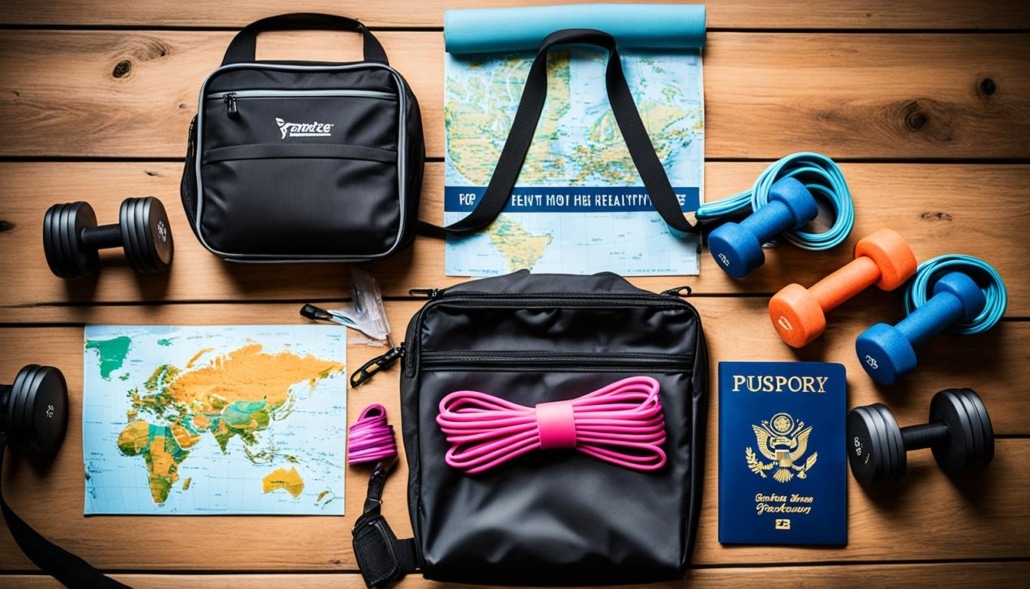
When packing for your trip, consider bringing portable exercise equipment that can be easily incorporated into your workouts. Resistance bands, a jump rope, or even a yoga mat can provide you with a variety of exercise options, even in limited spaces. Having these tools with you allows for effective workouts without relying solely on hotel gyms or unfamiliar facilities.

Exercise Equipment Benefits
Resistance Bands Provide resistance for strength training exercises
Jump Rope Great for cardiovascular workouts and improving coordination
Yoga Mat Allows for comfortable and hygienic floor exercises or yoga routines

3. Adapt Your Exercise and Eating Habits

While traveling, it’s important to be flexible with your exercise and eating habits. Adapt to the resources and opportunities available to you. If you can’t access a gym, focus on bodyweight exercises or outdoor activities like hiking or swimming.

As for your eating habits, try to make healthier choices while still enjoying local cuisines. Avoid overindulging at company dinners by practicing portion control and opting for lighter options when possible. Pack some healthy snacks like nuts, fruits, or energy bars to have on hand when hunger strikes between meals.
Exercise Equipment

By planning ahead and adapting your exercise and eating habits, you can maintain your fitness goals and stay on track while enjoying the digital nomad lifestyle.

Hydration and Healthy Eating Habits

Staying hydrated and maintaining healthy eating habits are essential for digital nomads to sustain their travel fitness and overall well-being. Here are some tips to stay hydrated and make nutritious food choices while on the go:

Stay Hydrated

Hydration is crucial for maintaining energy levels, cognitive function, and physical performance. To ensure you stay properly hydrated:

  • Drink plenty of water throughout the day. Consider bringing a reusable water bottle or self-filtering water bottle to stay hydrated wherever you go.
  • Include fresh fruits in your snacks, such as apples and pears, which have high water content and provide additional hydration.

Healthy Eating Habits

When it comes to eating, it’s important to avoid relying solely on restaurant meals and prioritize nutritious food choices:

  • Prepare your own meals whenever possible. This allows you to have control over the ingredients and portion sizes.
  • Look for healthy options on menus when dining out. Choose dishes that incorporate vegetables, lean proteins, and whole grains.

Starting your day with a nutritious breakfast sets the tone for the rest of the day. Include foods like whole-grain cereals, yogurt, and fruits for a balanced start.

Packing Healthy Snacks

Having healthy snacks on hand is essential to curb hunger and maintain energy levels throughout the day. Consider packing the following:

  • Energy bars or protein bars
  • Fresh fruits like bananas or grapes
  • Nuts and seeds for a nutrient-rich snack

Travel fitness

Conclusion

Staying fit and healthy while living the digital nomad lifestyle requires a balanced approach. It’s essential to incorporate regular exercise, maintain a healthy diet, get enough sleep, and stay hydrated. Long-term travelers may face additional challenges, but it’s crucial to prioritize physical activity and adopt healthy eating habits.

One of the key strategies for maintaining a healthy lifestyle on the road is to prepare your own meals. By taking control of your diet and ensuring that you pack nutritious snacks, you can avoid relying on unhealthy restaurant meals. Additionally, practicing moderation in eating and drinking, as well as avoiding excessive alcohol intake, is essential for overall well-being.

Getting enough sleep is equally important. Establishing a consistent sleep routine by going to bed and waking up at the same time each day will help regulate your body’s natural rhythms and promote better sleep quality. Remember to listen to your body and make adjustments as needed to ensure you’re getting enough rest.

By staying active and practicing healthy travel habits, you can successfully maintain a balanced lifestyle on the road. Following a diet and exercise routine that works for you, staying hydrated, and prioritizing self-care will not only contribute to your physical well-being but also enhance your overall travel experience. With these tips in mind, you can confidently embrace the digital nomad lifestyle while staying on top of your fitness goals.

FAQ

How can I stay active while traveling?

Incorporating movement into your day can be as simple as exploring the airport during layovers or taking a brisk walk in your area before starting your day. Look for opportunities to walk, climb stairs, do bodyweight exercises, or even jump rope.

What should I plan ahead for to stay fit while traveling?

It’s important to plan your exercise routine and bring equipment with you, such as resistance bands or a jump rope, for effective workouts in your hotel room. Set specific times, locations, and training plans for each workout to increase adherence and boost your chances of success. It’s also important to plan how you will adapt your exercise and eating habits ahead of time.

How can I stay hydrated and eat healthy while traveling?

Staying hydrated is crucial for maintaining energy levels and overall health while traveling. Drink plenty of water and consider bringing a reusable water bottle or self-filtering water bottle with you. Packing fresh fruits that contain high amounts of water, such as apples and pears, can also help in staying hydrated. When it comes to eating, avoid relying on restaurant meals every day. Prepare your own meals using local ingredients or look for healthy options on menus.

What are some tips for maintaining a healthy lifestyle while traveling long-term?

It’s important to prioritize physical activity and healthy eating habits. By preparing your own meals, packing healthy snacks, and avoiding excessive alcohol intake, you can maintain a healthy lifestyle on the road. Remember to listen to your body and make adjustments as needed, while still enjoying the unique experiences that travel offers.

Source Links

The digital nomad lifestyle offers freedom and flexibility for those who embrace it. However, it also comes with challenges that can affect mental health. From constant change and lack of routine to feelings of loneliness and isolation, digital nomads must develop coping strategies to maintain their well-being while on the road.

Key Takeaways:

  • The digital nomad lifestyle provides freedom and flexibility.
  • Constant change can impact mental health.
  • Lack of routine and structure can pose challenges.
  • Loneliness and isolation are common feelings among digital nomads.
  • Developing coping strategies is essential for maintaining well-being.

What is a Digital Nomad?

The digital nomad lifestyle has revolutionized the way people work and live. It offers individuals the opportunity to pursue their careers while exploring the world, breaking free from the limitations of a traditional office. With location independence, the ability to work remotely or in freelance roles becomes a reality.

Digital nomads leverage the power of technology to connect with clients, collaborate on projects, and complete tasks from anywhere with an internet connection. This newfound freedom and flexibility enable them to shape their own schedules, choose their preferred work environments, and even take on different projects to diversify their income streams.

While the digital nomad lifestyle offers exciting opportunities, it also comes with unique challenges that need to be addressed. It demands careful management of work and personal life, the ability to find reliable internet connections on the go, and the need to tackle feelings of loneliness and social isolation that can arise from being away from a traditional office setting.

“The digital nomad lifestyle offers the freedom to work and adventure from anywhere in the world, but it requires careful planning, adaptability, and a strong sense of self-motivation.” – Jane Smith, experienced digital nomad

Location Independence: Working on Your Terms

Location independence is at the core of the digital nomad lifestyle. It means having the freedom to choose where and when you work, whether it’s a bustling coffee shop, a coworking space in a vibrant city, or a peaceful beachside retreat.

Embracing location independence opens up a world of possibilities for digital nomads. They can explore new destinations, immerse themselves in different cultures, and maintain a healthy work-life balance. It also allows them to design their own workspaces, creating environments that inspire productivity and creativity.

Embracing Remote Work and Freelance Opportunities

Remote work and freelance opportunities are the lifeblood of a digital nomad. They offer the flexibility to choose projects that align with personal interests and skills, allowing for continuous growth and development. The internet acts as a bridge, connecting digital nomads with clients and enabling seamless communication and collaboration.

Working remotely or in freelance roles empowers digital nomads to take control of their careers. They can set their own rates, negotiate contracts, and have the freedom to work with clients from around the world. This level of autonomy and independence is a driving factor for many who choose the digital nomad lifestyle.

Benefits of the Digital Nomad Lifestyle Challenges to Address
  • Flexibility to work from anywhere
  • Ability to travel and explore new destinations
  • Customizable work environments
  • Opportunity for personal growth and self-discovery
  • Managing work-life balance
  • Finding reliable internet connections
  • Tackling loneliness and social isolation
  • Financial planning and stability

The Appeal of the Digital Nomad Lifestyle

The digital nomad lifestyle offers unparalleled freedom, flexibility, and work-life balance for those who embrace it. This modern way of living allows individuals to break free from the constraints of a traditional office environment and work from anywhere in the world.

Digital nomads have the freedom to create their own schedules, deciding when and where they work. They can explore new cultures, immerse themselves in breathtaking landscapes, and live the life of a true global citizen while earning a living.

“The digital nomad lifestyle provides the perfect combination of work and play. I can work on my own terms, enjoy beautiful destinations, and live life on my own terms.” – Mary Johnson, Digital Marketing Consultant

However, it is important to acknowledge that this lifestyle is not without its challenges. Maintaining a healthy work-life balance can be difficult when your home is constantly changing, and the temptation to work around the clock is ever-present. It requires careful management and self-discipline to ensure that work does not overshadow personal life and well-being.

“Finding a balance between work and personal life is key to long-term success as a digital nomad. I prioritize self-care and set boundaries to maintain a healthy equilibrium.” – Mark Smith, Freelance Writer

The digital nomad lifestyle is a testament to the power of technology, allowing individuals to embrace a fulfilling career while enjoying a life of adventure, exploration, and personal growth.

Digital Nomad Challenges: Finding a Reliable Internet Connection

One of the key challenges for digital nomads is ensuring a reliable internet connection. Poor connectivity can hinder productivity and communication, making it essential for digital nomads to find reliable internet options. To overcome this challenge, there are several strategies that can be implemented.

Research Internet Options in Advance

Before embarking on a digital nomad journey, it is crucial to research internet options in potential destinations. This includes understanding the local internet infrastructure and availability of high-speed internet providers. By doing thorough research, digital nomads can identify locations with reliable internet connections and plan their travels accordingly.

Utilize Coworking Spaces

Coworking spaces have become popular among digital nomads as they offer reliable and high-speed internet connections in a professional work environment. These spaces provide a dedicated workspace with all the necessary amenities, ensuring that digital nomads can work without any interruptions. Additionally, coworking spaces often foster a sense of community and provide an opportunity to network with fellow digital nomads.

Find Cafes with Reliable Wi-Fi

When working outside of coworking spaces, digital nomads can explore local cafes and restaurants that offer reliable Wi-Fi connections. Many establishments cater to remote workers and provide a conducive environment for work. By identifying cafes with reliable Wi-Fi, digital nomads can enjoy a change of scenery while maintaining a productive work setup.

Tip: Before settling in a cafe, it’s recommended to test the Wi-Fi speed and stability to ensure it meets your work requirements.

Consider Backup Connectivity Options

In addition to primary internet connections, digital nomads should consider backup connectivity options to avoid disruptions. Portable Wi-Fi devices, such as pocket routers or mobile hotspots, can provide internet access even in areas with limited connectivity. Local SIM cards are another option to consider, especially when traveling internationally, as they often offer affordable data plans.

By diligently researching internet options, utilizing coworking spaces and cafes with reliable Wi-Fi, and considering backup connectivity options, digital nomads can mitigate the challenge of finding a reliable internet connection. Ensuring a stable internet connection is vital for maintaining productivity and staying connected in the digital nomad lifestyle.

reliable internet connection image

Digital Nomad Challenges: Balancing Work and Travel

One of the key challenges faced by digital nomads is finding a balance between work and travel. While the freedom and flexibility of the digital nomad lifestyle allow for exploration and adventure, it also requires careful management of work commitments. To successfully navigate this challenge, digital nomads must establish a daily routine, set realistic expectations for their workload, and prioritize tasks effectively.

Creating a consistent daily routine is crucial in maintaining a healthy work-life balance. By setting regular working hours and dedicating specific time slots to focused work, digital nomads can ensure productivity while still leaving room for exploration and leisure activities. This routine not only helps in managing time effectively but also provides a sense of structure and stability amid the nomadic lifestyle.

Setting realistic expectations for workload is equally important. Digital nomads should avoid overcommitting and taking on more work than they can handle. By understanding their own capacity and limitations, they can avoid burnout and maintain a sustainable work pace. It’s essential to communicate expectations clearly with clients and employers to ensure a mutual understanding of deliverables and deadlines.

Another key aspect of balancing work and travel is learning to prioritize tasks. Often, digital nomads are faced with the challenge of allocating their limited time and energy wisely. To overcome this, they must identify and prioritize high-value tasks that align with their goals and deliver the greatest impact. By focusing on essential projects and delegating or outsourcing lower priority tasks, digital nomads can optimize their time and productivity.

Work-life Balance Tips for Digital Nomads

  • Establish a consistent daily routine
  • Set realistic expectations for workload
  • Prioritize high-value tasks
  • Take regular breaks to avoid burnout

“Finding a balance between work and travel is an ongoing process for digital nomads. It requires careful planning, self-discipline, and a clear understanding of priorities. By setting realistic expectations and boundaries, digital nomads can create a fulfilling and sustainable lifestyle.”

Taking regular breaks is crucial for maintaining productivity and avoiding burnout. Digital nomads should embrace the opportunity to explore their surroundings, immerse themselves in new cultures, and recharge their energy. Whether it’s enjoying the local cuisine, visiting historical sites, or engaging in physical activities, these breaks contribute to overall well-being and enhance the digital nomad experience.

By addressing the challenges of balancing work and travel head-on, digital nomads can achieve a harmonious lifestyle that allows for both work and exploration. Consistency, realistic expectations, effective task prioritization, and mindful breaks are essential elements in achieving a fulfilling and sustainable digital nomad journey.

Work and Exploration

Digital Nomad Challenges: Loneliness and Social Isolation

Loneliness and social isolation can be common challenges for digital nomads. Constantly moving from one location to another can result in feelings of isolation and a lack of social connections. However, there are strategies that digital nomads can employ to combat these challenges and create a sense of community while on the road.

Join Digital Nomad Communities

One valuable resource for digital nomads is joining digital nomad communities. These communities provide a platform for like-minded individuals to connect, share experiences, and offer support. Whether through online forums, social media groups, or dedicated websites, digital nomad communities serve as virtual gathering places where individuals can find camaraderie and a sense of belonging.

Attend Events

Attending events specifically catered to digital nomads is another effective way to combat loneliness and social isolation. These events often bring together remote workers from various backgrounds and locations, providing opportunities for networking, knowledge sharing, and establishing new friendships. Whether it’s a conference, workshop, or networking event, immersing oneself in the digital nomad community through physical gatherings can greatly enhance social connections.

Utilize Social Media

Social media platforms, such as Facebook and Instagram, offer digital nomads a means to connect with others, share experiences, and foster relationships. By actively participating in relevant social media groups and engaging with fellow digital nomads, individuals can overcome the distance and isolation that the digital nomad lifestyle may sometimes entail. These platforms also provide valuable resources for finding local activities, events, and meetups, further enabling digital nomads to build connections and combat loneliness.

Developing a Supportive Network

Building and nurturing a supportive network of friends, family, and fellow digital nomads can play a crucial role in combating loneliness and social isolation. Regular communication and intentional efforts to maintain relationships can provide a sense of belonging and social connection, even when physically distant. Digital nomads can establish regular check-ins with loved ones, schedule virtual meetups, and make an effort to cultivate relationships with other nomads in their current location.

Loneliness and social isolation can pose significant challenges for digital nomads, but by actively seeking out community, attending events, utilizing social media, and nurturing relationships, individuals can create meaningful connections and overcome these obstacles.

By implementing these strategies, digital nomads can proactively mitigate feelings of loneliness and social isolation while embracing the digital nomad lifestyle.

Challenges Solutions
Loneliness Join digital nomad communities, attend events, utilize social media, develop a supportive network
Social Isolation Seek out community, join local social groups, participate in activities, maintain connections with loved ones

Digital Nomad Challenges: Financial Management

Managing finances is a significant challenge for digital nomads. The nature of freelance work often leads to erratic income streams, and navigating varying living expenses in different locations can be daunting. To overcome these challenges, digital nomads must prioritize financial management and implement effective strategies for money management.

Diversify Income Streams

One way to mitigate the uncertainties of freelance work is by diversifying income streams. Relying solely on one client or source of income can be risky. Digital nomads should explore multiple avenues to generate revenue, such as taking on different freelance projects, creating passive income sources, or investing in income-generating assets.

Create a Budget

Developing a comprehensive budget is crucial for financial management. By tracking income and expenses, digital nomads can gain a clear understanding of their financial situation and make informed decisions. They should carefully consider their fixed expenses, such as accommodation and transportation, as well as variable expenses, such as groceries and entertainment.

Research Living Costs

Living expenses vary from one location to another, making it essential for digital nomads to research and understand the cost of living in different places. This knowledge will help them budget accordingly and make informed decisions about where to base themselves. Websites and forums dedicated to digital nomads can provide valuable insights and tips regarding living costs in various destinations.

Utilize Money Management Tools

Technology offers a range of tools and apps that can assist digital nomads in managing their finances effectively. From budgeting apps to expense trackers and financial planning platforms, there are numerous options to choose from. These tools can help digital nomads gain better control over their money and make informed decisions about their spending.

Plan for the Unexpected

As a digital nomad, it’s crucial to have a financial safety net to handle unexpected expenses or emergencies. Setting aside a portion of income for savings and creating an emergency fund can provide peace of mind and protect against unforeseen circumstances. Digital nomads should also consider investing in insurance coverage tailored to their unique lifestyle.

Seek Professional Advice

Financial management can be overwhelming, especially for those with limited knowledge and experience in handling finances. Seeking advice from a professional financial advisor or accountant who specializes in working with digital nomads can provide valuable guidance and ensure sound money management practices.

Conclusion

Embracing the digital nomad lifestyle brings with it a unique set of challenges. However, with the right coping strategies, digital nomads can thrive on the road while maintaining their well-being. Balancing work and travel is a crucial aspect of this lifestyle, requiring a well-established daily routine and realistic expectations for workload. By prioritizing tasks and setting boundaries, digital nomads can achieve a harmonious work-life balance.

Another significant challenge for digital nomads is finding reliable internet connections. Thorough research on available options, such as coworking spaces and cafes with reliable Wi-Fi, can ensure uninterrupted productivity and communication. Additionally, considering backup connectivity options like portable Wi-Fi devices or local SIM cards can provide peace of mind.

Loneliness and social isolation are common hurdles faced by digital nomads. However, actively seeking social connections through digital nomad communities, attending events, and utilizing social media platforms can help foster a supportive network. By knowing where to turn for companionship and building relationships with like-minded individuals, digital nomads can mitigate feelings of loneliness.

Managing finances is an important aspect of the digital nomad lifestyle. With fluctuating income streams and varying living expenses, financial planning is crucial. Digital nomads should diversify their income sources, prioritize money management, and leverage international banking services tailored to their unique needs. By taking control of their finances, digital nomads can navigate the challenges and uncertainties of the lifestyle.

FAQ

What is a digital nomad?

A digital nomad is an individual who embraces a location-independent lifestyle, often working remotely in freelance roles, while leveraging technology to earn a living and explore the world.

What are the challenges faced by digital nomads?

Digital nomads face challenges such as finding a reliable internet connection, balancing work and travel, combatting loneliness and social isolation, and managing finances in different locations.

How can digital nomads find a reliable internet connection?

Digital nomads can find a reliable internet connection by researching internet options in advance, utilizing coworking spaces and cafes with reliable Wi-Fi, and considering backup connectivity options like portable Wi-Fi devices or local SIM cards.

How can digital nomads balance work and travel?

Digital nomads can balance work and travel by establishing a daily routine, setting realistic expectations for their workload, and finding a suitable balance between work and exploration. They can also prioritize tasks, set boundaries, and take regular breaks to maintain productivity and prevent burnout.

What strategies can digital nomads use to combat loneliness and social isolation?

Digital nomads can combat feelings of loneliness and social isolation by joining digital nomad communities, attending events, and utilizing social media to connect with like-minded individuals. Developing a supportive network and actively seeking social connections can help overcome these challenges.

How can digital nomads manage their finances?

Digital nomads can manage their finances by prioritizing financial planning, diversifying their income sources, and utilizing international banking services that cater to their unique needs. It’s important to navigate the erratic income streams and varying living expenses that come with the digital nomad lifestyle.

What coping strategies can digital nomads use to maintain their well-being?

Digital nomads can maintain their well-being by addressing the challenges of constant change and implementing effective coping strategies. This includes finding a work-life balance, prioritizing self-care, and seeking support from fellow digital nomads and communities. By doing so, they can thrive on their nomadic journey.

Source Links

Backpacking travel has become increasingly popular in recent years, offering an adventurous and affordable way to explore new places. However, it’s important to consider the environmental impact of backpacking and take steps to minimize it. This article will provide tips and strategies for eco-friendly backpacking, focusing on sustainable travel practices that reduce carbon footprint and support local communities.

Key Takeaways:

  • Choose eco-friendly accommodations that prioritize sustainable practices.
  • Pack light to minimize carbon footprint and energy consumption.
  • Carry reusable items like a water bottle, utensils, and a portable metal straw.
  • Utilize public transportation options to reduce carbon emissions.
  • Opt for eco-friendly personal care products to reduce plastic waste.

Pack Light and Minimize Carbon Footprint

One of the best ways to practice eco-friendly backpacking is to pack light and bring only the essentials. This not only allows for easier movement and flexibility but also reduces energy consumption in transporting luggage. By minimizing the weight of your backpack, you can lower your carbon footprint during travel.

When packing for your backpacking trip, prioritize the items that are essential and necessary for your journey. Avoid overpacking and bringing unnecessary items that will only weigh you down. Stick to the basics, such as clothing that can be mixed and matched, lightweight toiletries, and versatile gear.

A lighter backpack not only reduces energy consumption but also makes it easier to navigate different terrains and modes of transportation. Whether you’re hiking up a mountain or hopping on and off public transportation, carrying less weight allows for better mobility and a more enjoyable travel experience.

“Travel light, live light, spread the light, be the light.” – Yogi Bhajan

The Benefits of Packing Light:

  • Reduces energy consumption during transportation
  • Improves mobility and flexibility
  • Eases the strain on your body while traveling
  • Minimizes the carbon footprint of your backpacking trip

Tips for Packing Light:

  1. Plan your outfits and pack versatile clothing items that can be mixed and matched.
  2. Invest in lightweight and compact travel gear, such as a lightweight backpack and collapsible water bottle.
  3. Opt for travel-sized toiletries or solid alternatives to liquid products.
  4. Consider the climate and activities of your destination to pack accordingly.
  5. Roll your clothes instead of folding to maximize space in your backpack.

Remember, packing light not only benefits the environment but also enhances your overall backpacking experience. Traveling with a smaller carbon footprint allows you to connect more deeply with nature and the local communities you visit.

Benefits of Packing Light Tips for Packing Light
Reduces energy consumption during transportation Plan your outfits and pack versatile clothing items that can be mixed and matched.
Improves mobility and flexibility Invest in lightweight and compact travel gear, such as a lightweight backpack and collapsible water bottle.
Eases the strain on your body while traveling Opt for travel-sized toiletries or solid alternatives to liquid products.
Minimizes the carbon footprint of your backpacking trip Consider the climate and activities of your destination to pack accordingly.

Choose Eco-Friendly Accommodations

When planning your backpacking travel itinerary, opt for eco-friendly accommodations that prioritize sustainable practices. Many hostels and lodges now offer solar energy systems, water conservation measures, and a commitment to reducing single-use plastics. By choosing eco-friendly accommodations, you can further minimize your carbon footprint and support businesses that prioritize sustainability.

Staying at eco-friendly accommodations not only allows you to enjoy a comfortable stay but also contributes to a cleaner and greener environment. Here are a few sustainable practices that eco-friendly accommodations may offer:

1. Solar Energy Systems

Eco-friendly accommodations often utilize solar energy systems to power their facilities. By harnessing the power of the sun, these accommodations reduce their reliance on fossil fuels and decrease their carbon emissions. Solar energy is a renewable and sustainable source that helps mitigate the environmental impact of traditional energy consumption.

2. Water Conservation Measures

Eco-friendly accommodations prioritize water conservation by implementing measures such as low-flow faucets, showers, and toilets. These water-saving fixtures aim to reduce water waste and promote responsible water usage. By staying at these accommodations, you can contribute to the preservation of this valuable resource.

3. Reduction of Single-Use Plastics

Many eco-friendly accommodations have taken proactive steps to minimize single-use plastics. They may provide filtered water stations instead of plastic water bottles, offer refillable toiletries in bulk dispensers, and use biodegradable or reusable alternatives to single-use plastic products. By reducing the consumption of disposable plastics, these accommodations help combat plastic pollution and protect the environment.

By consciously selecting eco-friendly accommodations that embrace sustainable practices, you can experience guilt-free travel while supporting businesses that prioritize environmental conservation. The table below summarizes the benefits of choosing eco-friendly accommodations:

Benefits of Eco-Friendly Accommodations
Reduces carbon footprint
Conserves energy through solar power
Promotes responsible and sustainable water usage
Contributes to the reduction of single-use plastics
Supports businesses committed to sustainability

Choose eco-friendly accommodations for your next backpacking adventure and be a part of the global movement towards sustainable travel.

Embrace Reusable Items

One of the most effective ways to reduce your environmental impact while backpacking is by embracing reusable items. By carrying essentials such as a reusable water bottle, utensils, and a portable metal straw, you can significantly minimize waste and contribute to a sustainable travel experience.

1. Reusable Water Bottle

A refillable water bottle is a must-have item for eco-conscious backpackers. Instead of purchasing single-use plastic bottles, opt for a durable reusable water bottle. It allows you to stay hydrated without contributing to the growing plastic pollution problem. Look for BPA-free options that are lightweight and easy to carry.

2. Reusable Utensils

Disposable plastic cutlery is a common source of waste while traveling. By packing reusable utensils, such as a lightweight set of metal or bamboo cutlery, you can avoid contributing to plastic pollution. These reusable utensils are easy to clean and can be used throughout your trip, minimizing unnecessary waste.

3. Portable Metal Straw

Single-use plastic straws are a major contributor to plastic pollution, particularly in coastal areas. Investing in a portable metal straw allows you to enjoy your favorite beverages without the guilt of contributing to this issue. Metal straws are durable, easy to clean, and come with a compact carrying case, making them a convenient addition to your backpacking gear.

“Carrying reusable items such as a water bottle, utensils, and a portable metal straw can significantly reduce your environmental impact while backpacking.”

By embracing reusable items, you not only reduce waste but also inspire others to adopt sustainable practices. These small changes can make a big difference in preserving the environment for future generations.

Reusable straw

Benefits of Embracing Reusable Items
Reduces plastic pollution Minimizes waste
Preserves natural resources Encourages sustainable habits
Cost-effective in the long run Contributes to a cleaner environment

Utilize Public Transportation

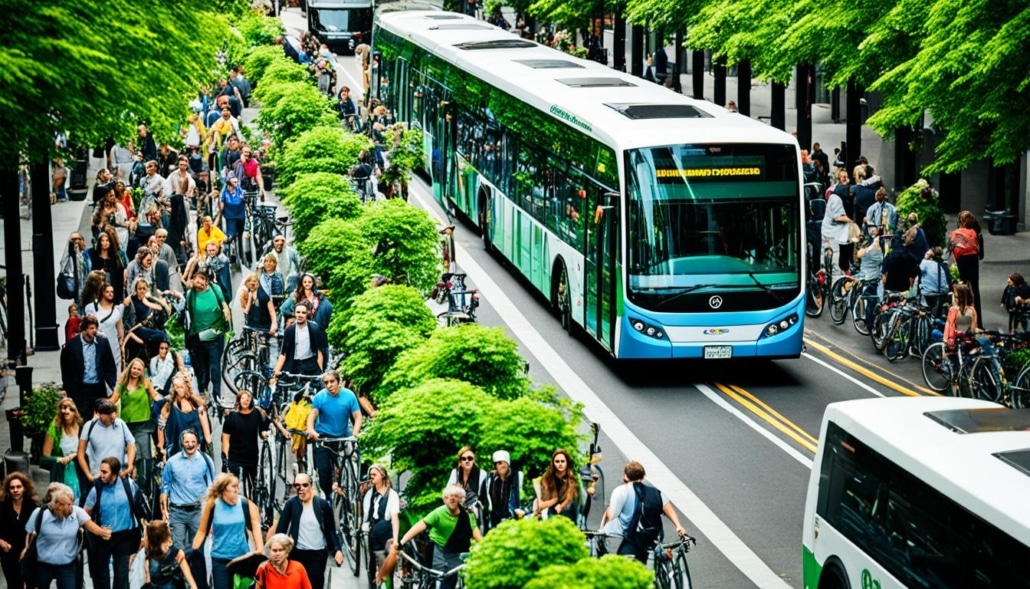
When it comes to reducing carbon emissions during your backpacking trip, utilizing public transportation is a smart and eco-friendly choice. Taking advantage of trains, buses, and ferries not only helps lower your carbon footprint but also provides you with a more affordable and immersive way to experience local culture.

By opting for public transportation options, you contribute to the collective effort in reducing the number of private vehicles on the road. This helps decrease traffic congestion and air pollution, making the environment cleaner and more enjoyable for everyone.

Public transportation systems are often well-integrated and well-maintained, offering convenient routes and schedules to popular tourist destinations. You can easily navigate between different cities, towns, and attractions without the hassle of driving, parking, or dealing with the stress of unfamiliar roads. It allows you to sit back, relax, and enjoy the scenic views along the way.

If public transportation is not available or feasible for a particular destination, consider carpooling with other travelers. Carpooling offers a cost-effective solution as you can share rides and split the cost of gas, reducing expenses for everyone involved. It’s also a great way to meet fellow backpackers and make new friends during your journey.

Benefits of Utilizing Public Transportation:

  • Reduces carbon emissions and fights climate change
  • Minimizes traffic congestion and air pollution
  • Provides an affordable mode of transportation
  • Improves the overall travel experience by offering scenic routes
  • Allows for a more immersive cultural experience

“Using public transportation not only helps protect the environment but also allows you to connect with the local community in a meaningful way. It’s a win-win situation for both travelers and the destination.” – Emily Johnson, Sustainable Travel Advocate

Tips for Utilizing Public Transportation:

  1. Research public transportation options in advance to familiarize yourself with routes, schedules, and ticketing systems.
  2. Consider purchasing multi-day or unlimited ride passes for cost savings.
  3. Use mobile apps or websites for real-time information on bus and train schedules.
  4. Respect local customs and follow etiquette when using public transportation.
  5. Be aware of peak travel hours to avoid crowded buses or trains.

By utilizing public transportation during your backpacking trip, you not only reduce your carbon emissions but also contribute to a more sustainable and responsible form of travel. So hop on board and embark on an eco-friendly adventure!

Public transportation reduces carbon emissions

Use Eco-Friendly Personal Care Products

When embarking on a backpacking trip, it’s essential to consider the impact of personal care products on the environment. Many toiletries and personal care items contribute to plastic waste, which poses a significant threat to our planet’s ecosystems. By opting for eco-friendly alternatives, you can reduce plastic waste and minimize the environmental impact of your journey.

To make your backpacking trip more sustainable, consider packing the following eco-friendly personal care products:

  1. Solid Soap Bars: Instead of using liquid body washes packaged in plastic bottles, choose solid soap bars. These bars typically come in paper or cardboard packaging and eliminate the need for plastic waste.
  2. Shampoo Bars: Similar to solid soap bars, shampoo bars are a plastic-free alternative to traditional shampoo bottles. They are compact, lightweight, and easy to use, making them perfect for backpacking trips.
  3. Bamboo Toothbrushes: Swap out your regular toothbrush for a bamboo toothbrush. Bamboo is a sustainable material that grows quickly and doesn’t require harmful pesticides or fertilizers. Plus, bamboo toothbrushes have replaceable heads, reducing waste even further.
  4. Biodegradable Wipes: When hygiene is essential, consider using biodegradable wipes instead of single-use wet wipes. Biodegradable wipes are made from renewable and compostable materials, ensuring they won’t contribute to long-lasting pollution.

By incorporating these eco-friendly personal care products into your backpacking routine, you can significantly reduce plastic waste and contribute to a cleaner environment.

Image:

Support Local Businesses and Sustainable Tourism

As an eco-backpacker, it is important to prioritize supporting local businesses and purchasing local products during your trip. By doing so, you contribute to reducing transportation emissions, support the local economy, and promote sustainable tourism practices. When you support local businesses, you are not only engaging in conscious consumerism but also helping to preserve the cultural authenticity and uniqueness of the places you visit.

Benefits of supporting local businesses:

  • Economic Empowerment: Local businesses play a vital role in creating jobs and stimulating economic growth in their communities. By supporting them, you contribute to the financial stability and self-sufficiency of the local population.
  • Preservation of Culture: Local businesses often showcase and celebrate the cultural heritage of the region. By investing your time and money into these establishments, you help preserve traditional practices, craftsmanship, and local traditions.
  • Environmental Impact: Supporting local businesses reduces the carbon footprint associated with long-distance transportation. By purchasing locally sourced products, you minimize the energy consumption and greenhouse gas emissions associated with importing goods from distant locations.

When traveling, make an effort to engage with the local community and seek recommendations for authentic, locally-owned businesses. Shop at local markets, dine at family-owned restaurants, and stay in locally-run accommodations. By choosing local businesses, you not only support the local economy but also have the opportunity to connect with the people and culture of the place you are visiting.

Volunteer and Cultural Experiences

Participating in local cultural experiences and volunteering for regenerative environmental projects is another way to contribute to sustainable travel. Many destinations offer immersive activities that allow travelers to learn about the local culture, customs, and traditions. Engaging in these experiences not only enriches your trip but also supports the preservation of local heritage and promotes cross-cultural understanding.

“Traveling allows us to embrace diversity and learn from different cultures. By supporting local businesses and participating in cultural experiences, we can create positive, lasting impacts on both the communities we visit and the environment.” – Sustainable Travel Advocate

Additionally, volunteering for regenerative environmental projects allows you to contribute to the conservation and restoration of natural resources in the area. Whether it’s beach cleanups, reforestation initiatives, or wildlife preservation programs, these activities provide an opportunity to give back to the environment and leave a positive impact on the places you visit.

Comparison of Supporting Local Businesses vs. Chain Stores

Supporting Local Businesses Chain Stores
Contributes to the local economy Profits primarily benefit corporate headquarters
Preserves cultural heritage Homogenizes cultural experiences
Reduces carbon footprint Relies heavily on long-distance transportation
Encourages sustainable practices May prioritize profit over sustainability
Engages with the local community Less personal interaction with local residents

By supporting local businesses and engaging in sustainable tourism practices, you become a responsible traveler who leaves a positive footprint on the planet. Your choices can have a significant impact on the environment, local communities, and the preservation of cultural heritage. Let’s work together to create a more sustainable and inclusive travel industry.

Conclusion

Incorporating eco-friendly practices into your backpacking trip is not only beneficial for the environment but also enhances your travel experience. By packing light, choosing eco-friendly accommodations, utilizing public transportation, embracing reusable items, using eco-friendly personal care products, and supporting local businesses, you can travel more sustainably.

Remember, even small efforts can make a significant impact in reducing your carbon footprint and leaving a positive mark on the places you visit. Sustainable travel is not just a trend but a responsible way to explore the world while preserving its natural beauty for future generations. So, keep these eco-friendly tips in mind and embark on your next adventure with a conscious and sustainable mindset.

Happy eco-friendly backpacking!

FAQ

How can I reduce my carbon footprint while backpacking?

To minimize your carbon footprint, pack light and bring only the essentials. This reduces energy consumption during travel.

What are eco-friendly accommodations and why should I choose them?

Eco-friendly accommodations prioritize sustainable practices such as solar energy systems, water conservation, and reducing single-use plastics. Choosing these accommodations helps minimize your carbon footprint and supports businesses that prioritize sustainability.

What reusable items should I bring while backpacking?

Pack a reusable water bottle, utensils, and a portable metal straw. These items help reduce the use of single-use plastics and minimize your environmental impact.

Is public transportation a good option for backpackers?

Yes, using public transportation such as trains, buses, and ferries reduces carbon emissions and provides a more affordable and immersive travel experience.

How can I use eco-friendly personal care products while backpacking?

Opt for eco-friendly alternatives like solid soap bars, shampoo bars, bamboo toothbrushes, and biodegradable wipes. These products help reduce plastic waste and minimize the environmental impact of your trip.

How can I support local businesses and sustainable tourism during my backpacking trip?

Support local businesses by purchasing local products, which reduces transportation emissions and supports the local economy. Consider participating in local cultural experiences or volunteering for regenerative environmental projects to further contribute to sustainable travel.

Source Links

The rise of digital nomads has revolutionized the way we work and travel. Backpacking and digital nomadism have become popular lifestyle choices for those seeking a unique blend of work and adventure. By embracing remote work, individuals can explore the world while maintaining a fulfilling professional life.

Digital nomads are individuals who travel to different destinations, working remotely from unconventional locations like beautiful beaches, cozy camping tents, and vibrant hotel rooms. They combine their work with exciting activities like hiking and nature walking, making every day a new adventure.

The digital nomad lifestyle gained immense popularity during the pandemic when people realized the need for freedom and flexibility in their work. Remote work became the go-to solution for many, providing a way to work while exploring new horizons.

The appeal of backpacking and digital nomadism extends to recent college graduates who value the flexibility and work-life balance this lifestyle offers. It allows individuals to achieve a harmonious integration of work and travel, enabling them to make the most of their professional and personal lives.

Key Takeaways:

  • Backpacking and digital nomadism allow individuals to work remotely while exploring new destinations.
  • Remote work provides the freedom and flexibility needed for a satisfying work-life balance.
  • The digital nomad lifestyle gained popularity during the pandemic as people sought more freedom in their work.
  • Embracing the digital nomad lifestyle requires careful planning and dedication.
  • Recent college graduates find the flexibility of backpacking and digital nomadism appealing for personal and professional growth.

Benefits of Digital Nomad Backpacking

Digital nomad backpacking offers numerous benefits, providing individuals with the opportunity to embrace a unique lifestyle that combines work and travel. By breaking free from the constraints of the traditional 9-to-5 routine, digital nomads can enjoy a more balanced and fulfilling life. This section explores some of the key benefits of digital nomad backpacking.

1. Work-Life Harmony: Digital nomads have the flexibility to design their own work schedules, allowing them to achieve a harmonious balance between their professional and personal lives. They can prioritize their work tasks while also pursuing their passions, exploring new destinations, and engaging in enriching experiences.

2. Cultural Immersion: Traveling as a digital nomad provides the unique opportunity to immerse oneself in different cultures. By living and working in various locations around the world, individuals can embrace new languages, customs, and traditions. This immersive experience fosters personal growth, expands cultural perspectives, and promotes a deeper understanding of the global community.

3. Network of Like-minded Individuals: Digital nomad backpacking allows individuals to connect with a diverse network of like-minded individuals. By engaging in coworking spaces, attending digital nomad meetups, and participating in online communities, nomads can form valuable relationships that inspire collaboration, foster creativity, and provide a support system across continents.

4. Flexibility and Freedom: The ability to work remotely while traveling offers the ultimate flexibility and freedom. Digital nomads can choose their work environment, whether it’s a bustling coffee shop, a serene beachfront, or a vibrant co-working space. This independence allows individuals to explore new destinations, pursue personal interests, and maintain a healthy work-life balance.

5. Professional Growth: Digital nomadism provides opportunities for constant personal and professional growth. By adapting to different work environments, collaborating with diverse teams, and embracing new challenges, nomads develop valuable skills such as adaptability, resilience, and cross-cultural communication. This enhances their professional profile and opens doors to new career prospects.

Quote:

“Digital nomad backpacking offers a unique blend of work and adventure, providing individuals with the freedom to explore the world while maintaining their professional pursuits.” – Name Surname, Founder of a Remote Work Community

In summary, digital nomad backpacking offers a host of benefits that go beyond the traditional work environment. With the freedom to escape the 9-to-5 routine, individuals can achieve work-life harmony, immerse themselves in different cultures, build a network of like-minded individuals, and experience unparalleled personal and professional growth. It’s an exciting lifestyle that brings together the best of work and travel.

Essential Tools for Digital Nomad Backpacking

When it comes to digital nomad backpacking, having the right tools and technologies is crucial for a successful and productive journey. These essential tools will help you stay connected, organized, and efficient while working remotely and exploring the world.

Laptop and Accessories

The backbone of remote work is a reliable laptop. Choose a lightweight and powerful model that suits your needs. Don’t forget to bring the necessary accessories such as a charger and extra cables to ensure uninterrupted work even in remote locations.

High-Speed Internet Connection

A stable and fast internet connection is essential for remote work. Consider options like portable Wi-Fi devices or local SIM cards with data plans to ensure a reliable connection wherever you go. This will enable you to stay connected and productive without interruptions.

Cloud Storage Solutions

Cloud storage solutions like Dropbox and Google Drive are invaluable for digital nomads. They allow you to easily access your files from any device and collaborate with colleagues or clients, even when you’re on the move. Keep your important documents, work files, and project materials securely stored in the cloud.

Productivity and Communication Tools

To maximize your productivity, utilize various productivity and communication tools. Project management software such as Asana or Trello helps you stay organized and manage your tasks efficiently. Time tracking apps like RescueTime or Toggl assist in monitoring and managing your work hours effectively.

Portable Powerbank and Noise-Canceling Headphones

A portable powerbank is a must-have for digital nomads to keep their devices charged on the go, especially when access to power outlets may be limited. Additionally, noise-canceling headphones will help you focus and block out distractions, whether you’re working in a crowded café or on a noisy train.

VPN for Secure Internet Browsing

Ensure your online security and privacy by using a virtual private network (VPN) while browsing the internet. A VPN creates a secure connection, protecting your sensitive data and allowing you to access geo-restricted websites and services while maintaining anonymity.

Portable Powerbank

The Lambus app is also recommended for digital nomads. It helps you organize travel itineraries, manage bookings, and access valuable travel information all in one place, making your nomadic journey more convenient and enjoyable.

Choosing the Right Destination for Digital Nomad Backpacking

When embarking on a digital nomad journey, selecting the perfect destination is crucial. Various factors come into play when choosing a digital nomad hotspot, ensuring a harmonious blend of work and adventure. Let’s explore the key considerations to make when selecting the right destination for your digital nomad backpacking experience.

1. Internet Connection

A reliable internet connection is the lifeline of a digital nomad. Before finalizing a destination, researching the internet infrastructure is vital. Ensure that the chosen location offers fast and stable internet connectivity, allowing you to stay connected with clients, attend online meetings, and complete tasks efficiently.

2. Cost of Living

The cost of living is an essential factor to consider when choosing a digital nomad destination. Opting for a location with a lower cost of living can stretch your budget and afford you a comfortable lifestyle. Research the average prices for accommodation, transportation, meals, and other daily necessities to ensure it aligns with your financial goals.

3. Safety

Prioritizing safety is crucial for any digital nomad. Before heading to a new destination, check travel advisories and consider factors such as political stability and crime rates. Choosing a place with a reputation for being safe and welcoming can provide peace of mind as you explore your surroundings.

4. Co-working Spaces

A vibrant digital nomad community and well-equipped co-working spaces can enhance your work and social experiences. Look for destinations that offer a thriving community of like-minded individuals, providing opportunities for networking, collaboration, and shared experiences.

5. Visa Requirements

Understanding visa requirements is essential to ensure a smooth transition to your chosen destination. Research the visa policies and regulations to determine if you need a tourist visa, a specific work visa, or if you qualify for visa-free entry. Adhering to visa regulations is crucial for avoiding legal complications during your digital nomad journey.

6. Time Zone Compatibility

Considering time zone compatibility is important, especially if you work closely with clients or teammates in specific regions. Ensure that the time difference between your chosen destination and your work contacts allows for effective communication and collaboration without significant inconvenience.

7. Climate and Weather

Considering your climate and weather preferences can enhance your overall experience as a digital nomad. Research the destination’s climate patterns, seasons, and weather conditions throughout the year. Choose a location that aligns with your desired climate to make the most of your time and enjoy favorable weather while working and exploring.

By considering these factors when choosing a digital nomad destination, you can create the perfect balance between work and adventure, ensuring a fulfilling and enriching experience as you travel the world.

choosing a digital nomad destination

Conclusion

The digital nomad backpacking lifestyle provides a remarkable opportunity for individuals to combine work and adventure, enabling them to explore the world while maintaining a fulfilling professional life. By embracing the freedom and flexibility of remote work, digital nomads can achieve a work-life balance that allows them to immerse themselves in different cultures, build meaningful connections with like-minded individuals, and create unforgettable experiences.

With the right tools, careful destination selection, and effective work strategies, individuals can thrive in the digital nomad backpacking lifestyle. From reliable laptops and portable powerbanks to high-speed internet connections and productivity apps, having the essential tools is crucial for success. Evaluating factors such as internet infrastructure, cost of living, safety, co-working spaces, and visa requirements when choosing a destination ensures a conducive and rewarding work environment.

The digital nomad lifestyle opens up a world of endless possibilities and the chance to live life to the fullest while working on the move. It’s an exciting journey that offers the freedom to explore new horizons, grow both personally and professionally, and create a life filled with adventure. So, pack your bags, charge your devices, and get ready to embark on the extraordinary adventure of being a digital nomad backpacker.

FAQ

What is a digital nomad?

A digital nomad is an individual who works remotely while traveling to different destinations, embracing a nomadic lifestyle.

How does digital nomad backpacking differ from traditional travel?

Digital nomad backpacking involves working remotely while traveling, allowing individuals to maintain a professional life while exploring the world.

What are the benefits of digital nomad backpacking?

Digital nomad backpacking offers the freedom to escape the traditional work routine, create a balanced lifestyle, immerse in different cultures, and build a network of like-minded individuals.

What tools do I need for digital nomad backpacking?

Essential tools include a reliable laptop, accessories like chargers and cables, a high-speed internet connection, cloud storage solutions, productivity and communication tools, a portable power bank, noise-canceling headphones, and a VPN.

How do I choose the right destination for digital nomad backpacking?

Consider factors such as internet connectivity, cost of living, safety and security, co-working spaces, visa requirements, time zone compatibility, climate and weather preferences, cultural experiences, and language communication.

How can I achieve a work-life balance as a digital nomad backpacker?

By embracing remote work and maximizing personal and professional growth opportunities, you can blend work and adventure while maintaining a fulfilling professional life.

Source Links

Solo travel has become increasingly popular in recent years, with a significant rise in the number of people choosing to travel alone. According to reports by ABTA, the UK has seen a threefold increase in interest and books relating to solo travel since 2011. This trend shows no signs of slowing down, as more individuals embrace the opportunity to explore, volunteer, and establish temporary bases in foreign countries without the need for companionship.

Solo travel requires courage, determination, and a positive mindset, but the rewards are plentiful. By traveling alone, individuals are more externally focused and available for meaningful cultural experiences and interactions with locals. This creates opportunities for deeper cultural immersion and greater self-discovery.

Key Takeaways:

  • Solo travel allows for more meaningful cultural experiences and interactions with locals.
  • Traveling alone provides the flexibility to fully engage with local customs and traditions.
  • Solo travel offers opportunities for self-discovery and personal growth.
  • Cultural immersion as a solo traveler requires an open mind and a willingness to step out of your comfort zone.
  • Engaging in artistic and cultural activities can deepen your understanding and appreciation of a destination’s culture.

Benefits of Solo Travel for Cultural Immersion

Through personal experiences, it has been observed that solo travelers often have more meaningful and immersive cultural experiences compared to those traveling with companions. Solo travel unlocks a world of opportunities that allow individuals to fully engage with locals, embrace new activities, and explore off-the-beaten-path locations.

The freedom and flexibility that come with traveling alone enable solo travelers to be more approachable, often attracting invitations for interactions that lead to unforgettable experiences. For instance, a solo traveler might have the chance to join a local family for a meal in their home, providing a firsthand glimpse into the local customs and culture. These authentic moments of connection allow solo travelers to broaden their perspective and gain a deeper understanding of the country they are visiting.

Solo travel also provides ample opportunities to learn about different languages and dialects. By interacting with locals, solo travelers have the chance to practice their language skills and connect on a more personal level. This cultural exchange can be transformative and enriching, fostering mutual understanding and appreciation.

Additionally, solo travelers often find it easier to forge friendships with both fellow travelers and locals. These connections create a network of relationships that enhance cultural exploration and understanding. By befriending locals, solo travelers can gain invaluable insights, discover hidden gems, and participate in authentic activities that are often inaccessible to those traveling in groups.

“Traveling solo allows you to step out of your comfort zone and fully immerse yourself in the local culture. It’s a journey of self-discovery and a unique opportunity to forge connections with people from diverse backgrounds.”

Solo travel provides an unparalleled sense of freedom, empowering individuals to create their own itineraries and explore destinations at their own pace. This flexibility allows for spontaneous encounters, unexpected discoveries, and the ability to dive deep into the local culture.

By traveling alone, individuals can fully embrace the benefits of solo travel for cultural immersion, amplifying the impact of their experiences and fostering a genuine appreciation for the rich diversity of our world.

Tips for Immersing Yourself in Local Culture as a Solo Traveler

When embarking on a solo travel adventure, immersing yourself in the local culture can enhance your experience and create lasting memories. Here are some invaluable tips to make the most of your cultural immersion:

1. Research and Learn: Start by researching the customs and traditions of your destination country. Understanding how locals greet each other, their customs around food, clothing, and social etiquette will help you blend in and show respect.

2. Language Connection: Learning a few words or phrases in the local language can go a long way in establishing connections and showing your interest in the culture. Locals will appreciate your effort, and it can lead to meaningful interactions and insights into their way of life.

3. Venture Beyond Tourist Attractions: To immerse yourself in the local culture, go beyond the typical tourist spots. Seek out local recommendations for places to visit and eat, allowing you to experience the authentic flavors and atmosphere of the destination.

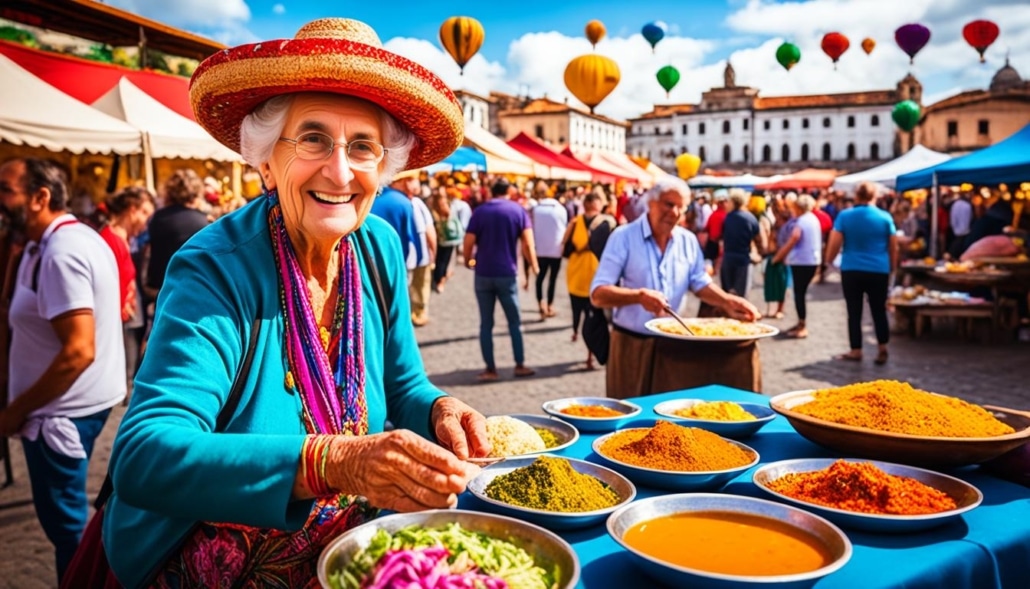
4. Try Local Foods and Drinks: Food is an essential part of any culture. Be adventurous and sample the local cuisine. Whether it’s street food or a traditional dish at a local restaurant, indulging in the authentic flavors will enhance your cultural immersion.

5. Explore the Landscape: Get out and explore the natural beauty of the destination. Take hikes, visit parks, or even join a guided tour to fully appreciate the local environment. Engaging with nature will provide a deeper understanding of the local culture’s connection to their surroundings.

6. Embrace Public Transport: Use public transportation to get around like a local. Whether it’s a bus, train, or tuk-tuk, embracing public transport will give you a glimpse into the daily life of the residents and allow for serendipitous encounters with locals.

7. Engage in Artistic and Cultural Activities: Attend local festivals, art exhibitions, or theater performances to immerse yourself in the artistic and cultural scene of the destination. Participating in these activities will expose you to the local traditions, music, and performing arts.

8. Consider Working or Volunteering Abroad: For a more profound and long-lasting cultural experience, consider working or volunteering abroad. This allows you to fully immerse yourself in the local community, contribute to meaningful projects, and form deeper connections with locals.

By following these tips, you’ll be able to navigate the local culture confidently, creating enriching and authentic experiences during your solo travel adventure.

Cultural Immersion Tips

What Not to Do When Exploring a Different Culture

When immersing yourself in a different culture as a solo traveler, it is essential to approach the experience with cultural respect and sensitivity. Avoiding cultural stereotypes is crucial to foster meaningful connections and avoid misunderstandings that can be offensive. Instead, take the time to get to know the locals personally and understand their individual perspectives. Engaging in genuine interactions with locals, using local public transport, and reducing excessive phone usage will enhance your cultural immersion and create a more authentic experience.

“To truly experience and understand a different culture, it is important to leave behind any preconceived notions and approach the locals and their customs with an open mind and heart.”

One common mistake to avoid is having a “bucket-list” mentality where you merely tick off destinations without truly experiencing the culture. Instead, spend more time in each location, engage with locals, and embrace new ideas and concepts. By being mindful of these aspects, you can effectively navigate cultural nuances and create unforgettable experiences.

Tips for Avoiding Cultural Stereotypes

Tips Explanation
Avoid Generalizations Acknowledge that every individual is unique, and cultures are diverse. Refrain from assuming stereotypes about a culture based on limited information or prior experiences.
Practice Active Listening When interacting with locals, truly listen to their stories, perspectives, and experiences. This will help you gain a deeper understanding of their culture and avoid making assumptions.
Show Cultural Respect Respect local customs, traditions, and practices. Be open to learning, adapting, and participating in cultural activities, ensuring you approach them with humility and appreciation.
Be Mindful of Non-Verbal Communication Recognize that gestures, bodily movements, and facial expressions may vary across cultures. Be mindful of your own non-verbal cues and learn to interpret and respond to those of the locals.
Ask Questions with Sensitivity If you have questions about certain cultural practices, ask locals with genuine curiosity and sensitivity. Avoid offensive or judgmental remarks.

By following these tips, you can navigate different cultures with respect and sensitivity, creating meaningful connections and fostering a deep appreciation for diversity.

Befriending Locals and Embracing Local Customs

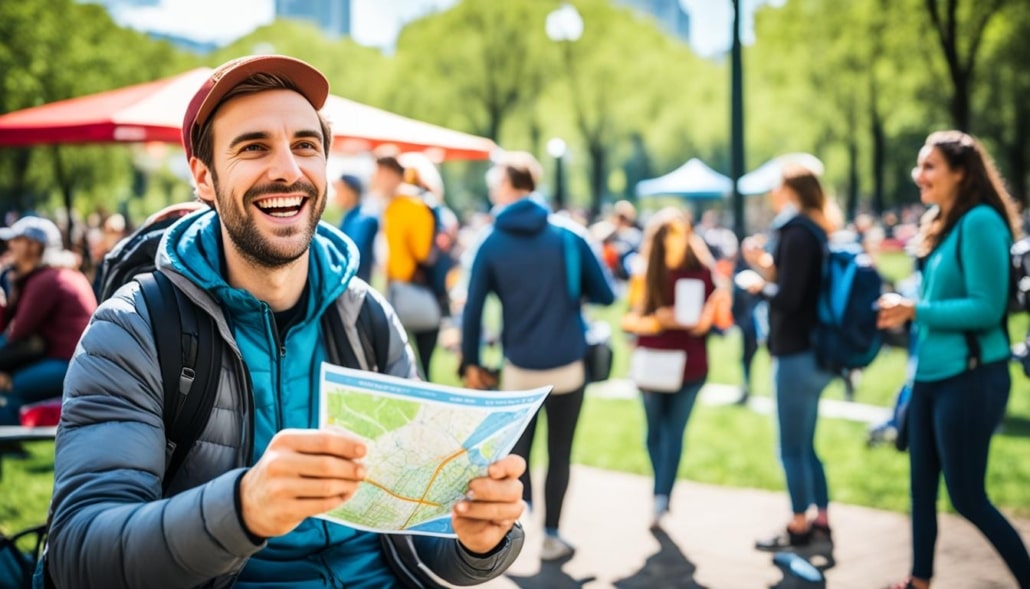
One of the most effective ways to fully immerse yourself in the local culture as a solo traveler is to establish friendships with locals. These meaningful connections can provide invaluable insights into the customs, traditions, and way of life of the destination country.

To meet locals, step away from tourist areas and seek out non-touristy establishments where locals gather. This could be a local café, community center, or neighborhood market. Engaging in conversations and showing genuine interest in their culture can lead to lasting friendships.

Volunteering is another great way to connect with locals. Look for volunteer opportunities in community-based organizations, environmental projects, or education initiatives. Not only will you make friends, but you’ll also contribute to the local community and have a positive impact.

Offering your services to the community can also be a pathway to forming friendships. For example, if you have a skill or talent, such as playing an instrument or teaching a specific art form, you could offer free lessons to locals. This not only allows you to share your knowledge but also opens doors to meaningful connections.

When befriending locals, it’s essential to take the time to learn about and respect their customs and etiquette. This demonstrates your genuine interest in their culture and shows that you value their way of life. Understanding their customs will also help you avoid unintentional disrespect.

Trying new foods recommended by locals is a fantastic way to bond over shared experiences. Ask locals for their favorite food spots or traditional dishes and join them for a meal. Food has a way of bringing people together and facilitating cultural exchange.

Staying in family-run accommodations can also provide opportunities to connect with locals. These establishments often offer a more personal and authentic experience, allowing you to interact with the owners and learn about their daily lives.

Enrolling in classes related to local art, history, or language is another avenue to embrace the local culture and make friends. Not only will you gain insights into the traditions and artistic practices of the destination, but you’ll also have the opportunity to interact with fellow students and locals who share similar interests.

By befriending locals and fully embracing local customs, you’ll not only deepen your cultural immersion but also create lifelong friendships that enrich your travel experiences and broaden your global perspective.

Making Local Friends

Conclusion

Solo travel provides a remarkable opportunity for cultural immersion and personal growth. When exploring new destinations alone, solo travelers have the freedom to fully engage with locals, try new activities, and embrace the local culture. Through personal experiences and interactions, solo travelers can develop meaningful friendships, gain insights into customs and traditions, and expand their understanding of the world.

To make the most of solo travel, it is crucial to approach it with an open mind and a respect for local customs. Stepping out of your comfort zone and being willing to try new things will lead to unforgettable experiences. By immersing yourself in the local culture, you can create lasting memories and return home with a deeper appreciation for different cultures.

In conclusion, solo travel offers a unique avenue for cultural immersion and self-discovery. By embarking on solo adventures, you can journey into the heart of your destination, connect with locals, and gain a profound understanding of their way of life. So pack your bags, embrace the unknown, and set off on a solo travel adventure that will broaden your horizons and leave you with lasting memories.

FAQ

Is solo travel becoming more popular?

Yes, solo travel has become increasingly popular in recent years, with a significant rise in the number of people choosing to travel alone.

What are the benefits of solo travel for cultural immersion?

Solo travelers often have more meaningful and immersive cultural experiences compared to those traveling with companions. They have the time and flexibility to fully engage with locals, try new activities, and explore off-the-beaten-path locations.

How can I immerse myself in the local culture as a solo traveler?

To immerse yourself in the local culture, it is essential to research and learn about the customs and traditions of the destination country, venture beyond tourist attractions, try local foods, explore the landscape, take public transport, and engage in artistic and cultural activities.

What should I avoid when exploring a different culture?

It is important to avoid relying on stereotypes and preconceived notions, isolate yourself or solely rely on your phone for navigation and information, and have a “bucket-list” mentality where you tick off destinations without truly experiencing the culture.

How can I befriend locals and embrace local customs?

Seek out opportunities to meet locals through non-touristy establishments, volunteering, or offering your services to the community. Learn about and respect local customs and etiquette, try new foods recommended by locals, stay in family-run accommodations, and enroll in classes related to local art, history, or language.

What are the takeaways of solo travel for cultural immersion?

Solo travel offers incredible opportunities for cultural immersion and self-discovery. By exploring new destinations alone, solo travelers have the freedom to fully engage with locals, try new activities, and embrace the local culture.

Source Links

The Middle East is a fascinating region for backpackers, offering rich culture, historic landscapes, and a safe travel experience. Despite the misconceptions, many Middle Eastern countries are safe for travelers and provide endless opportunities for exploration. In this backpacking guide, we will explore the safest countries in the Middle East, highlighting their unique cultural attractions and safety measures. Whether you’re interested in ancient history, stunning natural landscapes, or immersive cultural experiences, the Middle East has something for every adventurous backpacker.

Key Takeaways:

  • The Middle East offers rich culture, historic landscapes, and safe travel opportunities for backpackers.
  • Don’t let misconceptions deter you from exploring the diverse countries in the Middle East.
  • Learn about the safest countries in the region and their unique cultural attractions.
  • The Middle East provides opportunities for ancient history exploration, stunning natural landscapes, and immersive cultural experiences.
  • Prepare for a backpacking journey through the Middle East and create memories that will last a lifetime.

Exploring Bahrain: Ancient Burial Mounds and the Enigmatic Tree of Life.

Bahrain, an archipelago in the Persian Gulf, is a safe and captivating country to visit in the Middle East. It offers a unique blend of historical sites and natural wonders. One of the must-see attractions in Bahrain is the Dilmun Burial Mounds, a UNESCO World Heritage Site with thousands of ancient burial mounds dating back to 2050 and 1750 BCE.

Another intriguing site is the Tree of Life, a 400-year-old tree located in the desert without an apparent water source.

Bahrain provides a safe and enriching experience for backpackers interested in exploring ancient history and natural wonders.

“Bahrain is an incredible destination for travelers seeking both historical and natural experiences. The Dilmun Burial Mounds showcase the rich history of this region, while the Tree of Life remains a mesmerizing mystery. There’s no shortage of wonders to explore on this enchanting island.” – Travel enthusiast

Ancient Burial Mounds in Bahrain – Key Information

Site Name Location Historical Significance
Dilmun Burial Mounds Al Hajar, Bahrain The burial mounds date back to the Bronze Age and were likely created for significant individuals of the ancient Dilmun civilization. They provide valuable insights into the region’s funerary customs and social structure.

These burial mounds are not only a testament to Bahrain’s ancient civilization but also a fascinating archaeological site that beckons backpackers from around the world.

The Enigmatic Tree of Life

The Tree of Life in Bahrain is a natural wonder that defies explanation. Standing tall in the arid desert, the tree has survived for centuries despite the lack of an apparent water source.

Local legends and scientific theories abound, creating an air of mystery and intrigue around this ancient survivor. It serves as a symbol of resilience and holds great cultural significance among the people of Bahrain.

Visiting the Tree of Life is an awe-inspiring experience that allows backpackers to witness nature’s wonders and contemplate the mysteries it holds.

Discover Egypt: Pyramids, Temples, and the Majestic Nile River.

Egypt, located in the Middle East, is a dream destination for backpackers seeking to explore ancient civilizations and uncover the mysteries of this historic land. With its abundance of ancient sites, breathtaking landscapes, and vibrant culture, Egypt offers an unforgettable travel experience.

One of the most iconic attractions in Egypt is the Great Pyramid of Giza, which is part of the famous Giza Necropolis. Standing tall and proud, these ancient pyramids are a testament to the incredible engineering skills of the ancient Egyptians. A visit to the Pyramids is a must for any traveler wanting to immerse themselves in the rich history of Egypt.

In addition to the Pyramids, Egypt is also home to magnificent temples that showcase the grandeur and beauty of ancient Egyptian architecture. The temples of Luxor and Karnak are particularly noteworthy, with their massive pillars, intricate carvings, and fascinating hieroglyphics. Exploring these temples is like stepping back in time to an era of pharaohs and gods.

To truly appreciate the majesty of Egypt, backpackers can embark on a cruise along the Nile River, the lifeblood of the country. Sailing along the Nile offers a unique perspective, allowing travelers to witness the timeless beauty of the surrounding landscapes and visit historical sites that line the riverbanks. It’s an opportunity to relax and soak in the breathtaking views while delving deeper into Egypt’s ancient heritage.

“Exploring ancient Egypt is like stepping into a magnificent time capsule. The pyramids, temples, and the Nile River take you on a journey through one of the world’s most fascinating civilizations.” – Traveler Quote

While political challenges have occasionally posed concerns for travelers in recent years, Egypt remains a safe and welcoming destination for backpackers. The Egyptian government has implemented various safety measures to ensure the well-being of tourists, allowing visitors to explore the country’s ancient wonders with peace of mind.

No trip to Egypt would be complete without a visit to Cairo, the vibrant capital city. Cairo offers a bustling mix of old and new, where ancient mosques coexist with modern skyscrapers. From exploring the bustling markets and tasting delicious Egyptian cuisine to visiting world-class museums like the Egyptian Museum, Cairo provides a glimpse into both the past and present of Egypt.

As backpackers venture beyond the cities, they can also explore the Valley of the Kings, where the tombs of Egyptian pharaohs lie in splendor. This awe-inspiring site is a treasure trove of ancient artifacts and wall paintings that depict scenes from Egyptian mythology and the pharaohs’ journey into the afterlife.

In conclusion, Egypt is a captivating country that offers a rich tapestry of ancient wonders, vibrant culture, and breathtaking landscapes. Despite occasional challenges, Egypt remains a safe destination for backpackers in the Middle East. From the awe-inspiring Pyramids of Giza to the majestic temples and the tranquil Nile River, Egypt promises an unforgettable journey through time and a chance to witness the grandeur of one of the world’s most mesmerizing civilizations.

Unveiling the Mysteries of Jordan: Petra, Wadi Rum, and Bedouin Hospitality.

Jordan, located in the heart of the Middle East, is a land of ancient wonders and breathtaking landscapes. One of its most famous attractions is the UNESCO World Heritage Site of Petra. This archaeological marvel, also known as the Rose City, is carved into the red rock cliffs, revealing intricate tombs, temples, and a fascinating history that dates back to the 4th century BC.

Petra

To reach Petra, backpackers embark on a memorable journey through the narrow Siq, a stunning gorge flanked by towering cliffs. As they make their way through this passage, anticipation builds until they catch their first glimpse of the Treasury, a mesmerizing rock-cut building that stands like a mirage at the end of the Siq.

For those seeking adventure, Jordan offers the opportunity to explore the breathtaking Wadi Rum, also known as the Valley of the Moon. This desert landscape, with its towering sandstone cliffs and vast open spaces, feels like a world untouched by time.

Backpackers can go on a thrilling jeep safari, exploring the unique rock formations, deep canyons, and ancient rock inscriptions that dot Wadi Rum. They can also opt for a camel trek or a hot air balloon ride, immersing themselves in the stunning beauty of the desert.

“Jordan’s vast desert landscapes, ancient ruins, and warm Bedouin hospitality make it a must-visit destination for adventurous backpackers.”

When night falls in Wadi Rum, backpackers have the opportunity to experience the hospitality of the Bedouin people. These desert-dwelling nomads offer traditional accommodations in their camps, where backpackers can savor Bedouin cuisine, listen to captivating stories, and gaze at the starry heavens stretching above.

Petra in Numbers:

Petra’s Impressive Figures Details
Years of History 2,300+
Area 264 square kilometers
UNESCO World Heritage Site Yes
New Seven Wonders of the World Yes
Monastery (Ad-Deir) One of the largest monument in Petra

Exploring Jordan is not only about the famous landmarks; it’s also about the warmth and hospitality of its people. Bedouin culture is an integral part of Jordanian identity, and backpackers have the opportunity to connect with the local community, learn about their traditions, and gain a deeper understanding of their way of life.

With its rich historical and cultural heritage, stunning desert landscapes, and warm Bedouin hospitality, Jordan is a must-visit destination for adventurous backpackers. Unveil the mysteries of Petra, explore the captivating Wadi Rum, and immerse yourself in the enchanting culture of Jordan.

Experiencing the Traditions of Kuwait: Skyscrapers, Museums, and Desert Safaris.

Kuwait is a safe and vibrant destination that combines modern cityscapes with a rich cultural heritage. Travelers visiting Kuwait can immerse themselves in the impressive skyscrapers that adorn the city skyline, with the iconic Kuwait Towers being a must-see attraction. These towers offer panoramic views of the city and a glimpse into Kuwait’s architectural prowess.

For those seeking to delve deeper into Kuwait’s cultural scene, the country offers a range of museums that showcase its rich heritage. The Kuwait National Museum is a treasure trove of historical artifacts, archaeological exhibits, and Islamic art. The museum provides an immersive experience that highlights Kuwait’s cultural significance within the Middle East.

Another gem is the Tareq Rajab Museum of Islamic Arts, which houses one of the most extensive collections of Islamic art in the world. Visitors can admire intricate calligraphy, exquisite ceramics, and rare manuscripts that reflect the beauty of Islamic art and its influence on Kuwaiti culture.

Adventure enthusiasts can experience the thrill of desert safaris in Kuwait, where they can explore the mesmerizing Al Kout Beach or venture into the vast sands of the Arabian Desert. These safaris offer opportunities for camel rides, dune bashing, and glimpses of traditional Bedouin lifestyle.

The Kuwait Towers: A Symbol of Kuwait’s Modernity and Tradition

The Kuwait Towers are an iconic landmark that represents the harmonious blend of modernity and tradition in Kuwait. These three slender towers stand tall, with the main tower reaching a height of 187 meters. The combination of bold architectural design and Arabic calligraphy makes the Kuwait Towers a must-visit destination for travelers.

Kuwait Towers

Museums Showcasing Kuwait’s Cultural Heritage

The Kuwait National Museum is a treasure trove of artifacts that narrate Kuwait’s history and showcase its cultural identity. From ancient pottery to maritime exhibits, the museum offers a comprehensive insight into Kuwaiti heritage.

For art enthusiasts, the Tareq Rajab Museum of Islamic Arts provides a captivating journey through Islamic art history. The museum’s collection spans centuries and showcases the diversity and beauty of Islamic art forms, including calligraphy, metalwork, and textiles.

Thrilling Desert Safaris in Kuwait

Kuwait’s desert safaris offer a unique blend of adventure and cultural immersion. Travelers can embark on exhilarating dune bashing rides, camel treks, and traditional Bedouin experiences. The Al Kout Beach, with its golden sands and azure waters, provides a serene escape from the bustling city life.

Whether it’s exploring modern architectural wonders, delving into Kuwait’s cultural heritage, or venturing into the desert, this Middle Eastern gem promises a diverse and enriching travel experience for backpackers seeking to immerse themselves in Kuwait’s traditions.

Oasis of Serenity: Oman’s Ancient Villages, Breathtaking Mountains, and Emerald Waters.

Oman, the oldest independent state in the Arab world, offers a unique blend of traditional culture and natural beauty. Adventure seekers will find an abundance of opportunities to explore and immerse themselves in the wonders of Oman. From ancient villages with their charming architecture to the breathtaking landscapes of the Jabal Akhdar Mountains, there is something for every traveler seeking an unforgettable Middle East adventure.

Ancient Villages: One of the highlights of exploring Oman is the chance to visit ancient villages like Misfat Al Abriyeen. These historic settlements showcase traditional Omani architecture, with their mud-brick houses and winding alleyways. Wander through the narrow streets, soak in the peaceful atmosphere, and learn about the rich cultural heritage preserved within these ancient communities.

“The ancient villages of Oman offer a glimpse into the country’s past, allowing travelers to step back in time and experience the authentic Omani way of life.” – Traveler Magazine

Breathtaking Mountains: The Jabal Akhdar Mountains, also known as the Green Mountains, are a paradise for nature enthusiasts and adventure seekers. Explore the rugged landscapes, hike through terraced fields, and marvel at the stunning views of deep canyons and dramatic cliffs. For a truly unforgettable experience, spend a night stargazing under the clear desert sky and wake up to the breathtaking sunrise over the mountains.

Emerald Waters: In Oman, backpackers can find solace amidst the emerald waters of Wadi Shab. This hidden gem offers a serene oasis surrounded by cliffs and waterfalls. Dive into the crystal-clear pools, swim through narrow canyons, or simply relax on the sandy shores. The beauty and tranquility of Wadi Shab make it a must-visit destination for those seeking a peaceful retreat in nature.

To truly immerse yourself in the culture and spirituality of Oman, a visit to the Sultan Qaboos Grand Mosque is essential. This architectural masterpiece showcases the stunning craftsmanship of Omani artisans and provides a serene space for reflection and prayer.

Adventure Activities in Oman Highlights
Hiking in the Jabal Akhdar Mountains Experience breathtaking views and challenging trails
Exploring ancient villages like Misfat Al Abriyeen Get a glimpse of Oman’s rich cultural heritage
Swimming in the emerald waters of Wadi Shab Relax and rejuvenate in a natural oasis
Dune bashing in the Wahiba Sands Embark on an exhilarating off-road adventure
Dolphin watching in Muscat Spot playful dolphins frolicking in the Arabian Sea

Whether you’re hiking through majestic mountains, exploring ancient villages, or relaxing by emerald waters, Oman offers a safe and serene travel experience. Immerse yourself in the unique culture, witness awe-inspiring landscapes, and create lasting memories on your Middle East adventure in Oman.

Conclusion

Backpacking through the Middle East offers a unique and rewarding experience for adventurous travelers. With its ancient wonders, cultural diversity, and stunning landscapes, the region has something for every backpacker. Despite misconceptions and occasional political challenges, safety is a top priority in many Middle Eastern countries. By taking necessary precautions and respecting local customs, backpackers can enjoy a safe and enriching journey through this captivating part of the world.

Egypt and Jordan offer awe-inspiring ancient sites such as the Pyramids of Giza, Petra, and the Valley of the Kings. Kuwait provides a perfect blend of modern cityscapes and rich cultural heritage, while Oman offers serene beauty with its ancient villages and breathtaking mountains. Each country in the Middle East has its unique charm that will leave explorers with memories to last a lifetime.

So pack your bags and get ready for an unforgettable adventure. Discover the wonders of the Middle East, immerse yourself in different cultures, and experience the warmth and hospitality of its people. Whether you’re fascinated by history, captivated by natural beauty, or simply seeking a cultural experience, the Middle East is waiting to be explored. Take the plunge and embark on a backpacking journey that will broaden your horizons and create lasting memories of safe travel in the Middle East.

FAQ

Is the Middle East safe for backpackers?

Yes, despite misconceptions, many Middle Eastern countries are safe for travelers, and they prioritize the safety and well-being of tourists.

What are some must-see attractions in Bahrain?

Some must-see attractions in Bahrain include the Dilmun Burial Mounds, a UNESCO World Heritage Site, and the Tree of Life, a 400-year-old tree in the desert without an apparent water source.

What ancient wonders can I explore in Egypt?

Egypt offers a treasure trove of ancient wonders, including the Great Pyramid of Giza, the temples of Luxor and Karnak, the Valley of the Kings, and the vibrant culture of Cairo.

What is the highlight of Jordan for backpackers?

The highlight of Jordan for backpackers is the ancient city of Petra, a UNESCO World Heritage Site and one of the New Seven Wonders of the World.

What can I experience in Kuwait?

In Kuwait, you can experience a unique blend of modern cityscapes, historical sites such as the Al Zubarah Fort, cultural museums like the Kuwait National Museum, and thrilling desert safaris.

What does Oman offer for backpackers?

Oman offers a blend of traditional culture and natural beauty, including ancient villages, stunning mountain landscapes, and refreshing wadis like Wadi Shab.

Is backpacking in the Middle East a rewarding experience?

Yes, backpacking in the Middle East offers a unique and rewarding experience, with its rich culture, ancient wonders, and stunning landscapes.

Source Links

Embracing the digital nomad lifestyle can be a thrilling adventure, but it also comes with the responsibility of minimizing our environmental impact. Sustainable travel is a growing movement that focuses on reducing our carbon footprint while promoting social responsibility. By making eco-friendly choices in accommodation, transportation, and daily habits, we can contribute to a more sustainable and eco-conscious global community. In this guide, we will explore 10 practical tips for sustainable travel that are specifically tailored to the needs of digital nomads, freelancers, and remote workers.

Key Takeaways:

  • Embracing sustainable travel minimizes our environmental impact.
  • Eco-friendly choices in accommodation, transportation, and daily habits are key.
  • 10 practical tips for sustainable travel for digital nomads, freelancers, and remote workers.

Mindful Hotel Stays

Choosing eco-friendly hotels with green certifications is a key aspect of sustainable travel. Look for hotels that have certifications like LEED, EarthCheck, or Green Key, which indicate a commitment to environmentally friendly practices. These certifications validate the hotel’s efforts in areas such as energy efficiency, water conservation, waste management, and overall environmental impact.

Eco-friendly hotels prioritize:

  • Energy-saving initiatives
  • Efficient waste management
  • Water conservation
  • Support for local communities
  • Biodiversity conservation
  • Sustainable architecture
  • Educational initiatives
  • Carbon offsetting programs

Transparency in sustainability practices is also an important factor to consider.

The Benefits of Choosing Eco-Friendly Hotels

By staying in eco-friendly hotels, you can:

  1. Minimize your carbon footprint: Eco-friendly hotels prioritize energy-efficient practices and reduce their environmental impact. By choosing these hotels, you contribute to the overall reduction of greenhouse gas emissions.
  2. Support sustainable tourism: By supporting eco-friendly hotels, you contribute to the growth of sustainable tourism. These hotels often collaborate with local communities, promoting socio-economic development and preserving natural resources.
  3. Enjoy a guilt-free stay: Knowing that your accommodation aligns with your values gives you peace of mind during your travels. You can enjoy your stay while knowing you are making a positive impact.

A Comparison of Eco-Friendly Certifications

Here is a comparison of the most popular eco-friendly certifications for hotels:

Certification Description
LEED This certification focuses on sustainable building design, energy efficiency, water conservation, and waste management.
EarthCheck EarthCheck assesses a hotel’s environmental performance, including energy usage, water consumption, waste management, and community engagement.
Green Key Green Key certification recognizes hotels that implement various environmentally friendly practices, such as energy-saving measures, waste reduction, and education programs for guests and staff.

When comparing eco-friendly certifications, consider the specific sustainability criteria that are important to you and align with your values.

“Staying in eco-friendly hotels not only allows us to enjoy our travels guilt-free but also supports the growth of sustainable tourism.”
– Sustainable Travel Advocate

Hostel Harmony

Eco-conscious hostels offer a sustainable and budget-friendly accommodation option for travelers who prioritize environmental responsibility. These hostels go beyond providing a place to stay; they are committed to incorporating sustainable design principles into their operations.

One of the key aspects of sustainable design in hostels is the use of recycled or locally sourced materials. By utilizing materials that have been repurposed or obtained locally, hostels reduce their carbon footprint and promote a circular economy. This approach not only minimizes waste but also adds unique character and charm to the hostel’s aesthetic.

Energy-efficient building practices are another hallmark of eco-conscious hostels. From using solar panels to harness the power of the sun to implementing smart lighting systems and insulation, these hostels prioritize energy conservation. By reducing energy consumption, they contribute to the overall goal of sustainability and minimize their impact on the environment.

Eco-conscious hostels also embrace innovative architectural solutions that optimize space and minimize resource usage. From modular designs that allow for flexible room configurations to multifunctional common areas that promote connectivity and social interaction, these designs are centered around efficiency and sustainability.

  • Recycled or locally sourced materials
  • Energy-efficient building practices
  • Innovative architectural solutions

It doesn’t stop at design. Eco-conscious hostels also implement robust recycling programs and water conservation measures. These initiatives help reduce waste and promote responsible resource management. Additionally, eco-friendly sourcing of amenities, such as toiletries and cleaning products, further supports the overall sustainability ethos of these hostels.

But it doesn’t end there! Eco-conscious hostels actively engage with local communities and support local businesses. They understand the importance of creating a positive social impact and contribute to the economic growth of the area they operate in. Through partnerships with local organizations, these hostels organize activities focused on environmental awareness, such as beach clean-ups, nature hikes, or workshops on sustainability practices.

“Eco-conscious hostels actively engage with local communities, support local businesses, and organize activities focused on environmental awareness.”

Moreover, these hostels provide communal spaces that foster connections among like-minded travelers. Shared kitchens, lounges, and outdoor areas create opportunities for sustainable experiences and cultural exchange. It’s common to find hostel initiatives like workshops on eco-friendly cooking or gardening, which not only add value to the guest experience but also empower individuals to make positive environmental changes.

  1. Shared communal spaces that foster connections
  2. Educational activities and workshops on sustainability
  3. Support for local communities and businesses

Staying in an eco-conscious hostel is not only a way to reduce your environmental impact but also an opportunity to immerse yourself in a community that shares your values. It’s a chance to meet like-minded travelers, learn from local initiatives, and be inspired to integrate sustainable practices into your own lifestyle.

Stay Close to Home

When it comes to sustainable travel, sometimes the best adventures are right on our doorstep. Exploring local destinations not only reduces our carbon footprint but also allows us to rediscover and appreciate the beauty and diversity of our own surroundings. Whether it’s a scenic hike in the nearby national park, a weekend getaway to a charming small town, or a culinary tour through the local farmer’s market, local travel offers endless opportunities for exploration and discovery.

By staying close to home, we can support local economies and businesses, contributing to the growth and development of our own communities. It’s a chance to discover hidden gems and off-the-beaten-path attractions that often go unnoticed by travelers searching for far-off adventures. Local travel allows us to immerse ourselves in the stories and cultural traditions of our own region, fostering a deeper connection with the place we call home.

Additionally, choosing local travel minimizes the need for long-distance transportation, which significantly reduces carbon emissions. Instead of hopping on a plane or embarking on a lengthy road trip, we can opt for shorter journeys that have a smaller ecological footprint. By exploring nearby destinations, we play a part in minimizing our overall ecological impact and contributing to a more sustainable planet.

Explore the beauty of your own backyard and embark on a local adventure that will leave a lasting impact on both you and your community.

Benefits of Local Travel How You Can Make a Difference
Reduces carbon emissions Support local businesses
Discover hidden gems Contribute to local economies
Immerse in the local culture Minimize ecological footprint
Shorter travel distances Preserve natural resources

Supporting Local Businesses

When you travel locally, your spending directly benefits the local economy. By supporting small businesses, artisans, farmers, and independent guides, you are helping to create a sustainable ecosystem of support within your community. Whether it’s enjoying a meal at a family-owned restaurant or purchasing souvenirs from local artisans, your choices have a direct impact on the livelihoods of local residents.

Preserving Natural Resources

Choosing local travel reduces the strain on natural resources. It helps preserve local ecosystems and limits the exploitation of fragile environments. By avoiding long-distance transportation, you contribute to the protection of wildlife, scenic landscapes, and natural habitats that are essential for maintaining biodiversity.

“Traveling locally allows you to be a responsible explorer, supporting your community’s economy and engaging in sustainable practices that protect the environment.” – Jane Green, Sustainable Tourism Advocate

Local travel

Make Greener Transportation Choices

Opting for greener transportation options is crucial for sustainable travel. When it comes to getting around, public transportation is not only more environmentally friendly but also offers cultural immersion opportunities. By choosing trains and buses, we can reduce our carbon footprint while experiencing the local way of life.

Additionally, carpooling with other travelers or utilizing ridesharing platforms can further reduce our collective emissions. Sharing rides not only saves money but also contributes to a greener planet by minimizing the number of vehicles on the road.

When flying is necessary, opting for direct flights and more fuel-efficient aircraft can have a significant impact on reducing the environmental footprint. Direct flights not only reduce travel time but also minimize fuel consumption and carbon emissions. Similarly, newer and more efficient aircraft are designed to be more environmentally friendly, further contributing to sustainable transportation options.

Embracing sustainable transportation allows us to reduce greenhouse gas emissions, alleviate traffic congestion, and contribute to a cleaner and healthier planet. By making greener transportation choices, we can travel responsibly and make a positive impact on the environment.

Sustainable transportation

The Benefits of Public Transportation

  • Reduces carbon emissions
  • Promotes social interaction and cultural immersion
  • Alleviates traffic congestion
  • Improves air quality
  • Saves money on transportation costs

Choosing sustainable transportation options not only benefits the environment but also enhances our travel experiences. By embracing public transportation and making greener choices, we can explore new places, connect with locals, and create unforgettable memories while preserving the planet for future generations.

Conclusion

Sustainable travel is not just a trend; it is a mindset, a conscious choice to make a positive impact on the environment and the communities we visit. By making eco-conscious choices throughout our journey, we can contribute to a more sustainable and eco-friendly future for the digital nomad lifestyle.

One of the key aspects of sustainable travel is staying at eco-friendly hotels that prioritize energy efficiency, waste management, and support for local communities. These hotels with green certifications like LEED, EarthCheck, or Green Key ensure transparency and validate their commitment to environmental responsibility.

In addition to staying at eco-friendly hotels, embracing eco-conscious hostels provides budget-friendly options that incorporate sustainable design principles, prioritize recycling, conserve water, and actively engage with local communities. These hostels foster connections among like-minded travelers and offer opportunities for environmental education.

Choosing sustainable transportation, exploring local destinations, and supporting local businesses are other essential elements of sustainable travel. By using public transportation, carpooling, or opting for more efficient flights, we can reduce our carbon footprint. Traveling close to home allows us to appreciate the beauty of our surroundings and support local economies, while packing smartly helps minimize waste.

As digital nomads, freelancers, and remote workers, we have the power to lead by example and inspire others to embrace sustainable travel practices. By making eco-conscious choices, we can minimize our environmental impact and create a more sustainable world for future generations. Let’s be the change-makers and work together towards a greener future for the digital nomad lifestyle.

FAQ

Why is sustainable travel important?

Sustainable travel focuses on reducing our carbon footprint and promoting social responsibility. It helps minimize our environmental impact and contribute to a more sustainable and eco-conscious global community.

How can I choose an eco-friendly hotel?

Look for hotels that have green certifications like LEED, EarthCheck, or Green Key. These certifications validate the hotel’s commitment to environmentally friendly practices such as energy efficiency, water conservation, waste management, and overall environmental impact.

What are eco-conscious hostels?

Eco-conscious hostels are budget-friendly accommodations that prioritize sustainability. They incorporate sustainable design principles, implement recycling programs, water conservation measures, and support local communities. They often provide educational elements in the guest experience and foster connections among like-minded travelers.

Why should I travel locally?

Local travel reduces the need for long-distance transportation, minimizing carbon emissions. It allows you to support local economies, discover hidden gems, and deepen your connection with your own communities.

How can I make greener transportation choices?

Opt for public transportation like trains and buses. Consider carpooling with other travelers or using ridesharing platforms. When flying, choose direct flights and more efficient aircraft to minimize your environmental impact.

How can I travel sustainably as a digital nomad?

Embrace eco-friendly hotels, eco-conscious hostels, explore local destinations, choose sustainable transportation, pack smartly, support local communities, and engage in eco-friendly activities. These choices will minimize your environmental impact while benefiting the places you visit.

Source Links

Southeast Asia offers a wide range of budget-friendly beach destinations that are perfect for travelers looking to unwind on pristine sands without breaking the bank. From the dramatic landforms of Rai Leh in Thailand to the lush beaches of Sihanoukville in Cambodia, there are plenty of affordable options to choose from. Whether you’re looking for serene landscapes in Nha Trang, Vietnam or a tropical beach getaway in Phu Quoc, Vietnam, Southeast Asia has something for everyone on a budget.

Key Takeaways:

  • Southeast Asia offers affordable beach destinations for budget travelers.
  • Popular budget-friendly options include Rai Leh in Thailand, Sihanoukville in Cambodia, Nha Trang, and Phu Quoc in Vietnam.
  • These destinations offer a variety of landscapes, from dramatic landforms to lush beaches.
  • Activities such as rock climbing, water sports, and exploring national parks are available at these budget-friendly beach destinations.
  • There are affordable accommodations available for budget travelers in these Southeast Asian beach destinations.

Rai Leh, Thailand – Dramatic Landforms

Rai Leh in Thailand is known for its dramatic landforms and stunning beaches. Phra Nang beach, considered one of the finest in Thailand, offers a broad strip of white sand surrounded by massive cliffs. Visitors can relax on the beach, go rock climbing in Ton Sai, and enjoy spectacular views from the viewpoint. With affordable accommodations like Railei Beach Club and Railay Great View Resort, Rai Leh is a budget-friendly beach destination in Southeast Asia.

If you’re seeking a unique beach getaway that combines natural beauty with adventure, Rai Leh is an ideal choice. The towering limestone cliffs create a breathtaking backdrop for beach lovers and rock climbing enthusiasts alike. Whether you’re looking to soak up the sun, explore the hidden caves, or conquer the challenging rock formations, Rai Leh has it all.

Highlights of Rai Leh, Thailand:

  • Phra Nang Cave Beach
  • Ton Sai Beach
  • Princess Lagoon
  • Viewpoint
  • Rock Climbing

Phra Nang Cave Beach is a must-visit spot in Rai Leh. Its soft white sand and crystal-clear waters draw visitors from around the world. The beach is also home to the Phra Nang Cave, which is said to be inhabited by a mythical sea princess. This mystical atmosphere adds to the allure of the beach and makes it a unique destination.

Accommodation Price Range (Per Night) Features
Railei Beach Club $30 – $80 Private Bungalows, Beachfront Location
Railay Great View Resort $40 – $100 Swimming Pool, Mountain Views

When it comes to accommodation, Rai Leh offers a range of budget-friendly options that provide comfort and convenience. Railei Beach Club is a popular choice among travelers, offering private bungalows nestled in a tranquil setting. Railay Great View Resort is another affordable option, with a swimming pool and breathtaking mountain views. Both options allow visitors to enjoy the beauty of Rai Leh without stretching their budgets.

Sihanoukville, Cambodia – Lush Beaches

Sihanoukville in Cambodia is a captivating beach destination known for its stunning white-sand beaches and untouched tropical islands. It offers an idyllic and serene beach experience, far removed from the crowds of other Southeast Asian destinations. With its budget-friendly options, Sihanoukville is the perfect choice for travelers seeking a tropical getaway without stretching their wallets.

One of the highlights of Sihanoukville is the variety of water sports available. From snorkeling and scuba diving to kayaking and paddleboarding, visitors can immerse themselves in the crystal-clear waters and vibrant marine life. The beaches themselves are a haven for relaxation, with hammocks swaying gently in the sea breeze, inviting you to unwind and soak up the sun.

For those looking to explore the local culture, a visit to the Otres Market is a must. This vibrant marketplace showcases local handicrafts, street food, and live music, providing a unique glimpse into Cambodian life. You can also take a leisurely stroll along Ochheuteal Beach, known for its rocky strip and picturesque views.

When it comes to accommodations, Sihanoukville offers a range of budget-friendly options. Koh Thmei Resort and Noh Kor Phnom provide comfortable and affordable stays, allowing you to make the most of your beach vacation without breaking the bank.

lush beaches

Why Choose Sihanoukville for a Budget-Friendly Beach Vacation?

“Sihanoukville offers a unique blend of natural beauty, affordability, and authenticity. With its lush beaches, vibrant local markets, and budget accommodations, it provides an unforgettable beach experience for travelers looking to make the most of their budget.”

Key Highlights of Sihanoukville, Cambodia:

  • White-sand beaches and undeveloped tropical islands
  • A laid-back and less crowded beach experience
  • Opportunities for water sports and exploration
  • Otres Market for a taste of local culture
  • Rocky strip and picturesque views of Ochheuteal Beach
  • Budget-friendly accommodations like Koh Thmei Resort and Noh Kor Phnom

Discover the hidden gem of Sihanoukville, Cambodia, and indulge in the beauty of its lush beaches without compromising your budget.

Nha Trang, Vietnam – Serene Landscapes

Nha Trang in Vietnam is a family-friendly budget beach destination with its beautiful crescent beach and stunning setting. It offers excellent scuba diving and snorkeling opportunities, as well as attractions like the Bao Dai Villas and the National Oceanographic Museum of Vietnam. Visitors can enjoy delicious Vietnamese food at Lac Canh Restaurant and stay at budget-friendly accommodations like Phu Quy 2 Hotel and Violet Hotel.

serene landscapes

Scuba Diving and Snorkeling

Nha Trang’s crystal-clear waters and abundant marine life make it a paradise for scuba diving and snorkeling enthusiasts. Explore colorful coral reefs and encounter tropical fish as you dive into the depths of the sea. Take a snorkeling trip to nearby islands and discover the vibrant underwater world.

Explore Historical Sites

Besides its stunning beaches, Nha Trang is also rich in history and culture. Visit the Bao Dai Villas, the former summer residence of Vietnam’s last emperor, and admire the beautiful architecture and panoramic views of the city. Immerse yourself in the maritime history of Vietnam at the National Oceanographic Museum, which showcases a vast collection of marine specimens and artifacts.

“Nha Trang is the perfect destination for travelers seeking both natural beauty and cultural experiences. The combination of serene landscapes and historical sites makes it a must-visit for budget-conscious beach lovers.”

Budget-Friendly Accommodations

Nha Trang offers a wide range of budget-friendly accommodations that cater to every traveler’s needs. Phu Quy 2 Hotel and Violet Hotel provide comfortable and affordable stays, allowing you to enjoy your beach vacation without breaking the bank. These accommodations offer amenities such as complimentary breakfast, free Wi-Fi, and easy access to the beach.

Delicious Vietnamese Cuisine

Indulge in the flavors of Vietnamese cuisine at Lac Canh Restaurant, known for its mouthwatering grilled dishes. From succulent barbecued meats to fresh spring rolls, you’ll savor authentic Vietnamese flavors at affordable prices. Don’t miss the opportunity to try the local specialty, Nha Trang lobster, for a true taste of the sea.

Accommodation Price Range Website
Phu Quy 2 Hotel $20 – $40 per night phuquy2hotel.com
Violet Hotel $30 – $50 per night violethotelvn.com

Phu Quoc, Vietnam – A Tropical Beach

Phu Quoc in Vietnam is renowned for its picture-perfect white sand beaches and dense jungle. It is considered one of the most beautiful beaches in Southeast Asia and offers a range of activities such as trekking through the Phu Quoc National Park, visiting Cua Can and Ong Lan Beaches, and exploring the vibrant Dinh Cau Night Market. Budget travelers can choose to stay at Bamboo Cottages or Mai House for an affordable beach getaway in Phu Quoc.

Activities in Phu Quoc Accommodations
Trekking through the Phu Quoc National Park Bamboo Cottages
Visiting Cua Can and Ong Lan Beaches Mai House
Exploring the vibrant Dinh Cau Night Market

Mui Ne, Vietnam – A Bustling Beach

Mui Ne in Vietnam is a vibrant coastal town located in the Binh Thuan Province. Known as the adrenaline capital of southern Vietnam, Mui Ne offers a thrilling and fun-filled beach vacation for families and adventure enthusiasts alike. With its long stretches of golden sand and crystal-clear waters, Mui Ne is the perfect destination to enjoy a budget beach getaway.

One of the main attractions in Mui Ne is kite surfing, which draws both beginners and experienced surfers from around the world. The strong winds and consistent waves create the perfect conditions for this thrilling water sport. Whether you’re a seasoned kite surfer or want to try it for the first time, Mui Ne’s bustling beach is the ideal spot to catch the wind and ride the waves.

In addition to kite surfing, Mui Ne is also famous for its red and white sand dunes. These natural wonders are a sight to behold and offer a unique experience for visitors. You can slide down the sandy slopes on a sled, take a leisurely stroll, or simply admire the captivating landscape.

Another must-visit attraction in Mui Ne is Suoi Tien, a beautiful stream surrounded by stunning sand and rock formations. It’s a perfect spot for nature lovers and photographers to capture the picturesque scenery. Take a walk along the stream, enjoy the serene atmosphere, and marvel at the natural beauty of Suoi Tien.

When it comes to accommodation, Mui Ne offers a range of budget-friendly options that cater to families and travelers on a tight budget. Thai Hoa Mui Ne Resort and Mui Ne Resort are just a couple of the affordable accommodations available in the area. These establishments provide comfortable stays and easy access to the bustling beach, making them a great choice for families looking to enjoy Mui Ne without breaking the bank.

Conclusion

Southeast Asia is a treasure trove of affordable beach destinations, perfect for budget-savvy travelers seeking sun, sand, and savings. From the awe-inspiring cliffs and white sands of Rai Leh, Thailand to the lush, untouched beaches of Sihanoukville, Cambodia, there is no shortage of wallet-friendly options to choose from. Whether you opt for the serene landscapes of Nha Trang or the tropical bliss of Phu Quoc in Vietnam, or the bustling beach vibes of Mui Ne, Vietnam, Southeast Asia has something for everyone’s taste and budget.

Experience the ultimate beach getaway without breaking the bank. Delight in swimming in turquoise blue waters, basking under the warm sun, and immersing yourself in the vibrant culture of the region. With affordable accommodations, delicious local cuisine, and a range of activities, Southeast Asia offers unbeatable value for budget-conscious travelers.

So, pack your swimsuit, grab your sunscreen, and embark on a budget travel adventure to Southeast Asia. Discover the affordable beach destinations that promise pristine sands, breathtaking views, and unforgettable experiences. Whether you’re a solo traveler, a couple, or a family, these affordable beach destinations in Southeast Asia are your ticket to an unforgettable vacation without breaking the bank. Start planning your budget-friendly beach escape today and create memories that will last a lifetime.

FAQ

Are there budget-friendly beach destinations in Southeast Asia?

Yes, Southeast Asia offers a wide range of affordable beach destinations that are perfect for budget travelers.

Which are some budget-friendly beach destinations in Thailand?

Rai Leh in Thailand is known for its dramatic landforms and stunning beaches, making it a budget-friendly beach destination in Southeast Asia.

What are the attractions in Rai Leh, Thailand?

Rai Leh offers attractions such as the beautiful Phra Nang beach, rock climbing in Ton Sai, and a viewpoint with spectacular views.

Can you recommend affordable accommodations in Rai Leh, Thailand?

Yes, Railei Beach Club and Railay Great View Resort are affordable accommodation options in Rai Leh, Thailand.

What are some budget-friendly beach destinations in Cambodia?

Sihanoukville in Cambodia is a popular budget-friendly beach destination due to its white-sand beaches and laid-back atmosphere.

What activities can I do in Sihanoukville, Cambodia?

Visitors to Sihanoukville can enjoy water sports, explore the Otres Market, and relax on the rocky strip of Ochheuteal Beach.

Can you recommend affordable accommodations in Sihanoukville, Cambodia?

Yes, Koh Thmei Resort and Noh Kor Phnom offer affordable accommodation options in Sihanoukville, Cambodia.

Where can I find a budget beach destination in Vietnam?

Nha Trang in Vietnam is a family-friendly budget beach destination known for its beautiful crescent beach and stunning setting.

What activities can I do in Nha Trang, Vietnam?

Nha Trang offers excellent scuba diving and snorkeling opportunities, as well as attractions like the Bao Dai Villas and the National Oceanographic Museum of Vietnam.

Can you recommend affordable accommodations in Nha Trang, Vietnam?

Yes, Phu Quy 2 Hotel and Violet Hotel are budget-friendly accommodation options in Nha Trang, Vietnam.

Which beach destination in Vietnam is known for its picture-perfect white sand beaches?

Phu Quoc in Vietnam is renowned for its beautiful white sand beaches and dense jungle.

What activities can I do in Phu Quoc, Vietnam?

Phu Quoc offers activities such as trekking through the Phu Quoc National Park, visiting Cua Can and Ong Lan Beaches, and exploring the vibrant Dinh Cau Night Market.

Can you recommend affordable accommodations in Phu Quoc, Vietnam?

Yes, Bamboo Cottages and Mai House are affordable accommodation options in Phu Quoc, Vietnam.

Which beach destination in Vietnam offers a fun-filled vacation for families?

Mui Ne in Vietnam is known as the adrenaline capital of southern Vietnam and offers a range of activities for families, including kite surfing and exploring the red and white sand dunes.

What are the attractions in Mui Ne, Vietnam?

Mui Ne offers attractions such as kite surfing, surfing on massive waves, and exploring the beautiful stream of Suoi Tien.

Can you recommend affordable accommodations in Mui Ne, Vietnam?

Yes, Thai Hoa Mui Ne Resort and Mui Ne Resort provide comfortable and budget-friendly accommodation options in Mui Ne, Vietnam.

Are there affordable beach destinations in Southeast Asia?

Yes, Southeast Asia offers a wide range of budget-friendly beach destinations that are perfect for travelers on a budget.

Can I relax on pristine sands without breaking the bank in Southeast Asia?

Absolutely! Whether you choose to visit Rai Leh or Sihanoukville in Cambodia, Nha Trang or Phu Quoc in Vietnam, or explore the bustling beach of Mui Ne, Vietnam, you can unwind on pristine sands without breaking the bank.

Should I plan my next budget travel adventure to Southeast Asia?

Absolutely! Southeast Asia is home to some of the most affordable beach destinations in the world, offering a wide range of options for budget travelers.

Source Links

Step back in time and embark on a remarkable journey along the Silk Road, an ancient trade route that spanned across Eurasia, connecting the Orient and the Occident. The Silk Road holds a romanticized perception and continues to beckon adventurous travelers to explore the exotic empires it once connected. By retracing the steps of ancient traders, you can immerse yourself in rich cultural experiences and uncover the historical significance of this iconic trade route.

Key Takeaways:

  • Discover the cultural experiences and historical significance of the ancient Silk Road.
  • Immerse yourself in the vibrant cultures and diverse landscapes that once thrived along this trade route.
  • Rediscover the legacy of the Silk Road and witness the incredible cultural exchange it facilitated.
  • Explore historical sites and monuments associated with the Silk Road to gain a deeper understanding of its impact.
  • Retrace the footsteps of history and engage in immersive experiences that showcase local traditions.

Rediscovering the Ancient Silk Road

The ancient Silk Road has captivated travelers from all walks of life throughout the centuries. It was a thriving trade route that united different cultures and allowed for the exchange of goods, ideas, and traditions. Exploring the Silk Road offers a unique opportunity to immerse oneself in the rich history and vibrant cultures that once thrived along this ancient trade route.

From experiencing exotic cultures to being captivated by natural landscapes and exploring archaeological sites, the Silk Road has much to offer to every traveler seeking cultural experiences. The historical legacy of the Silk Road is a testament to the enduring impact of cultural exchange, shaping the world we live in today.

Ancient Trade and Cultural Exchange

The ancient Silk Road was not only a trade route but also a platform for the exchange of knowledge and ideas. Merchants, scholars, and explorers traversed vast distances, facilitating cultural exchange between the East and the West. The Silk Road acted as a bridge, connecting civilizations and fostering a vibrant melting pot of customs, languages, and beliefs.

“The Silk Road has played a crucial role in shaping the world we inhabit, influencing art, architecture, religion, and even cuisine.”

Throughout history, the Silk Road witnessed the rise and fall of empires, the spread of religions such as Buddhism, Islam, and Christianity, and the flourishing of trade in valuable commodities like silk, spices, and precious metals. The historical legacy of the Silk Road still resonates in the diverse cultures and traditions found along its ancient paths.

An Ancient Trade Route Flourishes Again

The Incense Road, an integral part of the ancient Silk Road, was a network of trails that connected the Mediterranean Coast of Syria to the Red Sea coast of Edom and Yemen. Today, there is a resurgence of activities along the Incense Road, driven by the desire for cultural and economic revival.

Arab countries are investing in infrastructure development to facilitate smoother passage for caravans and attract more merchants and tourists. This includes road construction projects to improve connectivity and accessibility. By revitalizing the Incense Road, these countries aim to rekindle the spirit of cultural exchange and economic prosperity that characterized the ancient Silk Road.

The modern Silk Road, also known as the Belt and Road Initiative, is a global development strategy that seeks to enhance connectivity and economic cooperation between countries. It focuses on reviving and modernizing trade routes through extensive infrastructure development, including road, rail, and maritime projects. The modern Silk Road initiative further emphasizes the relevance and significance of ancient trade routes in the modern world.

“The revival of the Incense Road and the modern Silk Road signifies an exciting era of cultural and economic revival. By investing in infrastructure and promoting trade, countries along these routes aim to unleash the true potential of cultural exchange, fostering lasting partnerships and ensuring a brighter future for all.”

The flourishing of the Incense Road and the modern Silk Road demonstrates the enduring legacy of the ancient Silk Road. It encapsulates the resilience and adaptability of trade routes throughout history, showcasing their ability to evolve with the changing times and continue to contribute to cultural enrichment and economic growth.

Incense Road

Comparison of Ancient and Modern Trade Routes

Aspect Ancient Silk Road Modern Silk Road
Geographical Scope Spanned across Eurasia, connecting the Orient and the Occident Global in nature, connecting Asia, Europe, Africa, and beyond
Means of Transport Mainly camel caravans and horses Roads, railways, airways, and seaports
Infrastructure Development Relatively primitive infrastructure, focused on trade posts, fortifications, and rest stops Extensive infrastructure development, including modern roads, railways, and ports
Economic Impact Facilitated trade in silk, spices, precious metals, and other goods, stimulating economic growth in various regions Promotes economic cooperation, trade diversification, and investment opportunities across participating countries
Cultural Exchange Facilitated the exchange of ideas, technologies, and traditions between different civilizations Promotes cultural exchange and mutual understanding among diverse communities

Exploring the Historical Landscape of the Silk Road

The Silk Road, a vast network of trading routes connecting Asia and Europe, played a pivotal role in facilitating the exchange of goods, cultures, and ideas. Today, there are numerous historical sites and monuments along the Silk Road that offer a glimpse into its vibrant history. From the awe-inspiring Steppes of Central Asia to the majestic Great Wall of China, these landmarks provide valuable insights into the legacy of this ancient trade route.

One of the notable historical sites along the Silk Road is the Steppes of Central Asia. These vast grasslands were traversed by nomadic tribes and served as a significant trading route. They offer a unique perspective into the nomadic lifestyle and the exchange of goods between different regions.

The Great Wall of China, another remarkable landmark, stands as a testament to the engineering prowess and defensive strategies employed along the Silk Road. Stretching across thousands of miles, the Great Wall served as a protective barrier and facilitated control over trade routes passing through China.

“The historical sites and monuments associated with the Silk Road provide valuable insights into the vibrant history of the ancient trade route.”

The camel caravans, a symbol of the Silk Road, also left their mark on the historical landscape. These caravan routes allowed traders to transport goods across vast distances, navigating challenging terrains and arid deserts. The presence of ancient caravanserais, resting places for the caravans, serves as a reminder of the bustling trading activity along the Silk Road.

Silk Road monuments

Exploring these historical sites and monuments is an opportunity to delve into the rich history of the Silk Road and gain a deeper understanding of the trade system that once connected civilizations. By walking in the footsteps of ancient traders, visitors can witness the enduring legacy and cultural significance of this historic trade route.

Glimpsing the Incredible Cultural Exchange of the Silk Road

The Silk Road was not only a trade route but also a hub of cultural exchange. It brought together diverse cultures, languages, and belief systems, fostering a unique exchange that resonates even today.

Traveling along the Silk Road provides a glimpse into the incredible cultures that have shaped our world. From the exotic art, architecture, music, and fashion in Central Asia to the mystical writing styles, stories, and philosophies found in the Middle East, the Silk Road offers a window into the rich tapestry of human history and cultural diversity.

“The Silk Road was not just a trade route, but a living artery of cultural exchange and diffusion of ideas.”

As merchants traveled the Silk Road, they not only exchanged goods but also shared their traditions, rituals, and knowledge. This cultural exchange along the Silk Road has had a lasting impact on the regions it traversed. It influenced art, architecture, literature, and even cuisine, as diverse cultures blended and left their mark on one another.

Artistic Traditions of the Silk Road

  • Central Asian art was influenced by Chinese and Persian styles, resulting in a unique fusion that combined intricate patterns and vibrant colors.
  • Buddhist art, with its serene statues and intricate mandalas, spread across the Silk Road, leaving a lasting cultural imprint.
  • The richly decorated ceramics and textiles of Samarkand in Uzbekistan showcase the intricate craftsmanship of the region.

The Intellectual Influence of the Silk Road

  • The spread of Buddhism from India to China and Japan was facilitated by the Silk Road, leading to the establishment of Buddhist monasteries and the translation of Buddhist texts into various languages.
  • The Islamic Golden Age flourished along the Silk Road, with scholars exchanging ideas and contributing to advancements in science, medicine, astronomy, and philosophy.
  • Philosophical ideas from Ancient Greece, such as Stoicism and Epicureanism, were introduced to the East through the Silk Road.

“The Silk Road was a bridge that connected distant lands, fostering a cultural intermingling that shaped civilizations.”

The cultural exchange along the Silk Road was not limited to art and intellectual pursuits. It had a profound impact on everyday life, from fashion and cuisine to language and customs. Each city along the route had its own unique blend of cultures, resulting in a tapestry of traditions that can still be seen in the vibrant communities of Central Asia, the Middle East, and beyond.

By retracing the footsteps of ancient traders along the Silk Road, travelers have the opportunity to witness firsthand the enduring influence of this cultural exchange. They can explore archaeological sites, visit historic cities, and engage with local communities, immersing themselves in the vibrant cultures that continue to flourish along the Silk Road today.

Retracing the Footsteps of History Along the Roads of the Ancient Silk Road

Traveling through the cities and villages of Central and Western Asia offers a truly immersive experience in the diverse landscapes and local cultural history that once thrived along the ancient Silk Road. From the undulating desert sands of Urumqi to the alpine valleys of Kyrgyzstan and the bustling markets of Tajikistan, each destination along the Silk Road presents a unique set of experiences that will captivate and inspire travelers.

Immerse yourself in the vibrant culture of Central Asia as you explore local traditions, taste authentic delicacies, and witness architectural wonders that showcase the region’s rich heritage. The Silk Road traverses through awe-inspiring landscapes, ranging from harsh deserts to lush mountain ranges, providing a breathtaking visual journey as you follow in the footsteps of history.

“Traveling through the Silk Road is like stepping back in time and witnessing the convergence of diverse cultures,” says Sarah Thompson, a seasoned traveler who recently explored the region. “The diversity of landscapes and the authenticity of local traditions make it a truly immersive experience that should not be missed.”

During your journey, don’t miss the opportunity to visit UNESCO World Heritage Sites like the ancient city of Bukhara in Uzbekistan, with its stunning architecture and rich history, or the majestic ruins of Merv in Turkmenistan, a testament to the once thriving Silk Road civilizations. Explore the vibrant bazaars where merchants once traded silks, spices, and precious gems, and witness the enduring influence of the Silk Road on local cultures.

By retracing the footsteps of history along the roads of the ancient Silk Road, you can gain a deeper appreciation for the diverse landscapes, the enduring legacy of local traditions, and the immersive experiences that this historic trading route has to offer.

Conclusion

The Silk Road is more than just a historical trade route; it is an enduring legacy that continues to captivate travelers and historians alike. Exploring the ancient Silk Road offers a unique opportunity to embark on a journey through time, delving into the historical influences that have shaped our world.

Rediscovering the Silk Road allows us to witness the incredible cultural exchange that occurred along its routes. From the diverse languages and belief systems to the vibrant art, architecture, and fashion, the Silk Road served as a melting pot of cultures. Glimpsing into this cultural exchange offers a window into the rich tapestry of human history and a deeper appreciation for our shared heritage.

Retracing the footsteps of history along the Silk Road is not only a historical exploration but a modern-day adventure. Immersing oneself in the diverse landscapes and local traditions of Central and Western Asia provides a truly immersive experience. From the undulating desert sands to the alpine valleys and bustling markets, every destination along the Silk Road offers its own unique charm and set of experiences.

Embarking on this extraordinary journey ensures a memorable and enriching travel experience, where historical exploration meets modern-day adventure. The Silk Road remains a testament to the enduring legacy of human ingenuity, trade, and cultural exchange. It is a living testament to the interconnectedness of our world and a reminder of the rich history that has shaped our present.

FAQ

What is the Silk Road?

The Silk Road was an ancient trade route that connected the Orient and the Occident, allowing for the exchange of goods, cultures, and ideas.

Why is the Silk Road significant?

The Silk Road played a vital role in fostering cultural exchange and shaping world history. It connected diverse cultures and facilitated the spread of goods, traditions, and knowledge.

What are some historical sites along the Silk Road?

There are numerous historical landmarks along the Silk Road, including the Steppes of Central Asia, the Great Wall of China, and the camel caravans. These sites offer insights into the vibrant history of the trade route.

What can I experience while traveling along the Silk Road?

Traveling along the Silk Road offers a chance to immerse yourself in diverse landscapes, local cultural history, and architectural wonders. You can also try local delicacies and explore vibrant markets along the way.

How does the modern Silk Road revival impact travel?

The modern Silk Road revival, known as the Belt and Road Initiative, is driving infrastructure development and attracting more merchants and tourists to the ancient trade routes. This offers new opportunities for cultural exploration and economic growth.

What can I gain from exploring the Silk Road?

Exploring the Silk Road allows for a deeper understanding of historical influences, cultural diversity, and the lasting legacy of the trade route. It combines historical exploration with modern-day adventure, creating a memorable travel experience.

Source Links

The Inca Trail in Peru offers a unique opportunity for cultural experiences and adventure. This renowned trail, often referred to as the “world’s greatest hike,” combines breathtaking natural scenery with the rich history of the Inca civilization. As trekkers navigate through the Andes Mountains and pass by ancient Incan ruins, they embark on a journey that immerses them in Peruvian culture like no other.

The Inca Trail spans 39 km and takes approximately 4 days to complete. Along the way, trekkers reach a high point at Dead Woman’s Pass, standing at an impressive 13,828 feet. Throughout the trail, hikers are treated to awe-inspiring landscapes, historical landmarks, and a sense of wonder that only comes from walking in the footsteps of the ancient Incas.

Key Takeaways

  • Embark on a cultural pilgrimage by hiking the Inca Trail in Peru.
  • Experience the breathtaking natural scenery and historical significance of the trail.
  • Immerse yourself in Peruvian culture as you traverse through the Andes Mountains.
  • Visit ancient Incan ruins and witness the marvels of the Inca civilization.
  • Create lifelong memories while challenging yourself physically and mentally.

The Rich History of the Inca Trail

The Inca Trail has a fascinating history that dates back over 500 years to the height of the Incan Empire. It was part of the extensive network of trails that connected the empire, spanning thousands of kilometers. While there are many Inca trails in the region, the one known as the “Classic Inca Trail” is the most famous. It was a route of pilgrimage for the Inca people, who believed in the sacredness of the mountains. Along the trail, they would perform religious ceremonies and rituals to honor the peaks. The Inca Trail to Machu Picchu was rediscovered by Hiram Bingham in 1915, further adding to its historical significance.

The Challenge and Rewards of the Inca Trail

The Inca Trail is an exhilarating adventure that demands physical stamina and thorough preparation. This legendary hiking trail takes trekkers through rugged terrain, including steep ascents and descents, as well as high altitudes that require proper acclimatization. Despite its challenges, conquering the Inca Trail brings about incredible rewards. Every step along this ancient path unveils breathtaking natural landscapes and offers a unique opportunity to explore the wondrous ruins of the Incan civilization. The journey is a transformative experience, allowing hikers to develop a profound appreciation for the rich tapestry of Peruvian culture and history.

Embarking on the Inca Trail requires a certain level of physical fitness to ensure an enjoyable experience. The trail covers approximately 39 kilometers (24 miles) over a span of four days, leading trekkers through diverse terrain and altitudes. The trail reaches its highest point at Dead Woman’s Pass, standing at an awe-inspiring elevation of 13,828 feet. It is crucial for hikers to prepare their bodies for the physical demands of the trail through training and conditioning exercises.

Proper acclimatization is essential to prevent altitude sickness and ensure a safe journey. Trekkers are advised to spend a few days in Cusco or other nearby high-altitude locations to allow their bodies to adjust to the change in elevation. Staying hydrated, avoiding alcohol, and consuming a diet rich in carbohydrates and electrolytes can also help mitigate the effects of altitude.

“The Inca Trail is not just a physical challenge, but also a journey of self-discovery and cultural immersion. It rewards you with unforgettable encounters with nature and history, reminding you of the indomitable spirit of the Inca people.” – Local Guide, Peru

Completing the Inca Trail brings an immense sense of accomplishment and an unforgettable connection to the ancient Inca civilization. The trail weaves through awe-inspiring landscapes, from lush cloud forests and winding mountain paths to breathtaking views of the Andean peaks. Along the way, hikers encounter mystifying archaeological sites, including the renowned Inti Punku (Sun Gate), which provides the first majestic glimpse of the Lost City of Machu Picchu.

The Inca Trail encompasses not only a physical journey but also a profound cultural experience. Immersing oneself in the remarkable heritage of the Inca people fosters a deeper understanding of their spirituality, customs, and values. This incredible adventure allows trekkers to gain insights into the rituals, archaeological wonders, and ancient wisdom that shaped the Incan Empire.

The rewards of conquering the Inca Trail extend beyond personal triumph and cultural enrichment. The awe-inspiring beauty of the surroundings, the rich history embedded in every stone, and the camaraderie formed among fellow hikers make this expedition an unforgettable adventure.

Discover the allure of the Inca Trail, where breathtaking landscapes and ancient wonders await.

Planning Your Inca Trail Adventure

When embarking on your Inca Trail adventure, careful planning is essential to ensure a successful and enriching experience. Consider the following factors to make the most of your trekking journey:

Choosing the Best Time to Visit

The Inca Trail is a year-round destination, but the months of May to September offer the most favorable weather conditions. During this period, you can expect dry days and clear skies, ideal for capturing the stunning landscapes along the trail. However, keep in mind that these months also attract a larger number of visitors. If you prefer fewer crowds, consider hiking during the shoulder seasons of April or October.

Securing Permits for the Inca Trail

Permits are required to hike the Inca Trail, and they are in high demand due to the trail’s popularity. The Peruvian government limits the number of daily permits to 500, including guides and porters. It is crucial to book your permits well in advance, as they can sell out months ahead of time. Avoid disappointment by planning your trip early and securing your permits through a reputable tour operator.

Selecting a Reputable Tour Operator

Choosing the right tour operator can make or break your Inca Trail experience. Opt for a reputable company that prioritizes sustainability, responsible tourism, and the well-being of their staff and porters. A reliable tour operator will provide experienced guides who are knowledgeable about the trail’s history and culture. They will also ensure that you have the necessary equipment and supplies for a safe and enjoyable trek.

“Traveling in the company of those we love is home in motion.”

—Leigh Hunt

Trail Safety and Preparation

The Inca Trail is a challenging trek that involves navigating uneven terrain, coping with high altitudes, and enduring various weather conditions. Before embarking on your adventure, it is essential to be physically prepared by engaging in regular exercise and cardio training. Additionally, acclimatizing to the altitude prior to the hike can help prevent altitude sickness. Pack appropriate clothing, comfortable hiking boots, and essential gear such as a headlamp, sunblock, and a sturdy backpack.

Now that you have the necessary tools for planning your Inca Trail adventure, you can look forward to an unforgettable journey through breathtaking landscapes and ancient wonders.

Inca Trail Trekking

What to Expect on the Inca Trail

The Inca Trail is a thrilling multi-day trek that guarantees an unforgettable adventure. As you embark on this journey, you can expect to immerse yourself in the wonders of nature, marvel at ancient ruins, and experience the thrill of camping along the route.

When you join a tour, you can rely on the operators to provide essential camping gear such as tents and sleeping bags. However, it’s important to remember that you’ll need to carry your own personal items, including clothing and a sleeping pad. Pack wisely, ensuring you have everything you need to stay comfortable throughout the trek.

The trail itself spans varying distances and elevations, presenting you with a diverse range of challenges and rewards along the way. Some days may be more demanding than others, but each step will lead you to new breathtaking vistas, encounters with ancient Incan ruins, and a profound sense of accomplishment.

Take a moment to appreciate the majestic beauty of the Andes Mountains and the sacredness of the Inca Trail. The awe-inspiring landscapes will leave you in awe, reminding you of the ancient civilizations that once thrived in these very same mountains.

Set aside some time to explore the remarkable ruins that dot the trail. Discover the remnants of a remarkable empire and imagine what life was like for the Incas who once walked these paths. It’s an opportunity to step back in time and connect with the rich history and cultural heritage of Peru.

Ensure you are physically and mentally prepared for the challenges ahead. Regular exercise and endurance training will help build your strength and stamina. Mental fortitude and a positive mindset will carry you through the more difficult stretches of the trail.

With the right gear, a spirit of adventure, and an appreciation for the remarkable beauty that surrounds you, you’re ready to embark on the Inca Trail trekking experience of a lifetime.

Cultural Interactions on the Inca Trail

The Inca Trail offers a truly immersive cultural experience, allowing trekkers to engage with local communities and experience the rich heritage of the Quechua people, who live in the mountain villages surrounding Ollantaytambo and the Sacred Valley.

As you embark on your journey along the Inca Trail, you’ll have the chance to interact with the porters who accompany you on the trek. These porters, often belonging to the Quechua community, have a deep connection to their Incan ancestry and are proud custodians of their cultural traditions.

“We believe in the strength of our ancestors and the sacredness of the mountains,” explains Manuel, a Quechua porter from the local community. “By sharing our stories and traditions, we hope to create a deeper understanding and appreciation for our culture.”

Many porters speak Quechua, the language of the Incas, providing you with an opportunity to learn a few unique phrases and understand the significance behind certain cultural practices.

Choosing ethical and responsible tour operators is key to ensuring fair treatment and payment for the porters. By supporting these operators, you contribute to the well-being of the local communities. It’s a chance to make a positive impact and preserve the cultural heritage of the Inca Trail for future generations.

During the trek, you’ll also have opportunities to visit local villages and engage in cultural activities, such as traditional weaving demonstrations or trying local delicacies. These encounters offer a deeper insight into the daily lives and traditions of the Quechua people.

“Interacting with the local communities along the Inca Trail was one of the most rewarding aspects of my journey,” shares Sarah, a recent traveler. “It not only enriched my understanding of Peruvian culture but also made me realize the importance of responsible tourism.”

By immersing yourself in these cultural exchanges, you’ll gain a deeper appreciation for the Inca Trail’s significance beyond its natural beauty and historical ruins. It’s a chance to connect with the people who call this region home, creating memories that go beyond the physical challenge of the trek itself.

Cultural Interactions on the Inca Trail

Benefits of Cultural Interactions on the Inca Trail Examples
Gain insights into the Quechua culture Learning traditional weaving techniques from local artisans
Support the local economy Purchasing handcrafted souvenirs directly from local communities
Preserve cultural traditions Participating in traditional ceremonies and rituals
Create meaningful connections Engaging in conversations with Quechua porters and local villagers

Conclusion

Walking the Inca Trail is a truly remarkable experience that offers a unique blend of physical challenge and cultural immersion. As trekkers make their way through the breathtaking landscapes of Peru, they also embark on a journey through ancient history, encountering awe-inspiring ruins along the way. This pilgrimage allows individuals to connect with the spirituality of the Inca people and gain a profound appreciation for the significance of the mountains.

The Inca Trail, often referred to as the “world’s greatest hike,” provides a window into Peruvian culture like no other. With each step, travelers are exposed to the traditions, customs, and heritage of this remarkable country. The trail serves as a testament to the ingenuity of the Incas, who created an extensive network of trails connecting their empire. It is a living testament to their rich history and their reverence for the mountains that surrounded them.

Embarking on the Inca Trail is not just a physical endeavor, it is a cultural journey that leaves a lasting impact. Travelers gain a deeper understanding of Peru and its people, forming connections and creating memories that will endure for a lifetime. From the vibrant tapestry of Peruvian culture to the ancient ruins that dot the landscape, the Inca Trail offers an unparalleled cultural experience that is truly transformative.

FAQ

How long is the Inca Trail?

The Inca Trail is 39 km long and takes approximately 4 days to complete.

What is the highest point on the Inca Trail?

The highest point on the Inca Trail is Dead Woman’s Pass, which stands at 13,828 feet.

What is the history of the Inca Trail?

The Inca Trail dates back over 500 years to the height of the Incan Empire. It was a route of pilgrimage for the Inca people, who believed in the sacredness of the mountains.

Is the Inca Trail a challenging hike?

Yes, the Inca Trail is a challenging hike that requires physical fitness and preparation. It covers rough terrain, steep ascents and descents, and reaches high altitudes. Acclimatization to the elevation is necessary to avoid altitude sickness.

When is the best time to visit the Inca Trail?

The best time to visit the Inca Trail is from May to September, as these months offer the best weather conditions.

Do I need a permit to hike the Inca Trail?

Yes, permits are required to hike the Inca Trail. It is recommended to book them in advance due to the limited daily quota.

What should I consider when planning my Inca Trail adventure?

When planning your Inca Trail adventure, it is important to consider factors such as the best time to visit, obtaining permits, and choosing a reputable tour operator.

What should I pack for the Inca Trail?

You should pack personal items, including clothing and a sleeping pad. Tour operators usually provide tents and sleeping bags.

Who are the porters on the Inca Trail?

Most of the porters who work on the Inca Trail are Quechua people, who live in the mountain villages around Ollantaytambo and the Sacred Valley. They have a deep connection to their Incan heritage and speak Quechua, the language of the Incas.

What can I expect on the Inca Trail?

On the Inca Trail, you can expect breathtaking natural landscapes, encounters with ancient Incan ruins, and a sense of accomplishment with every step of the journey.

How does the Inca Trail contribute to cultural immersion?

The Inca Trail offers opportunities for cultural immersion and interactions with local communities. Supporting ethical tour operators ensures fair treatment and payment for the porters.

Source Links