Paris, the City of Light, is famous for its iconic landmarks and tourist attractions that captivate millions of visitors each year. But beyond the well-known sights, Paris also holds a world of hidden gems, secret spots that often go unnoticed by the average traveler. In this comprehensive guide, we invite you to uncover the enchanting secrets of Secret Paris, as we reveal the lesser-known, yet incredibly captivating, side of the city.

As you embark on this journey, prepare to be amazed by the breathtaking beauty and intriguing history that lies beneath the surface of the bustling metropolis. Our expert travel tips will help you navigate through the maze of hidden parks, historic walkways, and abandoned railways, ensuring that you make the most of your exploration of Secret Paris.

So, whether you are a first-time visitor or a seasoned traveler in search of new adventures, join us as we unveil the best kept secrets of Secret Paris and unlock a whole new world within the City of Light. Get ready to embark on an unforgettable journey of discovery and immerse yourself in the hidden treasures that Paris has to offer.

The Oldest Covered Walkway: Passage des Panoramas

One of the best hidden gems in Paris is the Passage des Panoramas, which dates back to 1799 and is the oldest covered walkway in the city. As you wander through this enchanting passageway, you will be transported back in time with its glass roof and hanging lanterns.

The Passage des Panoramas is not only a visual delight, but it is also home to charming boutiques and restaurants where you can indulge in a unique shopping and dining experience.

“The Passage des Panoramas is like stepping into a different era. I love the old-world ambiance and the sense of history that resonates in every corner.” – Parisian Local

Passage des Panoramas Highlights:

  • Historical significance as the oldest covered walkway in Paris
  • Architectural beauty with a glass roof and hanging lanterns
  • Charming boutiques offering unique shopping experiences
  • Restaurants serving delectable cuisine in a quaint setting

Whether you’re a history enthusiast, a lover of architecture, or simply seeking hidden gems in Paris, the Passage des Panoramas is a must-visit destination. Immerse yourself in the charm, elegance, and rich heritage of this enchanting covered walkway.

Location Opening Hours Contact
Passage des Panoramas, Paris Open daily from 8:00 AM to 11:00 PM Website: www.passagedespanoramas.fr

So, make sure to add the Passage des Panoramas to your itinerary and discover the hidden charm of Paris’ oldest covered walkway.

Parc Monceau: A Tranquil Oasis

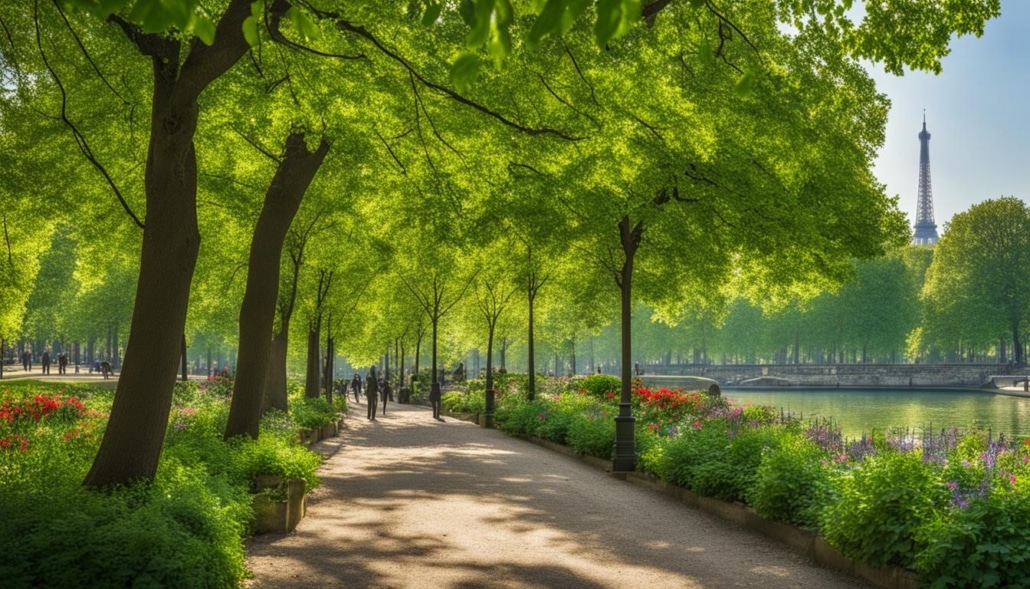
If you’re looking for a peaceful escape from the bustling city, Parc Monceau is the perfect hidden spot in Paris. Tucked away in the 8th arrondissement, this picturesque park offers winding paths, leafy trees, and statues that create a serene atmosphere.

As you stroll through Parc Monceau, you’ll be enveloped in a sense of calm as the tranquil ambiance washes over you. Its hidden location and serene surroundings make it one of the best-kept secrets in Paris.

Take a moment to breathe in the fresh air and enjoy the beauty of nature in this hidden oasis. The park is designed in the English landscape style, with carefully manicured lawns, vibrant flowers, and charming bridges that add to its allure.

Parc Monceau is not only a haven for nature lovers but also a treat for history enthusiasts. Keep an eye out for the elegant Roman columns that encircle the tranquil pond. These columns, remnants of a 2nd-century temple, provide a touch of historical charm and add a unique element to the park.

“Parc Monceau is like stepping into a secret garden, far away from the hustle and bustle of the city. It’s a true hidden gem that offers a tranquil atmosphere and a chance to connect with nature.”

Whether you’re seeking solitude or a peaceful place to unwind, Parc Monceau offers the ideal setting. Find a quiet bench, relax, and escape the noise of the city as you immerse yourself in the true Parisian ambiance of this hidden park.

Indulge in a leisurely walk, have a picnic on the grass, or simply sit back and enjoy the natural beauty that surrounds you. Parc Monceau is a place where you can slow down, recharge, and find peace in the heart of Paris.

So, when you’re in need of a tranquil oasis in the city, make sure to visit Parc Monceau. Experience the hidden parks of Paris and discover the beauty and tranquility that awaits you in this hidden gem.
hidden parks in Paris

Parc Monceau in Numbers:

Location 8th arrondissement
Size 20.3 acres
Year Established 1778
Features Winding paths, leafy trees, statues, Roman columns, a tranquil pond

Dive into the tranquility of Parc Monceau and experience the hidden parks of Paris at their finest.

La Petite Ceinture: A Historic Hidden Gem

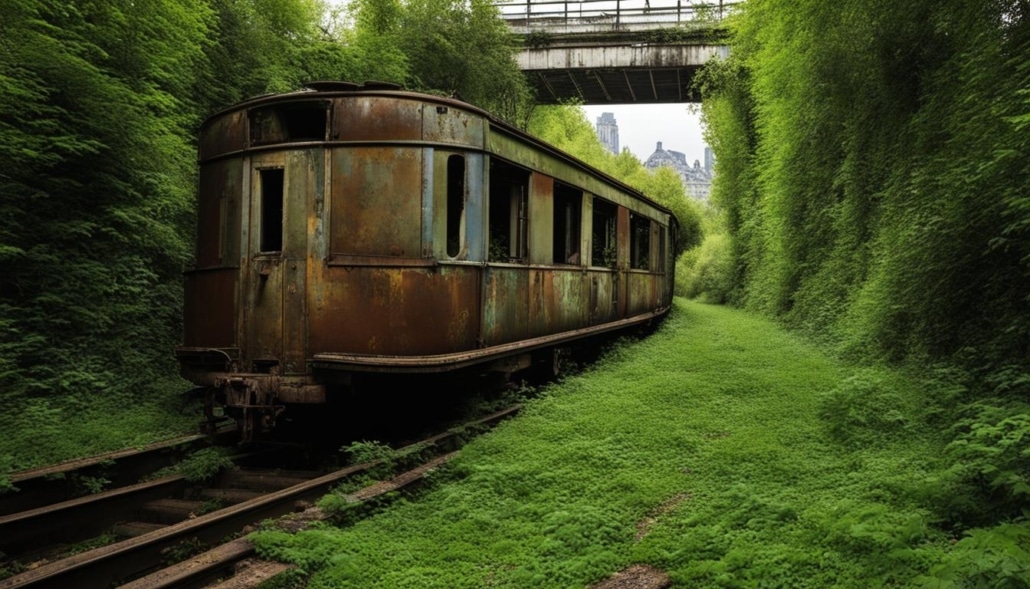
For history lovers, La Petite Ceinture is a must-visit hidden gem in Paris. This 32km railway line was once a popular mode of transportation in the city between 1852 and 1934. Today, it is a fascinating blend of overgrown greenery, community gardens, and playgrounds.

Explore the sections of the abandoned railway and discover the remnants of a bygone era. La Petite Ceinture offers a unique glimpse into the history of Paris and is a favorite spot for urban explorers and nature enthusiasts.

As you traverse the railway, you’ll encounter beautiful graffiti art, hidden nooks, and tranquil spots perfect for picnics or contemplation. The juxtaposition of nature and urban decay creates a captivating atmosphere that is unlike any other in the city.

“La Petite Ceinture is a hidden gem that takes you on a journey through time. It’s a place where history and nature intertwine, offering a unique and immersive experience for those who seek something off the beaten path.” – Local Parisian

Whether you’re a photography enthusiast, a history buff, or simply looking for a peaceful escape, La Petite Ceinture has something to offer. Take a leisurely stroll along the tracks, discover the secret gardens that have bloomed amidst the abandoned infrastructure, and let the whispers of the past transport you to a different era.

Top Reasons to Visit La Petite Ceinture:

  • Rich historical significance as a former railway line
  • Unique blend of urban decay and natural beauty
  • Opportunities for urban exploration and photography
  • Hidden gardens and community spaces
  • A peaceful retreat from the bustling city
Feature Details
Length 32km
History Operational from 1852 to 1934
Main Attractions
  • Overgrown greenery
  • Community gardens
  • Playgrounds
Recommended Activities
  • Stroll along the tracks
  • Discover hidden gardens
  • Photograph graffiti art
  • Relax in tranquil spots

Don’t miss the opportunity to uncover Paris’ historic hidden spot – La Petite Ceinture. Experience the magic of this abandoned railway and immerse yourself in its captivating atmosphere, where history and nature intertwine.
La Petite Ceinture - Abandoned Railway in Paris

Conclusion

Paris, the City of Light, is not only famous for its iconic landmarks but also hides a plethora of hidden gems just waiting to be discovered. From the oldest covered walkway, Passage des Panoramas, to the tranquil oasis of Parc Monceau and the historic remnants of La Petite Ceinture, Secret Paris offers a whole new perspective for travelers seeking unique experiences.

By venturing off the beaten path and exploring these lesser-known spots, you will be rewarded with enchanting secrets that truly showcase the charm and beauty of Paris. Whether you’re wanting to immerse yourself in history, relax in a picturesque park, or take a walk along an abandoned railway line, Secret Paris has something for every traveler.

When planning your trip, be sure to follow our travel tips to make the most of your time in Secret Paris. Pack your guidebook, wear comfortable walking shoes, and prepare to embark on an unforgettable journey through the hidden side of this incredible city. Bon voyage!

FAQ

What are some hidden gems in Paris that are worth exploring?

Some hidden gems in Paris that are worth exploring include the Passage des Panoramas, Parc Monceau, and La Petite Ceinture.

What is the oldest covered walkway in Paris?

The oldest covered walkway in Paris is the Passage des Panoramas, which dates back to 1799.

What can I find in the Passage des Panoramas?

In the Passage des Panoramas, you can find charming boutiques and restaurants where you can enjoy a unique shopping and dining experience.

Where can I find a peaceful escape from the busy city in Paris?

Parc Monceau is a hidden spot in Paris that offers a peaceful escape from the busy city.

What can I expect to find in Parc Monceau?

In Parc Monceau, you can expect to find winding paths, leafy trees, statues, and a tranquil pond surrounded by Roman columns.

What is La Petite Ceinture and what can I do there?

La Petite Ceinture is a 32km abandoned railway line in Paris that offers a unique blend of overgrown greenery, community gardens, and playgrounds. It is a popular spot for urban explorers and nature enthusiasts.

How can I make my trip to Paris more memorable?

By venturing off the beaten path and exploring the hidden gems of Secret Paris, you can uncover the enchanting secrets that make Paris truly unique and have a more memorable trip.
Source Links

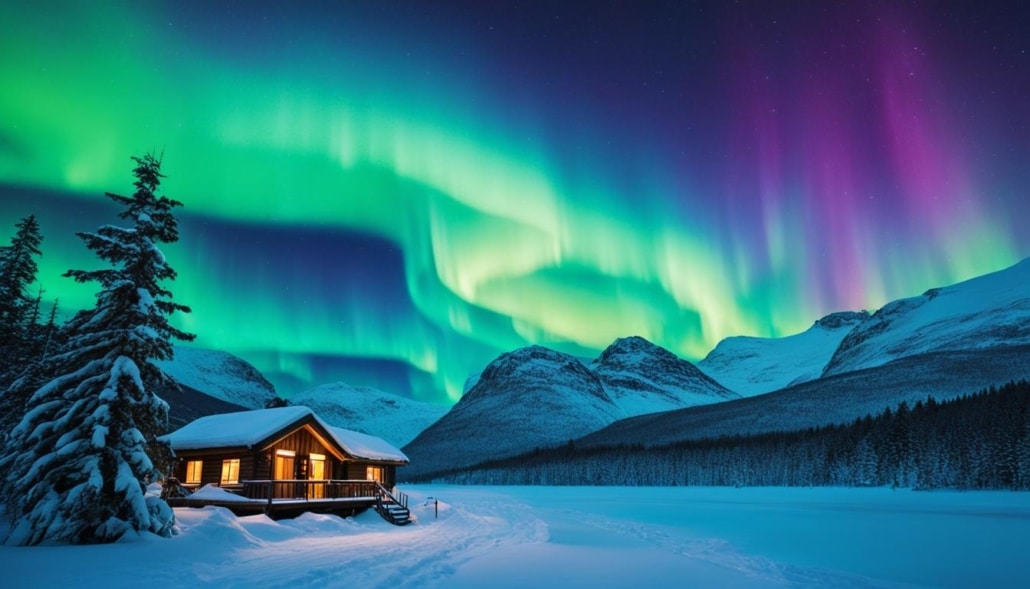
Norway, a country renowned for its natural wonders, offers an enchanting opportunity to witness the awe-inspiring display of the Northern Lights. Also known as the Aurora Borealis, this breathtaking phenomenon paints the Arctic sky with vibrant hues of green, purple, and blue. From mid-September to early April, Norway becomes a captivating playground for those seeking a glimpse of this celestial spectacle.

For an optimal Northern Lights experience, clear and dark skies are vital. The crisp, cold, and dry weather creates the perfect conditions for the lights to dance across the heavens. To fully immerse yourself in this ethereal display, it’s crucial to choose a location with minimal light pollution.

Some of the popular cities in Norway for witnessing the Northern Lights include Tromsø, Kirkenes, the Lofoten Islands, the North Cape, and Svalbard. These destinations offer breathtaking views of the lights, where you can marvel at the magical dance of colors against the Arctic backdrop.

The temperature in Norway during the Northern Lights season typically ranges from -5 to 6°C (23-43°F), making it essential to dress warmly and prepare for the chilly Arctic climate. However, the mesmerizing beauty of the dancing lights in the night sky is sure to warm your soul.

Best Spots to See the Northern Lights in Norway

Norway offers some of the best spots for witnessing the mesmerizing Northern Lights, also known as the Aurora Borealis. The country is blessed with various locations that provide optimal conditions for experiencing this natural phenomenon.

Tromsø

Tromsø, often referred to as the capital of the Arctic, is a popular destination for Northern Lights enthusiasts. This vibrant city offers excellent viewing opportunities and a range of activities to enhance your experience. However, to fully appreciate the beauty of the lights, it is recommended to venture outside of the city to avoid light pollution.

Kirkenes

Situated near the Russian border, Kirkenes is located in the heart of the Northern Lights territory. Its remote and pristine surroundings make it an ideal location for witnessing the lights in all their glory.

Lofoten Islands

The Lofoten Islands provide a unique setting for experiencing the Northern Lights. The lights reflecting in the sea create a magical ambiance, adding an extra layer of beauty to the phenomenon.

North Cape

Located at the northernmost point of mainland Norway, the North Cape offers a stunning backdrop for the Northern Lights. Standing on the edge of this majestic cliff, you can witness the lights dancing across the Arctic sky, creating an unforgettable spectacle.

Svalbard

Svalbard, an archipelago situated between mainland Norway and the North Pole, provides a remote and ethereal setting for viewing the Northern Lights. The untouched arctic wilderness, vast glaciers, and snow-covered landscapes add to the magic of the experience.

When choosing a spot to see the Northern Lights in Norway, it is important to consider light pollution. Venturing away from cities and towns will allow for a clearer and more vibrant display of the lights.

Spot Location Highlights
Tromsø Capital of the Arctic Excellent viewing opportunities
Kirkenes Near Russian border Heart of the Northern Lights territory
Lofoten Islands Coastal setting Lights reflecting in the sea
North Cape Northernmost point of mainland Norway Breathtaking backdrop
Svalbard Archipelago in the Arctic Remote and ethereal setting

Choose one of these best spots and immerse yourself in the beauty and wonder of the Northern Lights in Norway.

Best Time to See the Northern Lights in Norway

Witnessing the mesmerizing Northern Lights in Norway is a dream for many travelers. To ensure an unforgettable experience, it is crucial to know the best time to visit. The optimal period to see the Northern Lights in Norway is between September and March, with the peak season occurring from November to February.

During these months, the nights are the longest, providing the ideal conditions of darkness to witness the ethereal display of lights dancing in the Arctic sky. However, it’s important to keep in mind that the weather can influence visibility.

In September and October, there is an increased chance of seeing the Northern Lights due to heightened solar activity. However, season-specific elements like snow and cloud cover can affect visibility during this time. From November to February, the chances of encountering clear skies are higher, allowing for optimal viewing. Although there may be a higher probability of snow and clouds during these months, the Northern Lights can still be observed.

March, despite having slightly longer daylight hours, still offers a good opportunity to witness the Northern Lights, especially around the equinox. It’s worth noting that complete darkness and zero light pollution are essential for a truly immersive Northern Lights experience. Choosing a location with minimal light pollution, such as Tromsø, Kirkenes, the Lofoten Islands, the North Cape, or Svalbard, will greatly enhance the visibility of this magical phenomenon.

Month Best Time to See Northern Lights Weather Conditions
September – October Increased solar activity Possible snow and cloud cover
November – February Clear skies Higher chance of snow and clouds
March Around the equinox Slightly longer daylight hours

By planning your trip to Norway to witness the Northern Lights between September and March, you’ll have the best chance of experiencing this extraordinary natural marvel.

What to Do Besides Seeing the Northern Lights in Norway

Besides witnessing the Northern Lights Norway, there are plenty of other activities to enjoy in Norway during the winter season. From thrilling winter activities to immersive cultural experiences, Norway offers a diverse range of options to make your trip unforgettable.

Winter Activities

  • Dog Sledding: Experience the thrill of mushing your own team of energetic dogs through the snowy landscapes, immersing yourself in the beauty of the Norwegian wilderness.
  • Snowmobile Safaris: Hop on a snowmobile and explore the enchanting winter scenery, speeding across frozen lakes and through snowy forests.
  • Cross-Country Skiing: Take to the groomed trails and embark on a cross-country skiing adventure, enjoying the tranquility of the winter landscapes as you glide through pristine snow.
  • Snowshoeing: Strap on a pair of snowshoes and venture off the beaten path, exploring untouched areas and enjoying the serenity of the winter wilderness.
  • Ice Fishing: Experience the traditional Norwegian pastime of ice fishing, drilling a hole in the frozen lakes and trying your luck at catching Arctic char or trout.

Cultural Experiences

  • Wildlife Excursions: Embark on a thrilling wildlife excursion to see magnificent orcas, humpback whales, minke whales, and other marine wildlife in their natural habitat.
  • Exploring Picturesque Towns and Fjords: Visit charming towns along the fjords, such as Ålesund and Trondheim, where you can wander through colorful streets, visit historic sites, and learn about the local culture and history.
  • Viking Heritage: Explore the rich Viking heritage of Norway by visiting historical sites and museums. Trondheim, in particular, is a popular destination for Viking enthusiasts.
  • Relaxation in Spas and Saunas: Indulge in some well-deserved relaxation by visiting one of Norway’s renowned spas and saunas, where you can unwind and warm up from the cold winter air.

No matter which winter activity or cultural experience you choose, Norway’s unique blend of natural wonders and rich heritage will make your trip an unforgettable adventure.

Northern Lights Norway

Winter Activities Cultural Experiences
Dog Sledding Wildlife Excursions
Snowmobile Safaris Exploring Picturesque Towns and Fjords
Cross-Country Skiing Viking Heritage
Snowshoeing Relaxation in Spas and Saunas
Ice Fishing

Conclusion

Experiencing the Northern Lights in Norway is a truly magical and unforgettable adventure. The mesmerizing natural phenomenon of the Aurora Borealis, combined with the breathtaking landscapes of Norway, creates memories that will last a lifetime.

To increase your chances of witnessing this bucket list-worthy spectacle, it is recommended to plan your visit between September and March, when the lights are most active. Be sure to choose a location in Norway with minimal light pollution, such as Tromsø, Kirkenes, the Lofoten Islands, the North Cape, or Svalbard, for the best possible viewing experience.

Aside from the incredible display of the Northern Lights, Norway offers a plethora of winter activities and enriching cultural experiences. Embark on thrilling dog sledding or snowmobile safaris, explore charming towns along the fjords, or immerse yourself in the fascinating Viking history of Trondheim. You can also indulge in the tranquility of spas and saunas, or get up close and personal with orcas and other magnificent marine wildlife on unforgettable wildlife excursions.

Whether you choose to engage in exhilarating winter activities, explore Norway’s rich cultural heritage, or simply revel in the awe-inspiring beauty of the fjords, a trip to Norway to witness the Northern Lights is sure to be a once-in-a-lifetime experience. Don’t miss the opportunity to cross off this magical phenomenon from your bucket list and create memories that will stay with you forever.

FAQ

What is the best time to see the Northern Lights in Norway?

The best time to see the Northern Lights in Norway is between mid-September and early April.

Which cities in Norway are popular for Northern Lights viewing?

Popular cities for Northern Lights viewing in Norway include Tromsø, Kirkenes, Lofoten Islands, North Cape, and Svalbard.

What are the best spots to see the Northern Lights in Norway?

Some of the best spots to see the Northern Lights in Norway are Tromsø, Kirkenes, the Lofoten Islands, the North Cape, and Svalbard.

What is the weather like during the Northern Lights season in Norway?

The weather in Norway during the Northern Lights season is generally cold, with temperatures ranging from -5 to 6°C (23-43°F).

What can I do besides seeing the Northern Lights in Norway?

Besides witnessing the Northern Lights, you can enjoy activities such as dog sledding, snowmobile safaris, cross-country skiing, snowshoeing, ice fishing, wildlife excursions, exploring towns along the fjords, and learning about Norway’s Viking past.

Why is Norway a popular destination for experiencing the Northern Lights?

Norway is a popular destination for experiencing the Northern Lights due to its prime location in the Arctic sky and its stunning landscapes, which enhance the overall magical phenomenon.

How can I maximize my chances of seeing the Northern Lights in Norway?

To maximize your chances of seeing the Northern Lights in Norway, it is recommended to visit between September and March, choosing a location with minimal light pollution.

Source Links

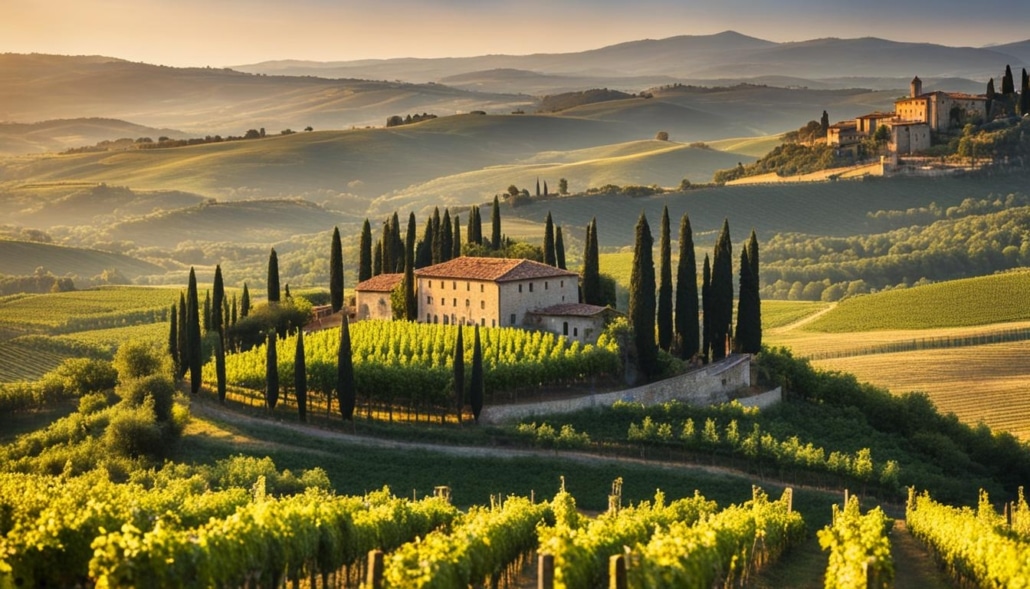
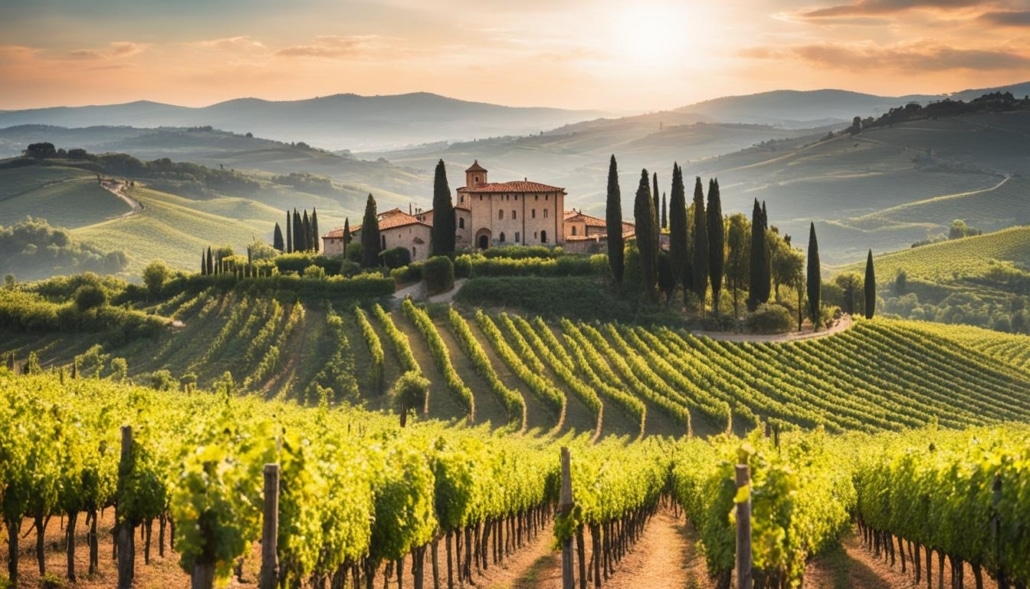
Discover the enchanting region of Tuscany through its world-renowned wines on a wine tasting tour that will delight the senses. Immerse yourself in the flavors and beauty of this Italian gem as you explore the picturesque wine regions of Chianti, Montalcino, and Montepulciano.

Indulge in the exquisite varietals that have made Tuscany famous while basking in the breathtaking landscapes of vineyards and rolling hills. This 8-day journey begins in Florence, where you’ll embark on a captivating walking tour of the city’s rich history and culture.

From there, you’ll venture into the heart of Tuscany, visiting charming wineries and centuries-old abbeys in the Chianti wine region. Explore the medieval streets of Siena and savor private tours of Montepulciano and Montalcino, where you’ll learn about the winemaking process from knowledgeable experts.

As your wine tasting adventure continues, you’ll be captivated by the hidden gems of the Maremma region, uncovering quaint towns and boutique wineries that offer unique and exquisite tastes. Finally, return to Florence, where you can reflect on the memories created and the remarkable flavors experienced.

With its central location and excellent transportation system, Florence serves as the perfect base for exploring Tuscany’s wine country. Prepare to be enchanted as you embark on a wine tasting tour that will leave you with a deep appreciation for the art of winemaking and the rich heritage of Tuscany, Italy.

Best Wine Tours & Wine Tasting Experiences in Tuscany

To fully immerse yourself in the wine culture of Tuscany, consider joining a guided wine tour or tasting experience. These tours offer insider knowledge and eliminate the hassle of planning, logistics, and driving. Based on reader feedback and ratings, here are some of the top wine tours in Tuscany. From group experiences to private tastings, these tours cater to different preferences and can be enjoyed as day trips from Florence, Rome, or Siena. Some popular options include:

  • The Tuscan Safari: Experience the beauty of the Tuscan countryside and visit prestigious wineries while enjoying scenic drives through the vineyards.
  • Florence Vespa Tour: Explore the city of Florence on a vintage Vespa and discover hidden wineries and local wine bars along the way.
  • Tuscany Bike Tours: Cycle through picturesque landscapes, stop at family-run wineries, and savor the flavors of Tuscany’s finest wines.
  • Pizza and Gelato Cooking Class at a Tuscan Farmhouse: Learn the art of making authentic Italian pizza and gelato, paired with tastings of regional wines.

These wine tours provide unique opportunities to learn about Tuscany’s winemaking traditions, sample a variety of wines, and appreciate the breathtaking scenery. Whether you’re a wine enthusiast or simply looking to enhance your Tuscany experience, these tours offer a memorable way to indulge in the best wine tasting experiences the region has to offer.

Tuscan Safari

“The Tuscan Safari tour takes you on an unforgettable journey through Tuscany’s wine regions. Enjoy breathtaking views of the vineyards while tasting the finest wines in the region. Truly a one-of-a-kind experience!” – Sarah Thompson

Tuscany Wine Tours from Florence

Florence serves as an ideal base for exploring Tuscany’s wine country. Its central location provides easy access to renowned wine areas such as Chianti, Montepulciano, and Montalcino. With a well-connected transportation system, including train routes and bus lines, it’s convenient to travel to various vineyards and wineries.

Several tour operators in Florence offer curated wine experiences, ranging from small boutique wineries to larger renowned estates. With the city’s rich cultural and culinary scenes, Florence offers a perfect starting point for your Tuscany wine tour.

Discover the beauty of the Tuscan countryside as you embark on a wine adventure from Florence. Whether you’re a wine connoisseur or simply looking to expand your palate, a Tuscany wine tour from Florence is an experience not to be missed. Join a guided tour and let the experts navigate the winding roads to vineyards and wineries, or venture out on your own and create a personalized itinerary.

Popular Wine Tours from Florence Price Range Duration
Tuscan Winery & Vineyard Tours $80 – $200 Half-day to full-day
Chianti Wine Tour with Tasting $100 – $250 Half-day to full-day
Private Wine Tasting and Lunch $150 – $400 Half-day to full-day

These wine tours offer an opportunity to taste a variety of wines, from fruity Chiantis to bold Brunellos. Enjoy guided tastings, cellar tours, and breathtaking views of the vineyards. Learn about the winemaking process from knowledgeable guides and sommeliers who will share their expertise and passion for Tuscan wines.

Whether you choose a group tour or a private excursion, a Tuscany wine tour from Florence promises an unforgettable experience that combines the pleasures of tasting world-class wines with the beauty of the Tuscan countryside.

Tuscany Wine Tours from Rome

If you’re based in Rome, you can still experience the beauty of Tuscany’s wine country on a day trip. Several wine tours depart from Rome and take you to the scenic vineyards of Tuscany. These tours provide private drivers and include visits to popular wine regions like Montepulciano and Pienza. Discover the charm of the Tuscan countryside while enjoying wine tastings and exploring the historic towns in the region. Whether you’re a wine enthusiast or simply looking for a unique day trip from Rome, a Tuscany wine tour is a great option.

Tuscany Wine Tours from Rome

Wine Tour Options from Rome

When choosing a wine tour from Rome to Tuscany, there are several options to consider. Here are some popular tours that offer unforgettable experiences:

  • Tuscan Wine Tasting Tour: This full-day tour takes you from Rome to the scenic countryside of Tuscany, where you’ll visit two traditional wineries and indulge in wine tastings paired with local delicacies. You’ll also have the opportunity to explore the historic towns of Montepulciano and Pienza.
  • Private Wine Tour: For a more personalized experience, opt for a private wine tour from Rome. You’ll have the flexibility to choose the wineries you want to visit and customize the itinerary according to your preferences. This tour typically includes a knowledgeable guide and a private driver.
  • Tuscan Wine and Cheese Tasting: If you’re a fan of both wine and cheese, this tour is perfect for you. You’ll embark on a journey through the Tuscan countryside, visiting family-owned wineries and cheese farms. Enjoy tastings of different wines and cheeses while learning about the production process.

These tours not only offer an opportunity to taste exquisite wines but also provide insights into the rich history and culture of the region. From rolling hills to vineyard-covered landscapes, Tuscany will captivate your senses.

Tour Name Duration Highlights
Tuscan Wine Tasting Tour Full day Visits to two wineries, wine tastings, historic town exploration
Private Wine Tour Flexible Customizable itinerary, personalized experience, private driver
Tuscan Wine and Cheese Tasting Full day Visits to wineries and cheese farms, wine and cheese tastings

No matter which tour you choose, you’ll be treated to breathtaking views, flavorful wines, and the warm hospitality of the Tuscan people. So, raise a glass and savor the flavors of Tuscany on a wine tour from Rome.

Keep reading to discover wine tour options from other cities in Tuscany.

Tuscany Wine Tours from Siena

Siena, located in the heart of Tuscany, also offers opportunities for wine tours and tastings. Explore the beautiful landscapes of Tuscany on a hiking tour from Siena, which includes wine tasting along the way. Alternatively, you can join a wine tour with tastings in Siena itself. Experience the rich flavors of Tuscan wines while discovering the historical and cultural heritage of this enchanting city. For a unique experience, consider the San Miniato Truffle Hunting Experience with Lunch, where you’ll hunt for truffles in the countryside and enjoy a delicious meal paired with local wines.

Tuscany Wine Tours

Conclusion

A wine tasting tour in Tuscany is a must for any wine enthusiast seeking to indulge in the flavors and beauty of this iconic Italian region. Whether you opt for a guided tour or plan your own itinerary, Tuscany offers a plethora of experiences that cater to all tastes. From the picturesque vineyards of Chianti to the historical towns of Montalcino and Montepulciano, every sip of wine tells a story deeply rooted in Tuscany’s rich history and culture.

Immerse yourself in the rolling hills and sun-soaked landscapes as you explore the vineyards and wineries that have made Tuscany a revered wine destination. Learn about traditional winemaking techniques, savor exquisite varietals, and discover the art of wine pairing with local cuisine. With each tasting, you’ll develop a deeper appreciation for the unique terroir and craftsmanship that sets Tuscan wines apart.

So, raise your glass and toast to a memorable wine tasting adventure in Tuscany, Italy. Whether you’re a seasoned oenophile or just beginning to explore the world of wine, a Tuscany wine tour is an experience not to be missed. Get ready to savor the flavors, soak in the beauty, and create lasting memories as you embark on this unforgettable journey through Tuscany’s wine country.

FAQ

What is a wine tasting tour in Tuscany?

A wine tasting tour in Tuscany is an immersive experience that allows participants to explore the renowned wine regions of Chianti, Montalcino, and Montepulciano in Italy. It involves visiting vineyards and wineries, learning about the winemaking process, and sampling a variety of Tuscan wines.

How long does a wine tasting tour in Tuscany typically last?

The duration of a wine tasting tour in Tuscany can vary depending on the specific itinerary. It can range from a few hours to several days, with some tours offering week-long experiences.

Is transportation included in a wine tasting tour?

Transportation arrangements vary depending on the tour operator. Some wine tasting tours include transportation, while others require participants to arrange their own transportation to the designated meeting point. It is important to check the details of the tour before booking.

Can I join a wine tasting tour if I have dietary restrictions?

Many wine tasting tours in Tuscany can accommodate dietary restrictions, such as vegetarian, vegan, gluten-free, or allergies. It is recommended to inform the tour operator in advance about any specific dietary requirements to ensure a suitable experience.

Are wine tasting tours suitable for beginners?

Yes, wine tasting tours in Tuscany cater to all levels of wine knowledge, including beginners. The tours often provide educational content about wine production and tasting techniques, allowing participants to enhance their understanding and appreciation of Tuscan wines.

Can children join wine tasting tours?

Children are often not allowed to participate in wine tastings due to legal restrictions on the consumption of alcohol. However, some wine tasting tours may offer alternative activities for children or allow them to accompany their parents during the tour without participating in the tastings.

Can I purchase wines during a wine tasting tour?

Many wineries visited during wine tasting tours offer the opportunity to purchase wines directly from their cellars. Participants can typically buy bottles of their favorite wines to bring home as souvenirs or to enjoy at a later time.

Do I need to make reservations in advance for a wine tasting tour?

It is highly recommended to make reservations in advance for wine tasting tours in Tuscany. Popular tours can fill up quickly, especially during peak tourist seasons. Making reservations ensures availability and allows for better planning of your itinerary.

What is the cancellation policy for wine tasting tours?

The cancellation policies vary depending on the tour operator. It is important to review and understand the cancellation policy before booking a wine tasting tour. Some operators may offer full refunds for cancellations made within a certain timeframe, while others may have stricter cancellation policies.

What should I wear for a wine tasting tour in Tuscany?

It is recommended to wear comfortable clothing and shoes for a wine tasting tour in Tuscany. Opt for casual attire and avoid high heels or formalwear. Additionally, layers are advisable as the temperature in the vineyards and cellars can vary.

Can I bring my own wine glass to a wine tasting tour?

Most wine tasting tours provide wine glasses for participants to use during the tastings. However, if you have a particular preference for your own wine glass, it is best to check with the tour operator beforehand if it is allowed.

Source Links

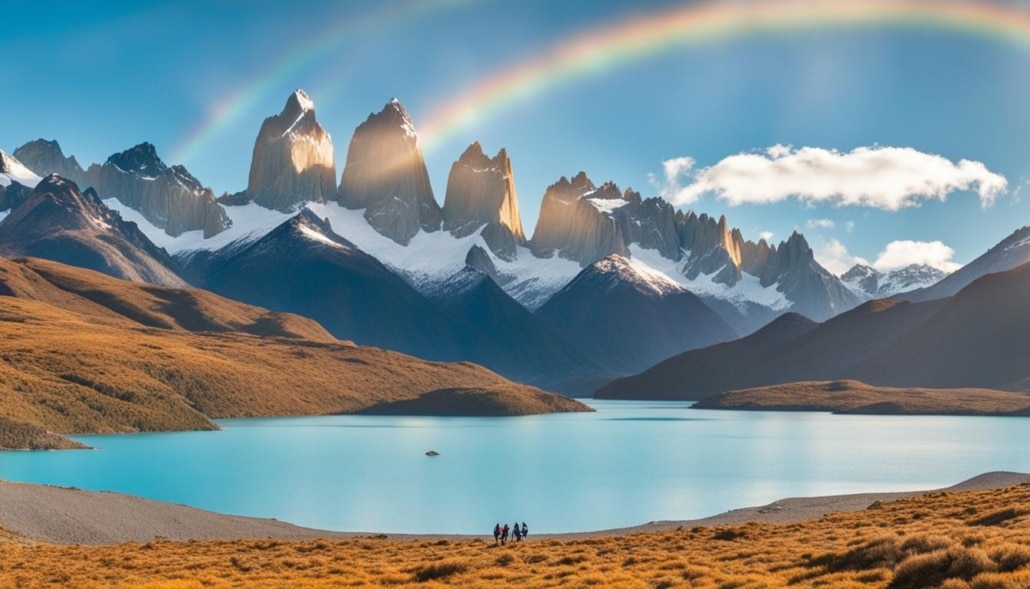
Are you ready for the adventure of a lifetime? Look no further than Patagonia, South America’s ultimate destination for thrilling outdoor experiences.

Patagonia, located in the southern cone of South America, is a naturalist’s dream come true. With its diverse landscapes spanning across Argentina and Chile, this region offers endless opportunities for exploration, hiking, and immersing yourself in the wild beauty of nature.

Embark on a Patagonia Adventure and witness the awe-inspiring Perito Moreno Glacier in Calafate or journey through the enchanting Torres del Paine National Park. Discover the world’s southernmost city in Ushuaia and set sail on a South American adventure with a Patagonia cruise through the Beagle Canal or to Antarctica.

With tailor-made adventure tours available, you can create your ideal adventure travel package, choosing your accommodation, excursions, and desired highlights. Whether you prefer hiking, cruising, or immersing yourself in the local culture, Patagonia has it all.

Get ready to unleash your inner explorer and embark on an unforgettable journey through the wild and breathtaking landscapes of Patagonia. It’s time for an adventure like no other in South America.

Top Places to Visit in Patagonia

Patagonia is home to a range of must-visit destinations, showcasing the region’s natural beauty and diverse attractions. Some of the top places to visit in Patagonia include:

  1. Torres del Paine National Park: Known for its picturesque granite peaks and abundant wildlife, this national park offers breathtaking landscapes and world-class hiking trails.
  2. Punta Arenas: Located on the Strait of Magellan, Punta Arenas serves as a gateway to Antarctica and offers a unique blend of history, culture, and stunning coastal views.
  3. Puerto Varas: Situated in Chile’s Lake District, Puerto Varas offers stunning views of the Osorno Volcano and opportunities for outdoor activities such as kayaking, fishing, and hiking.
  4. Ushuaia: Known as the world’s southernmost city, Ushuaia is a popular starting point for cruises to Antarctica and offers attractions like the End of the World Train and Beagle Channel Cruise.
  5. El Calafate: Famous for the Perito Moreno Glacier, El Calafate is a must-visit destination for those seeking breathtaking natural beauty and adventurous ice trekking experiences.
  6. Bariloche: Nestled in the Northern Patagonia region of Argentina, Bariloche is renowned for its stunning forests, snow-capped volcanoes, and opportunities for skiing, hiking, and chocolate tasting.

These destinations are just a glimpse of the incredible experiences that Patagonia has to offer. Whether you’re seeking adventure, natural beauty, or cultural immersion, Patagonia’s diverse attractions will leave you awe-struck.

Things to Do in Patagonia

When it comes to exploring Patagonia, there is no shortage of exciting activities to keep adventure enthusiasts engaged. Whether you’re a hiker, wildlife lover, cultural enthusiast, or foodie, you’ll find plenty of ways to immerse yourself in Patagonia’s stunning landscapes and vibrant culture.

Here are some of the top things to do in Patagonia:

  1. Hiking: Patagonia is a hiker’s paradise, with numerous trails offering breathtaking views and challenging terrains. While the Torres del Paine ‘W’ trek is a popular choice, consider exploring lesser-known trails for a more intimate hiking experience.
  2. Trekking through the Southern Patagonian Ice Field: Embark on an unforgettable journey through the vast expanse of the Southern Patagonian Ice Field near El Chalten. This trekking expedition offers a once-in-a-lifetime opportunity to witness the mesmerizing beauty of glaciers and ice formations.
  3. Wildlife spotting: Patagonia is home to a diverse array of wildlife, including guanacos, pumas, and various bird species. Take a guided tour or venture into national parks to catch glimpses of these magnificent creatures in their natural habitats.
  4. Cultural experiences: Immerse yourself in the rich and vibrant culture of Patagonia by visiting traditional Patagonian asados (barbecues), exploring local markets, and engaging in conversations with the friendly locals. Learn about the indigenous cultures of the region and gain a deeper understanding of their traditions and way of life.
  5. Indulge in regional cuisine: Treat your taste buds to the flavors of Patagonia’s regional cuisine, which showcases fresh seafood, locally sourced ingredients, and a fusion of Argentinean and Chilean influences. From succulent lamb dishes to mouthwatering seafood delicacies, the food in Patagonia is a culinary delight.

With so many exciting things to do in Patagonia, you’ll never have a dull moment during your visit to this enchanting region.

Patagonia outdoor activities

Patagonia Adventure Travel Tips

Planning an adventure trip to Patagonia requires some preparation to ensure a smooth and enjoyable experience. Here are some helpful travel tips:

  1. Pack appropriate gear for outdoor activities, including waterproof walking shoes, sun protection, and thermal base layers.

  2. Consider exploring Patagonia by boat to fully appreciate the region’s stunning coastlines and wildlife.

  3. Expand your hiking options beyond the popular Torres del Paine ‘W’ trek by exploring the ‘O’ trek or other hiking destinations in Patagonia.

  4. If camping, ensure you have the necessary gear and equipment.

  5. Travel well-equipped and be prepared for hitchhiking, which is a popular and safe way to explore Patagonia.

  6. Check the local weather conditions and pack accordingly.

  7. Stay hydrated and carry a reusable water bottle.

  8. Respect the local culture and environment by practicing responsible travel habits.

Patagonia Adventure Travel Tips

When planning your adventure in Patagonia, it’s crucial to pack the right gear to ensure your comfort and safety. Waterproof walking shoes are essential for traversing Patagonia’s rugged terrain, while sun protection will shield you from the region’s harsh UV rays. Additionally, thermal base layers are crucial for keeping warm in the unpredictable Patagonian weather.

Exploring Patagonia by boat provides a unique perspective, allowing you to witness the region’s stunning coastlines, glaciers, and diverse wildlife. Cruising through the fjords of Chile or embarking on a Patagonia expedition to Antarctica will undoubtedly be unforgettable experiences.

While the Torres del Paine ‘W’ trek is a popular choice among hikers, consider exploring alternative trails like the ‘O’ trek or lesser-known hiking destinations in Patagonia. These routes offer equally breathtaking landscapes and fewer crowds, providing a more immersive experience in nature.

If you plan on camping during your Patagonia adventure, make sure to bring the necessary gear and equipment, including a reliable tent, camping stove, and camping essentials. Camping allows you to fully immerse yourself in the region’s wild beauty and enjoy the serenity of the great outdoors.

Hitchhiking is a common and safe mode of transportation in Patagonia, offering adventure-seekers a unique way to explore the region and engage with locals. However, always exercise caution and use your judgment when accepting rides.

Patagonia’s weather can be unpredictable, so it’s important to check the forecast before your trip and pack accordingly. Layered clothing is recommended to adapt to changing temperatures and weather conditions.

Staying hydrated is crucial during your adventure in Patagonia. Carry a reusable water bottle and refill it regularly to ensure you stay hydrated, especially during hikes and outdoor activities.

Lastly, remember to respect the local culture and environment. Follow local customs, seek permission when entering private land, and dispose of waste responsibly. By practicing responsible travel habits, you can contribute to the preservation of Patagonia’s pristine natural beauty.

Patagonia Adventure Highlights

Patagonia offers a wide range of adventure highlights that cater to different interests and preferences. Whether you’re a nature lover, a thrill-seeker, or simply seeking breathtaking landscapes, Patagonia has something for everyone.

Trekking in Torres del Paine National Park

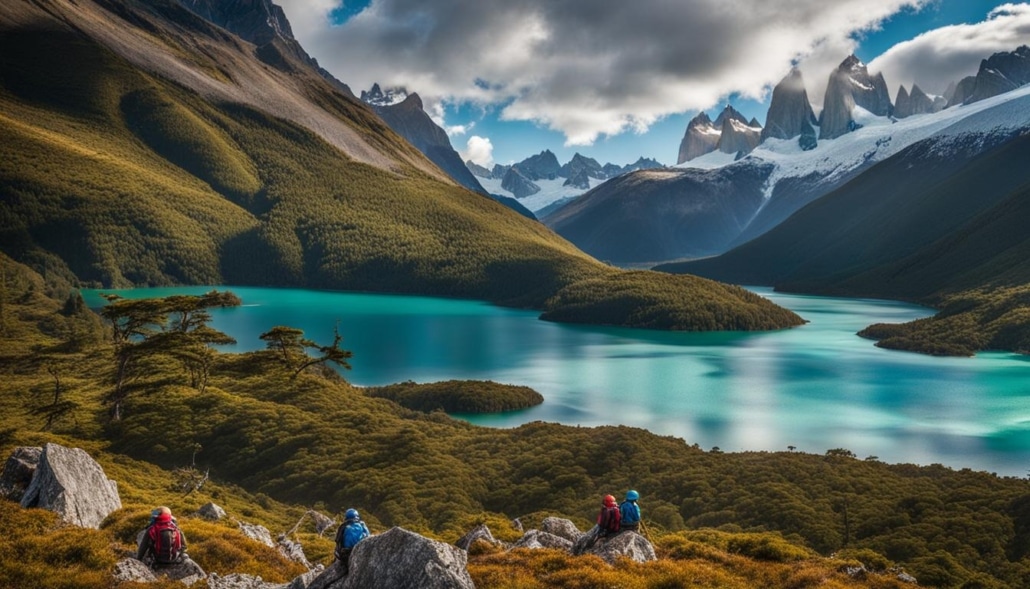
One of the most iconic activities in Patagonia is trekking in Torres del Paine National Park. This UNESCO Biosphere Reserve is a paradise for hikers, offering a variety of trails and stunning vistas of glaciers, lakes, and the famous granite peaks known as the Torres. The challenging but rewarding ‘W’ trek takes you through some of the park’s most picturesque areas, including the Grey Glacier and the French Valley.

Cruising through the Chilean fjords

Embark on a cruise through the Chilean fjords and experience the awe-inspiring beauty of Patagonia from the water. Sailing through narrow channels and fjords, you’ll encounter majestic glaciers, towering mountains, and abundant wildlife. Keep an eye out for whales, penguins, and orcas, as they often make appearances along the Patagonian coast.

Observing wildlife off the Patagonian coast

Patagonia is a haven for wildlife enthusiasts. Take a boat tour and venture into the open waters to witness the spectacular marine life that thrives in this region. Spotting whales, penguins, and orcas in their natural habitat is an unforgettable experience that will leave you in awe of the natural wonders of Patagonia.

“The Patagonian coast is a paradise for wildlife lovers, offering unique opportunities to observe whales, penguins, and orcas in their natural habitat.” – Patagonia Adventures

Exploring remote areas along the Carretera Austral

The Carretera Austral, also known as the Southern Highway, is a scenic route that stretches through the remote and untouched landscapes of Chilean Patagonia. This road trip will take you through stunning national parks, charming villages, and hidden gems off the beaten path. Immerse yourself in the rugged beauty of Patagonia as you explore the Carretera Austral.

Hiking the Circuit trail

The Circuit trail in Torres del Paine National Park is a longer and more challenging alternative to the popular ‘W’ trek. This multi-day trek takes you around the entire park, allowing you to experience its diverse landscapes, including glaciers, valleys, and alpine meadows. The Circuit trail offers a more immersive and remote Patagonian adventure for experienced hikers.

Visiting lesser-known national parks

While Torres del Paine National Park is undoubtedly a highlight, Patagonia is also home to lesser-known national parks that offer unique experiences. Explore Parque Pumalín, a private nature reserve with lush forests, hidden waterfalls, and hot springs. Visit Valle del Cochambó, a hidden gem tucked away in the Andes, where you can hike through ancient forests and discover pristine lakes.

Experiencing the thrill of hitchhiking and cultural exchange

Hitchhiking is a popular way to travel in Patagonia, allowing you to immerse yourself in the local culture and connect with friendly Patagonians. This unique experience not only saves you money on transportation but also creates opportunities for cultural exchange and meaningful connections. Embrace the adventurous spirit of Patagonia and embark on the thrill of hitchhiking.

With its breathtaking landscapes, diverse activities, and unique experiences, Patagonia truly is a paradise for adventure seekers. Whether you’re hiking through national parks, cruising along the coast, or exploring remote areas, you’ll find endless highlights that will leave you in awe of the natural wonders of Patagonia.

Patagonia Adventure Travel Safety

While Patagonia is a safe destination for adventure travel, it is important to take certain precautions to ensure a secure and enjoyable trip. Here are some safety tips for adventure travelers in Patagonia:

  1. Stay informed about local weather and trail conditions. The weather in Patagonia can be unpredictable, so it’s essential to stay updated on weather forecasts and trail conditions. This will help you plan your activities accordingly and avoid any potential hazards.
  2. Follow all safety guidelines and instructions provided by tour guides and local authorities. Whether you’re hiking, kayaking, or participating in any other adventure activity, it’s crucial to listen to the instructions given by experienced guides and follow all safety guidelines. This will ensure your safety and the safety of others.
  3. Carry a first aid kit and any necessary medication. It’s always wise to be prepared for any minor injuries or illnesses that may occur during your adventure. Pack a well-stocked first aid kit and any necessary medications to address common ailments.
  4. Stay hydrated and protect yourself from the sun. Patagonia’s environment can be dry and sunny, so it’s crucial to stay hydrated by carrying enough water with you at all times. Additionally, protect yourself from the sun by wearing sunscreen, a hat, and sunglasses.
  5. Inform someone about your itinerary and expected return time when venturing into remote areas. If you plan to explore remote areas in Patagonia, make sure to inform someone trustworthy about your itinerary and expected return time. This way, someone will know if something unexpected happens and can provide assistance if needed.
  6. Respect the natural environment and wildlife by observing from a safe distance and not disturbing the habitat. Patagonia is known for its pristine natural beauty and diverse wildlife. When encountering wildlife or exploring natural habitats, always maintain a safe distance and avoid disturbing their habitat. This will help preserve the fragile ecosystem and protect both you and the wildlife.
  7. Be cautious when hitchhiking and use your judgment when accepting rides. Hitchhiking is a popular and safe way to travel around Patagonia, but it’s essential to use your judgment and be cautious. Trust your instincts when accepting rides and ensure your safety by choosing well-lit and populated areas for hitchhiking.
  8. Keep your belongings secure and be mindful of your surroundings. Patagonia is generally a safe destination, but it’s always wise to keep your belongings secure and be aware of your surroundings. Avoid displaying expensive items and be cautious in crowded places to minimize the risk of theft.

By following these safety tips, you can ensure a memorable and secure adventure travel experience in Patagonia. Remember to prioritize your safety and enjoy the breathtaking landscapes and thrilling activities this region has to offer.

Patagonia Adventure Travel Accommodation

When it comes to adventure travel in Patagonia, finding the perfect accommodation is key to enhancing your experience. Patagonia offers a diverse range of accommodation options to suit every traveler’s needs, from luxury lodges and hotels to budget-friendly options and eco-friendly accommodations.

Luxury Lodges and Hotels

For those seeking a lavish retreat amidst the stunning Patagonian landscapes, luxury lodges and hotels provide the utmost comfort and convenience. These accommodations offer top-notch amenities, exceptional service, and breathtaking views, allowing guests to fully immerse themselves in the region’s natural beauty. Some popular luxury options include:

  1. Tierra Patagonia Hotel & Spa: Nestled along the shores of Lake Sarmiento and offering panoramic views of Torres del Paine National Park, this award-winning hotel combines modern luxury with Patagonian charm.
  2. Awasi Patagonia: Situated within a private reserve near Torres del Paine, Awasi Patagonia offers exclusive villas with personalized service, gourmet cuisine, and private excursions led by expert guides.
  3. Explora Patagonia: Located on the shores of Lake Pehoé, Explora Patagonia is known for its all-inclusive packages and extensive selection of guided excursions, allowing guests to explore the region’s hidden gems.

Cozy Guesthouses

If you prefer a more intimate and authentic experience, staying in cozy guesthouses in small towns can provide a charming and homely atmosphere. These guesthouses often have a limited number of rooms, allowing for personalized attention and a chance to connect with fellow travelers. Some recommended guesthouses include:

  • El Pueblito Eco Boutique Hotel: Located in Puerto Natales, this cozy eco-friendly hotel offers comfortable rooms, a restaurant serving local cuisine, and a welcoming ambiance.
  • Cabanas Ultima Esperanza: Situated in the scenic town of Puerto Varas, these well-equipped cabins provide a cozy and rustic retreat with views of Lake Llanquihue.
  • Hostería Pehoé: Offering panoramic views of Lake Pehoé and the surrounding mountains, this charming guesthouse is located within Torres del Paine National Park, making it an ideal base for outdoor adventures.

Eco-Lodges

For environmentally-conscious travelers, eco-lodges in Patagonia are designed to minimize their impact on the environment while providing a comfortable and sustainable stay. These accommodations focus on eco-friendly practices, such as using renewable energy, promoting local conservation efforts, and supporting the surrounding communities. Some notable eco-lodges include:

EcoCamp Patagonia: Known as the world’s first geodesic dome hotel, EcoCamp offers sustainable and cozy accommodations in the heart of Torres del Paine National Park. Guests can enjoy guided treks, wildlife spotting, and delicious organic cuisine.

No matter your accommodation choice, Patagonia’s lodging options cater to a variety of budgets and preferences, ensuring every traveler can find their ideal home away from home. From luxury lodges and cozy guesthouses to eco-friendly retreats, the accommodations in Patagonia enhance your adventure travel experience and provide a comfortable haven after a day of exploring the magnificent landscapes.

Conclusion

Patagonia is a haven for adventure travel enthusiasts, offering a remarkable fusion of breathtaking landscapes, exciting activities, and an opportunity to immerse oneself in the region’s stunning natural beauty and vibrant culture. Whether you choose to explore the well-known highlights such as Torres del Paine National Park or venture off the beaten path to discover lesser-known destinations, Patagonia provides something for every adventurous spirit.

By prioritizing safety and taking precautions, equipping yourself with appropriate gear, and showing respect for the local culture and environment, you can create unforgettable memories in this untouched and wild region of South America.

So pack your bags, tighten the laces on your hiking boots, and set off on the adventure of a lifetime in Patagonia. Get ready to be captivated by its awe-inspiring landscapes, embrace the thrill of exploration, and immerse yourself in the vibrant tapestry of Patagonian culture. A world of adventure awaits you in Patagonia!

FAQ

Is Patagonia a good destination for adventure travel?

Yes, Patagonia is a naturalist’s dream destination for adventure travel, offering diverse landscapes and incredible opportunities for hiking, cruising, and immersing oneself in the wild beauty of the region.

What are some must-visit destinations in Patagonia?

Some top places to visit in Patagonia include Torres del Paine National Park, Punta Arenas, Puerto Varas, Ushuaia, El Calafate, and Bariloche, each showcasing the region’s natural beauty and diverse attractions.

What kinds of activities can I do in Patagonia?

In Patagonia, you can enjoy a wide range of activities such as hiking, trekking, wildlife spotting, cultural experiences, and indulging in regional cuisine.

What travel tips should I keep in mind for an adventure trip to Patagonia?

Some helpful travel tips for Patagonia include packing appropriate gear, considering exploring by boat, expanding hiking options, being prepared for camping or hitchhiking, checking local weather conditions, and practicing responsible travel habits.

What are some adventure highlights in Patagonia?

Adventure highlights in Patagonia include trekking in Torres del Paine National Park, cruising through the Chilean fjords, observing wildlife, exploring remote areas, and experiencing cultural exchange with the friendly locals.

What safety precautions should I take during my adventure travel in Patagonia?

Some safety tips for adventure travelers in Patagonia include staying informed about local conditions, following safety guidelines, carrying a first aid kit, staying hydrated and protected from the sun, informing someone about your itinerary, respecting the environment and wildlife, being cautious when hitchhiking, and keeping your belongings secure.

What types of accommodation options are available for adventure travelers in Patagonia?

Patagonia offers a variety of options including luxury lodges, hotels, budget-friendly options, and eco-friendly accommodations that prioritize sustainability and environmental conservation.

Source Links

Embark on a thrilling Serengeti Safari and discover the breathtaking wonders of Tanzania’s Serengeti National Park. This iconic destination is a haven for wildlife enthusiasts, offering an unparalleled wildlife safari experience that is sure to leave you awe-inspired.

The Serengeti National Park is a World Heritage Site that spans over 14,763 square kilometers and is home to an incredible array of wildlife. With over 2 million ungulates, including wildebeest, zebras, and gazelles, as well as 4000 lions, 1000 leopards, 550 cheetahs, and 500 bird species, the park boasts an unrivaled biodiversity.

When it comes to safari options, the Serengeti offers something for everyone. From budget-friendly accommodations to luxurious lodges, you can find the perfect base for your adventure. Immerse yourself in the heart of the wild and experience the true essence of the Serengeti.

One of the park’s most iconic events is the Great Migration, where millions of wildebeest, zebras, and gazelles traverse the expansive savannah in search of greener pastures. Witnessing this awe-inspiring spectacle is an unforgettable experience that will stay with you forever.

Prepare to be captivated by the raw beauty of the Serengeti as you embark on an extraordinary wildlife safari. Explore the vast plains, encounter majestic predators, and traverse diverse ecosystems. This is your chance to connect with nature in its purest form.

Join us on an adventure of a lifetime and experience the magic of a wildlife safari in the Serengeti. Discover Tanzania’s natural treasures and create memories that will last a lifetime.

The Big Five in the Serengeti

The Serengeti National Park in Tanzania is renowned for its incredible wildlife, and at the forefront of it all are the Big Five. These iconic animals, consisting of lions, leopards, buffalo, elephants, and rhinoceros, represent the epitome of an African safari experience. Let’s dive into each of these magnificent creatures and discover why they hold such allure for visitors.

Lions: The Majestic Kings of the Savanna

Lions, known as the kings of the savanna, can easily be spotted in the Serengeti. They often gather in large prides, showcasing their incredible power and dominance. With their majestic manes and fierce roars, witnessing lions in their natural habitat is a truly awe-inspiring experience.

Leopards: The Elusive Spotted Cats

Leopards, on the other hand, are much more elusive. They are known for their exceptional climbing abilities and are often found resting in trees during the day, camouflaging themselves among the branches. Spotting a leopard in the Serengeti requires patience and a keen eye, making it all the more rewarding when you catch a glimpse of these magnificent creatures.

Buffalo: Formidable and Fearless

Buffalo, with their massive size and powerful horns, are one of the most dangerous animals in Africa. They have few natural predators and are known for their fiercely protective nature. Observing a herd of buffalo roaming the plains of the Serengeti is a humbling experience that showcases their raw strength and resilience.

Elephants: Gentle Giants of the African Wilderness

Elephants are the largest land animals in the world and possess an incredible intelligence and emotional depth. The Serengeti is home to a significant number of elephants, and observing these gentle giants in their natural habitat is a truly remarkable sight. Whether they are peacefully grazing or playfully splashing in waterholes, elephants never fail to captivate the hearts of visitors.

Rhinoceros: Prehistoric Wonders at Risk

Rhinoceros, with their prehistoric-looking appearance and formidable horns, have unfortunately faced significant threats due to poaching. The Serengeti is one of the last remaining sanctuaries for these incredible creatures. Spotting a rhinoceros in the wild is an unforgettable experience and a reminder of the urgent need for conservation efforts to protect these magnificent animals.

Animal Description
Lions The kings of the savanna, easily spotted in large prides.
Leopards Elusive cats often found resting in trees.
Buffalo Huge and fearless animals that roam the Serengeti.
Elephants Gentle giants with remarkable intelligence.
Rhinoceros Prehistoric creatures at risk due to poaching.

Spotting the Big Five in the Serengeti is a thrilling experience that immerses visitors in the beauty and wonder of the African wilderness. These incredible animals symbolize the untamed spirit of the Serengeti, making any safari journey unforgettable.

Wildlife and Other Attractions in the Serengeti

The Serengeti National Park is an awe-inspiring destination known for its incredible wildlife and diverse ecosystems. From majestic giraffes to mighty crocodiles, the park is a habitat for a wide variety of animals, making it a paradise for wildlife enthusiasts.

One of the most remarkable spectacles in the Serengeti is the wildebeest migration, where millions of wildebeest, zebras, and gazelles embark on a treacherous journey across the savannah in search of greener pastures. This extraordinary event attracts predators like lions and hyenas, creating thrilling scenes of predator-prey interactions.

The Grumeti and Mara Rivers play a crucial role during the wildebeest migration. These rivers become the gathering points for hippos and crocodiles, as they patiently wait for the wildebeests to make their daring river crossings. The sight of massive hippos and stealthy crocodiles coexisting in the same vicinity is a testament to the unique ecosystem of the Serengeti.

Aside from the captivating river scenes, the Serengeti is also home to lush riverine forests. These dense and verdant forests provide shelter and food for various wildlife, particularly the elusive giraffes. These towering creatures gracefully maneuver through the treetops, effortlessly dining on the leaves and absorbing the tranquility of their surroundings.

The Serengeti’s abundant wildlife is not confined to the riverine areas. Throughout the vast plains and acacia-dotted landscapes, antelope species such as impalas, gazelles, and elands roam freely, showcasing the park’s abundant biodiversity. The Serengeti truly offers a harmonious blend of open savannah, dense forests, and gentle hills, creating a mesmerizing backdrop for wildlife encounters.

Wildlife Attractions
Giraffes Graceful creatures of the Serengeti, often found in riverine forests.
Hippos Fascinating semi-aquatic animals that gather in the rivers, especially during the wildebeest migration.
Crocodiles Fierce predators commonly found in the rivers, awaiting their next meal.
Antelope species A wide variety of antelopes thrive in the open plains and savannahs of the Serengeti.

Exploring the Serengeti allows visitors to witness the intricate balance of nature and the coexistence of species in this unique transition area. The park’s stunning wildlife and breathtaking landscapes offer a deep connection to the wonders of the natural world, making it an unforgettable destination for any nature lover.

crocodiles in the river

Birdlife and Insects in the Serengeti

The Serengeti National Park is not only a haven for large mammals but also a paradise for birdwatching enthusiasts. With over 500 bird species recorded in the park, there is always something fascinating to observe in the sky or perched on a branch.

From November to April, the Serengeti welcomes European and North African migratory birds. These seasonal visitors add an extra layer of diversity to the bird population, creating a unique spectacle for birdwatchers. During this time, resident species also breed and showcase their vibrant plumage.

Insects, too, are abundant in the Serengeti and play a crucial role in the park’s biodiversity. While the number of stinging and biting insects is relatively low, the diversity of other insect groups is astonishing. From dung beetles diligently recycling animal waste to colorful butterflies fluttering through the grass, the Serengeti is a bustling ecosystem where insects thrive.

The following table provides a glimpse into the birdlife and insect diversity found in the Serengeti:

Bird Species Insect Groups
Secretary Bird Dung Beetles
Lilac-breasted Roller Grasshoppers
Grey Crowned Crane Termites
Fischer’s Lovebird Butterflies
African Fish Eagle Moths
Pied Kingfisher Ants

Whether your passion lies in birdwatching or marveling at the intricate world of insects, the Serengeti offers endless opportunities to immerse yourself in the wonders of nature. Don’t forget to bring your binoculars or macro lens to capture the intricate details of these remarkable creatures.

Witness the Colors of Serengeti Birds

birdwatching in the Serengeti

“The beauty of birds is that they can bring color to even the vastest landscapes, painting the Serengeti sky with their vibrant plumage.” – Naturalist Jane Goodall

Conclusion

The Serengeti National Park in Tanzania is a true paradise for wildlife enthusiasts and nature lovers. With its vast landscapes, diverse ecosystems, and abundant wildlife, it offers an unforgettable safari adventure. Whether you dream of spotting the iconic Big Five or witnessing the awe-inspiring Great Migration, the Serengeti has it all.

Exploring the open plains, you’ll encounter majestic lions, elusive leopards, massive herds of wildebeest, and an array of other fascinating wildlife. The park’s riverine forests also provide unique opportunities to observe giraffes gracefully moving through the trees, while hippos and crocodiles bask along the riverbanks.

As you venture through the Serengeti, the rich birdlife and diverse insect population will captivate you. With over 500 bird species, including migratory birds from Europe and North Africa, the park is a haven for birdwatchers. Insects play a crucial role in the ecosystem, showcasing the incredible biodiversity found in this natural wonderland.

For those seeking a safari adventure like no other, the Serengeti National Park is a must-visit destination. Immerse yourself in the raw beauty of this extraordinary park, where wildlife encounters, stunning landscapes, and the wonders of nature await.

FAQ

What is the best time to visit the Serengeti for a wildlife safari?

The best time to visit the Serengeti for a wildlife safari is during the Great Migration, which occurs from June to October. This is when millions of wildebeest, zebras, and gazelles travel across the savannah, providing incredible wildlife viewing opportunities. However, the Serengeti is a year-round destination with abundant wildlife, so you can plan your visit based on personal preferences.

What are the accommodation options available in the Serengeti?

The Serengeti offers a variety of accommodation options, ranging from budget-friendly campsites to luxury lodges. There are also mid-range tented camps and permanent camps that provide a more comfortable stay while immersing you in the wilderness. Whether you prefer a more rustic experience or lavish accommodations, there are options available to suit different budgets and preferences.

Are there any safety precautions to keep in mind while on a safari in the Serengeti?

While the Serengeti is a safe destination for wildlife safaris, it’s essential to follow your guide’s instructions and maintain a safe distance from the animals. It’s also important to take precautions against insect bites (such as using insect repellent and wearing long-sleeved clothing) and to have appropriate travel insurance. Always listen to the advice of experienced guides and rangers to ensure a safe and enjoyable safari experience.

What wildlife can I expect to see in the Serengeti?

The Serengeti is home to a diverse range of wildlife, including the Big Five (lions, leopards, buffalo, elephants, and rhinoceros). You can also spot giraffes, hippos, crocodiles, a variety of antelope species, and numerous bird species. The park’s stunning landscapes and diverse ecosystems provide abundant opportunities for wildlife viewing and photography.

How do I reach the Serengeti National Park?

The most common way to reach the Serengeti National Park is by flying into one of the nearby airports, such as Kilimanjaro International Airport or Julius Nyerere International Airport, and then transferring to the park. There are also domestic flights available from these airports to airstrips within the park. Alternatively, you can also reach the Serengeti by road, either through a guided safari tour or by self-driving.

Source Links

Welcome to Kyoto, a city that beckons travelers with its unparalleled cultural richness and deep-rooted traditions. Nestled in the heart of Japan’s Kansai region, Kyoto offers a captivating journey into Japanese culture, making it a dream destination for those eager to explore the essence of this enchanting country.

As you embark on your adventure through Kyoto, prepare to be immersed in a world where ancient traditions seamlessly coexist with modernity. With its plethora of temples, shrines, traditional tea houses, and captivating festivals, Kyoto presents itself as a living testament to Japan’s vibrant heritage.

Through the lens of Japanese culture, you’ll delve into a rich tapestry of history, art, spiritual practices, and seasonal customs that have shaped this iconic city. From the iconic Golden Pavilion and Fushimi Inari Shrine to the magical Arashiyama Bamboo Grove and the world of geisha in the Gion district, Kyoto showcases a diverse range of cultural gems waiting to be discovered.

Immerse yourself in the harmonious blend of past and present as you explore Kyoto’s historical landmarks, marvel at its natural beauty, indulge in its culinary delights, admire its artistic soul, and immerse yourself in its vibrant festivals and events.

Join us on a captivating journey through Kyoto, where you’ll experience firsthand the essence of Kyoto culture, Japanese culture, and uncover a treasure trove of travel destinations that will leave an indelible mark on your heart and soul.

Kyoto’s Historical Landmarks

Kyoto, the former imperial capital of Japan for over a thousand years, is steeped in a rich history that is beautifully preserved through its many historical landmarks. These landmarks offer visitors a window into the city’s ancient heritage, showcasing its cultural significance and architectural marvels. Among the most iconic attractions are Kinkaku-ji, also known as the Golden Pavilion, and Fushimi Inari Shrine.

Kinkaku-ji, a Zen temple covered in gold leaf, stands as a testament to Kyoto’s architectural splendor and spiritual heritage. This shimmering structure reflects on the still waters of its surrounding garden, enchanting all who visit. It is a symbol of eternal beauty and serenity.

“Kinkaku-ji is a masterpiece of harmony between nature and architecture. The golden reflection of the temple on the pond is breathtaking.” – Travel Enthusiast

Fushimi Inari Shrine, on the other hand, is a vibrant and sacred place that captivates visitors with its mesmerizing vermilion torii gates. As you wander through the seemingly endless path of gates that meanders up the mountain, you can’t help but feel a sense of reverence and wonder.

These historical landmarks, Kinkaku-ji and Fushimi Inari Shrine, are just a glimpse into the rich tapestry of Kyoto’s past. They embody the city’s profound connection to its cultural heritage and leave an indelible impression on all who experience them.

Kyoto’s Natural Beauty

In addition to its historical richness, Kyoto is blessed with natural beauty that changes with each season. The city’s landscapes and serene environments provide a harmonious backdrop to its cultural heritage, creating a captivating atmosphere for travelers to immerse themselves in.

Arashiyama Bamboo Grove: A Tranquil Sanctuary

The Arashiyama Bamboo Grove is a must-visit destination that showcases the mesmerizing natural beauty of Kyoto. As visitors step into the grove, they find themselves surrounded by towering bamboo stalks that create a surreal and serene experience. The sound of rustling leaves and the filtered sunlight shining through the dense bamboo canopy create a tranquil ambiance, allowing visitors to reconnect with nature and find solace in its peaceful embrace.

Philosopher’s Path: A Picturesque Stroll

For those seeking a peaceful and picturesque experience, the Philosopher’s Path is a must-see attraction. Lined with hundreds of cherry trees along a canal, it offers a serene and enchanting stroll, especially during the cherry blossom season. As delicate pink petals fill the air and gently carpet the path, visitors can indulge in the beauty of nature while contemplating the philosophy of life, just as the path’s name suggests. The Philosopher’s Path is a true testament to Kyoto’s natural splendor and the perfect place to immerse oneself in the harmony of the changing seasons.

Kyoto’s Natural Beauty
Attraction Description
Arashiyama Bamboo Grove A tranquil sanctuary where visitors can walk amidst towering bamboo stalks, creating a surreal and serene experience.
Philosopher’s Path A peaceful and picturesque stroll lined with hundreds of cherry trees, offering a beautiful view, especially during cherry blossom season.

The Arashiyama Bamboo Grove and the Philosopher’s Path are just a glimpse of Kyoto’s natural wonders. From lush gardens and picturesque mountains to peaceful rivers and tranquil parks, the city encapsulates the beauty of Japan’s natural landscapes. Exploring Kyoto’s natural beauty is a soul-enriching experience that complements the city’s cultural richness, providing travelers with an immersive journey that touches both heart and soul.

Kyoto’s Culinary Delights

Kyoto’s culinary scene is a reflection of the city’s refined culture and dedication to preserving traditional flavors and techniques. From exquisite kaiseki dining to indulgent matcha sweets, Kyoto offers a feast for the senses.

Kaiseki: A Celebration of Seasonal Delicacies

Kaiseki is a traditional multi-course meal that showcases the artistry and craftsmanship of Kyoto cuisine. Each course is thoughtfully curated to highlight the season’s freshest ingredients, creating a harmonious balance of flavors, textures, and aesthetics. With meticulous preparation and attention to detail, kaiseki chefs elevate simple ingredients into culinary masterpieces.

“Kaiseki is a journey through the seasons, an expression of nature on a plate.” – Chef Hiroshi Nakamichi

Typically consisting of multiple courses, kaiseki offers a progression of flavors and textures, from delicate sashimi and appetizers to simmered dishes, grilled meats, and a beautifully crafted dessert. It is an immersive dining experience that allows guests to savor the essence of Kyoto’s culinary heritage.

Matcha Sweets: The Essence of Kyoto’s Tea Culture

Matcha, a finely ground powdered green tea, is a cornerstone of Kyoto’s tea culture. Known for its vibrant green color and distinct flavor, matcha is used not only for traditional tea ceremonies but also as an essential ingredient in Kyoto’s renowned sweets.

The art of making matcha sweets, or wagashi, requires skill, precision, and an appreciation for subtlety. These confections are delicately crafted to reflect the changing seasons and evoke a sense of tranquility. They often feature seasonal motifs and ingredients, such as cherry blossoms in spring or chestnuts in autumn.

Indulging in matcha sweets is a sensory experience. With each bite, you’ll discover a delicate balance of sweetness and bitterness, a testament to the harmony and depth of Kyoto’s tea culture.

Nishiki Market: Kyoto’s Culinary Wonderland

Nishiki Market, affectionately known as “Kyoto’s kitchen,” is a bustling culinary hub where locals and visitors alike gather to explore the city’s vibrant food scene. This narrow, covered street is lined with an array of stalls and shops offering a tantalizing variety of fresh produce, seafood, spices, and street food.

At Nishiki Market, you can sample Kyoto’s culinary delights directly from the source. From plump, juicy strawberries to fragrant grilled fish skewers and freshly made sushi, the market is a treasure trove of flavors waiting to be discovered.

Must-Try Kyoto Cuisine Recommended Dish
Kyoto-style Sushi Nigiri sushi made with seasonal fish
Yudofu Tofu simmered in a delicate kombu broth
Obanzai Assortment of Kyoto-style home-cooked dishes
Kyo-kaiseki A multi-course meal featuring the best of Kyoto’s seasonal ingredients

Whether you’re a food lover looking to embark on a culinary adventure or a curious traveler eager to immerse yourself in Kyoto’s gastronomic delights, a visit to Nishiki Market is an essential part of the Kyoto experience.

Kyoto cuisine

Immerse yourself in the culinary wonders of Kyoto, where kaiseki and matcha sweets take center stage. Explore Nishiki Market and indulge in the city’s vibrant food scene, savoring the flavors that have been lovingly crafted for centuries.

Kyoto’s Artistic Soul

Kyoto is a haven for art enthusiasts and those seeking unique craftsmanship. The city proudly showcases its exquisite textiles, pottery, and traditional crafts, enticing visitors to immerse themselves in the artistic soul of Kyoto.

The Kyoto Handicraft Center is a treasure trove for handmade Kyoto handicrafts. This cultural hub offers workshops where visitors can learn the techniques behind these intricate crafts and create their own masterpieces. From delicate kimonos to intricate paper crafts, the center provides an opportunity to witness firsthand the skill and dedication of Kyoto’s artisans.

“Kyoto Handicraft Center is a mecca for handcrafted treasures. Attending a workshop here allowed me to connect with the rich artistic heritage of Kyoto and learn from skilled craftsmen.” – Amy Thompson, Travel Enthusiast

One of the most renowned artistic neighborhoods in Kyoto is the Kiyomizu Pottery Area. Located near the famous Kiyomizu-dera Temple, this district is a haven for pottery enthusiasts. The area is dotted with charming ceramic shops and studios, where visitors can observe potters in action, shaping and firing their creations with meticulous precision.

Immerse yourself in the world of Kyoto handicrafts by exploring these two notable destinations:

Kyoto Handicraft Center Workshop Options:

Workshop Description
Kimono Experience Learn about the vibrant world of traditional Japanese textiles. Dress up in an elegant kimono and experience the beauty of Kyoto’s ancient clothing culture.
Washi Paper Craft Discover the art of washi papermaking, a technique dating back centuries. Create your own paper crafts using traditional methods and designs.
Indigo Dyeing Experiment with indigo dye to create unique patterns on fabric. Learn the history and techniques of this ancient dyeing process.

Must-Visit Shops in Kiyomizu Pottery Area:

  • Morita Ceramics: A family-run ceramic studio known for its meticulously handcrafted teaware, including exquisite teapots and tea bowls.
  • Inoue Ceramics: Explore a wide selection of contemporary pottery with intricate designs, ranging from delicate vases to decorative plates.
  • Kamada Kōshichi: Witness the delicate art of Kutani ware pottery, which features intricate hand-painted patterns and vibrant colors.

Embark on a journey of artistic discovery in Kyoto, where the city’s rich cultural heritage comes alive through its handicrafts and remarkable artistry.

Kyoto handicrafts

Kyoto’s Festivals and Events

Kyoto’s calendar is filled with vibrant festivals and events that not only celebrate the changing seasons but also showcase the city’s rich cultural heritage. These festivities offer visitors a unique opportunity to immerse themselves in Kyoto’s lively atmosphere and create unforgettable memories.

Gion Matsuri

One of Japan’s most renowned festivals, Gion Matsuri, takes place annually in Kyoto during the month of July. Dating back over a thousand years, this festival originated as a purification ritual to appease the gods during the spread of epidemics. Today, it has evolved into a spectacular event featuring magnificent floats, traditional music, and vibrant parades.

Gion Matsuri, one of Japan’s most famous festivals, showcases magnificent floats and traditional costumes.

Event Date
Mikoshi Togyo Procession July 17th
Yamaboko Junko Parade July 24th
Mitarashi Festival Throughout July

During Gion Matsuri, the city comes alive with vibrant energy as locals and tourists alike join the festivities. The highlight of the festival is the Yamaboko Junko Parade, where elaborately decorated floats are pulled through the streets of Kyoto by teams of participants. Visitors can witness the grandeur of Gion Matsuri by strolling through the festival’s lively atmosphere and admiring the intricate craftsmanship of the floats and traditional costumes.

Hanami: Cherry Blossom Viewing

In spring, Kyoto transforms into a picturesque wonderland as cherry blossoms bloom across the city. Hanami, the tradition of cherry blossom viewing, is a cherished cultural activity in Japan, and Kyoto offers stunning locations to experience this seasonal spectacle.

The beauty of cherry blossoms is best enjoyed in Maruyama Park, known for its massive weeping cherry tree and vibrant night illuminations during the peak sakura season. Along the Kamo River, visitors can partake in hanami picnics under the cherry trees while admiring the breathtaking views.

Hanami, the tradition of cherry blossom viewing, is a quintessential Kyoto experience, best enjoyed in Maruyama Park or along the Kamo River.

During Hanami, locals and tourists gather beneath the blooming cherry trees to appreciate their delicate beauty. The soft pink hues create a magical ambiance, where friends and families come together to relax, indulge in delicious food and drinks, and celebrate the arrival of spring.

Whether you attend the Gion Matsuri or indulge in hanami, Kyoto’s festivals and events offer a unique glimpse into the city’s vibrant culture and traditions. By immersing yourself in these festivities, you’ll create unforgettable memories and gain a deeper appreciation for Kyoto’s rich heritage.

Conclusion

Experience the magic of Kyoto, a city that seamlessly blends ancient traditions with modernity, offering travelers a captivating journey through time and culture. Immerse yourself in the cultural richness of Kyoto and discover a destination that will leave a lasting impression.

Embark on a quest to explore Kyoto’s historical landmarks, from the iconic Golden Pavilion, Kinkaku-ji, to the mesmerizing torii gates of Fushimi Inari Shrine. Lose yourself in the serenity of Kyoto’s natural beauty, with tranquil spots like the Arashiyama Bamboo Grove and the picturesque Philosopher’s Path.

Indulge your taste buds in Kyoto’s culinary delights, savoring the artistry of kaiseki cuisine and indulging in matcha sweets. Immerse yourself in the city’s artistic soul, where traditional crafts and pottery come to life at the Kyoto Handicraft Center and Kiyomizu Pottery Area.

Don’t miss out on Kyoto’s vibrant festivals and events, such as the grandeur of Gion Matsuri and the enchantment of hanami, the cherry blossom viewing tradition. These cultural experiences will transport you to a world of tradition and celebration.

Kyoto offers a travel experience like no other, where cultural immersion awaits at every turn. Discover the heart and soul of Japan’s rich heritage in this captivating city, leaving you with memories that will last a lifetime.

FAQ

What makes Kyoto a culturally rich destination?

Kyoto is culturally rich due to its historical significance as the former imperial capital of Japan for over a thousand years. The city is home to numerous temples, shrines, traditional tea houses, and captivating festivals that offer an immersive experience for travelers seeking to explore Japanese culture.

What are some must-visit historical landmarks in Kyoto?

Kyoto is famous for its historical landmarks such as Kinkaku-ji, also known as the Golden Pavilion, a Zen temple covered in gold leaf, and Fushimi Inari Shrine, renowned for its thousands of vermilion torii gates that create a mesmerizing path up the mountain.

What natural attractions does Kyoto have to offer?

Kyoto’s natural beauty can be experienced in places like the Arashiyama Bamboo Grove, where visitors can walk amidst towering bamboo stalks, and the Philosopher’s Path, a peaceful canal lined with cherry trees that provides a picturesque stroll, especially during the cherry blossom season.

What is Kyoto’s culinary scene like?

Kyoto is known for its refined culinary scene, offering traditional multi-course meals called kaiseki that showcase seasonal ingredients and meticulous preparation techniques. Visitors can also indulge in matcha sweets, as Kyoto is famous for its high-quality matcha tea.

Where can I explore Kyoto’s artistic side?

Kyoto is a haven for art enthusiasts. The Kyoto Handicraft Center provides workshops and the opportunity to purchase authentic Japanese crafts. The Kiyomizu Pottery Area is a neighborhood known for its ceramic shops and studios, allowing visitors to witness the craftsmanship firsthand.

What festivals and events take place in Kyoto?

Kyoto’s calendar is filled with festivals that celebrate the changing seasons and historical events. The Gion Matsuri is one of Japan’s most famous festivals, showcasing magnificent floats and traditional costumes. Hanami, the tradition of cherry blossom viewing, is also a quintessential Kyoto experience.

What can I expect from a trip to Kyoto?

A trip to Kyoto offers a journey through time and culture, where ancient traditions and modernity coexist seamlessly. From exploring historical landmarks and immersing oneself in natural beauty to savoring the culinary delights and experiencing traditional festivals, Kyoto provides a unique and enriching travel experience.

Source Links

Welcome to the ultimate beach paradise destination: the Maldives! With its stunning beaches and crystal-clear waters, the Maldives is a dream come true for beach lovers. Imagine sinking your toes into powdery white sand and diving into the vibrant underwater world. Whether you’re seeking relaxation, underwater adventures, or cultural exploration, the Maldives offers it all.

With over 1,000 coral islands grouped into 26 atolls, the Maldives is a haven for those seeking a slice of paradise. Each island has its own unique charm, from secluded private islands to the bustling local life in Malé, the capital city. Get ready to explore picture-perfect beaches, indulge in luxurious resorts, and immerse yourself in the warm hospitality of the Maldivian people.

This travel guide will take you through the best resorts in the Maldives, top activities to enjoy, the beauty of Maldives’ beaches, and the wellness and yoga experiences that await you. So pack your swimsuit, snorkel, and sunscreen, and get ready for an unforgettable journey to a beach paradise like no other.

The Best Resorts in the Maldives

The Maldives is home to some of the world’s most luxurious resorts. From private villas nestled in lush vegetation to contemporary designs with vibrant social experiences, these resorts offer a range of experiences to suit every traveler’s taste. Here are some of the top resorts in the Maldives:

  1. Soneva Fushi Resort: Located in the Baa Atoll, Soneva Fushi Resort offers Robinson Crusoe-style private villas surrounded by untouched nature. Experience the ultimate seclusion in this eco-friendly resort while enjoying the pristine beaches and the breathtaking beauty of the Maldives.
  2. The Standard Maldives: Situated in the Raa Atoll, The Standard Maldives combines contemporary design with vibrant social experiences. Immerse yourself in the lively atmosphere of this resort, which offers an array of amenities, including overwater bungalows and a stunning infinity pool overlooking the Indian Ocean.
  3. Patina Maldives: Located in the Fari Islands, Patina Maldives is known for its blend of natural beauty, contemporary design, and authentic local experiences. Discover a secluded paradise surrounded by turquoise waters and enjoy luxurious accommodations and world-class dining options.
  4. Kagi Maldives Spa Island: Embrace wellness and rejuvenation at Kagi Maldives Spa Island. This wellness-oriented resort is perfect for those seeking relaxation, offering spa treatments and holistic wellness programs. Unwind in the tranquility of the resort’s natural surroundings and experience true bliss.
  5. COMO Cocoa Island Resort: Nestled in the South Malé Atoll, COMO Cocoa Island Resort offers overwater villas and holistic wellness experiences. Indulge in the serenity of this tropical paradise, surrounded by crystal-clear waters and vibrant marine life. Immerse yourself in yoga and wellness programs designed to nourish your mind, body, and soul.

Comparison of the Best Resorts in the Maldives

The following table provides a comparison of the top resorts in the Maldives, highlighting their key features and offerings:

Resort Location Style Unique Features
Soneva Fushi Resort Baa Atoll Robinson Crusoe-style private villas Untouched natural surroundings
The Standard Maldives Raa Atoll Contemporary design with vibrant social experiences Overwater bungalows, infinity pool
Patina Maldives Fari Islands Blend of natural beauty and contemporary design Authentic local experiences
Kagi Maldives Spa Island Various Atolls Wellness-oriented Spa treatments, holistic wellness programs
COMO Cocoa Island Resort South Malé Atoll Overwater villas, holistic wellness experiences Yoga, vibrant marine life

Each resort in the Maldives offers a unique experience, combining luxury, natural beauty, and exceptional hospitality. Whether you’re seeking seclusion, wellness, or vibrant social experiences, these resorts will exceed your expectations, providing an unforgettable stay in this beach paradise destination.

Top Activities in the Maldives

When it comes to making your beach paradise experience in the Maldives truly unforgettable, the options are endless. Whether you’re seeking adventure, relaxation, or cultural immersion, the Maldives offers a range of activities that cater to every traveler’s interests.

Here are some of the top activities that you can enjoy in the Maldives:

Island Hopping

Embark on a journey to explore the different islands of the Maldives and discover their unique charm. From uninhabited islands to bustling local communities, each island has its own story to tell. Island hopping allows you to witness the diverse landscapes, vibrant culture, and warm hospitality that the Maldives has to offer.

Underwater Adventure

Plunge into the crystal-clear waters of the Maldives and embark on an underwater adventure like no other. Snorkeling and scuba diving provide a breathtaking opportunity to witness the vibrant marine life that thrives in the Maldivian coral reefs. Swim alongside colorful fish, encounter majestic manta rays, and discover the wonders of the underwater world.

Relax on White-Sand Beaches

Indulge in ultimate relaxation by unwinding on the pristine white-sand beaches of the Maldives. Feel the powdery sand between your toes, bask in the warm tropical sun, and listen to the gentle rhythm of the waves. Let the tranquil beauty of the surroundings rejuvenate your mind, body, and soul.

Water Sports

For thrill-seekers and water sports enthusiasts, the Maldives offers an array of exciting activities. From jet skiing and parasailing to paddleboarding and windsurfing, there’s something for everyone. Dive into the turquoise waters and experience an adrenaline rush like never before.

Sunset Cruises and Stargazing

Embark on a romantic journey aboard a sunset cruise and witness the breathtaking hues of the Maldivian sunset. As the sky transforms into a canvas of vibrant colors, immerse yourself in the magical atmosphere. After nightfall, indulge in stargazing and witness the celestial beauty of the Maldives’ pristine night sky.

Visit Local Villages

Experience the rich culture and traditions of the Maldives by visiting local villages. Engage with the friendly locals, explore traditional Maldivian architecture, and immerse yourself in the local way of life. Discover the vibrant history and cultural heritage that make the Maldives a truly unique destination.

Snorkeling with Whale Sharks

Embark on an unforgettable adventure as you snorkel with the gentle giants of the sea – the whale sharks. These magnificent creatures, known as the world’s largest fish, can be found in the waters of the Maldives. Swim alongside them, marvel at their grace, and create memories that will last a lifetime.

Seaplane Tours

Gain a unique perspective of the Maldivian atolls as you take to the skies on a seaplane tour. Witness the breathtaking aerial views of the islands, admire the vibrant shades of blue in the surrounding waters, and capture stunning photographs to cherish forever.

With a wide range of activities to suit every traveler’s taste, the Maldives promises an unforgettable beach paradise experience. From thrilling adventures to blissful relaxation, this tropical haven has it all. Immerse yourself in the natural wonders and cultural treasures of the Maldives and create memories that will last a lifetime.

Wellness and Yoga in the Maldives

The Maldives is a perfect destination for wellness and yoga enthusiasts. Many resorts offer over-water villas, providing privacy and uninterrupted views of the ocean. These villas create an ideal setting for relaxation and rejuvenation. The Maldives’ tranquil environment, fresh sea breeze, and beautiful sunrises and sunsets contribute to a holistic beach paradise experience.

Resorts often feature wellness programs, including yoga and meditation sessions in serene natural settings. Visitors can escape from the fast-paced world and find inner peace in this idyllic destination.

Immerse yourself in the Maldives’ wellness culture and enjoy a peaceful and rejuvenating vacation. Many resorts offer dedicated wellness centers and spa facilities that provide a range of treatments, from traditional Maldivian healing therapies to holistic spa experiences.

Experience the ultimate state of relaxation and rejuvenation as professional therapists pamper you with massages, facials, and body treatments using organic and natural products. The serene surroundings enhance the healing process, allowing you to destress and recharge.

Yoga in the Maldives is a particularly popular activity. The combination of pristine beaches, tranquil turquoise waters, and stunning natural beauty creates the perfect backdrop for yoga practice. Resorts organize yoga sessions on the beach, where you can connect with your inner self and find harmony between mind and body. Whether you’re a beginner or an experienced practitioner, the Maldives offers the perfect environment to deepen your yoga practice.

Escape to the Maldives for a wellness retreat like no other. Indulge in daily yoga classes, meditation sessions, and wellness workshops led by experienced instructors. Immerse yourself in the healing power of nature as you practice yoga on secluded beaches or over-water platforms, allowing you to connect with the elements and find inner peace.

“The Maldives provides the perfect environment for wellness and yoga enthusiasts to recharge their mind, body, and soul. From over-water villas for privacy and uninterrupted sea views to dedicated wellness centers and yoga sessions on pristine beaches, the Maldives offers a truly blissful experience.” – Wellness Travel Magazine

Benefits of Wellness and Yoga in the Maldives:

  • Relaxation and rejuvenation in a serene beach paradise
  • Enhanced physical and mental well-being
  • Improved flexibility, strength, and posture through yoga practice
  • Stress reduction and improved mindfulness
  • Increased self-awareness and personal growth
  • Opportunity to disconnect from daily routines and reconnect with nature
  • Holistic wellness experiences combining spa treatments, yoga, and meditation

Embark on a wellness journey in the Maldives and discover the transformative power of yoga and holistic well-being in a breathtaking tropical paradise.

Wellness & Yoga Resorts in the Maldives Location
Soneva Fushi Resort Baa Atoll
The Standard Maldives Raa Atoll
Patina Maldives Fari Islands
Kagi Maldives Spa Island North Male Atoll
COMO Cocoa Island Resort South Male Atoll

Experience the ultimate wellness and yoga escape in these luxurious resorts, where you can nourish your mind, body, and soul while surrounded by the natural beauty of the Maldives.

Maldives Wellness Retreat

The Beauty of Maldives’ Beaches

Maldives’ beaches are renowned for their exquisite beauty. The crystal-clear waters and white sand beaches create a picturesque backdrop for relaxation and exploration. Whether you’re unwinding on a hammock, taking a leisurely stroll, or simply basking in the sun, the Maldives’ beaches offer a tranquil escape from everyday life.

But it’s not just the stunning aesthetics that make Maldives’ beaches special. Beneath the surface lies a vibrant ecosystem teeming with marine life. Snorkelers and divers are treated to a visual feast of colorful fish, coral reefs, and even the occasional sea turtle or manta ray. Explore the underwater world and witness the wonders of marine biodiversity firsthand.

Beyond the undeniably beautiful landscapes and underwater adventures, the Maldives’ beaches are part of a tropical paradise. Lush vegetation surrounds the islands, creating a lush greenery that adds to the natural charm. Experience breathtaking sunrises and sunsets that paint the sky in a myriad of vibrant hues, making every moment in the Maldives truly magical.

Cherishing Cultural Heritage

The Maldives is not just a destination for natural beauty; it also boasts a rich cultural heritage influenced by Sinhalese, South Indian, and Arabian cultures. Visit local villages and immerse yourself in the Maldivian way of life. Discover ancient traditions, witness traditional music and dance performances, and sample authentic Maldivian cuisine.

“The Maldives’ beaches are a treasure trove of natural wonders and cultural heritage, offering visitors a unique and unforgettable experience.” – Travel Enthusiast

As you explore the Maldives’ beaches, take a moment to appreciate the cultural nuances and diverse influences that have shaped this island nation throughout history.

So, whether you’re seeking breathtaking natural beauty, thrilling underwater adventures, or a glimpse into the Maldivian culture, the beaches of the Maldives have it all. Embark on a journey to this tropical haven and create memories that will last a lifetime.

Maldives Beaches

Conclusion

The Maldives is the epitome of a dream beach paradise, offering a blissful escape for those seeking to recharge their mind and soul. Whether you’re looking for a romantic getaway, a family vacation, or an unforgettable diving experience, the Maldives caters to every traveler’s desires.

The sheer beauty of the Maldivian beaches is awe-inspiring, with pristine white sands and turquoise waters that seem straight out of a postcard. But it’s not just the scenery that captivates; the vibrant marine life beneath the surface is equally mesmerizing. Dive into an underwater wonderland and explore the coral reefs teeming with colorful fish, turtles, and even majestic manta rays.

Aside from the natural wonders, the warm hospitality of the Maldivian people adds an extra touch of magic to this idyllic destination. From luxurious resorts to cozy guesthouses, you’ll find a myriad of accommodation options to suit your preferences. Immerse yourself in the Maldivian culture by visiting local villages, where you can learn about the rich heritage influenced by various cultures over centuries.

Indulge in your Maldives bliss and create memories that will last a lifetime. Whether you choose to relax on the pristine beaches, embark on thrilling water sports adventures, or simply bask in the serenity of this tropical haven, the Maldives guarantees a dream beach paradise experience that will leave you feeling refreshed and rejuvenated.

FAQ

What makes the Maldives a beach paradise?

The Maldives is renowned for its stunning beaches, crystal-clear waters, and over 1,000 coral islands grouped into 26 atolls, making it the ultimate beach paradise destination.

What are some of the best resorts in the Maldives?

Some of the best resorts in the Maldives include Soneva Fushi Resort, The Standard Maldives, Patina Maldives, Kagi Maldives Spa Island, and COMO Cocoa Island Resort.

What activities can I enjoy in the Maldives?

In the Maldives, you can enjoy activities such as island hopping, underwater adventures like snorkeling and scuba diving, relaxing on white-sand beaches, participating in water sports, sunset cruises, visiting local villages, snorkeling with whale sharks, stargazing, and taking seaplane tours.

Is the Maldives a good destination for wellness and yoga?

Yes, the Maldives is a perfect destination for wellness and yoga enthusiasts. Many resorts offer over-water villas, creating an ideal setting for relaxation and rejuvenation. Additionally, the tranquil environment, fresh sea breeze, and beautiful sunrises and sunsets contribute to a holistic beach paradise experience.

What is the beauty of Maldives’ beaches?

The Maldives’ beaches are renowned for their exquisite beauty, with crystal-clear waters, white sand beaches, colorful fish, and coral reefs for snorkeling and diving. The tropical beauty of the islands, lush vegetation, and stunning sunrises and sunsets add to the allure. The islands’ cultural heritage, influenced by Sinhalese, South Indian, and Arabian cultures, offers a unique perspective on the country’s history.

Why visit the Maldives for a beach paradise experience?

The Maldives offers a dream beach paradise experience, perfect for romantic getaways, family vacations, and diving adventures. The stunning beauty of the beaches, vibrant marine life, and warm hospitality of the Maldivian people make this destination a must-visit, allowing visitors to recharge their mind and soul while creating unforgettable memories.

Source Links

When preparing for a road trip, it’s important to have the necessary essentials to ensure a smooth and memorable adventure. As an avid traveler, I’ve had my fair share of road trip experiences and have learned firsthand the importance of packing right. From long stretches of open road to unexpected detours, being prepared can make all the difference in creating unforgettable memories.

So, what are the road trip essentials that you can’t afford to forget? In this article, I will share my insights on everything you need to know about packing for your upcoming adventure. From choosing the right vehicle to ensuring road trip safety, we’ll cover it all. So let’s dive in and explore the travel must-haves that will make your road trip unforgettable!

First things first, let’s start with the basics. Whether you’re embarking on a solo journey or hitting the road with friends and family, there are a few key items you simply can’t leave behind. From comfortable clothing and toiletries to essential gadgets and accessories, packing efficiently is essential for a successful road trip.

Throughout this article, I’ll provide you with valuable tips and insights to help you maximize your packing space and ensure you have everything you need. So whether you’re a seasoned road trip enthusiast or getting ready for your first adventure, get ready to hit the open road fully prepared. Let’s make sure you don’t forget a single crucial item!

Choosing the Right Vehicle for Your Road Trip

When planning a road trip, one of the most important decisions you’ll make is choosing the right vehicle. The road trip vehicle you select can significantly impact your overall experience, so it’s crucial to consider several factors.

First and foremost, consider the number of doors and seats you’ll need. If you’re traveling with a larger group or family, opting for a vehicle with more seating capacity will provide everyone with ample space and comfort throughout the journey.

Next, take into account the engine power and fuel efficiency of the car. A vehicle with a powerful engine can help you navigate various terrains and ensure a smoother ride. Additionally, choosing a fuel-efficient car can help you save money on long journeys, especially if gas prices fluctuate along your route.

Safety should always be a top priority. Be sure to check the safety ratings of the vehicles you are considering, and prioritize features like advanced driver assistance systems, airbags, and anti-lock braking systems.

An important feature for road trips is 4-wheel drive (4WD). This feature allows the vehicle to handle off-road conditions and provides better traction and control, especially if you plan to explore areas with unpaved roads or encounter inclement weather.

Furthermore, consider the amount of storage space available in the vehicle. Ample storage space is essential for carrying luggage, camping gear, and any other supplies you may need during your road trip adventure. Look for vehicles with spacious trunks, roof racks, or even rooftop cargo carriers to accommodate all your belongings.

Last but not least, comfort is key during long hours on the road. Look for a vehicle with a comfortable interior, supportive seats, and features like climate control to ensure an enjoyable journey for everyone.

Making a well-informed decision when choosing your road trip vehicle can make all the difference in having a memorable and comfortable adventure. Remember to consider factors such as the number of doors and seats, engine power, fuel efficiency, safety ratings, 4WD capability, and ample storage space to enhance your road trip experience.

“Choosing the right vehicle can significantly impact your road trip experience. Consider factors like seating capacity, engine power, fuel efficiency, safety ratings, and storage space to ensure a comfortable and enjoyable adventure.”

Factor Considerations
Number of Doors and Seats Choose a vehicle with ample seating capacity to accommodate your travel group.
Engine Power A powerful engine will provide better performance and handling on various terrains.
Fuel Efficiency Select a vehicle with good fuel efficiency to save money on long journeys.
Safety Ratings Check the safety ratings and prioritize vehicles with advanced safety features.
4WD Capability If you plan to explore off-road or encounter inclement weather, 4WD can provide better traction and control.
Storage Space Ensure the vehicle has enough storage space for all your luggage and equipment.
Comfort Select a vehicle with a comfortable interior and features like climate control for a pleasant journey.

Road Trip Safety and Maintenance Tips

When embarking on a road trip, prioritizing safety is crucial to ensure a smooth and worry-free journey. To help you stay safe on the road, here are some essential road trip safety and maintenance tips:

1. Check your vehicle before hitting the road

Before you start your road trip, it’s important to conduct a thorough vehicle check. Inspect the following:

  • Tires: Check the tire pressure and tread depth. Replace any worn-out tires to maintain optimal grip and prevent blowouts.
  • Brakes: Ensure your brakes are in good condition and responsive. If you notice any issues, have them inspected and repaired by a professional.
  • Fluid levels: Check the oil, coolant, brake fluid, and windshield washer fluid levels. Top up or replace any fluids as needed.

2. Pack essential car tools and emergency supplies

Being prepared for emergencies is crucial during a road trip. Make sure to pack the following essential car tools and emergency supplies:

  • Spare tire: Ensure you have a properly inflated and functional spare tire in case of a flat.
  • Jumper cables: These can come in handy if your battery dies and you need a jumpstart.
  • Toolkit: Carry a basic toolkit with essential tools like screwdrivers, wrenches, and pliers.
  • First aid kit: Have a well-stocked first aid kit to tend to any minor injuries you or your fellow travelers may sustain.
  • Map or GPS device: Always have a reliable navigation system to help you stay on track.

3. Prioritize road trip safety

While on the road, practice these safety measures to protect yourself and your passengers:

  • Observe traffic rules: Adhere to speed limits, use turn signals, and maintain a safe following distance.
  • Wear seatbelts: Ensure everyone in the vehicle wears their seatbelts at all times.
  • Avoid distractions: Avoid using your phone, eating, or engaging in other distracting activities while driving.
  • Take regular breaks: Fatigue can impair your driving abilities, so take regular breaks to rest and stretch.

4. Maintain a safe distance from other vehicles

Keep a safe distance from the vehicle ahead of you to allow for sudden stops or emergencies. This will give you enough time to react and prevent accidents.

5. Be aware of road and weather conditions

Stay updated on the latest weather and road conditions along your route. Adjust your driving speed and style accordingly to ensure optimal safety.

By following these road trip safety and maintenance tips, you can have a worry-free and enjoyable adventure on the open road!

There should be a finished text, without “The sequel follows….”, “comments” and “other explanations”.

Do not write “Conclusion”, “Section”.

Must-Have Road Trip Accessories

When embarking on a road trip, having the right accessories can make all the difference in your travel experience. Here are some essential gadgets and accessories that will enhance your road trip adventure:

  • Portable Phone Charger: Don’t let a dead battery limit your connectivity. A portable phone charger will ensure that you stay powered up and connected throughout your journey.
  • Cooler: Keep your drinks and snacks cool and refreshing with a reliable cooler. Whether it’s a refreshing beverage or a quick snack, having a cooler on hand is a must for those long drives.
  • Rooftop Cargo Carrier: If you need extra storage space for luggage, camping gear, or equipment, a rooftop cargo carrier is an excellent solution. It allows you to maximize the interior space of your vehicle and keep essential items easily accessible.
  • Travel Pillow: A comfortable travel pillow is essential for those long stretches on the road. It provides neck and head support, ensuring a more relaxed and restful journey.
  • Reusable Water Bottle: Staying hydrated during your road trip is crucial. Investing in a reusable water bottle will not only help you save money but also reduce your environmental impact.
  • Entertainment Options: To keep boredom at bay, pack entertainment options like a portable speaker or a tablet loaded with movies, music, and games. They will provide endless entertainment during stops or downtime.

These road trip accessories will not only enhance your comfort and convenience but also add fun and excitement to your journey. Don’t forget to pack them along with your other travel essentials!

Road Trip Accessories

Accessory Description
Portable Phone Charger Keeps your devices charged and connected on the go.
Cooler Keeps your drinks and snacks cool and refreshing.
Rooftop Cargo Carrier Provides extra storage space for luggage and gear.
Travel Pillow Offers comfortable support for your neck and head during long drives.
Reusable Water Bottle Keeps you hydrated while reducing plastic waste.
Entertainment Options Provides entertainment during stops and downtime.

Packing Tips for a Road Trip

Packing efficiently is essential when preparing for a road trip. To ensure a smooth and enjoyable adventure, it’s important to have a well-organized packing strategy. Here are some tips to help you pack for your upcoming road trip:

Create a Road Trip Essentials Checklist

Before you start packing, create a checklist of essential items that you will need on your road trip. This checklist should include items such as clothing, toiletries, medications, and any other personal items you can’t go without. Having a checklist will help you stay organized and ensure that you don’t forget anything important.

Pack Versatile Clothing

When it comes to clothing, choose versatile pieces that can be mixed and matched for different weather conditions and activities. Pack items that can be easily layered, such as t-shirts, lightweight sweaters, and jackets. Don’t forget to pack comfortable shoes for walking and any specific clothing items you may need for planned activities like hiking or swimming.

Roll Your Clothes

To save space and minimize wrinkles, roll your clothes instead of folding them. Rolling your clothes not only maximizes space in your luggage but also makes it easier to find and access items when you need them. It’s a simple yet effective packing technique that can make a big difference.

Use Packing Cubes

Packing cubes are a great way to stay organized during your road trip. Use packing cubes to group similar items together, such as tops, bottoms, and accessories. This will make it easier to find what you need without having to dig through your entire suitcase. Additionally, packing cubes help keep your clothes compressed and prevent them from shifting during transit.

Don’t Forget Important Documents

Before hitting the road, make sure you have all the necessary documents with you. This includes your driver’s license, car insurance, vehicle registration, and any other identification or travel documents you may need. Keep these documents in a safe and easily accessible place, such as a travel document organizer or a zippered pouch.

Road Trip Packing Tips

By following these packing tips, you can ensure that you have everything you need for a successful road trip. Packing efficiently and staying organized will not only save you time and stress but also make your journey more enjoyable. So, grab your checklist, roll those clothes, and get ready for an amazing adventure on the open road!

Conclusion

As the road trip comes to an end, it’s time to reflect on the journey and the importance of planning and packing the necessary essentials. From choosing the right vehicle to ensuring road trip safety, these tips and essentials have helped me have a smooth and enjoyable adventure.

One of the crucial aspects of a road trip is selecting the right vehicle. Consider factors such as car features, fuel efficiency, and safety ratings to enhance your travel experience. Equipping yourself with essential car tools and a first aid kit ensures that you are prepared for any unforeseen situations along the way.

Moreover, don’t forget about the must-have road trip accessories that made my journey even more enjoyable. From portable phone chargers to coolers and travel pillows, these accessories added comfort and convenience to my trip. And of course, efficient packing is essential to optimize space and stay organized throughout the journey.

So, as I wrap up my road trip, I encourage you to consider these final thoughts on road trip essentials. Take the time to plan, pack, and prepare, ensuring a memorable adventure on the open road. Now, it’s your turn to grab your essentials and embark on your own unforgettable road trip!

FAQ

What factors should I consider when choosing a vehicle for a road trip?

When selecting a vehicle for a road trip, you should consider factors such as the number of doors and seats, engine power, fuel efficiency, and safety ratings. Features like 4WD, ample storage space, and a comfortable interior can enhance your road trip experience.

What safety precautions should I take before going on a road trip?

It’s important to check your vehicle’s tires, brakes, and fluid levels before hitting the road. Pack essential car tools like a spare tire, jumper cables, and a toolkit in case of emergencies. Make sure to have a first aid kit and a map or GPS device on hand for added safety.

What are some must-have accessories for a road trip?

Consider packing accessories like a portable phone charger, a cooler for drinks and snacks, a rooftop cargo carrier for extra storage, a travel pillow, and a reusable water bottle. Entertainment options like a portable speaker or a tablet for movies and music can also enhance your road trip experience.

How can I pack efficiently for a road trip?

To pack efficiently, create a checklist of essential items such as clothing, toiletries, and medications. Pack versatile clothing that suits different weather conditions and activities. Rolling clothes to save space and using packing cubes to stay organized can also be helpful. Don’t forget important documents like your driver’s license, insurance, and registration.

Source Links

When the snow blankets the region, snowy mountain retreats offer the perfect setting for a winter getaway. From thrilling outdoor activities to serene landscapes, these alpine hideaways provide a winter wonderland for travelers seeking tranquility and adventure. Whether you’re hitting the slopes, exploring snow-covered trails, or cozying up in a lakeside cabin, a snowy mountain retreat road trip promises an unforgettable winter experience.

Escape the ordinary and embark on a winter road trip to these alpine retreats. With stunning views and a wealth of winter activities, these destinations are a dream come true for winter enthusiasts. From skiing and snowboarding to ice fishing and snowshoeing, there’s something for everyone to enjoy. So pack your warmest clothes and get ready for an adventure like no other.

Discover the beauty of snow-covered landscapes, indulge in cozy accommodations, and create memories that will last a lifetime on a snowy mountain retreat road trip. Whether you prefer the charm of Maine’s snowy paradise or the captivating beauty of Park City, Utah, these destinations are sure to leave you breathless. So, embrace the winter wonderland and embark on the ultimate snowy mountain retreat road trip.

Winter Delights in Maine – A Snowy Paradise

Maine transforms into a snowy paradise during the winter months, offering a plethora of activities for nature enthusiasts and adventure seekers alike. From skiing and snowboarding in the state’s top-notch ski resorts to snowshoeing in Acadia National Park, Maine has something for everyone. The charming seacoast towns adorned with twinkling lights and winter festivals create a festive atmosphere. Don’t miss the opportunity to stay in a cozy lakeside cabin and indulge in local seafood delicacies.

Whether you’re a thrill-seeker looking for thrilling snowy mountain drives or a nature lover seeking peaceful winter hikes, Maine has it all. Hit the slopes at renowned ski resorts like Sugarloaf and Sunday River, where powdery snow and breathtaking landscapes await. Admire the stunning vistas as you drive along scenic routes like the Acadia All-American Road and the Rangeley Lakes Scenic Byway.

If you prefer a more relaxed winter experience, explore the serene beauty of Acadia National Park. Strap on your snowshoes and embark on a snow-covered trail, surrounded by towering trees and frozen lakes. Capture the magical winter scenery and enjoy the tranquility of nature.

For those seeking a festive atmosphere, the seacoast towns of Maine come alive during winter. Stroll through the charming streets of Portland or Kennebunkport, adorned with twinkling lights and decorative displays. Experience the magic of winter festivals like Portland’s Old Port Festival and Kennebunkport’s Christmas Prelude, where music, food, and holiday cheer fill the air.

After a day of winter adventures, retreat to a cozy lakeside cabin and unwind by the fireplace. Maine’s abundance of lakes and rivers provides the perfect backdrop for a peaceful and relaxing escape. Indulge in local seafood delicacies, such as fresh lobster and clam chowder, and savor the flavors of the region.

Exploring Utah’s Winter Wonderland – Park City and Beyond

Embark on a scenic road trip from Las Vegas to Park City, Utah, and immerse yourself in the tranquil beauty of snow-covered landscapes. Utah’s winter wonderland offers countless opportunities for outdoor adventures and a rich cultural heritage that captivates visitors from all over the world.

As you make your way from Las Vegas to Park City, take the time to explore iconic national parks like Zion and Bryce Canyon. These natural wonders showcase breathtaking red cliffs and unique geological formations that will leave you in awe. The peacefulness of these snow-capped landscapes creates the perfect backdrop for unforgettable experiences.

Once you’ve marveled at the stunning landscapes of Zion and Bryce Canyon, continue your journey on Scenic Byway 12. Known for its scenic beauty, this route will take you through picturesque canyons, forests, and deserts, offering breathtaking views at every turn.

Arriving in Park City, you’ll find yourself in a winter wonderland like no other. With world-class ski resorts and a wide range of outdoor activities, Park City is a paradise for winter enthusiasts. Whether you’re an avid skier or snowboarder, or prefer activities like snowshoeing or winter hiking, Park City has something for everyone.

Take advantage of the powdery slopes and enjoy thrilling ski and snowboard adventures at resorts like Park City Mountain Resort and Deer Valley Resort. With their well-groomed trails and state-of-the-art facilities, these resorts offer unparalleled skiing experiences.

If you’re looking for a unique winter activity, consider taking a hot air balloon ride over the snow-covered landscapes. As you soar above Park City, you’ll witness the breathtaking beauty of the mountains and valleys from a whole new perspective.

Make sure to explore the historic Main Street of Park City, where you’ll find charming shops, art galleries, and excellent restaurants. Indulge in the local cuisine and discover the vibrant arts and culture scene that thrives in this mountain town.

To delve deeper into the region’s rich history, visit the Utah Olympic Park. This iconic landmark hosted the 2002 Winter Olympics and continues to attract visitors with its exciting activities and exhibits. Try your hand at bobsledding, ziplining, or take a guided tour to learn about the Olympic heritage of Park City.

Exploring Utah’s winter wonderland offers a mesmerizing experience filled with breathtaking landscapes, thrilling adventures, and unforgettable memories. Whether you’re seeking outdoor activities, cultural immersion, or simply a serene escape surrounded by snow-covered mountains, Park City and its surroundings are sure to exceed your expectations.

Exploring Utah's Winter Wonderland - Park City and Beyond

Winter Activities and Hidden Gems in Park City

Park City is a paradise for winter enthusiasts, offering a plethora of activities and attractions. Whether you’re a ski aficionado or prefer exploring the town’s cultural offerings, there’s something for everyone in this picturesque winter wonderland.

One of the highlights of a visit to Park City is hitting the slopes on the world-renowned ski resorts, such as Deer Valley Resort and Park City Mountain Resort. These resorts cater to skiers and snowboarders of all skill levels, ensuring an unforgettable winter experience.

Aside from skiing and snowboarding, Park City boasts a charming historic Main Street, lined with quaint shops, art galleries, and excellent restaurants. Take a leisurely stroll and explore the unique boutiques and locally owned establishments that add character to the town.

Throughout the year, Park City hosts various events and festivals that showcase its vibrant culture. One of the most prestigious events is the Sundance Film Festival, where filmmakers and movie enthusiasts gather to celebrate independent cinema. The Park City Kimball Arts Festival is another highlight, featuring a wide range of artwork from both local and international artists.

Don’t miss the chance to visit the Utah Olympic Park, a historic venue from the 2002 Winter Olympics. Immerse yourself in the thrill of winter sports by taking a bobsled ride or ziplining through the scenic surroundings. The park also offers interactive exhibits and displays that delve into the Olympic Games’ history and legacy.

Plan your visit to Park City during one of its winter festivals, and you’ll discover a vibrant destination that blends outdoor adventure with cultural charm. Capture the essence of this winter wonderland and create memories to last a lifetime.

Park City attractions

Winter Activities and Hidden Gems in Park City

Attraction Description
Park City Mountain Resort One of the largest ski resorts in the country, offering a variety of terrain for skiers and snowboarders.
Deer Valley Resort A premier ski resort known for its impeccable service, groomed trails, and world-class amenities.
Historic Main Street A charming street with unique shops, art galleries, and top-notch dining options.
Sundance Film Festival An internationally acclaimed film festival showcasing independent films and emerging talents.
Park City Kimball Arts Festival A vibrant arts festival featuring a wide range of artwork, live music, and delicious local food.
Utah Olympic Park A historic venue from the 2002 Winter Olympics, offering thrilling activities like bobsledding and ziplining.

Conclusion

A snowy mountain retreat road trip is the perfect way to experience the ultimate winter adventure. From the breathtaking snowy landscapes of Maine to the picturesque beauty of Park City, these alpine retreats offer a winter wonderland for travelers seeking both serenity and excitement. Whether you’re a winter sports enthusiast or simply looking to immerse yourself in the tranquility of nature, a snowy mountain retreat road trip promises an unforgettable experience.

When embarking on this winter road trip, you’ll have the opportunity to indulge in a variety of activities. Hit the slopes of Maine’s top-notch ski resorts, showcasing some of the best skiing and snowboarding in the region. Explore the hidden gems of Park City, where you can stroll through historic Main Street, discover local art galleries, and enjoy delicious cuisine in charming restaurants.

But the adventure doesn’t end there. These snowy mountain retreats are not just about outdoor activities. You can also experience the vibrant winter festivals that fill the air with joy and celebration. From the Sundance Film Festival in Park City to the winter festivals in Maine’s seacoast towns, there’s always something to keep you entertained.

So, pack your winter gear, buckle up, and embark on the ultimate snowy mountain retreat road trip. Take in the stunning alpine landscapes, create memories that will last a lifetime, and immerse yourself in the magic of winter. These destinations are waiting for you to discover their beauty, serenity, and thrilling adventures.

FAQ

What are some popular activities to do at snowy mountain retreats?

Popular activities at snowy mountain retreats include skiing, snowboarding, snowshoeing, hiking, and ice skating. Visitors can also indulge in winter festivals, enjoy cozy cabin stays, and explore scenic landscapes.

What are the top-rated ski resorts in Maine?

Some of the top-rated ski resorts in Maine include Sunday River, Sugarloaf, and Shawnee Peak. These resorts offer a wide range of slopes for all skill levels and host various winter events and activities.

What are the must-visit national parks along the road trip from Las Vegas to Park City?

The must-visit national parks along the road trip from Las Vegas to Park City include Zion National Park and Bryce Canyon National Park. These parks offer stunning red cliffs, unique geological formations, and opportunities for hiking and exploring.

What is there to do in Park City besides skiing and snowboarding?

Besides skiing and snowboarding, visitors to Park City can explore the historic Main Street with its charming shops, art galleries, and excellent restaurants. The city also hosts various events and festivals throughout the year, such as the Sundance Film Festival and the Park City Kimball Arts Festival. Additionally, the Utah Olympic Park offers thrilling activities like bobsledding and ziplining.

Can I visit snowy mountain retreats if I’m not into winter sports?

Absolutely! Snowy mountain retreats offer a range of activities beyond winter sports. You can enjoy the serene landscapes, go on scenic hikes, take part in winter festivals, relax in lakeside cabins, and indulge in local cuisine. There’s something for everyone, whether you’re a winter sports enthusiast or simply seeking tranquility in a winter wonderland.

Source Links

Embark on a Cultural Heritage Road Trip and explore the rich historical drives and cultural landmarks that are a testament to our past. From ancient ruins to grand palaces, this road trip will take you on a journey through time and immerse you in the diverse cultural heritage of different regions. Discover the hidden stories and treasures that await you along the way.

On this Cultural Heritage Road Trip, you will have the opportunity to visit renowned heritage sites and delve into the fascinating history and traditions that have shaped each destination. From architectural marvels to sacred temples, you will witness the beauty of cultural landmarks that span generations.

Step back in time and experience the enchantment of historical drives, where every path holds a story waiting to be told. Travel along ancient trade routes and scenic routes that provide a glimpse into the past, offering a deeper understanding of the people and their way of life. These drives offer a unique perspective on the evolution of civilizations and showcase the legacy of different eras.

Bharatpur, the Land of Cultural Marvels

Bharatpur, located in the vibrant state of Rajasthan, is a treasure trove of cultural marvels. Known for its bird sanctuary, Bharatpur offers a unique blend of nature and history. The Keoladeo National Park, a UNESCO World Heritage Site, is a paradise for bird watchers, with a diverse population of avian species. The city is also home to majestic forts and ancient temples, making it a holistically enriching travel experience.

Immerse yourself in the serene beauty of Bharatpur’s bird sanctuary, where you can witness a symphony of colorful feathers and melodious chirping. The Keoladeo National Park is home to over 360 species of birds, including rare and endangered ones. Experience the thrill of spotting flamingoes, pelicans, herons, and many more as you explore the sanctuary’s picturesque landscapes.

Forts and Temples Description
Deeg Palace A magnificent palace known for its stunning architecture and beautiful gardens.
Lohagarh Fort A robust fort that has withstood numerous attacks and stands as a symbol of Bharatpur’s resilience.
Ganga Mandir A sacred temple dedicated to Goddess Ganga, adorned with intricate carvings.

Bharatpur’s historical forts, such as the Deeg Palace and Lohagarh Fort, transport you back in time and offer a glimpse into the rich heritage of Rajasthan. Marvel at the architectural grandeur and soak in the tales of valor and power that echo through the walls of these ancient structures.

For a spiritual retreat, visit the Ganga Mandir, an exquisite temple dedicated to Goddess Ganga. Adorned with intricate carvings and surrounded by a serene atmosphere, this temple offers a tranquil haven for introspection and devotion.

Embark on a cultural journey in Bharatpur and be captivated by its bird sanctuary, majestic forts, and ancient temples. Immerse yourself in the essence of Rajasthan’s rich heritage and create memories that will last a lifetime.

Explore the Cultural Gems of Bharatpur

In Bharatpur, you can immerse yourself in a treasure trove of cultural gems that showcase the city’s rich heritage. From natural wonders to architectural marvels, there is something for every history and culture enthusiast.

Keoladeo National Park (Bharatpur Bird Sanctuary)

Keoladeo National Park, also known as the Bharatpur Bird Sanctuary, is a haven for nature lovers and bird enthusiasts. With its diverse avian population and lush greenery, this UNESCO World Heritage Site offers a captivating experience. From migratory birds to resident species, the park is a paradise for bird watchers.

Keoladeo National Park

Fatehpur Sikri

At Fatehpur Sikri, you can step back in time and explore the grandeur of Mughal architecture. This UNESCO World Heritage Site was once the capital of the Mughal Empire and is home to stunning palaces, intricate mosques, and ornate courtyards. The blend of Indo-Islamic architectural styles showcases the rich cultural heritage of the region.

Deeg Palace

An architectural marvel, Deeg Palace is a sight to behold. This stunning palace complex boasts magnificent gardens, intricate frescoes, and exquisite water features. Built in the 18th century, it showcases the opulence and grandeur of Rajasthani architecture. Take a leisurely stroll through the gardens and immerse yourself in the regal ambiance.

Government Museum, Bharatpur

To delve deeper into the regional history and cultural artifacts of Bharatpur, a visit to the Government Museum is a must. Explore the impressive collection of sculptures, paintings, weaponry, and other artifacts that provide valuable insights into the region’s rich heritage.

Discover the Serene Temples of Bharatpur

Bharatpur is home to several serene temples that offer a peaceful retreat and a glimpse into the spiritual traditions of the region. These temples provide a tranquil sanctuary for those seeking solace and a deeper connection to their inner selves. Whether you’re a devout pilgrim or simply interested in exploring the spiritual side of Bharatpur, these temples are worth a visit.

spiritual retreat

One of the most revered temples in Bharatpur is the Laxman Mandir, an ancient Hindu shrine with sacred significance. Located in the heart of the city, this temple is dedicated to Lord Laxman, the younger brother of Lord Rama. As you step into the temple premises, you’ll be greeted by the soothing chants, aromatic incense, and intricate architecture that exudes a sense of divinity.

For those who appreciate modern architecture and spiritual sanctuaries, the Birla Mandir is a must-visit. This temple, built by the Birla family, showcases exquisite marble carvings and delicate artwork. The tranquil atmosphere and serene surroundings make it an ideal place for meditation and introspection.

In addition to these prominent temples, Bharatpur is dotted with other sacred sites that offer unique spiritual experiences. The Gopal Mandir, dedicated to Lord Krishna, is a place of devotion and worship. The Radha Mohan Temple is known for its beautiful idols and intricate architecture, while the Mahalaxmi Temple is dedicated to the goddess of wealth and prosperity. Another noteworthy temple is the Ganga Mandir, which holds great religious significance and attracts devotees from far and wide.

Exploring these temples not only provides a serene and peaceful experience but also offers a deeper understanding of the cultural fabric of Bharatpur. The rich history, architectural wonders, and spiritual ethos make these temples integral to the cultural heritage of the city.

Indulge in the Local Cuisine of Bharatpur

No cultural heritage road trip is complete without indulging in the local cuisine. In Bharatpur, you can savor traditional dishes that are deeply rooted in the local culture. Try the famous Rajasthani snacks like kachori and samosa, or explore the flavors of the region with dishes like daal baati churma and ker sangri. Don’t miss out on the opportunity to taste the authentic flavors of Bharatpur and immerse yourself in the culinary heritage of the city.

Delight in the Vibrant Festivals of Bharatpur

Bharatpur is a city that comes alive with vibrant festivals and cultural celebrations throughout the year. These festivals offer a unique opportunity to experience the joy, excitement, and rich cultural heritage of Bharatpur. From the colorful festivities of Holi to the sparkling lights of Diwali, each celebration is a spectacle to behold.

During Holi, Bharatpur transforms into a riot of colors as locals and visitors alike come together to celebrate the arrival of spring. The city streets are filled with people splashing vibrant colors on each other, dancing to spirited music, and indulging in traditional sweets.

Diwali, also known as the Festival of Lights, is another major celebration in Bharatpur. The city is illuminated with countless diyas (traditional oil lamps) and decorated with intricate Rangoli designs. Fireworks light up the night sky, adding to the magical atmosphere.

Janmashtami, the birthday of Lord Krishna, is celebrated with great fervor in Bharatpur. Temples are beautifully adorned, and devotees gather to chant prayers and sing devotional songs in praise of Lord Krishna. Traditional performances, such as Raas Leela (a reenactment of Krishna’s childhood days), add to the festive spirit.

Experience the vibrant processions, music, dance, and enthusiastic participation that make festivals in Bharatpur truly special. Immerse yourself in the traditions and customs, and witness the cultural heritage come alive during these joyous occasions.

festivals in Bharatpur

Conclusion

A cultural heritage road trip is an immersive experience that allows me to explore the rich history and cultural landmarks of a region. Bharatpur, with its bird sanctuary, majestic forts, ancient temples, and vibrant festivals, offers a unique blend of nature, history, and cultural experiences.

Embarking on this timeless journey, I uncover the treasures that await me along the way, creating memories that will last a lifetime. From the enchanting Keoladeo National Park, where I witness the vibrant birdlife, to the magnificent forts like Fatehpur Sikri, a UNESCO World Heritage Site, I am immersed in the beauty and heritage of this region.

The cultural landmarks and historical drives in Bharatpur reflect the cultural significance of the area, allowing me to delve into the rich tapestry of its past. As I explore the serene temples like Laxman Mandir and Birla Mandir, I find solace and a deeper connection to the spiritual traditions of the region. Additionally, I indulge in the local cuisine, savoring the traditional dishes and flavors that are deeply rooted in Bharatpur’s cultural heritage.

Bharatpur’s vibrant festivals, such as Holi, Diwali, and Janmashtami, provide a unique opportunity to witness the city’s cultural celebrations. The colorful processions and traditional performances create a lively atmosphere, further immersing me in the customs and traditions of Bharatpur.

Concluding my cultural heritage road trip, I appreciate the significance of these experiences in understanding and preserving the cultural landmarks and historical drives of Bharatpur. This journey has awakened my curiosity, leaving me with a deeper appreciation for the diverse and rich cultural heritage that is an integral part of this region.

FAQ

What is a cultural heritage road trip?

A cultural heritage road trip allows you to explore the rich history and cultural landmarks of a region. It takes you on a journey through time, immersing you in the diverse cultural heritage of different regions.

What makes Bharatpur a land of cultural marvels?

Bharatpur, located in the vibrant state of Rajasthan, is known for its bird sanctuary and a unique blend of nature and history. It is home to majestic forts, ancient temples, and architectural marvels, making it a holistically enriching travel experience.

What are some cultural gems to explore in Bharatpur?

In Bharatpur, you can explore the Keoladeo National Park (Bharatpur Bird Sanctuary), Fatehpur Sikri (a UNESCO World Heritage Site), the Deeg Palace, and the Government Museum, which showcase the city’s rich cultural heritage.

What temples can I visit in Bharatpur?

Bharatpur is home to several serene temples, including the Laxman Mandir, Birla Mandir, Gopal Mandir, Radha Mohan Temple, Mahalaxmi Temple, and Ganga Mandir. Each offers a unique spiritual experience and a glimpse into the spiritual traditions of the region.

What local cuisine can I try in Bharatpur?

In Bharatpur, you can savor traditional dishes deeply rooted in the local culture. Try famous Rajasthani snacks like kachori and samosa, or explore the flavors of the region with dishes like daal baati churma and ker sangri.

What festivals can I experience in Bharatpur?

In Bharatpur, you can experience the joy and excitement of festivals like Holi, Diwali, and Janmashtami. These festivals are celebrated with great enthusiasm and offer colorful processions, traditional performances, and a lively atmosphere.

How can I conclude my cultural heritage road trip?

Conclude your cultural heritage road trip in Bharatpur by reflecting on the treasures you’ve discovered and the memories you’ve made. Take a moment to appreciate the diverse cultural experiences and the deeper understanding you’ve gained of the region’s traditions and history.

Source Links