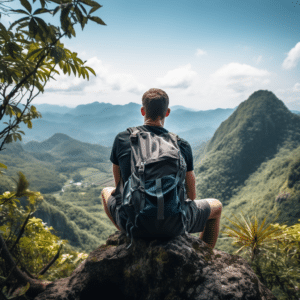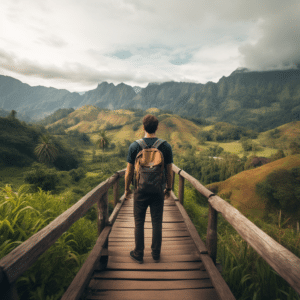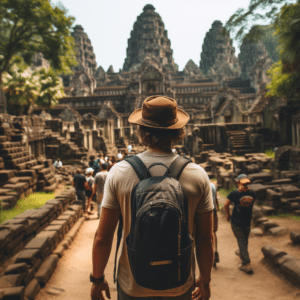
Backpacking is an exhilarating adventure that requires careful planning, essential gear, and clever packing techniques. When embarking on a backpacking journey, it is essential to set clear goals and conduct thorough research on different destinations. Creating a budget and implementing effective cost-cutting strategies can help minimize expenses. Selecting accommodations wisely, understanding transportation options, and navigating visa requirements are all crucial aspects of a successful backpacking trip.
Ultralight backpacking tips and tricks can help reduce weight and increase efficiency. By analyzing gear, opting for multi-purpose items, minimizing toiletries, and sharing gear, backpackers can lighten their load without sacrificing comfort or functionality. Selecting the right ultralight gear is also important, considering factors such as weight-to-function ratio, durability, and comfort.
Setting Clear Goals and Conducting Research
Before embarking on your backpacking journey, it’s essential to set clear goals and conduct comprehensive research on the destinations you plan to visit. This will help you make the most of your trip and ensure a smooth and enjoyable experience.
Here are some key steps to consider:
Choose your travel route: Decide where and what to see. Think about your favorite countries, cities, and landmarks. Make a basic itinerary and estimate how long each stop will take.
Research thoroughly: After choosing a few destinations, research them. Gather accurate information about each area using travel websites, guidebooks, and internet forums. Find out about local customs, attractions, and hidden gems. Follow travel warnings and safety tips.
Consider practicalities: Consider weather, visas, transportation, and finances when arranging your route. Some destinations have admission criteria or seasonal restrictions.
Explore alternative routes or off-the-beaten-path destinations if you have extra time. This adds adventure and offers unique tourist experiences.
| Benefits of Setting Clear Goals and Conducting Research |
|---|
| 1. Maximizing your time: By setting clear goals and conducting research, you can prioritize the destinations and attractions that align with your interests, ensuring you make the most of your limited time during your backpacking trip. |
| 2. Avoiding unexpected surprises: Thorough research allows you to anticipate potential challenges and avoid unexpected surprises that may disrupt your travel plans. This includes understanding local customs, weather patterns, and any safety concerns. |
| 3. Discovering hidden gems: By delving into research, you may stumble upon hidden gems or lesser-known destinations that are not typically frequented by tourists. These discoveries can add a unique and authentic touch to your backpacking experience. |
| 4. Enhancing safety and security: Conducting research enables you to stay informed about travel advisories, potential risks, and safety precautions specific to each destination. This knowledge helps you make informed decisions and prioritize your safety throughout your journey. |
Creating a Budget and Cutting Costs
One of the key aspects of mastering backpacking is creating a budget and finding ways to cut costs without compromising on the quality of your experience. By estimating your travel expenses and implementing cost-cutting strategies, you can make your backpacking trip more affordable and enjoyable. Here are some tips to help you create a budget and save money during your adventure:
1. Choose Budget-Friendly Accommodations
When selecting accommodations, consider budget-friendly options such as hostels, guesthouses, or campgrounds. These options are often cheaper than hotels and can provide unique experiences. Before making a reservation, read reviews from other backpackers to gauge the quality and cleanliness of the place. Booking accommodations in advance, especially during peak travel seasons, can help you secure the best deals.
2. Utilize Public Transportation
Public transportation is not only cost-effective but also allows you to immerse yourself in local culture. Research the transportation options available in your destination, such as trains, buses, or trams, and plan your itinerary accordingly. Consider purchasing travel passes or cards that offer unlimited travel within a certain period. This can help you save money on individual tickets and make navigating through different cities or regions more convenient.
3. Cook Your Own Meals
Eating out can quickly drain your travel budget, especially in popular tourist areas. To save money on food, consider cooking your own meals whenever possible. Look for accommodations with kitchen facilities or communal kitchens where you can prepare your meals. Visit local markets or grocery stores to purchase fresh ingredients and create delicious and budget-friendly meals. Not only will you save money, but you’ll also have the opportunity to experience the local culinary scene in a unique way.
| Benefit | Example |
|---|---|
| Save money | By choosing budget-friendly accommodations and utilizing public transportation, you can significantly reduce your travel expenses. |
| Immerse in local culture | Using public transportation and cooking your own meals can allow you to experience the local way of life and interact with locals. |
| Flexibility | By cutting costs, you’ll have more flexibility in your travel budget, allowing you to extend your trip or splurge on unique experiences. |
By following these budgeting tips and implementing cost-cutting strategies, you can make the most of your backpacking adventure without breaking the bank. Remember to plan ahead, research your options, and prioritize what truly matters to you. With careful budgeting, you’ll be able to create unforgettable memories while exploring the world on a backpacker’s budget.
Selecting Accommodations Wisely
Choosing the right accommodations plays a crucial role in ensuring a comfortable and enjoyable backpacking experience. When embarking on a backpacking adventure, it’s important to consider factors such as location, amenities, and budget. Reading reviews from fellow backpackers can provide valuable insights and help you make informed decisions.
“The hostel I stayed at had a friendly and helpful staff. The common areas were clean and inviting, and I made some great friends during my stay.” – Backpacker Review
One option for budget-conscious backpackers is staying at hostels. These affordable accommodations often offer communal areas where travelers can socialize and share experiences. Hostels typically provide dormitory-style rooms with shared bathrooms, making them an ideal choice for those seeking a lively and vibrant atmosphere.
| Pros | Cons |
|---|---|
| Cost-effective option | Shared facilities |
| Opportunity to meet fellow backpackers | Less privacy |
| Access to communal areas and activities | Noisy at times |
For those who prefer a bit more privacy and comfort, guesthouses or budget hotels can be a suitable choice. These establishments often offer private rooms with shared or en-suite bathrooms. While they may be slightly more expensive than hostels, they provide a peaceful retreat after a day of exploring.
- Affordable private rooms
- Moderate level of comfort
- Potential for meeting other travelers
If you value more amenities and are willing to splurge on accommodations, boutique hotels or resorts might be the perfect fit. These establishments offer luxurious rooms, top-notch service, and a range of facilities such as pools, spas, and restaurants. However, they do come with a higher price tag.

Understanding Transportation Options
Navigating transportation options is an essential part of mastering the art of backpacking, ensuring you can reach your destinations efficiently and cost-effectively. When planning your backpacking trip, it’s important to consider the different modes of transport available and choose the most suitable option for your needs.
For long-distance journeys, air travel is often the preferred choice. Airlines offer a convenient and fast way to reach your destination, especially when traveling to far-off countries or continents. Booking your flights in advance and being flexible with your travel dates can help you find the best deals and save money. Additionally, consider packing light to avoid excess baggage fees and make your journey more comfortable.
| Transportation Option | Advantages | Considerations |
|---|---|---|
| Air Travel | – Fast and convenient – Wide range of destinations – Deals and discounts available |
– Baggage restrictions and fees – Limited flexibility |
| Trains | – Scenic views – Interaction with locals – Comfortable and spacious |
– Timetable restrictions – Limited accessibility in remote areas |
| Buses | – Affordable – Accessibility to remote areas – Flexibility in routes |
– Longer travel times – Limited comfort for longer journeys |
Navigating Visa Requirements and Travel Documents
For international backpacking trips, it’s crucial to navigate visa requirements and gather all the necessary travel documents to ensure a smooth and hassle-free journey. Before embarking on your adventure, take the time to research the visa requirements of your intended destinations. Each country has its own rules and regulations, so it’s important to familiarize yourself with the specific requirements for the countries you plan to visit.
To obtain the necessary travel documents, such as passports and visas, consult the official embassy websites of the countries you will be traveling to. These websites provide detailed and up-to-date information on the application process, required documents, and any fees or restrictions. It’s essential to start this process well in advance of your trip to allow for any unforeseen delays or complications.
When applying for visas, pay close attention to the required supporting documents, such as proof of accommodation, return tickets, and sufficient funds. Be sure to gather all the necessary paperwork and complete the application forms accurately to avoid any potential issues. It’s also a good idea to make copies of all your travel documents, including your passport, visa, and travel itinerary, and keep them in a separate location from the originals.
Useful Links:
| Country | Official Embassy Website |
|---|---|
| United States | www.usembassy.gov |
| Australia | www.homeaffairs.gov.au |
| United Kingdom | www.gov.uk/government/organisations/uk-visas-and-immigration |
Remember to check these official embassy websites regularly for any updates or changes to visa requirements. It’s always better to be well-informed and prepared before starting your backpacking journey.
By navigating visa requirements and ensuring you have all the necessary travel documents, you can embark on your backpacking adventure with confidence, knowing that you have taken the necessary steps to comply with foreign entry requirements. So, gather your documents, pack your bags, and get ready to explore the world!
Ultralight Backpacking Tips and Tricks
Ultralight backpacking is a popular approach that allows backpackers to travel for longer distances with minimal weight and maximum efficiency. To achieve this, it’s essential to choose the right gear and utilize smart packing techniques. Here are some tips and tricks to help you master the art of ultralight backpacking:
- Selecting Ultralight Gear: When choosing gear, consider the weight-to-function ratio, durability, and comfort. Look for gear made from lightweight materials without compromising functionality. Before making a purchase, read reviews to ensure you’re making an informed decision.
- Efficient Packing Techniques: Systematically arrange your gear to optimize space and weight distribution. Pack essential items in easily accessible pockets or compartments. Utilize compression sacks or packing cubes to minimize bulk and maximize space.
- Minimizing Weight: Opt for multi-purpose items that can serve multiple functions. For example, a lightweight rain jacket can double as a windbreaker. Minimize toiletries and luxury items, and cut excess packaging. Sharing gear with your travel companions can also help reduce weight.
When it comes to ultralight backpacking, having the right gear and adopting efficient packing techniques can make a significant difference in your overall experience. By minimizing weight and maximizing functionality, you’ll be able to enjoy longer hikes and cover more ground with ease. Keep in mind that the principles of ultralight backpacking can be applied to various outdoor activities, allowing you to enjoy nature with minimal impact on your body and the environment.
| Essential Ultralight Gear | Weight | Functionality | Rating |
|---|---|---|---|
| Ultralight Backpack | 2 lb | Durable, spacious, adjustable | ★★★★★ |
| Ultralight Sleeping Bag | 1.5 lb | Warm, compact, moisture-resistant | ★★★★☆ |
| Ultralight Tent | 2.5 lb | Easy setup, weatherproof, spacious | ★★★★☆ |
| Ultralight Stove | 0.3 lb | Compact, fuel-efficient | ★★★★★ |
Note: The ratings provided are based on user reviews and may vary depending on personal preferences and needs.
Selecting Ultralight Gear Wisely
Choosing the right ultralight gear is essential for a successful backpacking trip, ensuring you have the necessary equipment without sacrificing comfort or durability. When it comes to ultralight gear, one of the crucial factors to consider is the weight-to-function ratio. Look for gear that is lightweight but still functional, providing you with the features you need while minimizing unnecessary weight.
Durability is another key aspect to keep in mind. Ultralight gear is designed to be lightweight, but it should also be durable enough to withstand the demands of the trail. Look for gear made from strong and durable materials that can withstand the rigors of backpacking, ensuring it will last throughout your trip.
| Gear | Weight (lbs) | Durability | Comfort | Reviews |
|---|---|---|---|---|
| Backpack | 2.5 | ★★★★★ | ★★★☆☆ | Read Reviews |
| Sleeping Bag | 1.2 | ★★★★☆ | ★★★★★ | Read Reviews |
| Tent | 3.1 | ★★★☆☆ | ★★★★☆ | Read Reviews |
By taking these factors into consideration and utilizing reviews, you can make informed decisions when selecting ultralight gear for your backpacking adventure. Remember to prioritize weight, durability, comfort, and reliability to ensure you are equipped with gear that meets your needs while keeping your backpack lightweight and efficient.
Efficient Packing Techniques
Efficient packing techniques are crucial in backpacking, allowing you to carry everything you need while maintaining a well-organized and balanced load. By following these tips, you can optimize your backpacking experience and make the most of your adventure.
Firstly, it is essential to arrange your gear systematically. Divide your items into categories, such as clothing, toiletries, cooking equipment, and electronics. Utilize packing cubes or compression sacks to keep items organized and maximize space. You can also use smaller bags or pouches to separate smaller items within each category, making it easier to find what you need when you need it.
Distributing weight evenly throughout your backpack is another key technique. Place heavier items close to your back and in the lower portion of the pack. This will help maintain balance and prevent strain on your shoulders and back. Lighter items, such as clothing or sleeping bags, can be placed towards the top or outer pockets of the backpack.
Compression sacks are excellent tools for maximizing space and reducing the bulk of your gear. These sacks allow you to compress clothing and other soft items, making them more compact and freeing up valuable space in your backpack. Additionally, they can protect your gear from moisture, ensuring everything stays dry during your travels.
| Packing Technique | Benefits |
|---|---|
| Systematic arrangement of gear | Easy access and organization |
| Even weight distribution | Improved balance and reduced strain |
| Utilizing compression sacks | Maximized space and gear protection |
By implementing these efficient packing techniques, you can optimize the space in your backpack, reduce strain on your body, and ensure easy access to your essentials. Remember to practice and refine your packing skills before embarking on your backpacking journey to become a master of efficient packing and enjoy a smooth and organized adventure.
Mastering Trail Skills
Mastering trail skills is fundamental for safe and enjoyable backpacking adventures, ensuring you can navigate through different terrains and camp responsibly in natural areas. Whether you are a beginner or an experienced backpacker, developing these essential skills will enhance your outdoor experiences and give you the confidence to explore new trails.
Navigation: Understanding how to navigate is crucial when venturing into unfamiliar territories. Carry a detailed map, compass, or GPS device to help you determine your location and plan your route. Take the time to study the maps and familiarize yourself with key landmarks and topographical features. Always have a backup navigation method and be prepared to use it if needed.
| Trail Skills | Key Takeaways |
|---|---|
| Navigation | Carry a map, compass, or GPS device. Study maps and landmarks. Have backup navigation methods. |
| Campsites | Select established campsites. Keep a safe distance from hazards. Follow Leave No Trace principles. |
| Outdoor Skills | Learn fire safety and basic first aid. Understand how to operate camping equipment. Familiarize yourself with regulations. |
By mastering trail skills, you can embark on backpacking adventures with confidence, knowing that you have the knowledge and abilities to navigate the trails, find suitable campsites, and enjoy the beauty of nature responsibly. Remember to always prioritize safety, respect the environment, and continue honing your skills as you explore new trails and enhance your backpacking experiences

Conclusion
Mastering the art of backpacking entails meticulous planning, smart packing techniques, and acquiring essential trail skills to embark on unforgettable adventures. When determining your travel route, it is crucial to set clear goals and consider what you want to experience and see during your backpacking trip. Conducting comprehensive research using travel websites, guidebooks, and online forums will provide you with reliable information about different destinations, ensuring that you make informed decisions.
Creating a budget is an essential step in backpacking. By estimating your travel expenses and implementing cost-cutting strategies, such as choosing budget-friendly accommodations and using public transportation, you can make the most of your funds. When selecting accommodations, reading reviews will help you gauge the quality of the place and make informed choices. Additionally, making reservations in advance, especially during peak travel seasons, is advisable to secure your stay.
Understanding the transportation options available to you is vital. For long-distance journeys, air travel is often the preferred choice, while trains or buses are suitable for shorter distances or within specific regions. It is important to explore different options and choose the most efficient and cost-effective means of transportation for your backpacking adventure.
FAQ
What is backpacking?
Backpacking is a form of travel where individuals carry all their necessities on their backs, often exploring multiple destinations within a specific timeframe.
How do I determine my travel route?
Start by setting clear goals and considering what you want to experience and see. Conduct comprehensive research using travel websites, guidebooks, and online forums to gather reliable information about different destinations.
How do I create a budget for my backpacking trip?
Estimate your travel expenses and implement cost-cutting strategies, such as choosing budget-friendly accommodation and using public transportation. Consider the duration of your trip, exchange rates, and potential additional costs like visas.
How do I select accommodations for my backpacking trip?
Read reviews to gauge quality and make reservations in advance, especially during peak travel seasons. Consider factors like location, amenities, and budget. Hostels, guesthouses, and camping are popular options for backpackers.
What are the transportation options for backpackers?
Air travel is often the preferred choice for long-distance journeys. Trains or buses are suitable for shorter distances or within specific regions. Research transportation options available in each destination.
What do I need to know about visas and travel documents for international travel?
Navigating visa requirements and organizing travel documents are crucial for international travel. Consult official embassy websites for specific requirements and gather necessary documentation like passports, visas, and travel insurance.
What are some tips for ultralight backpacking?
Reduce weight by analyzing gear, opting for multi-purpose items, minimizing toiletries and luxury items, cutting excess packaging, and sharing gear with fellow backpackers.
How do I select the right ultralight gear?
Consider factors such as weight-to-function ratio, durability, reliability, comfort, and fit. Read reviews to make informed decisions on gear selection.
What are some efficient packing techniques for backpacking?
Arrange gear systematically, distribute weight evenly, pack essential items in easily accessible pockets or compartments, and use compression sacks or packing cubes to maximize space and organization.
What trail skills should I master for backpacking?
Master navigation with maps, compasses, and GPS devices. Learn to select suitable campsites, practice Leave No Trace principles to minimize environmental impact, and acquire basic outdoor skills like fire building and first aid.
Source Links
- https://medium.com/@furkansamut/mastering-the-art-of-backpacking-a-comprehensive-guide-to-crafting-your-perfect-travel-itinerary-82d85e5c69b1
- https://www.barnesandnoble.com/w/backpacker-long-trails-liz-thomas/1127474873
- https://silverantoutdoors.com/blogs/the-silverant-blog/the-ultimate-guide-to-ultralight-backpacking-tips-tricks-and-gear-recommendations